
Tsukishima’s standing-bar culture gets a focused sake-and-fish reading at Sakazuki, a 10-seat counter selected for Tabelog 100 Tachinomi 2025. The appeal is not ceremony for its own sake, but compression: Toyosu-sourced seafood, roughly 50 sake labels, and a compact room that places sourcing and pairing ahead of restaurant theatrics.
Pearl is the En Primeur Club membership app — saves, bookings, and concierge access live there. Same editors, same standards.
- Address
- 3 Chome-11-11 Tsukishima, Chuo City, Tokyo 104-0052, Japan
- Phone
- +81 3-5144-6226
- Website
- tabelog.com
 Saves & bookings on Pearl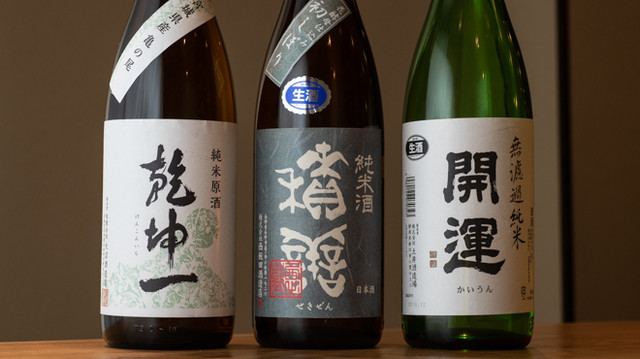
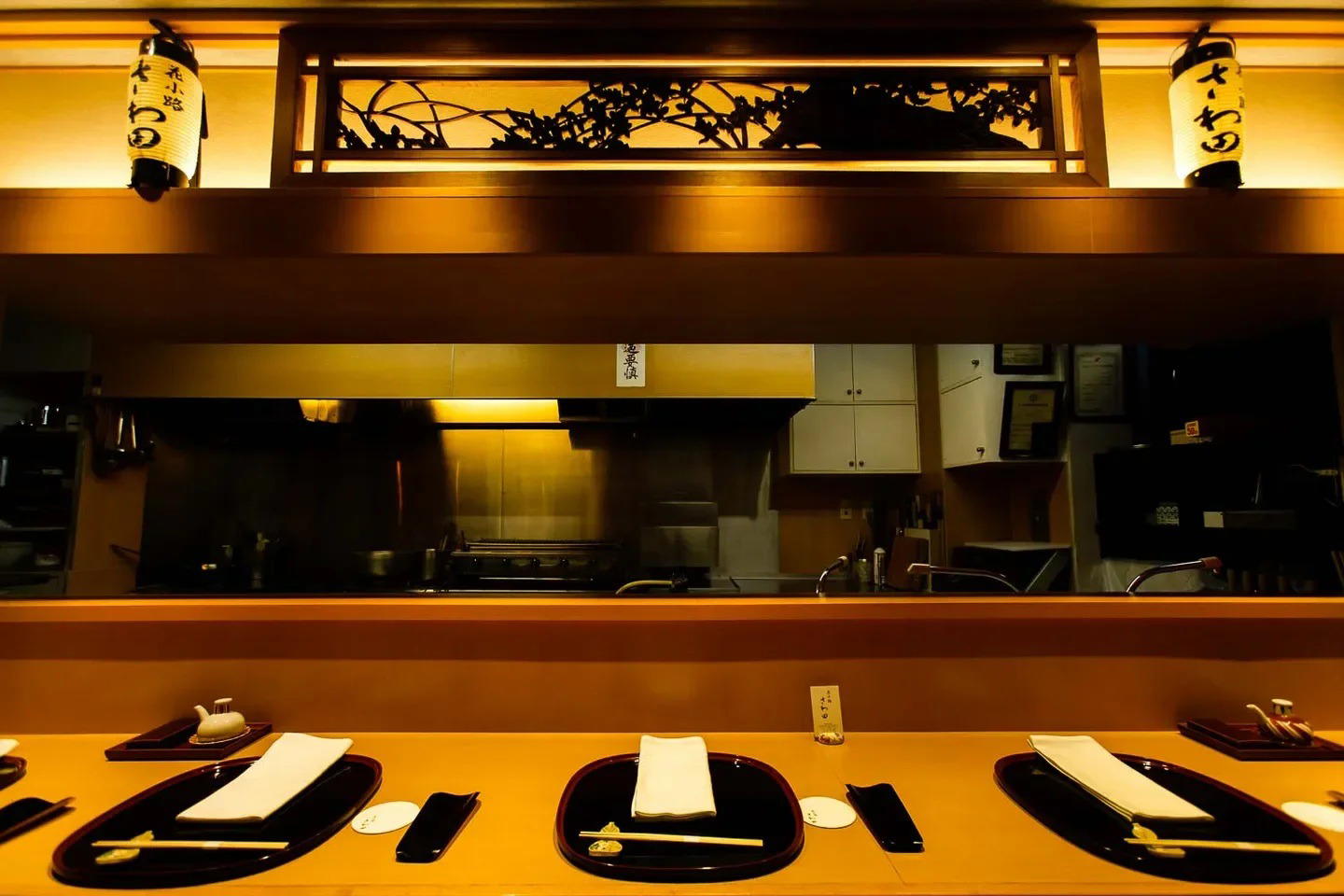
Tsukishima is known more for monja griddles and low-slung backstreets than polished sake rooms, which is why the standing-bar format matters here. The counter pulls the evening close: bottles within reach, seafood as the kitchen’s point, and a room built around pace rather than ceremony. In Tokyo, tachinomi can mean after-work beer or serious drinking with a food program; Sakazuki is the latter, where standing does not lower ambition so much as remove upholstery.
The ingredient story is the useful lens. Tokyo’s serious casual counters often rely less on elaborate technique than procurement rhythm, especially with fish. Daily sourcing from Toyosu puts the kitchen in the same supply logic as higher-priced sushi counters and kappo rooms, but changes the guest contract. Instead of a hushed progression, the offer is direct: seafood, sake, counter, repeatable pricing, and little distraction. Selection for Tabelog 100 Tachinomi 2025 gives the small format a measurable credential in a category where reputation usually moves through regulars rather than formal awards.
Toyosu fish, sake discipline, and the serious side of tachinomi
Tokyo drinking culture has a split personality. At one end are izakaya built for breadth, absorbing groups, beer, and second rounds. At the other are narrow specialists: yakitori counters, sake bars, seafood-led standing rooms, and places where the food list reads less like abundance than editing. Sakazuki sits in that specialist tier, with fish as its food anchor and nihonshu as the organizing drink, not an accessory.
The stated sake range, about 50 types, is meaningful in a room with 10 standing counter seats. It suggests choice and rotation rather than token labels. For travellers used to wine-led pairing rooms, the Japanese sake-bar equivalent is more fluid: regional breweries, rice polishing levels, temperature decisions, and bottle freshness shape the meal without a white-tablecloth setting. The absence of private rooms reinforces the point: counter culture, not compartmentalized dining.
The omakase-course structure separates it from looser tachinomi drinking. A standing bar with a set food format asks guests to treat the visit as dinner, not a stop between stations. After 9 PM, it loosens into à la carte choices from the course menu, a late-evening pattern that suits Tokyo’s move from dinner to second venue without making the second venue feel secondary. The same room can be a focused meal early and a sake-led follow-up later.
Compared with nearby or category-adjacent Tokyo options, the positioning is narrower and more ingredient-led. Kishida Ya sits in a lower dinner band and reads more like old-school neighbourhood drinking; Sakana ya Ajisen and Korean Dun occupy higher casual-dining bands; Yakiniku Rin enters a much more expensive meat-focused bracket. These comparisons matter because tachinomi is often mistaken as merely cheap. Here, standing is the architecture, not the quality signal.
Tsukishima gives the counter its edge
Tsukishima is not Ginza, though it sits on the same central-city map. Ginza turns small counters into theatre and price signaling; Tsukishima keeps local evening texture, with residents, office workers, and destination diners crossing paths in a tighter radius. A sake-and-fish counter here reads differently than in a luxury district: tied to everyday Tokyo, sharpened by sourcing and curation.
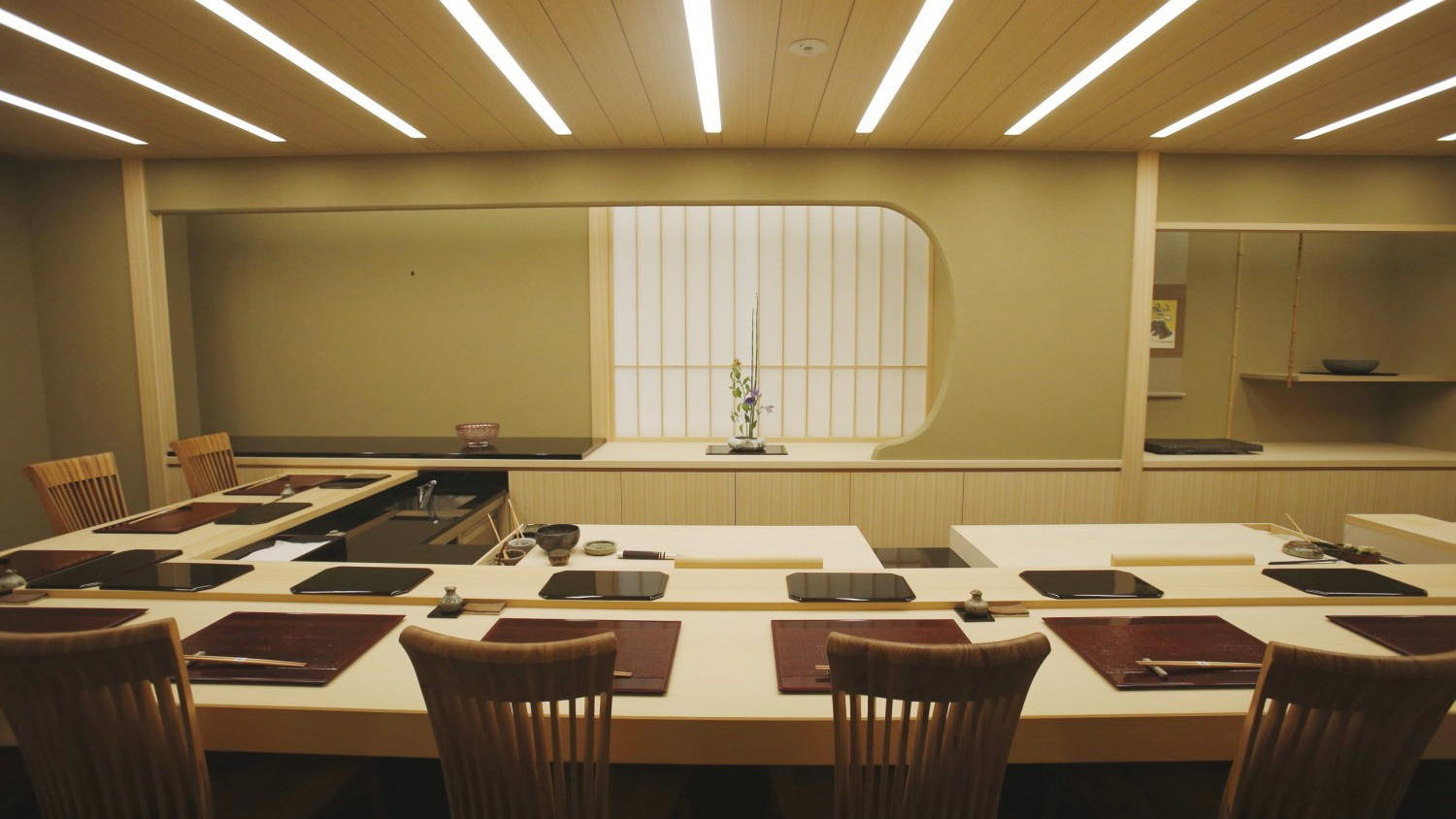
The 10-seat standing-counter layout changes service expectations. There is no sprawling dining room to hide uneven pacing, and no plush design language to soften the experience. Small capacity rewards decisive planning and punishes vague expectations. It also suits solo dining, a category Tokyo handles better than almost any major food city. The counter is the social unit: compact for regulars, legible for visitors, disciplined enough that food and sake remain the reason to be there.
For a Tokyo food itinerary, place this beside category specialists rather than luxury restaurants. A day might move from curry at 3 Chome no Curry Ya San to yakitori at 124. KAGURAZAKA (Yakitori), or from seafood and charcoal at . 鮪と炭火焼き うお炭 秋葉原店 to a casual visual detour at 2D Cafe. 12/10 Shinjuku ten belongs to a different night-out grammar. The point is not ranking but reading Tokyo through formats: counter, grill, café, curry shop, standing bar.
That format literacy extends beyond the city. Japan’s casual specialists travel poorly as stereotypes but well as categories: sukiyaki in Kamakura at -Grilled beef Sukiyaki- KAMAKURA TANUKIAN 鎌倉 たぬき庵 in Kamakura, café culture at.cafe in Osaka, regional dining at.know in Kumamoto, Vietnamese cooking at (Shoku) Vietnam in Kawasaki, curry specialization at [Curry Senmon Ten] Maruyama Kyoju. in Sapporo, and Kyoto’s smaller-format dining at [ki:] in Kyoto. Abroad, the sake-bar conversation echoes at Jōdo Saké Bar in Los Angeles, while compact Japanese comfort formats appear at Onigiri Time in Pasadena.
How to read it in a Tokyo itinerary
Sakazuki fits travellers who want Tokyo’s ingredient culture without a formal tasting-menu room. The draw is Toyosu fish, sake selection, and standing-counter efficiency. It is less suited to diners seeking a long, cushioned evening or broad early-night à la carte izakaya menu. Expect a compact seafood-and-sake session where the format asks guests to lean in, not settle back.
Its 2019 opening places it among newer Tokyo specialists treating casual formats with unusual seriousness. The non-smoking policy, counter-only seating, and recognition in a tachinomi-specific award category point in one direction: not a generic bar with snacks, but part of a tighter Tokyo movement where sourcing, drink depth, and small-room discipline do the work that décor and luxury signals handle elsewhere.
For broader planning, use Our full Tokyo restaurants guide to place it among city dining formats, then cross-check adjacent evenings through Our full Tokyo bars guide. Longer stays can pair food planning with Our full Tokyo hotels guide, while category completists can scan Our full Tokyo wineries guide and Our full Tokyo experiences guide. The lesson is simple: Tokyo’s serious meals are not confined to seated luxury. Sometimes the more revealing room is a small standing counter with good fish and better sake judgment.
Cuisine-First Comparison
Side-by-side context: comparable cuisine and price.
| Venue | Cuisine | Price | Notes |
|---|---|---|---|
| SakazukiThis venue — the venue you are viewing | Standing Japanese sake bar with omakase pairing course | $$ | Not listed |
| Kisetsu Ryori Ishii | Seasonal Japanese Seafood Diner | $$ | Chūō |
| Gavial | European-style Japanese curry | $$ | Chiyoda |
| Kosetsu | Traditional Japanese Soba & Kaiseki | $$ | Bunkyō |
| Kibun Zushi | Traditional Edomae Sushi in Asakusa | $$ | Taitō |
| グリル グランド | Yoshoku (Japanese-style Western Cuisine) | $$ | Taitō |
Recognition history
Dated appearances from independent guides and award organizations, with the underlying list record or original source where available.
Tabelog 100 #4 · No. 4
Tabelog · Tabelog 100 - Tachinomi - 2025




At a Glance
- Cozy
- Modern
- Intimate
- Trendy
- Solo
- After Work
- Casual Hangout
- Date Night
- Late Night
- Group Dining
- Chefs Counter
- Standalone
- Design Destination
- Sake Program
- Local Sourcing
- Sustainable Seafood
Current opening hours
- Monday
- 6–11 PM
- Tuesday
- 6–11 PM
- Wednesday
- Closed
- Thursday
- 6–11 PM
- Friday
- 6–11 PM
- Saturday
- 6–11 PM
- Sunday
- 6–11 PM
Hours can change for holidays and private events. Last verified .
A stylish yet relaxed standing bar with a small counter-only space, focused on intimate sake conversations and seasonal dishes rather than loud crowds.