
Gekko sits in Tokyo’s serious izakaya tier, where the format moves beyond casual drinking food into small-room, reservation-led dining. Its selection for Tabelog 100 Izakaya EAST 2025 gives it a clear reputation signal in a city where neighborhood taverns and chef-led counters often overlap.
Pearl is the En Primeur Club membership app — saves, bookings, and concierge access live there. Same editors, same standards.
- Address
- Japan, 〒160-0006 Tokyo, Shinjuku City, Funamachi, 5−25 TSIFUNAMACHI 1F
- Phone
- +81 3-5919-6697
- Website
- facebook.com
 Saves & bookings on Pearl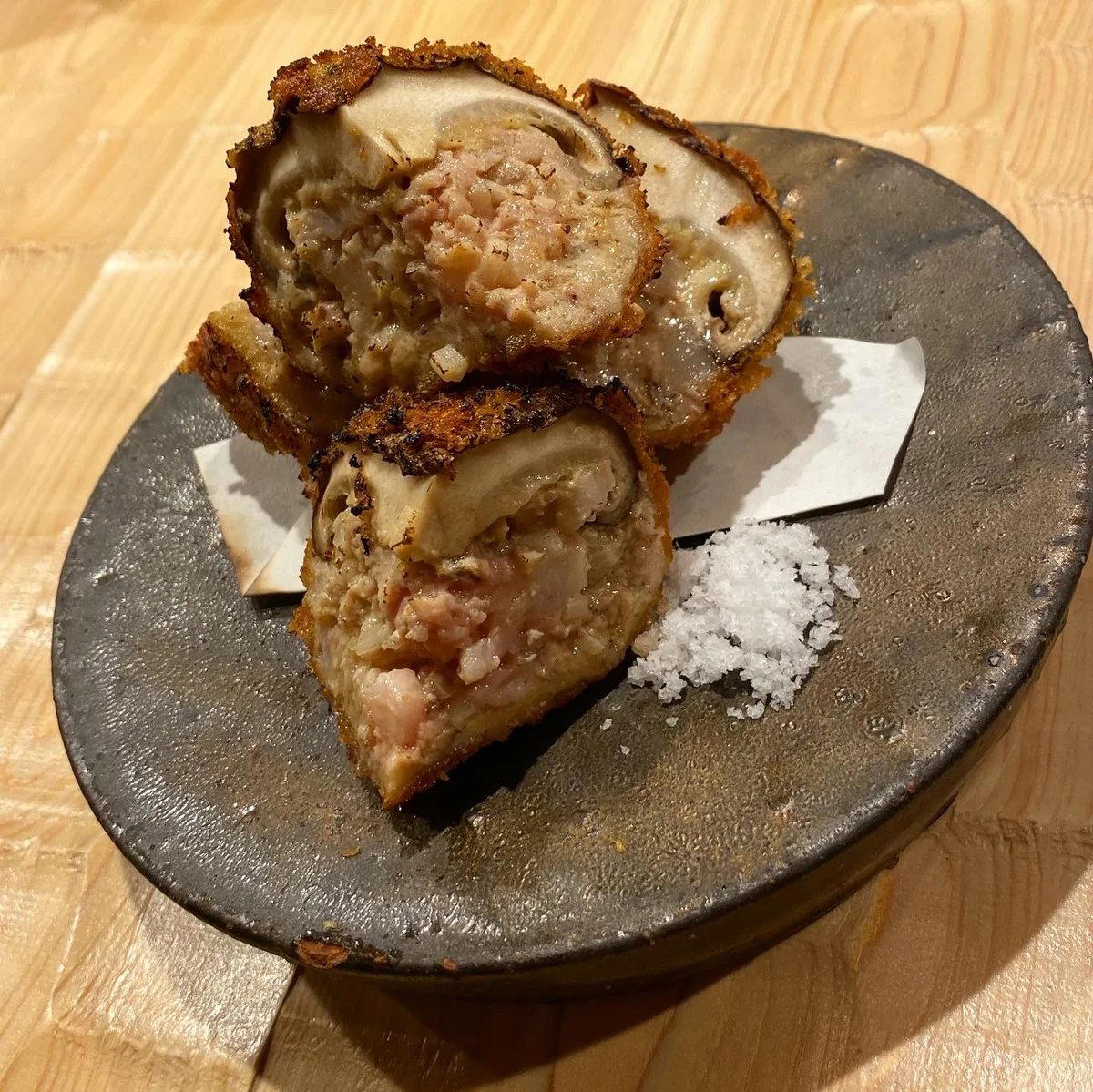
Funamachi does not announce itself with Ginza polish or Shinjuku neon. Its appeal is narrower: side streets, compact rooms, and restaurants that demand attention before the first order. In that context, Gekko belongs to a Tokyo category often misread from abroad. Izakaya does not always mean loose, noisy, inexpensive drinking; at the serious end, it becomes a small-format evening built around seasonality, sake pacing, and the social grammar of counter and table dining.
The useful frame is reputation, not spectacle. Tokyo has thousands of izakaya, but few enter the conversation for destination dining. Gekko’s selection for Tabelog 100 Izakaya EAST 2025 places it in that narrower field, judged within the izakaya tradition rather than against sushi counters, kaiseki rooms, or French tasting menus. The standard is not theatrical luxury, but whether a tavern format carries enough precision, consistency, and local loyalty to justify a planned evening.
A serious izakaya in a neighborhood built for regulars
Yotsuya and Arakicho reward diners who understand Tokyo at street level. The area sits between office districts, residential pockets, old drinking lanes, and compact Japanese restaurants that rely less on hotel concierge traffic than repeat custom. It corrects the exported image of Tokyo dining, where luxury is often reduced to counters, courses, and ceremony.
Here, the izakaya remains flexible: grilled items, sashimi, simmered dishes, rice finishes, sake-led pacing, or a sequence shaped by the room. Its strength is refusing to separate food from drinking culture. A serious izakaya is not a lesser restaurant; it is a different social contract, usually less linear than kaiseki and less rigid than omakase, but still dependent on sourcing, timing, and restraint.
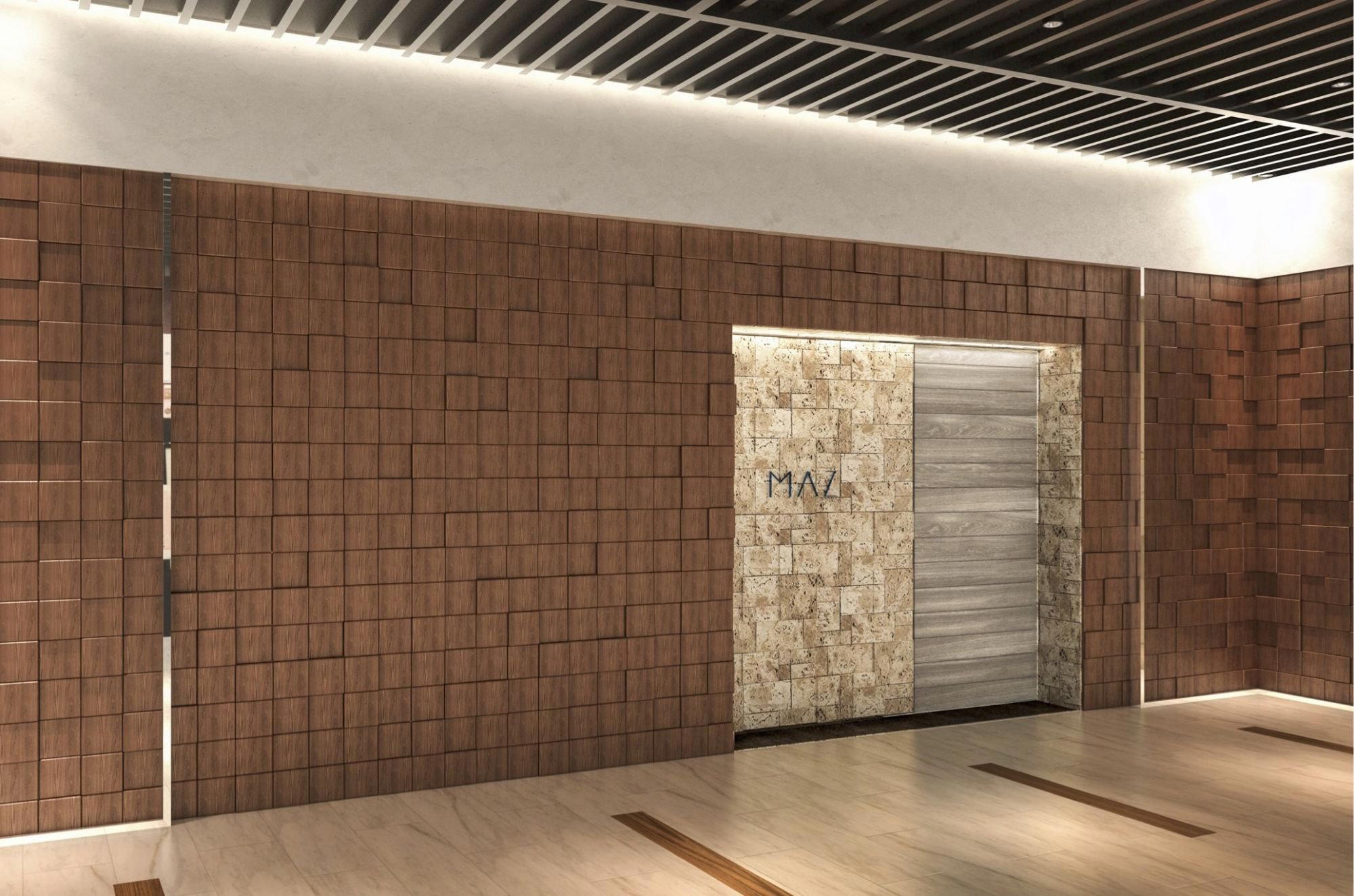
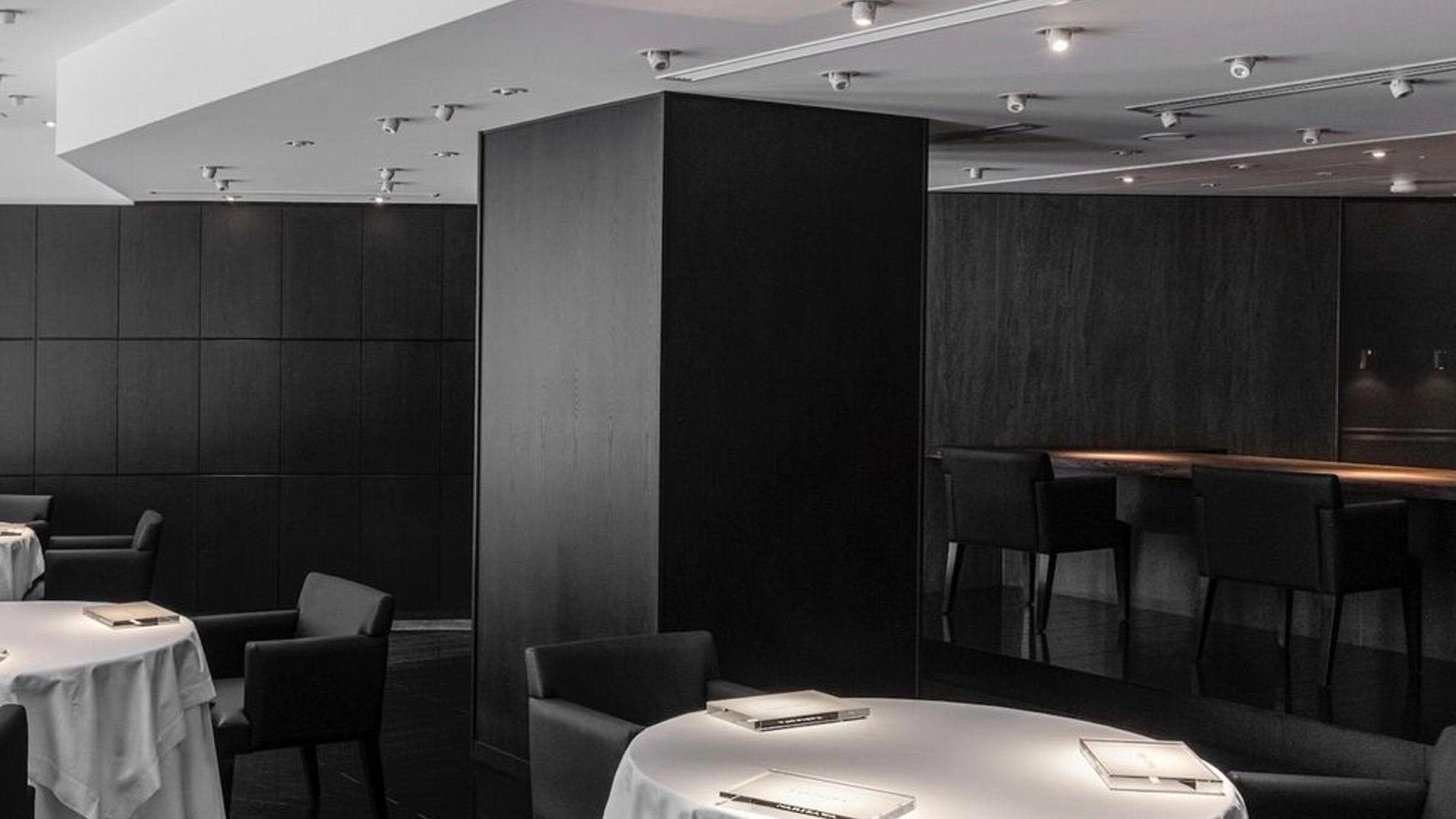
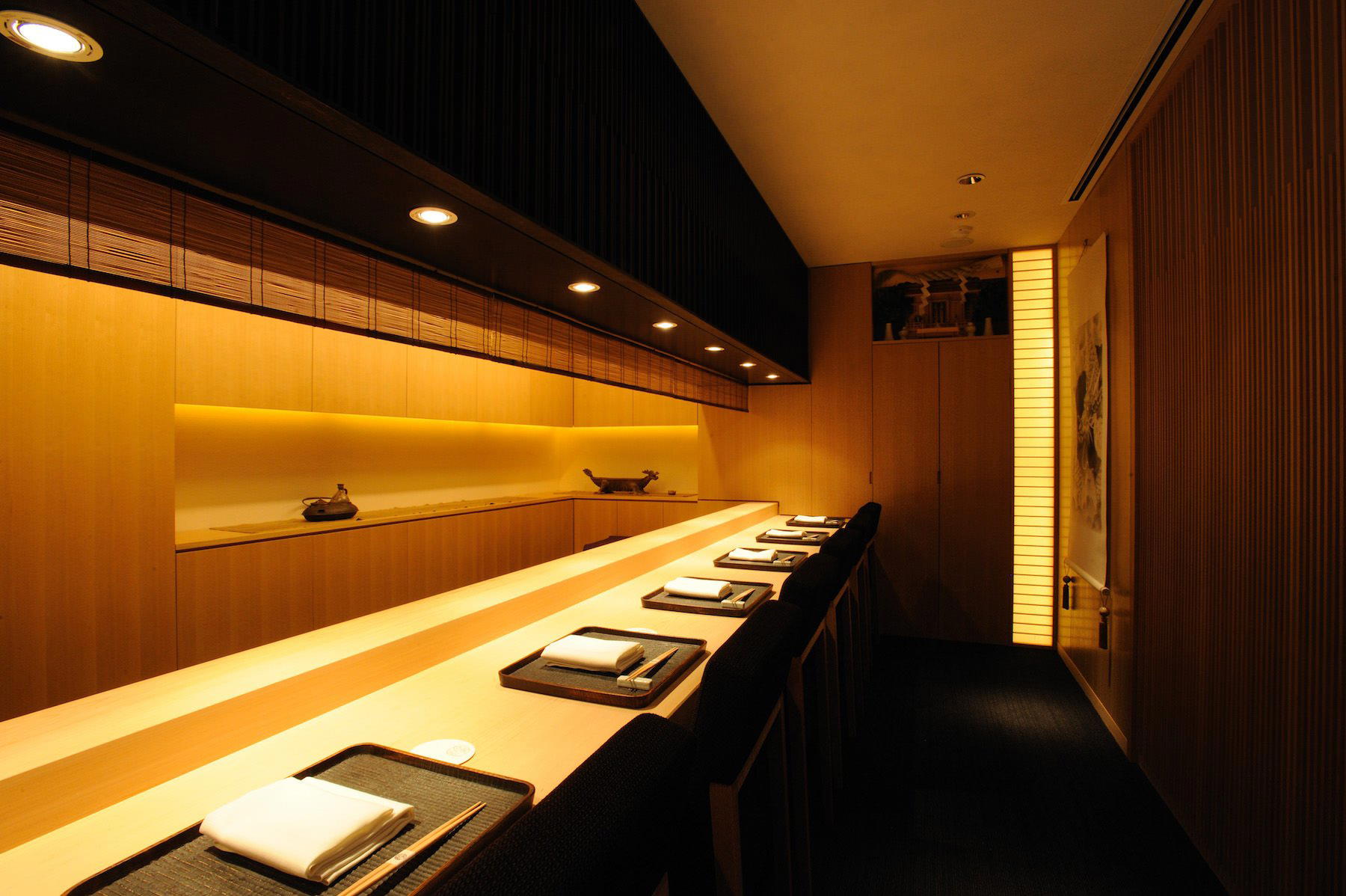
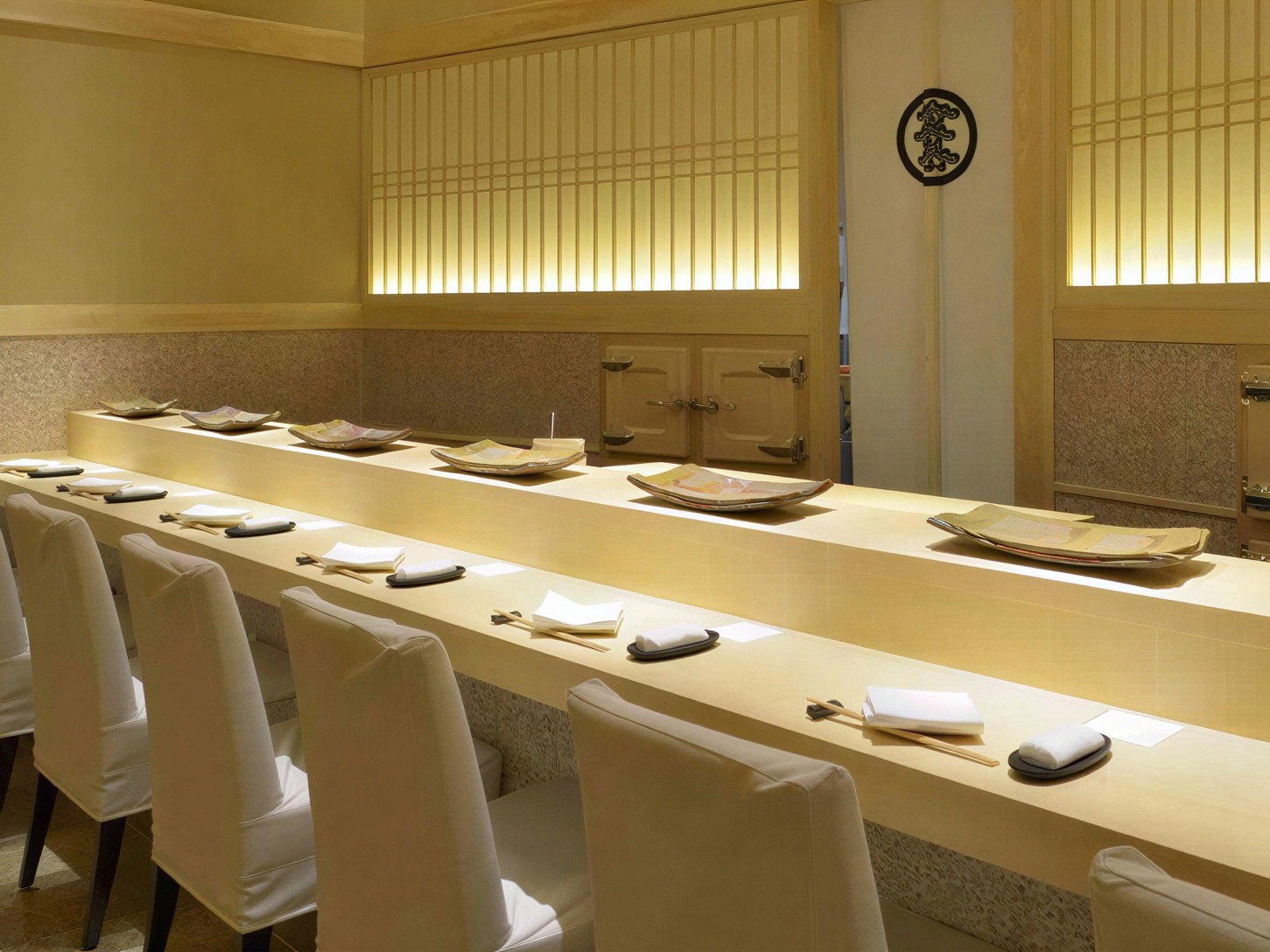
Gekko’s scale reinforces that reading. The room is small enough for counter seats and tables to matter, and the experience belongs to reservation-led Tokyo dining rather than the drop-in pub model. Tabelog 100 Izakaya EAST 2025 recognition therefore carries weight: it identifies the venue inside a competitive regional category where consistency and local approval matter more than international branding.
Nearby comparisons sharpen the point. Yotsuya Minemura and Oryori Horiuchi sit closer to composed Japanese dining, while Yakitori Ogawa represents the specialized skewer-counter economy at a higher dinner spend. Ichijoryu Ganko Sohonke Bunke Yotsuya Arakicho works from a different price logic entirely. Gekko occupies Tokyo’s middle ground: a compact izakaya with enough critical recognition to justify advance planning, still rooted in evening drinking and shared plates.
Why the Tabelog signal matters for izakaya
For visitors, Japanese restaurant awards can be harder to read than Michelin stars because they reflect local search behavior, category depth, and domestic expectations. Tabelog’s Hyakumeiten lists help by separating genres: a ramen shop, tonkatsu counter, izakaya, and sushi restaurant are not forced into one hierarchy. Gekko’s inclusion in the 2025 Izakaya EAST selection says less about luxury than performance within a crowded, everyday category.
That should shape expectations. The value here is not a trophy menu or one named dish, but seeing how Tokyo’s izakaya culture becomes disciplined without losing social ease. At this level, seating rhythm, smoking policy, payment methods, and reservation control affect the meal as much as the cooking category. The experience suits diners seeking a Japanese evening rather than a globally legible tasting-menu script.
The absence of a public chef narrative is not a weakness. Tokyo has many restaurants where the room, category, and regular clientele matter more than a founder biography. Izakaya culture has always been collective: kitchen, counter, drinks, pacing, and neighborhood memory. The better question is not who turned the concept into a personal manifesto, but whether the format earns its reputation among diners with alternatives within a few train stops.
On the available signals, Gekko sits in that trusted bracket. It has been open since 2014, operates in a compact room, and appears in a 2025 category list that rewards izakaya rather than fine-dining theater. Those facts define it better than adjective-heavy praise: a small Tokyo izakaya with serious recognition, not a casual fallback near Shinjuku.
How to place it in a Tokyo dining itinerary
The strongest case for booking is not to tick off a famous restaurant type, but to balance a Tokyo itinerary that might otherwise lean too heavily on sushi, wagyu, ramen, and hotel dining. A night at a reputation-led izakaya adds another register: shared ordering, drinking cadence, and the feel of a city that eats late but plans carefully. For travelers comparing specialist Japanese rooms, this is a useful counterweight to formal meals.
Gekko better suits diners comfortable with compact Tokyo restaurants than those seeking broad, multilingual hospitality. The practical signal is clear: a small, reservation-available room in Shinjuku City, not a large restaurant designed for walk-in tourism. Plan it as a focused dinner, then build the night around Yotsuya, Arakicho, or the Marunouchi Line, rather than treating it as an interchangeable Shinjuku stop.
For broader Tokyo planning, compare the city’s range rather than stacking similar meals. EP Club’s restaurant archive includes casual and specialist entries such as . 鮪と炭火焼き うお炭 秋葉原店, 12/10 Shinjuku ten, 124. KAGURAZAKA (Yakitori), 2D Cafe, and 3 Chome no Curry Ya San. The wider city index is also useful: Our full Tokyo restaurants guide, Our full Tokyo hotels guide, Our full Tokyo bars guide, Our full Tokyo wineries guide, and Our full Tokyo experiences guide.
Readers building a Japan-wide food map can place this Tokyo izakaya beside different regional formats, from -Grilled beef Sukiyaki- KAMAKURA TANUKIAN 鎌倉 たぬき庵 in Kamakura and.cafe in Osaka to.know in Kumamoto, (Shoku) Vietnam in Kawasaki, [Curry Senmon Ten] Maruyama Kyoju. in Sapporo, and [ki:] in Kyoto. For sake and Japanese drinking culture outside Japan, Jōdo Saké Bar in Los Angeles and Onigiri Time in Pasadena show how different the format becomes once it leaves its home context.
Compact Comparison
Comparable venues side-by-side for orientation.
| Venue | Cuisine | Price |
|---|---|---|
| GekkoThis venue — the venue you are viewing | Not listed | $$ |
| Tonkatsu Maruichi (とんかつ丸一) | Fukagawa, Tonkatsu Specialist | $$ |
| Nonokura | Kameari, Chuutakansuimen Ramen | $$ |
| Yakitori Ogawa | Shinjuku, Yakitori | $$ |
| breadworks Omotesando | Minato, Bakery-Cafe | $$ |
| AFURI Ebisu | Shibuya, Modern Yuzu Ramen | $$ |
Recognition history
Dated appearances from independent guides and award organizations, with the underlying list record or original source where available.
Tabelog 100 #35 · No. 35
Tabelog · Tabelog 100 - Izakaya - EAST - 2025










At a Glance
- Lively
- Intimate
- Cozy
- After Work
- Casual Hangout
- Date Night
- Group Dining
- Late Night
- Standalone
- Sake Program
- Beer Program
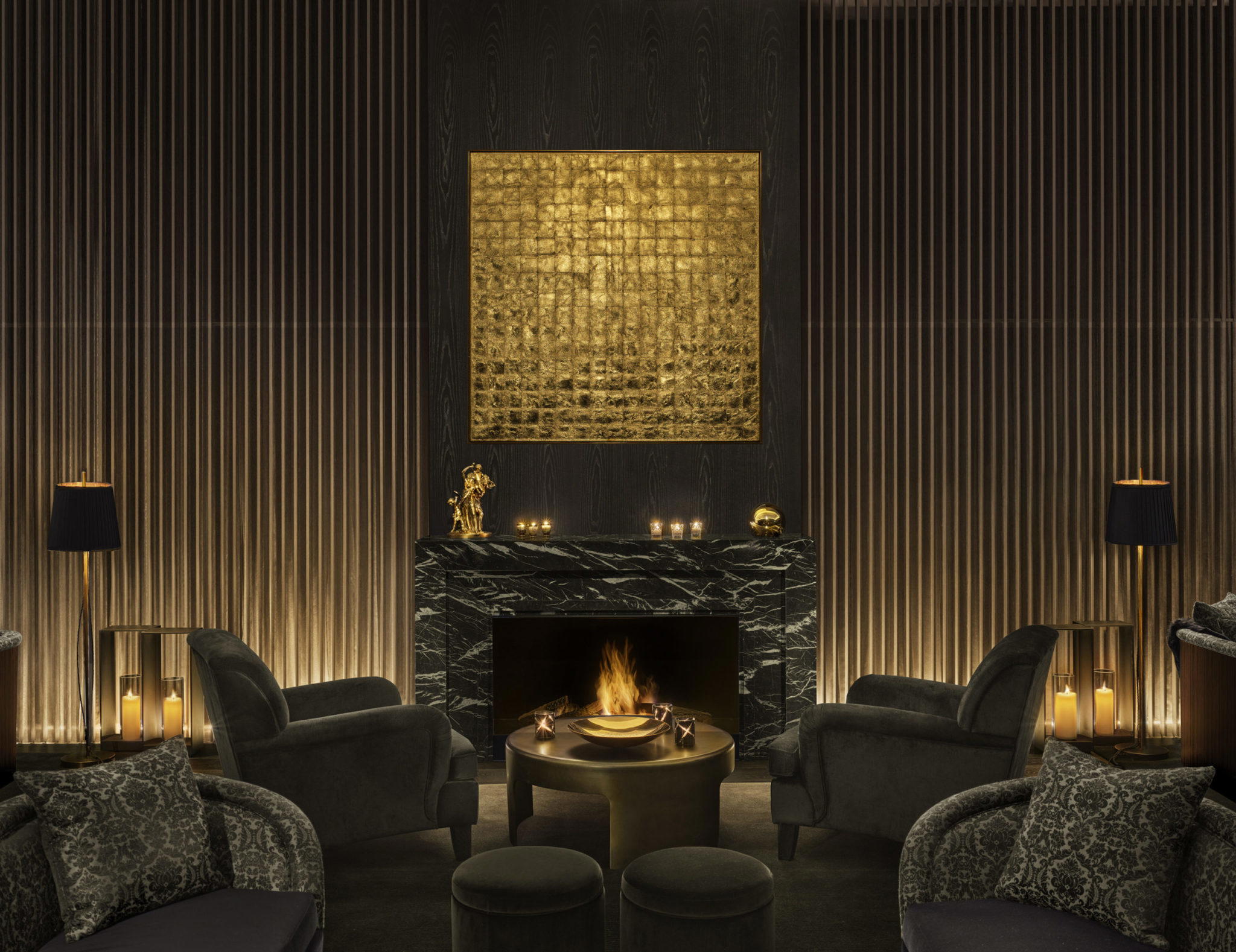
Cozy, dimly lit and intimate, with a casual, lively bar atmosphere that feels like a hidden local spot rather than a full restaurant.