
A Kyoto-rooted wagashi cafe inside Shibuya Hikarie ShinQs, Satei Zenkashoin Shibuya hikarie ShinQs ten suits Tokyo diners who treat sweets and tea as a proper pause rather than a shopping break. Its Tabelog 100 selection for Tokyo Japanese traditional sweets and Japanese sweets cafe in 2023 places it among the city’s serious addresses for wagashi-led cafe culture.
Pearl is the En Primeur Club membership app — saves, bookings, and concierge access live there. Same editors, same standards.
- Address
- 東京都渋谷区渋谷2-21-1 渋谷ヒカリエShinQs 5F
- Phone
- +81364341517
- Website
- zen-kashoin.com
- Directions
- Get directions
 Saves & bookings on Pearl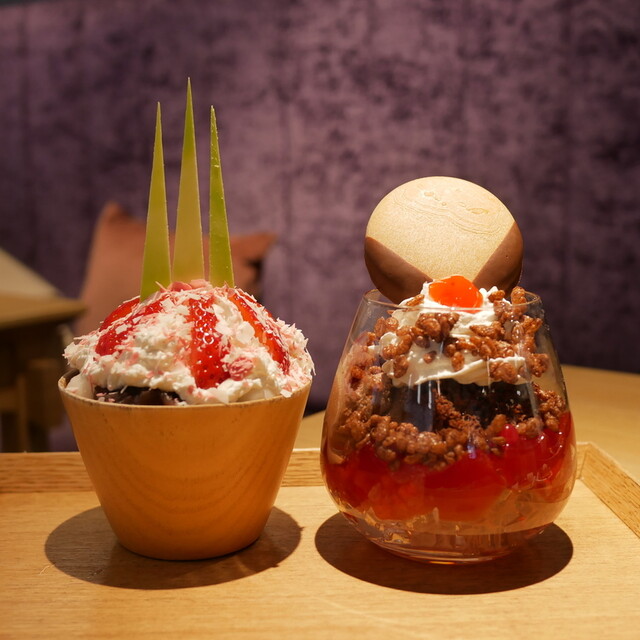
Shibuya’s department-store food floors feel engineered for motion: escalators, gift counters, pastry boxes, commuters moving between rail lines and retail. The better cafes inside that ecosystem work against the rush, giving regulars a place to sit, order tea, and treat wagashi as structured rather than a sweet grabbed between errands. Satei Zenkashoin Shibuya hikarie ShinQs ten belongs to that quieter Tokyo category, where the room matters because it slows the pace around it.
The useful context is not only Kyoto provenance, though that matters. Tokyo has absorbed regional confectionery houses into station buildings, luxury malls, and basement food halls, turning local traditions into daily urban habits. In Shibuya, a wagashi cafe must serve several audiences at once: shoppers with bags, families seeking a calm table, solo guests using sweets and tea as a reset, and returning customers who know when to choose a cafe over another espresso counter. This is where the format earns its place.
Kyoto-style wagashi, translated for a Shibuya department-store rhythm
Japanese sweets cafes in Tokyo sit between formal tea rooms, old-school kissaten, shaved-ice shops, and retail confectionery counters. The stronger examples do not rely on novelty. They understand that wagashi is tied to seasonality, texture, portion, packaging, and disciplined tea service. Satei Zenkashoin Shibuya hikarie ShinQs ten carries a Muromachi, Kyoto origin story and operates as a cafe with a workshop element, placing it closer to a confectionery house than a generic dessert stop.
That distinction explains its regulars. The draw is not a chef-driven tasting format or destination dinner; it is repeatability. A reliable sweets-and-tea address inside a major Shibuya complex has value different from a reservation-only counter. It works after shopping, before a train, with children, or as a low-pressure meeting point. The menu identity is Japanese sweets, kakigori, and cafe service, letting the room flex across seasons without abandoning its core category.
Tabelog selected the cafe for its 2023 Tokyo list for Japanese traditional sweets and Japanese sweets cafe, a useful trust signal in a city where dessert addresses are often judged by local repeat traffic rather than international awards. The listed Tabelog score of 3.69 also matters in Japan, where incremental user-rating differences can separate serious specialists from casual mall tenants. Awards do not improve a tea break by themselves, but they show this branch is evaluated within a Tokyo wagashi conversation, not merely as a convenient Shibuya seat.
Why regulars return: calm tables, tea, and sweets with a clear lane
The regulars’ perspective is practical and unsentimental. They return because the category is precise. A cafe featuring Japanese sweets, kakigori, and tea gives Shibuya a gentler alternative to coffee queues and Western pastry counters. In the same building orbit, Paul Bassett Shibuya hikarie ShinQs toyoko norengai ten plays the coffee role, while Le Pan de Joel Robuchon Shibuya hikarie ShinQs ten sits in the French bakery lane. A wagashi cafe answers a different craving: less caffeine-and-croissant, more tea-and-sweet timing.
That split helps travelers read Tokyo by use case rather than hype. Shibuya is not short on eating options, but department-store dining rewards those who know the unwritten map: coffee for a quick stop, bread for takeaway, wagashi when the pause itself is the point. Chatei Hatou, another Tokyo comparison point, represents the independent kissaten tradition; this cafe shows how Japanese sweets culture has moved into polished retail architecture without losing its older tea-room logic.
The cafe’s Kyoto association also changes expectations. Kyoto confectionery traditions value restraint, seasonality, and the relationship between sweet and tea. In Tokyo, that language can become ceremonial or commercial. Here, the department-store setting makes it accessible: not a hushed temple of tea, not only a souvenir counter, but a seated cafe where sweets are the main subject. Loyal customers can use it repeatedly without turning each visit into an occasion.
For broader Tokyo planning, this address belongs on a softer route through the city’s food culture, not on the same day as a heavy counter meal. Readers comparing categories can branch into Our full Tokyo restaurants guide, Our full Tokyo hotels guide, Our full Tokyo bars guide, Our full Tokyo wineries guide, and Our full Tokyo experiences guide. Within restaurants, contrast the cafe rhythm with 鮪と炭火焼き うお炭 秋葉原店, 12/10 Shinjuku ten, 124. KAGURAZAKA (Yakitori), 2D Cafe, and 3 Chome no Curry Ya San.
The right way to use this Shibuya cafe
The mistake is treating Satei Zenkashoin Shibuya hikarie ShinQs ten as a checklist stop. It works better as a calibrated pause in a dense Shibuya day. Its value is strongest when the itinerary already passes through the station area or Hikarie, and when the meal plan needs something lighter than lunch but more culturally specific than coffee. The setting suits mixed groups because children are welcomed, private-room formality is not part of the format, and the menu category is clear without requiring a long commitment.
That clarity is also the editorial verdict. Tokyo’s serious dining reputation often focuses on sushi counters, kaiseki rooms, ramen queues, and cocktail bars, but the city’s sweets culture has its own hierarchy. A Tabelog 100-listed wagashi cafe inside Shibuya’s retail infrastructure shows how that hierarchy appears in ordinary urban life. It is not competing with long-form dining. It gives repeat customers a dependable tea-and-sweets address in a neighborhood that often rewards speed over attention.
For Japan-wide context, the same trip can widen through regional and international contrasts: -Grilled beef Sukiyaki- KAMAKURA TANUKIAN 鎌倉 たぬき庵 in Kamakura.cafe in Osaka.know in Kumamoto, (Shoku) Vietnam in Kawasaki, [Curry Senmon Ten] Maruyama Kyoju. in Sapporo, [ki:] in Kyoto, Jōdo Saké Bar in Los Angeles, and Onigiri Time in Pasadena. The point is comparison by rhythm: some addresses structure a full evening, while this one preserves a quieter Japanese sweets ritual inside one of Tokyo’s busiest crossings.
A Quick Peer Check
Comparable venues at the same tier.
| Venue | Cuisine | Price | Notes |
|---|---|---|---|
| Satei Zenkashoin Shibuya hikarie ShinQs tenThis venue — the venue you are viewing | Kyoto-style Japanese Tea Cafe | $$ | Not listed |
| 餃子歩兵 | Kyoto-style Gyoza | $$ | Ginza |
| Mendokoro Honda | Shoyu Ramen Specialist | $$ | Akihabara |
| Takenoshita Soba | Traditional Japanese Soba | $$ | Shibuya |
| Tokyo Dosanjin | Traditional Soba Noodle Restaurant | $$ | Meguro |
| Handmade buckwheat Matsunaga | Handmade Soba & Japanese Sake | $$ | Shibuya |
Recognition history
Dated appearances from independent guides and award organizations, with the underlying list record or original source where available.
Tabelog 100 #36 · No. 36
Tabelog · Tabelog 100 - Japanese traditional sweets / Japanese sweets cafe - TOKYO - 2023














At a Glance
- Quiet
- Cozy
- Elegant
- Classic
- Solo
- Casual Hangout
- Date Night
- After Work
- Design Destination
- Standalone
- Sake Program
- Street Scene
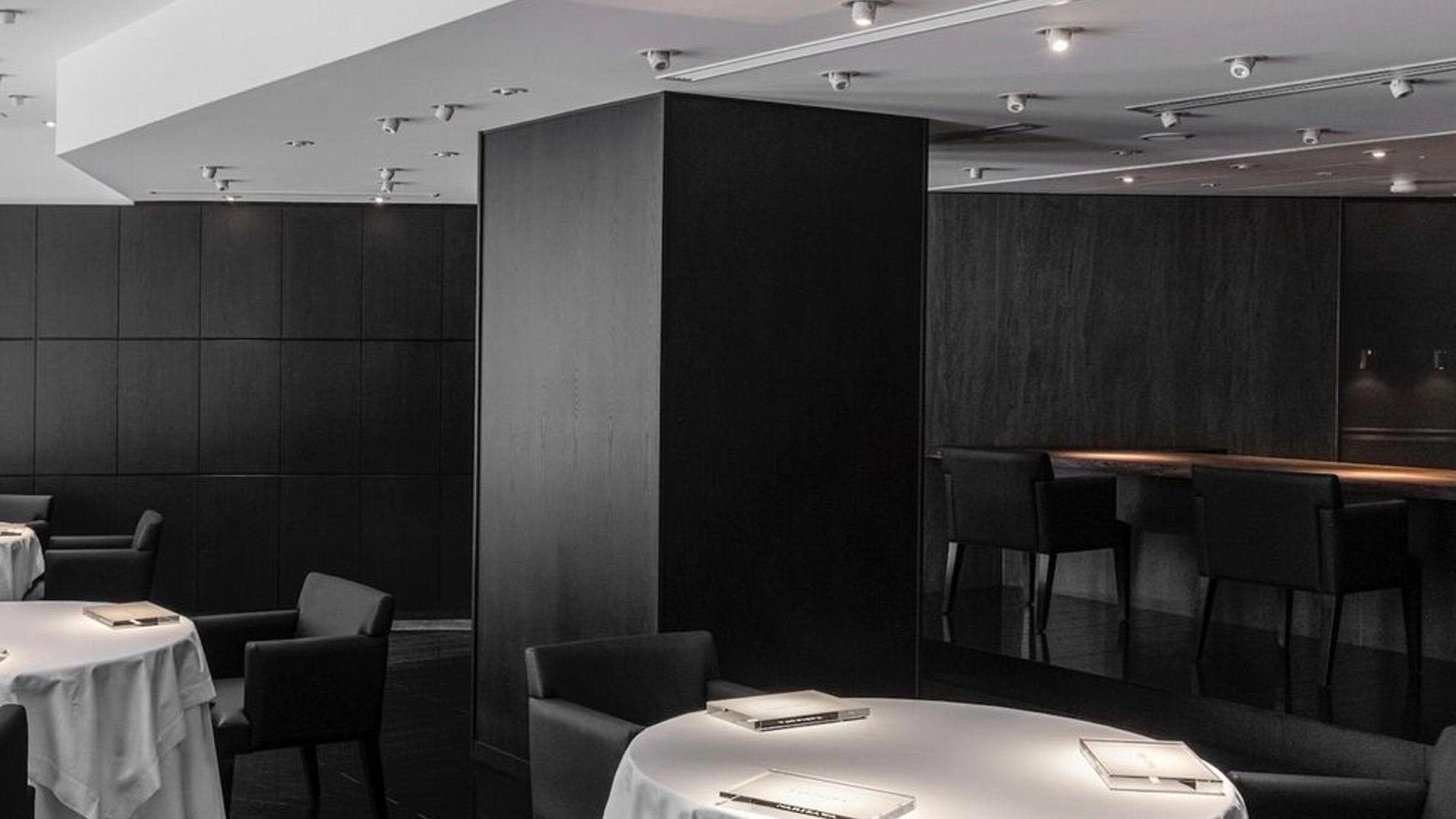
A quiet, relaxing Kyoto-inspired cafe with Japanese-style interiors and a refined tea-time atmosphere.