Het Kerkje
Het Kerkje occupies a converted church in Andijk, a small Noord-Holland polder village on the Markermeer. The setting alone places it within a broader Dutch tradition of repurposing ecclesiastical architecture for intimate dining, and the surrounding agricultural terrain shapes what reaches the kitchen. For the Noord-Holland dining circuit, it represents the quieter, rurally grounded end of the regional spectrum.
Pearl is the En Primeur Club membership app — saves, bookings, and concierge access live there. Same editors, same standards.
- Address
- Buurtje 4, 1619 JR Andijk, Netherlands
- Phone
- +31228527334
- Website
- restauranthetkerkje.nl
- Directions
- Get directions
 Saves & bookings on Pearl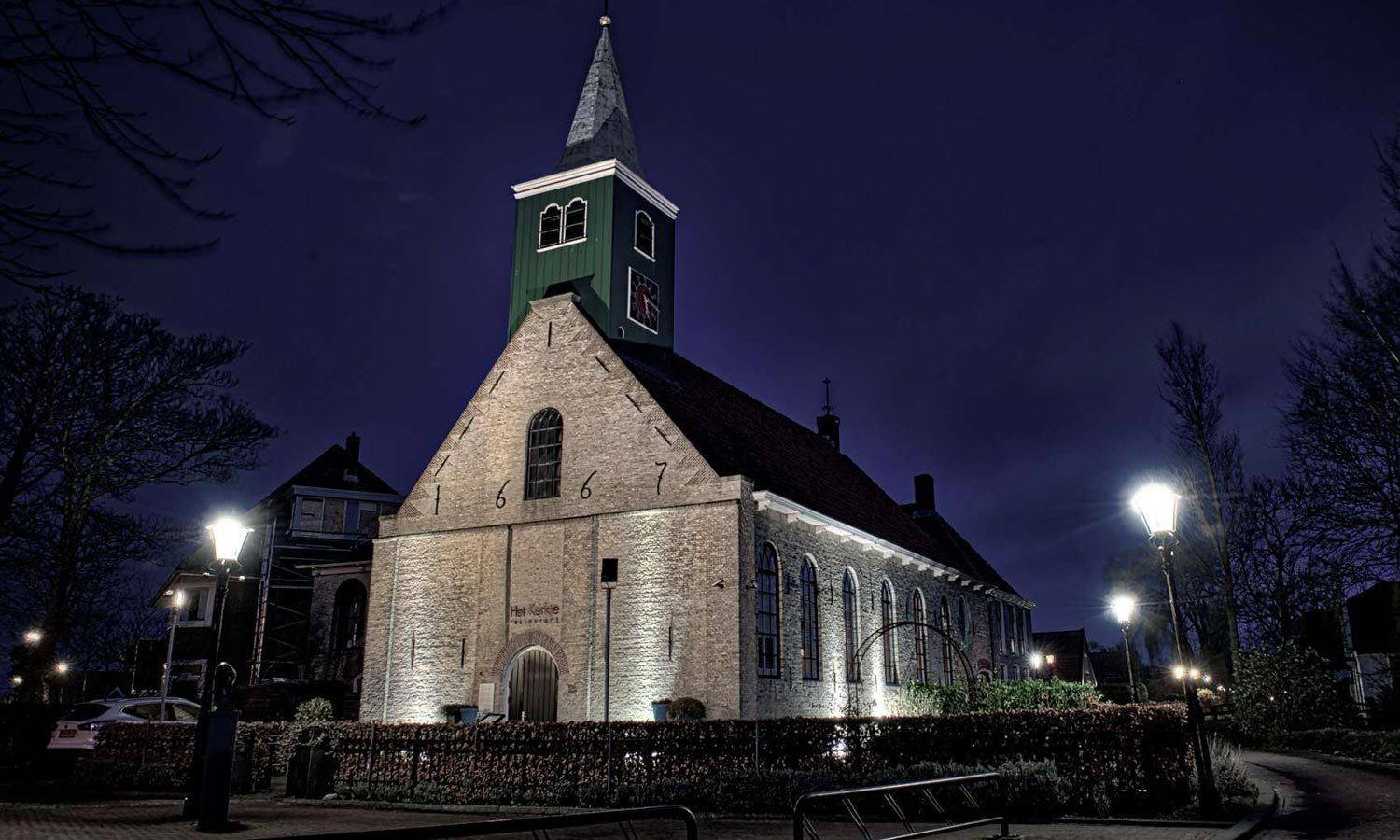
A Polder Village, a Converted Church, and What the Land Around It Provides
Noord-Holland's interior is not where most visitors think to eat. The tourist gravity pulls toward Amsterdam, and the fine dining conversation tends to follow, clustering around addresses like Ciel Bleu in Amsterdam or the Amstelveen waterfront table at Aan de Poel. But the western shore of the Markermeer has its own logic: flat, agricultural, defined by dikes and polders, and producing the kind of primary ingredients — beet greens, soft-neck garlic, freshwater fish from managed waterways — that chefs in the city pay premiums to source. Andijk sits at the edge of this terrain, and Het Kerkje sits at the edge of Andijk, in a building that once organized the community spiritually and now does something more secular with the produce the community's land generates.
The conversion of a village church into a dining space is not unusual in the Netherlands. Dutch ecclesiastical architecture tends toward the spare and functional, which makes the bones of these buildings, high ceilings, plain stone, clear glass, a compressed social intimacy, well-suited to intimate restaurant formats. What Het Kerkje inherits from this tradition is a particular physical weight: thick walls, proportions that were designed for quiet, and a location at Buurtje 4 that places it within walking distance of exactly nothing except the village itself. Arriving by car along the dike road, with the Markermeer visible to the east, sets the frame before you even step inside.
The Sourcing Logic of the Markermeer Shore
The editorial case for ingredient sourcing as a frame for understanding a place like Het Kerkje is direct: when a restaurant operates in a small agricultural village rather than a city, its relationship to supply chains is different in kind, not just degree. Urban kitchens can source broadly, pulling from regional wholesalers, national distributors, and international importers. A village kitchen either builds close local relationships or operates at a disadvantage. The terrain around Andijk makes close local relationships a genuine option. The West-Friesland polder region, which extends inland from this stretch of the Markermeer shore, has historically been among the more productive vegetable-growing zones in the Netherlands, with sandy loam soils and a maritime-tempered microclimate that extends the season for brassicas, root vegetables, and alliums well into autumn.
This is the sourcing context that institutions further down the Netherlands' fine dining register have built programs around. De Nieuwe Winkel in Nijmegen, operating at the €€€€ tier with an organic emphasis, has made regional vegetable sourcing a central part of its identity. De Groene Lantaarn in Staphorst works a similar angle from its own rural context. What these addresses share is the understanding that geographic specificity, knowing exactly which farm, which field, which waterway, is now a form of kitchen credibility in Dutch fine dining, not merely a marketing footnote.
For a venue positioned where Het Kerkje is positioned, that credibility comes embedded in the address itself. The question any serious kitchen in this location has to answer is how deliberately it draws on what surrounds it.
Placing Het Kerkje in the Dutch Fine Dining Register
The Netherlands has developed a recognizably distinct fine dining tier over the past two decades, with addresses like De Librije in Zwolle and Inter Scaldes in Kruiningen anchoring the Michelin-starred end of a national conversation that now extends well beyond Amsterdam. That conversation increasingly values regionality, seasonal restraint, and a clear relationship between landscape and plate. You can see the same logic at work across addresses that have built reputations outside the four major cities: De Lindenhof in Giethoorn, Tribeca in Heeze, De Treeswijkhoeve in Waalre, and De Lindehof in Nuenen all represent the proposition that serious Dutch cooking does not require a city postcode.
The comparison set matters because it establishes what a diner travelling to a village address is implicitly choosing. Going to Brut172 in Reijmerstok or 't Nonnetje in Harderwijk involves a similar decision architecture: you are making the restaurant the destination, not a stop within one. For the Markermeer shore specifically, that decision is compounded by the genuine remoteness of the approach. Andijk is not a village you pass through on the way to somewhere else. Coming here is deliberate.
That deliberateness tends to self-select a particular type of diner: one who reads the location as part of the proposition rather than an obstacle to it. It also puts pressure on the kitchen to deliver something that justifies the effort of arrival. The most successful rural Dutch addresses referenced above have all resolved that pressure in the same direction: by making the local landscape legible on the plate, so that the drive through polder and dike arrives somewhere that makes sense of what you saw along the way.
The Broader Dutch Context for Converted-Space Dining
Across the Netherlands, the appetite for dining in repurposed architecture, churches, farmhouses, mill buildings, industrial structures, has grown alongside the broader shift toward experiential specificity in hospitality. It is not purely aesthetic. These buildings carry a social history that flat-walled contemporary interiors do not, and in a country where the built environment has been shaped by centuries of community density and land management, the built form of a village church carries particular resonance. The quiet geometry of these spaces, designed for contemplation, acoustically absorbed, lit by plain glass, creates a dining register that is harder to achieve in purpose-built restaurant rooms. For international comparison, the shift in Dutch rural dining toward place-legible, architecturally specific formats echoes what addresses like FG in Rotterdam have done with urban heritage spaces, and at the furthest end of that ambition, what Le Bernardin in New York City or Atomix demonstrate about how a room's physical character shapes the dining experience around it.
Planning a Visit
Het Kerkje is located at Buurtje 4, 1619 JR Andijk. The village sits on the southern shore of the Westfriesland polder region, roughly 45 minutes by car from central Amsterdam via the N302 and N506, and closer to 20 minutes from Hoorn. Public transport options to Andijk are limited; driving or arriving by private transfer is the practical approach. Because the venue database does not currently carry confirmed hours, pricing, or booking details for Het Kerkje, prospective visitors should verify current availability and reservation procedures directly. For broader context on the Andijk dining scene, see our full Andijk restaurants guide. A visit pairs naturally with time on the Markermeer or a drive through the West-Friesland polder landscape, both of which reinforce the sourcing logic that the leading kitchens in this region make central to their offer.
For those building a longer Noord-Holland itinerary, De Bokkedoorns in Overveen and 't Amsterdammertje in Loenen aan de Vecht offer contrasting rural-setting formats worth considering alongside a visit to this part of the province.
How Het Kerkje Andijk compares with similar nearby venues.
| Venue | Cuisine | Price |
|---|---|---|
| Oxalis | Creative | €€€ |
| HAVN | Modern Cuisine | €€ |
Continue exploring
More in Andijk
Restaurants in Andijk
Browse all →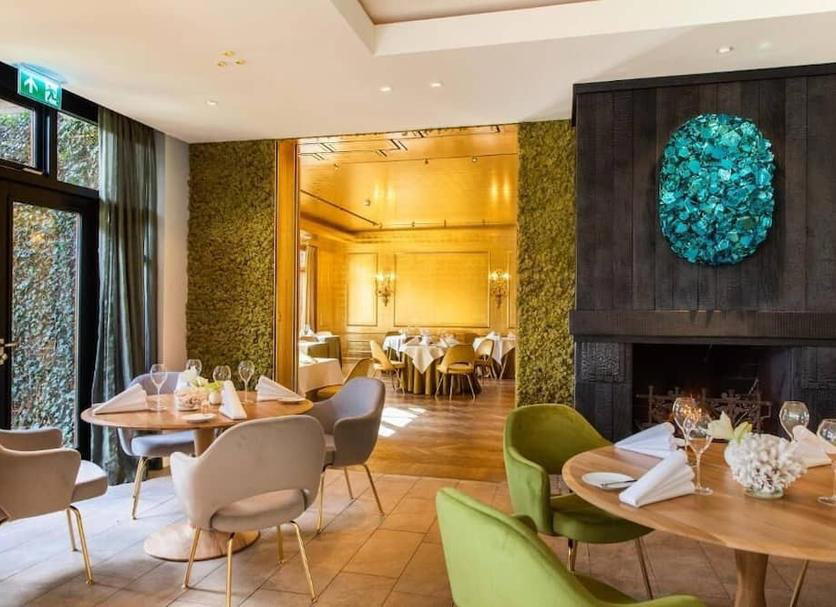
Bars in Andijk
Browse all →
Hotels in Andijk
Browse all →
Wineries in Andijk
Browse all →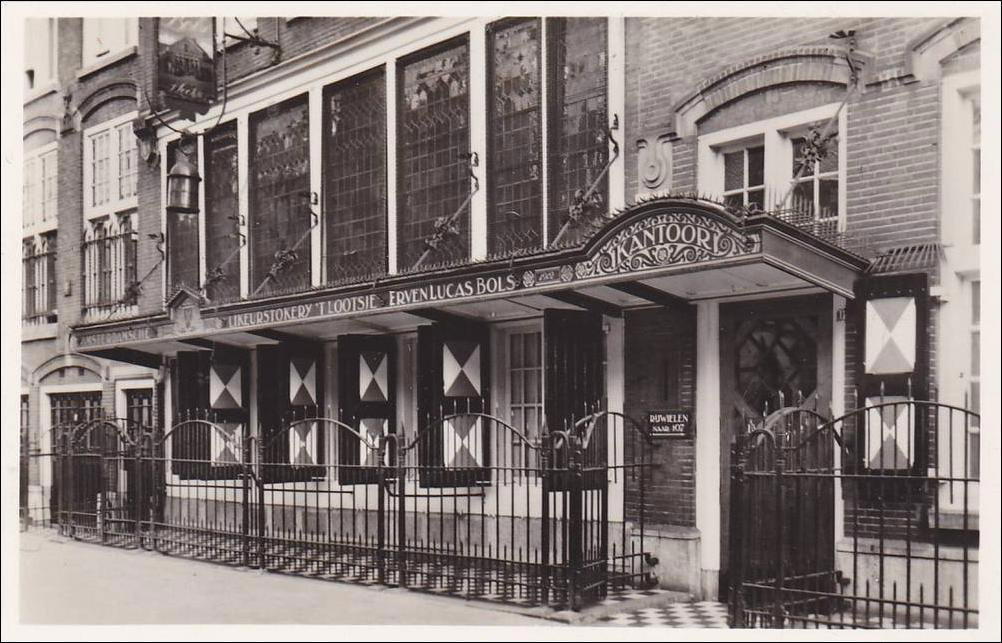
At a Glance
- Classic
- Elegant
- Intimate
- Cozy
- Date Night
- Special Occasion
- Historic Building
- Terrace
- Extensive Wine List
- Local Sourcing
- Waterfront
Current opening hours
- Monday
- Closed
- Tuesday
- Closed
- Wednesday
- Closed
- Thursday
- 6–11:30 PM
- Friday
- 6 PM–12 AM
- Saturday
- 6 PM–12 AM
- Sunday
- 1 PM–12 AM
Hours can change for holidays and private events. Last verified .
Warm, eigentijdse ambiance with modern and classical elements, linen-covered tables, and scenic views.
Know Before You Go
- Getting there
- Buurtje 4, 1619 JR Andijk, Netherlands