Le Hollandais
Le Hollandais sits on Amsteldijk, facing the Amstel river in Amsterdam's quieter southern stretch, well outside the tourist circuits that cluster around the centre. The address alone signals a certain kind of confidence: restaurants that rely on neighbourhood loyalty and word-of-mouth rather than footfall. For visitors willing to cross the canal, it represents a particular strand of Amsterdam dining that rewards deliberate planning.
Pearl is the En Primeur Club membership app — saves, bookings, and concierge access live there. Same editors, same standards.
- Address
- Amsteldijk 41, 1074 HV Amsterdam, Netherlands
- Phone
- +31206791248
- Website
- lehollandais.nl
- Directions
- Get directions
 Saves & bookings on Pearl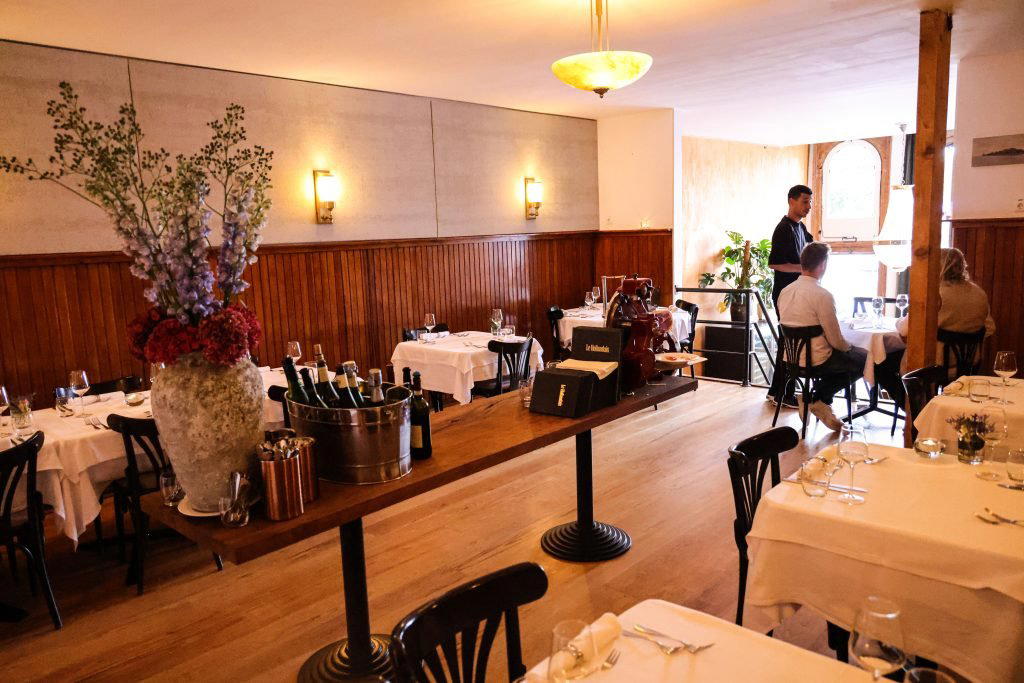
On the Amstel, Away from the Noise
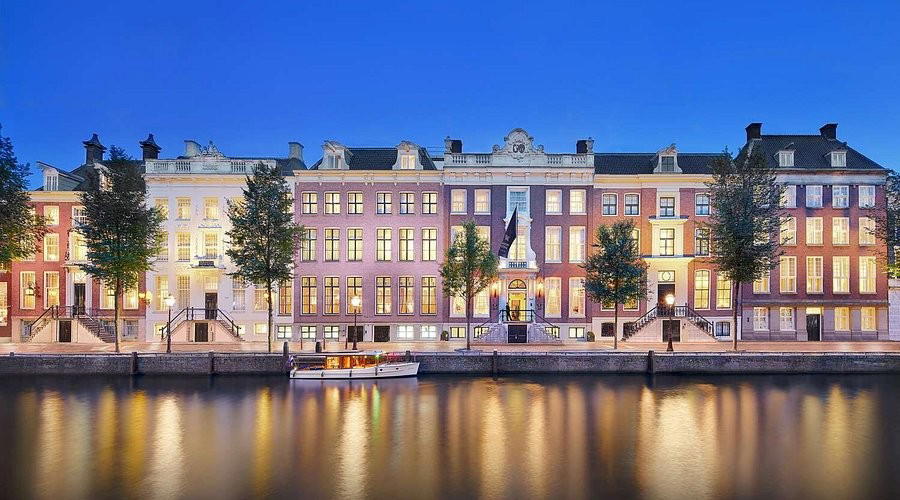
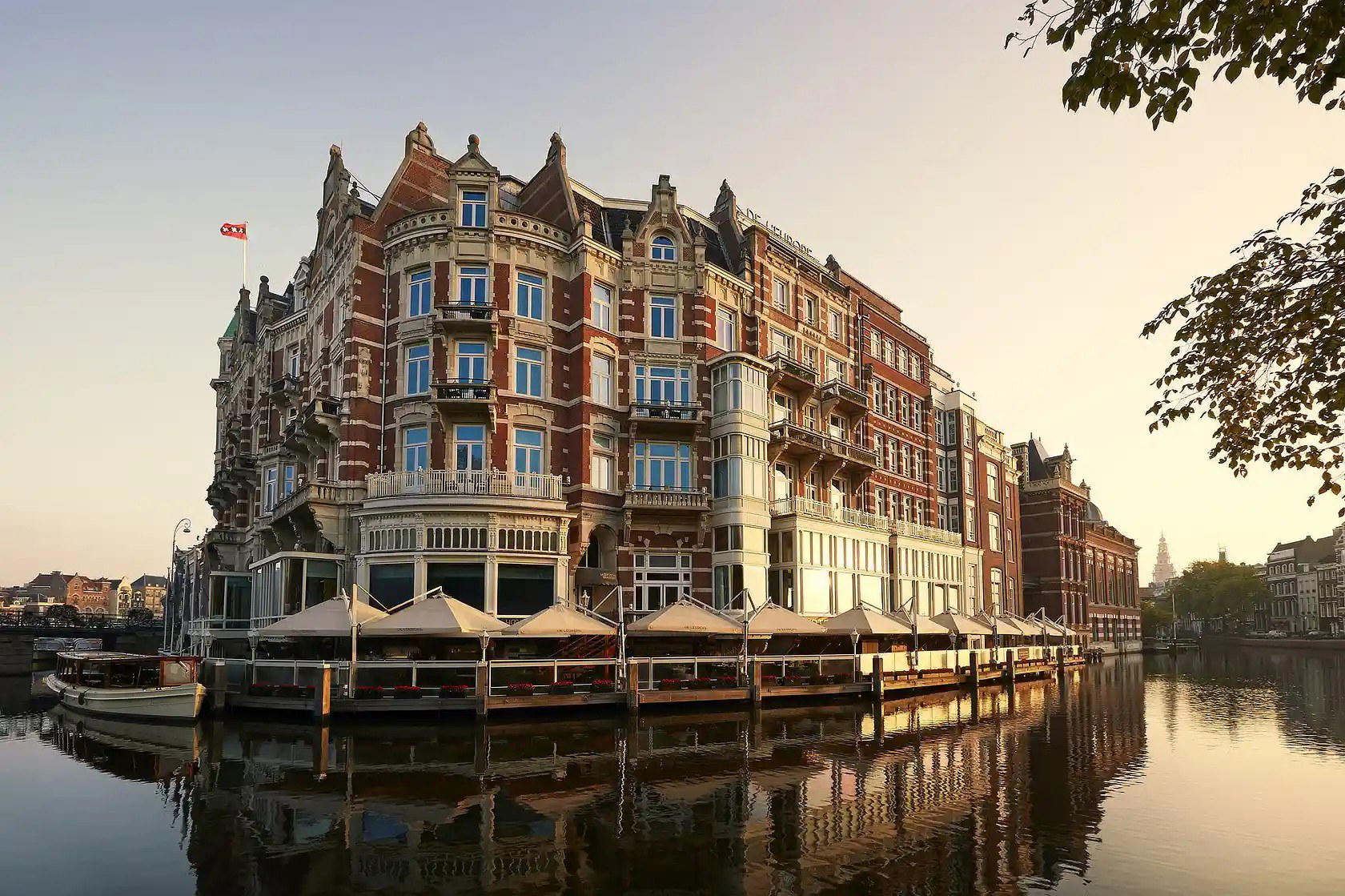
Amsterdam's dining scene has sorted itself into two broad geographies. The inner ring, from Jordaan to De Pijp, concentrates the majority of recognisable names, many of them angled toward visitors. The southern reaches of the city, along the Amstel, operate on different terms. Foot traffic is lower, rents are more forgiving, and the clientele skews local. Le Hollandais, at Amsteldijk 41, sits inside this quieter axis, facing the river in a part of the city that has never needed to advertise itself to tourists.
A restaurant on Amsteldijk is making a bet on its own cooking rather than on location advantage. The same dynamic applies at places like Aan de Poel in Amstelveen or De Bokkedoorns in Overveen: when a kitchen operates slightly outside the obvious circuit, repeat business from a loyal local base becomes the structural foundation of the business. That tends to produce more consistent, less performative cooking.
Lunch and Dinner Along the Amstel: A Different Rhythm
The lunch-versus-dinner divide at Amsterdam's mid-to-upper tier is more pronounced than in many European cities. At the higher end, venues such as Ciel Bleu, Flore, and Spectrum operate almost entirely on evening tasting formats, with lunch service either absent or reserved for truncated menus at abbreviated prices. That gap creates space for restaurants that take the midday sitting seriously, offering a more relaxed pace, better natural light, and, typically, a more accessible price point for the same kitchen's output.
A river-facing address like Amsteldijk amplifies this effect. Lunch in direct daylight over the water carries a specific quality that no amount of atmospheric evening lighting can replicate. In Dutch dining culture, the long Saturday or Sunday lunch has always held social weight, and venues in riverside or canal-side positions often programme around that. The evening service at such addresses tends to be more intimate and more deliberately composed, with a smaller room and fewer tables meaning each sitting counts more heavily against the night's economics.
For the reader deciding between lunch and dinner at Le Hollandais, the river view and the neighbourhood's unhurried character suggest lunch as the occasion with the clearest return: natural light, lower ambient noise, and the particular Amsterdam pleasure of watching river traffic while eating well. Dinner here would likely carry more of a neighbourhood-bistro register, quieter and more personal than the city-centre evening rush.
Where Le Hollandais Sits in Amsterdam's Competitive Set
Amsterdam has a clearly stratified restaurant market. At the leading, a handful of venues compete on international terms: Vinkeles and Ciel Bleu operate in the multi-Michelin bracket, attracting diners who would otherwise fly to Copenhagen or Paris. A tier below, places like Bistro de la Mer and De Kas offer serious cooking at more approachable prices, oriented toward regulars rather than event dining.
The restaurant operates in the zone between neighbourhood institution and destination restaurant, a position that Dutch cities produce with some regularity. Compare De Groene Lantaarn in Staphorst or De Lindenhof in Giethoorn: venues where the address is not a liability but a statement, drawing an audience willing to make the effort. That audience tends to be more engaged, more forgiving of minor inconsistencies, and more likely to return.
Internationally, the closest structural comparisons are not in Amsterdam at all. Restaurants that operate at the edge of a city's dining geography, with water-facing positions and neighbourhood-loyal clientele, follow a logic closer to Le Bernardin in New York City in one respect: the room and setting do significant work, allowing the kitchen to cook without compensating for a difficult or featureless environment. The parallel is not about price or prestige but about how physical context shapes a dining experience before a plate arrives.
The Broader Dutch Fine Dining Context
The Netherlands has produced a number of kitchens that punch above the country's international culinary profile. De Librije in Zwolle holds three Michelin stars and has influenced a generation of Dutch chefs. De Nieuwe Winkel in Nijmegen and Brut172 in Reijmerstok represent a newer current: technique-forward, often plant-led, and building international recognition independently of Amsterdam's dining gravity.
Within Amsterdam itself, the competition for serious diners is concentrated but not overwhelming. Flore and Spectrum sit at the contemporary creative tier; Bistro de la Mer anchors the classic end. The restaurant occupies a position that is harder to replicate: an established address with a specific physical setting, outside the competitive core, with the kind of longevity that produces a loyal return audience. That combination is more durable than any single season's menu.
For those building a broader Dutch itinerary, the venues outside Amsterdam frequently reward the detour. 't Nonnetje in Harderwijk, De Treeswijkhoeve in Waalre, and De Lindehof in Nuenen all demonstrate that the country's serious cooking does not cluster in its capital the way Paris or London dominate their national scenes.
For those comparing across continents, the technically ambitious tasting format finds its clearest American parallel at Atomix in New York City, though the cultural register and culinary tradition are entirely different.
Know Before You Go
Comparable Venues
Comparable venues nearby, for context on price, style, and recognition.
| Venue | Cuisine | Price | Notes |
|---|---|---|---|
| Le HollandaisThis venue — the venue you are viewing | Classic French Bistro | $$$ | Not listed |
| Denc, Dik & Cunningham | French-Mediterranean with Local Dutch Influences | $$$ | Amstelveldbuurt |
| Singel 101 | Contemporary French-European Fine Dining | $$ | Langestraat e.o. |
| Café-Restaurant Amsterdam | French-Dutch Bistro | $$ | Ecowijk |
| L'Entrecôte et les Dames | Traditional French Bistro | $$$ | Museumplein |
| de Willem | Modern French-Asian Fusion | $$$ | Westergasfabriek |
Continue exploring
More in Amsterdam
Restaurants in Amsterdam
Browse all →
Bars in Amsterdam
Browse all →
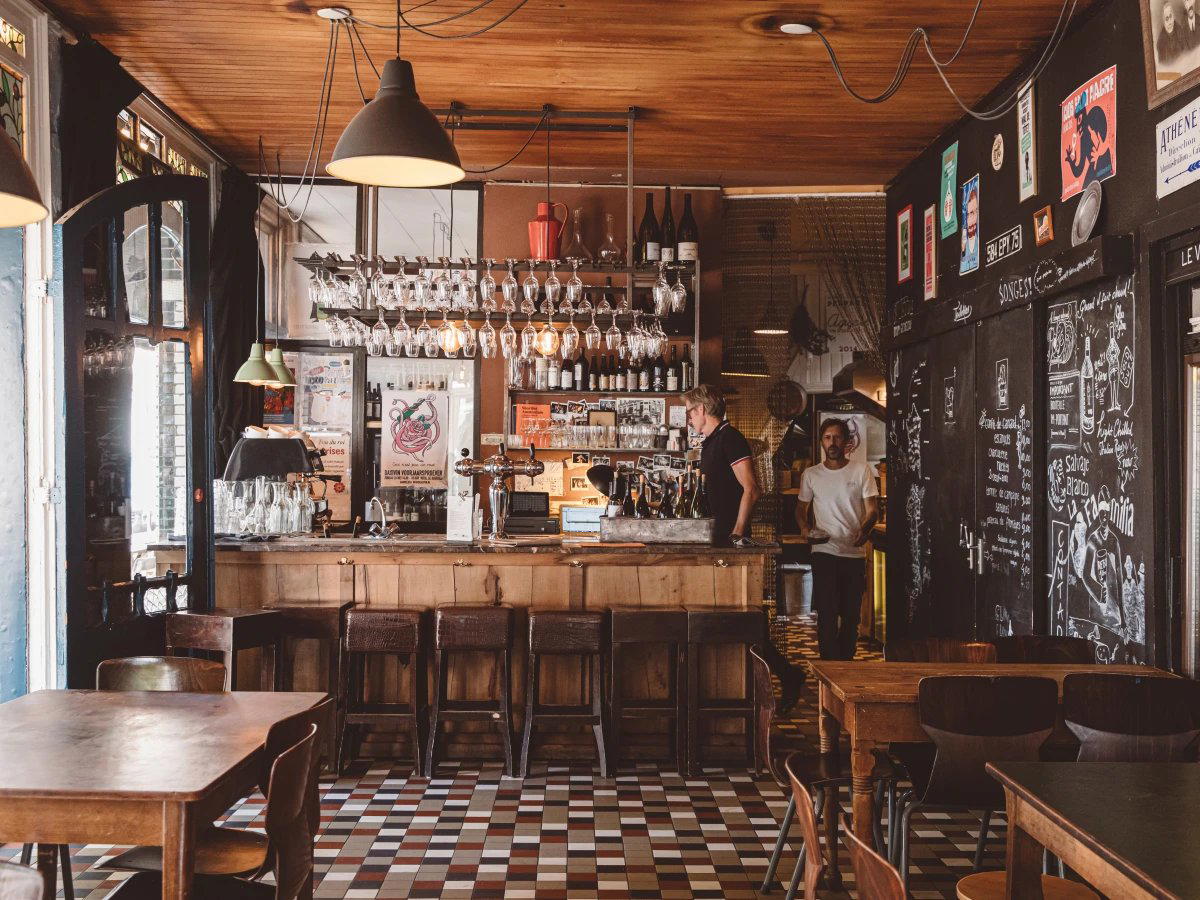
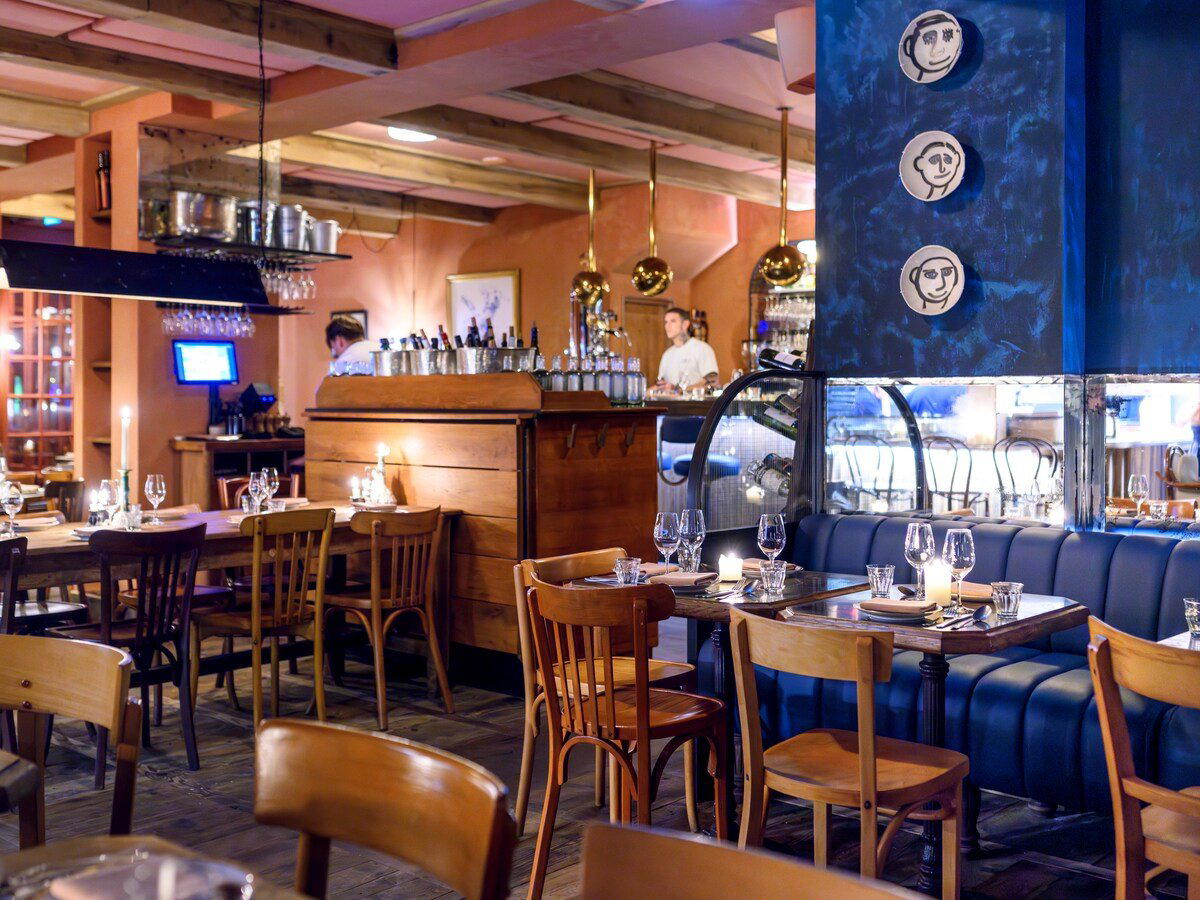
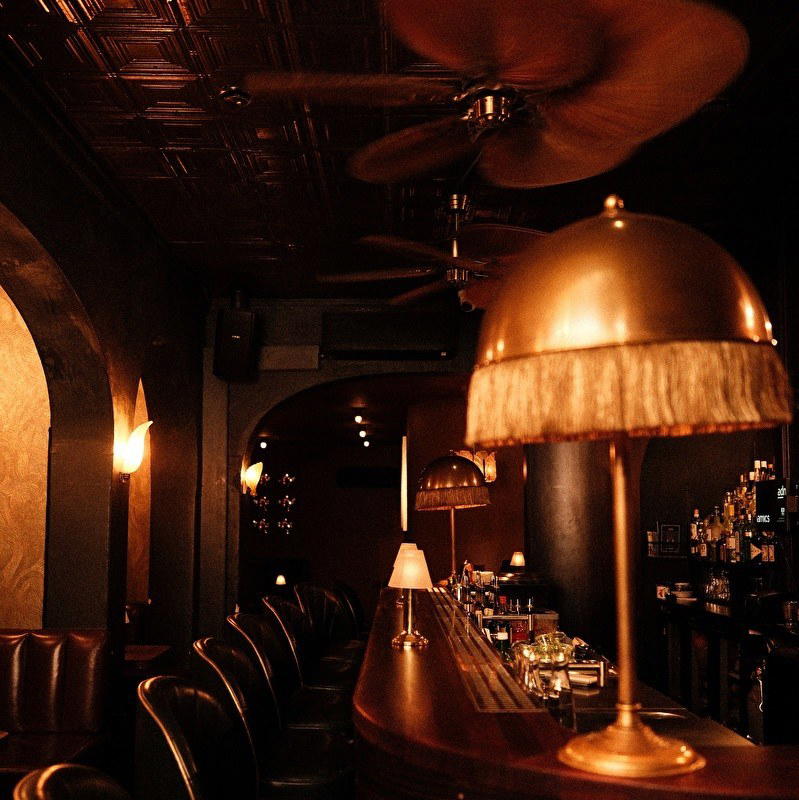
Hotels in Amsterdam
Browse all →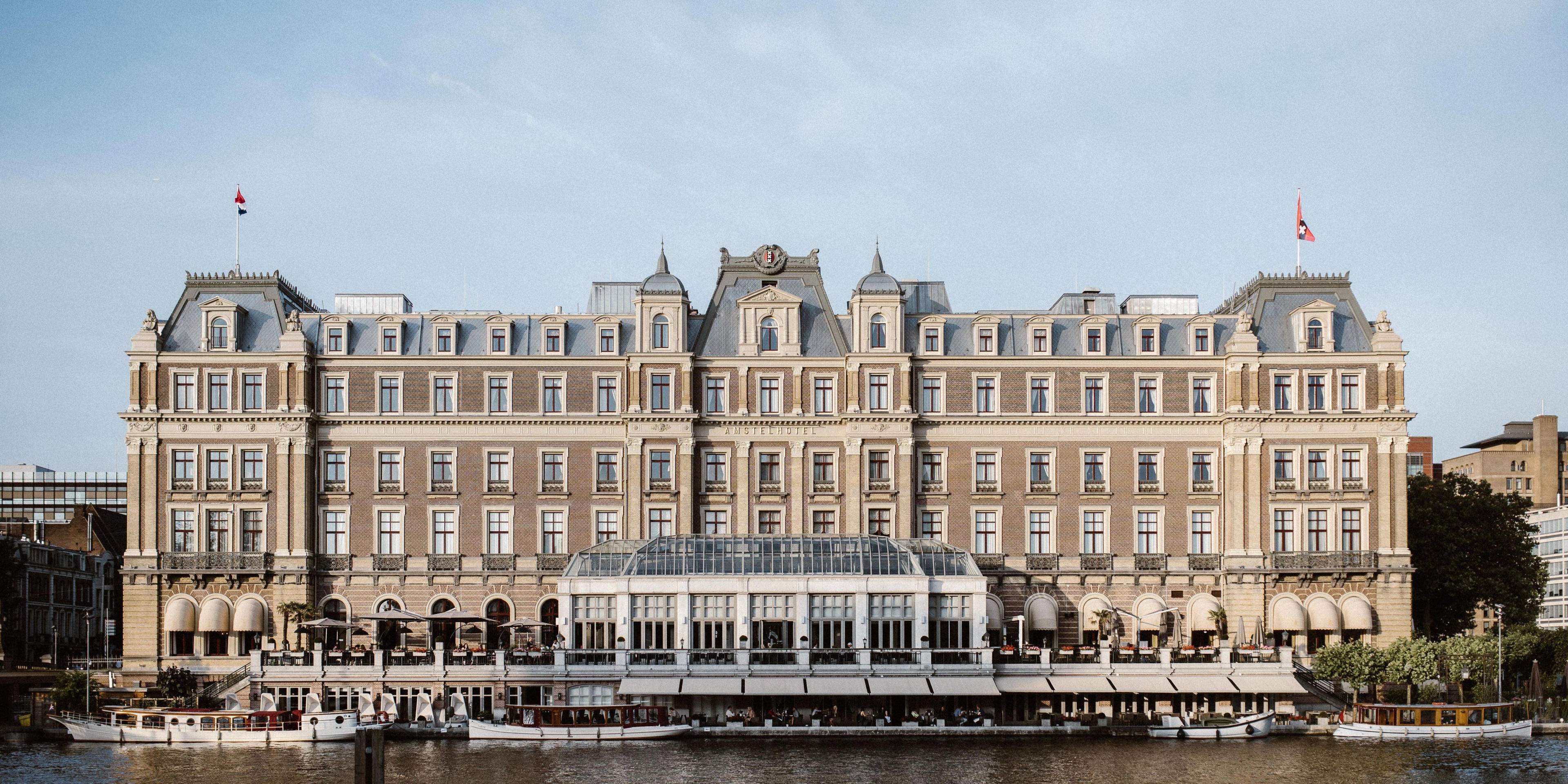
Wineries in Amsterdam
Browse all →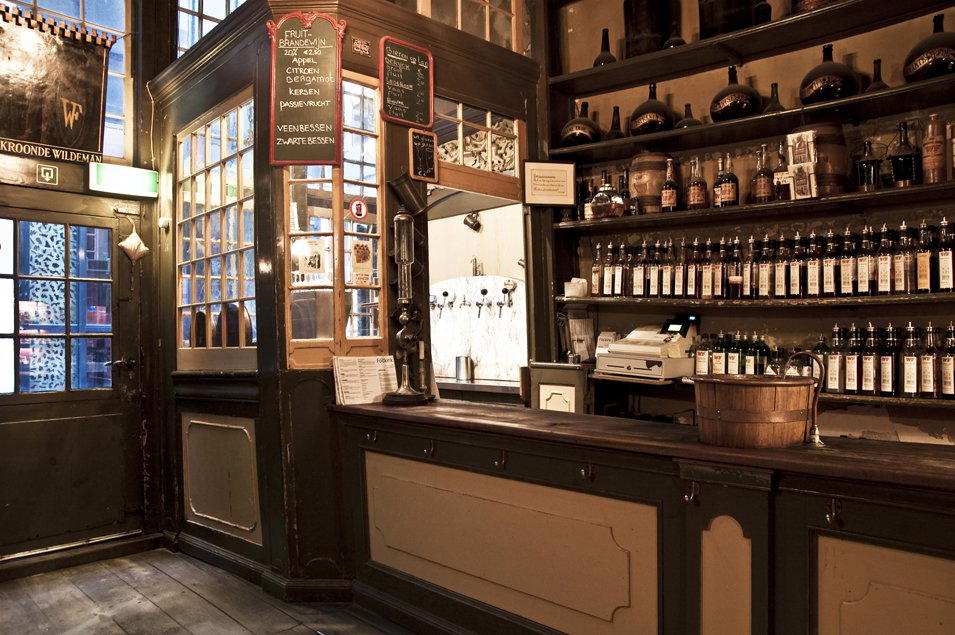
At a Glance
- Cozy
- Elegant
- Classic
- Intimate
- Date Night
- Special Occasion
- Terrace
- Waterfront
Current opening hours
- Monday
- 6–10 PM
- Tuesday
- 6–10 PM
- Wednesday
- 6–10 PM
- Thursday
- 6–10 PM
- Friday
- 12–10 PM
- Saturday
- 12–10 PM
- Sunday
- Closed
Hours can change for holidays and private events. Last verified .
Cozy bistro atmosphere with a contemporary feel, warm lighting, and a real 'God in France' dining room vibe.