Trees

Star Wine List
On a crowded stretch of Zeedijk, steps from Amsterdam Central Station and the edge of the red light district, Trees takes its name from flamboyant local diva Trees Schneider. The bar wears its neighbourhood history openly, sitting at a junction where Amsterdam's oldest streets, its port-city past, and a contemporary drinks culture all converge.

Pearl is the En Primeur Club membership app — saves, bookings, and concierge access live there. Same editors, same standards.
- Address
- Zeedijk 14A, 1012 AX Amsterdam, Netherlands
- Phone
- +31 20 280 1334
- Hours
- Mon ClosedTue–Thu 6 PM–12 AMFri–Sat 6 PM–3 AMSun Closed
- Website
- treesamsterdam.nl
- Directions
- Get directions
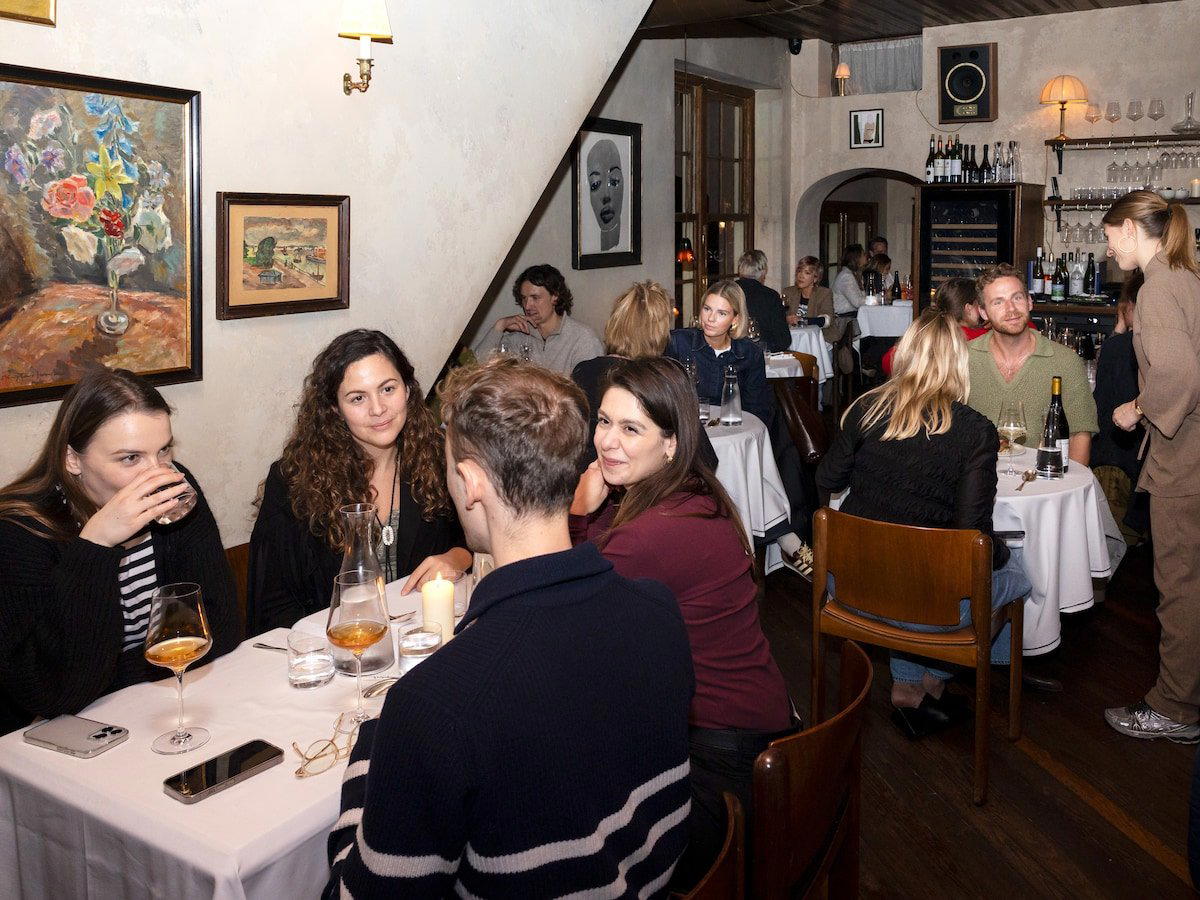
Where Zeedijk Meets the Glass
Zeedijk is one of Amsterdam's oldest streets, a narrow corridor that once traced the city's sea dike and served sailors, traders, and the working population of the old port quarter. Today it runs through a neighbourhood that holds the red light district to one side and Amsterdam Central Station barely a minute's walk away, making it one of the most densely trafficked corridors in the city. In that context, a bar that holds its own character against the surrounding noise is doing something worth noting. Trees, named after local cabaret figure Trees Schneider, occupies a position on Zeedijk that is as much about neighbourhood identity as it is about what ends up in your glass.
The address at Zeedijk 14A places it at the quieter, lower end of the street near the station, rather than deep in the red light district. That proximity to Central Station means it draws a different cross-section than the nightlife-only bars further along: people arriving in the city, locals cutting through, and drinkers who know what they're looking for. The room itself reads as cosy in the way that Amsterdam brown cafes have always understood cosiness: compressed space, warm light, and a sense that the walls have absorbed a few decades of conversation.
A Name That Carries Weight
Naming a bar after a local personality is a deliberate statement of neighbourhood allegiance. Trees Schneider was a flamboyant Amsterdam diva, and the choice to invoke her sets a tone before anyone orders a drink. In cities like Amsterdam, where the distinction between a tourist-facing venue and a genuinely local one is often the first question a visitor asks, that framing matters. The name signals that this is a bar with roots in a specific social history rather than one assembled from generic hospitality templates.
Amsterdam's bar scene has, over the past decade, developed a strong layer of technically serious venues. Door 74 operates as one of the city's most respected cocktail programs, and Tales & Spirits has built a following around ingredient-led drinks. These bars anchor the premium end of the cocktail spectrum. Trees occupies a different register: a neighbourhood bar whose character comes from its location, its name, and the social texture of Zeedijk rather than from competitive tasting menus or formal drink programs.
The Zeedijk Context and What It Means for Drinking
Zeedijk's history as a street shaped by Amsterdam's relationship with the sea, with migration, and with its own red light economy gives it a layered social character that few streets in the city can match. The neighbourhood around it has shifted significantly over the past two decades. What was once predominantly associated with the sex trade and drug tourism has developed a more complex identity, with independent bars, Indonesian and Chinese restaurants, and music venues filling the same blocks. That evolution mirrors what has happened in similar port-adjacent districts in cities like Rotterdam and Hamburg, where post-industrial and post-red-light gentrification tends to produce a mixed-use neighbourhood with some authentic local holdouts alongside the incoming wave.
For the drinks scene specifically, the Zeedijk area sits outside the circuits of Amsterdam's more design-forward bar neighborhoods like the Jordaan or De Pijp. That distance from the curated bar clusters gives it a different atmosphere: less self-conscious, more directly tied to the people who actually live and work in the old city center. Amsterdam Roest operates in a similar spirit of venue-as-neighbourhood-anchor, albeit in a different part of the city and at a larger scale.
Approaching the Visit
Trees sits close enough to Amsterdam Central Station that it is genuinely walkable on arrival, making it a reasonable first stop for anyone who wants to ground themselves in the old city before heading elsewhere. The Zeedijk itself is a short walk from Dam Square, the Nieuwmarkt, and the edge of the canal ring, placing Trees within easy reach of the neighborhoods that define central Amsterdam's character on foot.
For visitors building a broader picture of Amsterdam's bar and cafe scene, the city rewards movement between distinct zones. The technically oriented cocktail bars like Door 74 and Tales & Spirits represent one pole of what Amsterdam does well in drinks. A stop like Trees represents another: the kind of place that exists because of a specific street and a specific local history, not because of a category trend. Both are worth knowing about. Our full Amsterdam restaurants guide maps the broader scene across neighborhoods and price points.
For those extending their time in the Netherlands, the country's regional bar and cafe culture is worth exploring beyond Amsterdam. Espressobar Kopi Soesoe in Rotterdam draws on the Dutch-Indonesian connection that runs through the country's colonial history, while Florin Utrecht represents the kind of heritage-building hospitality that Utrecht does particularly well. Further afield, Bowie in The Hague, Brasserie Lalou in Delft, Café Barolo in Eindhoven, and Boode Foodbar in Bathmen each anchor the drinking and dining culture of their own cities. For a broader international reference point, Bar Leather Apron in Honolulu offers an instructive comparison in how local identity and craft technique can be combined without either overwhelming the other. And for a different take on morning and midday drinking culture in Amsterdam, Bakers & Roasters covers the cafe end of the spectrum.
At-a-Glance Comparison
Comparable venues nearby, for context on price, style, and recognition.
| Venue | Cuisine | Price | Awards | Notes |
|---|---|---|---|---|
| TreesThis venue — the venue you are viewing | speakeasy | $50–100 | Star Wine List | Not listed |
| Pulitzer's Bar | hotel_bar | $20–30 | Top 500 Bars Best Bars #370 | Felix Meritisbuurt |
| Café Panache | cocktail_bar | $30–50 | Not listed | Borgerbuurt |
| Hiding in Plain Sight | speakeasy | $20–30 | Not listed | Rapenburg |
| Shiraz Jardins des Vins | wine_bar | $30–50 | Star Wine List | Leidsebuurt Noordoost |
| Wijnbar Paskamer | wine_bar | $30–50 | Star Wine List | Burgemeester Tellegenbuurt West |
Recognition history
Dated appearances from independent guides and award organizations, with the underlying list record or original source where available.
Star Wine List
Star Wine List
Continue exploring
More in Amsterdam
Bars in Amsterdam
Browse all →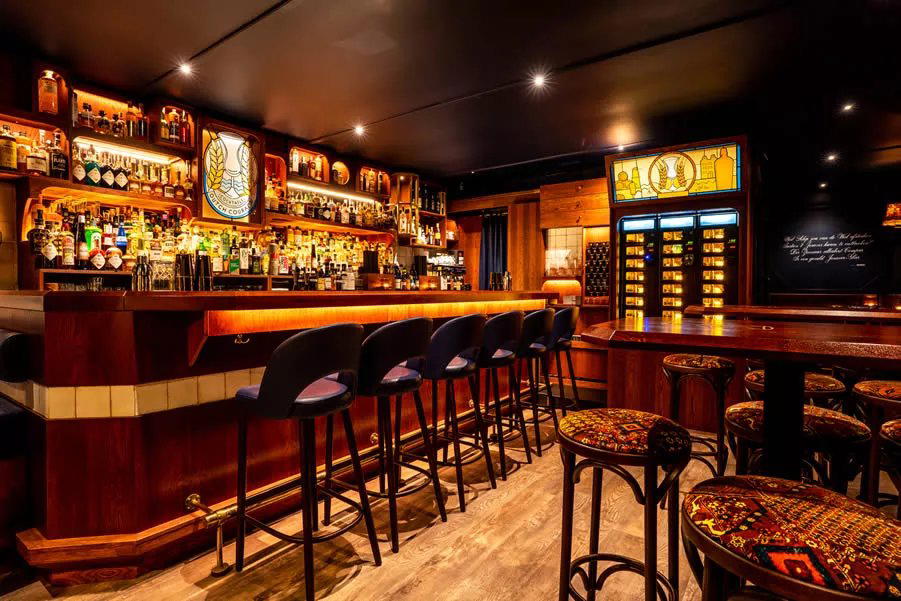
Restaurants in Amsterdam
Browse all →
Hotels in Amsterdam
Browse all →
Wineries in Amsterdam
Browse all →
Trees
The wine
- Wine program
- Curated wine list
- Craft cocktails
Signature drinks: stuffed_brioche_buns.
Details
- Cozy
- Trendy
- Intimate
- Date Night
- Casual Hangout
- Speakeasy
- Seated Bar
- Lounge Seating
- Craft Cocktails
- Street Scene
Current opening hours
- Monday
- Closed
- Tuesday
- 6 PM–12 AM
- Wednesday
- 6 PM–12 AM
- Thursday
- 6 PM–12 AM
- Friday
- 6 PM–3 AM
- Saturday
- 6 PM–3 AM
- Sunday
- Closed
Hours can change for holidays and private events. Last verified .
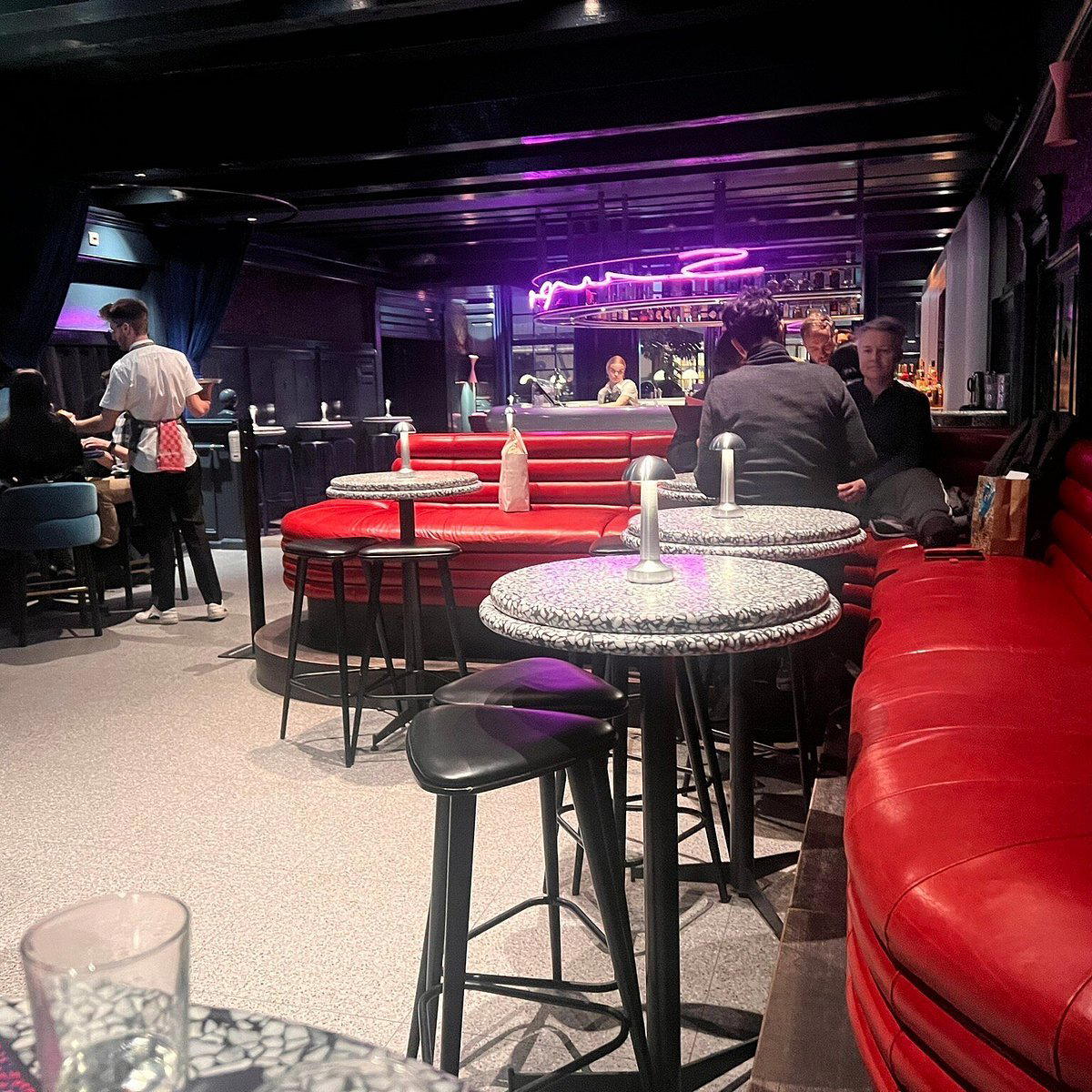
Cozy, dark interior with mismatched vintage tableware, warm welcoming atmosphere, and jazzy vibes.