Le Petit Bistro
Our verdict
Le Petit Bistro occupies a quiet address on Muntstraat in the Frisian market town of Sneek, where the Dutch tradition of honest, ingredient-led cooking shows up in a format suited to the city's pace. In a region where sourcing from local land and water has defined the table for generations, this bistro places itself within that tradition rather than against it.

Pearl is the En Primeur Club membership app — saves, bookings, and concierge access live there. Same editors, same standards.
- Address
- Muntstraat 2, 8601 CJ Sneek, Netherlands
- Phone
- +31515433460
- Hours
- Mon–Tue ClosedWed–Sat 6 PM–12 AMSun Closed
- Website
- petitbistro-sneek.nl
- Directions
- Get directions
- Booking
- Book on the venue's website
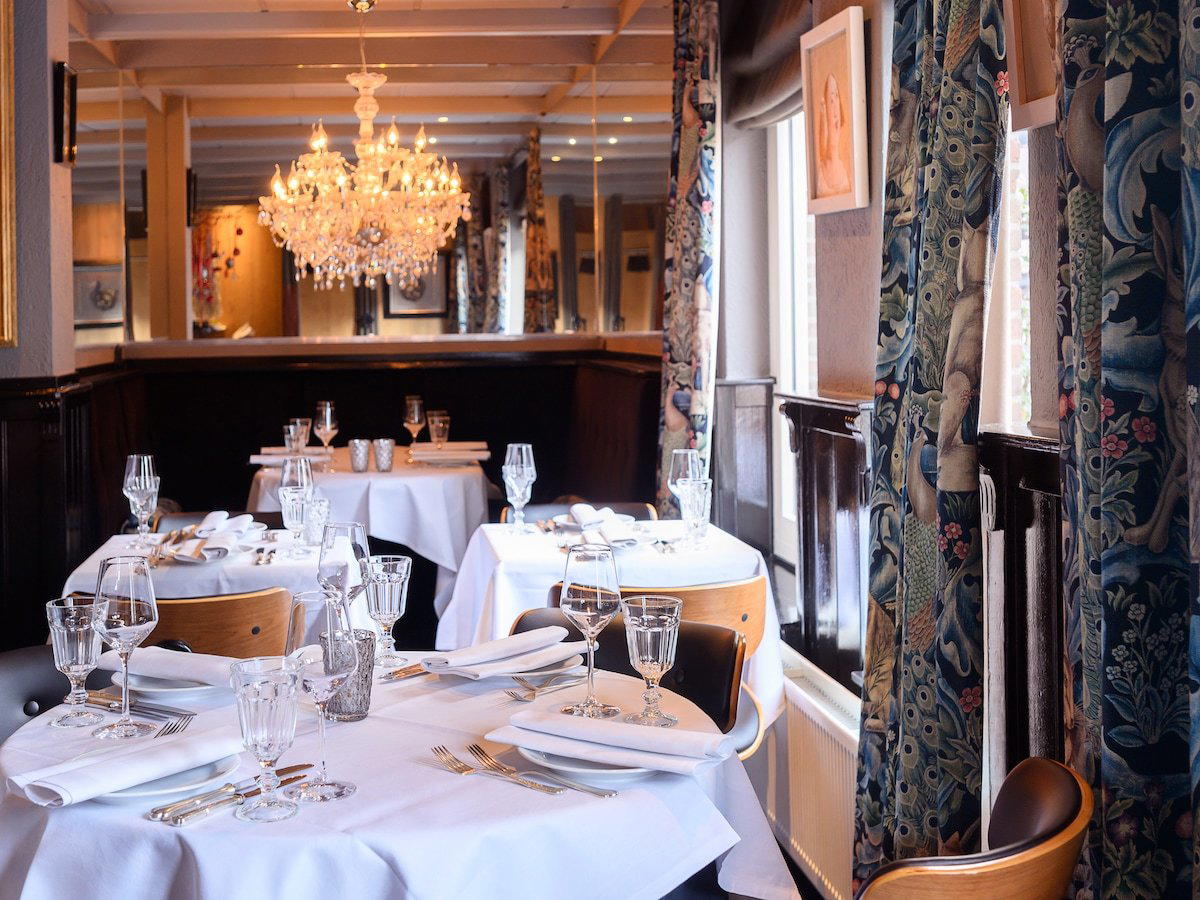
Sneek at the Table: What the City's Dining Character Looks Like
Sneek is not a city that announces itself loudly. The Frisian capital of water sport and provincial commerce sits at the intersection of lake country and agricultural flatland, and its restaurants tend to reflect that measured character. The dining scene here operates at a different register than Amsterdam or Rotterdam: fewer tasting-menu temples, more room for the kind of cooking that treats a well-sourced ingredient as the point rather than the premise. In that context, a bistro format on a central market-adjacent street like Muntstraat is not a fallback position. It is a considered one.
For reference on what ambitious Dutch cooking looks like at the far end of the spectrum, properties like De Librije in Zwolle or Aan de Poel in Amstelveen operate at the €€€€ tier with multi-course creative formats and Michelin recognition. Le Petit Bistro occupies a different position in the hierarchy, one where the proposition is approachability without apology, and where the French bistro form sits comfortably inside the Dutch provincial tradition of feeding people well without ceremony.
The Bistro Form and Where It Comes From
The French bistro, as a dining format, has always been defined more by its relationship to sourcing than by its price point. The original Parisian model was built on the availability of market produce, daily proteins, and regional wine, with the cook's job being to connect those ingredients to the plate with minimum interference. That sensibility has travelled well. Across the Netherlands, a strand of bistro-style cooking has taken root that borrows the French structural vocabulary while leaning on Dutch and Frisian raw materials: North Sea fish, polderland vegetables, dairy from nearby farms, freshwater proteins from the lakes and canals that define this part of the country.
In Friesland specifically, the proximity to water shapes what ends up on the plate. The IJsselmeer and the connected lake systems that ring Sneek have historically supplied eel, pike-perch, and perch to local kitchens. The agricultural zones immediately surrounding the city run to dairy and root vegetables. A kitchen that pays attention to those facts does not need to import its way to credibility. The ingredients already carry context.
This is the tradition that a venue like Le Petit Bistro on Muntstraat 2 fits into, whether or not that framing is explicit on any menu board. The bistro form in a Frisian market town is a particular thing, distinct from its urban Dutch equivalent and more directly tied to the food geography of the surrounding region.
Le Petit Bistro on Muntstraat
Muntstraat sits close to Sneek's historic centre, within the compact grid of streets that surrounds the Waterpoort and the old harbour. The built character here runs to brick facades, modest scale, and the kind of streetscape that rewards walking rather than driving. Arriving on foot from the market square takes minutes. Arriving by water, which is not an eccentric choice in a city where sailing is the dominant summer activity, puts you within reasonable distance via the canal network that threads through the town.
The address at number 2 places the restaurant at an accessible point in the pedestrian fabric of the centre. De Koperen Kees represents another reference point within the same city, and comparing the two gives some measure of how Sneek's mid-range dining has developed. For a fuller picture of what the city offers across categories, our full Sneek restaurants guide maps the options across price tiers and formats.
The practical details currently available for Le Petit Bistro are limited to the address. The most reliable approach is to visit in person during regular Sneek business hours, or to check local listings for updated contact information before making a special trip.
Ingredient Sourcing as the Organising Principle
Across the Netherlands, the restaurants drawing the most sustained critical attention are those that have made sourcing transparency a structural feature rather than a marketing footnote. De Nieuwe Winkel in Nijmegen has built a Michelin-recognised format around organic sourcing. Brut172 in Reijmerstok operates with a similar orientation toward local and seasonal produce in a rural setting. At the upper tier, De Lindehof in Nuenen and De Lindenhof in Giethoorn both work within the contemporary Dutch and creative frameworks where sourcing decisions underpin the tasting menu logic.
What distinguishes the bistro tier from those formats is not a lesser commitment to ingredients but a different relationship to them. A bistro kitchen that buys well and cooks simply can express terroir as convincingly as a tasting menu counter, sometimes more so, because the ingredient is not competing with technique for the diner's attention. In Frisian lake country, that means fish from nearby water systems, seasonal vegetables from polder farms, and dairy products that carry the particular character of grass-fed herds in a wet, flat agricultural zone. The bistro format allows those materials to register directly.
Internationally, the same logic applies at different scales. Le Bernardin in New York City has built a multi-decade reputation on the principle that seafood sourcing is primary and technique is secondary. Atomix in New York City approaches Korean ingredients with comparable sourcing rigour at the fine-dining tier. The bistro form in Sneek operates without those resources, but the underlying argument, that where food comes from matters as much as what you do to it, runs through the format regardless of price point.
The Broader Dutch Fine Dining Context
For travellers using Sneek as a base for exploring Frisian water country, the regional dining map extends outward in useful directions. De Groene Lantaarn in Staphorst and Inter Scaldes in Kruiningen represent the kind of destination-restaurant proposition that requires planning but rewards the effort. Closer to the major cities, Ciel Bleu in Amsterdam, FG - François Geurds in Rotterdam, and De Bokkedoorns in Overveen sit at the premium end of Dutch dining, with Michelin credentials and price points to match. Tribeca in Heeze and 't Nonnetje in Harderwijk complete the picture of what creative Dutch cooking looks like across the country's smaller cities.
Le Petit Bistro occupies none of those tiers. It is a neighbourhood-scale bistro in a Frisian market town, and that positioning is its own coherent argument. The Dutch dining scene has room for both the Michelin counter and the well-run bistro, and in a city like Sneek, the latter is the more relevant form for most occasions.
Planning Your Visit
Sneek is accessible by direct train from Leeuwarden, which connects to the national rail network, and by road from the A7 motorway. Summer, when the Sneekweek sailing regatta draws visitors from across the Netherlands and beyond, is the city's busiest period; the restaurant scene compresses under that demand, and reservations at any venue become more sensible than usual. Outside of that window, Sneek operates at a pace that allows for more spontaneous decisions. Muntstraat is within the central pedestrian zone, which means parking on the street is not the approach; the city's central car parks are within a short walk.
Frequently asked questions
Is Le Petit Bistro good for families?
The bistro format, as a dining category, tends to accommodate a broad age range without the formality of tasting-menu-only restaurants. Le Petit Bistro is on Muntstraat in Sneek's compact historic centre, making it accessible on foot from most of the town. For specific details on high chairs or children's portions, check the venue's official channels before booking.
Is Le Petit Bistro better for a quiet night or a lively one?
Bistros by format sit between the solitude of fine dining and the noise of a brasserie — sociable tables, modest room size, and a pace that follows the kitchen rather than a DJ. Muntstraat's position near Sneek's Waterpoort keeps the surrounding area relatively calm compared to the waterfront during sailing season. If atmosphere is the deciding factor for a particular evening, arriving midweek versus a Friday night will make a material difference.
Is Le Petit Bistro a good option for dining in Sneek when visiting the Frisian lake district?
Sneek sits at the centre of the Frisian water country and serves as the main town base for visitors exploring the surrounding lakes. Le Petit Bistro on Muntstraat occupies a position in the historic centre, within walking distance of the Waterpoort, making it a practical dinner option after a day on the water. For travellers treating Sneek as a short stop rather than a destination, the bistro format offers a complete meal without the advance planning required by tasting-menu restaurants in the broader Dutch dining circuit.
What's the best thing to order at Le Petit Bistro?
Bistros in this category typically anchor around seasonal produce with a short, rotating menu, and the most considered choice is usually whatever the kitchen is steering guests toward that evening. Checking directly with the restaurant at Muntstraat 2 in Sneek before your visit will give you the clearest picture of current dishes.
Where exactly is Le Petit Bistro?
Le Petit Bistro is located at Muntstraat 2, 8601 CJ Sneek, Netherlands, Sneek.
A Quick Peer Check
Comparable venues nearby, for context on price, style, and recognition.
| Venue | Cuisine | Price | Notes |
|---|---|---|---|
| Le Petit BistroThis venue — the venue you are viewing | Classical French Bistro with Modern Twist | Not listed | Not listed |
| De Koperen Kees | Dutch Brasserie with Seafood | $30–50 | Sneek Centrum |
| De Witte Dame | Contemporary European Fine Dining | $50–100 | Abcoude |
| By Chiel | Traditional French | Not listed | Zutphen |
| 't Fnidsen | Modern French Fine Dining | $50–100 | Alkmaar Old Town |
| Koetshuis by Rhederoord | French-Dutch Contemporary | $30–50 | De Steeg |
Continue exploring
More in Sneek
Le Petit Bistro
The wine
- Wine program
- Curated wine list
- Extensive wine list
Details
- Intimate
- Cozy
- Romantic
- Elegant
- Date Night
- Special Occasion
- Standalone
- Extensive Wine List
- Local Sourcing
- A La Carte
- Wine
- Vegetarian Friendly
- Gluten Free Options
Current opening hours
- Monday
- Closed
- Tuesday
- Closed
- Wednesday
- 6 PM–12 AM
- Thursday
- 6 PM–12 AM
- Friday
- 6 PM–12 AM
- Saturday
- 6 PM–12 AM
- Sunday
- Closed
Hours can change for holidays and private events. Last verified .
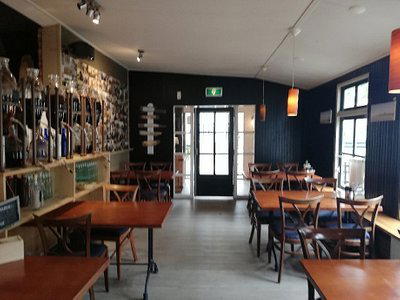
Charming and intimate atmosphere ideal for a memorable dining experience.