Bij Jef





1 Michelin Star · Star Wine List · Relais Chateaux Award
Our verdict
A Michelin-starred restaurant in a former rectory on Texel island, Bij Jef earns its four-euro-sign price point through hyperlocal sourcing, Texel lamb, island cheeses, crustaceans, refined into contemporary dishes by Dutch Cuisine ambassador Jef Schuur. Rated 4.7 on Google (302 reviews) and ranked #398 in Opinionated About Dining's Classical in Europe 2025 list, it operates Tuesday through Saturday evenings only, with eight design suites above the dining room.

Pearl is the En Primeur Club membership app, where members save venues, book tables and use the concierge.
An Island Premise Built Around What the Land Actually Produces
Among the Netherlands' handful of destination restaurants that require a ferry to reach, Bij Jef occupies a particular niche: a Michelin-starred kitchen on Texel, the largest of the Wadden Islands, where the produce itself sets the agenda. Texel lamb is internationally documented, the breed's diet of salt-marsh grasses and herbs gives the meat a mineral character that sets it apart from mainland equivalents, and it has long drawn attention from chefs working at the top end of Dutch cuisine. What Jef Schuur does at Bij Jef is build an entire menu around the logic that the island already contains most of what a serious kitchen needs, then supplement that foundation with technique and global flavour pairings rather than imported luxury ingredients.
This model, letting geography determine the larder rather than adjusting to convention, places Bij Jef in a small cohort of European regional restaurants where terroir functions as more than a marketing term. Compare it to Inter Scaldes in Kruiningen, another Dutch coastal address where proximity to the Zeeland estuary shapes the menu from the ground up, or De Groene Lantaarn in Staphorst, which applies similar regional discipline in an inland setting. At the €€€€ price tier, these restaurants are not selling access to luxury commodities; they are selling the argument that a specific Dutch landscape, farmed and fished with care, can anchor a meal at the highest level.
What the Texel Larder Actually Contains
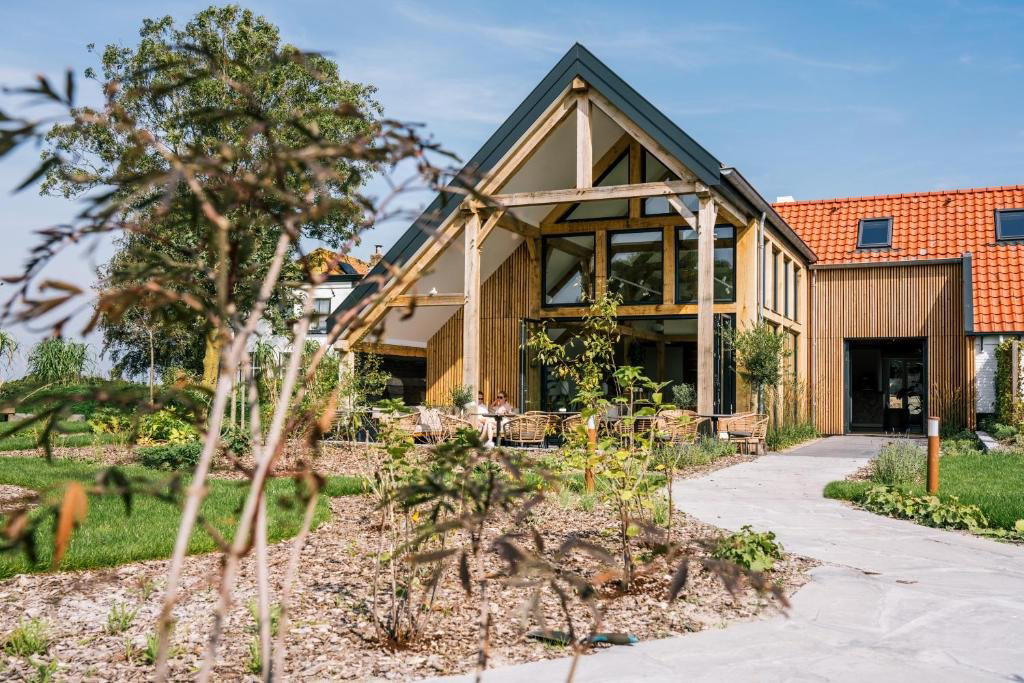
The sourcing case at Bij Jef extends well beyond the lamb, though that remains the clearest example. The island's surrounding waters produce crustaceans and shellfish that arrive at the kitchen with the kind of freshness that only short supply chains provide. Salty herbs grow in the saline-influenced soil of the Wadden coast. The restaurant's own vegetable garden, visible behind the building, contributes directly to the menu, an uncommon degree of vertical integration for a dining room operating at this price point. Texel cheeses, another product with genuine regional identity, also appear in the rotation.
The dishes that emerge from this larder follow a pattern Schuur describes as 'local meets cosmopolitan': Texel suckling lamb as the centrepiece, handled with contemporary technique; lobster paired with carrot, ginger, blood orange and cloves; mackerel with fermented leeks and kaffir lime; sole with candied cauliflower in brown butter and winkles. The flavour architecture across the menu tilts toward sweet-sour contrasts and brightness, which reads as a deliberate counterpoint to the richness of the primary ingredients. Sauces carry significant weight in the meal's structure, a lamb jus, herb-infused oils, and the pastry trolley at the end signals a kitchen that has not abandoned classical hospitality gestures in the pursuit of minimalism.
Wine programme, managed by maître d' Nadine, matches the sourcing philosophy with a selection that includes less-obvious bottles alongside conventional fine-dining choices. The Madeira Rainwater Reserva noted by reviewers as a pairing for the blood orange dessert is a useful indicator of how the list is assembled: with specificity and a willingness to reach outside the default Burgundy-and-Bordeaux template that dominates rooms at this tier. Star Wine List rated the programme #1 in 2024, a credential that substantiates what the curation approach promises.
The Building and the Atmosphere
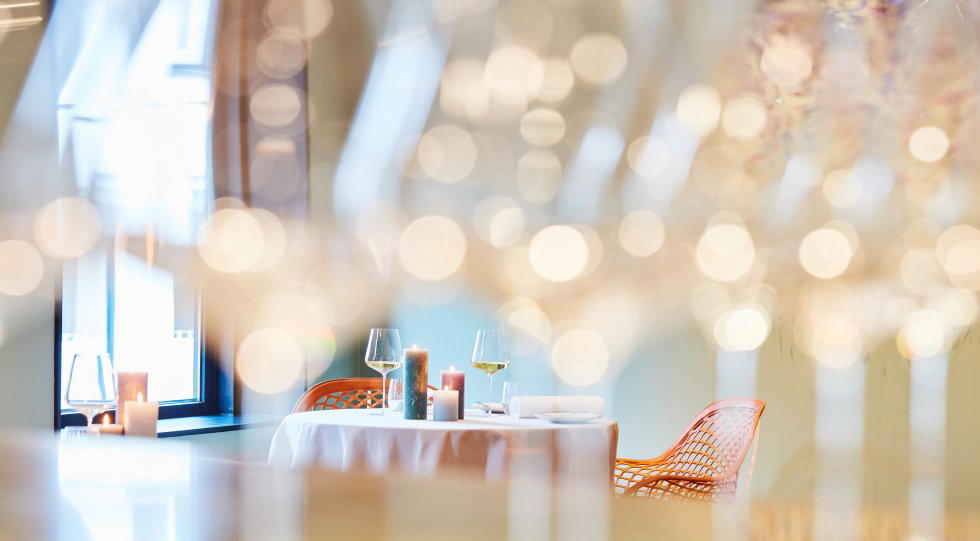
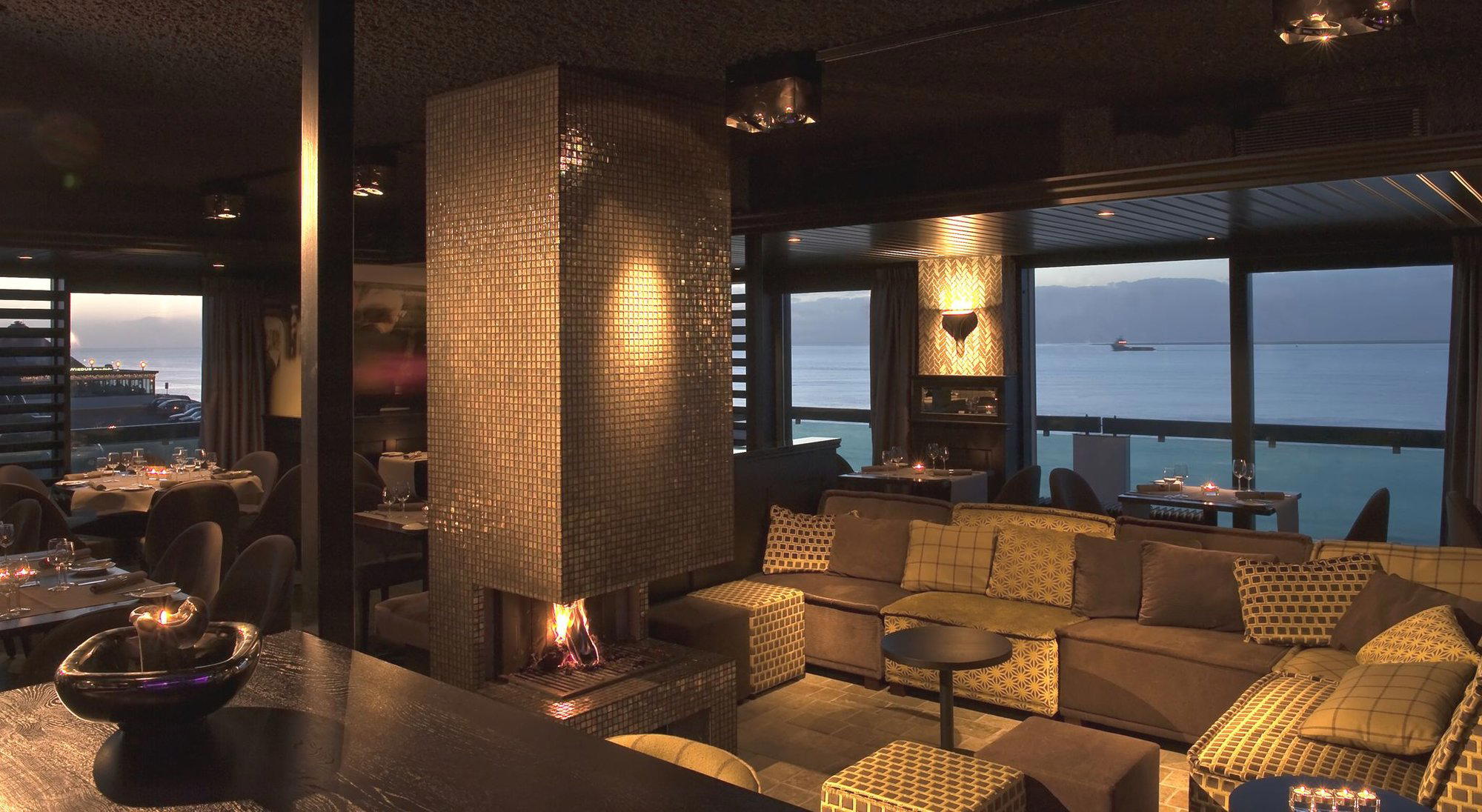
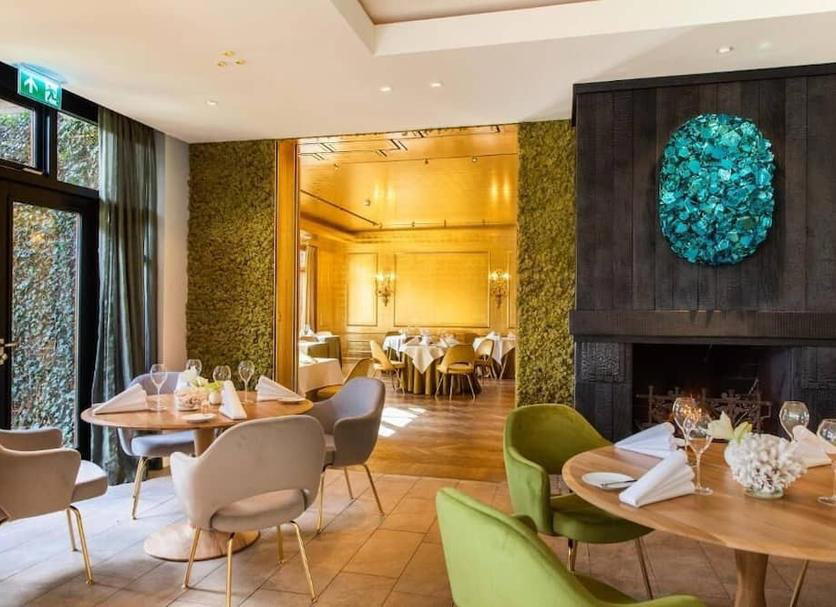
Bij Jef occupies a former rectory in the centre of Den Hoorn, a small village in the southern part of Texel. Rectory conversions in Dutch villages tend to involve generous ceiling heights, thick walls and room proportions that were never designed for commercial efficiency, which means that a well-executed conversion can produce a dining room with unusual calm and scale. The interior at Bij Jef has been designed with minimalist intent, using bright, light colours to amplify the spatial quality of the building rather than crowd it with decorative detail. The effect, reported consistently across reviews, is an immediate sense of quiet on entry.
That atmosphere is partly architectural and partly a consequence of geography. Texel sits behind a twenty-minute ferry crossing from Den Helder on the North Holland coast, a transit that functions as a decompression step, cutting the meal off from the mainland's pace in a way that no urban restaurant can replicate. The island moves differently from the Randstad, and the dining room reflects that. Eight design suites above the restaurant make it possible to extend the visit into a two-day stay, which is the sensible approach given the crossing logistics and the concentration of producers and landscape worth exploring on the island itself.
The restaurant runs Tuesday through Saturday from 6 PM to 10 PM, closing Sunday and Monday. Annual closures fall between 19 October and 4 November 2025, and again between 7 and 16 December 2025 for both hotel and restaurant. These are worth noting before booking, particularly in autumn when the island's shoulder season coincides with the closure window.
Where Bij Jef Sits in the Dutch Fine Dining Picture
The Netherlands' €€€€ restaurant tier is more geographically distributed than its French or Spanish equivalents, with serious kitchens operating in provincial cities, small towns and, in this case, islands rather than concentrating solely in Amsterdam.
Comparison set within the Netherlands includes restaurants with different orientations: De Librije in Zwolle operates at the highest end of Dutch fine dining with a long multi-star history; Aan de Poel in Amstelveen and De Bokkedoorns in Overveen work within suburban and coastal settings respectively; De Lindehof in Nuenen and De Lindenhof in Giethoorn anchor fine dining in smaller Dutch communities. Fred in Rotterdam and Ciel Bleu in Amsterdam operate in major urban centres. Bij Jef's differentiator across that peer group is not technique, the level is broadly comparable, but the specificity of its sourcing geography and the logistical commitment the visit requires from the diner.
Internationally, the regional-island restaurant model has precedents at higher recognition levels, and Bij Jef's sourcing philosophy aligns it with that tradition even at its current tier. For context on what coastal-ingredient discipline can look like at the very leading of that peer group, Le Bernardin in New York City represents the benchmark against which European fish-forward tasting menus are often measured. Closer to home, Brut172 in Reijmerstok applies a similarly uncompromising regional-sourcing logic in the Dutch-Belgian border region. Readers interested in how the same ingredient-first philosophy operates across different culinary traditions might also look at Alkimista Kulináris Műhely in Szeged, where Hungarian regional produce drives a comparable menu architecture.
Planning the Visit
The ferry from Den Helder to Texel runs frequently and takes approximately twenty minutes; the crossing is operated by TESO and runs year-round. Den Hoorn is a short drive or cycle from the ferry port at 't Horntje. The restaurant operates evenings only, Tuesday to Saturday, which makes an overnight stay in one of the eight suites above the dining room the practical solution for travellers arriving from outside the region. Bosq (€€€, Contemporary) offers an alternative dining option in Den Hoorn for secondary meals during a multi-night stay. For broader context on eating, drinking and sleeping on the island, see our full Den Hoorn restaurants guide, our Den Hoorn hotels guide, our Den Hoorn bars guide, our Den Hoorn wineries guide, and our Den Hoorn experiences guide.
Frequently asked questions
Does Bij Jef work for a family meal?
At the €€€€ price tier, Bij Jef is built around an evening tasting experience in a quiet, minimalist former rectory, a format that rewards focused attention to the food rather than casual group dining. The ferry crossing from Den Helder adds further commitment to the visit. Families with older children who are comfortable at a Michelin-starred table will find it rewarding; younger children are a less natural fit for the format and atmosphere.
How would you describe the vibe at Bij Jef?
Calm and deliberate. The former rectory in the centre of Den Hoorn produces a dining room with a rare absence of noise, reinforced by a minimalist interior designed specifically to let the food hold attention. Maître d' Nadine runs the floor and the wine programme, and the pace reflects an island rhythm, unhurried in a way that a mainland city restaurant rarely achieves. The eight design suites above the restaurant extend that calm into the overnight stay.
What kind of recognition has Bij Jef received?
Bij Jef has received recognition including: It feels like holiday to travel to the beautiful island of Texel. A 20-minute boat trip brings you to this great establishment, a restaurant with tranquility, space, and design in bright light colors....; Jef is located in a former rectory ….
What's the must-try dish at Bij Jef?
The Texel suckling lamb is the dish most directly tied to Chef Jef Schuur's sourcing argument: the breed's salt-marsh diet produces a flavour profile that the kitchen frames around a rich jus and herb-infused oil alongside crispy slow-roasted lamb neck. Beyond the lamb, Schuur's treatment of local crustaceans and shellfish with sharp sweet-and-sour contrasts, lobster with carrot, ginger, blood orange, and cloves is one documented example, illustrates the 'local meets cosmopolitan' approach that earned the restaurant its Michelin star in 2024.
Budget Reality Check
| Venue | Cuisine | Price | Awards | Notes |
|---|---|---|---|---|
| Bij JefThis venue (the venue you are viewing) | Modern Regional Texel Cuisine | $150–200 | 1 Michelin Star · Star Wine List | Not listed |
| De Librije | Modern Dutch Fine Dining | $200–300 | 3 Michelin Stars · World's 50 Best #46 | Modern Cuisine |
| Aan de Poel | Modern French Fine Dining | $150–200 | 2 Michelin Stars · La Liste Top Restaurants | Creative |
| De Lindehof | Contemporary Dutch, Creative | Not listed | Michelin 2 Star | Not listed |
| Fred | Modern French Fine Dining | $200–300 | 2 Michelin Stars · La Liste Top Restaurants | Creative French |
| De Nieuwe Winkel | Botanical Fine Dining | $300–500 | 2 Michelin Stars · La Liste Top Restaurants | Organic |
Recognition history
Dated appearances from independent guides and award organizations, with the underlying list record or original source where available.
Michelin 1 Star
Michelin
Star Wine List
Star Wine List
Relais Chateaux Award
Relais Chateaux
Opinionated About Dining Classical in Europe Ranked #398
Opinionated About Dining
We're Smart World 2 Radishes
We're Smart World
Full recognition history (9 entries)
Relais Chateaux Award
Relais Chateaux
Michelin 1 Star
Michelin
Star Wine List
Star Wine List
Opinionated About Dining Classical in Europe Recommended
Opinionated About Dining
Continue exploring
More in Den Hoorn
Restaurants in Den Hoorn
All restaurants in Den Hoorn →
Hotels in Den Hoorn
All hotels in Den Hoorn →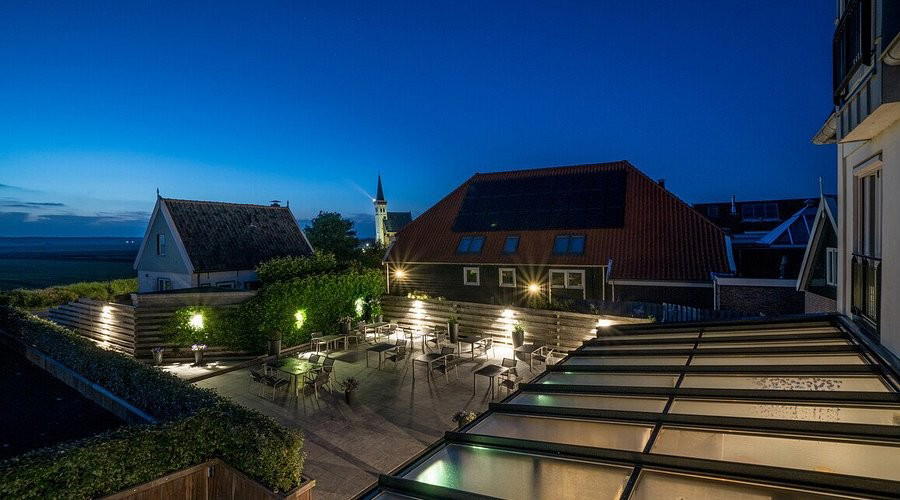
Bij Jef
The wine
- Wine program
- Deep wine list
- Extensive wine list
- Sommelier-led
Details
- Minimalist
- Intimate
- Elegant
- Cozy
- Special Occasion
- Date Night
- Celebration
- Garden
- Open Kitchen
- Extensive Wine List
- Sommelier Led
- Farm To Table
- Local Sourcing
- Garden
- Tasting Menu
- Vegetarian Friendly
- Gluten Free Options
Peaceful and spacious minimalist interior with a sense of tranquility, allowing focus on the cuisine.