't Amsterdammertje

1 Michelin Star
Our verdict
A converted farmhouse on the Vecht river corridor, 't Amsterdammertje holds a Michelin star and a reputation for creative cooking that takes Dutch produce seriously without taking itself too seriously. Chef André Gerrits draws from an on-site kitchen garden, weaving vegetables and regional ingredients into dishes that are playful in spirit but disciplined in execution. The attached delicatessen, Marché, extends the experience beyond the dining room.

Pearl is the En Primeur Club membership app, where members save venues, book tables and use the concierge.
A Farmhouse Setting With Something to Say
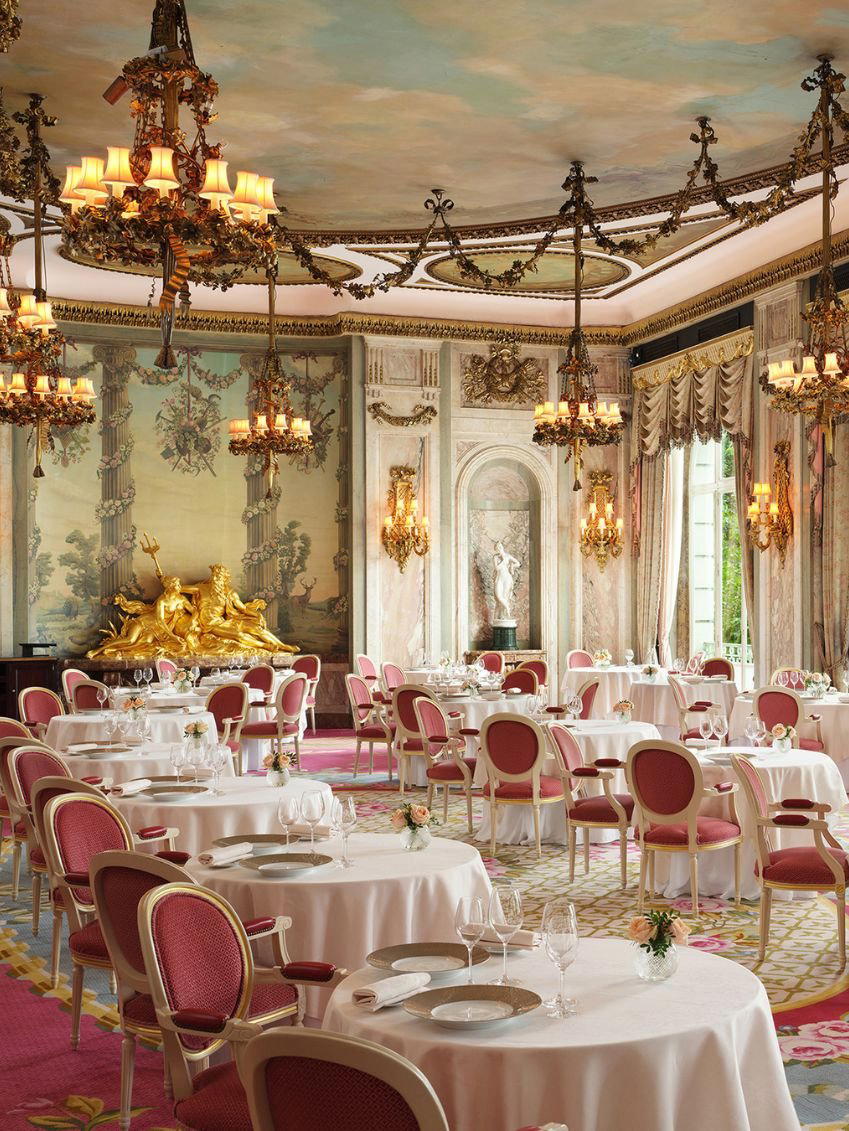
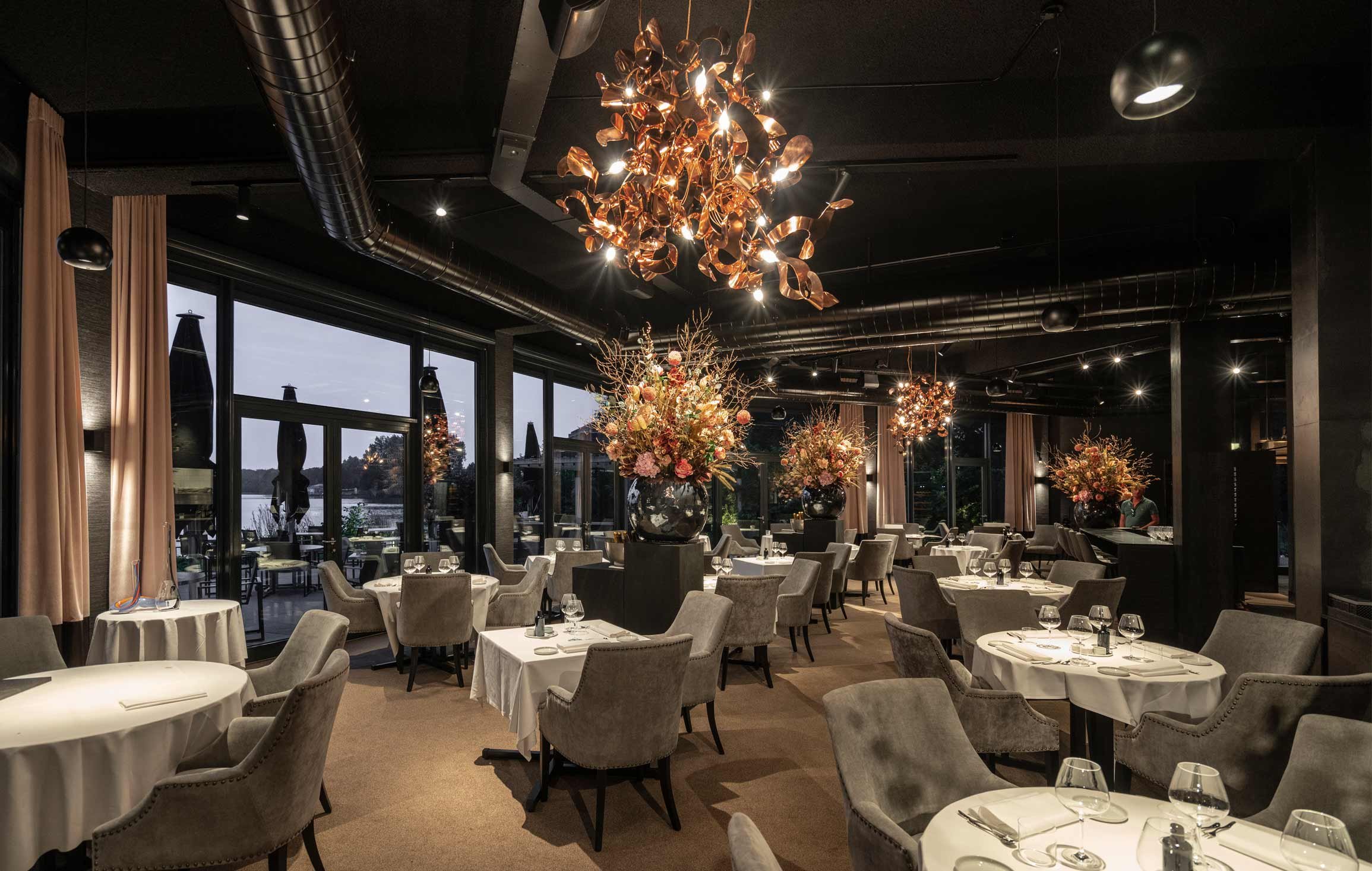
Along the Rijksstraatweg corridor that traces the Vecht river between Utrecht and Amsterdam, the dining options thin out quickly once you leave the city fringe. Which makes the presence of a Michelin-starred kitchen inside a converted farmhouse in Loenen aan de Vecht all the more arresting. The building announces its character before you reach the table: large chandeliers overhead, modern art on the walls, an open kitchen running at full view, and a music policy that treats atmosphere as part of the cooking. This is not the hushed, white-linen register that many Dutch fine-dining rooms still default to. The tone here is deliberately animated.
That positioning matters editorially. The Netherlands has developed a strong tier of creative, ingredient-driven restaurants in smaller towns and village settings, from De Groene Lantaarn in Staphorst to De Lindenhof in Giethoorn, where destination dining has become a reason to travel rather than a consolation for not being in a city. 't Amsterdammertje fits that pattern but inflects it with a noticeably more energetic, less reverent sensibility.
Where the Ingredients Come From
The editorial case for 't Amsterdammertje rests substantially on sourcing. Dutch gastronomy has long drawn credibility from the precision of its supply chains: the greenhouse sector, the coastal fisheries, the dairy infrastructure. What a smaller cohort of chefs has been doing for the past decade is shortening those chains further, either growing produce on-site or working within a radius tight enough to call the relationship direct. Chef André Gerrits grows vegetables in his own kitchen garden, and those vegetables are not garnish; they are structural to the menu.
This approach places 't Amsterdammertje in a peer group that includes De Nieuwe Winkel in Nijmegen, which operates at the two-star level with a deeply plant-forward, sourcing-led philosophy, and Codium in Goes, where the creative category similarly hinges on what the local environment produces. Across these kitchens, the common thread is that the origin of an ingredient is not incidental backstory; it shapes cooking decisions at a structural level.
At 't Amsterdammertje, that shows in the technique as much as the sourcing. Kimchi made from garden vegetables folded into a pumpkin gravy, a foamy oyster beurre blanc finished with sereh lemongrass: these are not decorative gestures. They are instances of Dutch produce meeting fermentation traditions and Southeast Asian aromatics in a register that is confident rather than tentative. The international references in the cooking are not cosmopolitan padding; they extend what the home-grown ingredient can do. That kind of cooking requires a real pantry behind it, and the kitchen garden provides the foundation.
It also means the menu shifts with the growing calendar in ways that a kitchen relying on wholesale supply cannot always replicate. What comes out of the ground in spring differs from what is available in autumn, and that constraint, treated as an asset rather than a limitation, keeps the cooking honest. Diners returning across different seasons are effectively eating different menus, even if the culinary logic remains consistent.
How the Kitchen Operates
The open kitchen format is not decorative here; it functions as part of the room's character. In the broader Dutch creative-dining conversation, the open kitchen has become a standard feature, but its effect depends on what the kitchen is actually doing. At the three-star level, with kitchens like De Librije in Zwolle, or the two-star precision of 't Nonnetje in Harderwijk, the open kitchen reads as theatre supporting elaborate, multi-stage service. At 't Amsterdammertje, the energy is less ceremonial; the cooking is visible not to impress but because the room's character calls for transparency and movement.
The menu carries what Michelin describes as cooking with panache that knows no limits, alongside a noted ability to also produce classical technique when the dish calls for it. Sea bass in a salt crust, for example, is a preparation that rewards patience and restraint rather than invention. The coexistence of that kind of classical anchor with fermented vegetables and lemongrass beurre blanc tells you the kitchen is not locked into a single register. That range is what holds the one-star positioning in place; it is evidence of a kitchen that can shift modes without losing coherence.
Compared to Aan de Poel in Amstelveen or Ciel Bleu in Amsterdam, both of which operate at the two-star level with more formal service architectures, 't Amsterdammertje is positioned one tier below in both award terms and price. The €€€ pricing places it below the €€€€ bracket where most Dutch multi-star kitchens operate, which makes it a relatively accessible entry point into serious Dutch creative cooking without requiring a full-occasion budget.
For comparison across the creative category at a similar or adjacent price point, Joann in Enschede and Brut172 in Reijmerstok represent the broader spread of where single-star creative cooking is landing across the Netherlands outside the Randstad. De Bokkedoorns in Overveen and De Lindehof in Nuenen occupy the two-star tier where execution density increases further.
The Marché Annex
The attached delicatessen, Marché, extends what the kitchen produces into a retail format. This is a pattern seen at several Dutch destination restaurants where the relationship between the kitchen garden and the dining room generates enough surplus, preserves, and prepared goods to support a shop. It also functions as a lower-commitment access point for visitors who want to encounter the kitchen's sourcing philosophy without committing to a full dinner service. That the restaurant operates a delicatessen alongside the main room is consistent with a kitchen that treats its ingredient relationships as something worth broadcasting beyond the plate.
Planning Your Visit
The restaurant sits at Rijksstraatweg 119 in Loenen aan de Vecht, a village along the river between Utrecht and Amsterdam, accessible by car from either city in under thirty minutes. Service runs Tuesday through Sunday evenings from 6 PM to 10 PM, with additional lunch service on Thursday and Friday from noon to 4 PM. Mondays are closed. The €€€ pricing positions it firmly below the top-tier multi-star bracket, making it viable as a weeknight destination rather than a reserved special-occasion table. For those staying in the area, our full Loenen aan de Vecht hotels guide covers accommodation options nearby. If you are building a broader itinerary around the village, our Loenen aan de Vecht bars guide, wineries guide, and experiences guide provide additional context. For a broader survey of the local dining scene, our full Loenen aan de Vecht restaurants guide maps the options across price points, including Tante Koosje, which operates in the Modern French register at the same price tier.
What to Order at 't Amsterdammertje
What should I order at 't Amsterdammertje?
Kitchen's identity is built on garden-sourced vegetables used in inventive, technically grounded preparations, so dishes that foreground that sourcing are the most representative of what the kitchen does well. The Michelin guide specifically notes the oyster beurre blanc with sereh lemongrass and the kimchi-enhanced pumpkin gravy as examples of the kitchen's approach: produce-led, internationally inflected, with strong underlying flavour. The salt-crust sea bass represents the classical anchor in the repertoire. Because the menu shifts with the growing season, the most current expression of the kitchen's sourcing philosophy will depend on when you visit. Marché, the attached delicatessen, is worth visiting before or after for a sense of how the kitchen's ingredient relationships extend beyond the dining room.
Frequently asked questions
What are the opening hours for 't Amsterdammertje?
Hours at 't Amsterdammertje: Monday closed Tuesday 6 PM-10 PM Wednesday 6 PM-10 PM Thursday 12 PM-4 PM 6 PM-10 PM Friday 12 PM-4 PM 6 PM-10 PM Saturday 6 PM-10 PM Sunday 6 PM-10 PM.
What's 't Amsterdammertje's location?
't Amsterdammertje is located at Rijksstraatweg 119, 3632 AB Loenen aan de Vecht, Netherlands, Loenen aan de Vecht.
Comparison Snapshot
| Venue | Cuisine | Price | Awards | Notes |
|---|---|---|---|---|
| 't AmsterdammertjeThis venue (the venue you are viewing) | Creative Modern Fine Dining | $150–200 | 1 Michelin Star | Not listed |
| De Librije | Modern Dutch Fine Dining | $200–300 | 3 Michelin Stars · World's 50 Best #46 | Modern Cuisine |
| Aan de Poel | Modern French Fine Dining | $150–200 | 2 Michelin Stars · La Liste Top Restaurants | Creative |
| De Lindehof | Contemporary Dutch, Creative | Not listed | Michelin 2 Star | Not listed |
| Fred | Modern French Fine Dining | $200–300 | 2 Michelin Stars · La Liste Top Restaurants | Creative French |
| De Nieuwe Winkel | Botanical Fine Dining | $300–500 | 2 Michelin Stars · La Liste Top Restaurants | Organic |
Recognition history
Dated appearances from independent guides and award organizations, with the underlying list record or original source where available.
Michelin 1 Star
Michelin
Full recognition history (2 entries)
Michelin 1 Star
Michelin
Continue exploring
More in Loenen aan de Vecht
Restaurants in Loenen aan de Vecht
All restaurants in Loenen aan de Vecht →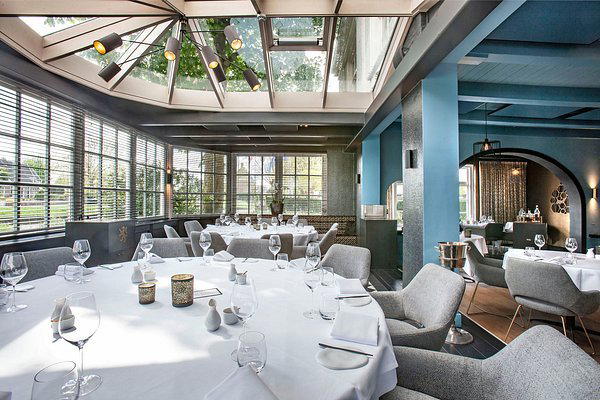
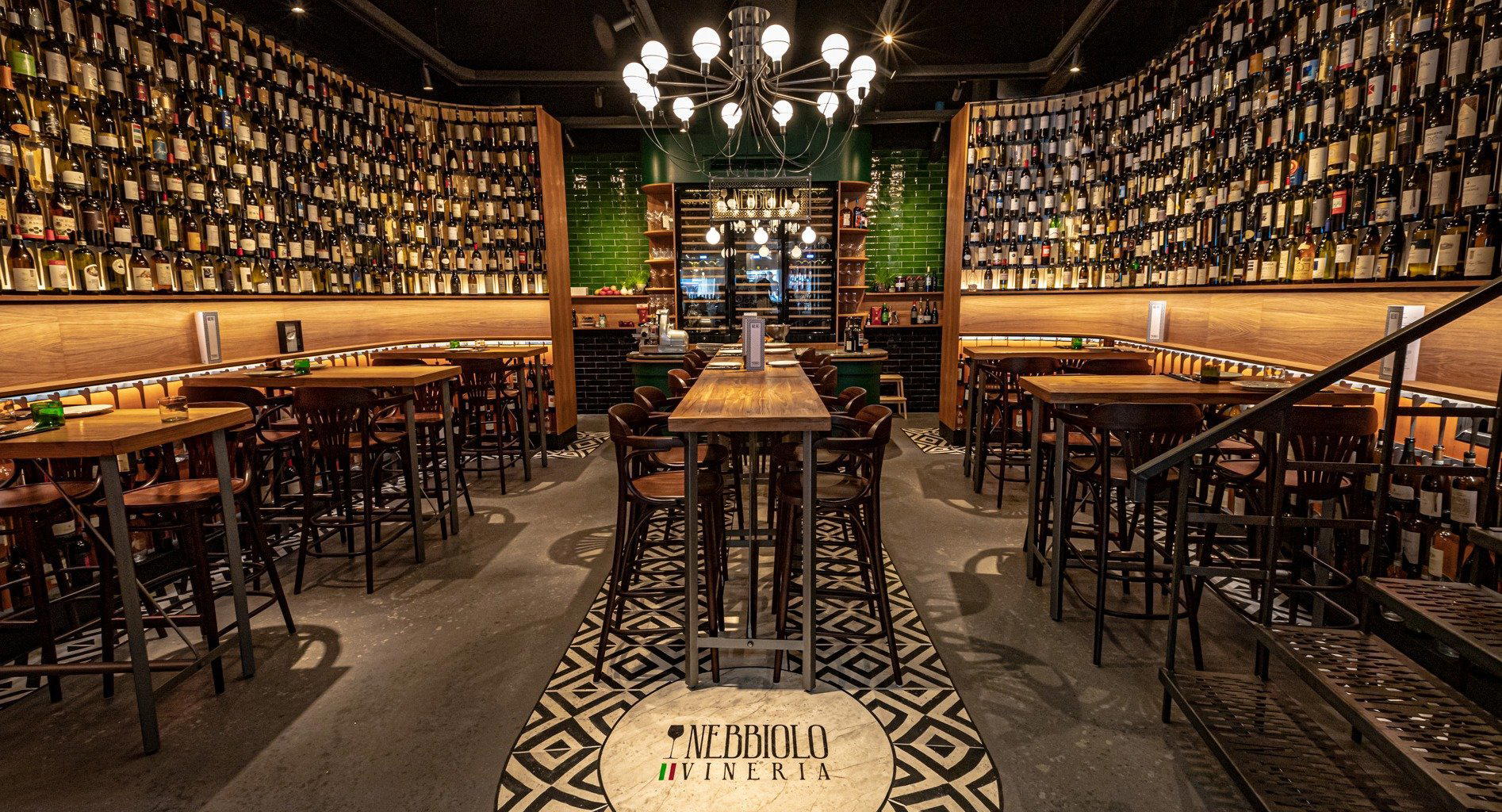
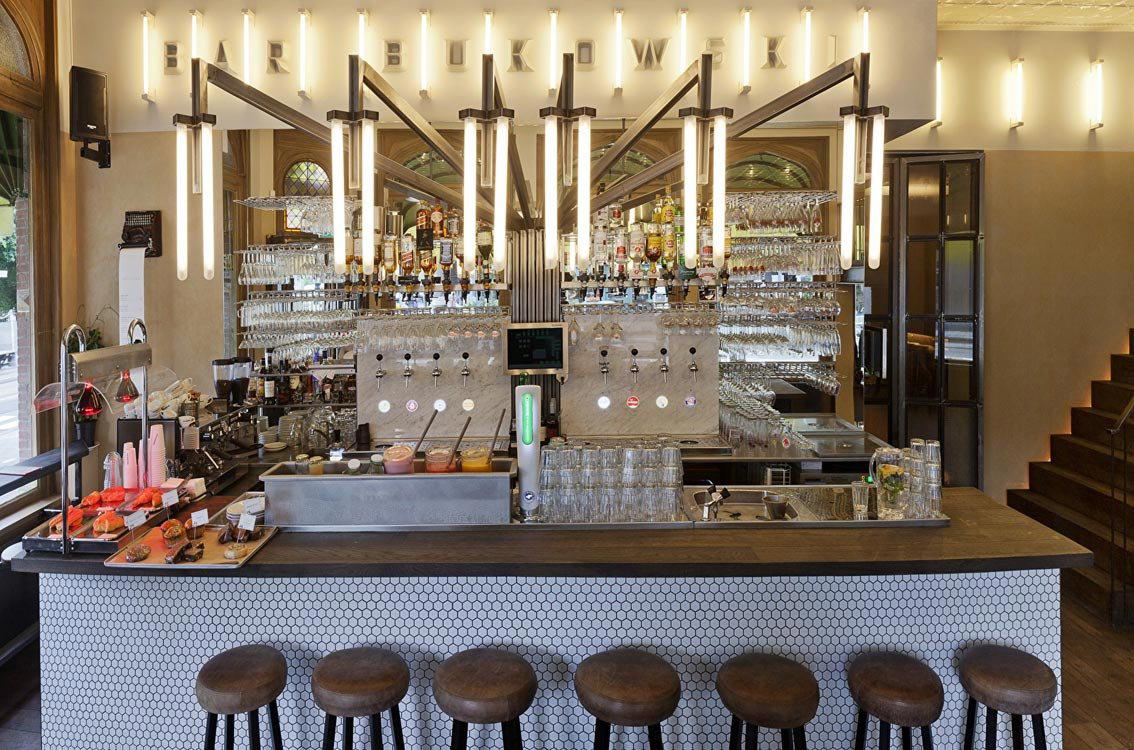
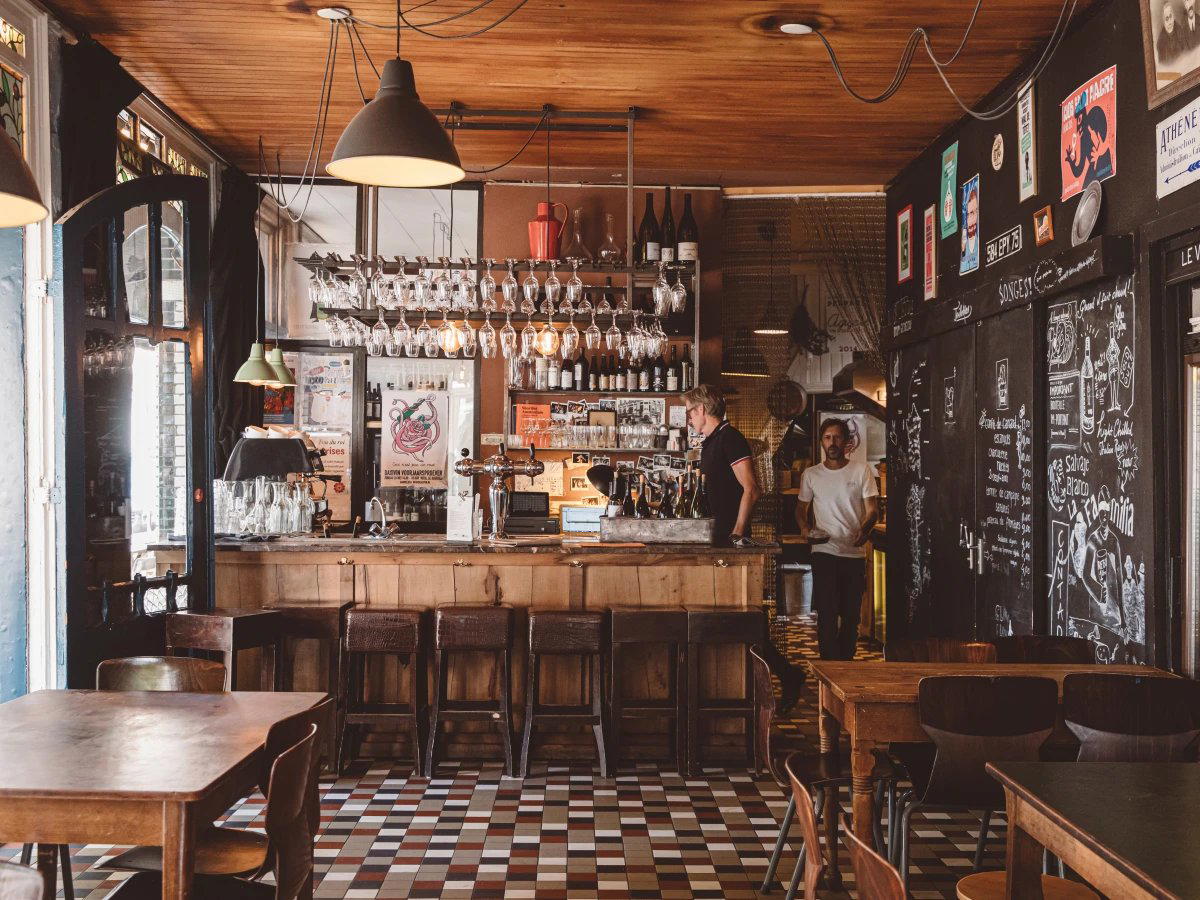
Bars in Loenen aan de Vecht
Browse all →
Hotels in Loenen aan de Vecht
Browse all →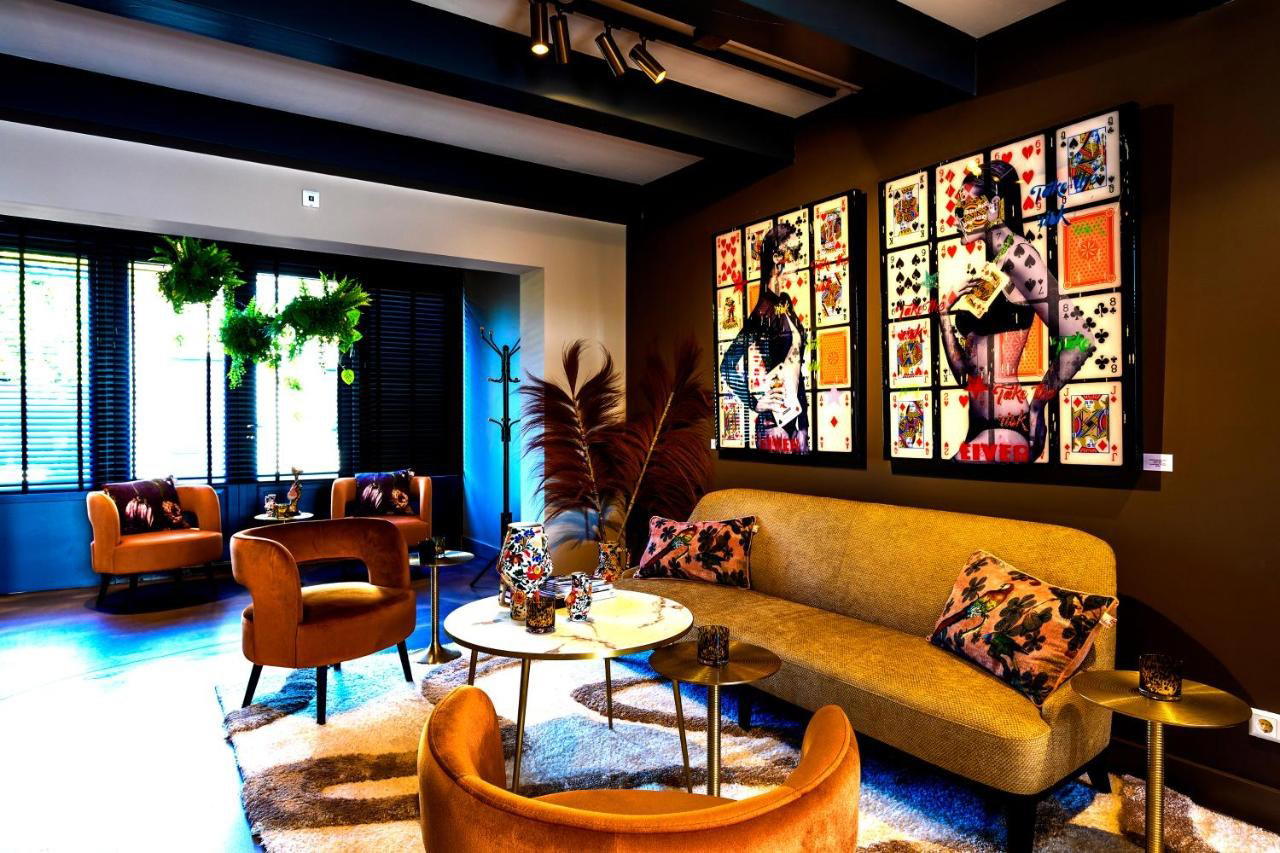
Wineries in Loenen aan de Vecht
Browse all →
't Amsterdammertje
The wine
- Extensive wine list
- Sommelier-led
Details
- Cozy
- Elegant
- Romantic
- Intimate
- Date Night
- Special Occasion
- Celebration
- Open Kitchen
- Historic Building
- Extensive Wine List
- Sommelier Led
- Tasting Menu
- Prix Fixe
- Vegetarian Friendly
- Allergy Accommodating
Current opening hours
- Monday
- Closed
- Tuesday
- 6–10 PM
- Wednesday
- 6–10 PM
- Thursday
- 12–4 PM, 6–10 PM
- Friday
- 12–4 PM, 6–10 PM
- Saturday
- 6–10 PM
- Sunday
- 6–10 PM
Hours can change for holidays and private events. Hours as of .
Subdued lighting, dark color scheme, and cozy atmosphere in an open kitchen setting with a romantic and sfeervolle vibe.