Corners Store


Corners Store on Amsterdam's Papaverweg brings a focused, vegetable-forward approach to a city increasingly serious about plant-based dining. Recognised in the We're Smart® Green Guide for flavour combinations that reward attention, it occupies a niche between the neighbourhood casual and the destination vegetable restaurant. Booking details are best confirmed directly through current listings.
Pearl is the En Primeur Club membership app — saves, bookings, and concierge access live there. Same editors, same standards.
- Address
- Papaverweg 11, 1032 KD Amsterdam, Netherlands
- Phone
- +31 20 239 0062
- Website
- csnoord.com
- Directions
- Get directions
 Saves & bookings on Pearl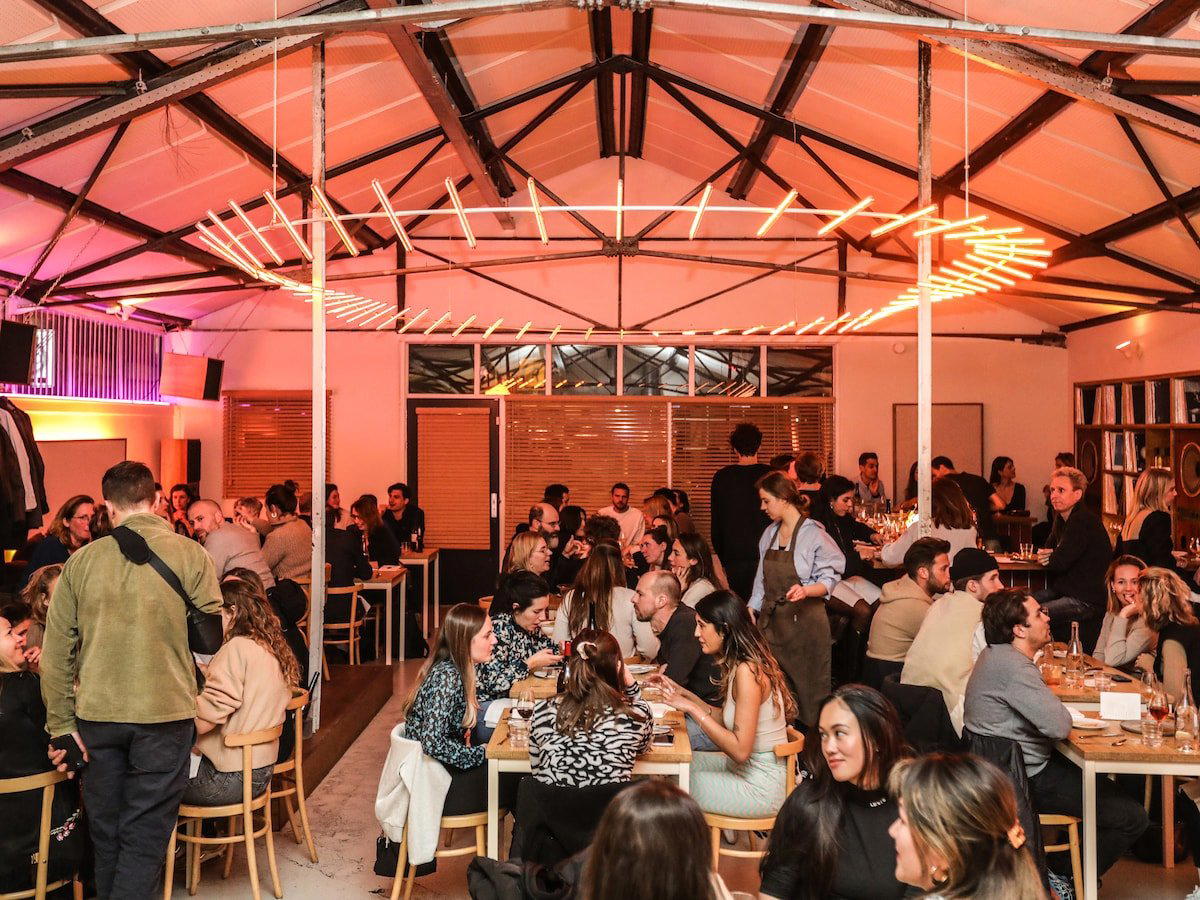
Plant-Based Dining and the Amsterdam Context
Amsterdam's restaurant scene has spent the past decade pulling in two directions at once. On one end, a cluster of high-investment creative kitchens, including Ciel Bleu, Spectrum, and Vinkeles, has anchored the city's claim to serious European fine dining. On the other, a quieter but increasingly consequential wave of vegetable-driven restaurants has been building momentum, shaped by Dutch consumers who now treat plant-based cooking not as a dietary concession but as a culinary category worth pursuing on its own terms. It has earned recognition from the We're Smart® Green Guide for doing so with enough substance to merit the attention of an audience beyond committed plant-based diners.
That recognition matters because the We're Smart® Green Guide is one of the few dedicated rating systems for vegetable-focused restaurants, applying a methodology focused specifically on how well a kitchen places vegetables at the centre of the plate rather than in a supporting role. Inclusion in the guide is not automatic for any restaurant that avoids meat; it signals that the kitchen is genuinely working within the tradition, not simply removing animal proteins from an otherwise conventional menu.
Where Corners Store Fits in Amsterdam Noord
Amsterdam Noord has undergone a well-documented shift over the past fifteen years. The area north of the IJ waterway, once defined by post-industrial warehouses and limited dining infrastructure, has attracted a generation of restaurateurs who found the combination of lower rents, large spaces, and an increasingly design-conscious local population worth the trade-off against foot traffic. The result is a dining corridor that rewards deliberate trips rather than chance encounters. Reaching Papaverweg typically means crossing the IJ by ferry from Central Station or cycling across one of the bridges, which filters the clientele toward people who have already decided they want to be there.
That geography shapes the kind of restaurant Corners Store can be. It does not need to compete for passing tourist trade the way kitchens in the canal belt do. It can afford a focused concept and an audience that arrives with appetite and intention. Alongside neighbourhood players in Noord and across the broader Amsterdam vegetable-forward scene, it occupies a tier below the high-spend destination kitchens like Bolenius (which has long placed Modern Dutch produce at the front of its menu) and the garden-origin model of De Kas, but it shares the same underlying premise: that Dutch agricultural produce, treated with respect and some creative ambition, does not need meat to carry a menu.
The Cooking Approach and What the Recognition Signals
The We're Smart® Green Guide citation for Corners Store uses specific language worth attending to: it calls out simplicity as the kitchen's strongest card, while noting that the flavour combinations land with more complexity than the straightforwardness of the concept might suggest. That combination, restraint in method alongside genuine attention to how vegetables interact on the plate, is harder to execute than it appears. The more common failure mode in plant-based restaurants is overcompensation: aggressive spicing, elaborate techniques, or heavy sauces deployed to fill the absence of animal-fat richness. A kitchen that earns recognition for flavour depth through simplicity rather than complexity has typically spent time understanding its ingredients at the source rather than at the stove.
The Netherlands has a structural advantage here that often goes unacknowledged. Dutch horticulture is among the more technically developed in the world, producing greenhouse vegetables at scale and quality that underpin everything from supermarket supply chains to haute cuisine procurement. Restaurants positioned to access this supply directly, or to work with smaller-scale regional growers operating within the same tradition, are cooking in a context where the raw material quality is genuinely competitive with anywhere in Europe. The farm-to-table framing, sometimes overused to the point of meaninglessness, carries real weight in the Dutch context because the farms are close, the supply chains are short, and the seasonal variation is meaningful rather than cosmetic.
For a frame of reference further afield: the Dutch model of precision horticulture feeding an increasingly sophisticated restaurant culture has a loose parallel in how northern French and Belgian kitchen traditions have absorbed local produce into restrained, flavour-forward cooking. The analogy is imperfect, but it helps position Corners Store within a broader European movement toward vegetable cooking that is neither ascetic nor performative. Compared to the protein-centred ambition of destination kitchens like Le Bernardin in New York City or event-driven American formats like Emeril's in New Orleans, the restaurant represents a quieter, more ingredient-accountable register of cooking that the Netherlands is well placed to develop.
Plant-Based Momentum and Why Amsterdam Needs More of This
The We're Smart® Green Guide assessment makes a pointed observation: plant-based food is gaining meaningful traction as a dining category, not just as an ethical stance. That framing matters editorially. A city's restaurant ecosystem develops in response to demand signals, and when recognised guides start documenting the gap between consumer appetite and available supply, the market tends to move. Amsterdam's current plant-based offer is concentrated at the casual end and the high-creative end, with a thinner middle tier of serious, accessible restaurants that treat vegetables as the main event without either the price point of fine dining or the informality of a takeaway counter.
The restaurant occupies a position in that middle tier. Its recognition in the We're Smart® Green Guide suggests it has cleared a meaningful quality threshold, and the community dimension of the guide, oriented toward a readership actively seeking this category, means the discovery will translate to the kind of audience most likely to return and generate word-of-mouth. For Amsterdam's dining development, that kind of low-overhead, concept-focused operation in a location that does not depend on tourist flow is more durable than the high-investment openings that draw press attention and then struggle to hold occupancy.
Planning Your Visit
The restaurant is located at Papaverweg 11, 1032 KD Amsterdam, in the Noord district. Getting there from the city centre involves the free IJ ferry from behind Central Station, which runs frequently throughout the day and evening, followed by a short cycle or walk to the Papaverweg address. Given the neighbourhood's trajectory and the recognition the restaurant has received in the We're Smart® Green Guide, it is worth contacting the venue directly to confirm current hours and booking availability before making the trip, as no booking platform or phone contact details are currently listed in public directories. For a fuller picture of where the restaurant sits among Amsterdam's restaurant options, including higher-spend creative kitchens and the broader Netherlands fine dining scene, the EP Club Amsterdam restaurants guide covers the full range.
Price Lens
Comparable venues nearby, for context on price, style, and recognition.
| Venue | Cuisine | Price | Notes |
|---|---|---|---|
| Corners StoreThis venue — the venue you are viewing | Not listed | $$$ | Not listed |
| KID | Not listed | $$$ | Frederik Hendrikbuurt Noord, Asian Fusion Comfort Food |
| Super Lyan | Hemelrijk, Modern Fusion Cocktail Bar | $$$ | Not listed |
| nNea | Da Costabuurt Noord, Neapolitan Pizza | $$$ | Not listed |
| & moshik | Not listed | $$$$ | Oosterdokseiland, Avant-Garde Fusion Fine Dining |
| Reguliersdwarsstraat 38 | Not listed | $$$$ | Gouden Bocht, Nikkei (Japanese-Peruvian Fusion) |
Recognition history
Dated appearances from independent guides and award organizations, with the underlying list record or original source where available.
Star Wine List
Star Wine List
We're Smart World 3 Radishes
We're Smart World
Continue exploring
More in Amsterdam
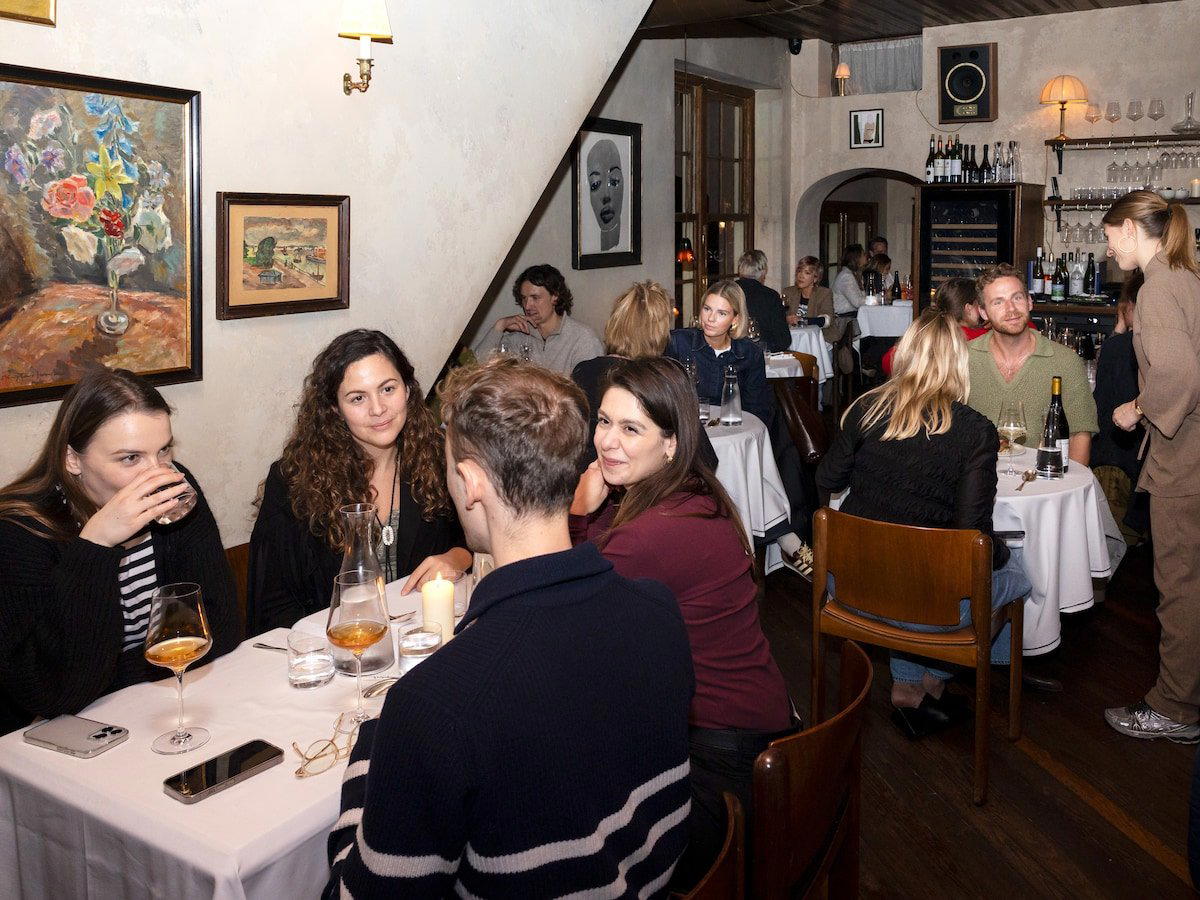
Restaurants in Amsterdam
Browse all →
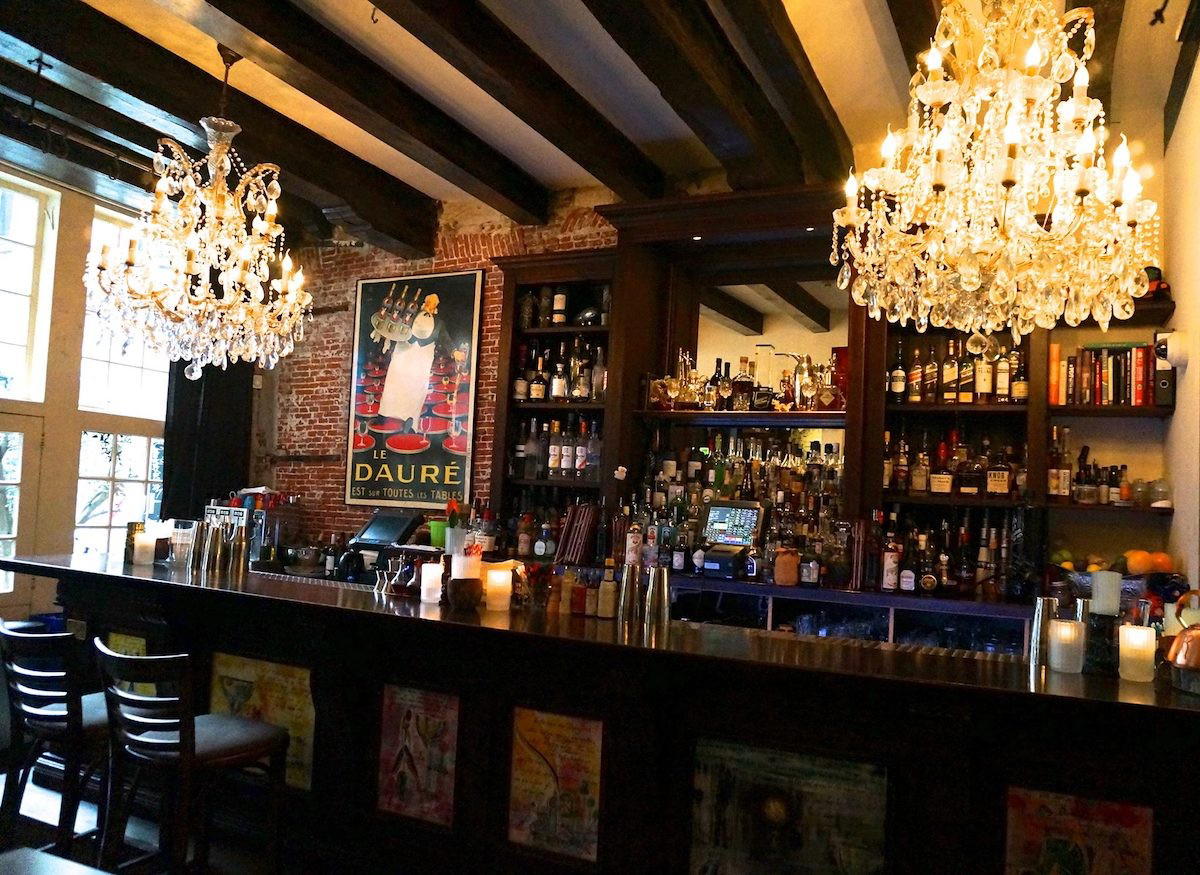
Bars in Amsterdam
Browse all →
Hotels in Amsterdam
Browse all →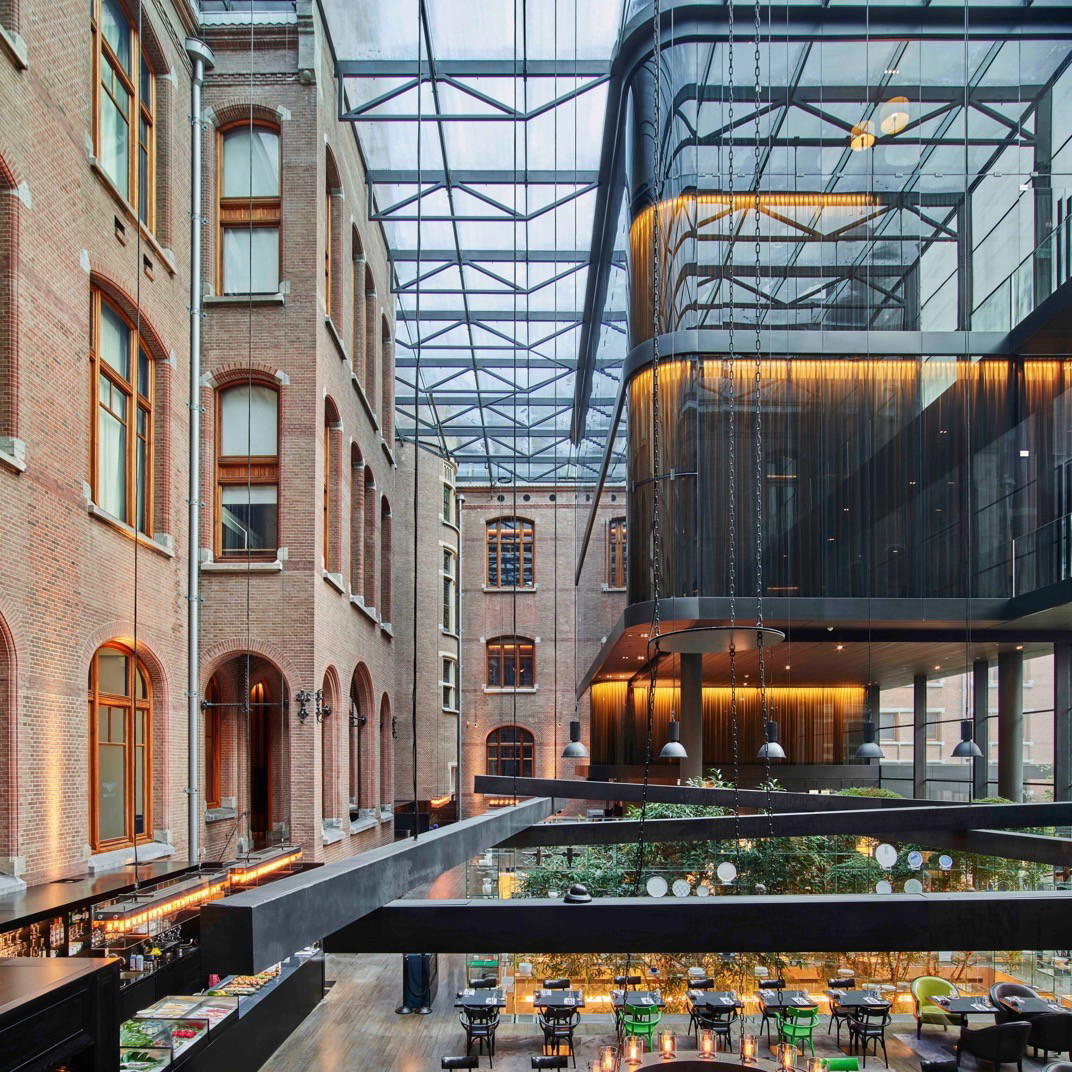
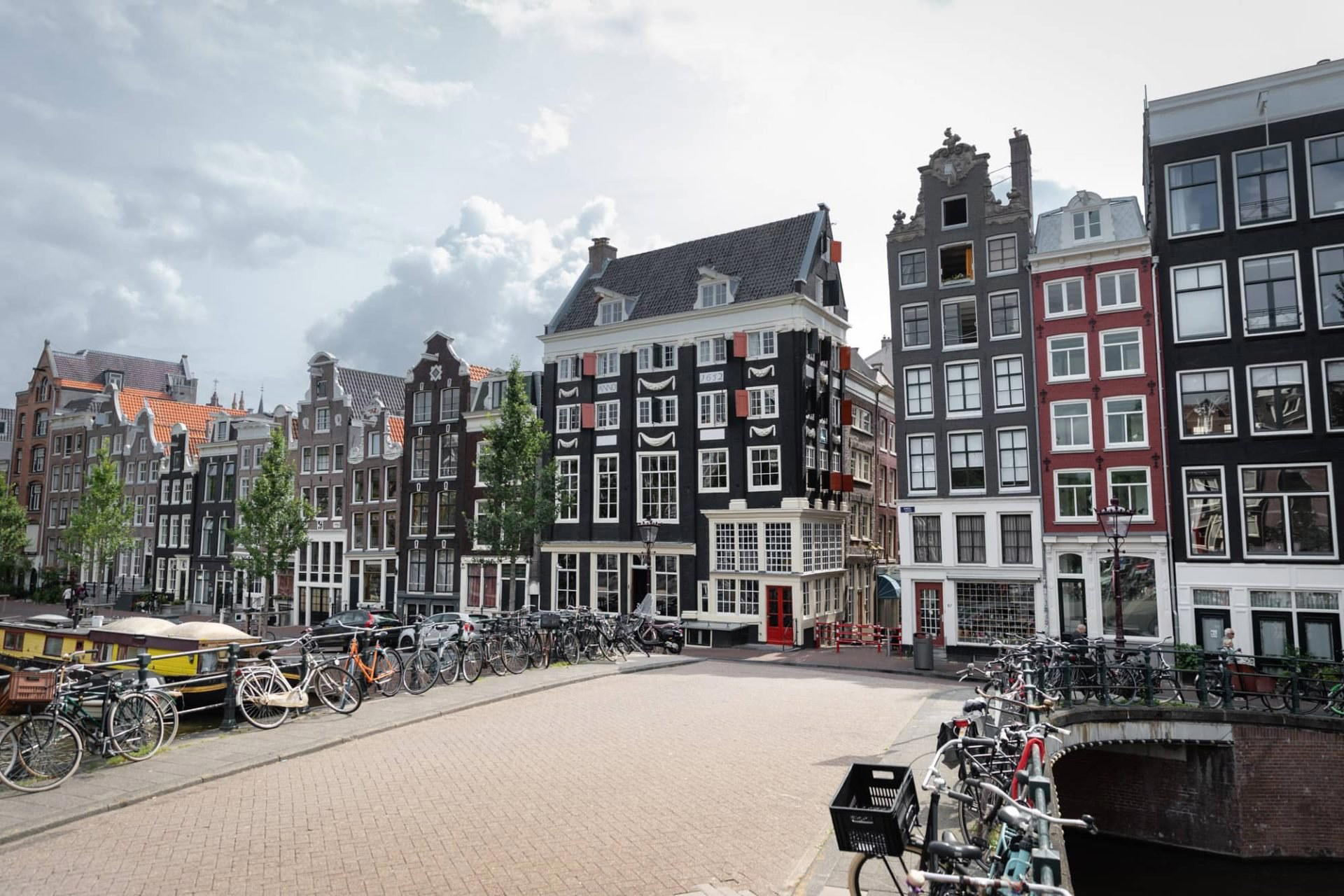

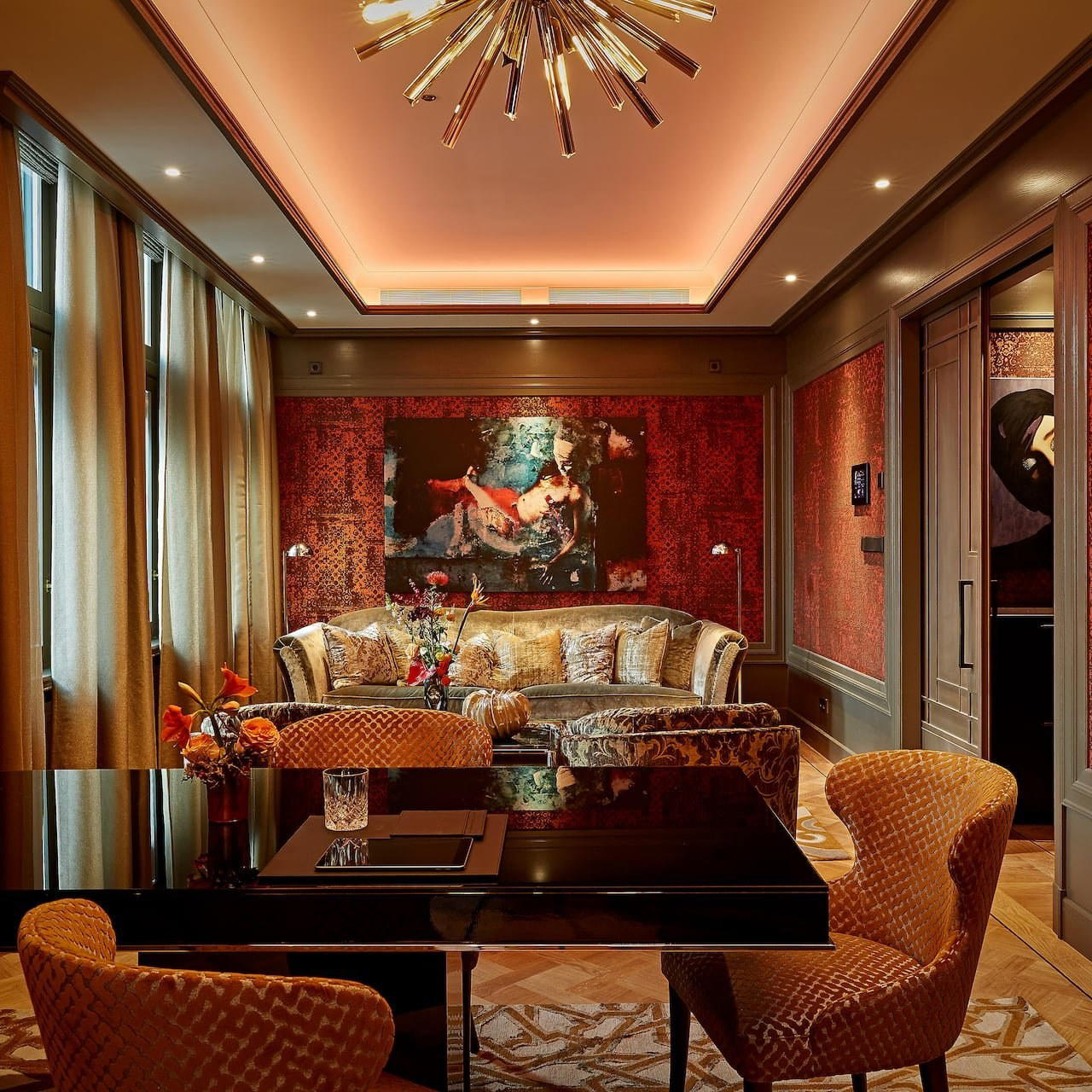
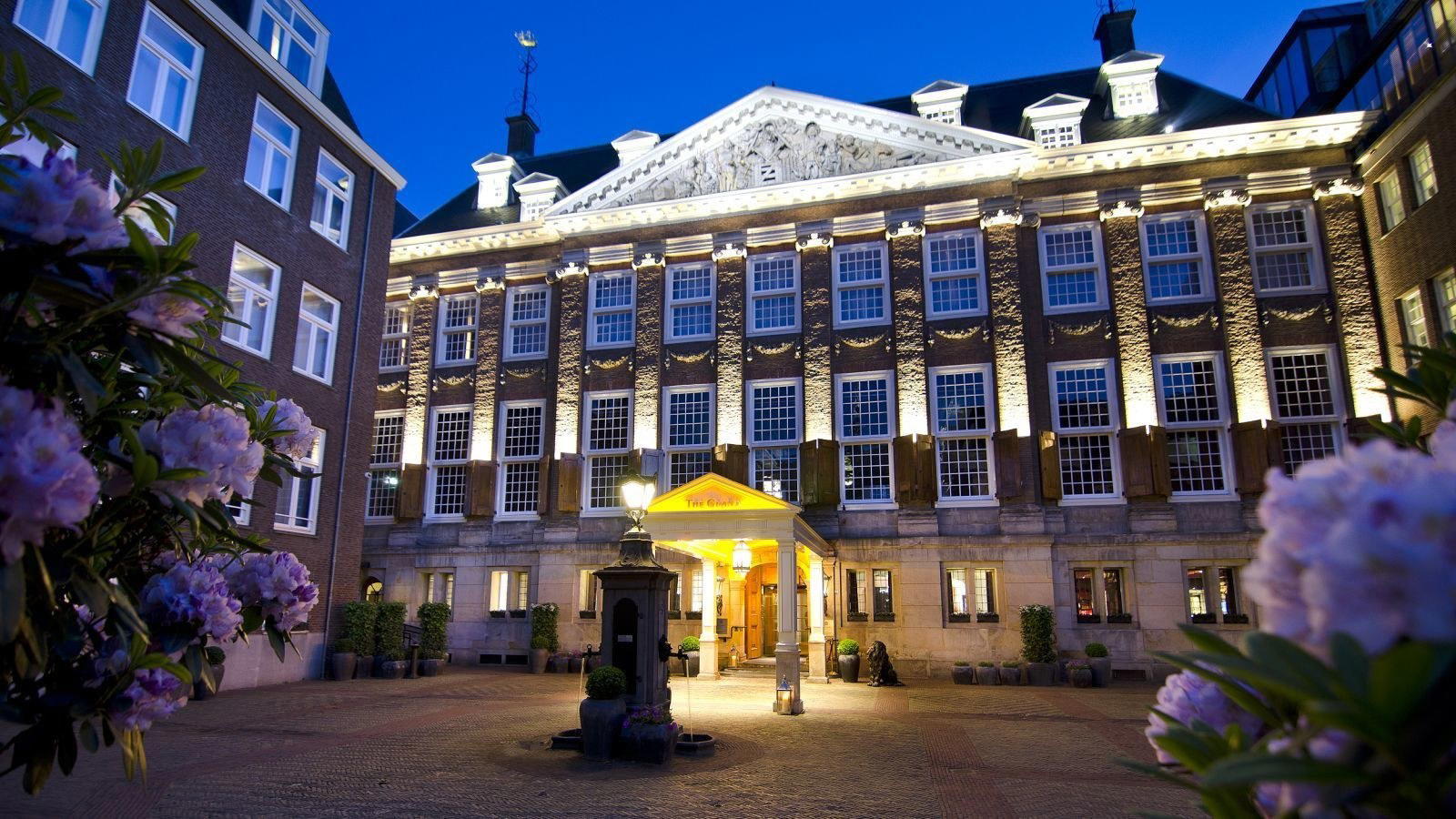
Wineries in Amsterdam
Browse all →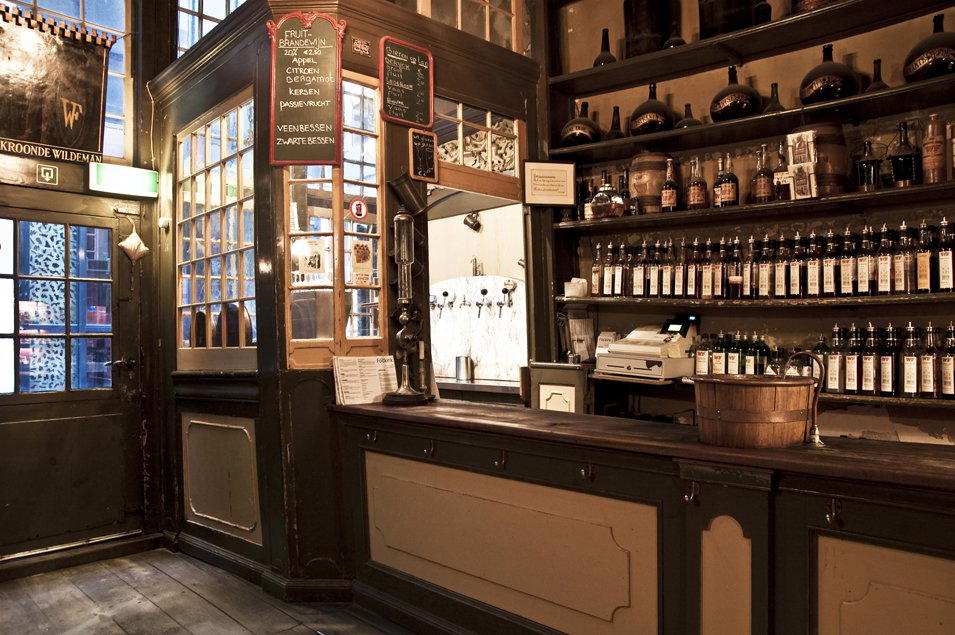
At a Glance
- Trendy
- Modern
- Cozy
- Date Night
- Group Dining
- Casual Hangout
- Open Kitchen
- Natural Wine
- Local Sourcing
- Natural Wine
Current opening hours
- Monday
- Closed
- Tuesday
- Closed
- Wednesday
- 6:30 PM–12 AM
- Thursday
- 6:30 PM–12 AM
- Friday
- 6 PM–1 AM
- Saturday
- 6 PM–1 AM
- Sunday
- 1–7 PM
Hours can change for holidays and private events. Last verified .