Harvest occupies a corner of Vienna's Karmeliterviertel that has become one of the city's most interesting addresses for ingredient-led cooking. The restaurant sits at Karmeliterplatz 1 in the 2nd district, a neighbourhood where the weekly farmers' market sets the tempo for what ends up on the plate. It belongs to a smaller category of Vienna dining rooms where sourcing decisions drive the menu rather than follow it.
Pearl is the En Primeur Club membership app — saves, bookings, and concierge access live there. Same editors, same standards.
- Address
- Karmeliterpl. 1, 1020 Wien, Austria
- Phone
- +436764927790
- Website
- harvest-bistrot.at
- Directions
- Get directions
 Saves & bookings on Pearl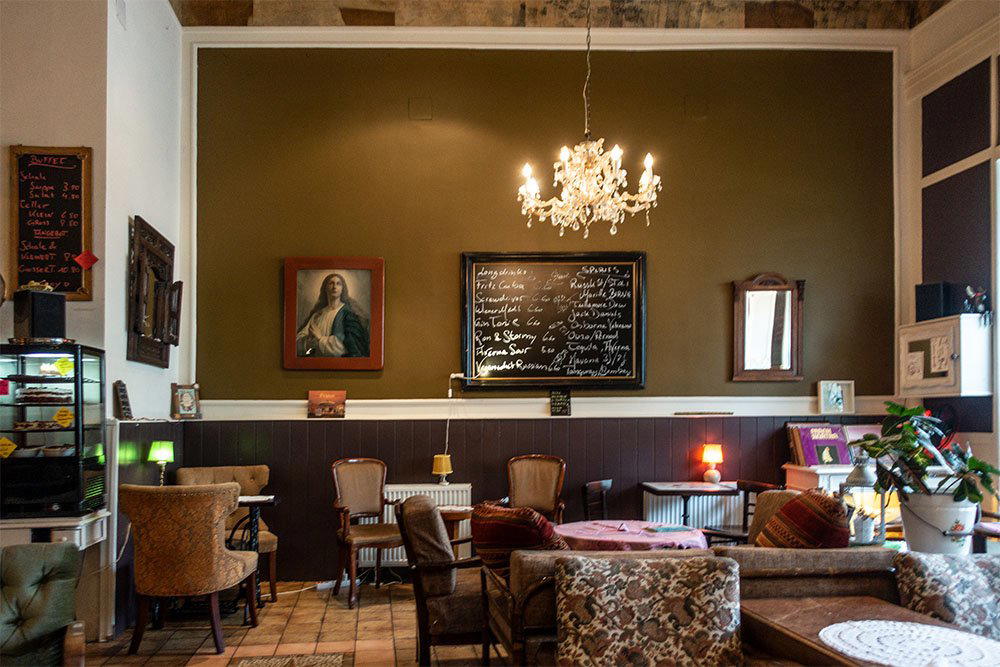
Karmeliterviertel and the Sourcing-First Approach
The 2nd district's Karmelitermarkt runs on Saturday mornings and functions as a kind of editorial calendar for the neighbourhood's better kitchens. Producers selling directly to chefs, regional herbs in quantities too small for wholesale channels, dairy from farms within a two-hour radius of the city ring road: this is the supply chain that a certain tier of Vienna restaurant has built its identity around. Harvest is a vegan Viennese coffeehouse at Karmeliterpl. Harvest, at Karmeliterpl. 1, sits directly within that orbit, its address placing it steps from the market square that has made the Karmeliterviertel one of the more interesting districts in the city for this style of cooking.
Vienna's fine-dining conversation has long centred on the 1st district and its grand-hotel dining rooms, or on the park-adjacent flagship that Steirereck im Stadtpark has occupied for years at the summit of the creative Austrian bracket. The 2nd district represents a different proposition: less ceremony, more direct engagement with the produce itself, and a price point that reflects ingredients rather than address prestige. That positioning puts Harvest in a cohort of Vienna restaurants where the sourcing conversation is the primary editorial frame, not a secondary marketing point.
What Ingredient-Led Cooking Actually Means in This Context
The phrase gets used loosely across restaurant marketing, but in practical terms it signals a specific set of constraints and freedoms. A kitchen operating this way does not fix its menu months in advance. It works backwards from what arrived that morning, which means a diner returning in a different season will encounter a structurally different meal. Austrian cuisine has deep roots in this approach: the country's regional produce traditions, from Styrian pumpkin oil to Wachau apricots to alpine herbs with short harvest windows, reward kitchens that time their menus against the agricultural calendar rather than against a fixed creative concept.
Across Austria, the restaurants that have built durable reputations in this space tend to be those with direct supplier relationships rather than dependence on centralized distribution. Döllerer in Golling an der Salzach has built a well-documented identity around Alpine sourcing. Kräuterreich by Vitus Winkler in Sankt Veit im Pongau takes the herb-garden approach to an almost botanical level of specificity. Landhaus Bacher in Mautern an der Donau has worked the Wachau's wine and produce traditions into a dining format that has accumulated recognition across multiple decades. Harvest in Vienna operates within the same broader logic, anchored to the Karmelitermarkt's direct-supply infrastructure.
Vienna's 2nd District as a Dining Address
The Karmeliterviertel developed its current character gradually, shaped by a Jewish heritage that predates the Second World War and a post-reunification wave of galleries, independent retailers, and food-focused small businesses that arrived from the 1990s onward. The Saturday market became its focal point, attracting a producer community that in turn attracted chefs looking for supply alternatives to the wholesale market. By the time Vienna's broader restaurant scene began receiving sustained international attention, the 2nd district had already established itself as a credible address for ingredient-conscious cooking operating outside the white-tablecloth formality of the 1st.
That contrast matters for how you read Harvest in relation to the city's more decorated addresses. Konstantin Filippou and Mraz & Sohn operate at the summit of the modern Austrian and creative European bracket, each holding Michelin recognition. Amador pushes further into avant-garde territory. Harvest belongs to a different register: closer in spirit to the market-table tradition than to the tasting-menu architecture that defines those addresses. For a fuller picture of where it sits within the city's dining offer, the EP Club Vienna restaurants guide maps the full competitive set.
How Harvest Compares Within Austria's Produce-Driven Tier
Within Austria, the restaurants most frequently cited for serious sourcing work share a tendency to operate outside Vienna entirely. Obauer in Werfen has maintained its position in the Salzburg surrounds for long enough that it has become a reference point for the regional produce kitchen. Ikarus in Salzburg takes a different approach, rotating guest chefs while maintaining a consistent level of technical ambition. Griggeler Stuba in Lech and Schwarzer Adler in Hall in Tirol represent the mountain-region variant of the same sourcing philosophy, where altitude and short growing seasons produce ingredients with concentrated flavour profiles that require minimal intervention. Gourmetrestaurant Tannenhof in Sankt Anton am Arlberg and Ois in Neufelden and Restaurant 141 by Joachim Jaud in Mieming each occupy their own regional corners of this conversation. Harvest's distinction is geographic: it brings that sourcing discipline into the capital, using the Karmelitermarkt infrastructure that urban restaurants do not typically have access to at this level of directness.
For context on how the ingredient-sourcing approach plays out at a global level, the sustained seafood sourcing programs at Le Bernardin in New York City and the hyper-local Korean produce focus at Atomix in New York City illustrate how sourcing specificity has become a primary differentiator at the summit of the market, not a secondary consideration. Doubek in Vienna also operates within a produce-forward register, providing a useful local comparison point.
Planning Your Visit
Harvest is located at Karmeliterpl. 1, 1020 Wien, in Vienna's 2nd district, a short tram or U-Bahn ride from the city centre. The Karmelitermarkt operates on Saturday mornings and is worth timing a visit around if you want to see the supply side of the neighbourhood's food identity. As with most market-adjacent restaurants in this district, demand tends to track the market calendar, so weekends typically require more lead time than midweek visits.
Category Peers
Comparable venues nearby, for context on price, style, and recognition.
| Venue | Cuisine | Price | Notes |
|---|---|---|---|
| HarvestThis venue — the venue you are viewing | Vegan Viennese Coffeehouse | $$ | Not listed |
| Erbsenzählerei | Organic Vegetarian Café | $$ | Margareten |
| Zov Homolja | Serbian Balkan Grill | $$ | Brigittenau |
| Café Schwarzenberg | Traditional Viennese Café | $$ | Staatsoper |
| Der schöne Ernst | Viennese Café & Aperitivo Bar | $$ | Praterstern Wien Nord |
| Pöhl am Naschmarkt | Cheese and Sausage Deli | $$ | Wieden |
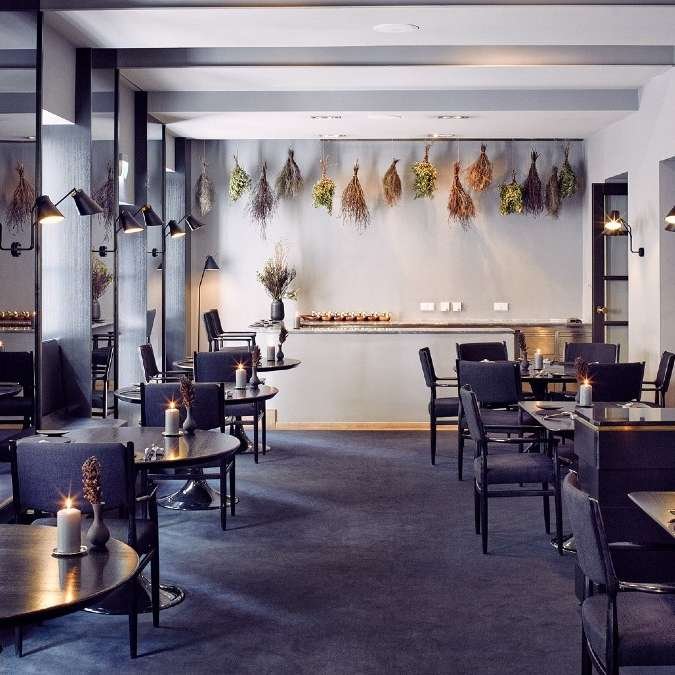
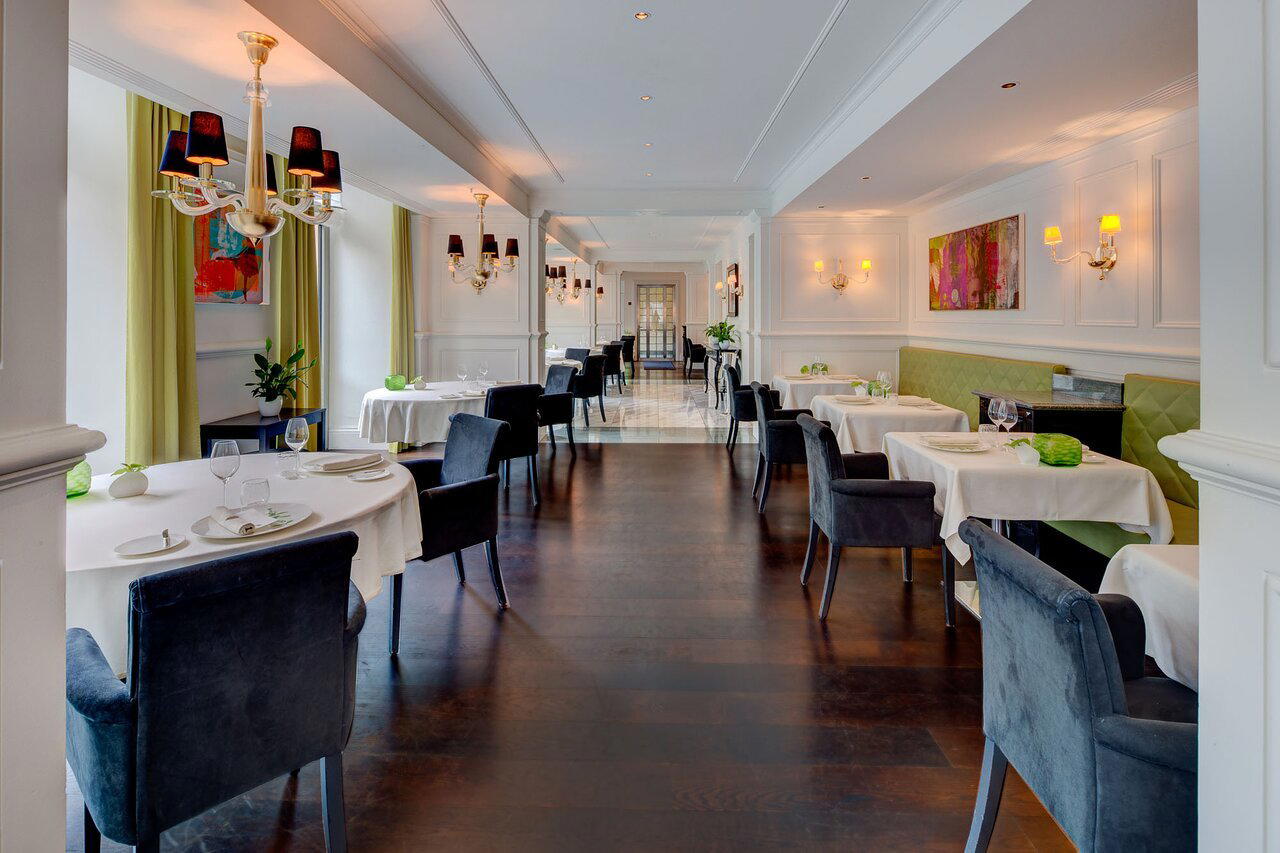
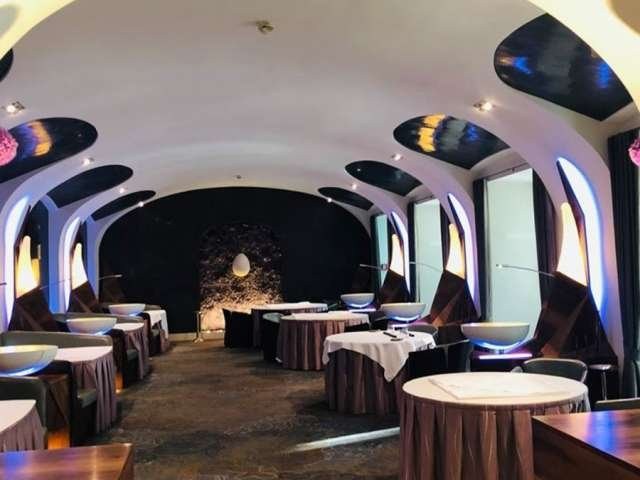
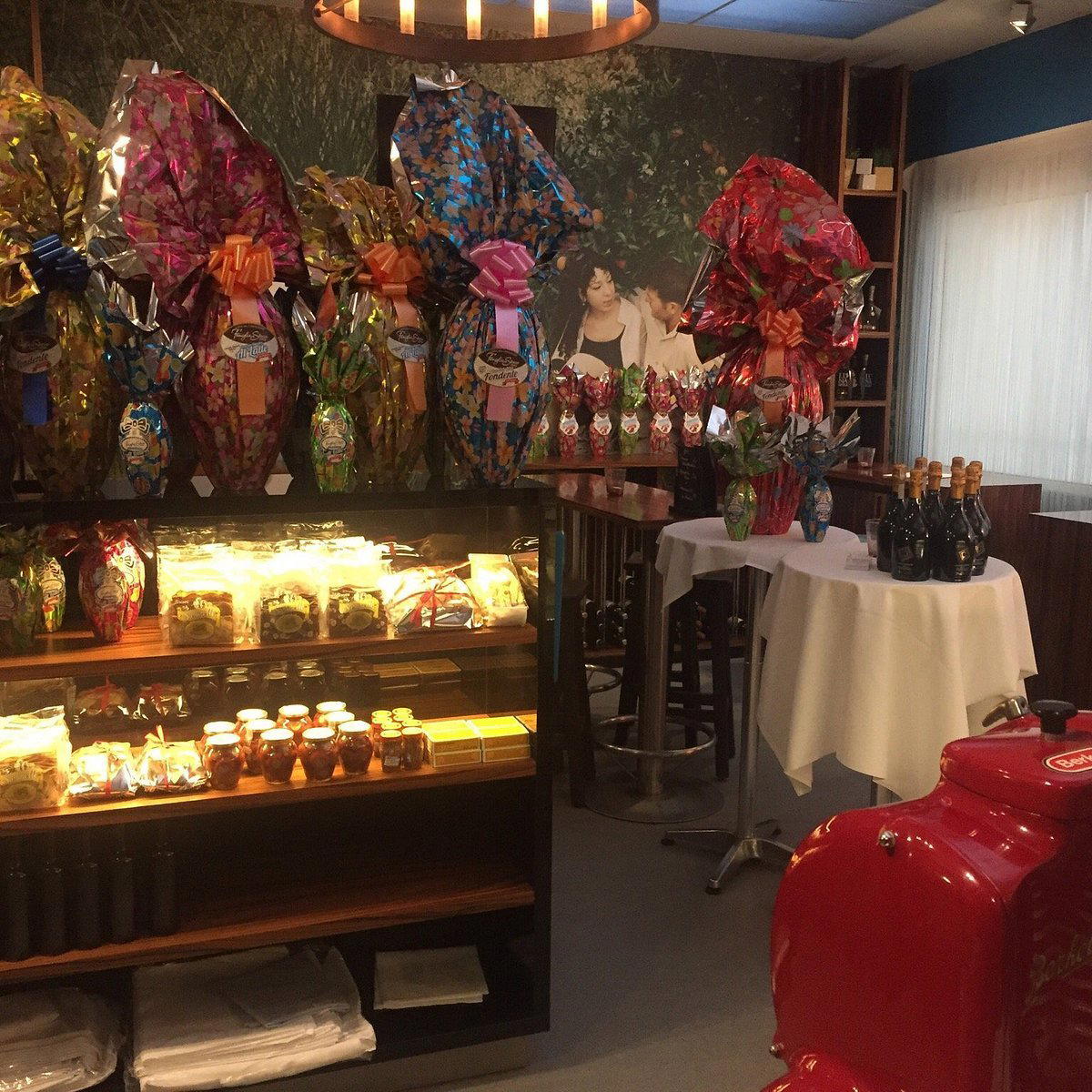
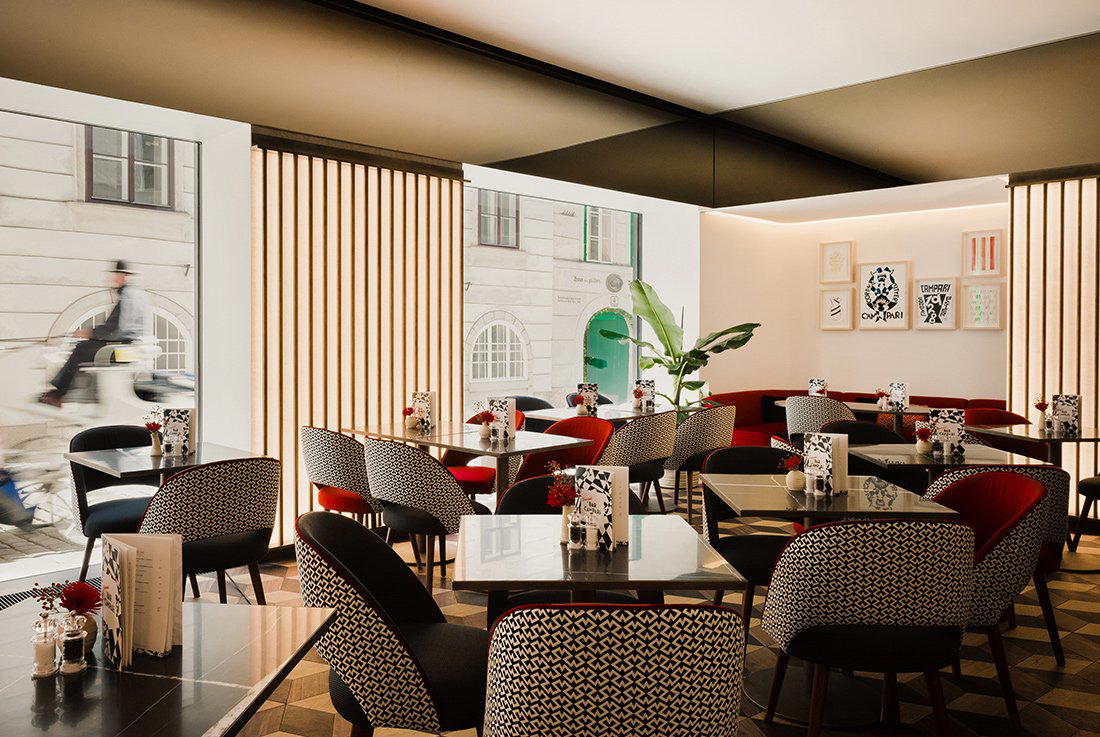
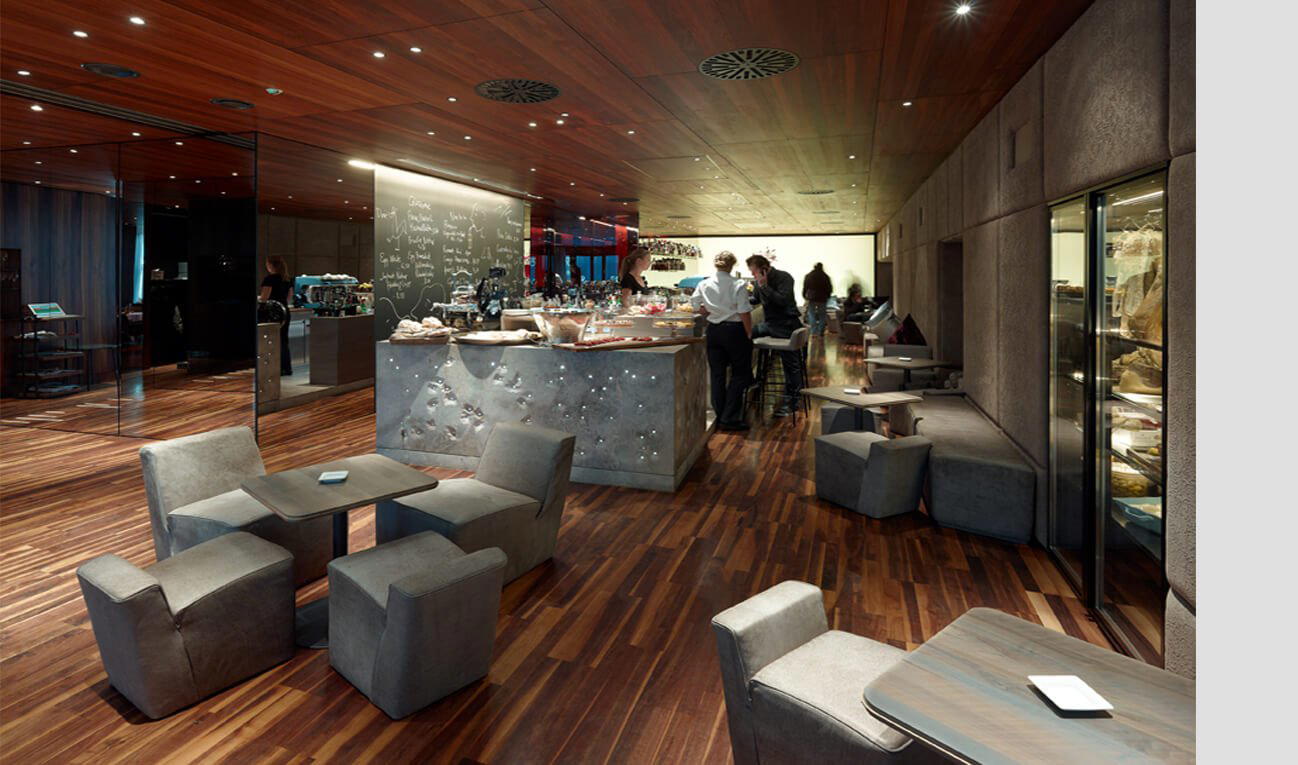
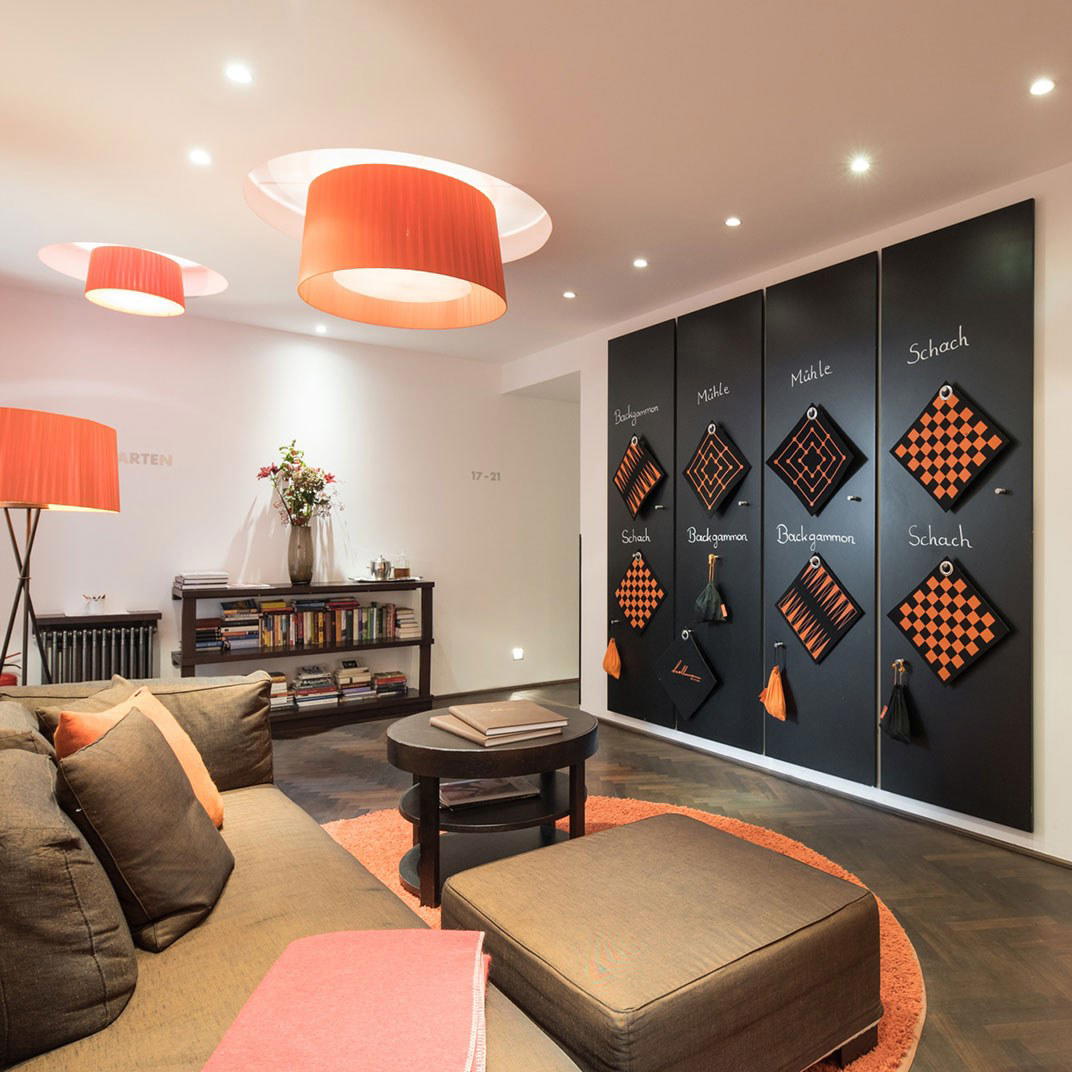


At a Glance
- Cozy
- Modern
- Brunch
- Casual Hangout
- Organic
Current opening hours
- Monday
- 2–10 PM
- Tuesday
- 2–10 PM
- Wednesday
- 2–10 PM
- Thursday
- 2–10 PM
- Friday
- 2–10 PM
- Saturday
- 2–10 PM
- Sunday
- 2–10 PM
Hours can change for holidays and private events. Last verified .
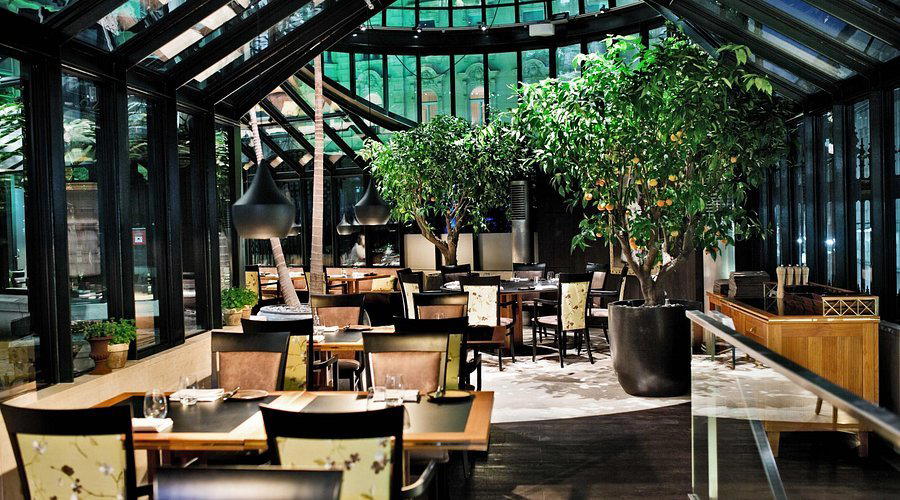
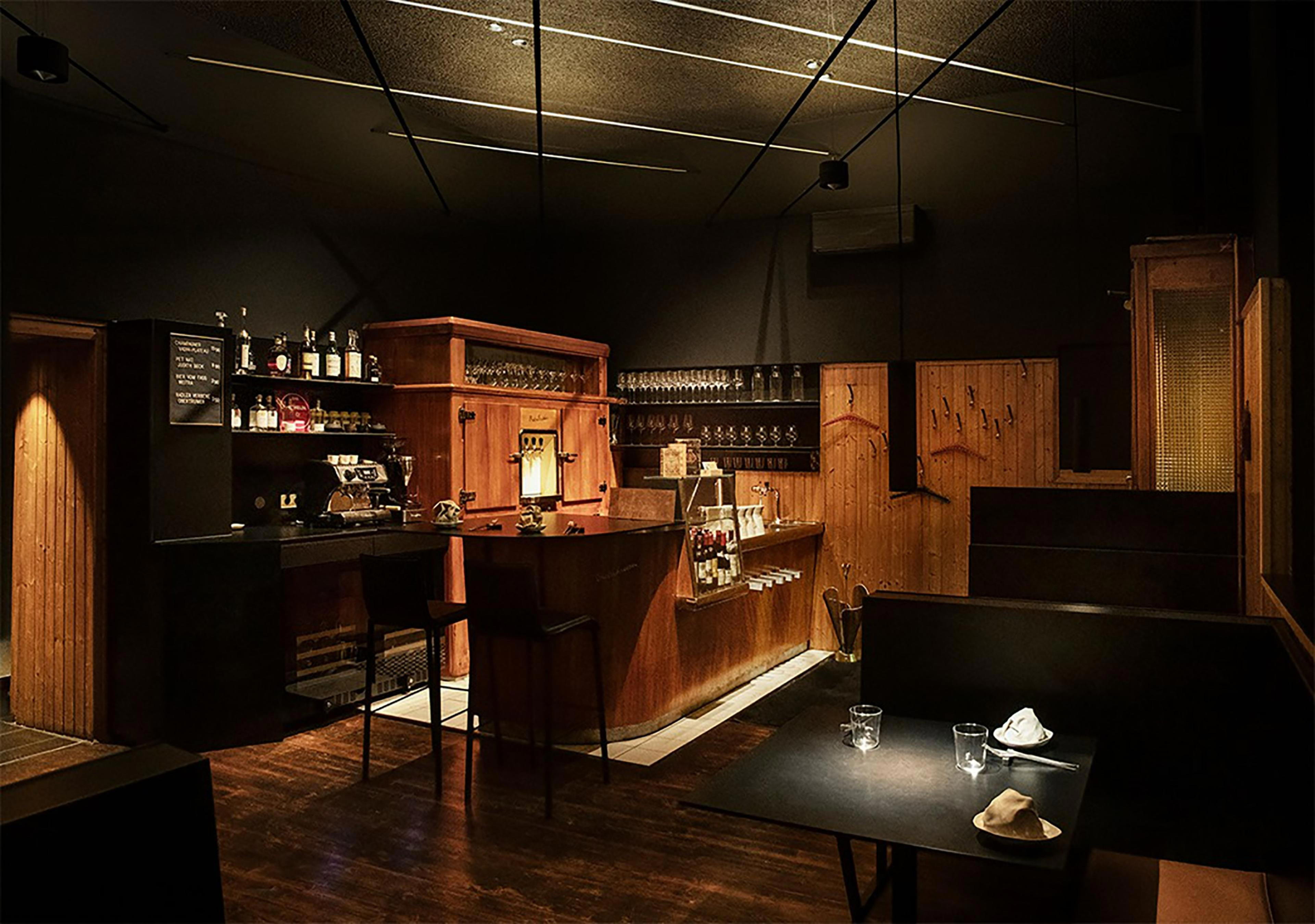
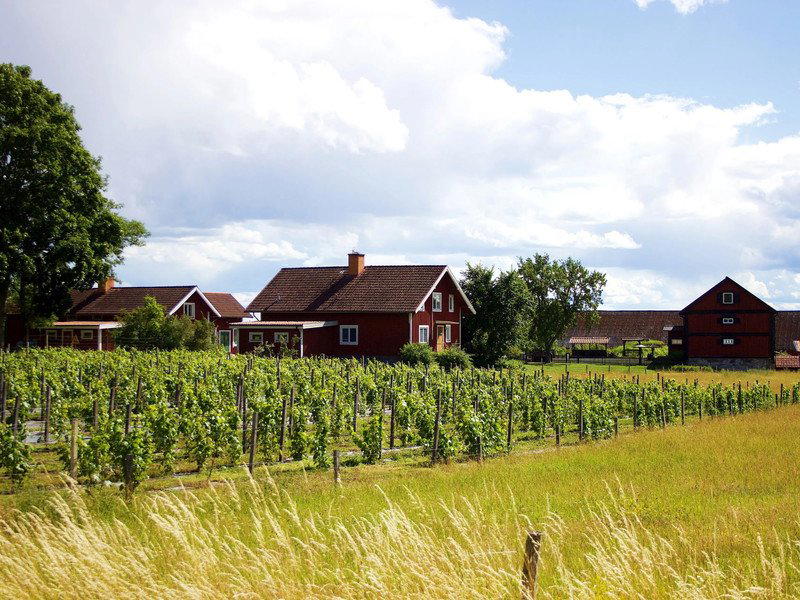
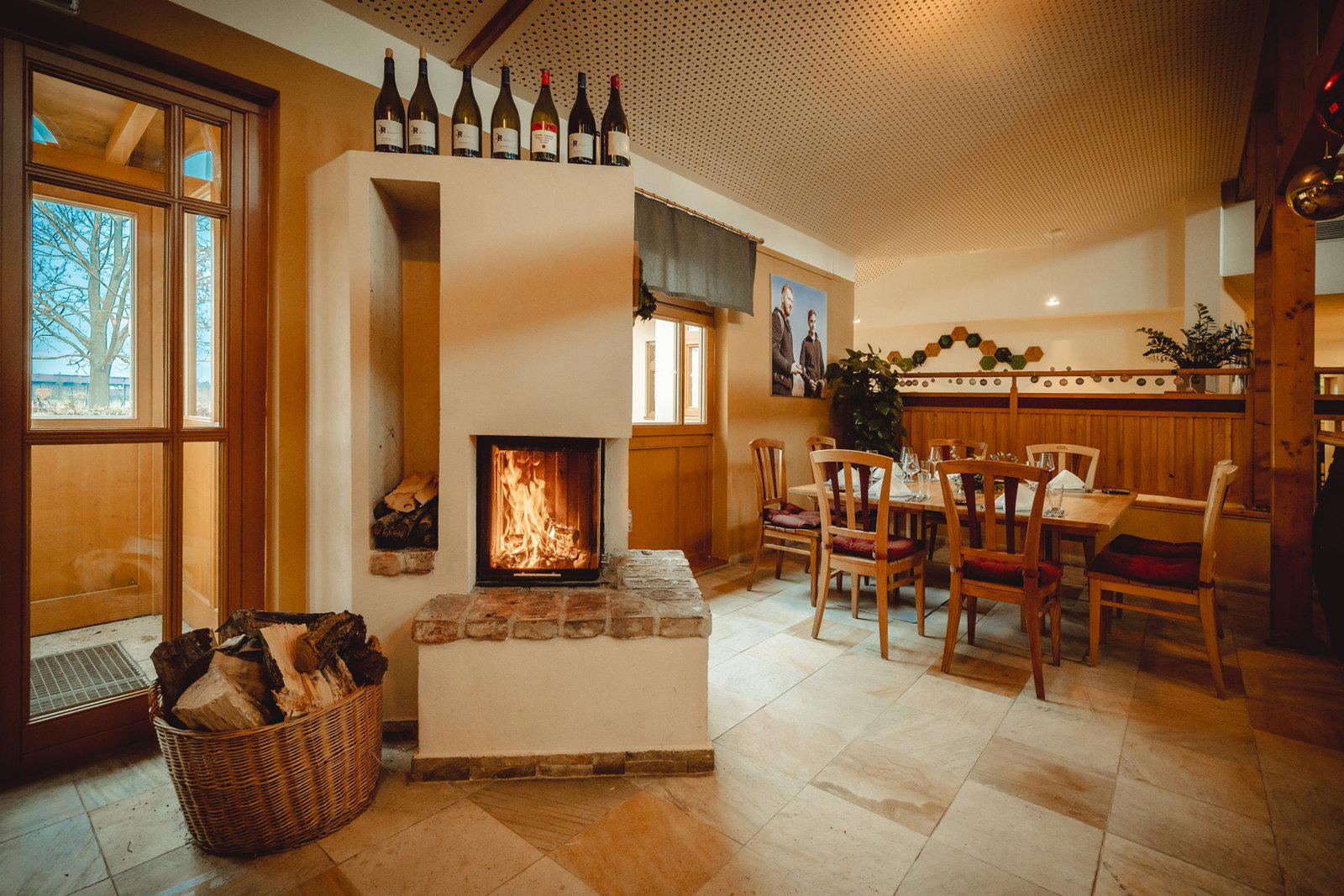
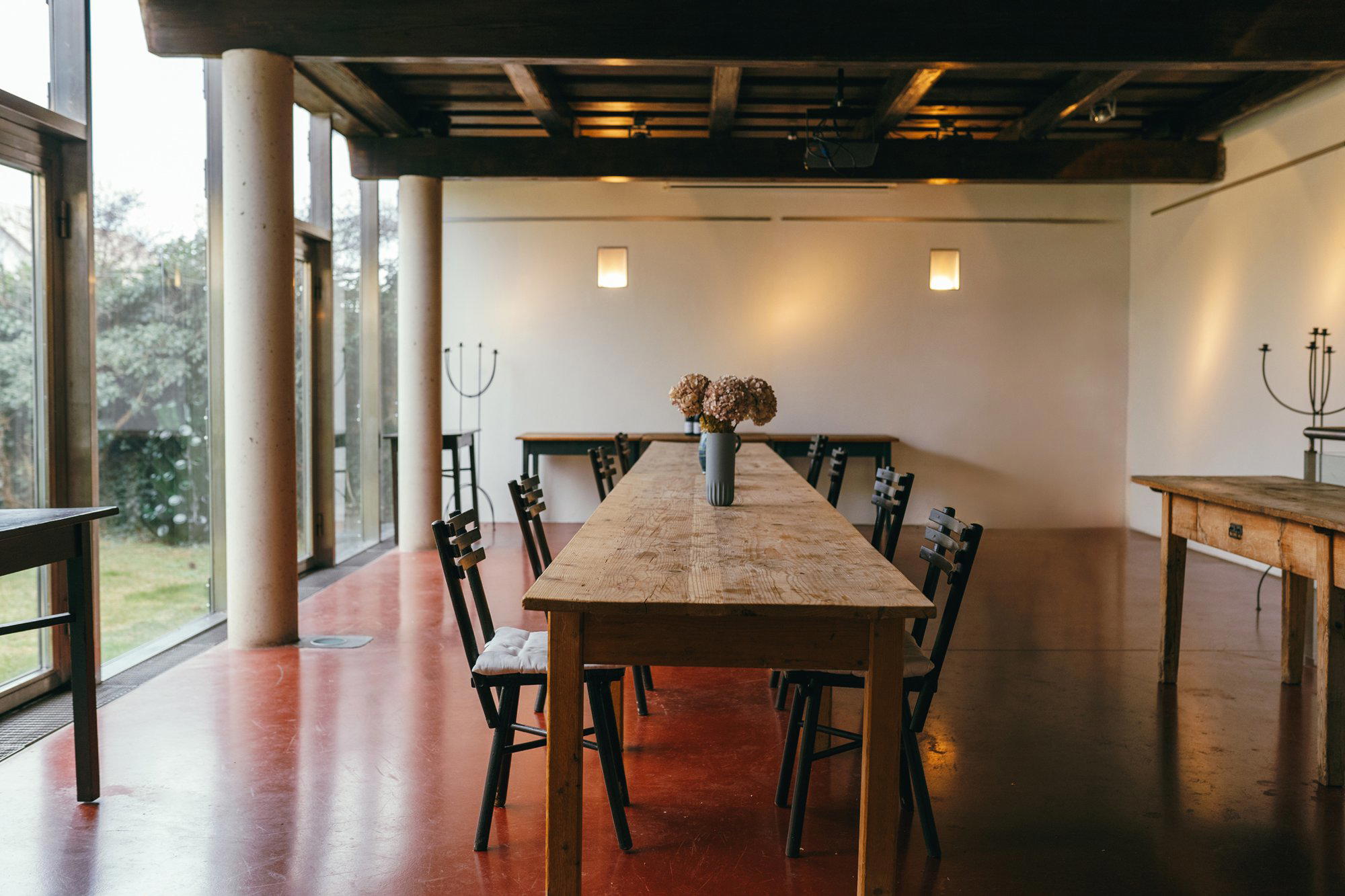
Cozy and welcoming coffeehouse atmosphere with outdoor seating area.