One of Vienna's Ringstrasse coffeehouses, Café Schwarzenberg at Kärntner Ring 17 occupies a category that predates the city's modern fine-dining scene by more than a century. The coffeehouse format here is less a nostalgic gesture than a functioning institution, where the interplay between floor staff, kitchen, and the rhythm of the room defines the experience as much as anything on the plate.
Pearl is the En Primeur Club membership app — saves, bookings, and concierge access live there. Same editors, same standards.
- Address
- Kärntner Ring 17, 1010 Wien, Austria
- Phone
- +43 1 5128998
- Website
- cafe-schwarzenberg.at
- Directions
- Get directions
 Saves & bookings on Pearl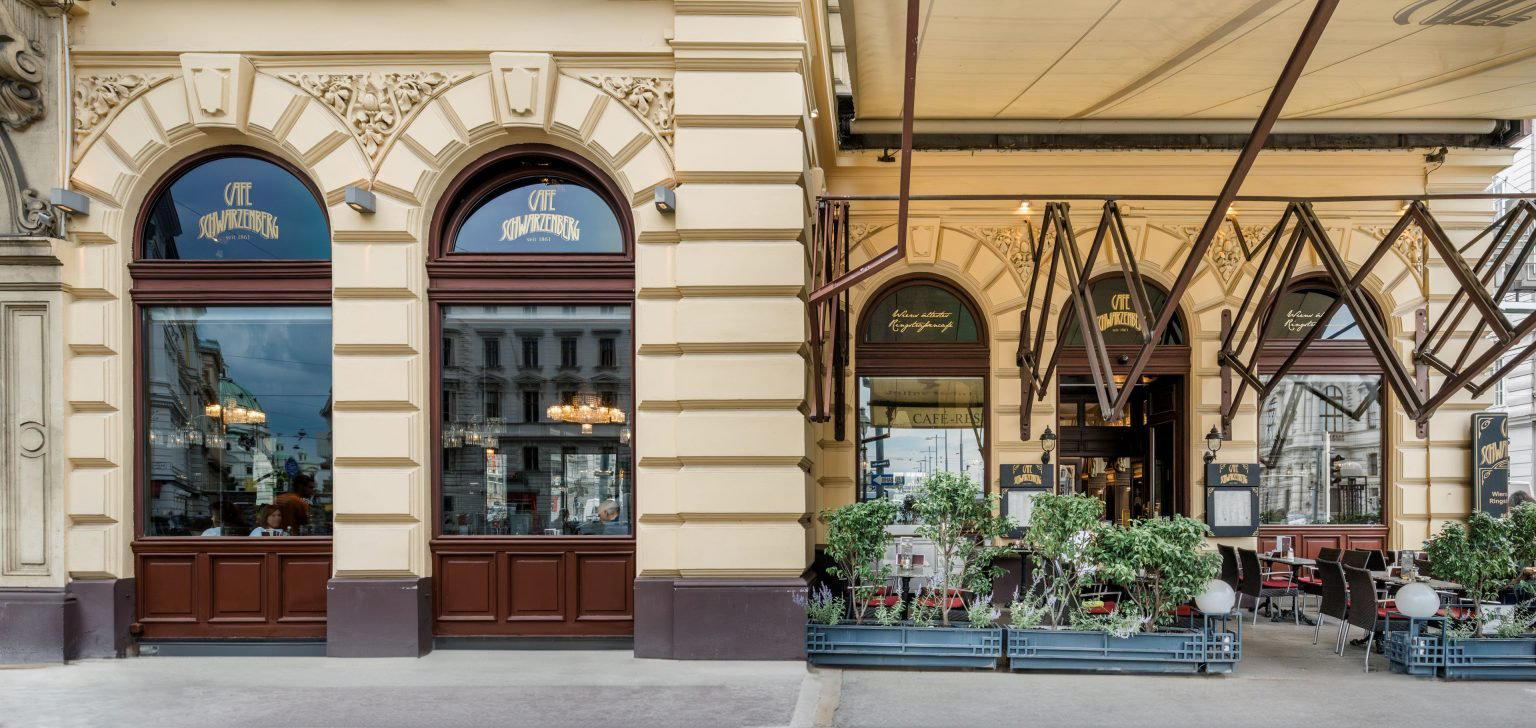
The Coffeehouse as Institution: Where Vienna's Service Culture Has Its Deepest Roots
Vienna's coffeehouse tradition is not a genre that emerged from a single moment of invention. It accumulated over centuries, shaped by the city's position at the intersection of Central European trade routes, Habsburg court culture, and a particular bourgeois appetite for semi-public intellectual life. By the late nineteenth century, the establishments lining the Ringstrasse had become something closer to civic infrastructure than hospitality venues: places where newspapers were read for hours over a single Melange, where the waiter knew your order before you sat down, and where the distinction between a café and a salon was deliberately blurred. Café Schwarzenberg at Kärntner Ring 17 sits within that tradition, in a building and on a boulevard that were themselves conceived as expressions of imperial ambition.
What makes the Ringstrasse coffeehouse category distinct from, say, the student coffeehouses of the seventh district or the more theatrical establishments of the first, is the weight of expectation the address carries. A venue on the Ring is positioned against the Opera House, the Kunsthistorisches Museum, and the Palais architecture of the surrounding blocks. The clientele that gravitates here tends to be a mixture of long-standing local regulars and international visitors with enough cultural orientation to seek out the address deliberately rather than stumble upon it. That dual audience places particular demands on front-of-house: the room must function simultaneously as a neighbourhood institution for people who have been coming for decades and as a legible first introduction to the coffeehouse format for those encountering it properly for the first time.
The Room Before the Menu
Approaching along the Ringstrasse, the architectural context does most of the framing. The Ring was designed in the 1860s under Franz Joseph I as a statement boulevard, and the buildings along it were built to impress at scale. Stepping into a coffeehouse on this stretch, the shift from the wide, wind-exposed pavement to a high-ceilinged interior with settled warmth is part of the offer. The physical experience of arrival, of moving from monument-scale exterior to a room calibrated for human time-passing, is something Vienna's coffeehouse architects understood well. The formula has not been substantially improved upon since.
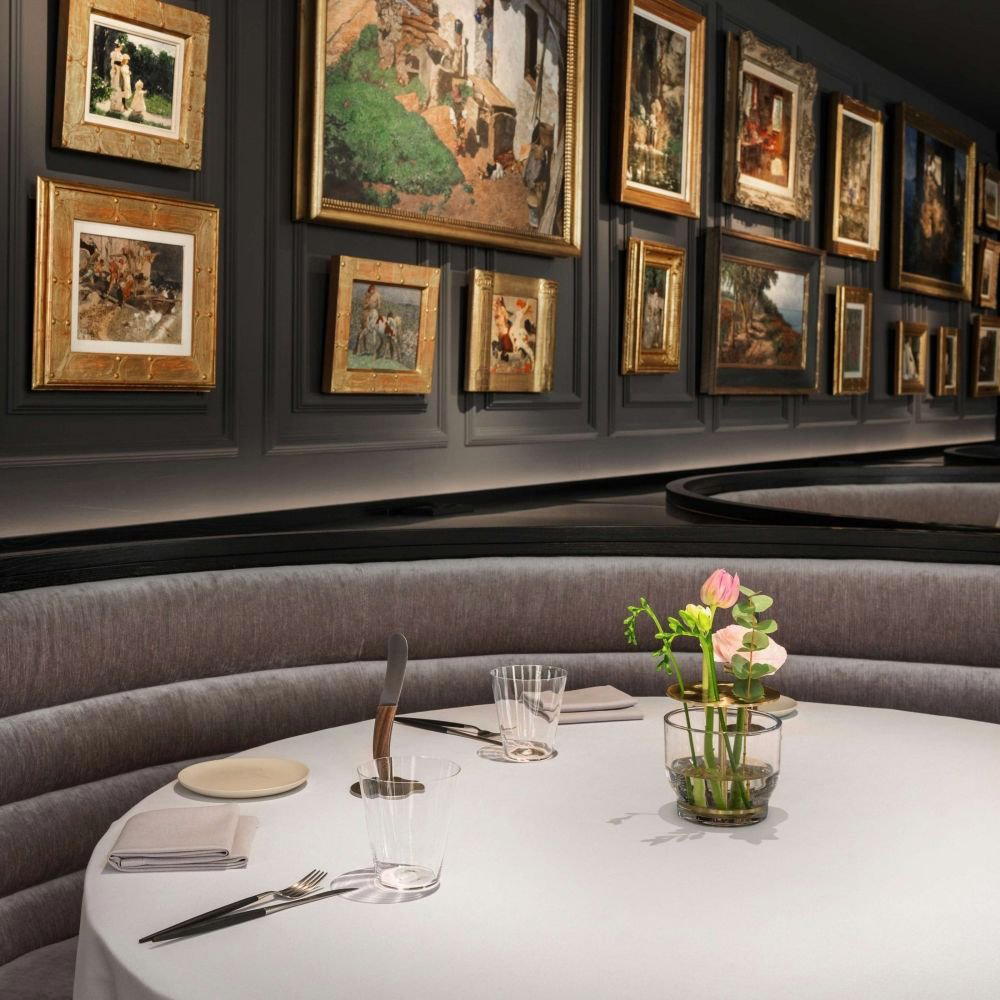
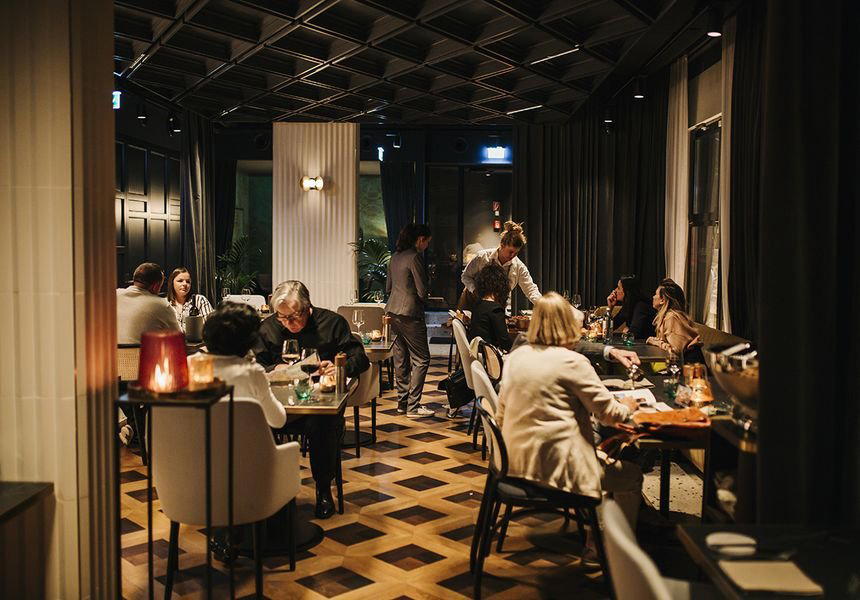
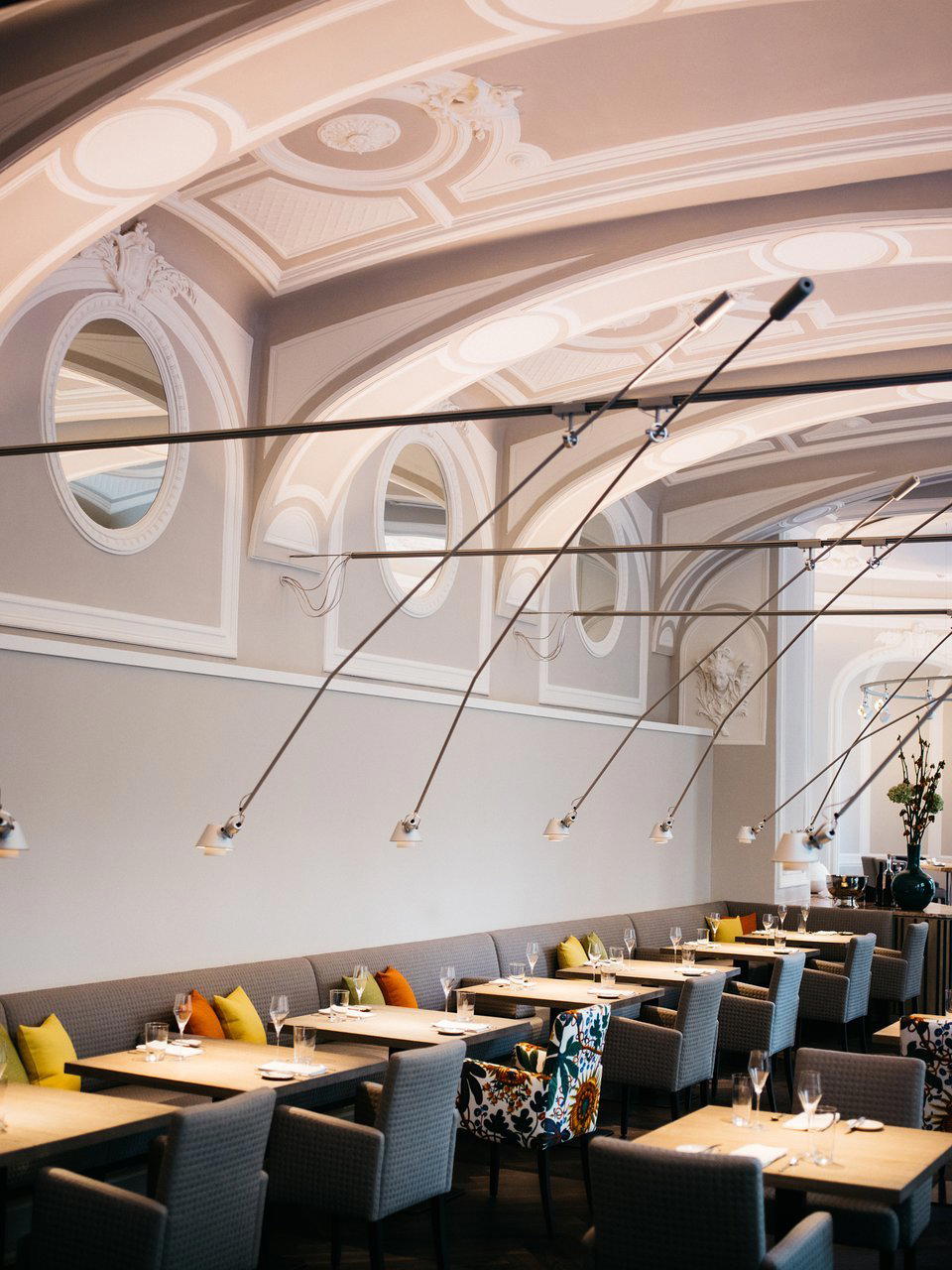
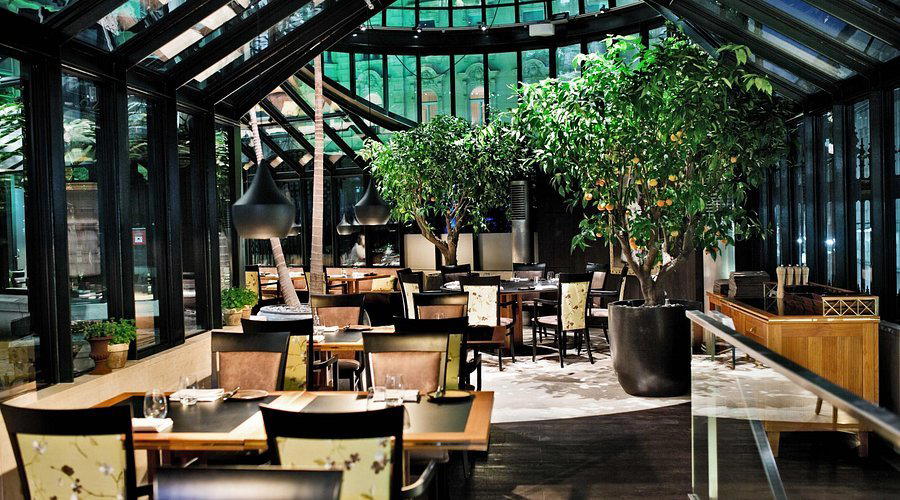
Inside, the sensory register of the classic Viennese coffeehouse runs to certain constants: marble-topped tables, bentwood chairs or banquette seating along the walls, mirrors that extend the apparent depth of the room, and a light level calibrated for reading rather than performance. The Ober, the formally dressed waiter, is a figure as codified as any role in European hospitality. In the Viennese tradition, the Ober is not a server in the transactional sense but a custodian of pace, someone whose job is partly to ensure that no one feels hurried and partly to maintain the specific social atmosphere of the room. That front-of-house discipline, learned over generations and still in operation at the established houses, is what separates the genuine coffeehouse from its imitations.
The Team Dynamic in a Format Built on Collaboration
The editorial angle that makes the classic coffeehouse worth examining in 2024 is not the individual component, whether kitchen, floor, or bar, but the way those components are integrated into a single, legible atmosphere. In Vienna's modern fine-dining tier, venues like Steirereck im Stadtpark, Amador, and Konstantin Filippou all operate on a model where the chef's creative agenda drives the experience and front-of-house exists to communicate that agenda. The coffeehouse reverses that hierarchy. Here, the floor team and the room's social contract come first; the kitchen supports them rather than leads. The result is a different kind of precision, one measured in the timing of a coffee refill or the management of a two-hour table, rather than in the architecture of a tasting course.
This is not a diminished form of hospitality. It is a different discipline, and in Vienna it has produced a service culture that has influenced the way Austrian front-of-house professionals are trained across the broader industry. The Ober tradition, with its emphasis on restraint, memory, and the management of pace without visible intervention, feeds directly into how floor teams at restaurants like Mraz and Sohn and Doubek approach their work. The coffeehouse is, in this sense, the training ground that underpins the city's broader dining culture.
On the kitchen side, the classic coffeehouse menu operates within a narrow and largely non-negotiable repertoire: Wiener Schnitzel, Gulasch, Tafelspitz, the pastry cabinet, and the coffee program itself. The discipline is not in innovation but in execution and consistency. A Gulasch that tastes identical on your fifteenth visit as it did on your first is a harder technical achievement than it sounds, and it requires kitchen team alignment of a kind that ambitious tasting-menu restaurants rarely need to maintain across years of service. Consistency at that level is a form of craft, even if it does not generate the critical attention that novelty does.
Austria Beyond Vienna: Where the Broader Dining Context Points
For visitors using Vienna as a base to explore Austrian dining more widely, the contrast between the coffeehouse tradition and the country's regional restaurant scene is instructive. Austria's most formally recognised kitchens tend to be found outside the capital: Döllerer in Golling an der Salzach has built a reputation around Alpine ingredient sourcing, while Obauer in Werfen and Landhaus Bacher in Mautern an der Donau represent two distinct regional traditions in Austrian fine dining. In the western alpine corridor, Gourmetrestaurant Tannenhof in Sankt Anton am Arlberg and Stüva in Ischgl serve as reference points for the resort dining tier. Further afield, Schwarzer Adler in Hall in Tirol, Restaurant 141 by Joachim Jaud in Mieming, Ois in Neufelden, Kräuterreich by Vitus Winkler in Sankt Veit im Pongau, and Taubenkobel in Schützen am Gebirge round out a regional picture that is more varied and ambitious than the coffeehouse tradition alone would suggest.
International visitors arriving from cities with a different kind of ambient dining culture, those familiar with the tasting-counter format at something like Le Bernardin in New York City or the collaborative communal model at Lazy Bear in San Francisco, will find the Vienna coffeehouse operates by a different set of assumptions entirely. The informality is deceptive. There is nothing casual about the service discipline behind it.
Planning a Visit
Café Schwarzenberg is located at Kärntner Ring 17 in Vienna's first district, within walking distance of the Staatsoper U-Bahn station and the major Ring museums. The address is easily incorporated into a morning or afternoon on the boulevard without dedicated planning. Hours run Monday to Friday from 7:30 AM to 11:30 PM, and Saturday and Sunday from 8:30 AM to 11:30 PM. Reservations are recommended, and the price tier is modest, at about $15 per person. The Ringstrasse location means peak periods coincide with the cultural calendar: Opera season, the holiday weeks around Christmas and New Year, and the summer visitor months will bring the room to full capacity at mid-morning and again at mid-afternoon. Arriving outside those windows, on a weekday mid-morning in spring or autumn, gives a stronger chance of settling into the pace the coffeehouse tradition is built around.
Comparable Spots, Quickly
Comparable venues nearby, for context on price, style, and recognition.
| Venue | Cuisine | Price | Notes |
|---|---|---|---|
| Café SchwarzenbergThis venue — the venue you are viewing | Traditional Viennese Café | $$ | Not listed |
| Promise | Authentic Austrian | $$ | Franz Josefs Bahnhof |
| Ausgabe | Modern Viennese Kiosk | $$ | Inner City |
| SpoonFood | Soups, Stews & Salads | $$ | Praterstern Wien Nord |
| Chelsea | Pub & Bar | $$ | Josefstadt |
| Salims | Cocktail Bar Snacks | $$ | Josefstadt |
At a Glance
- Classic
- Cozy
- Historic
- Well Known
- Brunch
- Casual Hangout
- After Work
- Historic Building
- Live Music
- Terrace
- Street Scene
Current opening hours
- Monday
- 7:30 AM–11:30 PM
- Tuesday
- 7:30 AM–11:30 PM
- Wednesday
- 7:30 AM–11:30 PM
- Thursday
- 7:30 AM–11:30 PM
- Friday
- 7:30 AM–11:30 PM
- Saturday
- 8:30 AM–11:30 PM
- Sunday
- 8:30 AM–11:30 PM
Hours can change for holidays and private events. Last verified .
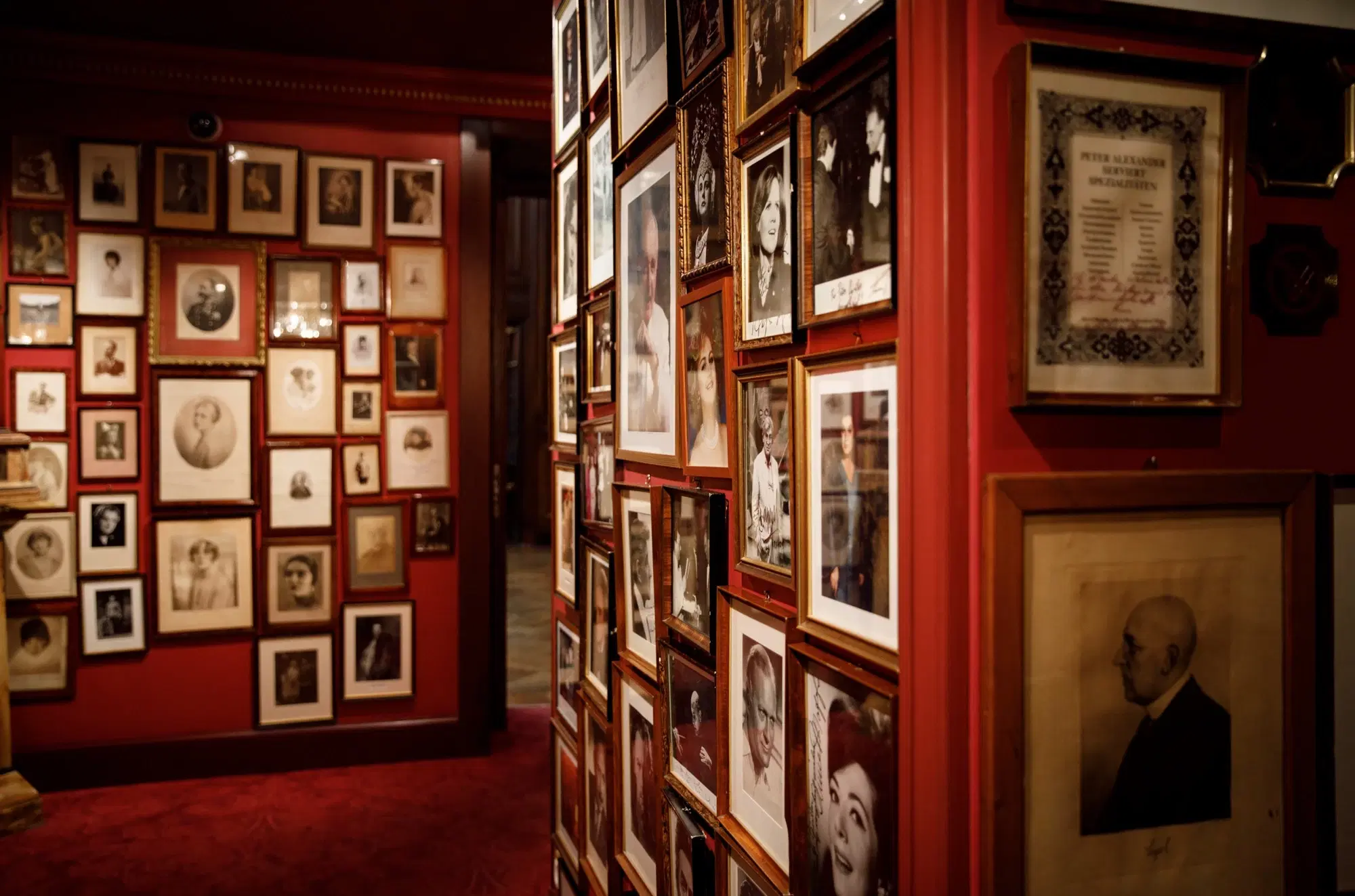
Charming historical atmosphere with largely unchanged 19th-century classic interior, ornate traditional setting, and lively cultural events.