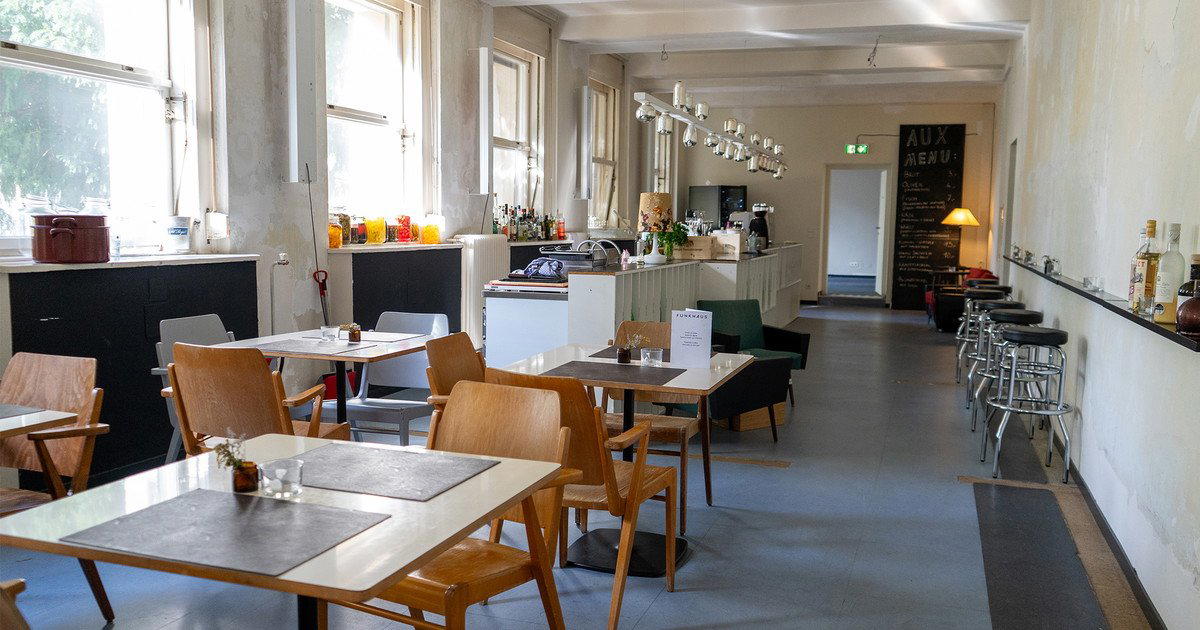
Erbsenzählerei serves an organic vegetarian café format with vegan bowls, casual service, and a quiet setup that suits a lunch break rather than a drawn-out meal.
Pearl is the En Primeur Club membership app — saves, bookings, and concierge access live there. Same editors, same standards.
- Address
- Pilgramgasse 2, 1050 Wien, Austria
- Phone
- +434315813103
- Website
- die-erbsenzaehlerei.at
- Directions
- Get directions
 Saves & bookings on Pearl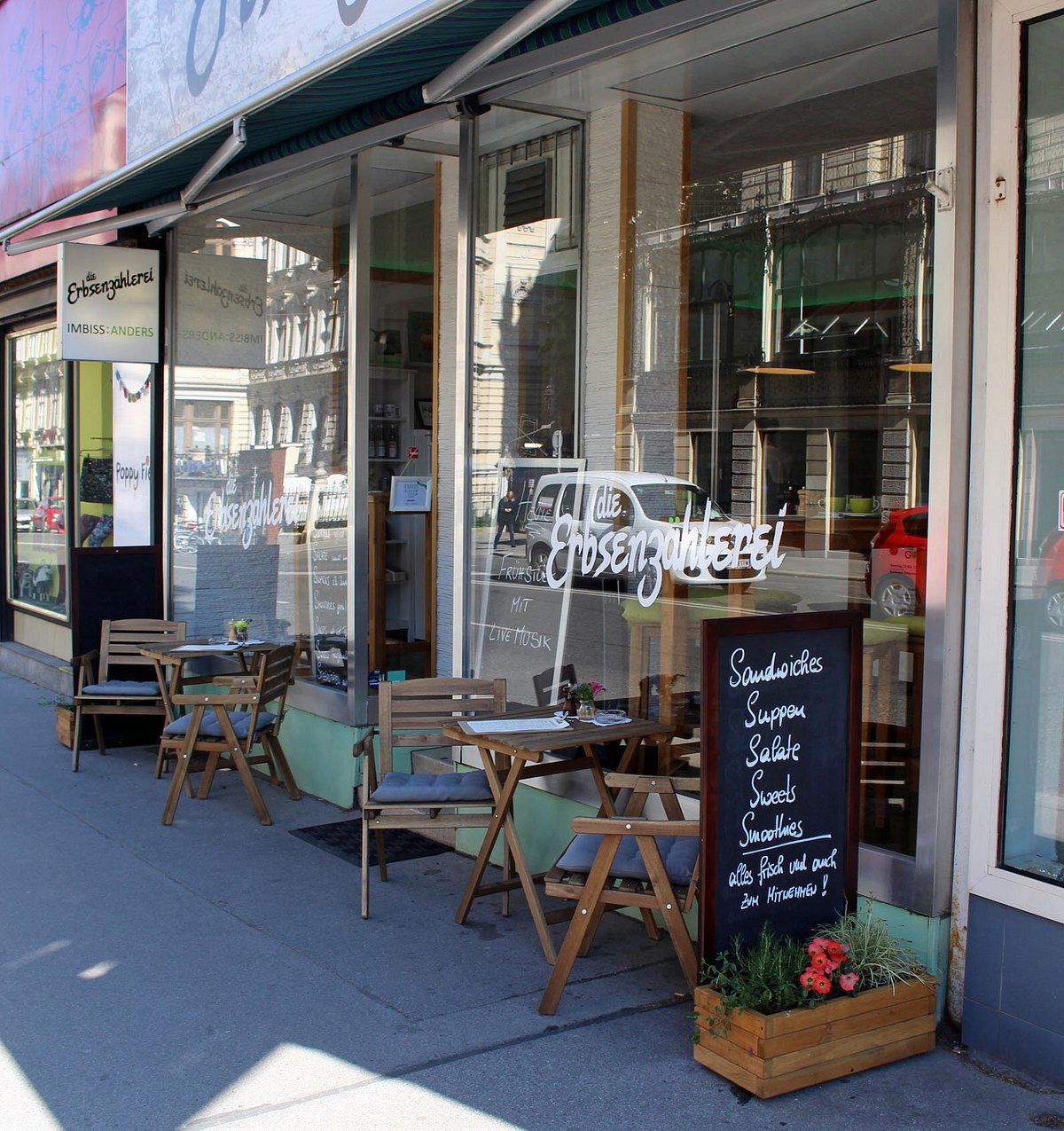
Margareten and the Grammar of the Viennese Neighbourhood Restaurant
The fifth district, Margareten, sits just south of the Naschmarkt and operates at a register distinctly removed from the first district's grand cafés and hotel dining rooms. Its residential streets, Reinprechtsdorfer Strasse, Stiegengasse, Pilgramgasse, are lined with Gründerzeit apartment blocks and the kind of small, owner-run restaurants that Viennese locals return to weekly rather than reserve months in advance. Erbsenzählerei, at Pilgramgasse 2, belongs to this neighbourhood grammar: a corner-position address in a district that values consistency and craft over ceremony.
Margareten has no landmark to anchor it in the tourist imagination, which is precisely what defines its dining character. The restaurants here compete on regulars, not foot traffic. That dynamic tends to produce a different kind of ambition, one oriented toward the repeat visit, toward seasonal adjustment, toward the loyalty of guests who will notice if something slips. Vienna's broader fine-dining conversation tends to concentrate on the first and fourth districts, where venues like Steirereck im Stadtpark, Amador, and Konstantin Filippou sit at the €€€€ tier and draw an international audience. Erbsenzählerei occupies a different position in the city's dining map, neighbourhood-anchored, rooted in Margareten's own social fabric.
What the Name Signals
Erbsenzählerei translates, roughly, as "bean counting" or "penny pinching" in German, a word that carries a wry, self-aware edge. For a restaurant, the name functions as a kind of declaration: an embrace of the careful, the considered, the precise. It sits in a long tradition of Viennese ironic self-naming, where restaurants and coffeehouses have used modest or even self-deprecating names to signal their distance from the grand establishment. In a city that has always maintained a sharp distinction between the Beisl (the informal local tavern) and the formal restaurant, names carry cultural weight. The Beisl tradition runs deep in Vienna's dining culture, small rooms, direct service, cooking that privileges seasonal produce and direct execution over elaborate plating. Whether Erbsenzählerei occupies the Beisl register or something adjacent to it, the address and district context point toward that lineage rather than toward the tasting-menu formalism of Mraz and Sohn or the creative precision of Doubek.
Pilgramgasse as a Dining Address
Pilgramgasse itself is a short street that runs between Rechte Wienzeile and Margaretenstrasse, close enough to the U4 Pilgramgasse station to draw guests from across the city. The street's corner buildings tend to house the kind of businesses that benefit from double-frontage visibility, cafés, wine bars, small restaurants. A corner address at number 2 places the venue at the district's more accessible edge, where Margareten begins to open toward the Naschmarkt corridor. That positioning matters for a neighbourhood restaurant: accessible without being a thoroughfare, residential without being obscure.
The broader Austrian dining context beyond Vienna is worth understanding for perspective. The country's serious cooking is distributed across a wide geography, from Döllerer in Golling an der Salzach and Obauer in Werfen in Salzburg's orbit, to Landhaus Bacher in Mautern an der Donau in the Wachau, to alpine venues like Gourmetrestaurant Tannenhof in Sankt Anton am Arlberg and Stüva in Ischgl. Vienna itself accounts for a dense cluster of recognised restaurants, but the capital's neighbourhood tier, the districts from three through nine, is where the city's more personal cooking tends to happen. Venues such as Taubenkobel in Schützen am Gebirge, Ois in Neufelden, and Schwarzer Adler in Hall in Tirol illustrate how Austria's cooking identity is genuinely plural, not reducible to a single metropolitan style.
The Neighbourhood Restaurant in the Current Vienna Scene
Vienna's dining scene has consolidated at the leading end over the past decade. The city now supports several restaurants operating at the international tasting-menu tier, venues that price and position against peers in London, Copenhagen, or Tokyo rather than against other Viennese restaurants. But that consolidation at the leading has also clarified what sits below it: a middle tier of serious neighbourhood cooking that operates on different terms, with different measures of success. The neighbourhood restaurant in Vienna is not a lesser category, it is a different one, with its own standards and its own audience.
What distinguishes this tier is not informality for its own sake but a different relationship to the guest. The regulars at a Margareten restaurant know the menu's seasonal rhythm because they have followed it across years. That continuity is itself a form of ambition, harder to sustain than the spectacle of a debut tasting menu. Globally, the tension between destination dining and neighbourhood anchoring is well-documented: venues like Le Bernardin in New York City and Lazy Bear in San Francisco sit at the destination end of that spectrum, while Pilgramgasse operates in a register that prizes proximity and repetition. Similarly, Restaurant 141 by Joachim Jaud in Mieming and Kräuterreich by Vitus Winkler in Sankt Veit im Pongau demonstrate how Austrian cooking at a committed level can exist entirely outside the metropolitan spotlight.
For a visitor to Vienna, the Margareten tier represents a way of eating the city that the first-district itinerary does not offer. Sitting in a small room among neighbourhood guests, ordering from a menu that reflects what the market offered that week, is a different kind of access, less legible on a global ranking, but often more revealing of how a city actually eats.
Planning Your Visit
Peers You’d Cross-Shop
Comparable venues nearby, for context on price, style, and recognition.
| Venue | Cuisine | Price | Notes |
|---|---|---|---|
| ErbsenzählereiThis venue — the venue you are viewing | Organic Vegetarian Café | $$ | Not listed |
| Holzkohlegrill Balkan Burek | Balkan Grill Street Food | $$ | Hernals |
| Nobilis | Modern Austrian Fine Dining | $$ | Wien-Mitte |
| Supersense | Analogue Cafe with Regional Snacks | $$ | Praterstern Wien Nord |
| Downstairs | Cocktail Lounge & Billiards Bar | $$ | Hofburg |
| Lebenbauer | Vollwert Wholefood with Vegan Focus | $$ | Inner City |
Continue exploring
More in Vienna
Restaurants in Vienna
Browse all →![[aend] restaurant in Vienna](https://cdn.enprimeurclub.com/storage/v1/object/public/images/locations/recsVyRkMfzCxPmp0/hero2.jpg?width=3840&quality=75)
Bars in Vienna
Browse all →

Hotels in Vienna
Browse all →
At a Glance
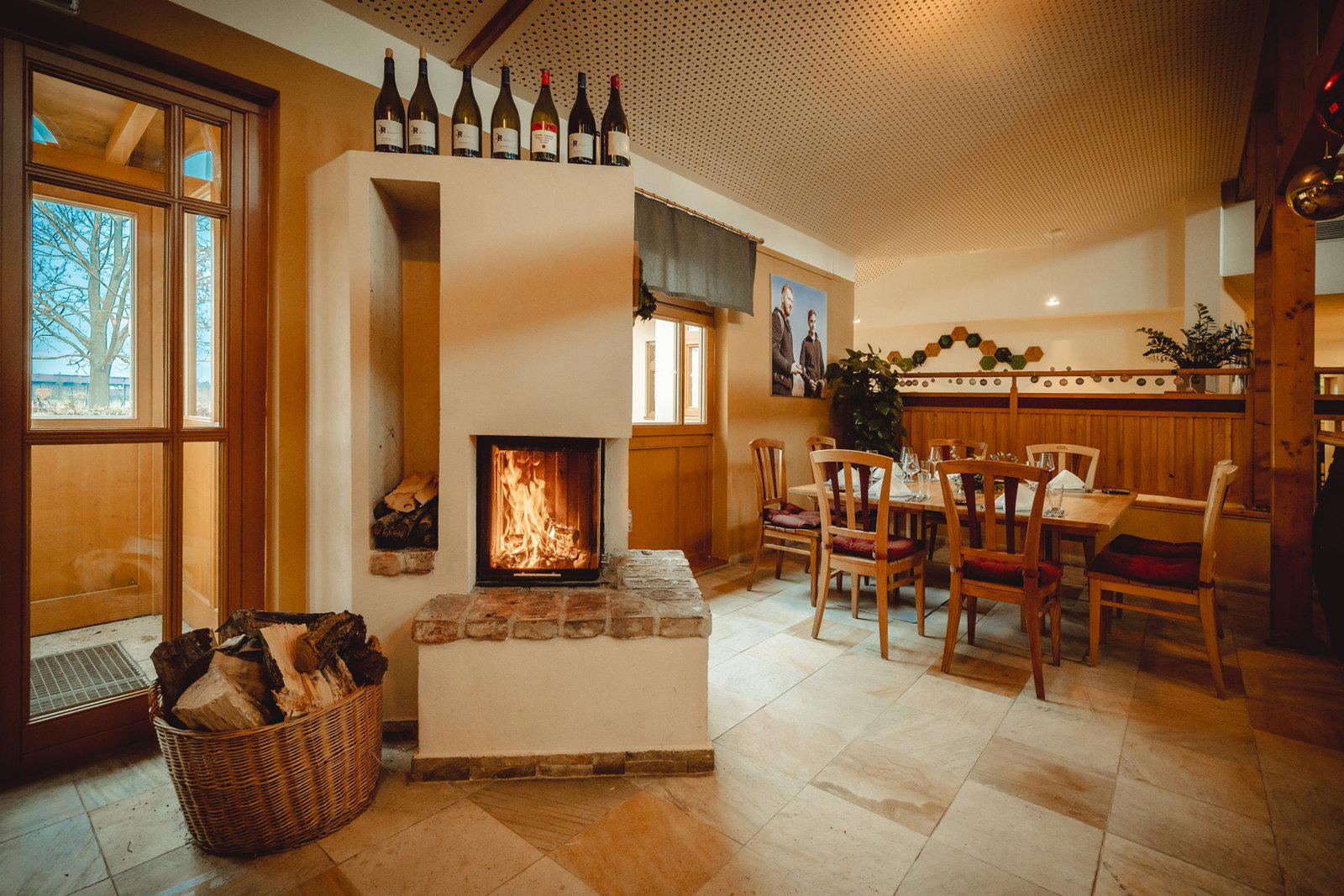
- Cozy
- Intimate
- Casual Hangout
- Organic
- Local Sourcing
Current opening hours
- Monday
- 11 AM–4 PM
- Tuesday
- 11 AM–4 PM
- Wednesday
- 11 AM–4 PM
- Thursday
- 11 AM–4 PM
- Friday
- 11 AM–4 PM
- Saturday
- Closed
- Sunday
- Closed
Hours can change for holidays and private events. Last verified .
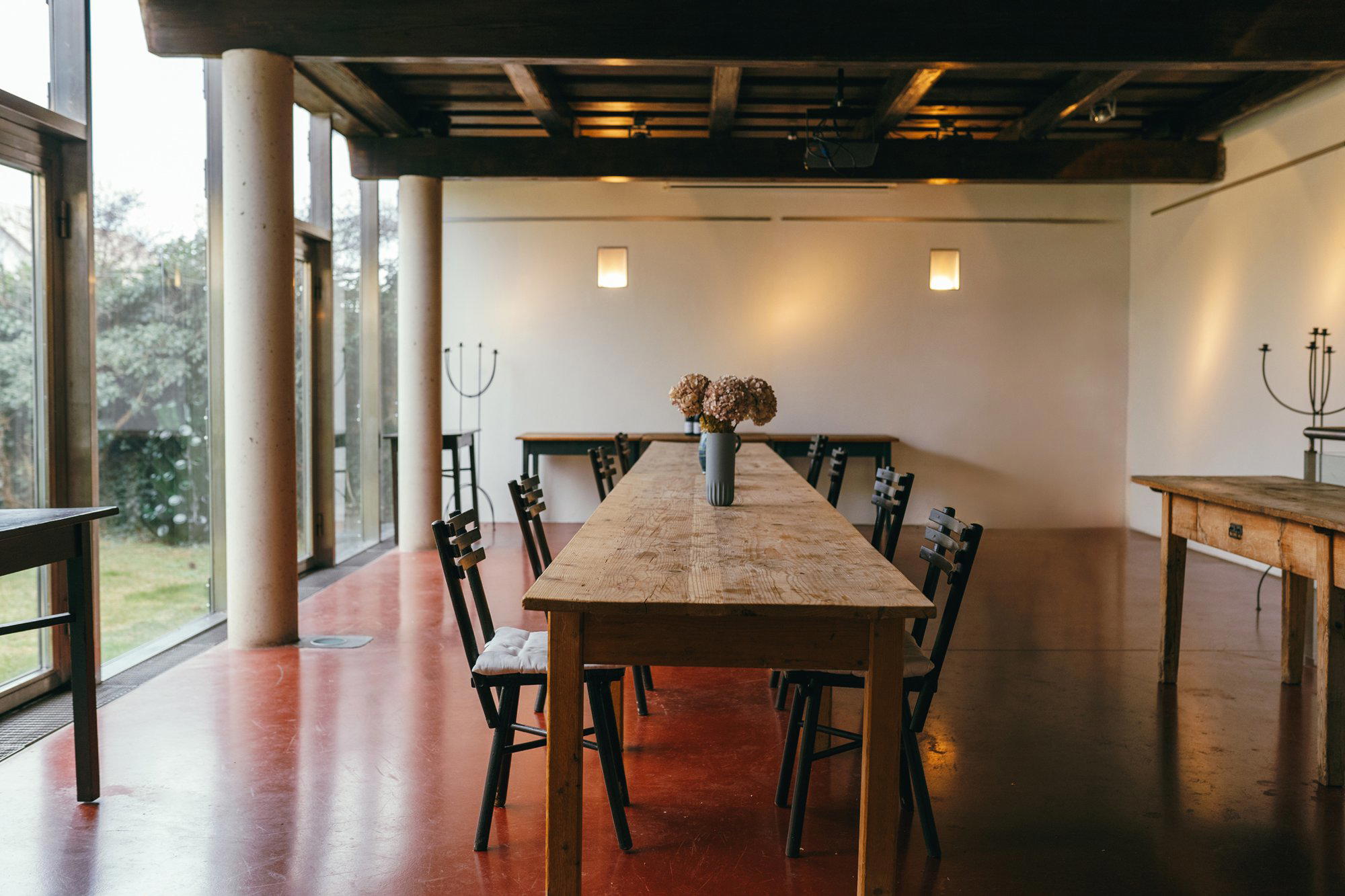
Cozy with large armchairs by a fireplace and high tables, creating an intimate atmosphere.