Der schöne Ernst occupies a quietly noted address on Praterstraße in Vienna's second district, a neighbourhood that has drawn a new generation of independent dining rooms away from the first district's established circuit. The venue sits in a part of the city where the dining conversation is shifting, making it worth understanding before you book.
Pearl is the En Primeur Club membership app — saves, bookings, and concierge access live there. Same editors, same standards.
- Address
- Praterstraße 44/46, 1020 Wien, Austria
- Phone
- +434312148404
- Website
- ernst-bar.at
- Directions
- Get directions
 Saves & bookings on Pearl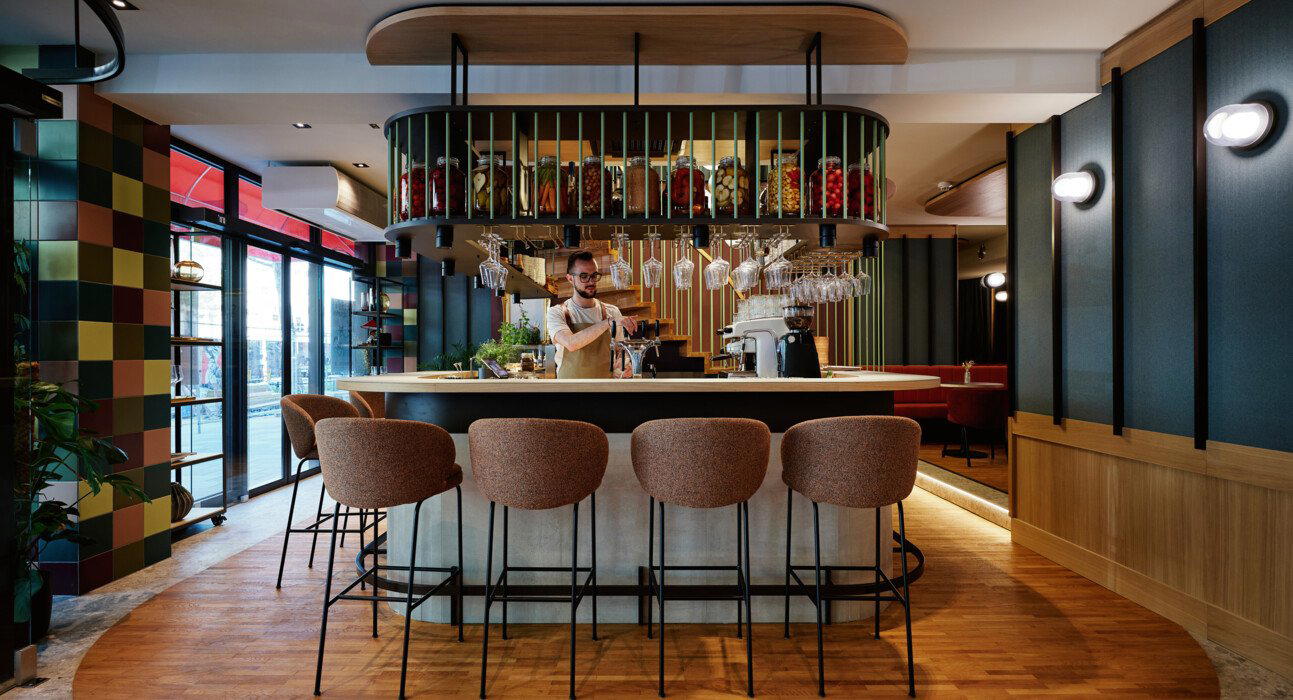
Praterstraße and the Second District's Changing Dining Address
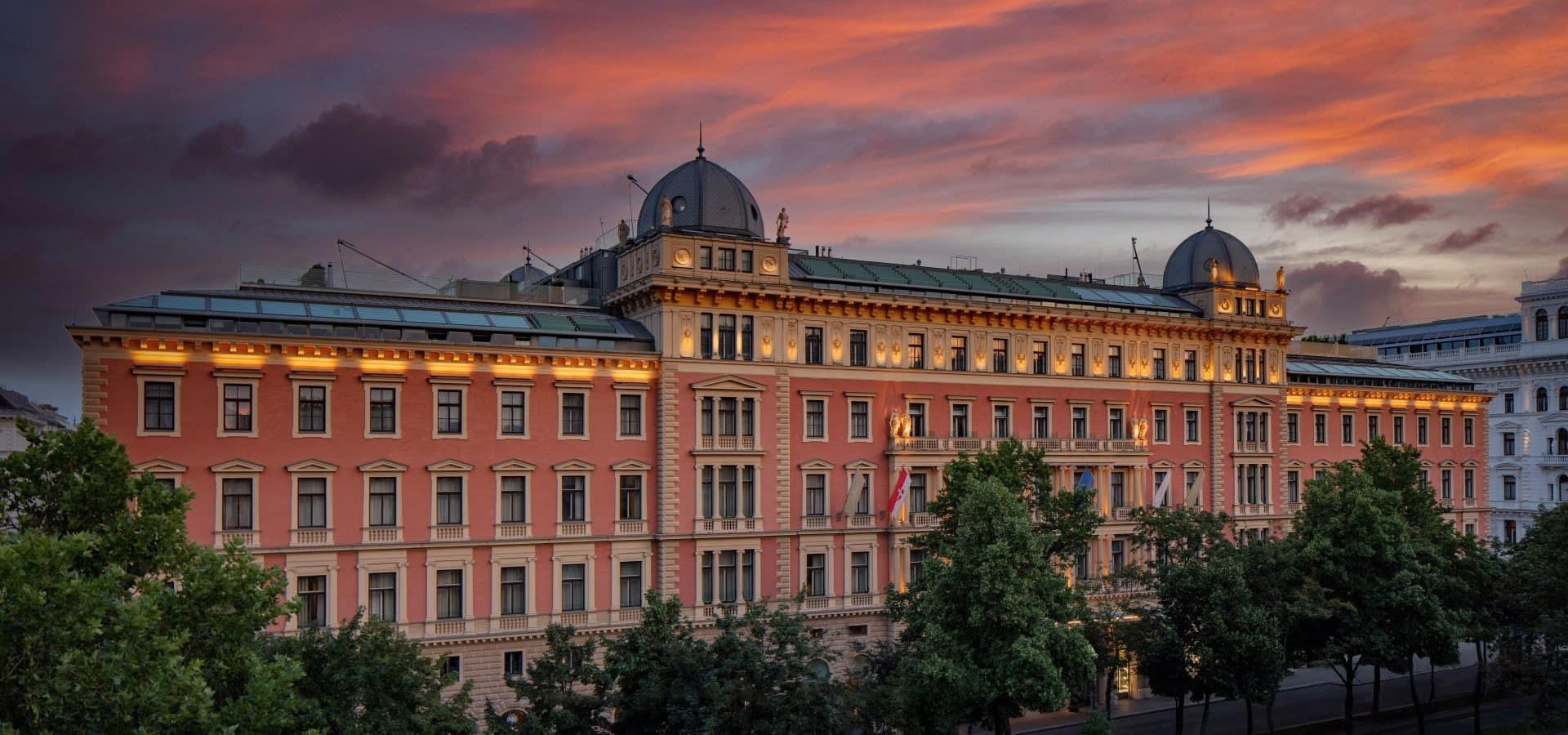
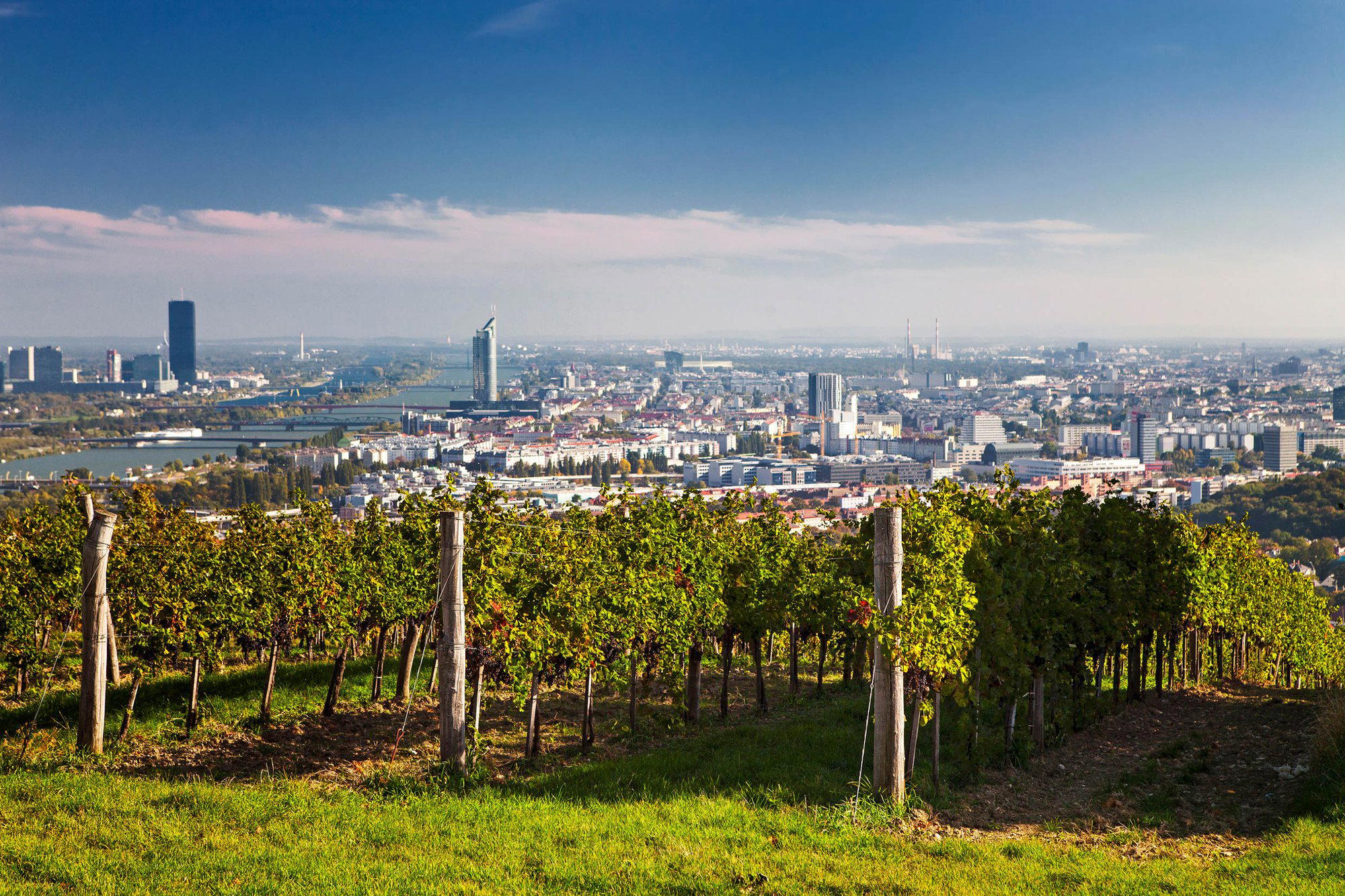
Vienna's serious dining has long concentrated in the first district and along the Ringstraße corridor, where addresses like Steirereck im Stadtpark and Konstantin Filippou anchor the city's high-end reputation. But the second district, Leopoldstadt, has been accumulating independent venues at a pace that invites attention. Praterstraße, the broad boulevard running from the Danube Canal toward the Prater itself, is part of that shift. The street has the bones of a classic Viennese thoroughfare, Gründerzeit facades, pavement wide enough for a double promenade, and an increasingly varied set of restaurants and bars filling its ground floors. Der schöne Ernst sits at number 44/46 on that stretch, a specific address in a neighbourhood whose dining character is still being written.
That positioning matters when you are deciding where to place a reservation. Vienna's inner-city restaurants operate within a well-understood hierarchy. The outer districts, by contrast, tend to reward visitors who have done the research beforehand, because the signal-to-noise ratio is lower and the name recognition thinner. Knowing that Der schöne Ernst is on Praterstraße, rather than somewhere more legible to a first-time visitor, already tells you something about the kind of audience the room is built for.
What the Booking Experience Looks Like From the Outside
Vienna's more established rooms, Amador, Mraz & Sohn, and the Doubek, operate with structured booking windows, online reservation systems, and in some cases waiting lists that extend weeks out. For rooms at that tier, the planning overhead is part of the deal: you know what you are committing to before you commit. Der schöne Ernst presents a different set of conditions for the prospective guest. That means arriving via local recommendation or through aggregators and platforms that may carry listings.
This is not unusual for a certain type of smaller European dining room that operates more like a neighbourhood regulars' bar than a destination restaurant, even when the cooking is serious. The friction in finding and booking such places is, in some cities and scenes, a deliberate filtering mechanism. In Vienna, where the first-district restaurants have been optimised for international visitors and the outer-district rooms have not, that friction tends to reflect the organic pace at which a venue has grown its audience rather than any calculated mystique. The practical consequence for a visitor is the same: you need a local reference point or patience with the research.
For context on how that booking friction compares across the Austrian dining scene more broadly, rooms like Döllerer in Golling an der Salzach or Landhaus Bacher in Mautern an der Donau operate with clear online presences and structured advance booking, while smaller rooms in provincial towns, Ois in Neufelden, for instance, function much closer to the model the restaurant appears to represent: local first, documented second.
Reading the Address Before You Arrive
Praterstraße 44/46 is within walking distance of the Schwedenplatz U-Bahn interchange, making it reachable from most of Vienna without a taxi. The second district is flat, navigable on foot from the canal-side, and the street itself is well-lit and commercially active in the evenings. That logistical ease is worth noting because it removes one of the common barriers to dining outside the first district: the sense that you are venturing somewhere inconvenient. You are not. The canal separates Leopoldstadt from the first district by a few minutes on foot across any of several bridges.
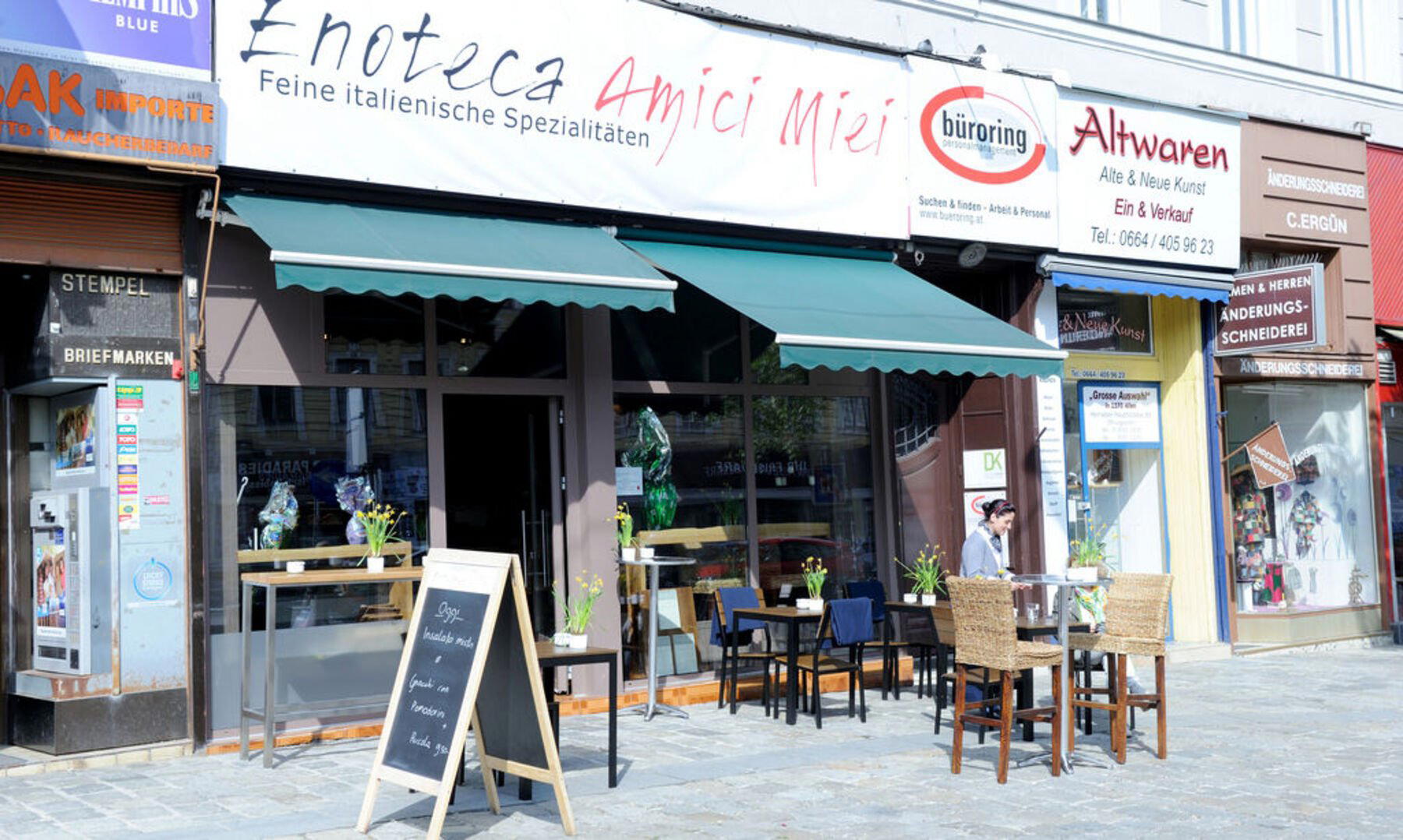
The neighbourhood's character on the ground is mixed in a way that the first district is not. You will pass Turkish and Balkan grocers, wine bars that opened in the last five years, older Viennese coffee houses that predate the current wave of interest in the area, and stretches that still feel transitional rather than arrived. The restaurant occupies that context rather than being insulated from it, which shapes the kind of evening the address is likely to produce.
How Der schöne Ernst Sits Against Vienna's Dining Tiers
Vienna's restaurant hierarchy is easier to read at the extremes than in the middle. At the leading end, Steirereck im Stadtpark and Amador operate with Michelin recognition and price points (€€€€) that align them with peer rooms in other European capitals.
That is a legitimate tier in any city's dining ecosystem. Particularly interesting rooms in comparable European cities, and, in the American context, rooms like Lazy Bear in San Francisco before its wider recognition, spent years operating with strong local loyalty and minimal external documentation. What the address, the name recognition among Vienna researchers, and the Leopoldstadt context together suggest is a room worth investigating through local channels before your trip.
For readers building a broader Austrian itinerary, the planning context extends well beyond Vienna. Obauer in Werfen, Schwarzer Adler in Hall in Tirol, Gourmetrestaurant Tannenhof in Sankt Anton am Arlberg, Stüva in Ischgl, Kräuterreich by Vitus Winkler in Sankt Veit im Pongau, Taubenkobel in Schützen am Gebirge, and Restaurant 141 by Joachim Jaud in Mieming each represent different points in the country's serious dining map and all operate with the kind of documented booking infrastructure that restaurant currently lacks. Our full Vienna restaurants guide covers the city's range more completely.
Planning Notes
| Venue | District / Location | Booking Method | Price Tier | Awards on Record |
|---|---|---|---|---|
| The restaurant | 2nd, Praterstraße 44/46 | not confirmed | Not confirmed | None on record |
| Steirereck im Stadtpark | 3rd, Stadtpark | Online / advance | €€€€ | Michelin, 50 Best |
| Amador | 1st district | Online / advance | €€€€ | Michelin |
| Mraz & Sohn | 20th district | Online / advance | €€€€ | Michelin |
| Doubek | Vienna | Online / advance | Not listed | Not listed |
For the restaurant specifically, one reliable path to a reservation currently runs through local contacts or Vienna-based concierge services rather than a direct online booking channel.
Reputation First
Comparable venues nearby, for context on price, style, and recognition.
| Venue | Cuisine | Price | Notes |
|---|---|---|---|
| Der schöne ErnstThis venue — the venue you are viewing | Viennese Café & Aperitivo Bar | $$ | Not listed |
| Erbsenzählerei | Organic Vegetarian Café | $$ | Margareten |
| Chelsea | Pub & Bar | $$ | Josefstadt |
| Topf & Deckel | Healthy Seasonal Cantina | $$ | Stephansdom |
| Honu Tiki Bowls | Hawaiian Poke Bowls | $$ | Inner City |
| Pöhl am Naschmarkt | Cheese and Sausage Deli | $$ | Wieden |
Continue exploring
More in Vienna
Restaurants in Vienna
Browse all →
Bars in Vienna
Browse all →
Hotels in Vienna
Browse all →
At a Glance
- Cozy
- Modern
- Trendy
- Elegant
- Casual Hangout
- After Work
- Brunch
- Hotel Restaurant
- Standalone
- Craft Cocktails
- Local Sourcing
Current opening hours
- Monday
- 8 AM–11 PM
- Tuesday
- 8 AM–11 PM
- Wednesday
- 8 AM–11 PM
- Thursday
- 8 AM–11 PM
- Friday
- 8 AM–11 PM
- Saturday
- 8 AM–11 PM
- Sunday
- 8 AM–11 PM
Hours can change for holidays and private events. Last verified .
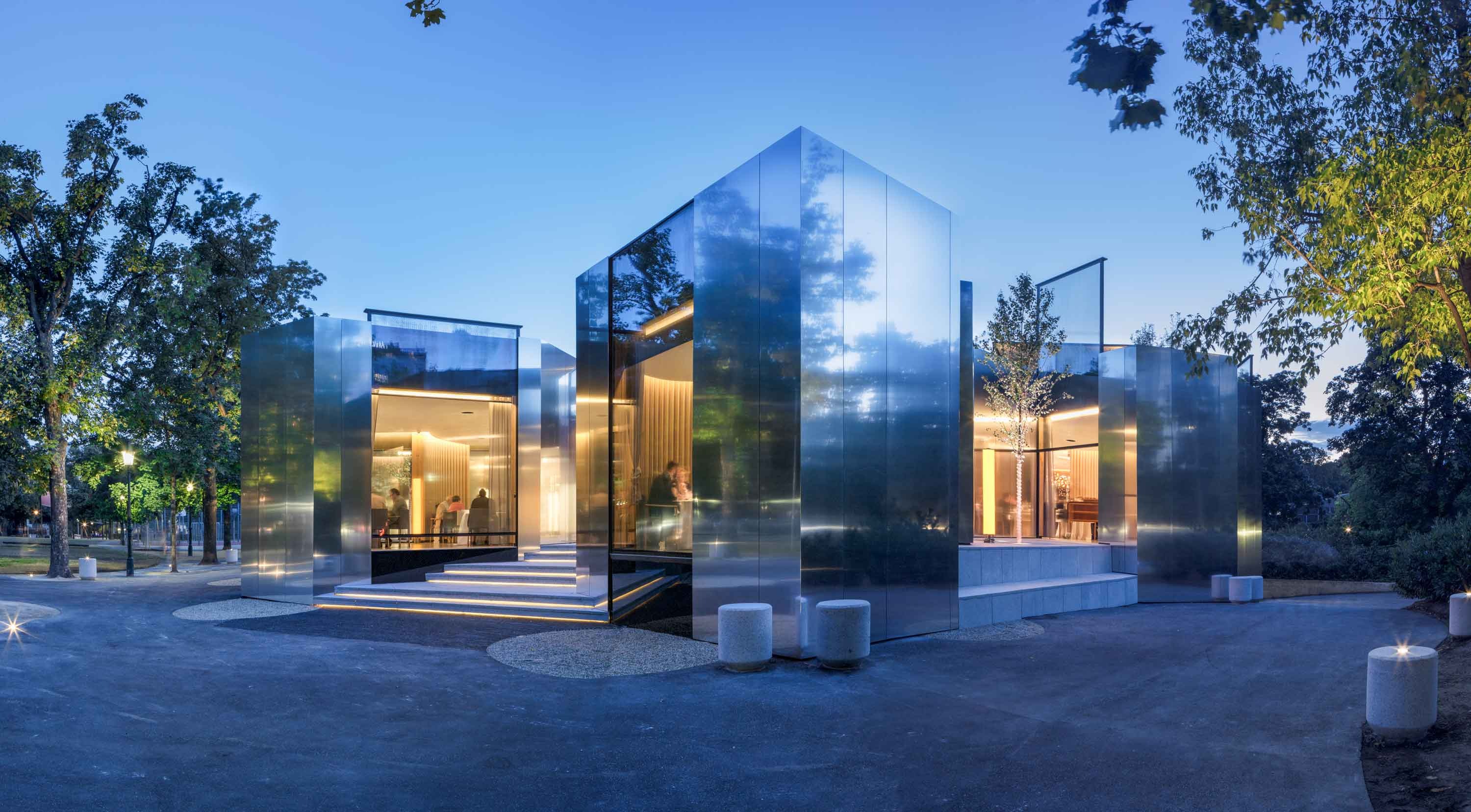
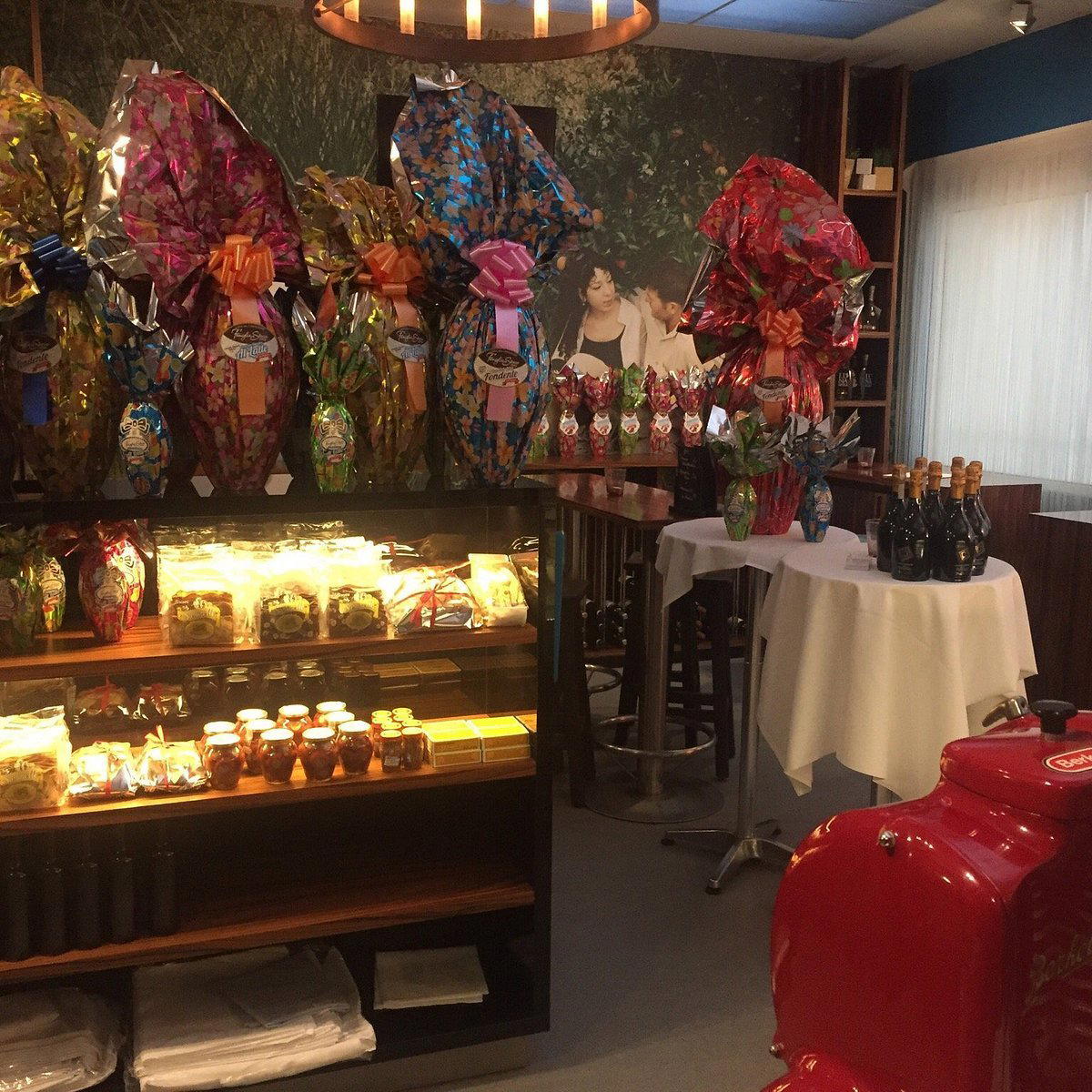
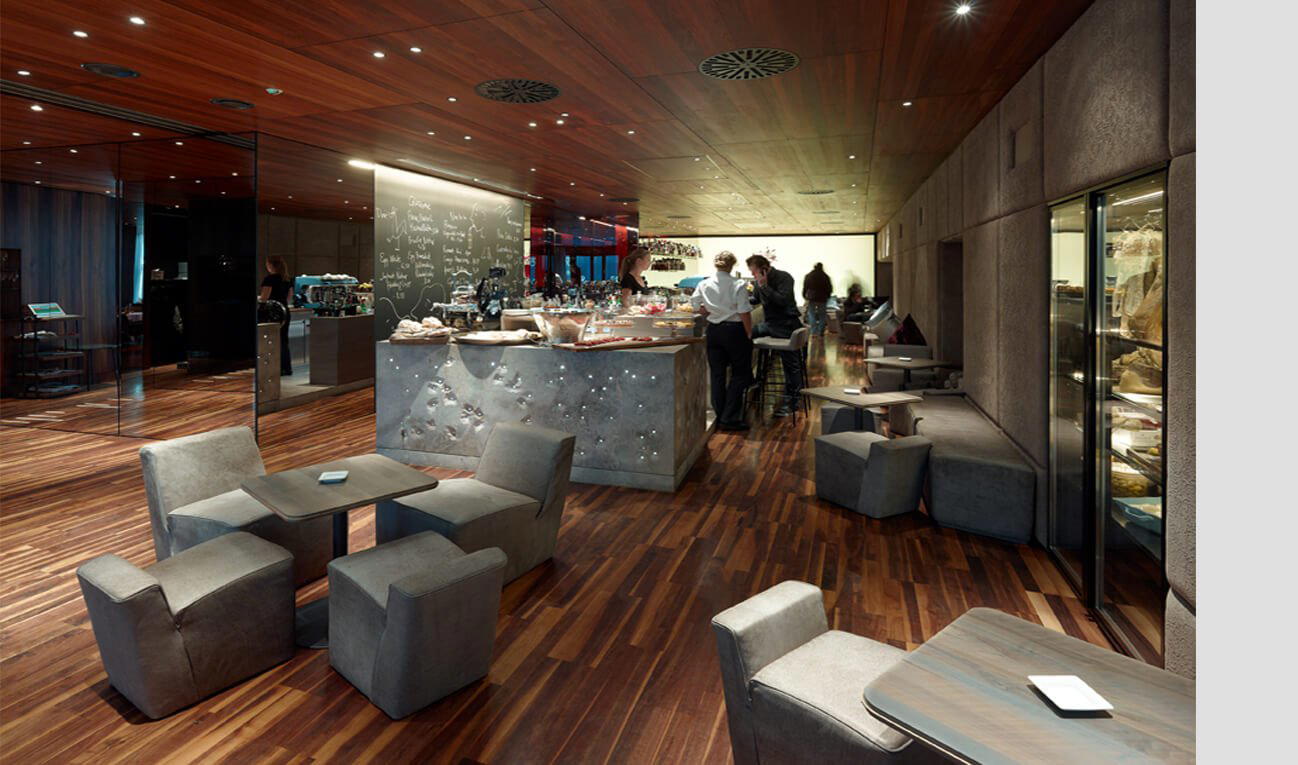
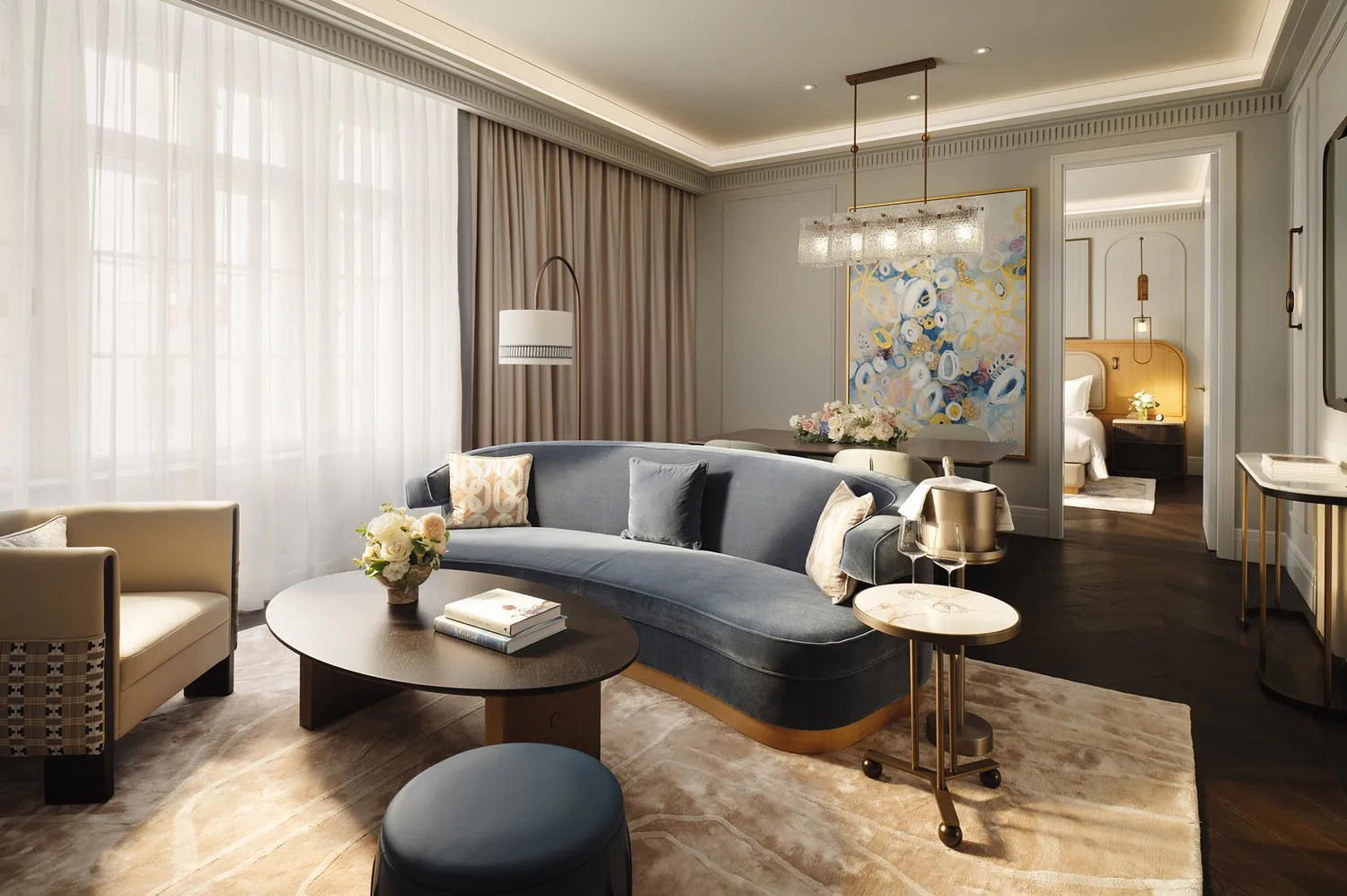
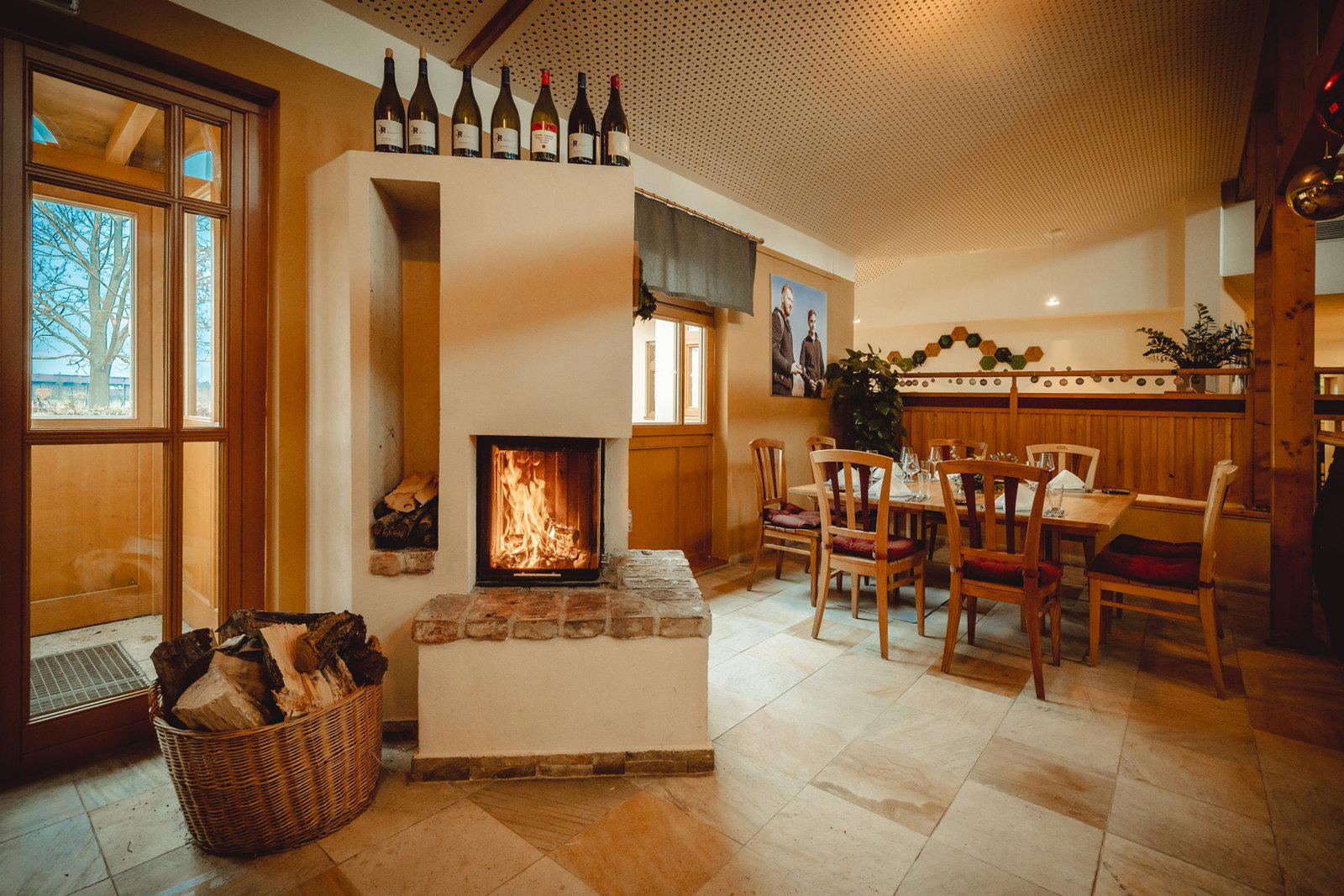
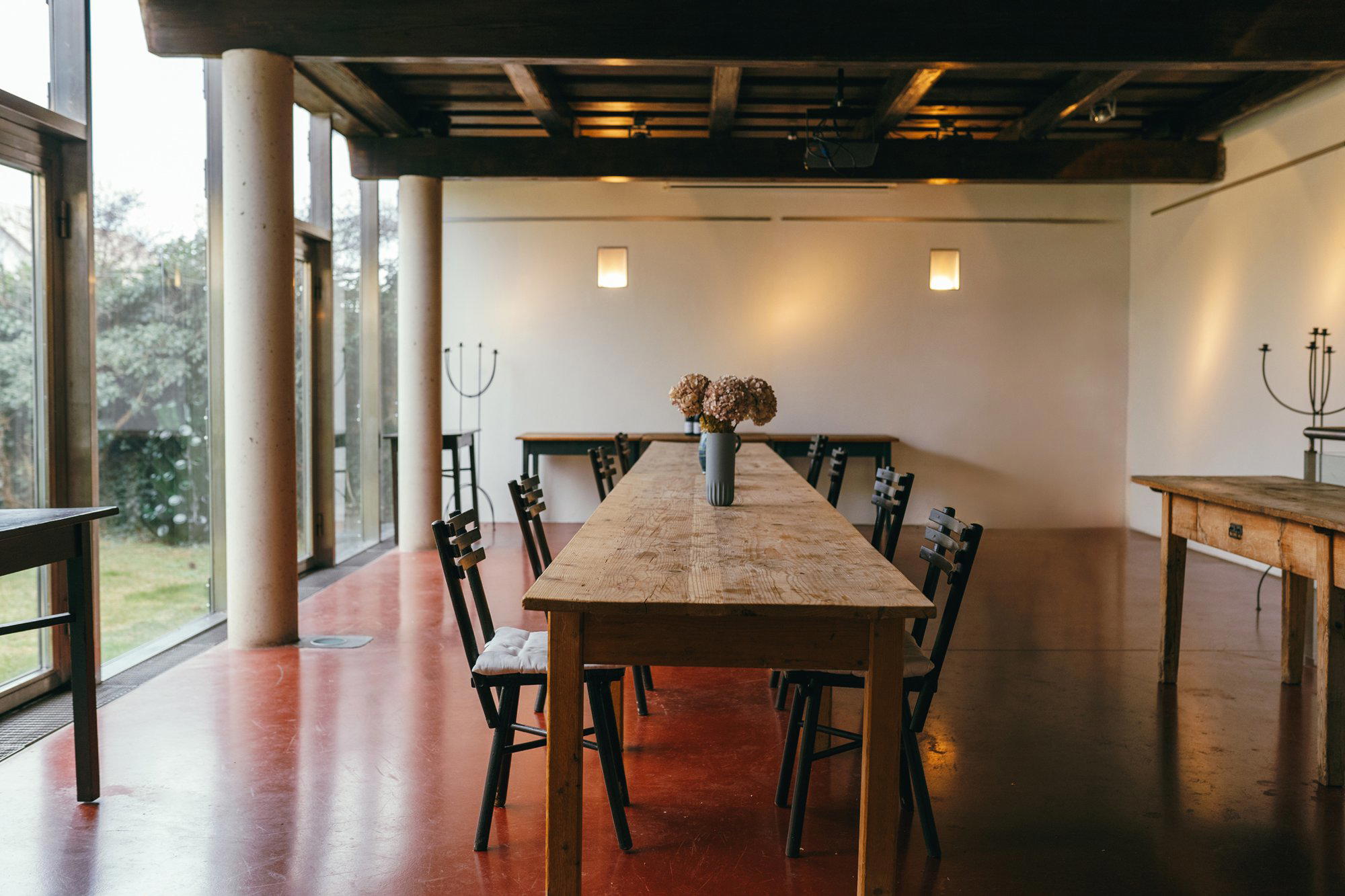
Warm, relaxed, and inviting with a contemporary design featuring a fully glazed facade; bright daytime café atmosphere transitioning to sophisticated evening aperitivo vibes.