On Taborstraße in Vienna's 2nd district, Zov Homolja sits within a neighbourhood where Central European cooking traditions intersect with Balkan and Eastern European culinary currents. The address places it at a crossroads that few dining rooms in the city occupy so naturally, where local Austrian produce meets techniques drawn from further east. An address worth understanding before you book.
Pearl is the En Primeur Club membership app — saves, bookings, and concierge access live there. Same editors, same standards.
- Address
- Taborstraße 72, 1020 Wien, Austria
- Phone
- +436677995511
- Website
- zovhomolja.wien
- Directions
- Get directions
 Saves & bookings on Pearl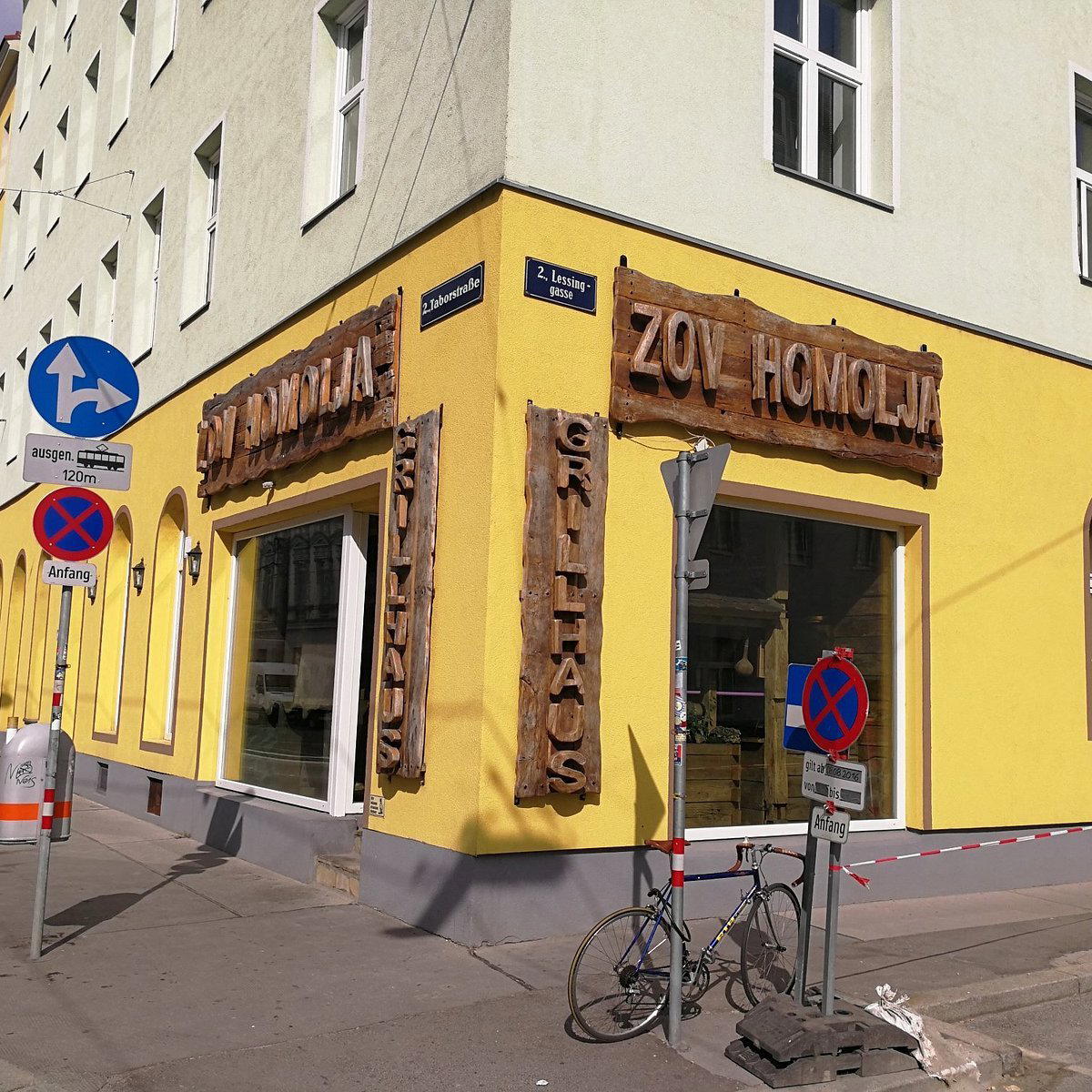
Where the 2nd District's Culinary Currents Converge
Vienna's 2nd district, the Leopoldstadt, has long operated as one of the city's most genuinely layered neighbourhoods. Historically a settlement zone for Jewish, Roma, and Eastern European communities, it developed a food culture shaped by overlapping migration patterns rather than any single culinary canon. That history did not disappear with postwar redevelopment; it persisted in the district's market rhythms, its delicatessens, and in the kinds of restaurants that have found a natural home along streets like Taborstraße. Zov Homolja, at number 72, sits within that continuity. The address alone signals something about orientation: this is not the Innere Stadt, not the formal dining corridor around the Ringstraße, not the self-consciously curated restaurant rows of the 7th or 9th districts. It is a working street in a district that rewards attention.
The Technique-and-Terroir Question in Austrian Dining
The tension between imported culinary method and indigenous Austrian produce is one of the more productive arguments running through Vienna's restaurant scene right now. At the summit of the market, houses like Steirereck im Stadtpark and Mraz & Sohn have spent decades defining what it means to apply contemporary European technique to Austrian ingredients, earning Michelin recognition in the process. Slightly below that tier, Konstantin Filippou and Amador work with similar frameworks but arrive at different aesthetic conclusions. What makes the Leopoldstadt interesting is that it asks the same question from a different starting point: not fine dining reaching toward regional produce, but neighbourhood cooking that has always been shaped by the movement of people and goods across Central and Eastern Europe.
Restaurants in this part of Vienna often operate at the intersection of Austrian market supply and Balkan or Eastern European cooking logic. That intersection is not a fusion concept imposed from above; it is a reflection of how the district actually eats. Techniques that look global from the outside, slow braises, fermented condiments, wood-fire methods, frequently have deep roots in the cooking traditions of communities that have lived here for generations. Zov Homolja occupies this cultural and culinary position on Taborstraße, where local produce and imported method are less a chef's statement and more an honest reflection of neighbourhood identity.
Reading the Address: Taborstraße and Its Dining Context
Taborstraße runs north from the Schwedenplatz area through the heart of Leopoldstadt, functioning as one of the district's main commercial arteries. The street mixes everyday retail, grocery suppliers, and restaurants in proportions that reflect the neighbourhood's mixed-use character. For diners willing to move beyond the established restaurant zones further west or in the 1st district, this corridor offers something the central tourist belt rarely does: restaurants operating primarily for the people who live and work nearby, where the food responds to local demand rather than visitor expectation.
That context matters when thinking about how to approach Zov Homolja. Comparable neighbourhood-anchored restaurants across European cities, places without formal award recognition but with clear identity rooted in place and community, tend to reward a specific kind of attention from the visitor. The relevant comparable set is not Doubek or the fine dining addresses around the city centre; it is the broader category of honest, place-specific cooking that major cities produce in their residential districts and that often proves more instructive about how a city actually eats than its Michelin-listed rooms.
For context on how Austria's regional fine dining compares to its Vienna counterpart, the contrast with destinations like Döllerer in Golling an der Salzach or Obauer in Werfen is clarifying. Those alpine houses work with hyper-local alpine produce using technique built over decades. Urban neighbourhood restaurants like those on Taborstraße operate with a different supply logic, drawing from Vienna's wholesale markets and the city's dense network of specialist importers, which gives them access to ingredients that reflect the district's cultural reach as much as its geography.
Local Ingredients and the Eastern European Kitchen
The editorial angle that makes the Leopoldstadt dining scene worth paying attention to is precisely this intersection of local Austrian ingredient supply and Eastern European cooking method. Austria's produce is well documented: Wachau apricots, Styrian pumpkin and its oil, freshwater fish from the Danube and its tributaries, game from the alpine fringe, and a dairy tradition that runs deep through the country's food culture. What Balkan and Eastern European technique brings to those ingredients is a different set of instincts: a comfort with pickling and fermentation, a tradition of long slow cooking that extracts from tougher cuts, and spice palettes that diverge from the French-influenced mainstream of Austrian fine dining.
That combination appears in different forms across Vienna's 2nd district. It is the same productive tension that international observers note when looking at restaurants like Atomix in New York City, where Korean culinary logic is applied to local American ingredient supply, or at Le Bernardin in New York City, where classical French technique structures the treatment of Atlantic seafood. The specific cultural pairing differs, but the underlying dynamic, a technique tradition meeting a local ingredient base, produces food that is legible to both sets of reference points and often more interesting than either in isolation.
Planning Your Visit
Visit the restaurant in person at Taborstraße 72, 1020 Wien. The 2nd district is accessible via the U1 and U2 U-Bahn lines, with Schwedenplatz and Schottenring providing practical entry points to the neighbourhood. Reservations are recommended. Dress: casual. Budget: about $15 per person. Timing: open daily from 10 AM to 10 PM.
Readers interested in Austria's wider restaurant landscape will find useful comparison points at Ikarus in Salzburg, Griggeler Stuba in Lech, Gourmetrestaurant Tannenhof in Sankt Anton am Arlberg, Kräuterreich by Vitus Winkler in Sankt Veit im Pongau, Schwarzer Adler in Hall in Tirol, Restaurant 141 by Joachim Jaud in Mieming, Ois in Neufelden, and Landhaus Bacher in Mautern an der Donau.
Comparable Options
Comparable venues nearby, for context on price, style, and recognition.
| Venue | Cuisine | Price | Notes |
|---|---|---|---|
| Zov HomoljaThis venue — the venue you are viewing | Serbian Balkan Grill | $$ | Not listed |
| Promise | Authentic Austrian | $$ | Franz Josefs Bahnhof |
| Felixx | Austrian Cafe | $$ | Hofburg |
| Augora Fermente | Fermentation-Focused Contemporary | $$ | Mariahilf |
| das weinberg | Modern Austrian Brasserie | $$ | Gersthof |
| Chelsea | Pub & Bar | $$ | Josefstadt |
Continue exploring
More in Vienna
Restaurants in Vienna
Browse all →
Bars in Vienna
Browse all →
Hotels in Vienna
Browse all →

At a Glance
- Rustic
- Cozy
- Casual Hangout
- Open Kitchen
Current opening hours
- Monday
- 10 AM–10 PM
- Tuesday
- 10 AM–10 PM
- Wednesday
- 10 AM–10 PM
- Thursday
- 10 AM–10 PM
- Friday
- 10 AM–10 PM
- Saturday
- 10 AM–10 PM
- Sunday
- 10 AM–10 PM
Hours can change for holidays and private events. Last verified .
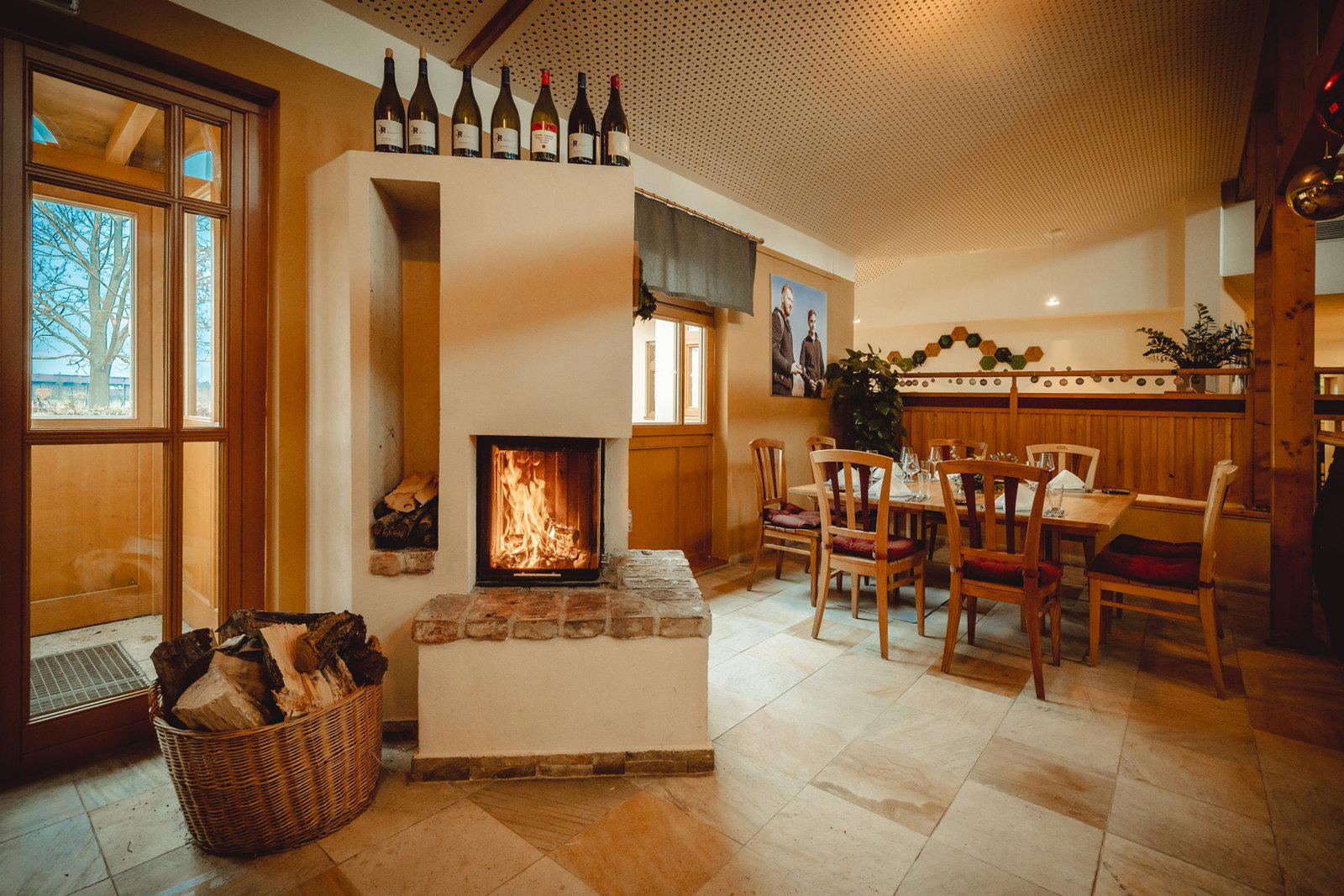
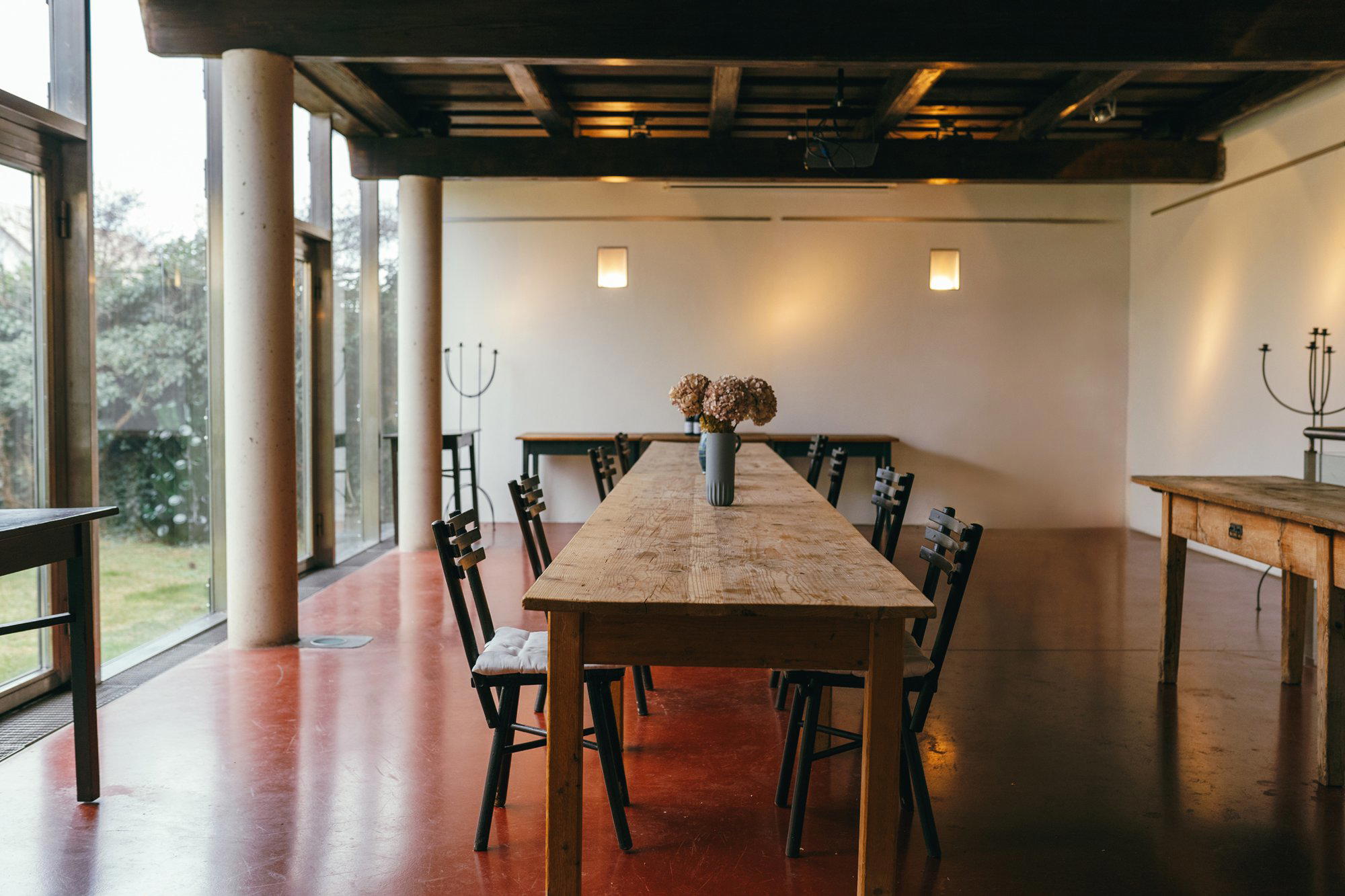
Rustic and cozy with wood decorations, evoking an authentic Balkan atmosphere.