Positioned at stall 167 on the Naschmarkt, Pöhl operates where Vienna's most storied open-air market meets everyday dining culture. Unlike the city's formal tasting-menu circuit, this address draws a loyal neighbourhood crowd who return for market-fresh cooking in an unpretentious setting. For visitors who find Vienna's Michelin tier occasionally airless, Pöhl offers a grounded alternative.
Pearl is the En Primeur Club membership app — saves, bookings, and concierge access live there. Same editors, same standards.
- Address
- Naschmarkt 167, 1060 Wien, Austria
- Phone
- +434315860404
- Website
- poehl.at
- Directions
- Get directions
 Saves & bookings on Pearl
Where the Market Becomes the Menu
Vienna's Naschmarkt runs for roughly 1.5 kilometres along the Wienzeile, and by mid-morning on any weekday it is already layered with noise: vendors calling out prices, coffee cups clattering on narrow countertops, the low hum of regulars conducting the same rituals they have conducted for years. The address is not a restaurant that happens to be near a market; it is a stall address in the literal sense, embedded inside one of Central Europe's oldest and most densely trafficked food markets. That placement defines everything about what the place is and who comes back to it.
The Regulars and What They Know
The clientele at a well-run Naschmarkt counter tends to divide into two visible groups: tourists moving through once, and a rotating cast of regulars who have settled into specific habits. The latter group is the more instructive audience. At addresses like Pöhl, the unwritten menu is largely constructed from repetition, people return because a particular preparation has proven consistent across many visits, because a certain time of day offers a better product, or because the rhythm of the market means the kitchen is working with whatever arrived that morning rather than whatever was ordered a week in advance.
This is the structural advantage of a market position over a conventional restaurant address. The sourcing window is immediate. The Naschmarkt itself hosts a dense mix of market stalls and shops, and the proximity of raw material to preparation keeps the pace immediate. Regulars understand this intuitively, which is why the reliable order at any given visit is rarely the one a newcomer would expect from a printed menu.
Naschmarkt Dining in Its Competitive Context
Vienna's fine-dining tier is well-documented and relatively concentrated. Steirereck im Stadtpark holds the city's most visible position in the creative Austrian register, while Konstantin Filippou and Mraz & Sohn represent the modern and creative strands of the €€€€ bracket. Amador and Doubek add further range to that upper tier. Pöhl am Naschmarkt does not compete with any of these addresses, and it is not trying to. Its competitive set is the broader category of market-adjacent eating in Vienna: places where the logic of what is available that day overrides any fixed seasonal menu structure.
Within that narrower peer group, a market stall address carries its own form of credibility. The overhead model is different, the format expectations are different, and the relationship between kitchen and sourcing is more direct than in almost any other urban dining format. Visitors accustomed to the formality of Vienna's tasting-menu culture sometimes find the transition disorienting; the mode of engagement is closer to a Saturday farmers' market lunch in Lyon than to a Ringstrasse dining room.
For context on what Austrian cooking looks like at other registers and in other regions, Döllerer in Golling an der Salzach, Obauer in Werfen, and Landhaus Bacher in Mautern an der Donau represent the formal end of the country's regional dining tradition. The alpine register extends further through Gourmetrestaurant Tannenhof in Sankt Anton am Arlberg, Griggeler Stuba in Lech, Schwarzer Adler in Hall in Tirol, and Restaurant 141 by Joachim Jaud in Mieming. For creative contemporary Austrian cooking in Salzburg, Ikarus and Kräuterreich by Vitus Winkler in Sankt Veit im Pongau are reference points, as is Ois in Neufelden. Understanding where Pöhl sits means understanding that the Naschmarkt model is its own category, not a lower rung of the same ladder.
The Naschmarkt as a Dining System
International visitors sometimes arrive expecting the Naschmarkt to function like a food hall, with fixed vendors and a consistent product range year-round. The market operates differently. Saturday is the largest trading day, when the flea market section along the western end runs concurrently with the regular stalls, drawing a denser and more varied crowd. Weekday mornings offer a quieter version of the same market but with a more local composition. The product range shifts across seasons in a way that a supermarket-supplied kitchen would not, and the prices vary accordingly.
This seasonal variability is precisely what a loyal market-eating clientele comes for. The comparison to other market-stall dining formats in Europe is instructive: Barcelona's Boqueria has been increasingly calibrated toward visitors, while Vienna's Naschmarkt retains a higher proportion of trade business serving neighbourhood residents and professional kitchens. The environment around Pöhl is therefore more functional and less curated than some of its European equivalents, which suits a different kind of diner. For comparison on what market-adjacent fine dining looks like at the highest international tier, Le Bernardin in New York City and Atomix in New York City represent a different end of the spectrum entirely.
Planning Your Visit
The Naschmarkt operates Tuesday through Saturday, with Saturday being the active day but also the congested. Pöhl am Naschmarkt is closed on Monday and Sunday. A weekday morning visit between 9am and 11am places you in the market during its functional peak, before the lunch crowd arrives. Stall 167 is positioned in the central section of the market. The U4 line stops at Kettenbrückengasse, which exits almost directly onto the market's southern end; the walk to the mid-market stalls takes under five minutes. Reservations are not typically needed; walk-ins are welcome. Budget: moderate. Timing: Weekday mornings offer the freshest product and a more navigable environment.
The Essentials
Comparable venues nearby, for context on price, style, and recognition.
| Venue | Cuisine | Price | Notes |
|---|---|---|---|
| Pöhl am NaschmarktThis venue — the venue you are viewing | Wieden, Cheese and Sausage Deli | $$ | Not listed |
| The Breakfastclub | Wieden, International Breakfast & Brunch | $$ | Not listed |
| Harvest | Not listed | $$ | Praterstern Wien Nord, Vegan Viennese Coffeehouse |
| Holzkohlegrill Balkan Burek | Hernals, Balkan Grill Street Food | $$ | Not listed |
| Lebenbauer | Not listed | $$ | Inner City, Vollwert Wholefood with Vegan Focus |
| Konzept Greissler | Not listed | $$ | Landstrasse, Regional Austrian Bakery & Deli |
Continue exploring
More in Vienna
Restaurants in Vienna
Browse all →
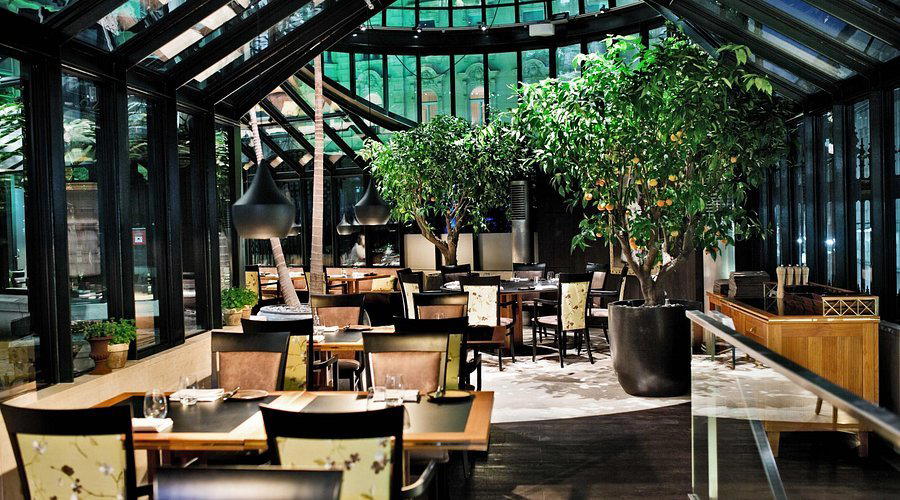
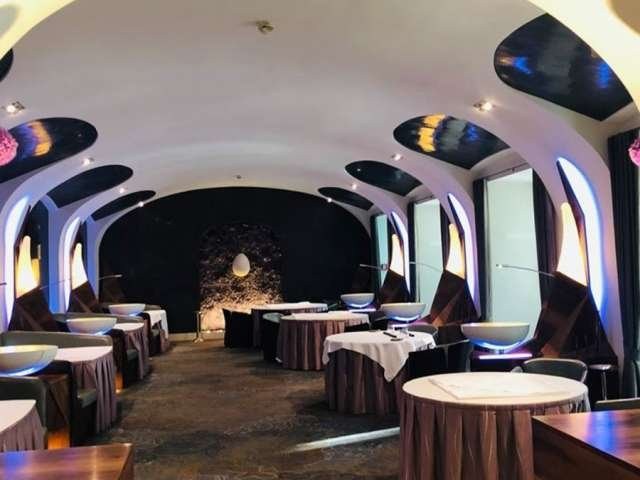
Bars in Vienna
Browse all →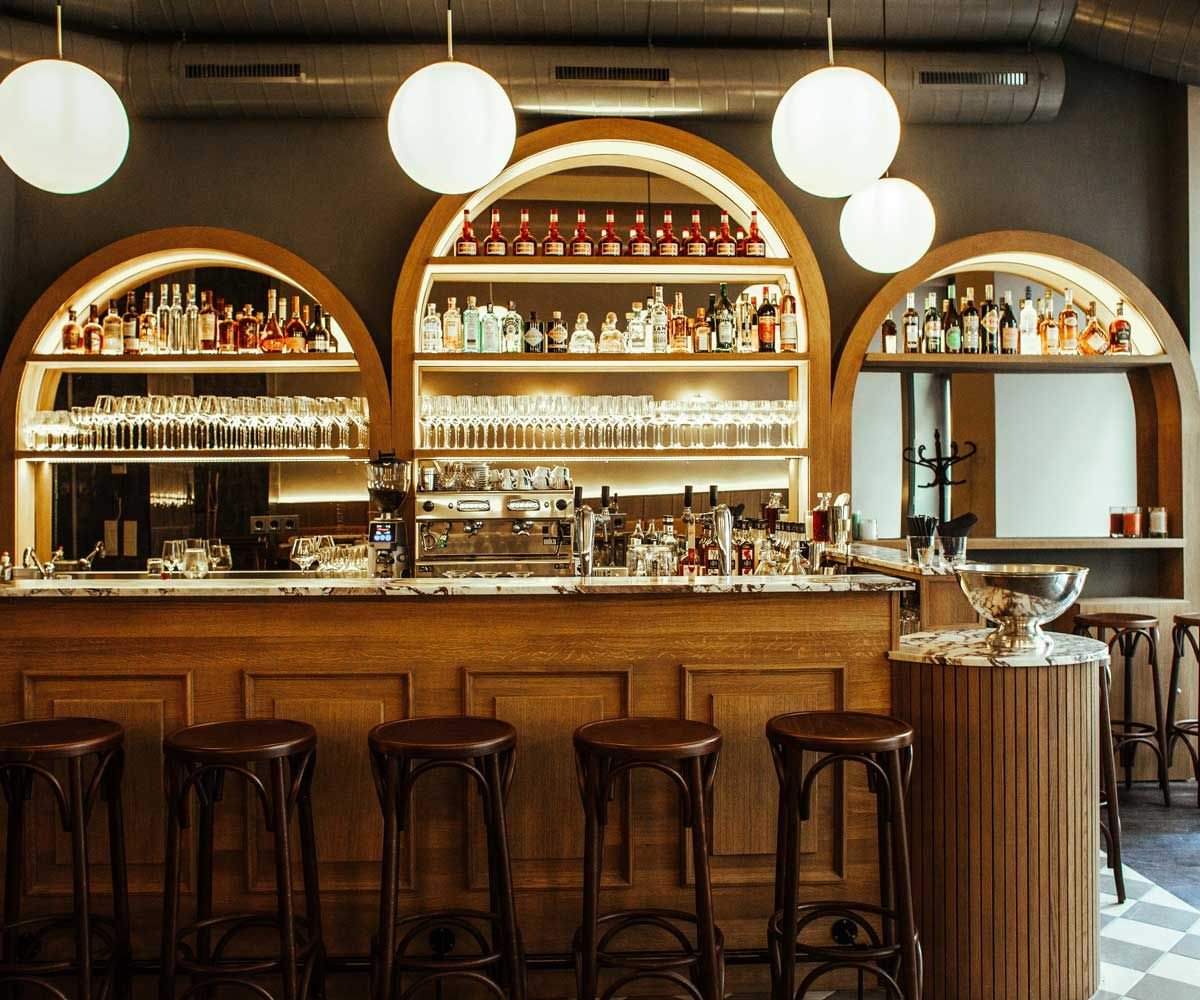
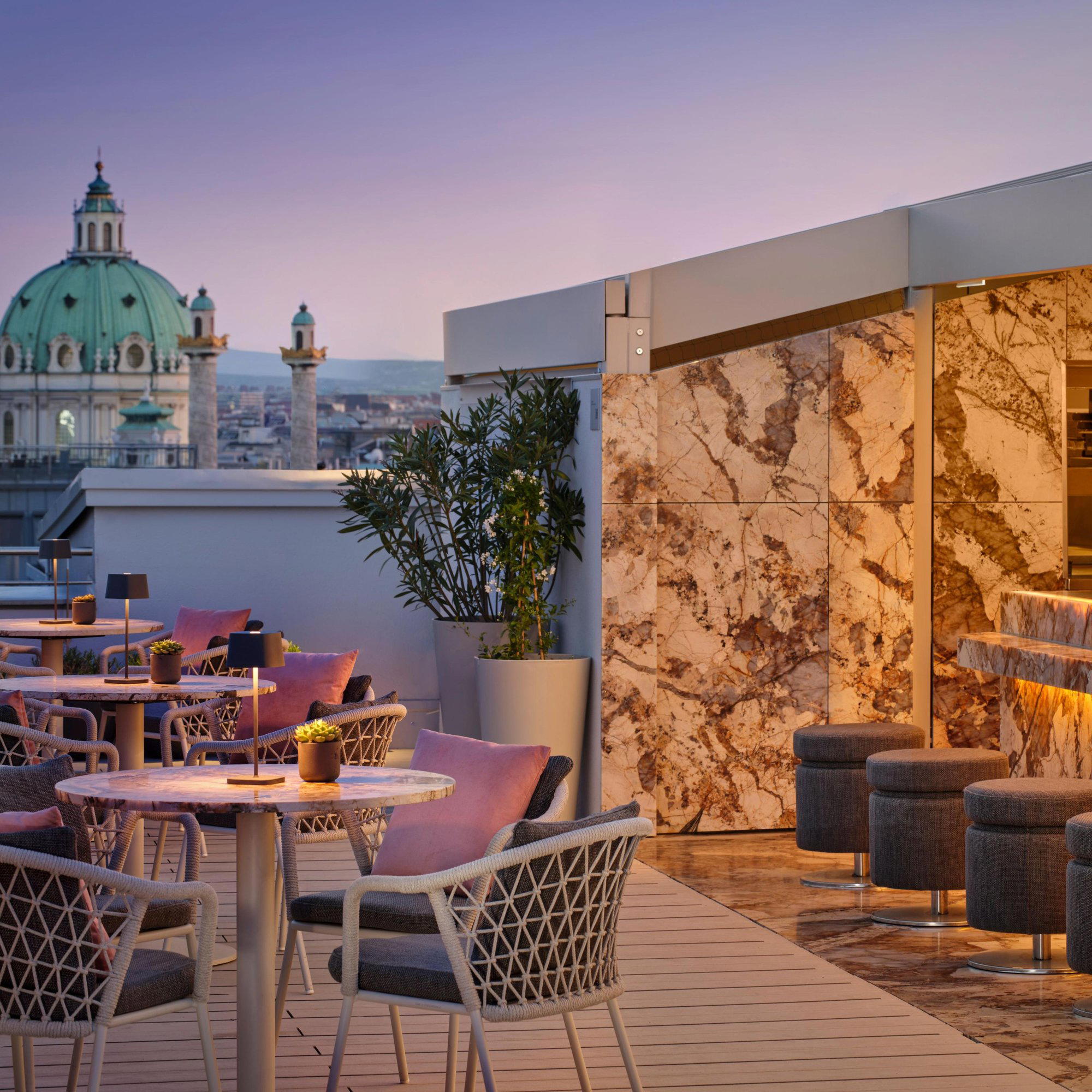
Hotels in Vienna
Browse all →
At a Glance
- Lively
- Trendy
- Casual Hangout
- Historic Building
- Extensive Wine List
- Street Scene
Current opening hours
- Monday
- Closed
- Tuesday
- 9 AM–6 PM
- Wednesday
- 9 AM–6 PM
- Thursday
- 9 AM–6 PM
- Friday
- 9 AM–6 PM
- Saturday
- 8 AM–4 PM
- Sunday
- Closed
Hours can change for holidays and private events. Last verified .
Lively market atmosphere with focus on high-quality deli products.