Weingut Stadlmann

Falstaff Winery - 4 Stars
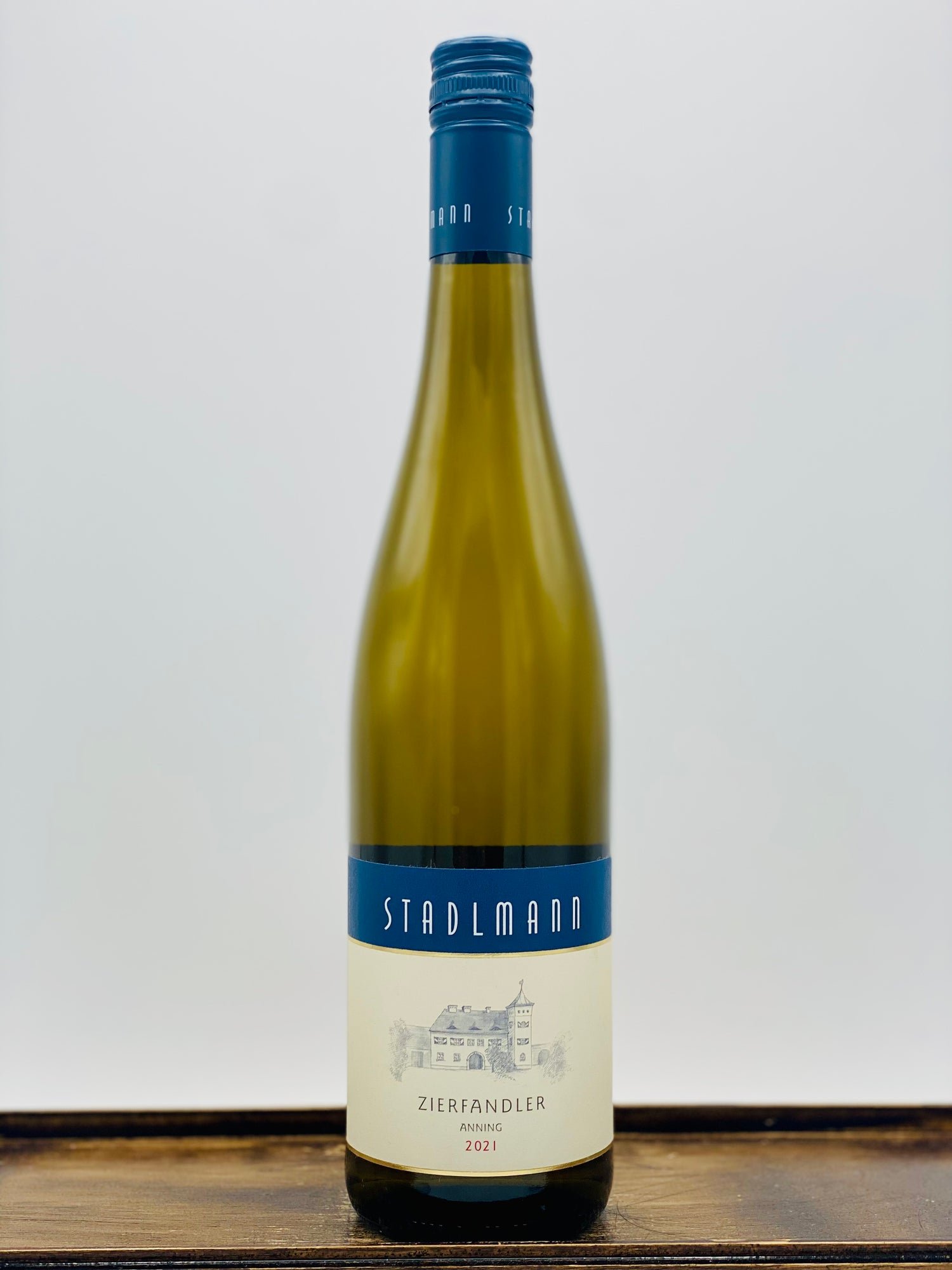
Weingut Stadlmann is a Traiskirchen winery. Located on Wiener Strasse in the Thermenregion, the estate sits within a wine corridor that has historically anchored itself around Zierfandler and Rotgipfler, two grape varieties found almost nowhere else in the world.

Pearl is the En Primeur Club membership app — saves, bookings, and concierge access live there. Same editors, same standards.
- Address
- Wr. Str. 41, 2514 Traiskirchen
- Phone
- +43 2252 52343
- Website
- stadlmann-wein.at
- Directions
- Get directions
Where Thermenregion Wine Has Always Been Made
The road south from Vienna into the Thermenregion passes through a chain of towns whose wine-producing histories predate modern appellations by centuries. Traiskirchen sits within that corridor, and the address at Wiener Strasse 41 marks a working winery rather than a visitor showcase. This is the kind of address you find by knowing where to look, not by following tourist signage. The physical approach is prosaic in the way that serious Austrian wine estates often are: functional architecture, a working yard, a building that makes no architectural argument for itself. The statement, here, is made in the bottle.
That kind of recognition, within a country whose wine culture has spent four decades rebuilding institutional credibility after the 1985 scandal, carries more weight than a single award cycle might suggest. Austrian wine quality infrastructure, from DAC classifications to independent critical recognition, is among the most systematically rigorous in the world. A 2 Star Prestige at Pearl level is a position earned inside that system, not bestowed outside it.
The Thermenregion and Its Grape Argument
To understand what Weingut Stadlmann is producing, you need to understand what the Thermenregion argues about Austrian wine. The region sits at the southern edge of the Vienna Woods, where geothermal springs give the zone its name and a combination of Pannonian warmth and Alpine cooling creates conditions suited to grape varieties that struggle to ripen further north. Two varieties define the region's identity more than any others: Zierfandler and Rotgipfler. Both are indigenous to this specific zone, grown in meaningful quantities almost exclusively here, and capable of producing wines with weight, longevity, and an aromatic complexity that sits outside the reference points most wine drinkers carry for Austrian whites.
Zierfandler tends toward higher acidity and a certain floral precision; Rotgipfler is broader, more phenolic, with a texture that can resemble Pinot Gris at full ripeness. Blended together, they produce a style that has no direct analogue in other European regions. That comparative isolation means Thermenregion producers work without a widely understood international benchmark to lean on, which places additional weight on the individual producer's ability to articulate what their wine is and who it's for. For a broader picture of Austrian wine producers operating at this level, the Traiskirchen guide maps the region's key addresses.
Stadlmann in Its Competitive Set
The Thermenregion does not dominate the conversation about Austrian fine wine the way Wachau or Kamptal do. Producers from those regions, including Weingut Emmerich Knoll in Dürnstein and Weingut Bründlmayer in Langenlois, operate within better-established international reference points, with Grüner Veltliner and Riesling as their calling cards. The Thermenregion requires more explanation, and that translates directly into a steeper curve for building export recognition.
What this means in practice is that Stadlmann, like its Thermenregion peers, occupies a dual position: regionally significant within Austria, less legible to buyers who haven't specifically sought out the zone's indigenous varieties. Neighbour and peer Weingut Alphart, also based in Traiskirchen, works within the same regional logic. Further south, Weingut Heinrich Hartl in Oberwaltersdorf represents another point in the same cluster. That proximity matters: Traiskirchen itself is not a single-estate story but a producing town with multiple addresses worth knowing, and Stadlmann's 2025 prestige recognition reflects well on the zone as a whole.
The contrast with Burgenland producers is instructive. Weingut Kracher in Illmitz and Weingut Pittnauer in Gols operate in a region whose wines, Trockenbeerenauslese from the former, natural-leaning reds and whites from the latter, have achieved cleaner international storylines. The Thermenregion's indigenous white varieties remain a harder sell globally, which makes domestic and export-focused recognition events like Pearl all the more important as positioning tools for producers of Stadlmann's calibre.
A Philosophy Expressed Through Place
Austrian wine at the serious end of the market has, over the past thirty years, committed increasingly to terroir articulation over varietal simplification. The DAC system, despite its ongoing revision, represents a deliberate attempt to tie wine identity to specific geography.
That is not a marketing claim. It is a structural fact about Zierfandler and Rotgipfler. These varieties do not appear in significant plantings outside the Thermenregion, which means the winemaking tradition around them is local by necessity. Producers who have spent generations working these grapes carry accumulated knowledge about their behaviour across vintages, their ripening patterns, their response to different site aspects, that cannot be imported from other Austrian or European winemaking schools.
For context on how other serious Austrian producers approach regional identity through winemaking philosophy, Weingut Wohlmuth in Kitzeck offers an instructive Styrian parallel, while operations at a different scale, like Weingut Scheiblhofer Distillery in Andau, show how some Austrian producers have expanded their production logic beyond wine entirely.
Planning a Visit
Traiskirchen sits roughly 25 kilometres south of Vienna's centre, accessible by S-Bahn from the city. The estate address at Wr. Str. 41, 2514 Traiskirchen is a working winery address; visiting arrangements, tasting hours, and any cellar door schedule should be confirmed directly with the estate in advance, as smaller Austrian producers in this tier typically operate appointment-based visits rather than open-door tastings. Confirm specific pricing, tasting formats, and booking windows directly with the estate, as these details can shift across seasons and harvest cycles.
If you are building a broader Niederösterreich or Lower Austrian wine itinerary, Traiskirchen sits within reasonable distance of the Wachau and Kamptal, making it a logical southern anchor to a trip that might include visits to producers like Emmerich Knoll or Bründlmayer to the north. For those approaching from Vienna with an interest in the full range of Austrian spirits and fermented-drink culture, the city's own production scene, anchored by addresses like 1516 Brewing Company Distillery in Vienna, adds further depth to the itinerary. Further afield, distillery-focused stops at 1310 Spirit of the Country Distillery in Sierning, 1404 Manufacturing Distillery in Sankt Peter-Freienstein, and A. Batch Distillery in Bergheim extend the Austrian drinks geography considerably. For those whose reference points extend to Scotland and California, Aberlour in Aberlour and Accendo Cellars in St. Helena offer useful international contrast points when assessing what terroir-driven production looks like across different wine and spirit traditions.
How Weingut Stadlmann Traiskirchen compares with similar nearby venues.
| Venue | Awards |
|---|---|
| Weingut StadlmannThis venue — the venue you are viewing | Falstaff Winery - 4 Stars |
| Weingut Alphart | Falstaff Winery - 4 Stars |
Recognition history
Dated appearances from independent guides and award organizations, with the underlying list record or original source where available.
Falstaff Winery - 4 Stars
Falstaff
Continue exploring
More in Traiskirchen
Wineries in Traiskirchen
Browse all →
Bars in Traiskirchen
Browse all →
Restaurants in Traiskirchen
Browse all →![[aend] restaurant in Vienna](https://cdn.enprimeurclub.com/storage/v1/object/public/images/locations/recsVyRkMfzCxPmp0/hero2.jpg?width=3840&quality=75)
Details
- Classic
- Rustic
- Scenic
- Wine Education
- Solo Exploration
- Special Occasion
- Vineyard Tour
- Estate Grounds
- Historic Building
- Organic
- Vineyard
- Mountain
- Rotgipfler
- Zierfandler
- Grüner Veltliner
- Weißburgunder
- Pinot Noir
- Still White
- Cave Tasting
- Private Tasting
- German
Traditional and serene with focus on terroir-driven wines aged in large neutral oak, evoking rustic elegance amid limestone hillside vineyards.