Hotel Montefiore occupies a restored early-twentieth-century building on one of Tel Aviv's quieter residential streets, a short walk from the Carmel Market and Rothschild Boulevard. The property operates at a scale that allows personalised, attentive service, and its ground-floor restaurant draws a local following independent of the hotel itself. The address suits visitors whose priority is neighbourhood immersion in the White City over seafront amenities.
 Discover on Pearl
Pearl is the En Primeur Club membership app — saves, bookings, and concierge access live there. Same editors, same standards.
- Address
- Montefiore St 36, Tel Aviv-Yafo, Israel
- Phone
- +972 3 564 6100
- Website
- hotelmontefiore.co.il
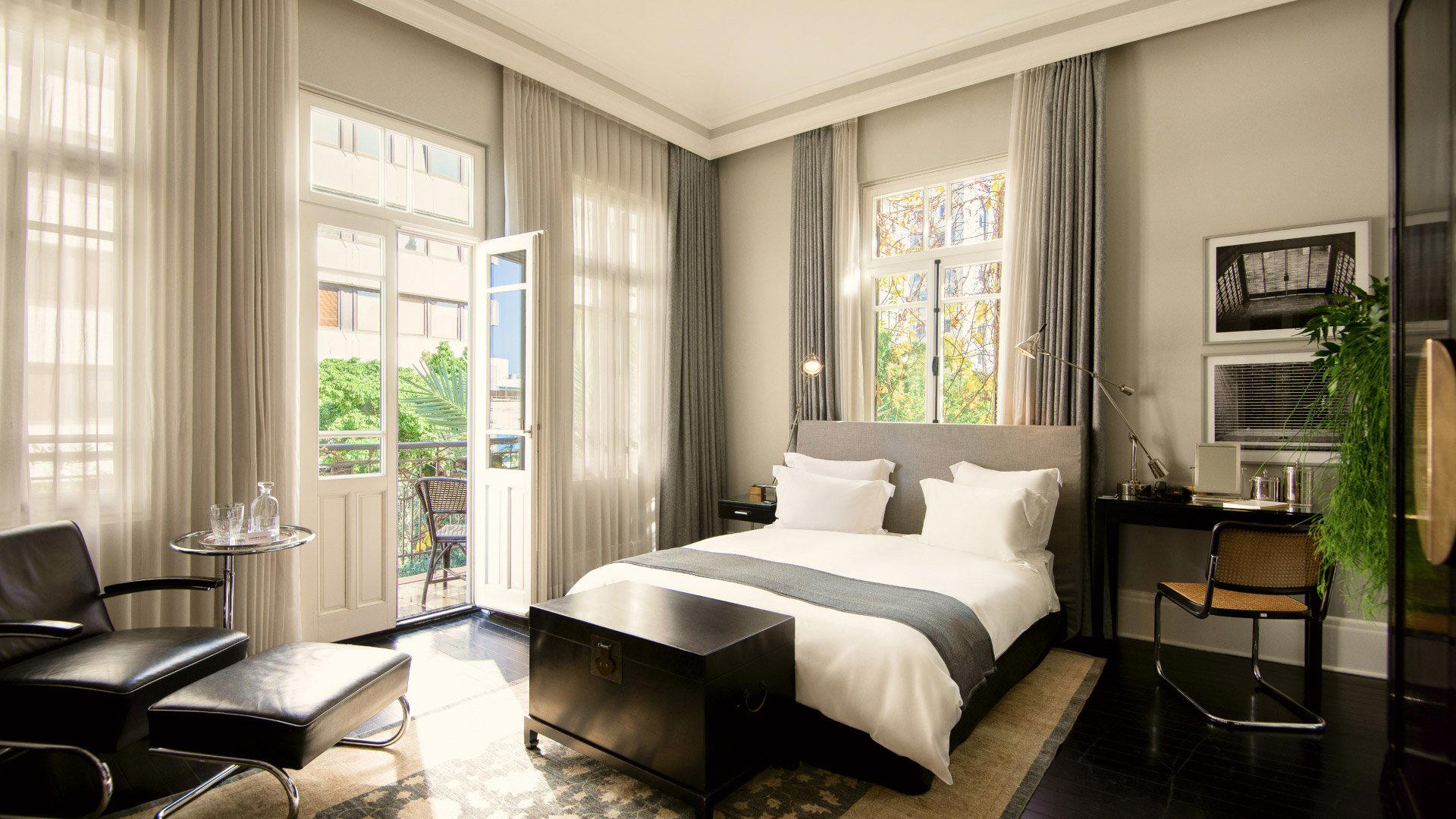
A Street That Resists the Crowd
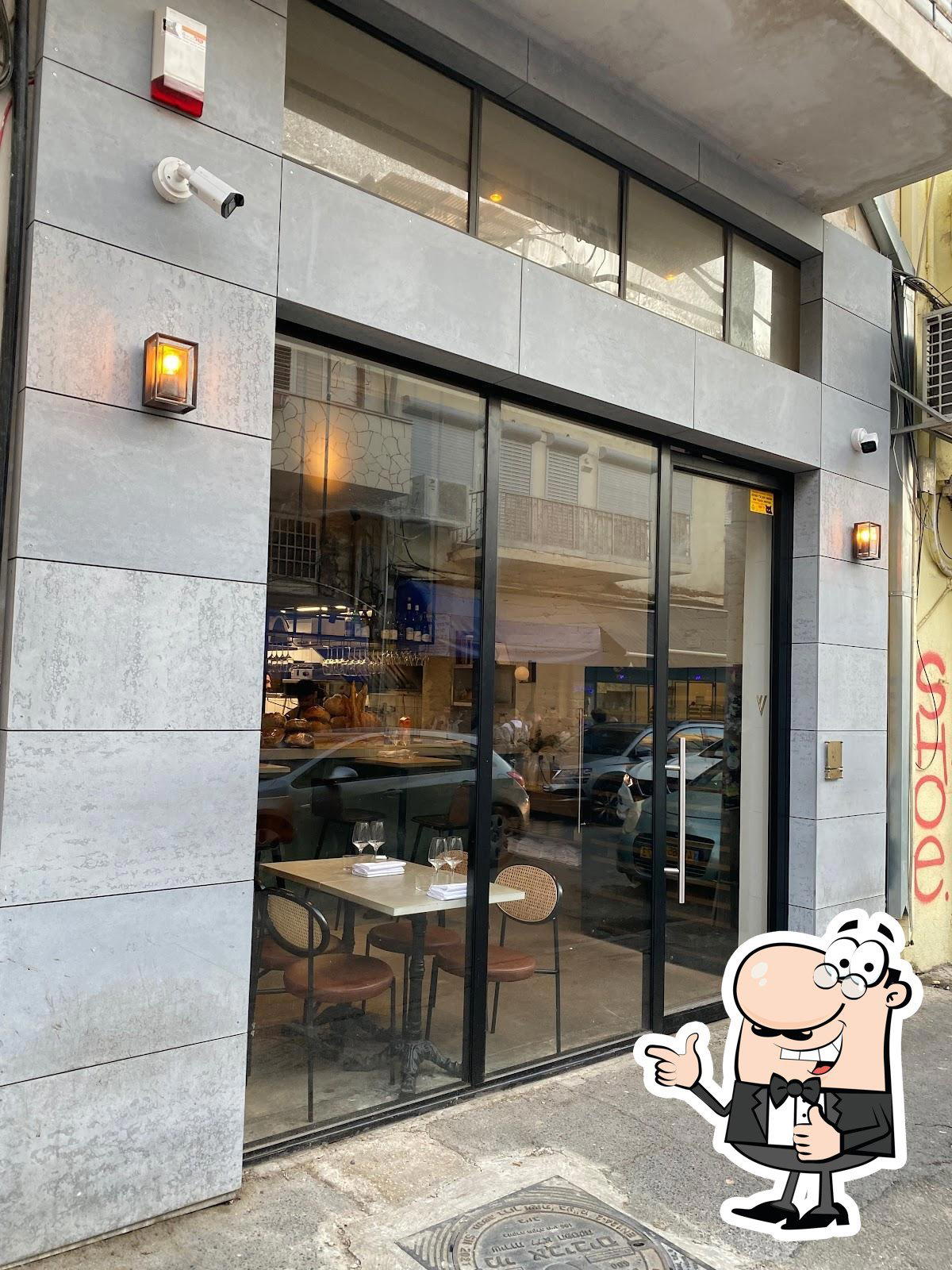
Montefiore Street sits in the southern fringe of central Tel Aviv, a few minutes' walk from the Carmel Market and the cafes of Rothschild Boulevard, but with a residential quietness that keeps it from feeling like either. The neighbourhood is part of the White City grid, where Bauhaus buildings from the 1930s sit beside later Mandate-era townhouses, and the street-level rhythm is set by local regulars rather than tour groups. Hotel Montefiore, at number 36, is a 3-star hotel in Tel Aviv-Yafo with 12 rooms, and it fits that register. The building presents itself calmly to the street, a restored early-twentieth-century house that reads as belonging rather than announced.
Arriving here is an exercise in deliberate contrast to Tel Aviv's larger hotel corridors. Where properties along the seafront or around Dizengoff Square position themselves through scale, Hotel Montefiore operates through restraint and proximity to the neighbourhood's own texture. That positioning places it in a small cohort of Tel Aviv addresses where the building's history and the surrounding street life constitute most of the offer.
The Guest Experience and Why It Differs Here
Boutique hotels in Tel Aviv have split into two broad camps over the past decade. One camp optimises for social spaces, rooftop bars, and lobby energy, as seen at properties like Brown TLV Urban Hotel and, in a higher tier, Alma Hotel. The other camp, smaller and more deliberate, focuses on the quality of individual rooms and the attentiveness of a reduced staff-to-guest ratio. Hotel Montefiore operates in the second category. With a limited room count typical of converted historic houses in this part of the city, the guest-to-staff ratio enables a level of personalisation that larger Tel Aviv properties cannot structurally replicate.
Service at this scale operates differently from hotels with triple-digit room counts. There is no lobby theatre, no concierge desk managing dozens of simultaneous requests. Instead, the staff's knowledge of returning guests, of individual preferences, of the neighbourhood's current dining and cultural offers, becomes the product itself. That kind of anticipatory service, knowing what a guest needs before they articulate it, is both the defining feature of this hotel tier and its most difficult quality to manufacture at scale. It is worth comparing this to what The Norman Tel Aviv achieves with its own heritage-building positioning, or what The Drisco Tel Aviv brings to the city's northern residential quarters. Each property represents a different approach to intimacy and historic fabric, and Hotel Montefiore answers the question at a different neighbourhood pitch.
Location as a Practical Asset
The Montefiore Street address functions well for a specific kind of Tel Aviv visit. Guests who want to spend mornings at the Carmel Market, afternoons in the galleries and cafes of Neve Tzedek, and evenings across the concentration of restaurants and bars on Rothschild and Allenby can reach most of that without a taxi. For those preferring the seafront promenade, the walk south reaches the beach in under fifteen minutes on foot.
By comparison, Tel Aviv's large-format hotels cluster in two different zones. The seafront corridor from the Carlton north to Dan Tel Aviv and David InterContinental Tel Aviv prioritises beach access and Hilton Beach proximity. The business district properties, including The David Kempinski Tel Aviv, serve corporate programming and conference access. Hotel Montefiore's location answers a different brief: cultural proximity, neighbourhood immersion, and walkable access to the city's historic southern core. For those extending their Israel trip, properties like The Jaffa Hotel, Tel Aviv offer a comparative experience of historic fabric further south, with the converted Crusader-era hospital providing its own distinct register of place.
The Restaurant as a Separate Attraction
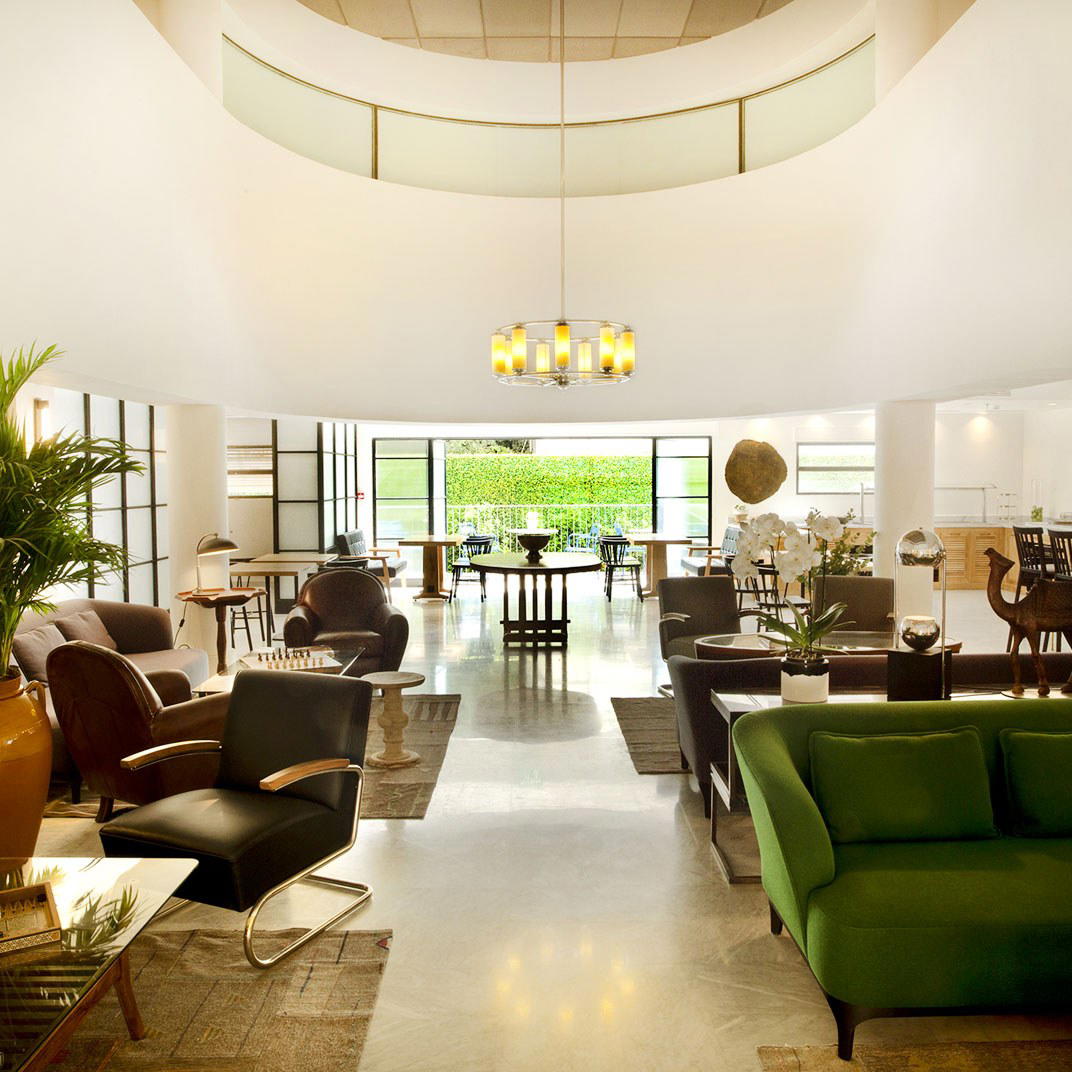
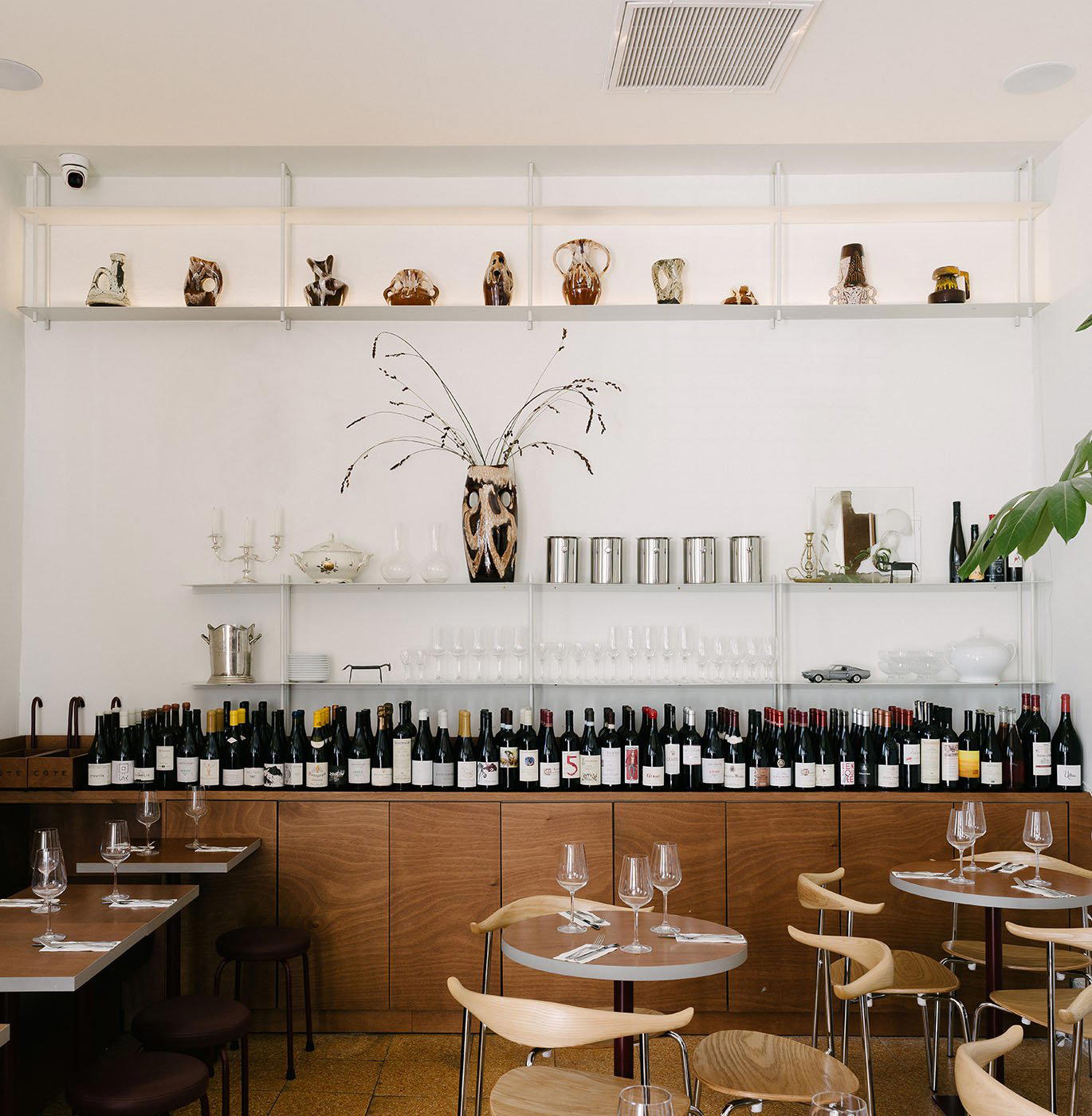
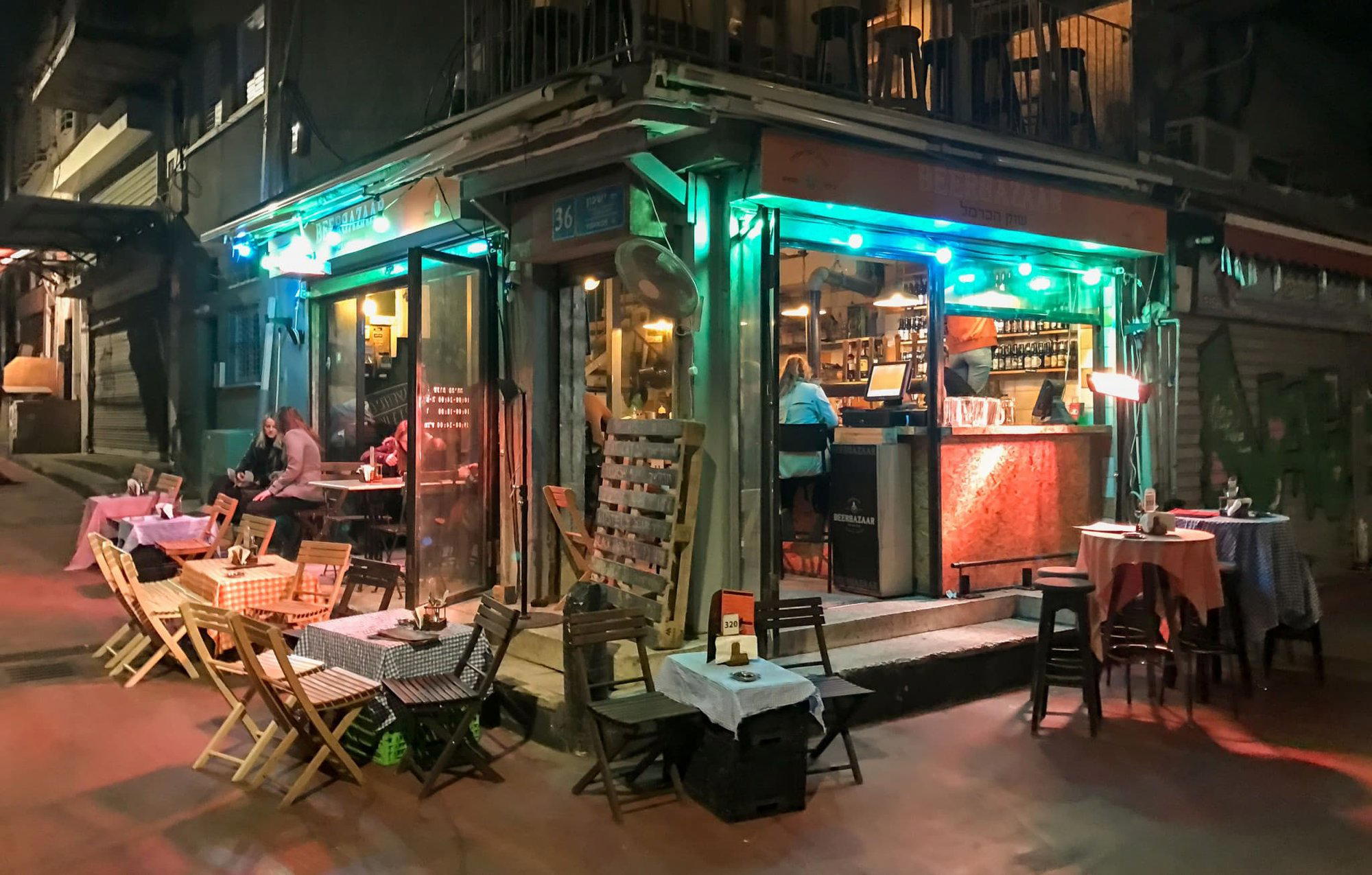
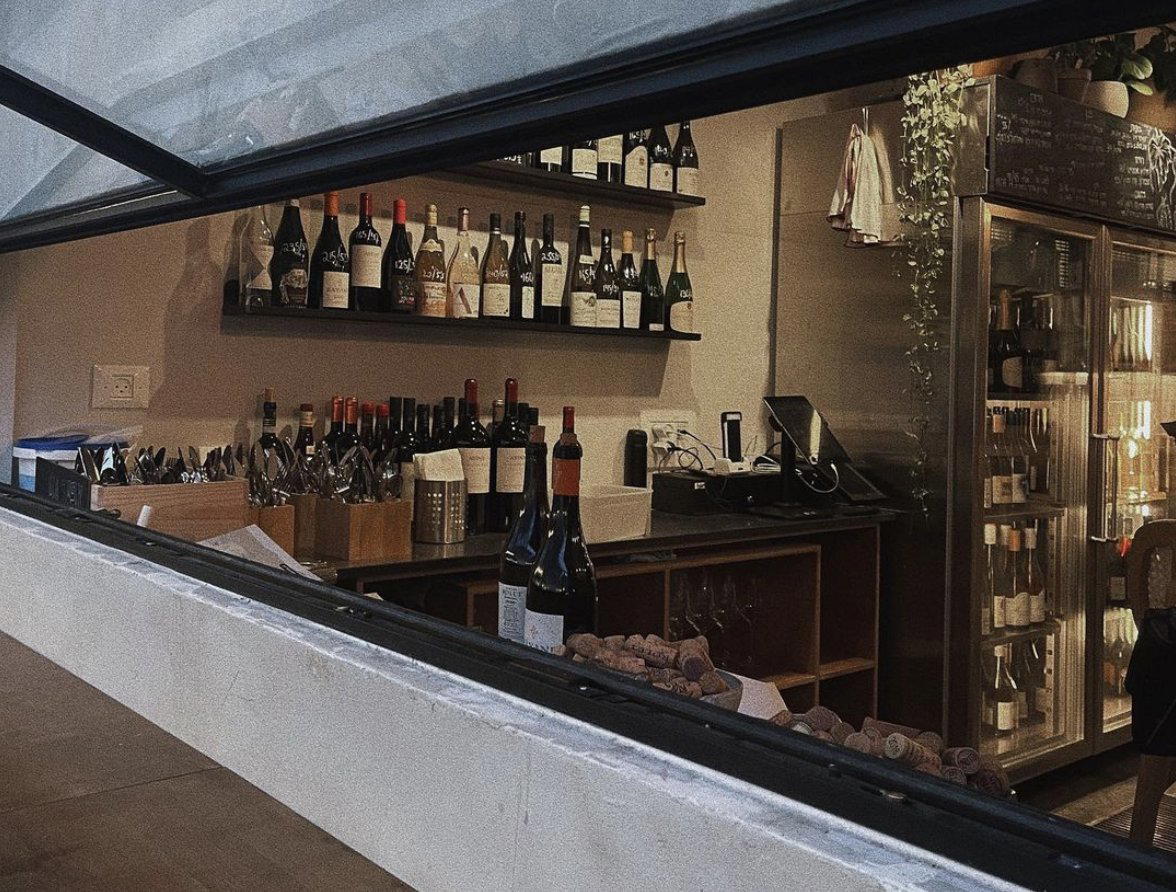
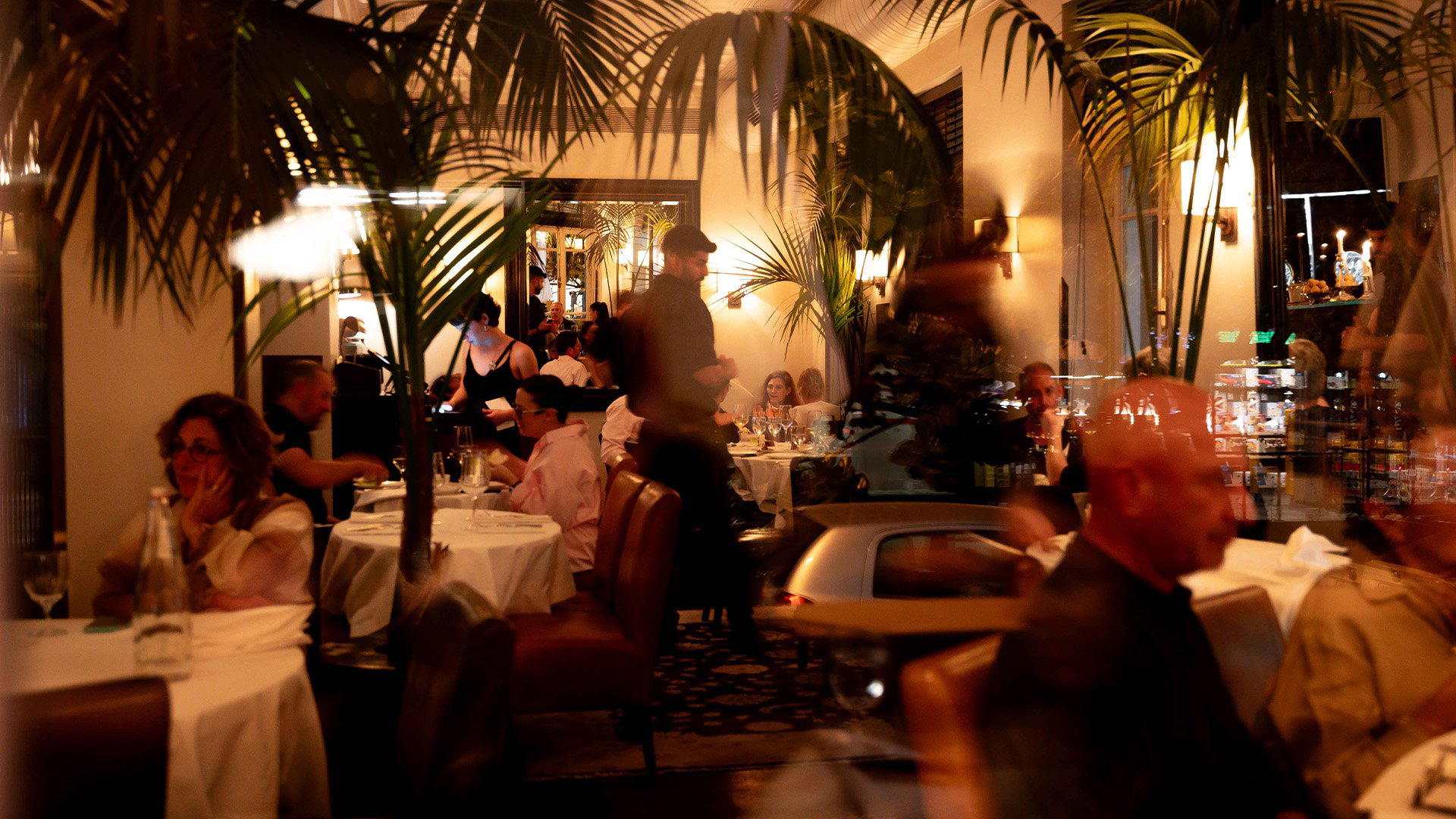
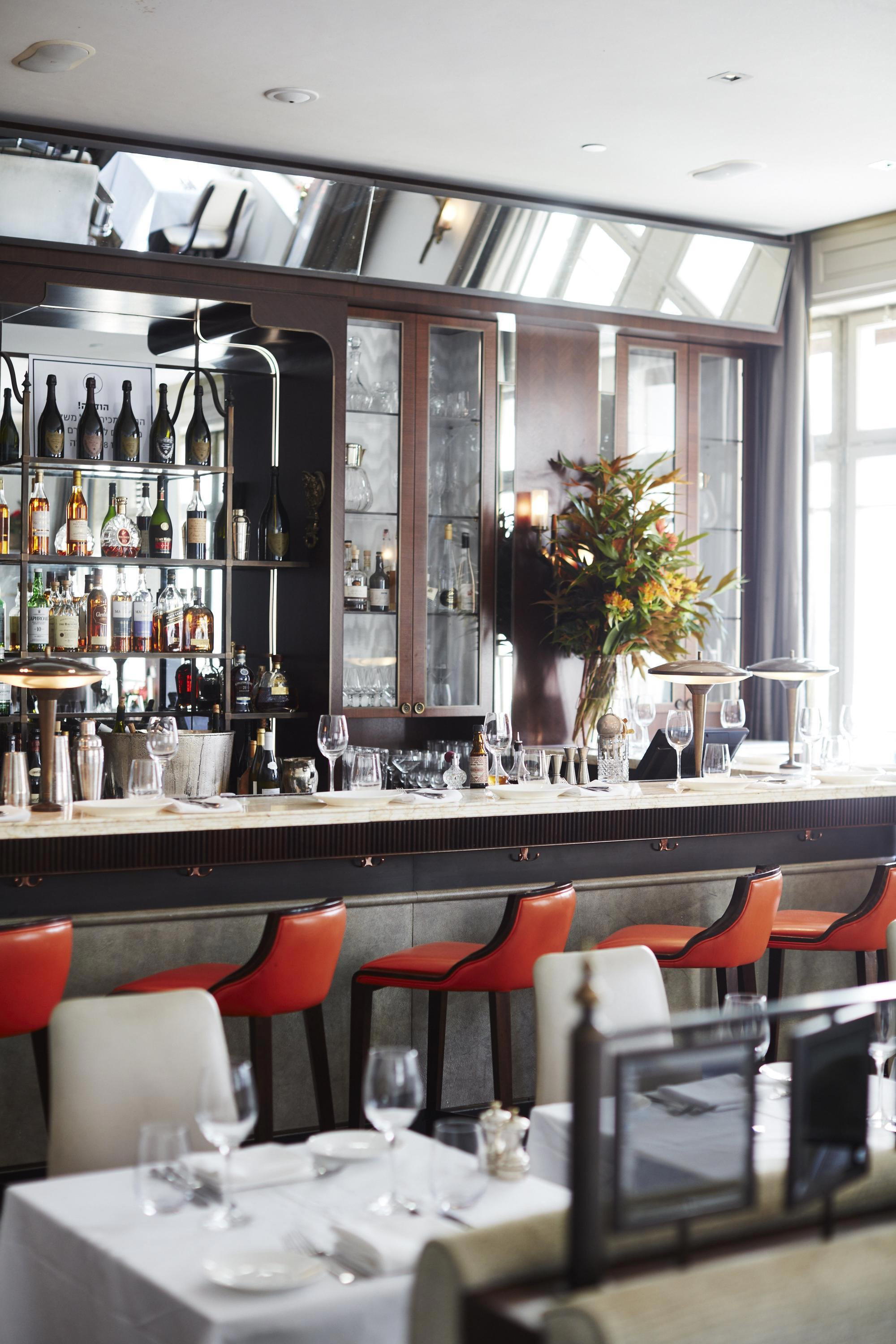
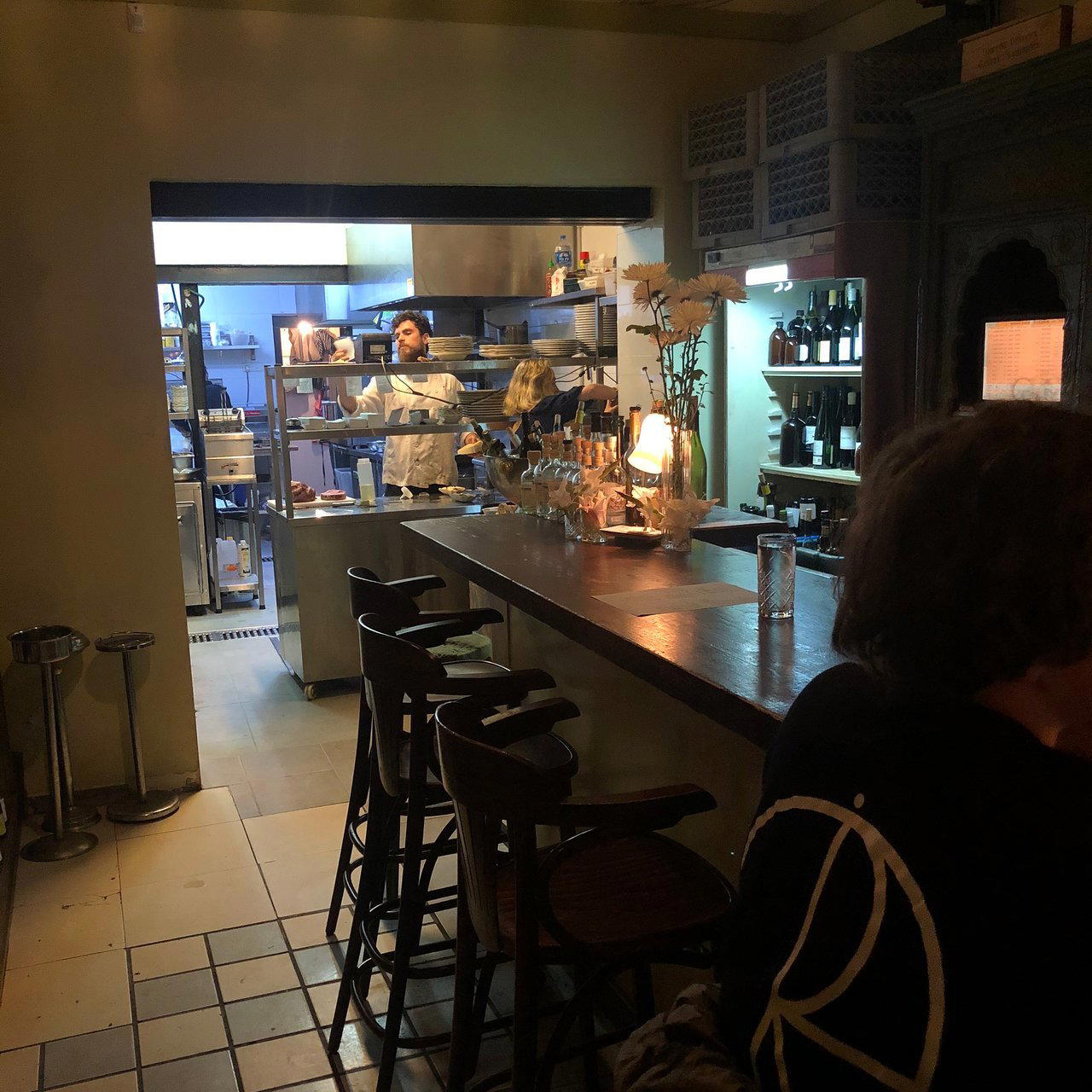
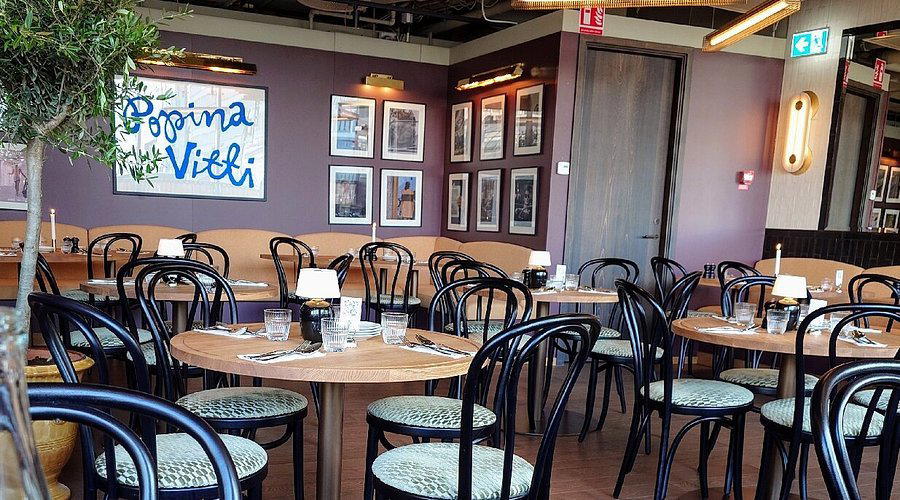
Hotels of this category in Tel Aviv rarely carry restaurants that draw guests from outside the building. The Hotel Montefiore restaurant is understood locally as a destination in its own right, which changes the character of the ground-floor space. The all-day format, moving from breakfast through lunch to dinner and drinks, makes the restaurant a meeting point for the surrounding neighbourhood rather than an amenity serving overnight guests. This dual function, hotel dining room and local gathering point, is more common in European boutique hotels than in Tel Aviv's lodging sector, and its presence here is part of what distinguishes Hotel Montefiore from converted-building properties that treat food and drink as secondary.
Where It Sits in the Israel Hotel Conversation
Israel's premium hotel circuit has broadened significantly beyond Tel Aviv and Jerusalem. Properties like Beresheet Hotel in Beersheba, Beresheet in Mizpe Ramon, and Six Senses Shaharut in Shaharut have pushed design-led, landscape-anchored hospitality into the Negev desert. Further north, The Efendi Hotel in Acre occupies its own historic-building niche in a very different urban context. In Jerusalem, David Citadel Hotel represents the large-format approach to the capital's premium market. Elma Arts Complex Luxury Hotel in Hadera combines a cultural program with accommodation in a way that shares some DNA with Hotel Montefiore's dual hospitality-and-culture positioning.
Against that national spread, Hotel Montefiore holds a specific value as a Tel Aviv address where the building's history, the street's residential character, and the restaurant's local standing reinforce each other. It is not competing with the seafront giants for space and amenity count. Its competitive set is closer to a handful of similarly sized, historically grounded properties in European cities, where the attraction is legibility: understanding immediately what kind of place this is and who it is for.
Planning Your Stay
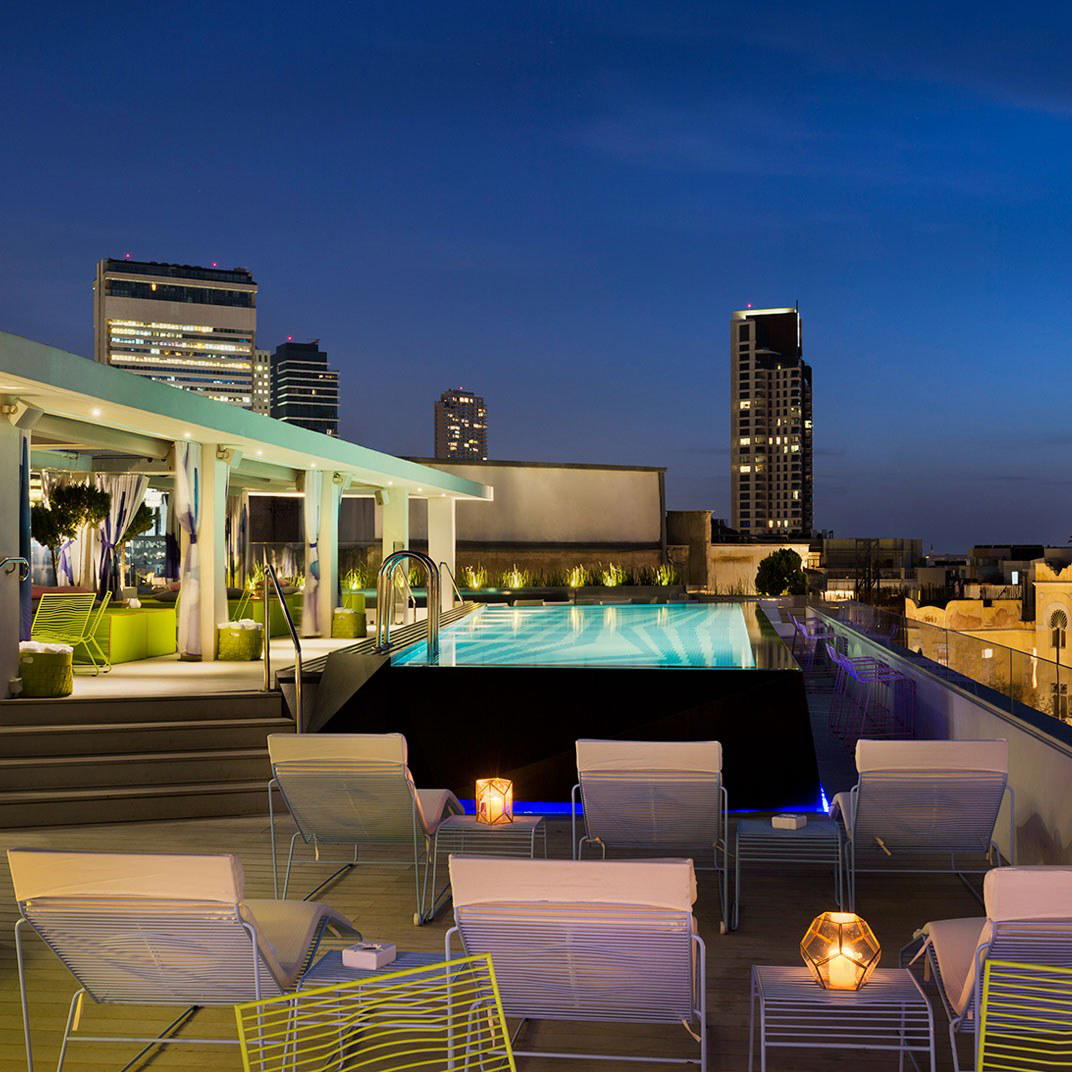
Hotel Montefiore suits visitors who want proximity to the White City's cultural points over beach access. The area around Montefiore Street is residential enough that guests looking for an active lobby scene or a hotel pool will find the property quiet by design.
Cuisine Lens
Comparable venues nearby, for context on price, style, and recognition.
| Venue | Cuisine | Price | Awards | Notes |
|---|---|---|---|---|
| Hotel MontefioreThis venue — the venue you are viewing | Restored historic Eclectic mansion blending intimacy of a guesthouse with luxury hotel service | $$$$ | 3-Star | |
| The Vera Hotel | Hyperlocal industrial-chic boutique in historic building blending raw textures with modern ease. | $$$$ | 4-Star | Newe Ẕedeq |
| Alma Hotel | Restored historic Bauhaus building with modern bohemian updates | $$$$ | 4-Star | Newe Sha'anan |
| The Norman Tel Aviv | Historic pre-Bauhaus residences restored with modern luxury amenities | $$$$ | 5 recognitions | Newe Sha'anan |
| The Jaffa Hotel, Tel Aviv | Heritage luxury boutique hotel blending restored 19th-century architecture with contemporary minimalist design; positioned as an urban resort in a historic neighborhood. | $$$$ | 5-Star | El Ajami |
| The Setai Tel Aviv | Historic luxury boutique in restored Ottoman buildings | $$$$ | 5-Star | Jaffa |
Continue exploring
More in Tel Aviv
Hotels in Tel Aviv
Browse all →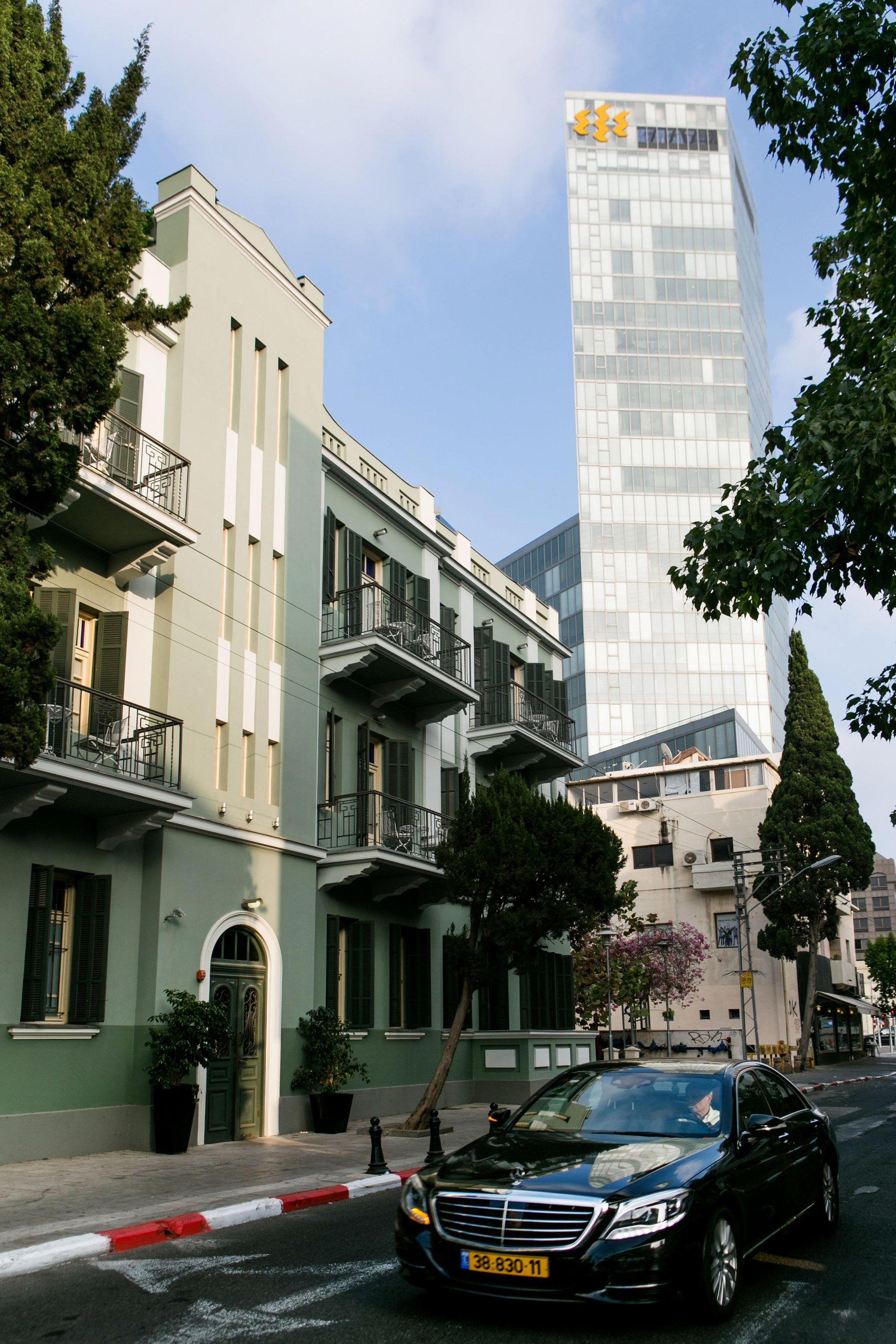

At a Glance
- Elegant
- Sophisticated
- Intimate
- Trendy
- Romantic Getaway
- Anniversary
- Weekend Escape
- Historic Building
- Design Destination
- Wifi
- Restaurant
- Concierge
- Room Service
- Street Scene
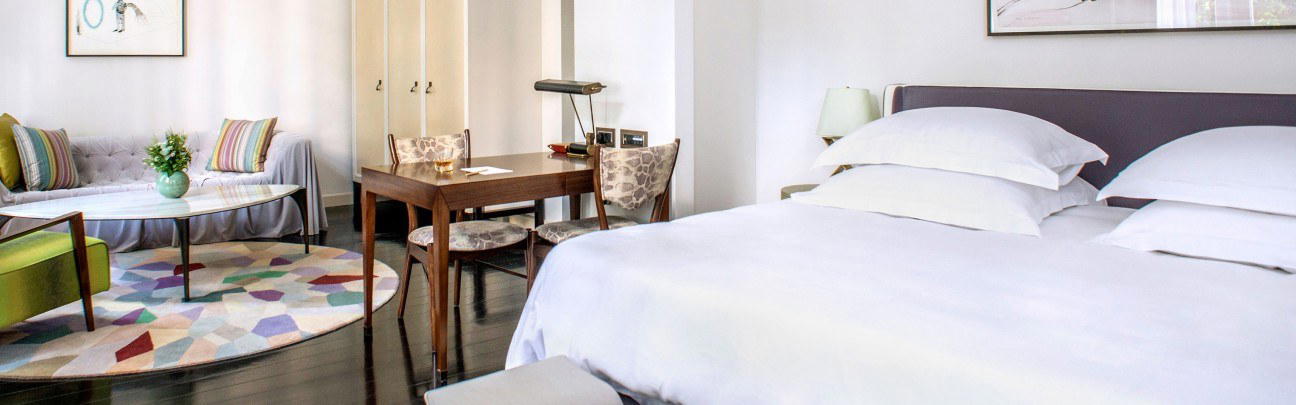
Elegant and charming with dark wood furnishings, contemporary art, and a lively yet refined atmosphere from the bustling restaurant and bar.