Haeundae Somunnan Amso Galbijip
Where Busan Comes to Eat Galbi The approach to Haeundae's older residential streets carries a particular kind of anticipation that has little to do with the beach resort crowds a few blocks away. Charcoal smoke thickens the air before you see...
 Discover on Pearl
Pearl is the En Primeur Club membership app — saves, bookings, and concierge access live there. Same editors, same standards.
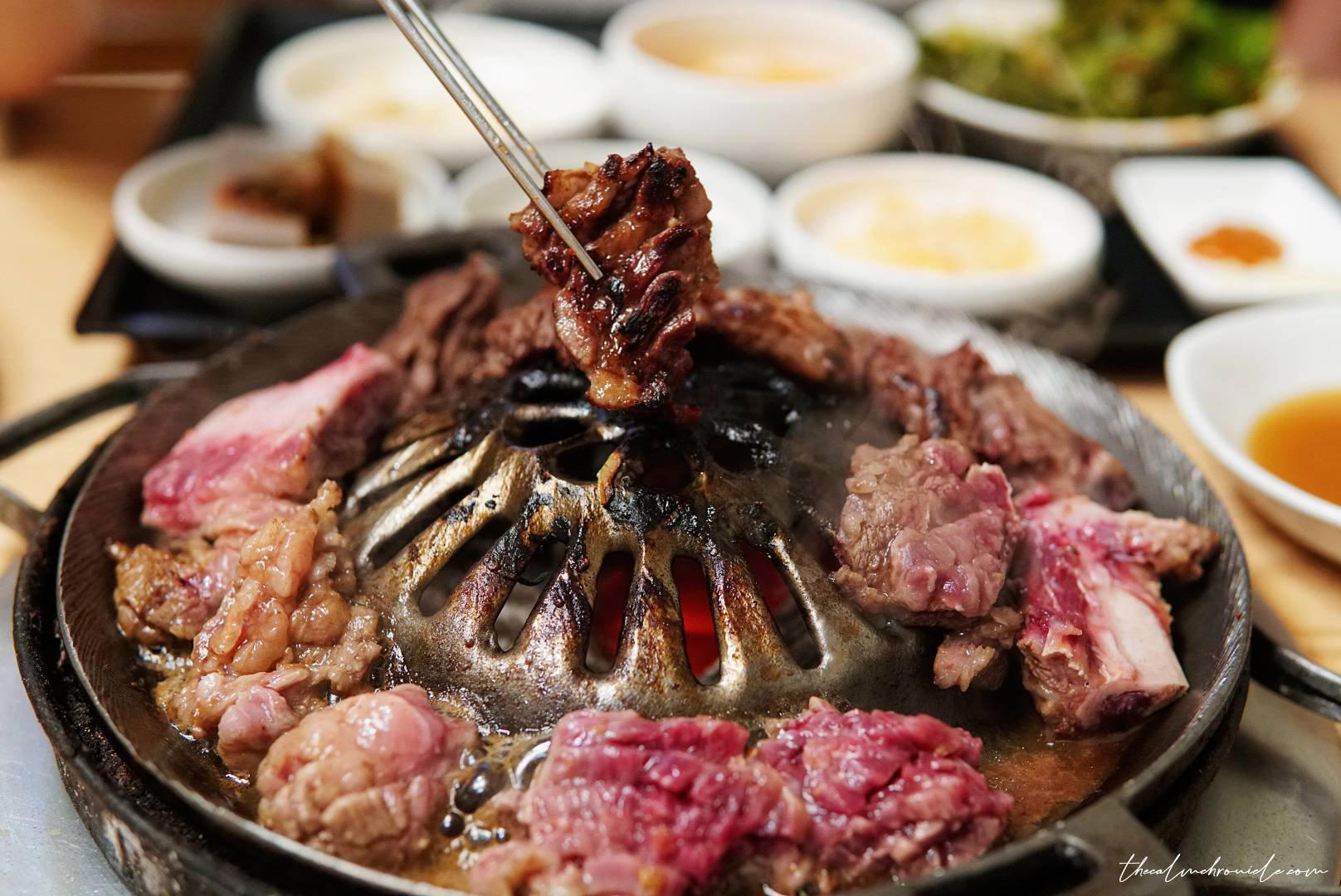
Where Busan Comes to Eat Galbi
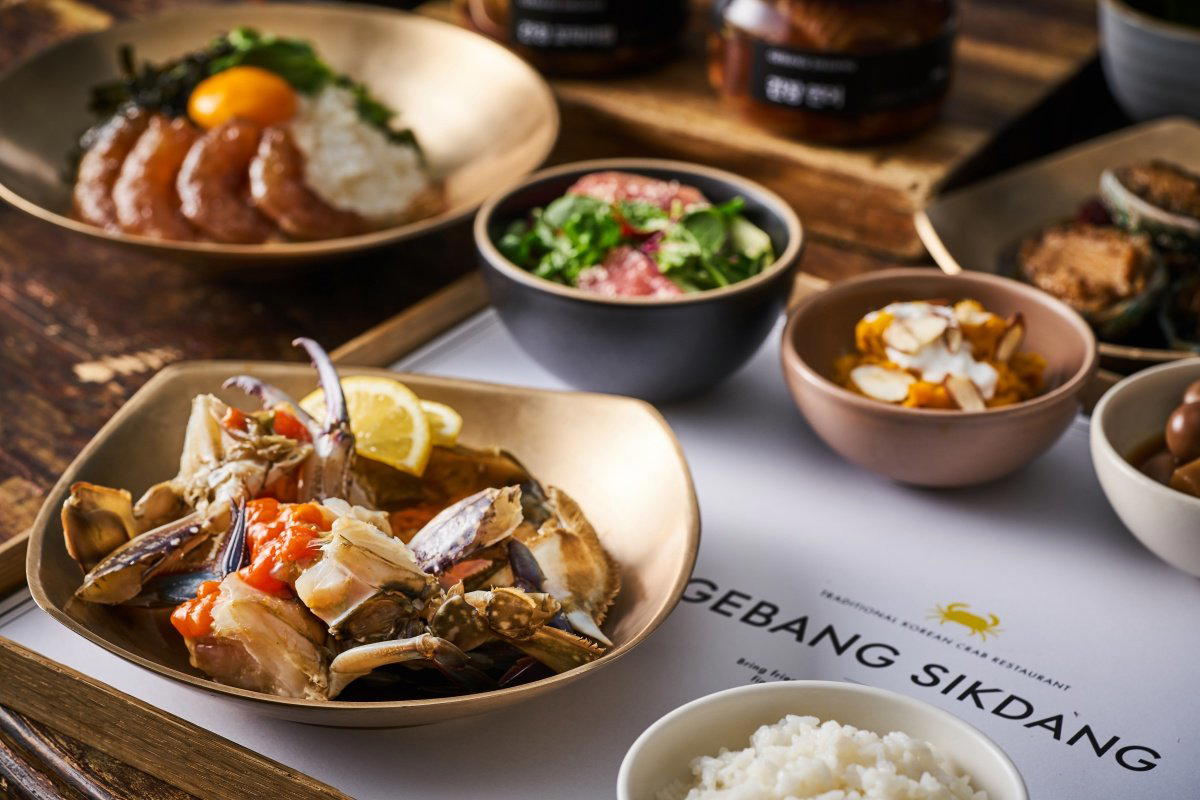
The approach to Haeundae's older residential streets carries a particular kind of anticipation that has little to do with the beach resort crowds a few blocks away. Charcoal smoke thickens the air before you see the sign. Tables are claimed early. The sounds are those of a working meal: tongs on grating, the low percussion of stone vessels, the efficient shorthand between regulars and floor staff. Haeundae Somunnan Amso Galbijip is a restaurant serving Traditional Korean Charcoal-Grilled Beef Ribs in Busan.
The Cultural Weight of Amso Galbi
Korean beef rib culture has a longer and more contested history than the grilled-at-table format suggests. Galbi, short ribs, typically cross-cut through the bone, occupies a ceremonial register in Korean food culture that stretches from ancestral rite tables to birthday feasts. The amso designation matters here: amso refers to female cattle, traditionally associated with a more marbled, finer-grained cut that commands different handling than the standard hanwoo rib preparation. In Busan specifically, the beef tradition runs parallel to the city's more famous pork and seafood identity, filling a more occasion-specific role. A galbi house that has sustained neighbourhood reputation across years is operating against a backdrop where that ceremonial weight carries genuine expectation.
The name itself, somunnan, meaning roughly "famous by word of mouth", signals a specific kind of local credibility. It is the designation of a place that has not needed to advertise because the neighbourhood has already done the work. Across South Korea, this category of restaurant operates with a logic closer to a trusted institution than a dining destination: the menu is short, the technique is fixed, and the reputation rests entirely on consistency of product. The contrast with the genre of attention-seeking contemporary Korean restaurant, represented nationally by places like Mingles in Seoul, could not be sharper. One format chases critical recognition; the other has long since earned local permanence.
Busan's BBQ Tier and Where This House Sits
Busan's grilled meat scene covers considerable range. At the accessible end, pork specialists and dwaeji-gukbap houses serve the city's everyday protein culture. At the opposite end, steakhouse formats like Born and Bred (₩₩₩₩) address premium beef in a Western-influenced framework. Haeundae Somunnan Amso Galbijip sits in the middle of this hierarchy but at the top of a specific subcategory: the traditional Korean beef rib house, where the product rather than the room carries the price point. This is not the format where tableside theatre and contemporary plating define the experience. The galbi is the experience.
Haeundae as a district adds a particular layer to this positioning. The area's dual identity, tourist resort and lived-in Busan neighbourhood, means that the most durable local restaurants operate with two audiences simultaneously: visitors drawn by reputation, and residents for whom the venue is part of the fabric of annual occasions. A galbi house that has survived long enough to be described as somunnan in this environment has threaded that needle effectively. 100.1.Pyeongnaeng through to contemporary tables such as Palate and the Japanese-influenced counter at Mori.
The Regional Galbi Conversation
The galbi tradition is not uniform across South Korea. Suwon is perhaps the most cited regional centre, with houses like Gobojeong Galbi #1 and Doosoogobang representing a Gyeonggi-style galbi culture with its own set of preparation conventions around cut thickness and marinade balance. Jeju's meat culture, visible at places like 88돼지 and the Black Pork BBQ specialists in Seogwipo, sits on a separate axis where the island's black pork dominates. Busan's version of beef rib culture is shaped by the port city's broader food pragmatism: less ceremonial elaboration, more directness. A long-running house in Haeundae is making its argument within that local framework rather than competing across regional styles.
For diners who have spent time with the Korean peninsula's other preserved food traditions, the buckwheat noodle houses of the northeast, the fermentation-centred temple cuisine of the mountain regions, the galbi house format may read as direct. It is not. The management of charcoal temperature, the timing of the cook relative to marination depth, and the calibration of banchan to balance rather than overshadow the main protein are each skills that take years to stabilise at a consistent level. That is the quiet argument of a place like this: the ordinariness of the format is the difficulty, not a concession to it. Counterparts in other Korean cuisines, from the noodle bowl tradition represented by 1969 Buwondong Kalguksu to Gyeongju's preserved grain culture at Gyeongju Wonjo Kongguk, follow the same logic: longevity as proof of execution.
Visiting Haeundae Somunnan Amso Galbijip
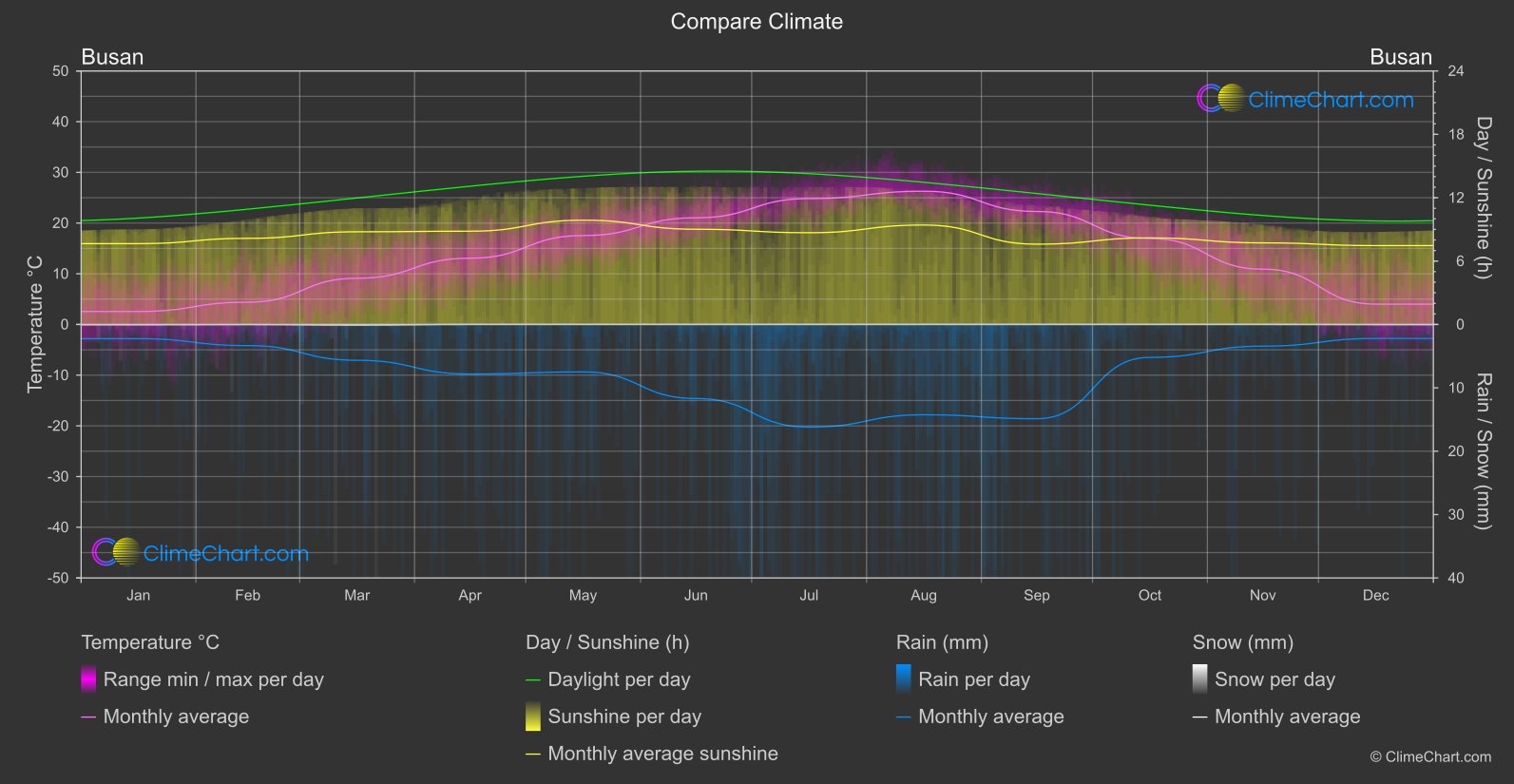
Haeundae Somunnan Amso Galbijip draws a local-heavy crowd for lunch and early dinner, with evening seatings filling quickly on weekends and during the summer months when Haeundae's visitor numbers peak. Arriving outside peak hours on weekdays offers the most comfortable experience. Given the venue's local-institution status rather than formal reservation infrastructure, walk-in is the conventional approach, though groups planning dinner on a Friday or Saturday evening should account for the possibility of a wait. For those exploring beyond the beef rib tradition, the contemporary side of Busan's dining scene is accessible at Dining Room, and Jeju's more resort-oriented dining context is covered by Badang Lounge and Hwangnam Bread and Busan Steamed Bun in Gyeongju for those extending their Korea itinerary south and east.
Booking and Cost Snapshot
Comparable venues nearby, for context on price, style, and recognition.
| Venue | Cuisine | Price | Awards | Notes |
|---|---|---|---|---|
| Haeundae Somunnan Amso GalbijipThis venue — the venue you are viewing | $$$$ | , | ||
| 굿모ëí콩 ì í¬ | $$$ | , | Jeonpo 2(i)-dong, Traditional Korean Haejangguk Specialist | |
| Dining Room (다이닝룸) | $$$$ | , | 해운대구 마린시티, Steak & Seafood Grill with Sushi | |
| Laemji | Millak-dong, Modern Korean Seafood | $$$ | , | |
| ì¬ë맨ì (Old Mansion) | $$ | , | Jeonpo 1(il)-dong, Traditional Korean Aged Meat BBQ | |
| íì°ì¥ | $$ | , | Choryang 1(il)-dong, Traditional Korean Pajeon |
At a Glance
- Classic
- Rustic
- Iconic
- Group Dining
- Casual Hangout
- Special Occasion
- Open Kitchen
- Historic Building
- Local Sourcing
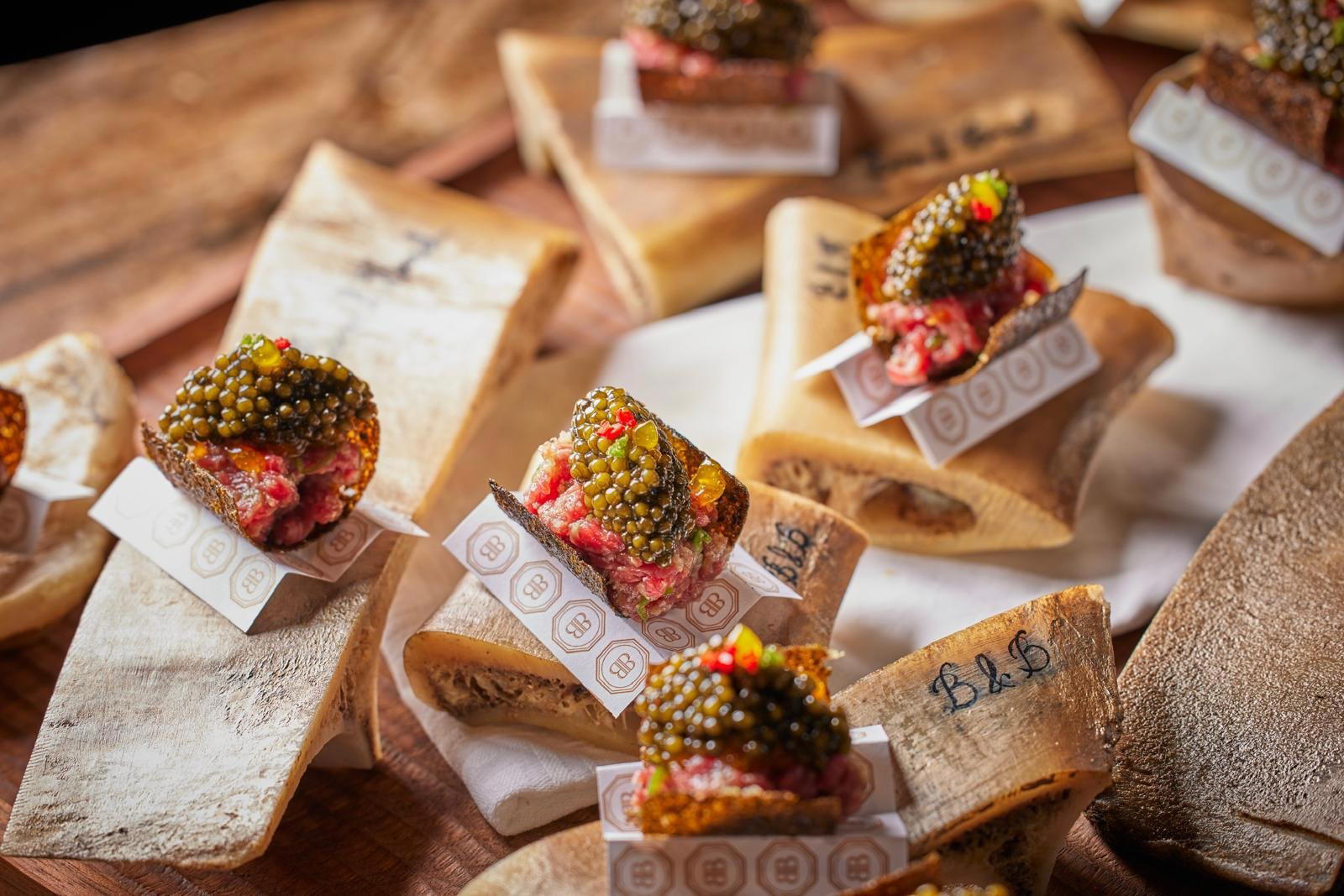
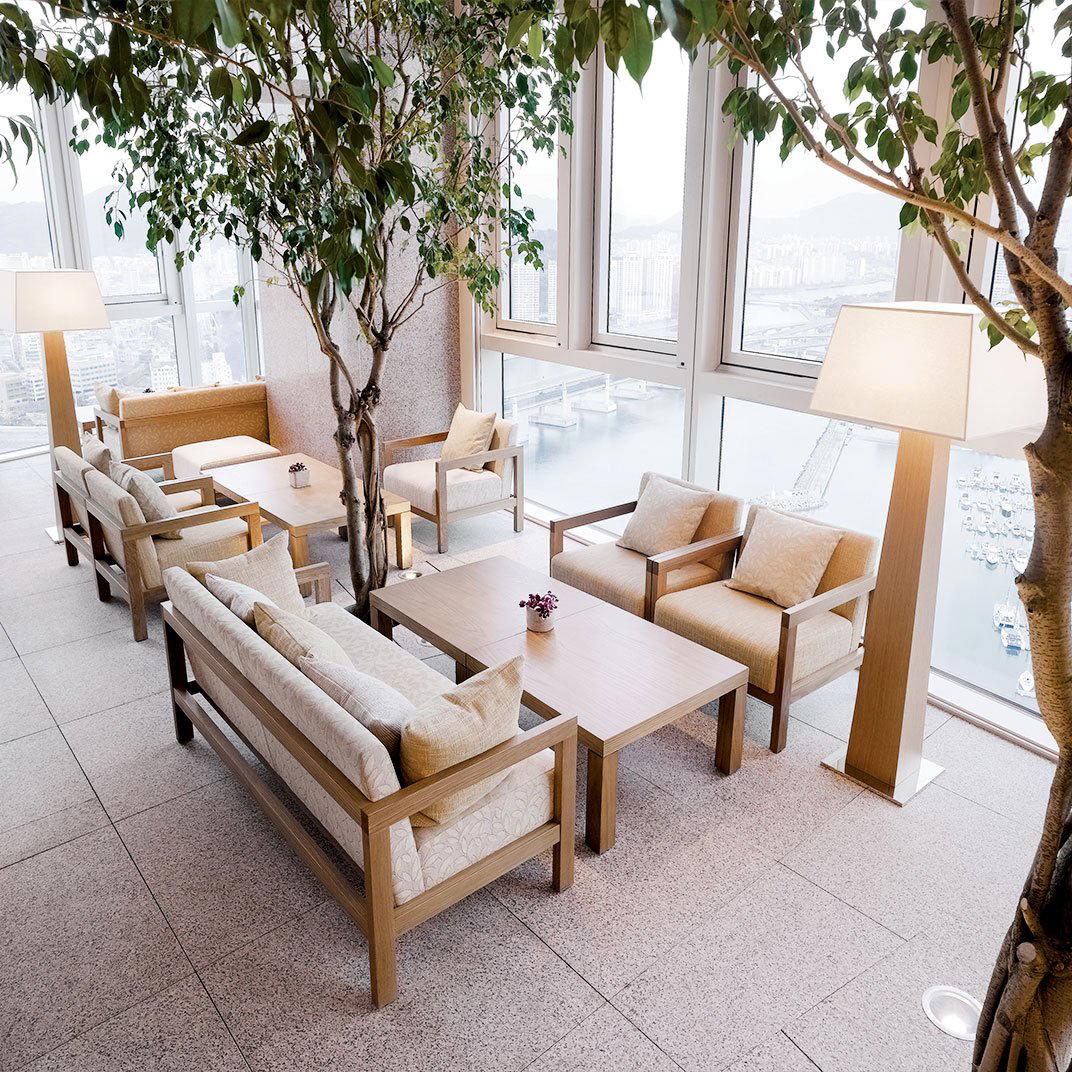
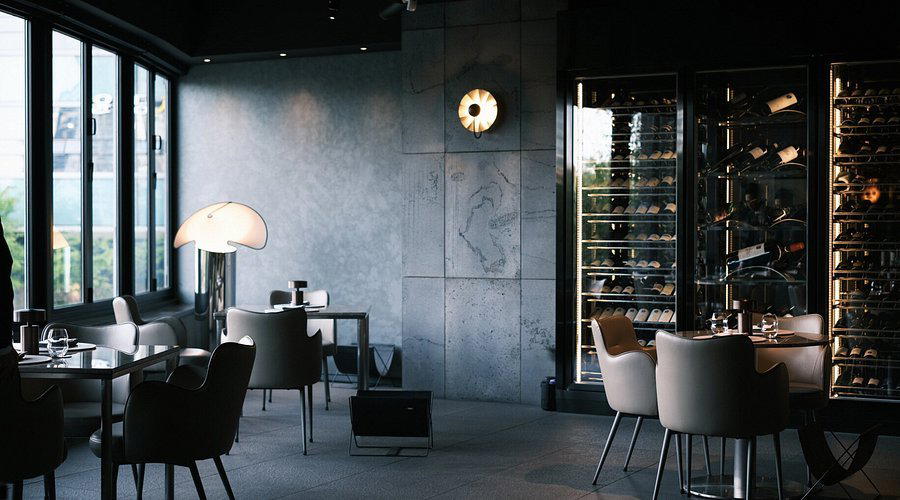
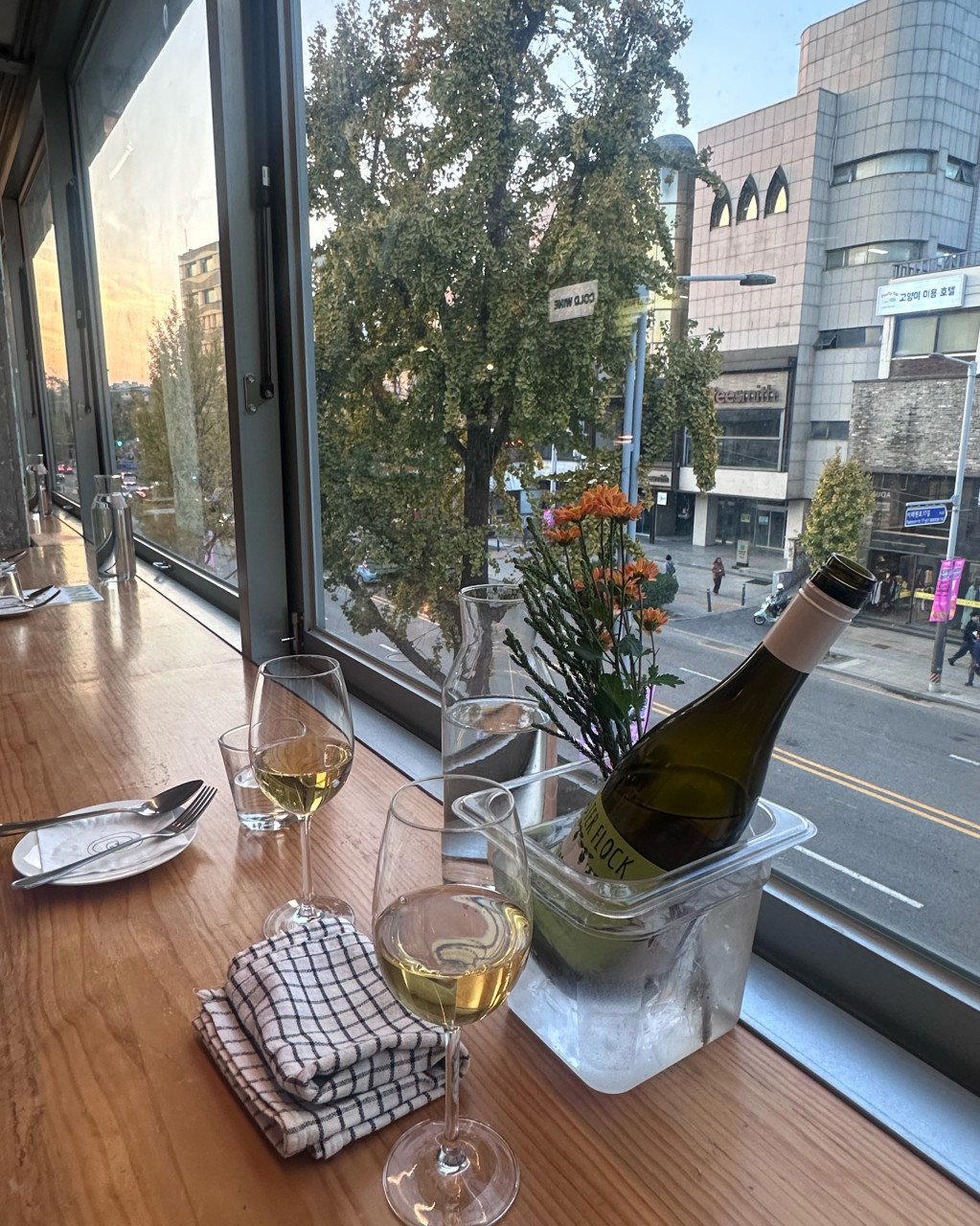
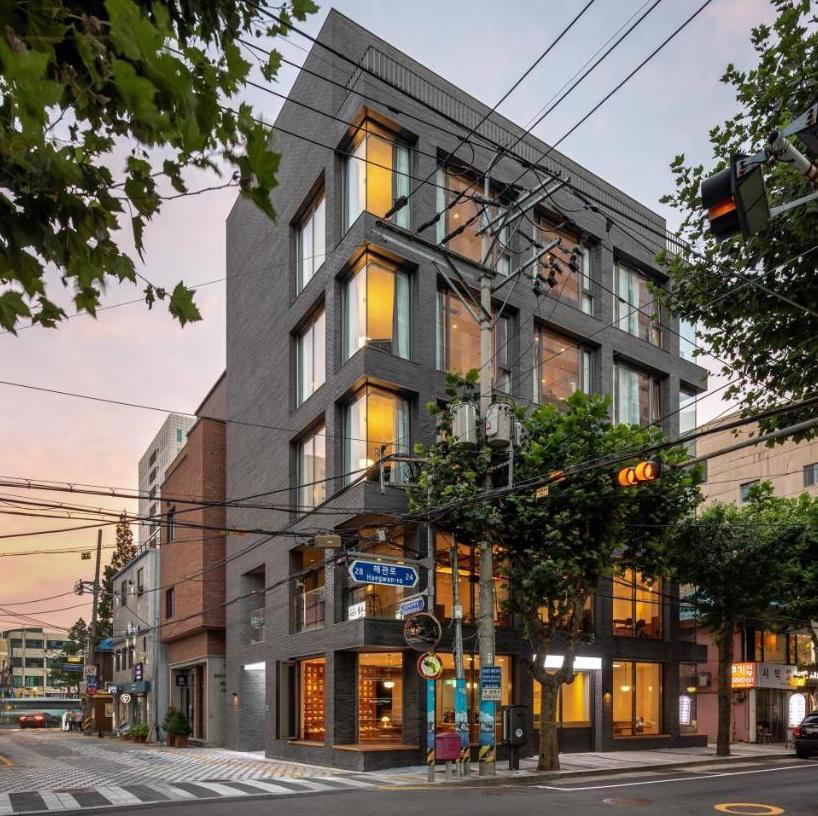
Traditional hanok-style setting with authentic Korean barbecue atmosphere; charcoal grilling creates warm, smoky ambiance with lively energy from diners enjoying premium beef.