굿모ëí콩 ì í¬
Our verdict
굿모ëí콩 ì í¬: 굿모ëí©ì½© ì í¬ serves Traditional Korean Haejangguk Specialist fare in Busan, with Haejangguk, Seonji Haejangguk, and a sake program for lunch or dinner.

Pearl is the En Primeur Club membership app, where members save venues, book tables and use the concierge.
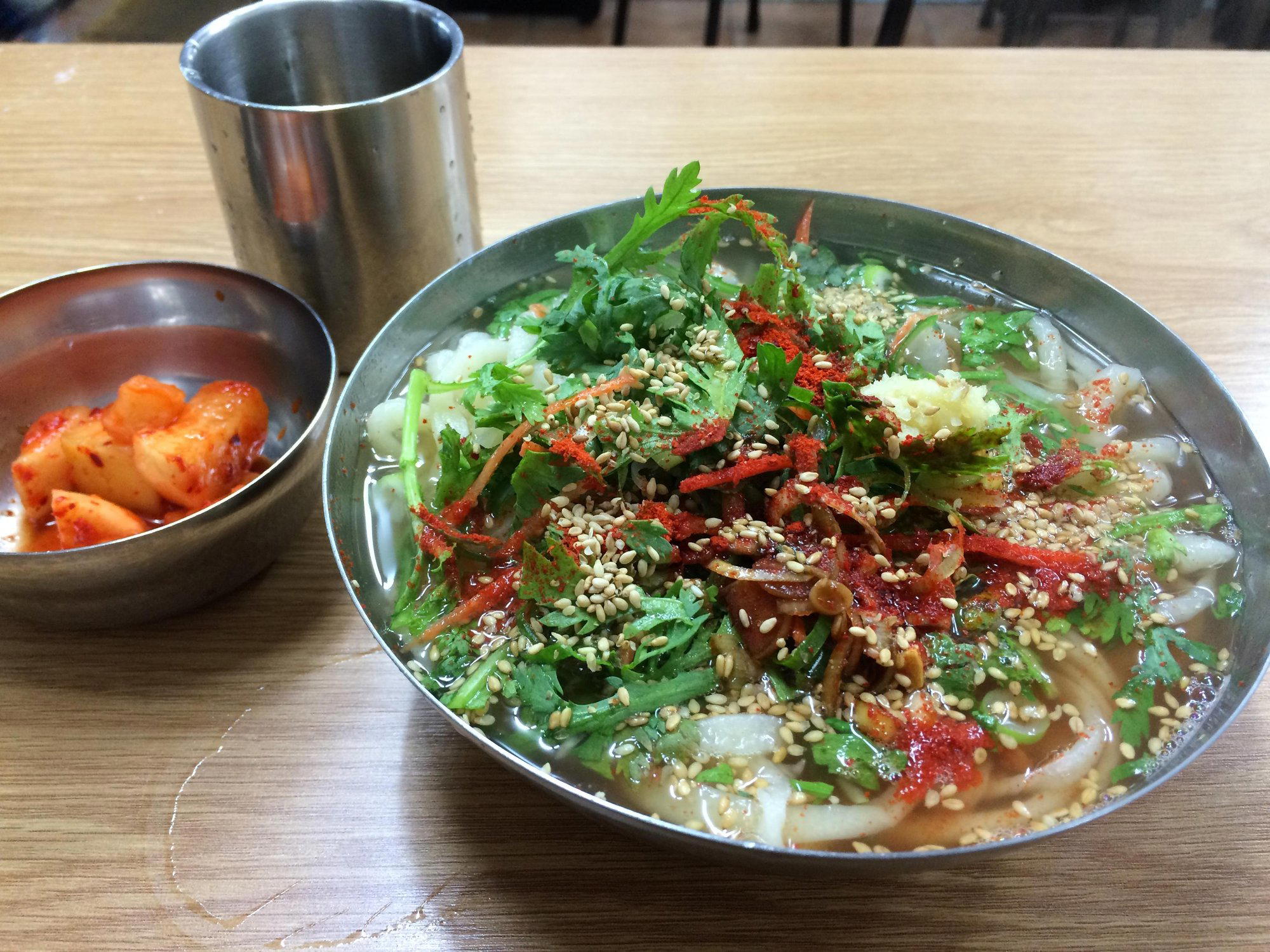
The menu
What to order
- Haejangguk
- Seonji Haejangguk
Busanjin District and the Everyday Dining Layer Beneath the Headlines
Busan's dining conversation tends to anchor itself around Haeundae's seafood counters, the dwaeji-gukbap houses of Seomyeon, or the handful of contemporary Korean restaurants that have drawn national press. Busanjin District, the commercial and transit corridor that connects much of the city's interior, sits beneath that editorial radar. It is, for that reason, where a different kind of eating happens: neighbourhood-scale, repeat-visit dining that serves a local population rather than a touring one. Goot Modeun Haemul Jjapagetti Jip (굿모든해물짜파게티집) on Seojeon-ro 47beon-gil occupies exactly that register, a first-floor unit at number 19 in a district where the density of working lunch and dinner options is high and the margin for mediocrity is correspondingly low.
What the Address Tells You About the Food
In Busan, as in most Korean cities, the address of a restaurant is often its most honest descriptor. Seojeon-ro 47beon-gil is a secondary street in the Busanjin grid, the kind of location that filters out destination diners and rewards the local who has already made up their mind. Restaurants here are not positioning themselves against Busan's contemporary dining tier, the sort occupied by Palate or Mori, nor are they competing with the theatrical end of the steakhouse market that Born and Bred occupies at the premium tier. They are in a different conversation entirely: consistent, affordable, and neighbourhood-accountable. The name itself carries information. "Haemul" (해물) means seafood, and the combination with jjapagetti, a Korean instant-noodle format that has its own cult following, signals a kitchen working in the register of comfort food with a maritime inflection that Busan's pantry makes possible.
The Jjapagetti Tradition and What Busan Adds to It
Jjapagetti as a category sits at an interesting cultural intersection. It derives from jajangmyeon, the black-bean noodle dish that Korea absorbed from Chinese-Korean (jungang) cuisine and transformed into something distinctly its own over decades of street and home cooking. The instant version, commercialised by Nongshim in 1984, became a Korean pantry staple, and restaurant formats that work with or around it occupy a niche between home nostalgia and casual dining. Adding haemul, the seafood vocabulary that Busan's coastal position makes cheap and fresh, is a regional adaptation that you see replicated across the city's neighbourhood joints. It is a format that asks a kitchen to compete on execution rather than concept: the ingredients are familiar, the benchmark is set by memory, and deviation from expectation requires justification. Restaurants that survive on streets like Seojeon-ro 47beon-gil do so because the regulars return, and regulars in Korean dining culture are among the most demanding audiences a kitchen faces.
For context on how Korean regional food traditions operate at the serious end of the spectrum, the tasting-menu format at Mingles in Seoul and the craft approach visible at Double T Dining in Gangneung both draw on the same underlying respect for sourcing and technique that neighbourhood seafood houses express through lower price points and higher frequency of service. The gap between those tiers is one of format and ambition, not of the underlying food culture.
Where This Sits in Busan's Dining Range
Busan's food scene is broader than its Michelin footprint suggests. The city's most attended dining occasions are not at decorated restaurants but at the kind of single-dish houses that have been operating for decades: naengmyeon counters like 100.1. Pyeongnaeng, hand-cut noodle specialists like 1969 Buwondong Kalguksu, and seafood-inflected comfort formats across every district. Goot Modeun Haemul Jjapagetti Jip belongs to that everyday layer. It is not a destination restaurant in the way that Le Bernardin in New York or Lazy Bear in San Francisco are destinations, where the purpose of travel reshapes around a reservation. It is, instead, the kind of place that earns its position through daily attendance and the credibility that neighbourhood longevity confers.
Across the broader Korean dining geography, similar dynamics play out. Doosoogobang in Suwon and Injegol in Inje County both operate in regional registers that reward local knowledge over guidebook navigation. The same logic applies here.
Planning a Visit: What to Expect and What to Bring
The address places the restaurant in the first-floor unit (1층 103호) of a building on Seojeon-ro 47beon-gil, Busanjin District. No phone number or website is currently listed in public records, which is consistent with neighbourhood-scale operations in this part of the city, where walk-in traffic and word of mouth carry more operational weight than digital booking infrastructure. Pricing and hours are similarly unconfirmed in available data, though the format and district context suggest positioning at the accessible end of Busan's dining range, comparable in price register to other single-dish neighbourhood houses rather than to the mid-tier contemporary restaurants that charge ₩₩ and above. Cash remains the expected tender at this scale of Korean dining operation, and the absence of English-language signage or menus should be assumed until confirmed otherwise. Korean language capability, or a translation application, will smooth the ordering process considerably.
For visitors building a broader Busan itinerary, the full Busan restaurants guide covers the range from neighbourhood-scale eating to the city's most formally recognised tables. Elsewhere in Korea, the temple food approach at Baegyangsa Temple in Jangseong-gun and the contemporary Korean tasting format at Kwon Sook Soo in Gangnam-gu mark the outer boundaries of how differently the same national food culture expresses itself across format, price, and geography. Other regional comparisons are available at Market Café in Incheon, Cheon Jee in Jeju, The Flying Hog in Seogwipo, and 에버리움펜션 in Cheoin.
Frequently asked questions
Is 굿모든해물짜파게티집 child-friendly?
Korean neighbourhood restaurants in this format and price tier are generally family-accommodating, and seafood noodle dishes translate well for younger diners. The ground-floor unit (1층 103호) on Seojeon-ro 47beon-gil suggests a compact, accessible space rather than a formal setting. The working-neighbourhood context of Busanjin District means the clientele skews local and unpretentious, which typically makes for a relaxed environment for families.
Where exactly is 굿모ëí콩 ì í¬?
굿모ëí콩 ì í¬ is located at South Korea, Busan, Busanjin District, Seojeon-ro 47beon-gil, 19 1층 103í¸, Busan.
What's the vibe at 굿모든해물짜파게티집?
The Busanjin District address sets the tone: this is a working neighbourhood with lunch peaks and an early-dinner rhythm, not a destination dining corridor. The first-floor unit at 1층 103호 on Seojeon-ro 47beon-gil points to a compact, street-level space where the clientele is largely local and repeat. Expect a functional room where the food is the focus and conversation is carried by the table, not the décor.
What's the best thing to order at 굿모든해물짜파게티집?
The restaurant's name commits the kitchen to seafood jjapagetti, so that is the logical anchor of any visit. Busan's coastal position makes haemul ingredients more economically accessible here than in Seoul, which typically means fresher and more generously portioned seafood components in dishes at this price tier. Start with whatever the kitchen designates as its signature haemul jjapagetti format before considering any supplementary items.
A Tight Comparison
| Venue | Cuisine | Price | Awards | Notes |
|---|---|---|---|---|
| 굿모ëí콩 ì í¬This venue (the venue you are viewing) | Traditional Korean Haejangguk Specialist | $30–50 | Not listed | Not listed |
| Palate | Contemporary French with Korean Fusion | $150–200 | 1 Michelin Star · La Liste Top Restaurants | Contemporary |
| Mori | Japanese Kaiseki | $200–300 | 1 Michelin Star | Japanese |
| Born and Bred | Modern Hanwoo Beef Omakase Steakhouse | $100–150 | Michelin Plate · World's 50 Best #51 | Steakhouse |
| Anmok | Modern Korean Dwaeji-Gukbap | $10–20 | Michelin Bib Gourmand | Dwaeji-gukbap |
| Bao Haus | Taiwanese-inspired Bib Gourmand | $10–20 | Michelin Bib Gourmand | Taiwanese |
Continue exploring
More in Busan
Restaurants in Busan
All restaurants in Busan →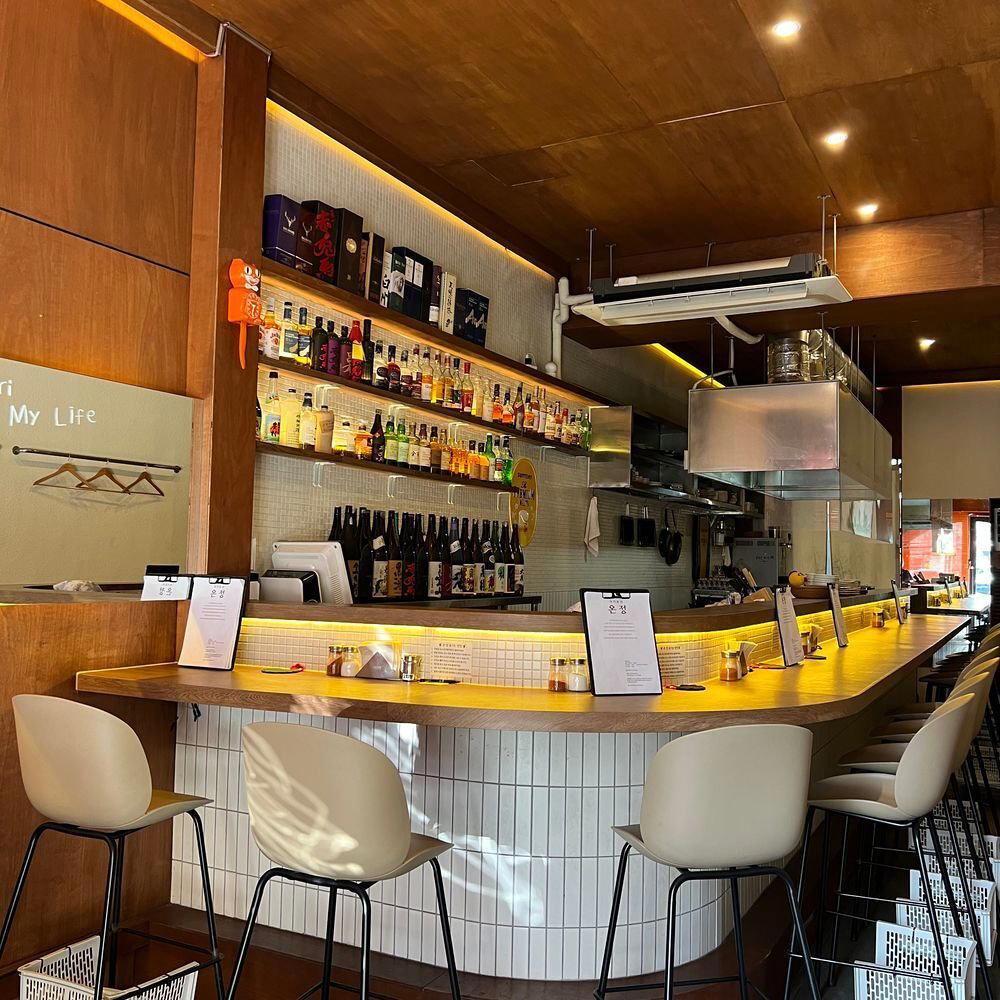
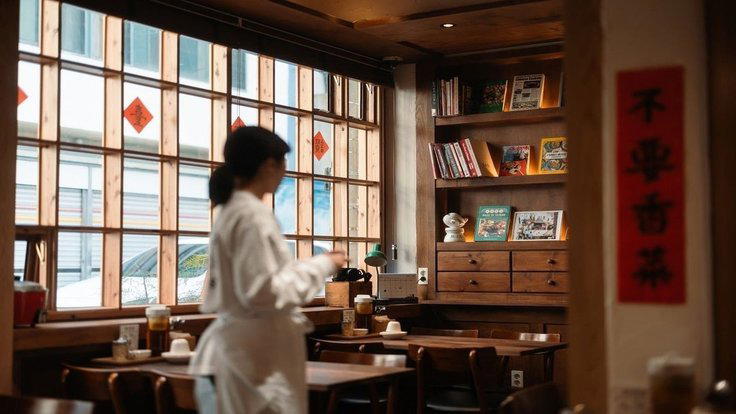
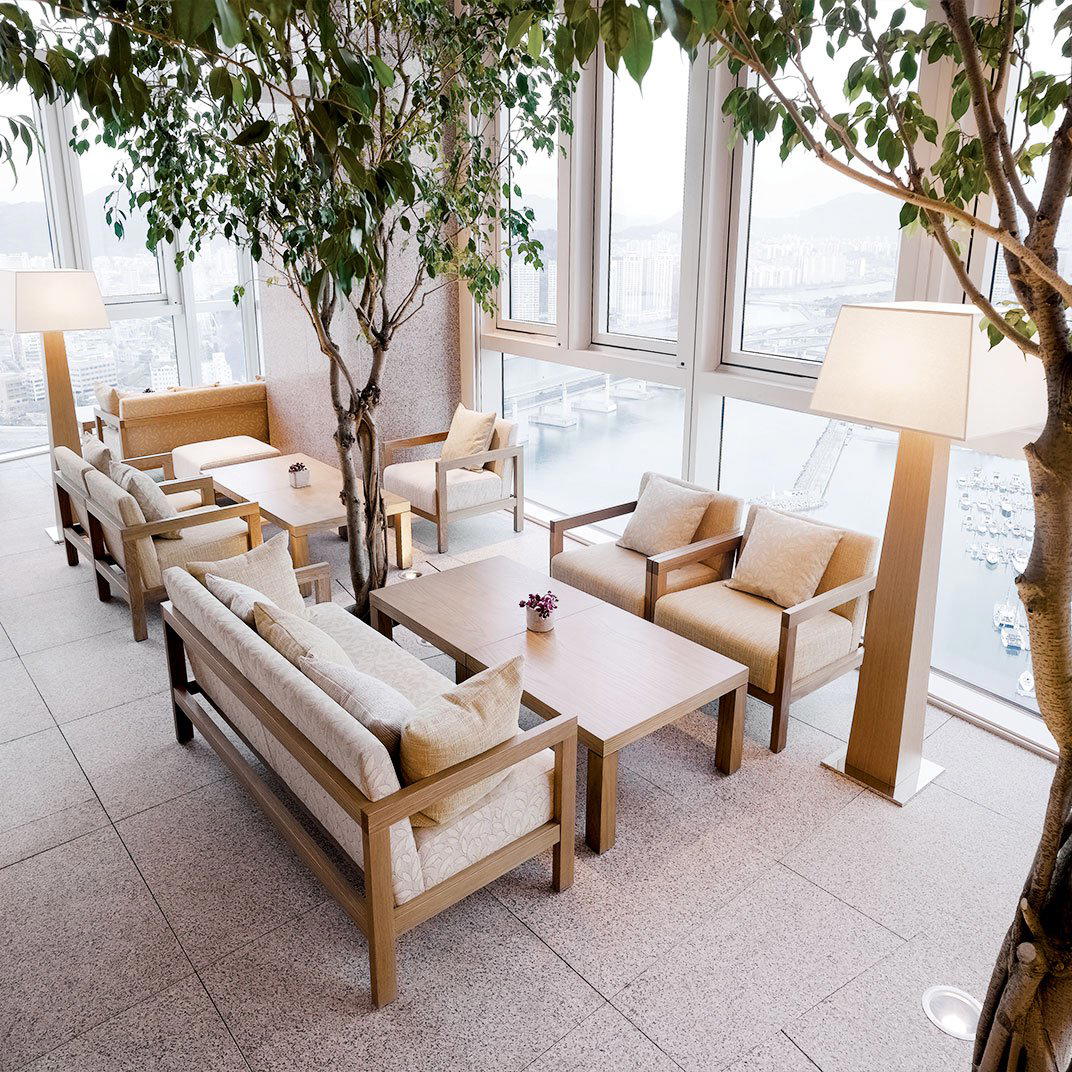
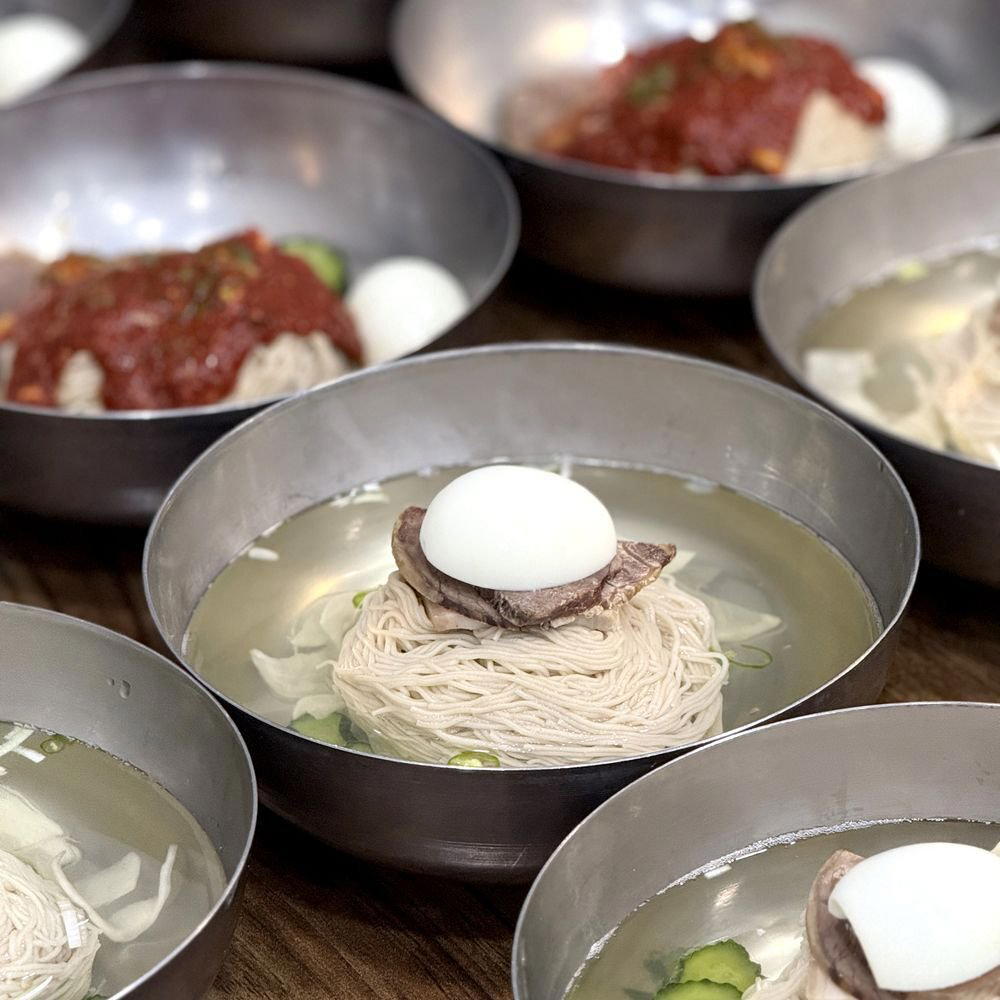
Bars in Busan
All bars in Busan →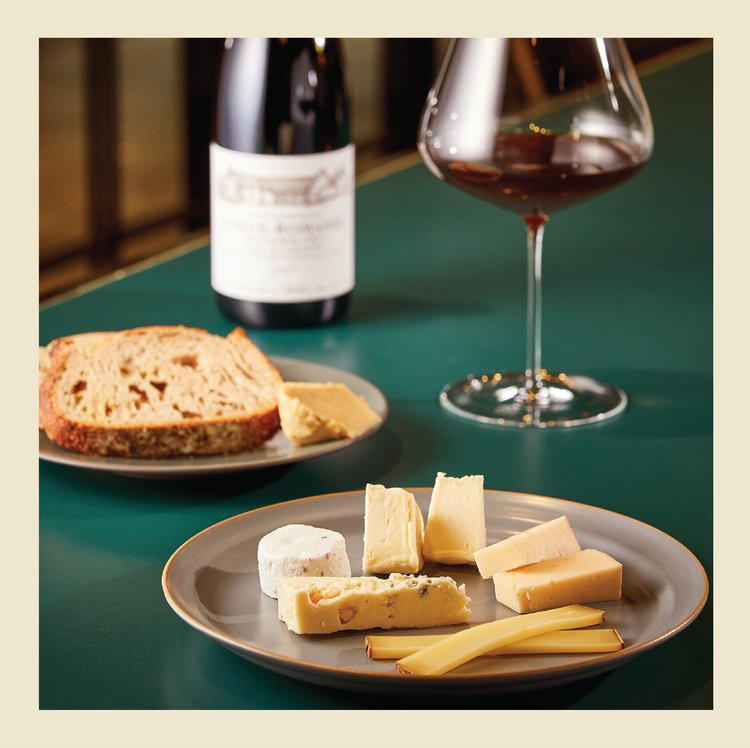
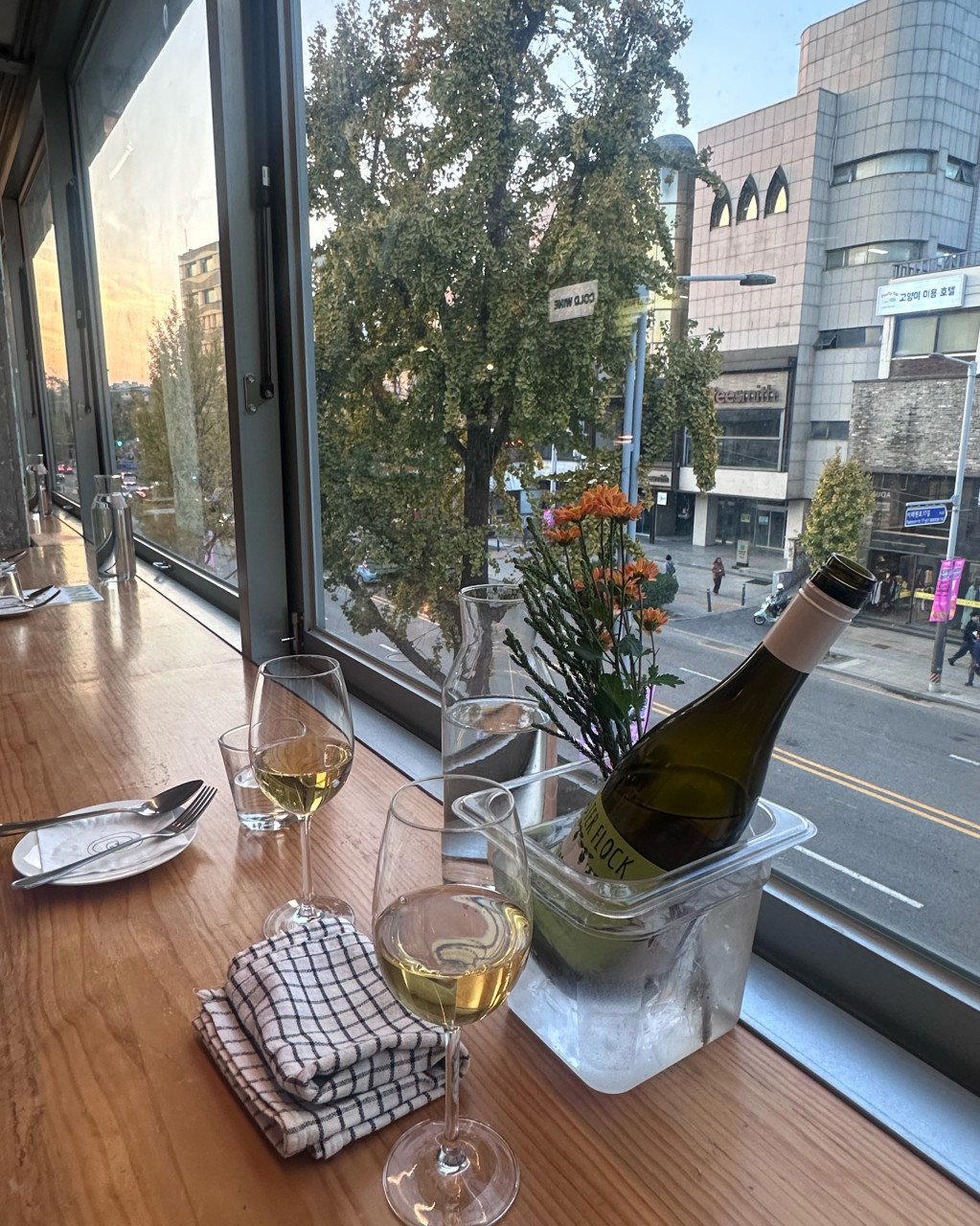
Details
- Elegant
- Sophisticated
- Intimate
- Casual Hangout
- Special Occasion
- Sake Program
- A La Carte
- Soju
- Makgeolli
Cozy and elegant with soft lighting and traditional Korean decor creating an intimate dining atmosphere.