Da Nerbone has operated inside Florence's Mercato Centrale since 1872, serving the kind of working lunch that built the city's culinary identity: lampredotto, bollito, and ribollita eaten standing at the counter or on communal benches. It occupies a different category from Florence's fine-dining tier entirely, representing the market-stall trattoria tradition that serious food culture depends on to stay honest.
Pearl is the En Primeur Club membership app — saves, bookings, and concierge access live there. Same editors, same standards.
- Address
- Piazza del Mercato Centrale, 50123 Firenze FI, Italy
- Phone
- +39 339 648 0251
- Website
- facebook.com
- Directions
- Get directions
 Saves & bookings on Pearl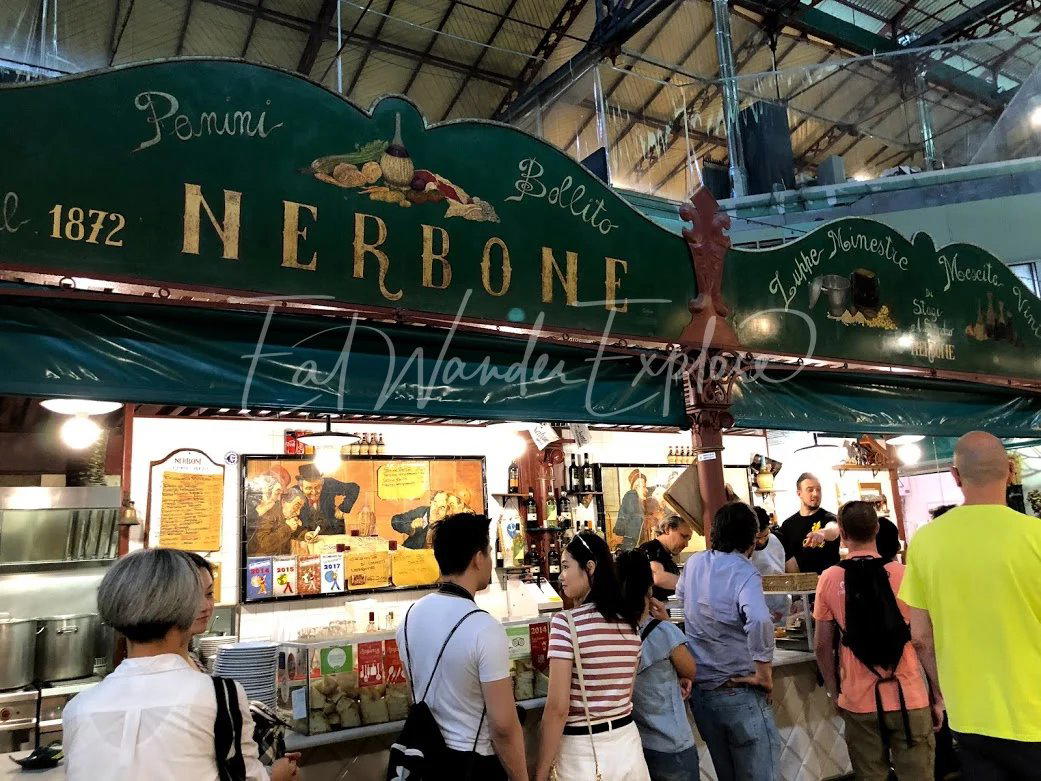
Inside the Market: Florence's Working-Lunch Tradition
The ground floor of the Mercato Centrale on Piazza del Mercato Centrale is one of the few places in Florence where the gap between tourist circuit and local ritual collapses. Market vendors, construction workers, and the occasional food journalist all queue at the same counter, tray in hand. Da Nerbone has occupied this space since 1872. The longevity is not incidental: the kitchen has survived precisely because it serves the market's function rather than performing a version of it for outside consumption.
That distinction matters in a city where Florentine cuisine has been reinterpreted at every price point. At the upper end of the spectrum, restaurants like Enoteca Pinchiorri, Santa Elisabetta, Atto di Vito Mollica, Borgo San Jacopo, and Gucci Osteria da Massimo Bottura operate in the €€€€ bracket, translating Tuscan ingredients through the lens of contemporary technique. Da Nerbone does not compete with that tier and makes no claim to. It belongs to a separate category: the market canteen, a format that has roots across northern and central Italy and that, at its leading, represents a kind of culinary integrity that tasting menus cannot replicate.
What the Menu Actually Represents
Lampredotto is the defining dish of working-class Florentine food culture, and Da Nerbone is one of its most documented addresses. The fourth stomach of the cow, slow-cooked until soft, served in a roll or on a plate with salsa verde or a sharp red sauce: it is not a dish that translates easily into the vocabulary of fine dining, and that resistance is part of its cultural honesty. Florentine offal cookery developed as a response to economic constraint, using the parts of the animal that wealthier tables rejected, and it became refined within those parameters rather than despite them.
Bollito misto, the boiled mixed meats served with accompanying sauces, appears here in a form that connects directly to the northern Italian tradition. It is a dish that requires patience and confidence: no colour from roasting, no textural contrast from fat rendering, just the concentrated flavour of properly sourced meat cooked slowly in broth. Ribollita, the twice-cooked bread and vegetable soup, completes the picture of a kitchen whose repertoire is shaped by the logic of the market rather than the demands of a restaurant concept.
Italy's broader fine-dining conversation spans tables like Osteria Francescana in Modena, Piazza Duomo in Alba, Le Calandre in Rubano, Uliassi in Senigallia, Reale in Castel di Sangro, Atelier Moessmer Norbert Niederkofler in Brunico, Quattro Passi in Marina del Cantone, Dal Pescatore in Runate, Enrico Bartolini in Milan, and Casa Perbellini 12 Apostoli in Verona. Against that backdrop, the restaurant is not a counterpoint or a corrective, it simply operates in a parallel tradition, one that predates the restaurant as a social institution and will likely outlast many of its contemporary interpretations.
The Setting and the Format
The Mercato Centrale's ground floor is an iron-and-glass structure dating to 1874, designed by Giuseppe Mengoni, the same architect responsible for Milan's Galleria Vittorio Emanuele II. The market's upper floor was renovated into a food hall in 2014, bringing in artisan vendors. The restaurant stayed on the ground floor, among the butchers and the produce stalls, which is the correct reading of what kind of place it is.
The format is a tray-service counter. You queue, you order, you pay, and you find a seat at one of the communal tables or eat standing. The absence of tablecloths, reservation systems, and tasting-menu architecture is not a design choice made in opposition to fine dining, it is simply the format that the market-canteen tradition has always used. Comparing it unfavourably to a restaurant because it lacks those elements would be a category error.
For readers arriving from longer Italian itineraries that include destination dining, the contrast with venues like Le Bernardin in New York City or Lazy Bear in San Francisco is instructive: those kitchens represent the apex of the restaurant format, in which every element of the experience is curated and the room itself is part of the proposition. The restaurant represents the opposite pole, a kitchen embedded in a working infrastructure, where the proposition is the food and the food alone.
Planning a Visit
The Mercato Centrale is located in the San Lorenzo neighbourhood, a short walk north of the Duomo. The market operates on standard Italian market hours, with the ground floor running through the morning and into the early afternoon. The restaurant operates within those hours, which means it is a lunch destination rather than a dinner option. Arriving close to midday on weekdays will find it at its busiest, when market workers take their break. No reservation is possible or necessary. The tray-service format means turnover is continuous.
For readers building a broader Florence itinerary that includes the city's fine-dining tier, the restaurant sits in a different part of the day rather than in competition with an evening booking. A morning in the market followed by lunch at the counter, then an afternoon at a museum, then dinner at one of Florence's contemporary tables, represents a coherent engagement with what Florentine food culture actually encompasses. The EP Club Florence guide covers both ends of that spectrum and everything between.
Price Lens
Comparable venues nearby, for context on price, style, and recognition.
| Venue | Cuisine | Price | Notes |
|---|---|---|---|
| Da NerboneThis venue — the venue you are viewing | Not listed | $ | Not listed |
| 'l Trippaio di San Frediano | Not listed | $ | San Frediano, Traditional Florentine Offal Street Food |
| Trattoria 4 Leoni | Santo Spirito, Tuscan Trattoria | $$ | Not listed |
| Trippaio Albergucci Mario | Not listed | $ | Bobolino, Florentine Tripe and Lampredotto Street Food |
| Ino | San Niccolo, Tuscan Artisanal Panini | $ | Not listed |
| I’Brindellone | Not listed | $$ | San Frediano, Traditional Tuscan Trattoria |
Continue exploring
More in Florence
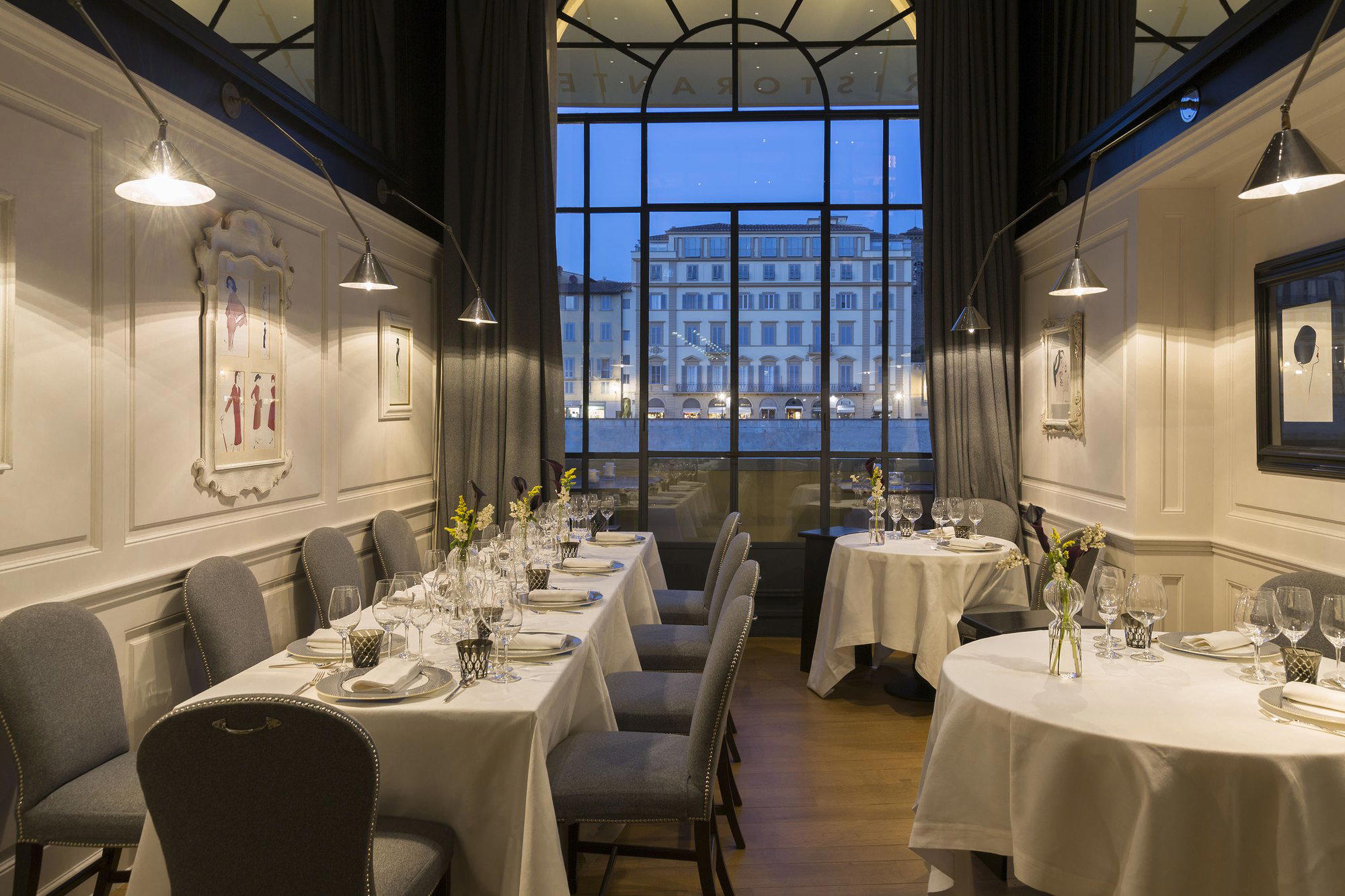
Restaurants in Florence
Browse all →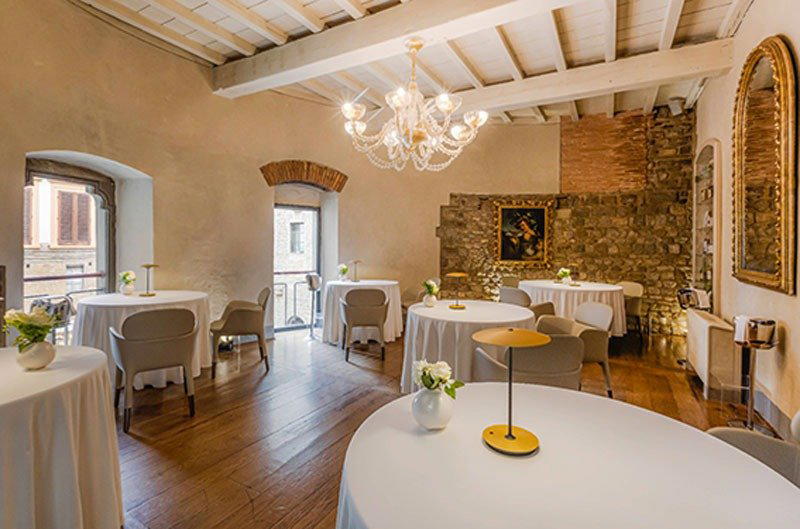
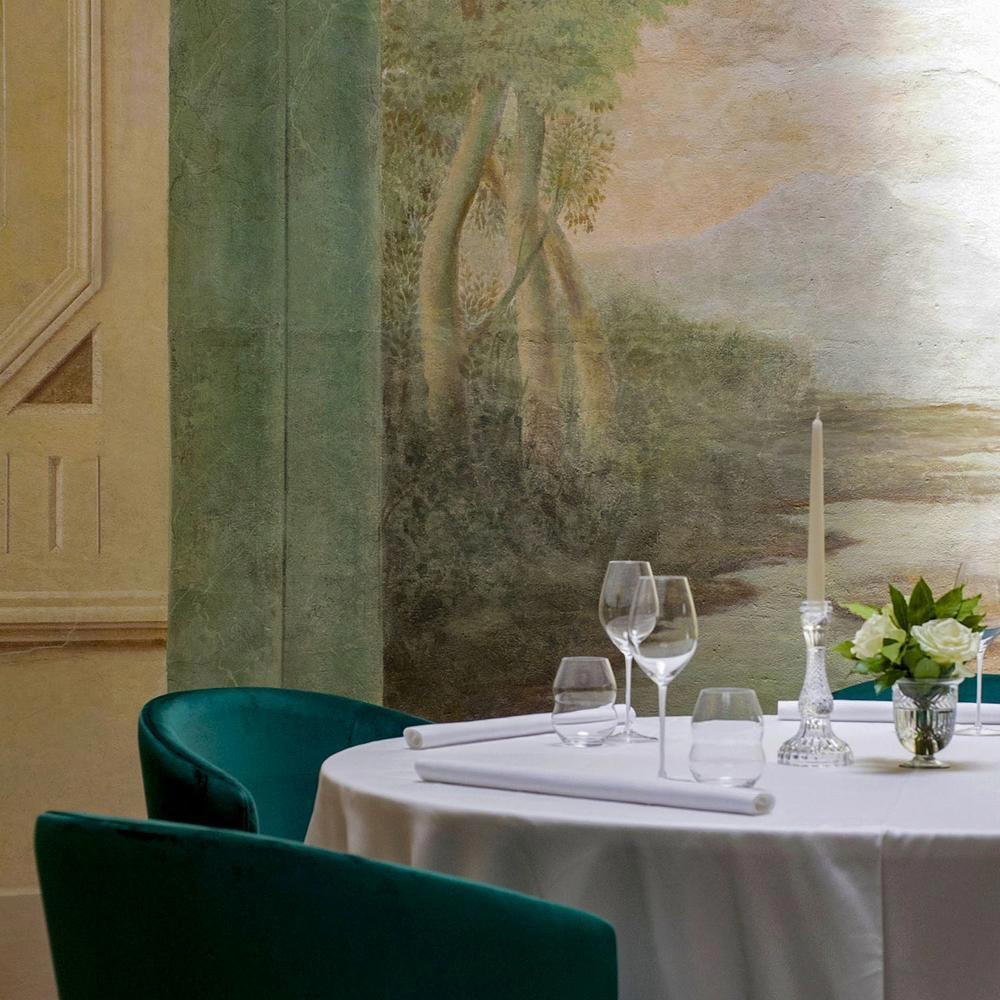
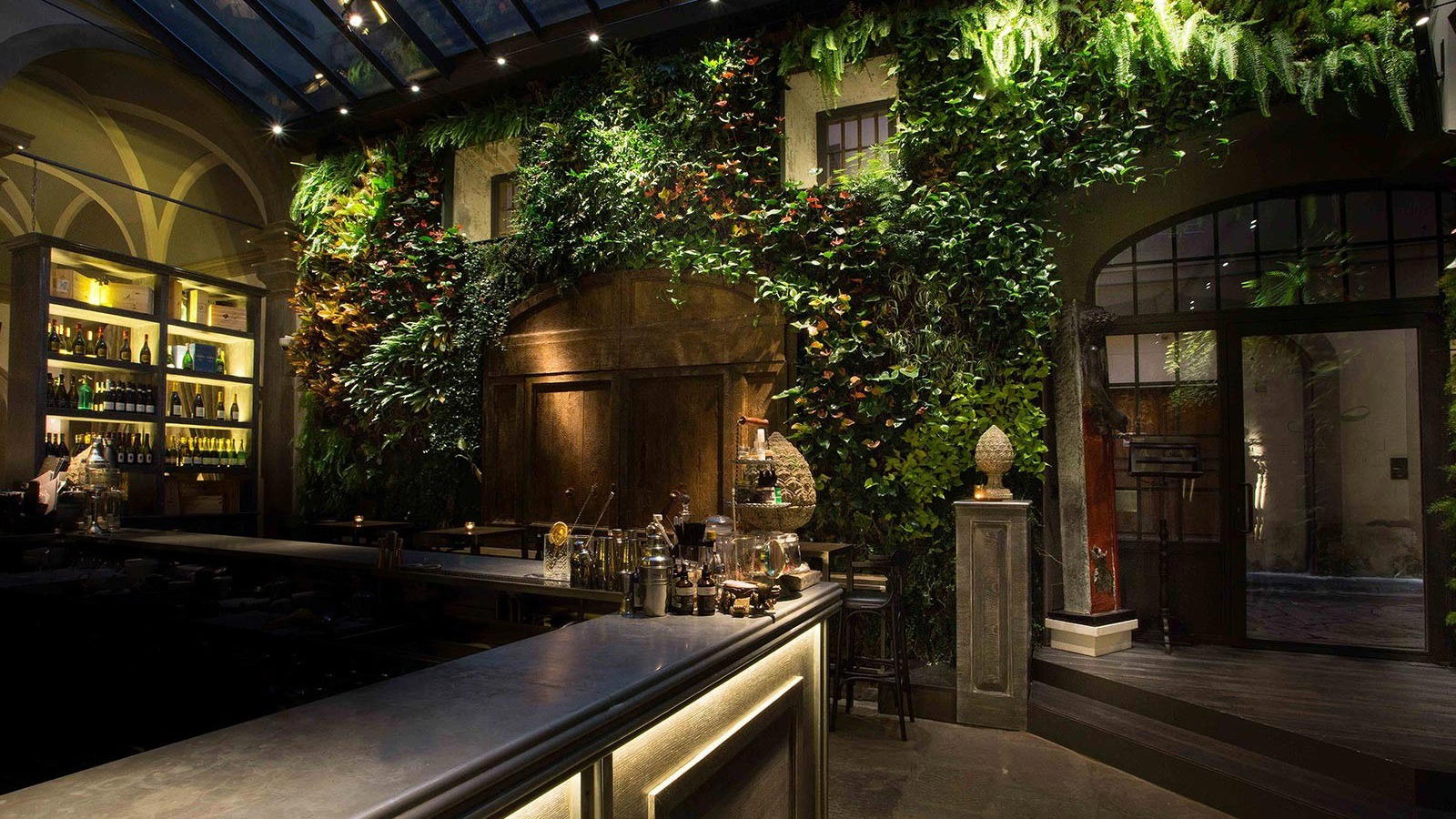
Bars in Florence
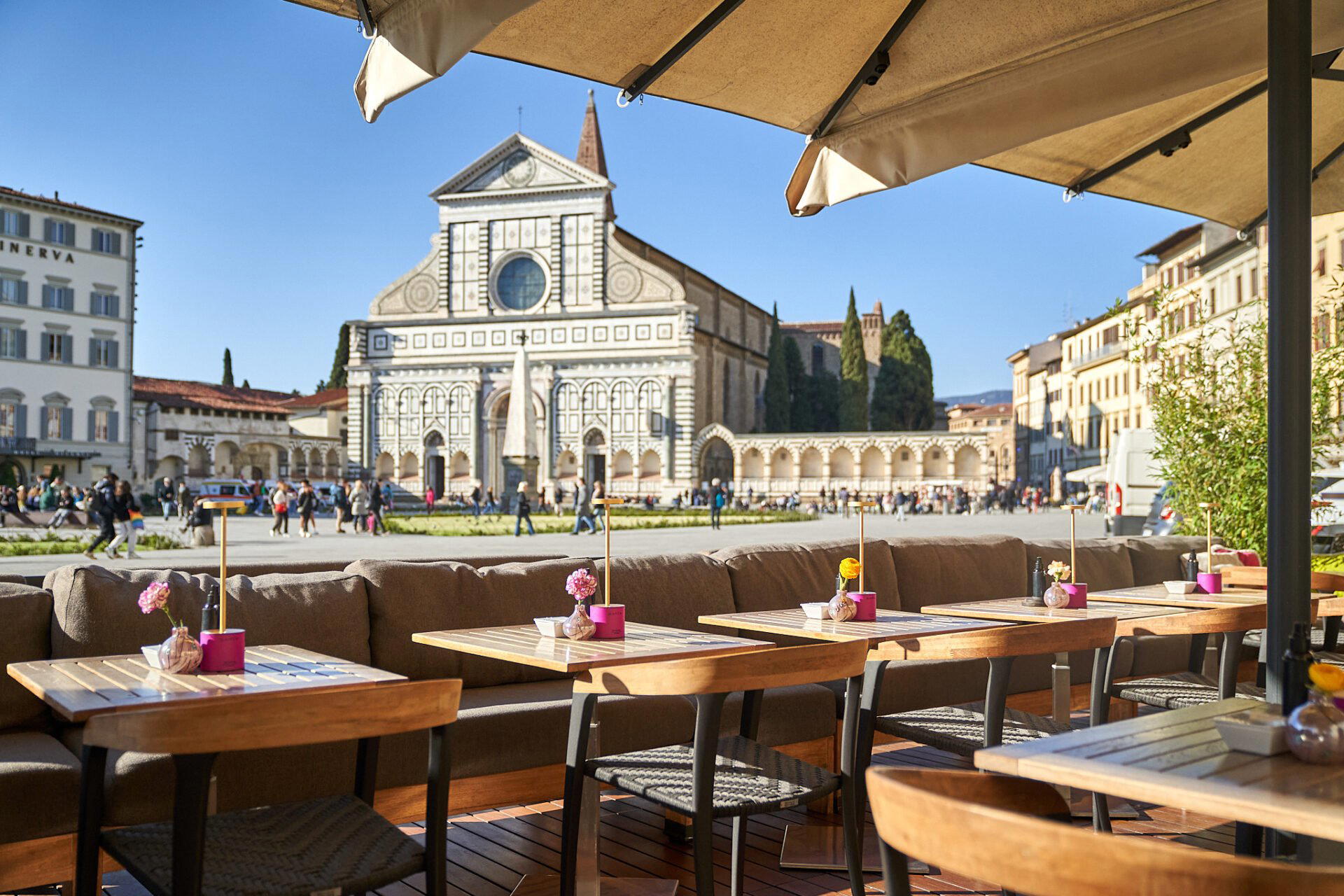
Browse all →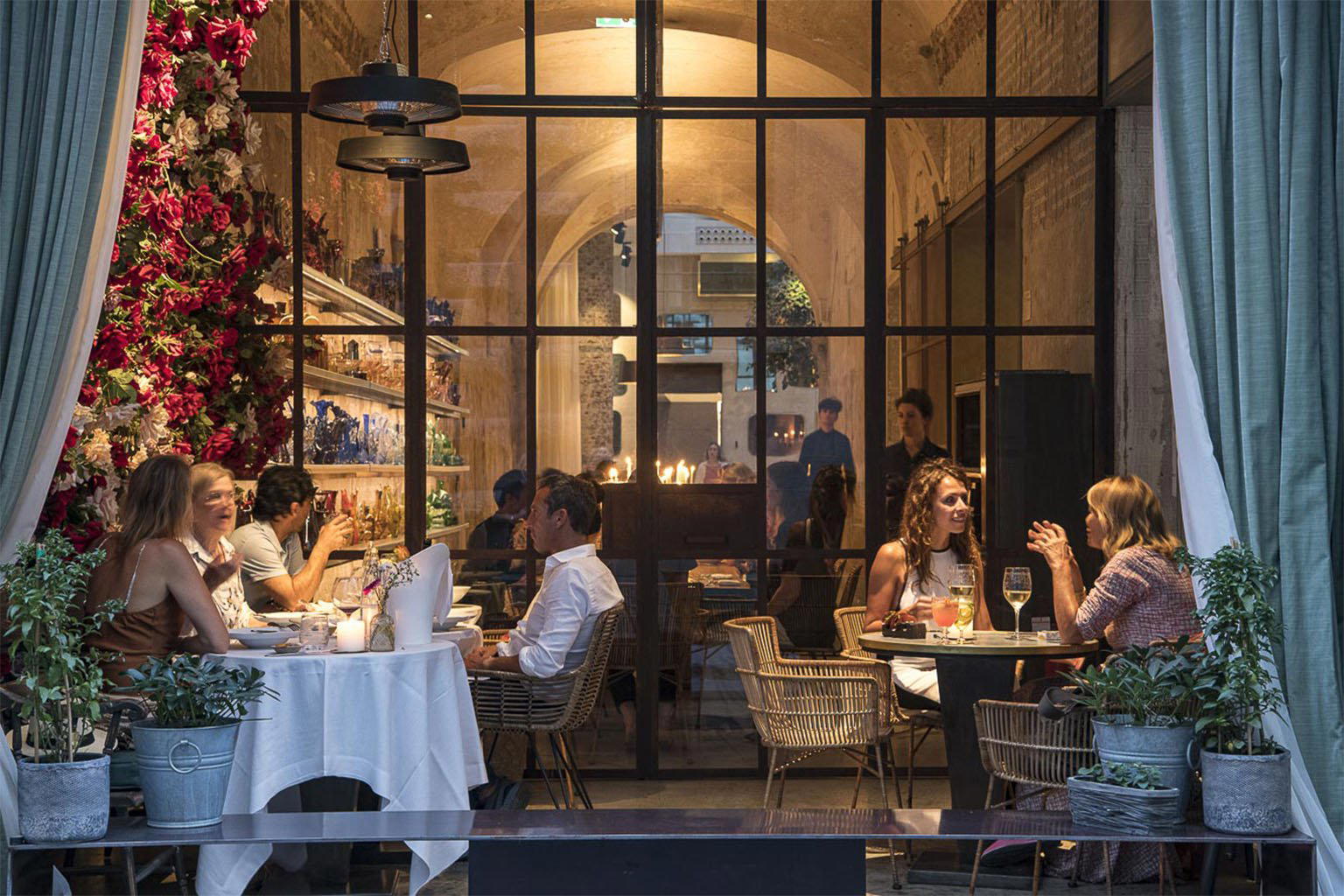
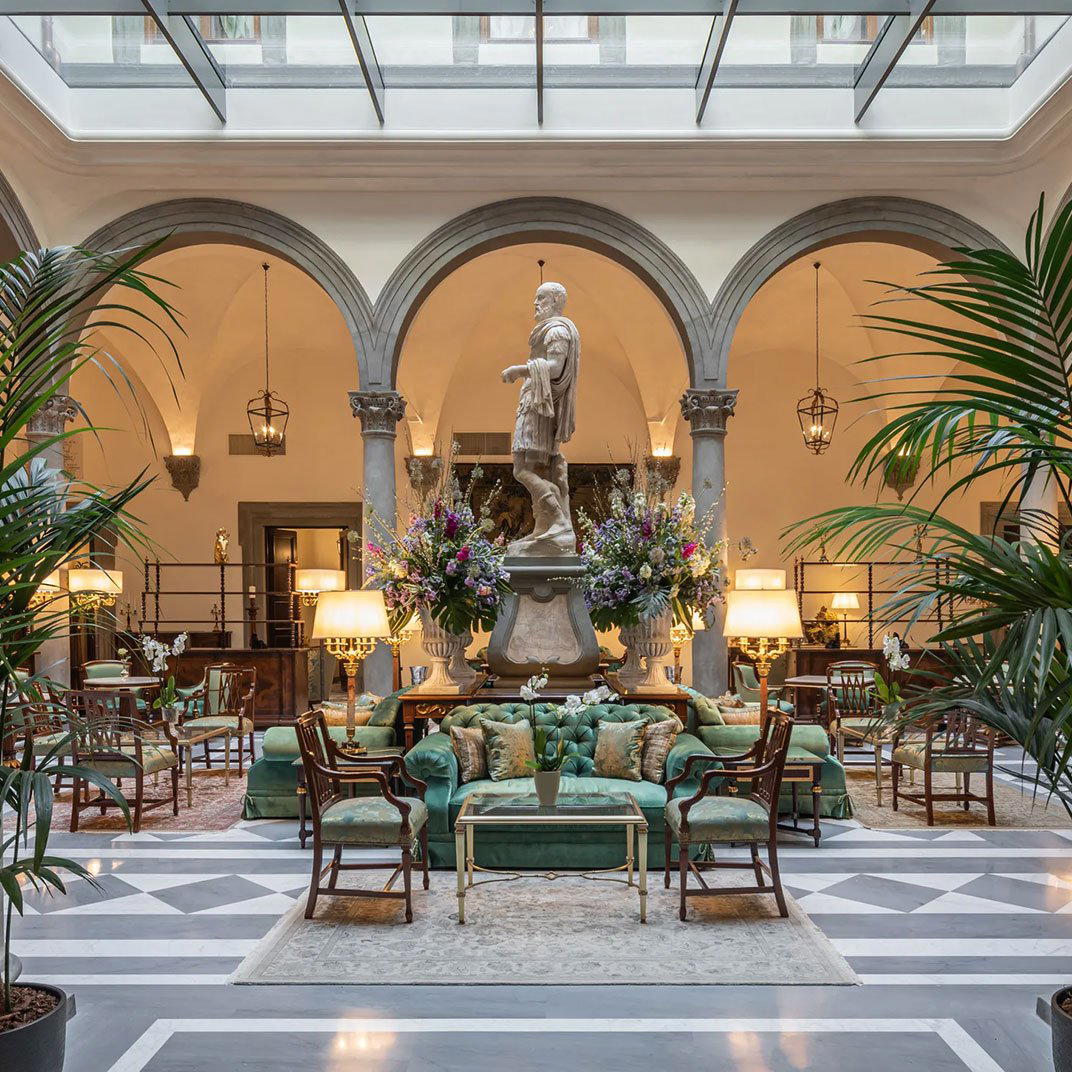
Hotels in Florence
Browse all →
At a Glance
- Rustic
- Well Known
- Lively
- Casual Hangout
- Historic Building
Current opening hours
- Monday
- 8:30 AM–3 PM
- Tuesday
- 8:30 AM–3 PM
- Wednesday
- 8:30 AM–3 PM
- Thursday
- 8:30 AM–3 PM
- Friday
- 8:30 AM–3 PM
- Saturday
- 8:30 AM–3 PM
- Sunday
- Closed
Hours can change for holidays and private events. Last verified .
Bustling market atmosphere with quick counter service amid the lively Mercato Centrale.