On a quiet Florentine side street in the Santa Croce quarter, C.BIO stakes a clear position in the city's trattoria conversation: Italian food that is genuinely good and genuinely honest, as the name declares. The format sits well below Florence's Michelin tier, addressing a gap between tourist-facing trattorias and the city's high-end dining rooms. For visitors who know what they're looking for, the address on Via della Mattonaia rewards a deliberate detour.
- Address
- Via della Mattonaia, 3a, 50122 Firenze FI, Italy
- Phone
- +39 055 248 0842
- Website
- cbio.it
- Directions
- Get directions
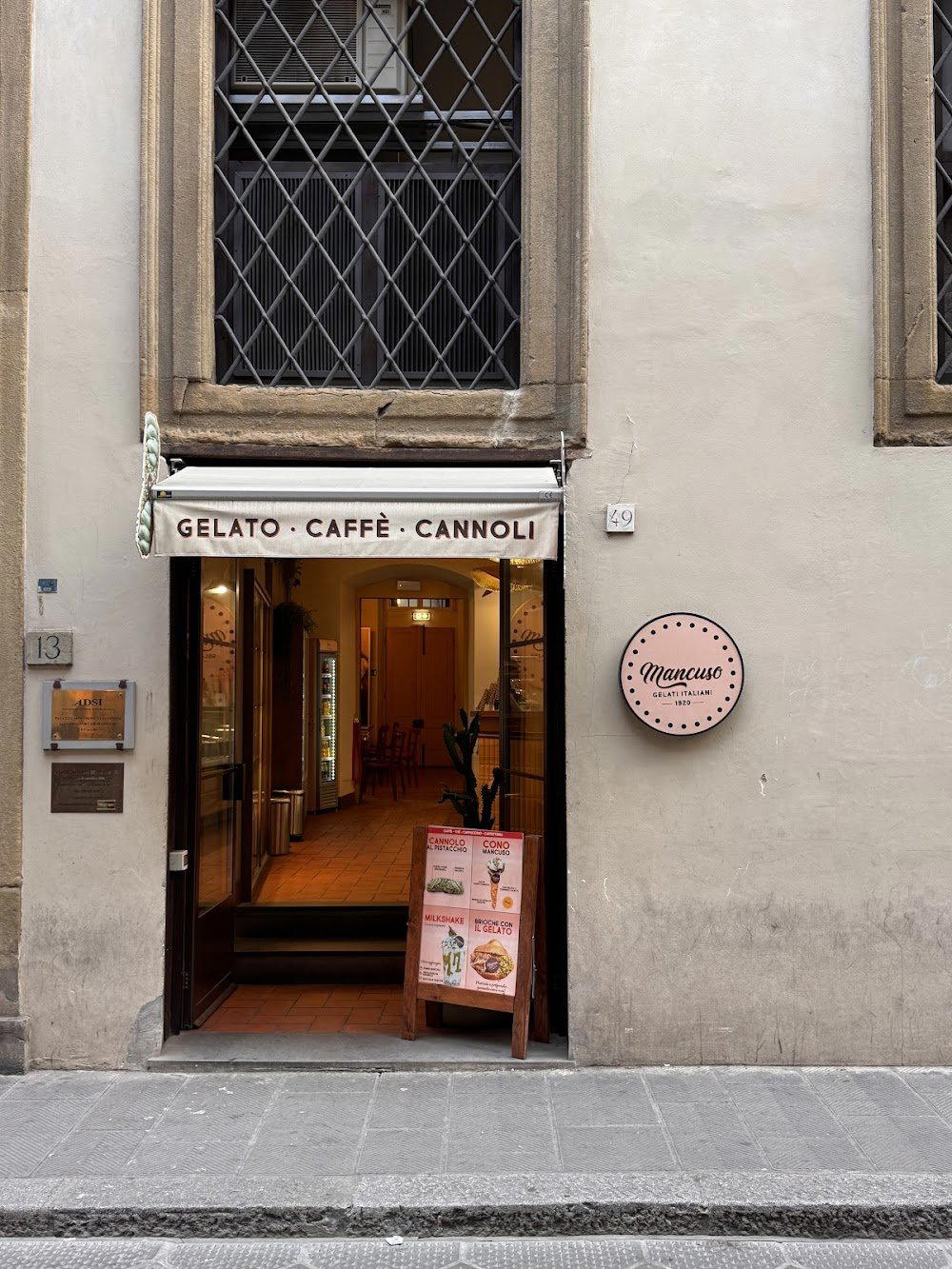
The Honest End of the Florentine Table
C.BIO is an Organic Italian Deli in Florence's Santa Croce quarter. Florence's dining market has a structural middle-ground problem. At one end sit the white-tablecloth rooms, Enoteca Pinchiorri, Santa Elisabetta, Atto di Vito Mollica, Borgo San Jacopo, Gucci Osteria da Massimo Bottura, each working at €€€€ price points and calibrated for a global fine-dining audience. At the other end, a dense cluster of tourist-facing trattorias on the main drag around Santa Croce and the Duomo serve abbreviated menus in high-throughput rooms. Between those two poles, a smaller set of Florentine addresses has tried to hold a more honest position: locally sourced ingredients, Italian cooking without theatrical ambition, and pricing that reflects the food rather than the postcode or the brand association. C.BIO sits in that camp, and the name is the entire manifesto, cibo, food; buono, good; italiano, Italian; onesto, honest.
Via della Mattonaia and What It Tells You
The address, Via della Mattonaia, 3a, in the 50122 postal district, places C.BIO on the eastern edge of the Santa Croce neighbourhood, a few minutes' walk from the basilica but removed from its most trafficked approach routes. The streets here narrow and quieten. Laundry appears above doorways. The clientele walking past in the early evening is local rather than tourist. This is the physical context that a certain type of Italian trattoria depends on: proximity to a known landmark without direct exposure to its foot traffic, allowing a room to build a regular clientele rather than a revolving one. For visitors, this geography is also instructive, reaching C.BIO requires a small commitment to leaving the main circuit, which itself acts as a soft filter on the crowd inside.
How to Approach Planning and Booking
The available public record for C.BIO is thin in the ways that matter for advance planning: no published phone number, no listed website, no confirmed hours or formal booking channel appear in current databases. This is not uncommon among Florence's smaller, neighbourhood-positioned trattorias, which have historically relied on walk-in traffic, word of mouth, and local platforms rather than centralised reservation systems. The practical implication is that planning a visit requires either a walk-by reconnaissance to check operating status and hours, or contact through a local hotel concierge who may have a direct line. For travellers in a city with as many strong alternatives as Florence, the approach is worth considering carefully: if you are willing to absorb the uncertainty of an unconfirmed visit, the reward is a category of restaurant that runs by different rules than the city's bookable fine-dining tier. If your schedule is fixed and the meal is central to the evening, one of the more accessible addresses in our full Florence restaurants guide may serve the occasion better.
Places like C.BIO occupy a different relationship with the reservation economy than three-Michelin-star rooms such as Osteria Francescana in Modena or technically ambitious regional destinations like Reale in Castel di Sangro, Uliassi in Senigallia, or Piazza Duomo in Alba, all of which run structured booking windows and defined service formats. The honest trattoria operates without that scaffolding, and some of what makes it feel authentic is precisely that absence of infrastructure. Arriving without a reservation and finding a table, or being asked to return in an hour, is part of the format.
Where C.BIO Sits in the Italian Dining Conversation
Phrase cibo buono italiano e onesto carries weight in Italy precisely because it positions against two different failures: the over-engineered tasting menu that loses touch with Italian cooking's ingredient-centred logic, and the tourist-trap trattoria that delivers neither quality nor honesty. A restaurant that names itself after those values is making a claim about its competitive set, and that claim is leading read against what surrounds it in Florence rather than against Italy's broader restaurant culture.
At the higher end of the Italian dining spectrum, venues like Le Calandre in Rubano, Dal Pescatore in Runate, Enrico Bartolini in Milan, Atelier Moessmer Norbert Niederkofler in Brunico, and Quattro Passi in Marina del Cantone each represent Italian cooking as a formally constructed, often multi-course proposition. Casa Perbellini 12 Apostoli in Verona occupies a similar tier. These are important reference points for understanding how far C.BIO sits from that end of the market, and why that distance is a feature rather than a deficit for the audience C.BIO appears to be addressing.
Italian-inflected dining in cities far from the source, places like Le Bernardin in New York City or Lazy Bear in San Francisco, often draws on Italian cooking's ingredient-first logic while operating inside different structural formats. The trattoria in its home country remains something those formats rarely replicate: cooking constrained by what the market delivered that morning, served without extensive ceremony, priced for regulars.
The Practical Reality of Visiting
For travellers whose Florence itinerary already includes the city’s fine-dining rooms, C.BIO functions as a different kind of meal, a lunch stop, or an early dinner before an evening event. The Santa Croce neighbourhood supports that kind of programming: the basilica and its piazza are within walking distance, the Arno is a short walk south, and the streets between Via della Mattonaia and Piazza Santa Croce contain enough independent food and wine shops to anchor a half-day exploration.
Given the absence of a published booking channel, the recommended approach is to visit in person earlier in the day to confirm hours and reserve a table, or to treat the address as a flexible option rather than an anchored reservation. Arriving in the early part of the dinner service window, before 8pm by Italian dining norms, generally offers a stronger chance of a table at smaller neighbourhood rooms of this type. The area is walkable from central Florence accommodation, and most visitors will reach it on foot rather than by taxi.
Fast Comparison
Comparable venues nearby, for context on price, style, and recognition.
| Venue | Cuisine | Price | Notes |
|---|---|---|---|
| C.BIO - Cibo, buono italiano e onestoThis venue — the venue you are viewing | Organic Italian Deli | $$ | Not listed |
| Trattoria Mario | Traditional Tuscan Trattoria | $$ | Santo Spirito |
| I’Brindellone | Traditional Tuscan Trattoria | $$ | San Frediano |
| Semel Street Food | Tuscan Street Food Panini | $ | Ricorboli |
| Ditta Artigianale | Specialty Coffee & Gin Bar with Italian Cafe | $$ | San Niccolo |
| Il Vecchio e il Mare | Neapolitan Pizza and Seafood | $$ | Ricorboli |
Continue exploring
More in Florence
Restaurants in Florence
Browse all →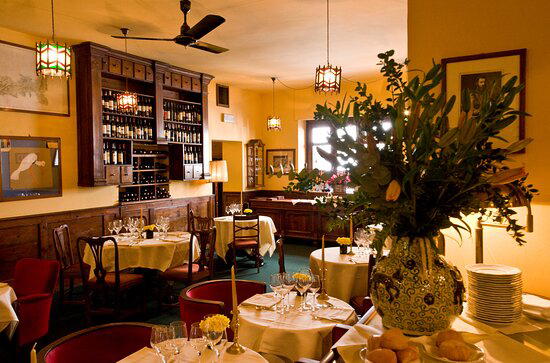
Bars in Florence
Browse all →
Hotels in Florence
Browse all →
At a Glance
- Rustic
- Cozy
- Classic
- Casual Hangout
- Standalone
- Organic
- Local Sourcing
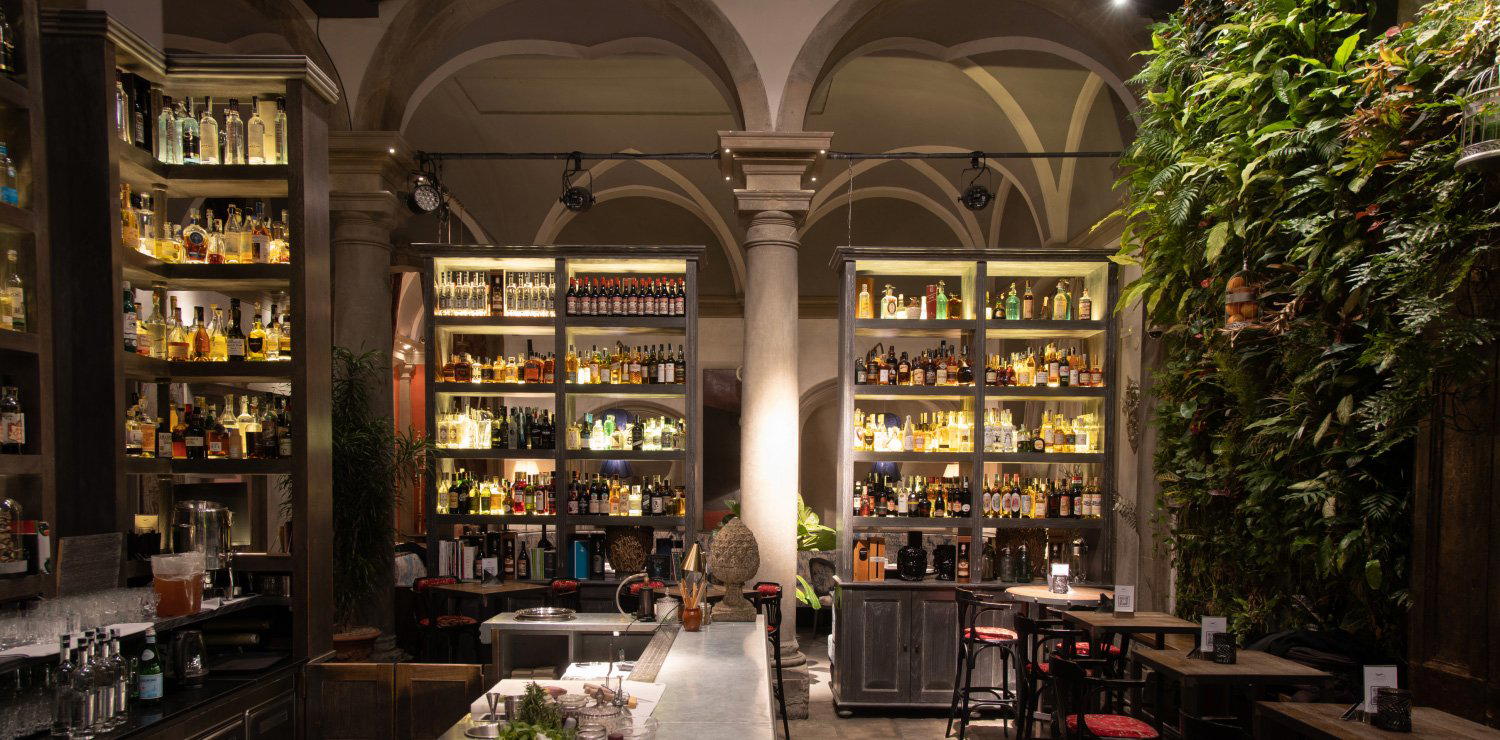
Essential yet warm style with neatly displayed organic fruits, vegetables, meats, oils, wines, and personal care products.