On Piazza della Passera, one of the Oltrarno's quieter squares, Il Magazzino has built its reputation around offal cookery, the kind of nose-to-tail Florentine tradition that most trattorie have quietly dropped. This is where lampredotto and tripe remain the main event, served in a setting that reads more working lunch than white-tablecloth dinner. A useful counterpoint to Florence's tasting-menu circuit.
Pearl is the En Primeur Club membership app — saves, bookings, and concierge access live there. Same editors, same standards.
- Address
- Piazza della Passera, 2, 50125 Firenze FI, Italy
- Phone
- +39 055 215969
- Website
- facebook.com
- Directions
- Get directions
 Saves & bookings on Pearl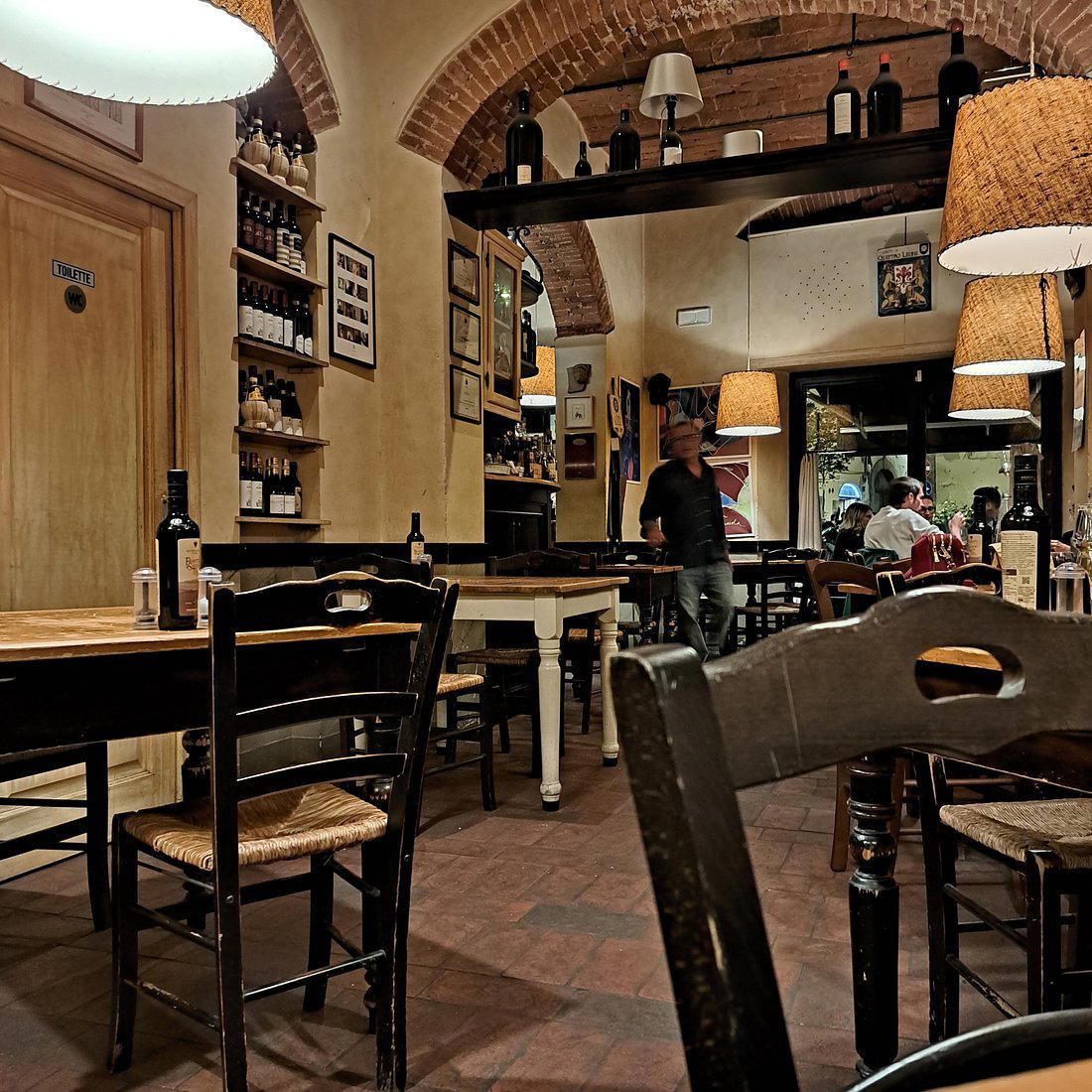
The Square That Skips the Tourist Route
Piazza della Passera sits in the Oltrarno district, a short walk south of the Ponte Vecchio but removed enough from the main pedestrian drag that it still functions as a neighbourhood square rather than a staging ground for selfies. The buildings are low, the foot traffic is local, and the tables that spill outside in warmer months belong mostly to people who live nearby or have come specifically for the cooking. It is the kind of address that Florence's dining scene tends to produce in its less-photographed quarters: small, specific, and built around a clear argument rather than a location advantage.
Osteria Tripperia Il Magazzino occupies this square with a format that is increasingly rare even in a city that technically claims the lampredotto sandwich as civic patrimony. While many central Florence trattorie have softened their menus toward bistecca and pappardelle to meet tourist expectations, Il Magazzino has kept offal at the centre of what it does. That positioning puts it in a small peer group of Florentine establishments where tripe, lampredotto, and related cuts are not a single nostalgic footnote on an otherwise conventional menu, but the actual point.
Lunch vs. Dinner: Two Different Propositions
The lunch-versus-dinner divide matters at a place like this more than it would at, say, Enoteca Pinchiorri or Santa Elisabetta, where the format is consistent across service. At Il Magazzino, the midday sitting carries a different energy: it is faster, more casual, and aligns with the way Florentines have traditionally eaten this food, as a working meal, often at the counter of a lampredotto cart, rarely as a sit-down occasion with a wine list and a second course.
The evening service shifts the register slightly. The tables fill with a more deliberate crowd: visitors who have done the research, locals who treat it as a proper dinner rather than a fuel stop, and the occasional group that has come from across the city specifically for offal in a room that takes it seriously. Neither service is superior, they are different experiences shaped by the same kitchen, but visitors planning around this distinction will find lunch the more authentic read on what the place is doing and why it exists. Dinner offers more time, more wine, and more conversation; lunch delivers the essential argument in concentrated form.
This split also has implications for access. Il Magazzino operates at a different scale, but lunch on weekdays typically offers more room than a weekend dinner sitting, when the Piazza della Passera crowd thickens and the room fills earlier.
The Offal Tradition and Where Il Magazzino Fits
Florence's relationship with offal is not incidental. The city's working-class culinary history is built around cuts that wealthier households discarded: tripe braised in tomato, lampredotto (the fourth stomach of the cow) tucked into a roll and served from street carts, nervetti and other preparations that required time and knowledge rather than expensive raw material. That tradition is documented, specific, and still practised, though the number of dedicated venues has thinned as the tourism economy has reshaped demand toward easier, more internationally legible food.
Il Magazzino sits within that tradition as a sit-down version of what the city's lampredottai have long done at the cart. The format is more considered, the setting more deliberate, but the culinary logic is continuous with street-level Florentine cooking rather than a modern reinterpretation of it. This distinguishes it from the creative Italian addresses operating elsewhere in the city, restaurants like Gucci Osteria da Massimo Bottura, where tradition enters as reference material for something new. At Il Magazzino, tradition is the destination.
What makes Il Magazzino worth understanding is that it does none of these things. It maintains a narrow argument without apology.
The Room and What It Tells You
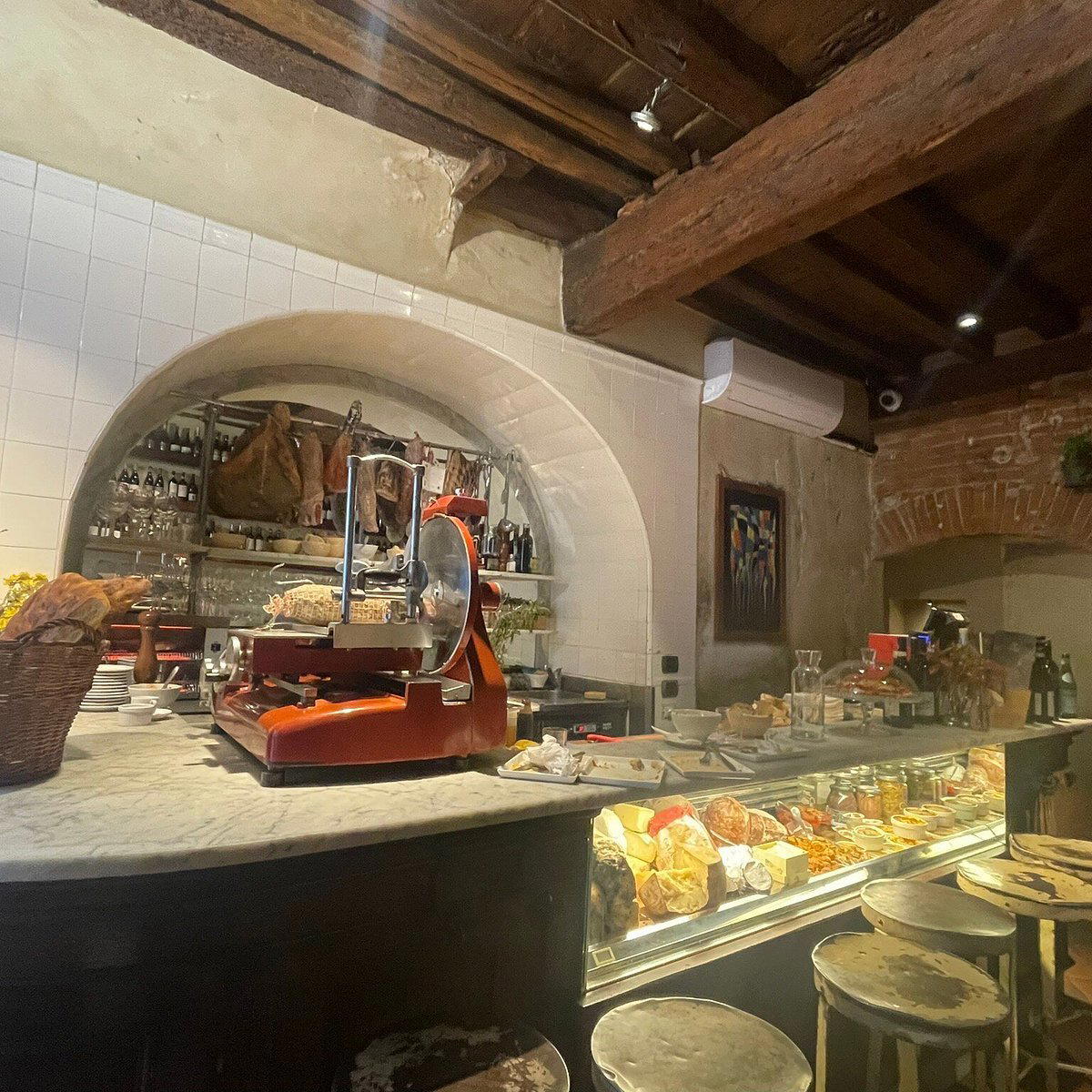
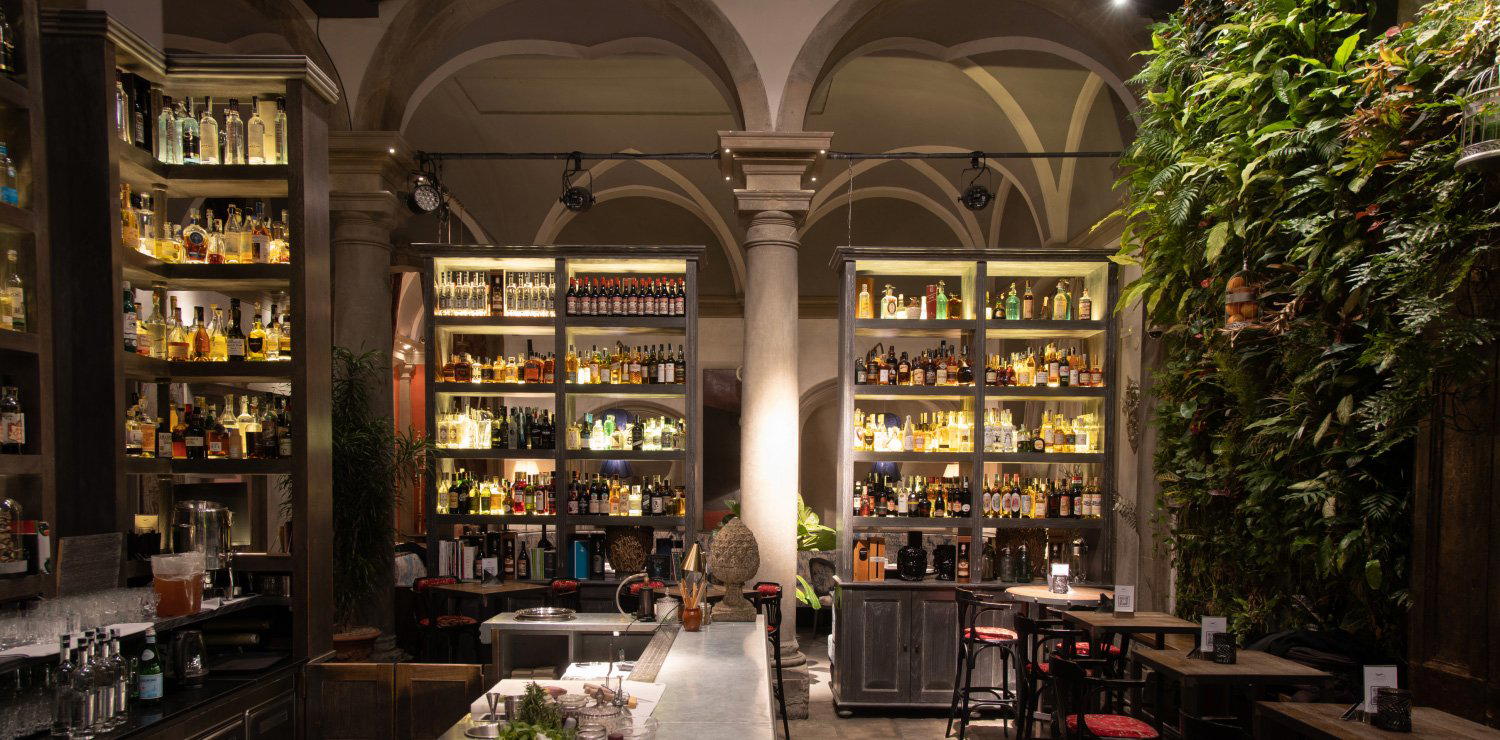
The interior reads as the physical counterpart to the menu: honest materials, no decorative ambition, the kind of space where the food is expected to do the talking. This is not an aesthetic accident. Across Italy, restaurants that maintain the deepest connection to regional culinary specificity tend to invest in product rather than setting, a pattern visible from the working rooms of Reale in Castel di Sangro to the more informal formats at Quattro Passi in Marina del Cantone. The room at Il Magazzino belongs to that tendency, though it sits at the casual end of the spectrum.
The square outside adds something that the interior cannot manufacture. Eating at an outdoor table on Piazza della Passera, particularly at lunch, when the light in the Oltrarno is at its most direct, places the meal inside a neighbourhood rhythm that the more visited parts of central Florence have largely lost. This is less a design feature than a geographic fact, but it shapes the experience considerably.
Planning a Visit
Piazza della Passera is reachable on foot from the Ponte Vecchio in under ten minutes, or from the Santa Maria Novella station in roughly twenty-five. The Oltrarno neighbourhood rewards unhurried arrival: the area around Via Maggio and the Santo Spirito church contains enough antique dealers, wine bars, and bookshops to fill a morning before lunch. Visitors combining Il Magazzino with Florence's higher-end dining circuit should note that the tasting-menu addresses, including Enoteca Pinchiorri and Santa Elisabetta, occupy a different price tier. Il Magazzino is more accessible, both financially and logistically.
For a fuller picture of where Il Magazzino sits within Florence's wider dining options, see our full Florence restaurants guide. Readers whose appetite for Italy's regional specificity extends to the north should also consider Piazza Duomo in Alba, Le Calandre in Rubano, or Atelier Moessmer Norbert Niederkofler in Brunico, each a different expression of how Italian regional identity translates into a dining room. For international reference points on how tradition and technique interact at the highest level, Le Bernardin in New York and Lazy Bear in San Francisco represent contrasting models from the American side.
Style and Standing
Comparable venues nearby, for context on price, style, and recognition.
| Venue | Cuisine | Price | Notes |
|---|---|---|---|
| Osteria Tripperia Il MagazzinoThis venue — the venue you are viewing | Traditional Florentine Offal Osteria | $$ | Not listed |
| Ristorante Ricchi | Traditional Tuscan Italian | $$ | Santo Spirito |
| Trattoria 4 Leoni | Tuscan Trattoria | $$ | Santo Spirito |
| Pizzeria o'Vesuvio | Neapolitan Pizza | $$ | San Niccolo |
| Irene Firenze | Modern Tuscan Fine Dining | $$$ | Santo Spirito |
| Gurdulù Gastronomia | Contemporary Tuscan | $$ | Santo Spirito |
Continue exploring
More in Florence
Restaurants in Florence
Browse all →
Bars in Florence
Browse all →
Hotels in Florence
Browse all →
At a Glance
- Rustic
- Cozy
- Intimate
- Classic
- Casual Hangout
- Late Night
- Historic Building
- Extensive Wine List
- Street Scene
Current opening hours
- Monday
- 12–3 PM, 7:30–11 PM
- Tuesday
- 12–3 PM, 7:30–11 PM
- Wednesday
- 12–3 PM, 7:30–11 PM
- Thursday
- 12–3 PM, 7:30–11 PM
- Friday
- 12–3 PM, 7:30–11 PM
- Saturday
- 12–3 PM, 7:30–11 PM
- Sunday
- 12–3 PM, 7:30–11 PM
Hours can change for holidays and private events. Last verified .
Small, cute, cozy, and welcoming space in a characteristic little square, with a convivial and well-kept historic atmosphere.