Eating at the Edge of the Pantheon Piazza della Rotonda does not ease you in gently. You arrive at one of Rome's most compressed tourist intersections, where the Pantheon's 2,000-year-old portico fills your entire field of vision and the...
 Discover on Pearl
Pearl is the En Primeur Club membership app — saves, bookings, and concierge access live there. Same editors, same standards.
- Address
- Piazza della Rotonda, 8, 00186 Roma RM, Italy
- Phone
- +393966869097
- Website
- ristorantealpantheon.it
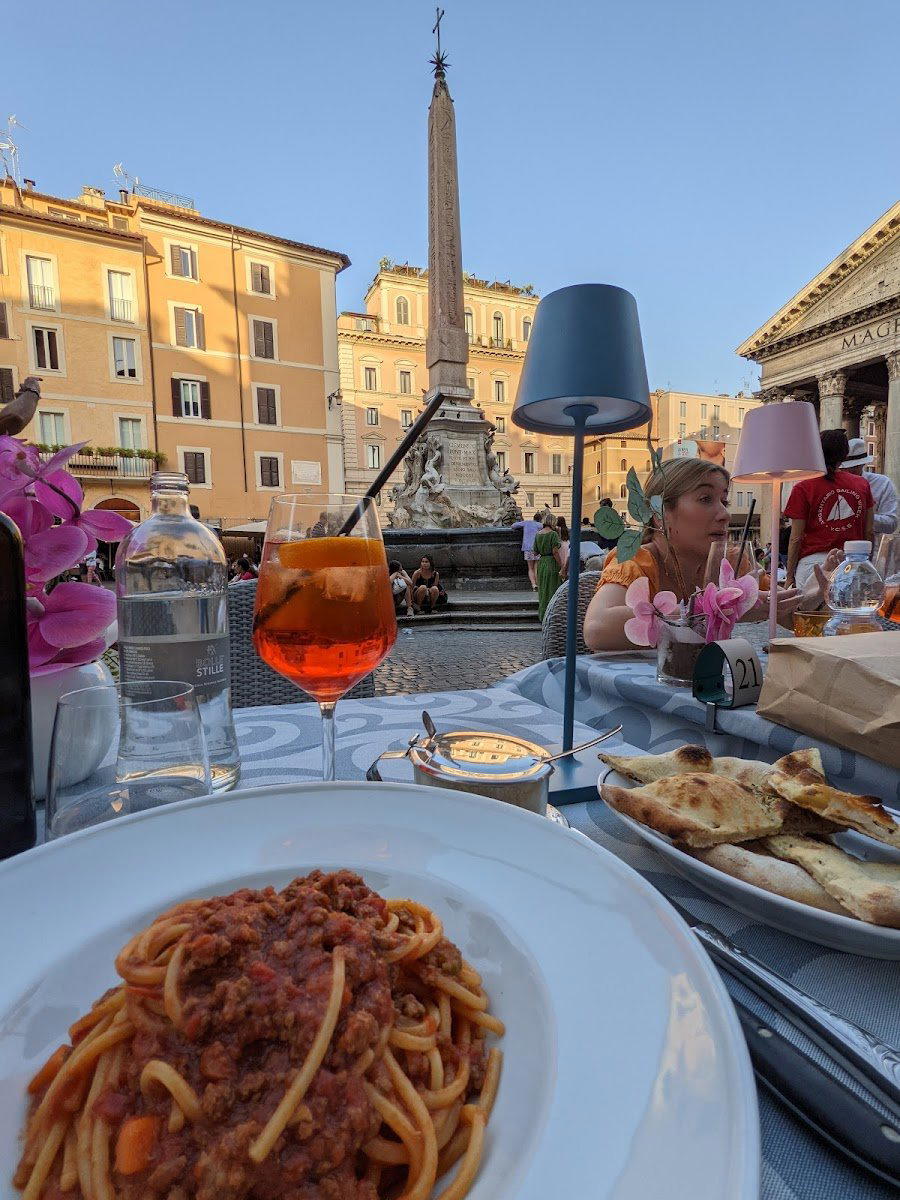
Eating at the Edge of the Pantheon
Piazza della Rotonda does not ease you in gently. You arrive at one of Rome's most compressed tourist intersections, where the Pantheon's 2,000-year-old portico fills your entire field of vision and the surrounding tables spill across cobblestones in every direction. Dining here is not a retreat from the city; it is full immersion in it. The piazza operates at a frequency that most travelers either love immediately or find overwhelming, and Gruppo Di Rienzo occupies one of its most prominent positions at number 8, facing the rotunda directly. It is a traditional Roman Italian restaurant at Piazza della Rotonda, 8, Roma, with a recommended reservation policy and a price tier around $30 per person.
That address is worth pausing on. In Rome's centro storico, proximity to a monument of this magnitude is a double-edged credential. It draws every category of visitor, from the day-tripper eating a single course before moving on, to the Roman family marking an occasion with a long Sunday lunch, to the foreign diner who has done their research and wants to eat well while watching the piazza's slow theater. Gruppo Di Rienzo has held its ground at this junction long enough to have served all of them.
The Ritual of Eating on the Piazza
Outdoor dining in Rome is governed by a logic that differs substantially from the terrace culture of, say, Paris or Barcelona. Here, the meal is structured around the rhythm of the piazza itself: the pace of foot traffic, the light shifting off the Pantheon's pediment in the afternoon, the transition from lunch into the quieter hours of mid-afternoon. A two-course lunch at a piazza-facing table in Rome is not a truncated experience; it follows its own set of conventions, where the aperitivo, the primo, and the secondo each have their moment without being rushed toward a second sitting.
That pacing is harder to maintain on a square this busy, which is partly what separates the operators who have survived here over time from those who cycle through. Eating at a piazza table in the centro storico carries an implicit social contract: the diner accepts some ambient noise and foot traffic in exchange for an unrepeatable position, and the restaurant holds its end by not treating occupied tables as inventory to be turned. How well that contract is honored on any given visit depends on the season, the hour, and, frankly, on where you sit.
Rome's Centro Storico Dining, in Context
The centro storico presents a familiar tension in any serious food city: the neighborhoods with the highest footfall and the most spectacular settings are rarely where the most ambitious kitchens concentrate. Rome's creative fine dining has largely settled elsewhere. Acquolina and Enoteca La Torre operate in quieter, more controlled settings that make sustained tasting-menu formats possible. Il Pagliaccio and Achilli al Parlamento occupy a similar position, where the kitchen has space to concentrate. At the apex, La Pergola sits entirely apart, operating at a level that positions it against Italy's broader fine dining tier, including houses like Osteria Francescana in Modena, Piazza Duomo in Alba, and Enoteca Pinchiorri in Florence.
Gruppo Di Rienzo does not compete in that register, nor does its address ask it to. Its comparable set is the established piazza operators who have learned to serve a wide range of guests without collapsing into the tourist-trap category that claims so many historic-center addresses. Across Italy, venues in positions like this tend to succeed when they maintain a legible, well-executed menu grounded in regional standards rather than chasing creative ambition. The same logic applies at comparable Italian addresses: Dal Pescatore in Runate and Quattro Passi in Marina del Cantone both demonstrate that regional commitment, maintained over years, is what distinguishes a restaurant from a location.
What the Setting Demands of the Diner
The practical realities of eating at Piazza della Rotonda are specific enough to be worth addressing directly. The square is densely visited year-round, but the summer months and Easter period bring the highest foot traffic, and table availability at any piazza-facing restaurant tightens accordingly. A mid-morning visit in autumn, or a late-season weekday lunch, will offer a quieter version of the experience than August at noon. This is not a criticism of any single operator; it is the nature of Rome's most-visited square.
For the traveler who wants to eat well in this part of the city without investing in a full fine dining format, the approach that holds up leading is ordering deliberately: a primo of Roman pasta, a glass of something local, and time at the table to watch the piazza do its work. That is, in essence, what the ritual of eating here is built around. Not the menu's breadth, but the specificity of place. Venues across Rome's comparable squares, from Campo de' Fiori to Piazza Navona, attract diners for the same reason, but none offers quite this foreground. The Pantheon at a distance of twenty meters is the kind of dining context that restaurants in other cities spend millions trying to manufacture.
For those planning a broader Rome restaurant itinerary, EP Club's full Rome restaurants guide covers the city's current range, from neighborhood trattorias to the creative kitchens driving the city's more recent attention among serious food travelers. Italy's wider dining circuit is also worth considering for multi-city itineraries, with houses like Le Calandre in Rubano, Uliassi in Senigallia, Reale in Castel di Sangro, Enrico Bartolini in Milan, and Atelier Moessmer Norbert Niederkofler in Brunico each representing a different chapter of Italian cooking at high ambition. For international comparison, Le Bernardin in New York and Atomix show how this kind of sustained, location-rooted identity translates in other contexts.
Planning a Visit
Specific booking policies, current hours, and menu pricing are available for Gruppo Di Rienzo: reservations are recommended, and it is open daily from 7 AM to 2 AM. The address at Piazza della Rotonda 8 places it immediately adjacent to the Pantheon, accessible on foot from most centro storico hotels in under ten minutes. Arriving early for lunch, before the midday rush concentrates at the square's edges, gives the most comfortable experience of the setting.
Booking and Cost Snapshot
Comparable venues nearby, for context on price, style, and recognition.
| Venue | Cuisine | Price | Awards |
|---|---|---|---|
| Gruppo Di RienzoThis venue — the venue you are viewing | San Eustachio, Traditional Roman Italian | $$ | , |
| Bottega Ciccone | Trastevere, Traditional Roman Italian | $$ | , |
| Taverna Urbana | Monti, Roman Trattoria | $$ | , |
| Ristorante da Mario | Sallustiano, Modern Roman Trattoria | $$ | , |
| Trattoria Nonna Fortunata | Sallustiano, Authentic Roman Trattoria | $$ | , |
| Nuraghe Sardo | Monte Mario, Authentic Sardinian Seafood | $$ | , |
Continue exploring
More in Rome
Restaurants in Rome
Browse all →
Bars in Rome
Browse all →
Hotels in Rome
Browse all →
Wineries in Rome
Browse all →
At a Glance
- Classic
- Elegant
- Romantic
- Date Night
- Family
- Casual Hangout
- Terrace
- Historic Building
- Street Scene
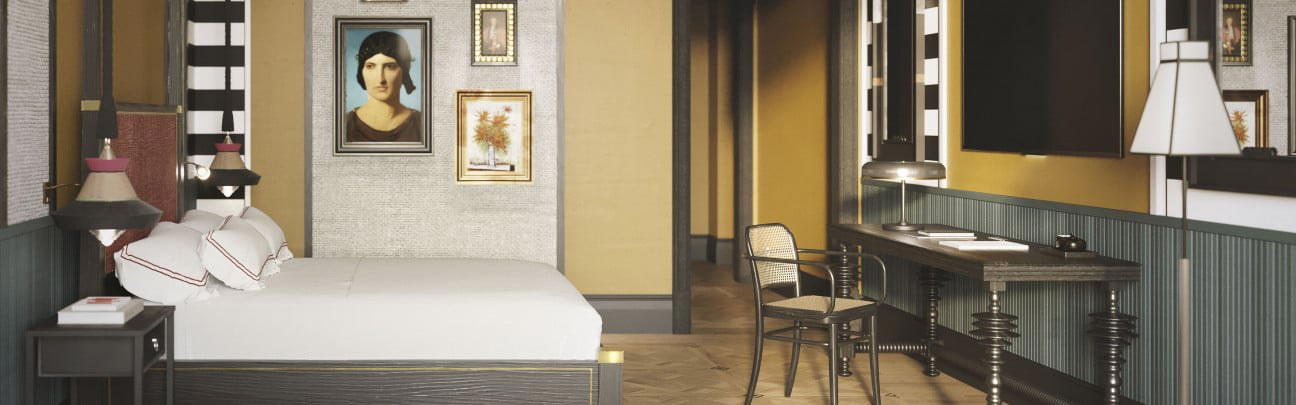
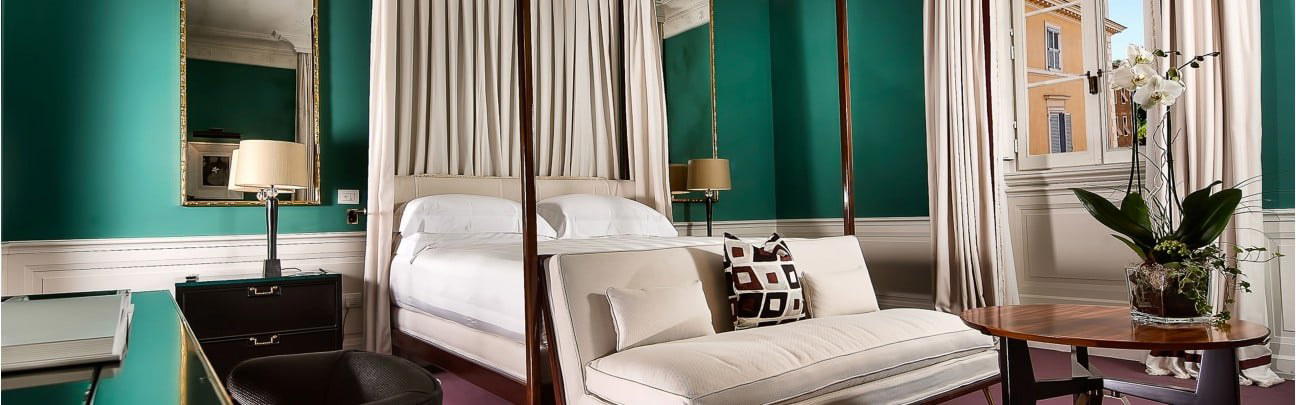
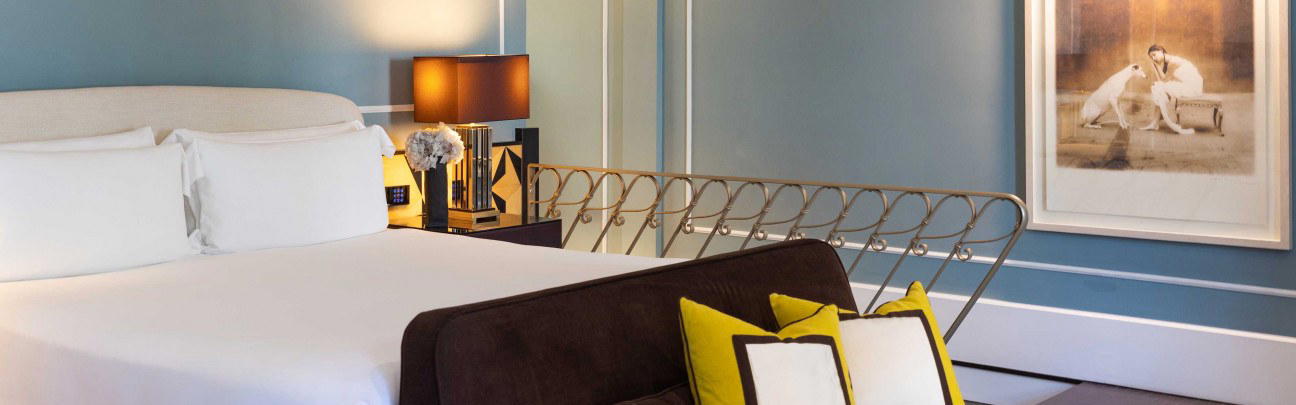
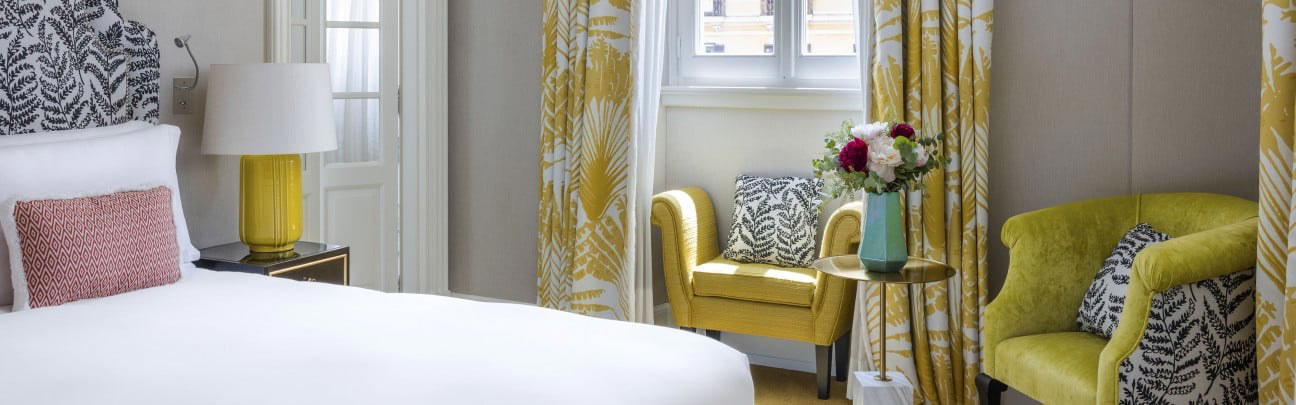
Elegant interior room with romantic window tables and gorgeous outdoor terrace embracing the historic piazza.