Gokita occupies a quiet floor in Nishikanda, Chiyoda, where Tokyo's dining rituals play out at their most deliberate. The address places it in a neighbourhood that rewards repeat visitors over casual browsers, and the format follows the cadence of studied Japanese hospitality rather than spectacle. For those tracking the city's serious dining tier, it belongs in the same conversation as Tokyo's most purposeful tables.
Pearl is the En Primeur Club membership app — saves, bookings, and concierge access live there. Same editors, same standards.
- Address
- Japan, 〒101-0065 Tokyo, Chiyoda City, Nishikanda, 2 Chome−4−9 第二錦水ビル 1階
- Phone
- +81362724365
- Website
- jinbocho-gokita.com
 Saves & bookings on Pearl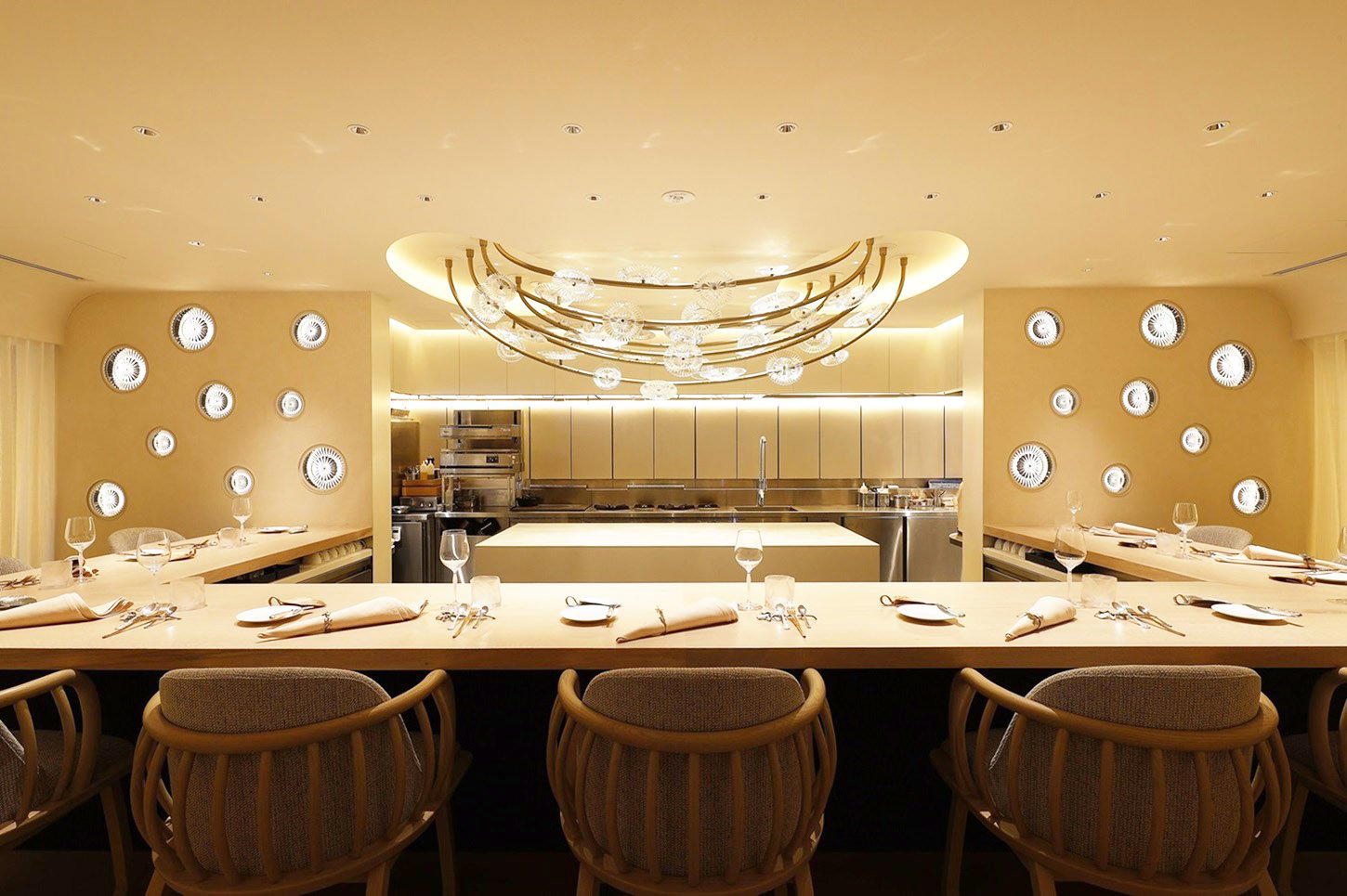
Where the Meal Has a Pace of Its Own
In Tokyo's Chiyoda ward, the distance between a restaurant with a sign and one without is often the first indicator of intent. Nishikanda sits slightly east of the grander commercial corridors, and the buildings along its backstreets tend to favour function over facade. Gokita occupies one of these addresses, on the first floor of a low-profile building in the 2-chome area. The approach is unhurried. Nothing about the exterior competes for attention, which in Tokyo's serious dining tier is itself a signal.
This part of the city, distinct from the high-visibility restaurant clusters of Ginza, Roppongi, or Shinjuku, has long attracted tables that rely on word-of-mouth and repeat custom rather than foot traffic. Gokita falls clearly in the latter category.
The Ritual Before the First Course
Japanese fine dining, regardless of format, operates through a set of shared procedural principles that distinguish it from Western tasting menus. The sequence is deliberate: arrival, seating, the quiet presentation of tea or a cold towel, and then the incremental unfolding of courses that rarely announces itself loudly. These rituals set the tempo of the meal and signal to the diner that the next two or three hours belong to a different kind of attention.
At Gokita, the address suggests a format built around this rhythm. Tables in buildings like this one rarely seat large parties. The room is not designed for groups celebrating with noise. The expectation, implicit from the moment a reservation is confirmed, is that the guest arrives prepared to follow the kitchen's lead rather than impose their own. This is a defining characteristic of Tokyo's serious rooms, from the sushi counters of Ginza, such as Harutaka, to the kaiseki rooms where RyuGin stages its seasonal sequences.
Chiyoda's Dining Character
Chiyoda is not the ward most international visitors associate with destination dining. Ginza holds the concentration of starred addresses; Minato contains the foreign-chef outposts and hotel dining rooms. But Chiyoda, and Nishikanda specifically, has a different kind of resident: the after-work counter, the quietly maintained specialist, the address known to a defined group of regulars. These are restaurants that measure success in years of consistent bookings.
The comparable set for a Nishikanda address like Gokita is therefore not primarily the headline-grabbing creative tables, places like L'Effervescence in Minami-Aoyama or Sézanne in the Four Seasons, but rather the smaller rooms where the format itself is the main event. Comparable intent can be found across Japan at tables like Gion Sasaki in Kyoto, where the kaiseki sequence carries without theatrical flourish, or akordu in Nara, where a tightly controlled format produces a specific kind of dining experience.
Pacing, Etiquette, and What the Meal Asks of You
The customs of a meal at this tier in Tokyo are worth understanding before arrival. The host or chef typically controls all elements of timing: how long between courses, when sake or wine is offered, whether conversation is welcomed during plating. Attempting to accelerate the meal, or asking to skip courses, sits outside the implicit contract. This is true across the full spectrum of Japanese fine dining, from Fukuoka's Goh to the more intimate rooms of Abon in Ashiya.
Dress code at serious Tokyo counters and dining rooms defaults to smart casual: jacket for men is often expected at the higher end. Arriving on time, or a few minutes early, is close to mandatory. Japanese hospitality reads lateness as a disruption to the meal's rhythm, and that rhythm, once set, is difficult to recover. Mobile phones at the counter are managed with discretion rather than prohibition, but the convention is clear enough that most regulars comply without being asked.
These same principles apply at the internationally recognised tier, at rooms like Le Bernardin in New York or Lazy Bear in San Francisco, the guest is similarly asked to relinquish control of the pace to the kitchen. But in Tokyo the expectation carries a cultural weight that makes it feel less like a rule and more like an obvious given.
How Gokita Sits in Tokyo's Broader Dining Tier
Tokyo has more Michelin-starred restaurants than any other city, and the density of serious cooking across its wards means that any given neighbourhood likely contains a table operating at a level that would draw attention in London or Paris. The city's quieter addresses, however, do not automatically translate across markets. A Nishikanda room known to a defined set of Tokyo regulars may be largely invisible to international visitors, who tend to cluster around the Ginza sushi counters or the ambitious French-influenced tasting menus.
This gap between local reputation and international visibility is one of the persistent features of Tokyo dining. The innovative French-Japanese rooms, Crony is a current example, have built recognisable international profiles through format and media visibility. The quieter Japanese rooms have not always sought the same exposure. Gokita, based on its address and the character of its neighbourhood, reads as a table that has not pursued that visibility, which places it in a category that rewards diners who know to look for it.
Across Japan's secondary cities, the equivalent calculation applies at tables like HAJIME in Osaka, affetto akita in Akita, Aji Arai in Oita, Ajidocoro in Yubari District, and Akakichi in Imabari, each operating at a serious level within a local context that international dining guides have been slow to fully acknowledge. aki nagao in Sapporo follows a similar pattern of deliberate local rootedness.
Planning Your Visit
Reservations: Based on the address type and neighbourhood character, advance booking is strongly advised; Tokyo rooms of this format rarely accommodate walk-ins, and demand among local regulars can absorb capacity weeks ahead. Getting there: Nishikanda Station (Shinjuku Line) and Ogawamachi Station (Hanzomon and Shinjuku Lines) are practical access points for the 2-chome area. Dress: Smart casual at minimum; err toward jacket if uncertain. Timing: Dinner seatings in Tokyo at this tier typically begin between 18:00 and 19:00, with the kitchen setting the close of service. Budget: Expect around $450 per person. Season: Autumn (October to November) is often one competitive period.
Similar Picks
Comparable venues nearby, for context on price, style, and recognition.
| Venue | Cuisine | Price | Notes |
|---|---|---|---|
| GokitaThis venue — the venue you are viewing | Yakitori French Fusion | $$$$ | Not listed |
| Sushi Sho | Traditional Edomae Sushi Omakase | $$$$ | Nishiazabu |
| 鉄板焼 赤坂 | Luxury Japanese Teppanyaki with Wagyu & Skyline Views | $$$$ | Akasaka |
| Tsuruhachi | Classic Edomae Sushi | $$$$ | Minato |
| Kobikicho Tomoki | High-End Edomae Sushi Omakase | $$$$ | Chūō |
| 新ばし 星野 | Traditional Japanese Kaiseki | $$$$ | Minato |





At a Glance
- Sophisticated
- Elegant
- Modern
- Date Night
- Special Occasion
- Business Dinner
- Private Dining
- Sake Program
- Local Sourcing
Current opening hours
- Monday
- 5:30–11 PM
- Tuesday
- 5:30–11 PM
- Wednesday
- 5:30–11 PM
- Thursday
- 5:30–11 PM
- Friday
- 5:30–11 PM
- Saturday
- 5:30–11 PM
- Sunday
- 5:30–10 PM
Hours can change for holidays and private events. Last verified .
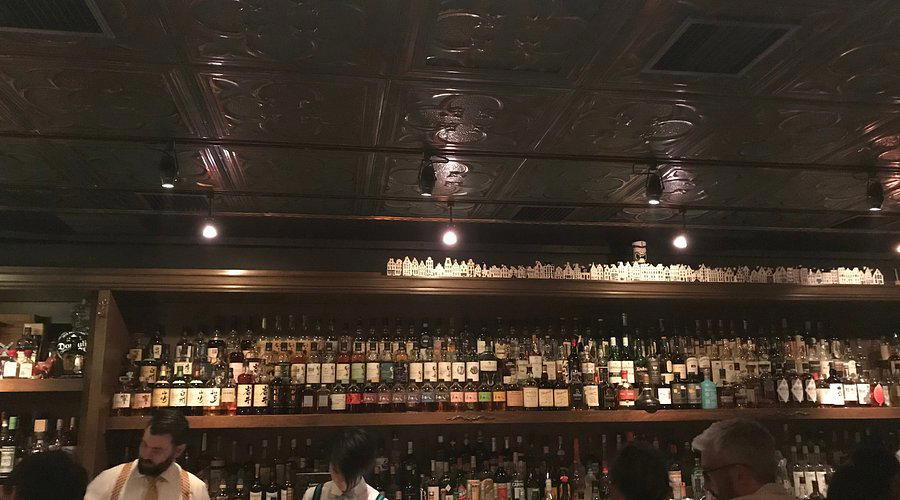
Stylish and relaxing space with counter and private room seating, offering an intimate and sophisticated atmosphere.