Go Sushi sits on Svetozara Markovića in central Belgrade, where Japanese technique meets the preferences of a city that has embraced raw-fish formats with genuine appetite. The address places it inside a dining corridor increasingly defined by global methods applied to local palates. For visitors cross-referencing Belgrade's wider sushi tier, it serves as a reference point for the format's reach into the Serbian capital.
Pearl is the En Primeur Club membership app — saves, bookings, and concierge access live there. Same editors, same standards.
- Address
- Svetozara Markovića 38, Beograd 11000, Serbia
- Phone
- +381638330000
- Website
- gosushi.rs
- Directions
- Get directions
 Saves & bookings on Pearl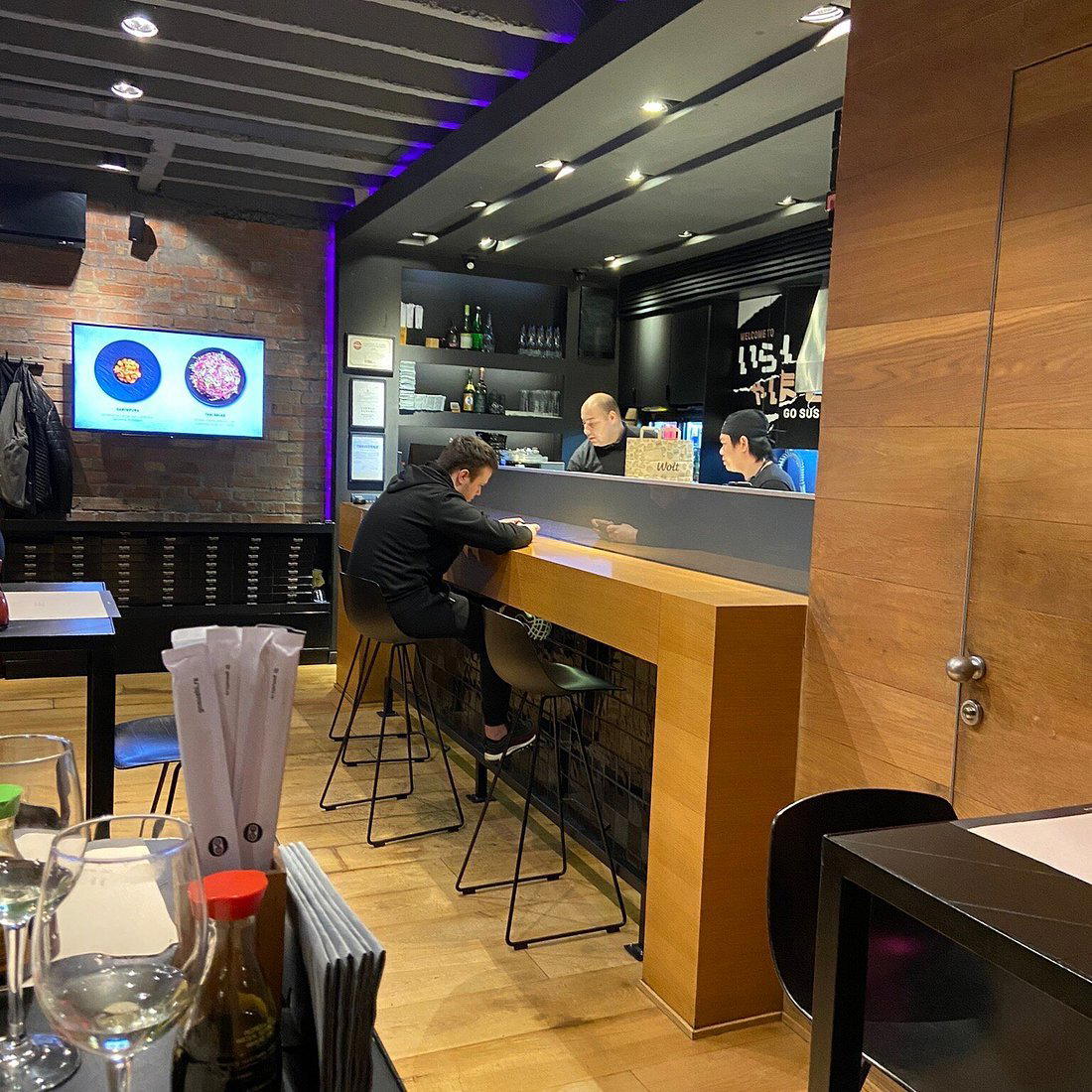
Japanese Technique in a City Still Defining Its Relationship with Raw Fish
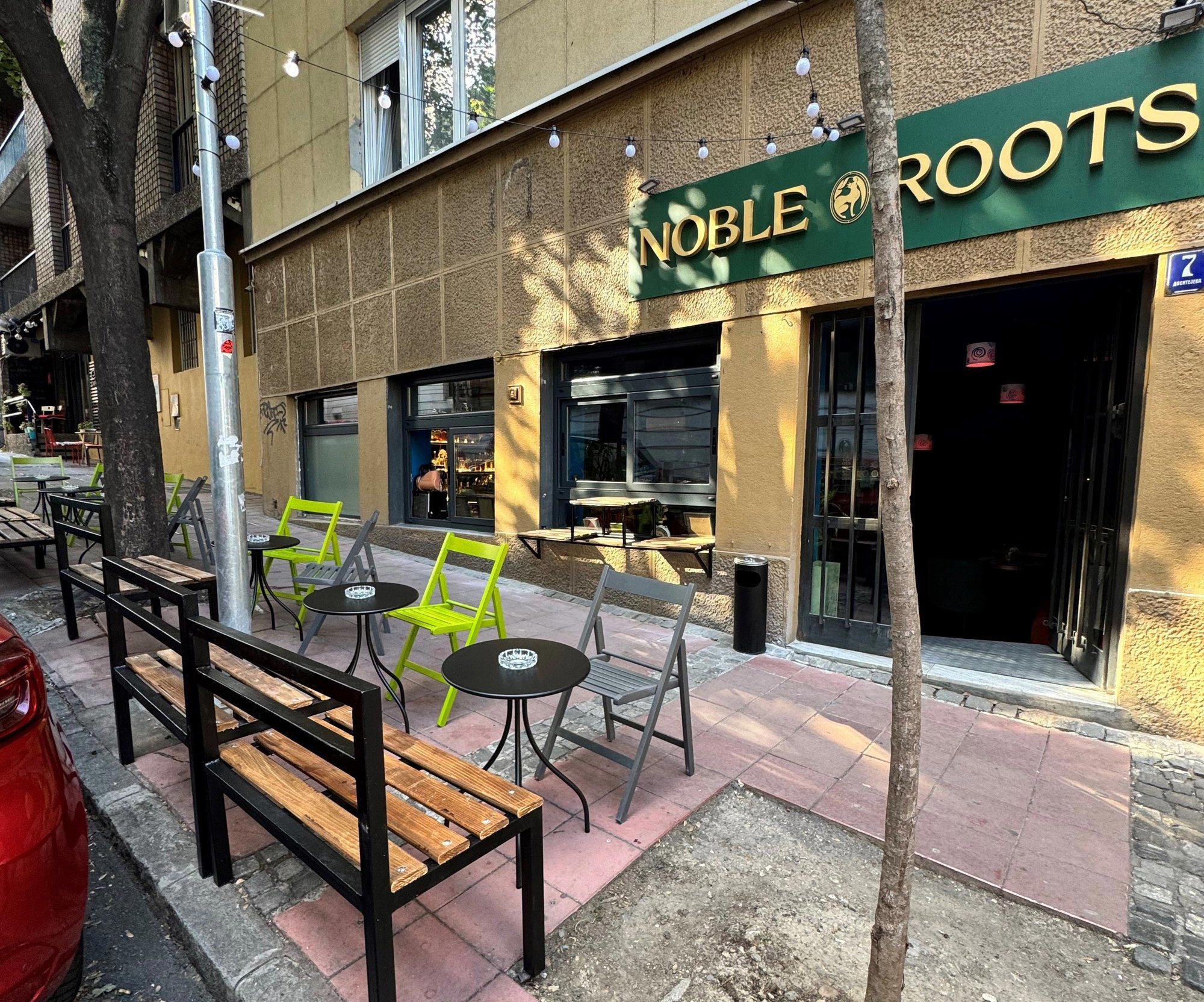
Svetozara Markovića is a mid-city Belgrade street that functions as something of a test strip for how the capital absorbs international dining formats. Walk its length and you pass Serbian staples alongside Vietnamese counters, modern European bistros, and, at number 38, Go Sushi. The building itself signals a modest storefront from the street, which suits Belgrade's casual dining scene.
Sushi in Belgrade occupies an interesting position in the broader regional story. Serbia has no coastline and no domestic tradition of raw-fish preparation, which means every Japanese or Japanese-adjacent counter in the capital is, by definition, working from imported technique. The question that separates one from another is how that technique engages with local supply and local taste. Across Central and Eastern Europe, the cities that have developed credible Japanese dining tend to be those where chefs have moved beyond pure replication and started treating the format as a framework rather than a script. Belgrade is still in that process, and Go Sushi on Svetozara Markovića is part of the conversation.
The Intersection of Imported Method and Domestic Supply
Japan's own sushi tradition was built on proximity to the sea and centuries of preserving and ageing fish in controlled ways. When that tradition travels to Belgrade, the supply chain changes entirely. Fish arrives by refrigerated freight; quality depends on sourcing relationships rather than morning markets. The leading Japanese-technique counters in comparable European capitals, from Vienna to Warsaw, have responded by either investing heavily in certified import networks or by leaning toward ingredients that travel well and that local suppliers can provide at consistent quality.
For a Belgrade address, this means the product question is always live. Rice quality, vinegar sourcing, and fish provenance are the variables that separate a technically proficient kitchen from one that is merely replicating a format. At Go Sushi's price tier, the approach is modest, but the underlying challenge is the same.
Where Go Sushi Sits in Belgrade's Dining Structure
Belgrade's restaurant map has diversified considerably over the past decade. The city now runs a credible range from approachable neighbourhood spots through to ambitious modern European kitchens. At the upper end, venues like Langouste operate in the €€€€ tier with modern cuisine credentials, while The Square covers contemporary French and modern cuisine at €€. The restaurant occupies the casual-to-mid tier that suits the format in most European cities outside of dedicated omakase counters: accessible enough for regular use, structured around a menu rather than a tasting sequence.
The sushi format across Europe at this tier typically runs a printed menu of rolls, nigiri, and sashimi selections with some cooked additions, priced per piece or per set. It sits in a different competitive set from Serbian-focused restaurants like Ambar or riverside options like Avala, and serves a different purpose for the visitor: it is where you go when the appetite is specifically for Japanese format, not when you're exploring what Belgrade cooks for itself.
That said, the city's appetite for Asian formats is genuine rather than novelty-driven. Barrel House and the Vietnamese counter Istok both demonstrate that Belgrade diners engage seriously with non-European cuisines. Sushi has been part of that picture long enough that the format no longer carries novelty premium, which tends to concentrate quality: venues that couldn't justify their position on novelty alone have either improved or closed.
Planning Your Visit
The restaurant is at Svetozara Markovića 38 in central Belgrade, which places it within easy reach of the city's main walking corridors. For visitors already familiar with Belgrade's dining geography, the street is accessible from both the city centre and the Vračar neighbourhood. Serbia more broadly has a strong restaurant culture outside the capital too: Fleur de Sel in Novi Slankamen, Ananda in Novi Sad, and Aleksandar Gold in Uzice are worth referencing if your trip extends beyond Belgrade. Regional options like Borkovac in Ruma, Etno Kuća Dinar in Vrsac, ETNO PODRUM BRKA in Nis, Cafe Boem in Pirot, ČARDA ZLATNA KRUNA in Apatin, Etno Restoran Fijaker in Sombor, and Burrito Madre Big Pančevo in Pancevo extend the country's dining map considerably. For the full picture of what Belgrade specifically offers, our full Belgrade restaurants guide maps the city's current range across formats and price tiers.
The restaurant is recommended for reservations and is open daily from 11 AM to 12 AM.
A Credentials Check
Comparable venues nearby, for context on price, style, and recognition.
| Venue | Cuisine | Price | Notes |
|---|---|---|---|
| Go SushiThis venue — the venue you are viewing | Japanese Sushi & Fusion | $$ | Not listed |
| RESTORAN SAKURA | Japanese-Asian Fusion | $$$ | Stari Grad |
| RESTORAN OPERA | Serbian & International | $$ | Stari Grad |
| Trattoria Campania | Authentic Neapolitan Italian Trattoria | $$ | Belgrade Center |
| Klub Košutnjak | Serbian Game Meat | $$ | Košutnjak |
| Yxlanzh | Authentic Chinese Noodles | $$ | :null |
At a Glance
- Modern
- Trendy
- Casual Hangout
- Open Kitchen
- Sake Program
Current opening hours
- Monday
- 11 AM–12 AM
- Tuesday
- 11 AM–12 AM
- Wednesday
- 11 AM–12 AM
- Thursday
- 11 AM–12 AM
- Friday
- 11 AM–12 AM
- Saturday
- 11 AM–12 AM
- Sunday
- 11 AM–12 AM
Hours can change for holidays and private events. Last verified .
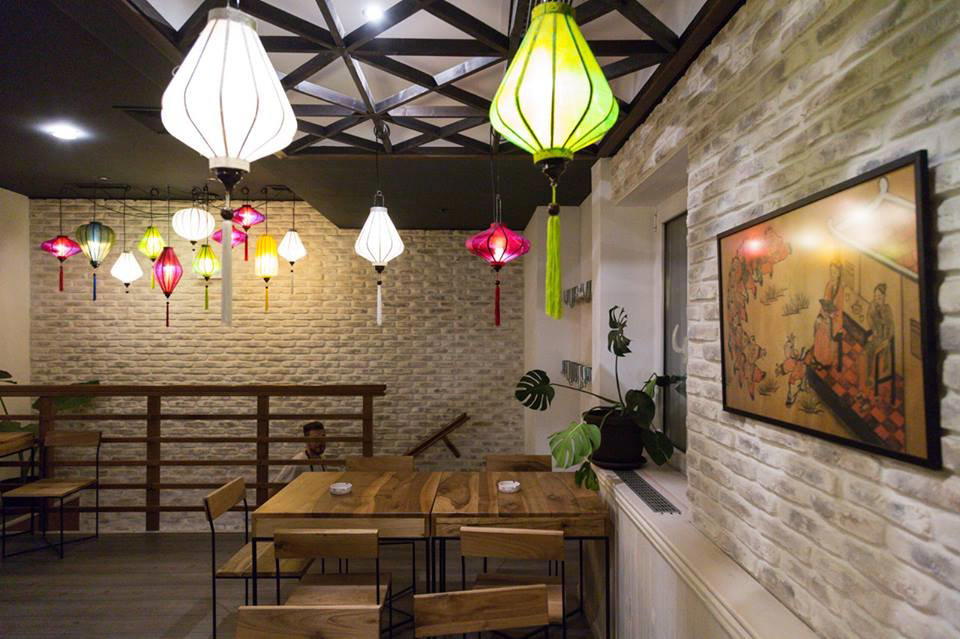
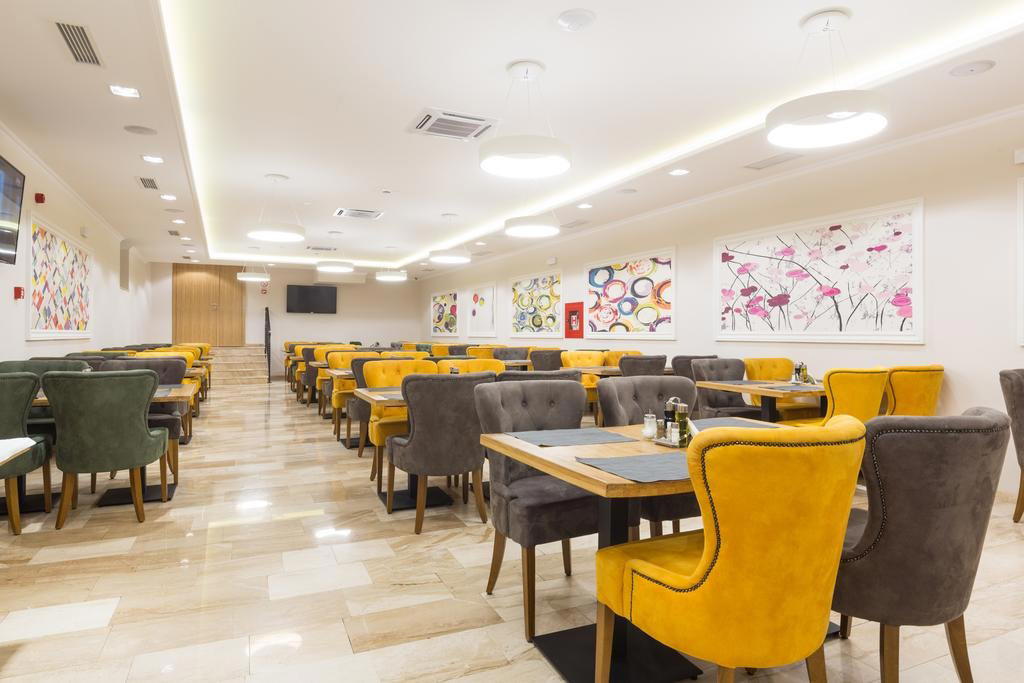
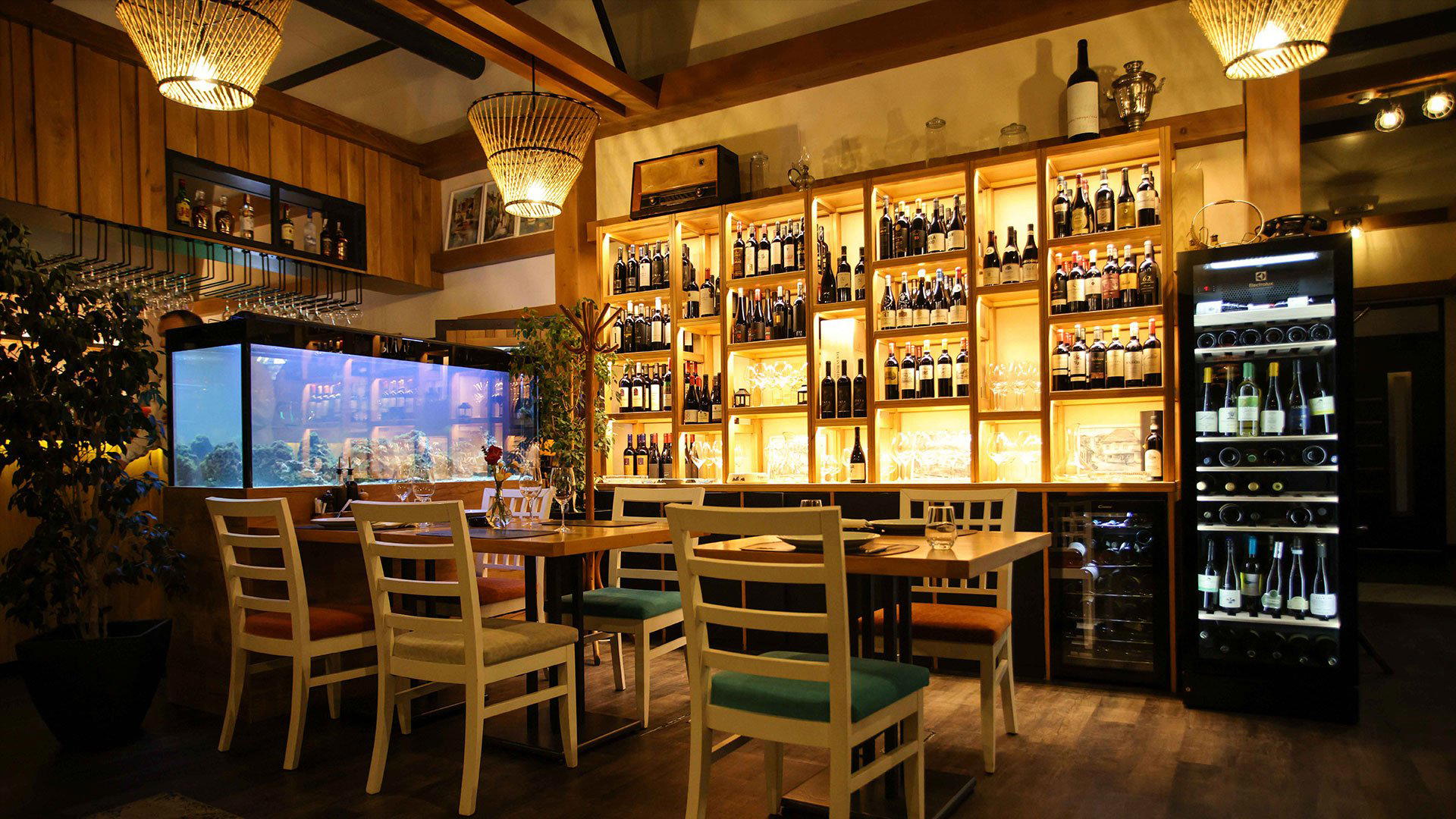
Cool, modern interior with a casual, energetic sushi spot atmosphere.