Restoran Sakura sits on Karađorđeva in central Belgrade, placing it within easy reach of the Savamala quarter's growing dining scene. Check current booking and menu details directly with the venue before visiting.
Pearl is the En Primeur Club membership app — saves, bookings, and concierge access live there. Same editors, same standards.
- Address
- Karađorđeva 2-4, Beograd 11000, Serbia
- Phone
- +381603654044
- Website
- sakurarestoran.rs
- Directions
- Get directions
 Saves & bookings on Pearl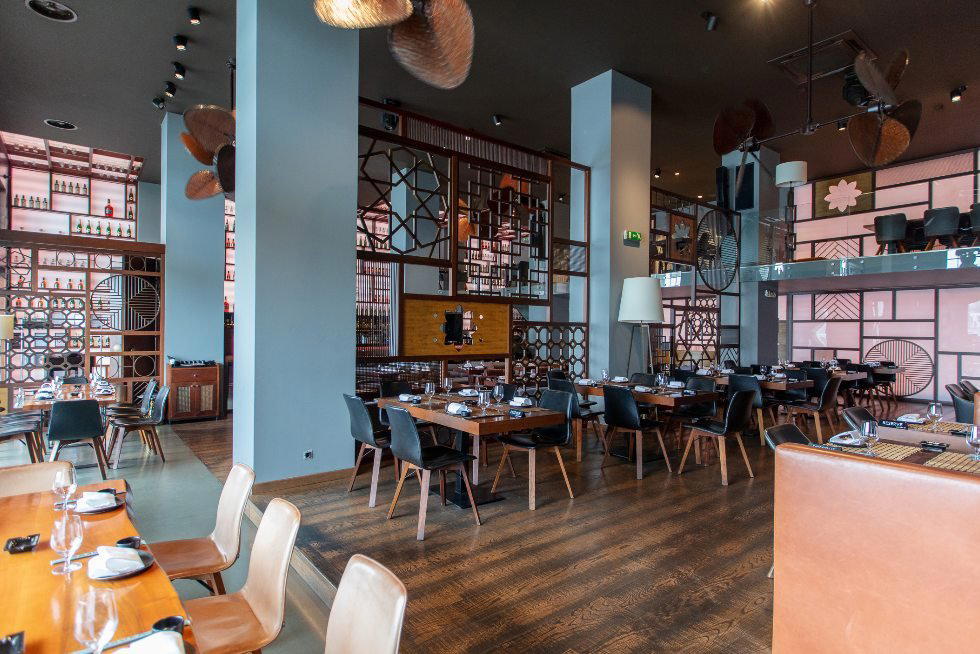
An Address on Karađorđeva
Belgrade's dining scene has grown considerably more layered in the past decade, splitting between kafana-rooted tradition, modernist Serbian kitchens, and a smaller cluster of internationally-oriented addresses. Karađorđeva street, where Restoran Sakura operates at numbers 2-4, runs along the edge of the Savamala district, which has become one of the city's more culturally active corridors. That positioning matters: the area draws a mix of local professionals, design-conscious visitors, and a generation of Belgrade diners who have grown accustomed to restaurants that think beyond the Serbian grill standard. A venue on this stretch is not operating in isolation; it is part of a neighbourhood conversation about what Belgrade dining can look like.
The name Sakura signals a Japanese or Japanese-adjacent reference point, which in Belgrade represents a distinct niche. The city's strongest international restaurant clusters have historically leaned toward Mediterranean and Balkan-adjacent cuisines, making any consistently operating Asian-referencing kitchen a different kind of proposition for a local diner. Whether that framing is executed through a purist lens or adapted to local palate preferences is something that only a visit can confirm, but the positioning alone puts the restaurant in a separate competitive tier from the kafana and modern Balkan kitchens that dominate most of Belgrade's restaurant coverage.
Belgrade's Broader Dining Context
To understand where an address like Restoran Sakura sits, it helps to map the tiers operating across the city. At the higher end of modern cuisine, venues like Langouste and The Square have built reputations around contemporary European techniques and tasting menu formats. At the more accessible end, Ambar has made a sustained argument for modern Balkan sharing plates, while Avala and Barrel House each occupy specific niches in the city's mid-range dining offer. Against that backdrop, a Japanese-named restaurant on a well-trafficked central address is working in a space with less direct competition and a different set of expectations from its clientele.
This is relevant because Belgrade diners approaching an Asian-referencing kitchen are often making a different kind of decision than they would at a Serbian or European address: they are choosing specificity over familiarity. That decision-making pattern tends to reward restaurants that commit clearly to a culinary identity.
Sustainability and Sourcing in the Belgrade Context
Serbian restaurants have arrived at questions of sourcing and sustainability through a different path than their Western European counterparts. The country's agricultural base is substantial, and proximity to rural producers has long been part of how serious Belgrade kitchens operate, even when that connection is informal rather than certified or marketed. Across the region, restaurants that draw on local supply chains, seasonal produce calendars, and reduced import dependency are often doing so out of economic and geographic logic as much as environmental philosophy. The result is that sourcing practices which would be labelled as sustainability initiatives in Paris or London are, in Belgrade, simply how functional kitchens have operated for generations.
For a restaurant with a Japanese-inflected identity operating in this environment, the tension between ingredient fidelity and local sourcing becomes more visible. Japanese cuisine, at its most precise, depends on specific product categories: particular rice varieties, specific fish species, fermented condiments aged over months or years. Replicating that in Belgrade means making decisions about what to import, what to substitute, and what to reinterpret using available Serbian produce. Those decisions are not trivial; they define the gap between a kitchen that imports everything and charges accordingly, and one that builds a more grounded version of its cuisine from the ingredients at hand. Neither approach is inherently superior, but they produce different dining experiences and different environmental footprints.
How the kitchen resolves this question remains open. It is, however, a question worth asking when making a reservation or reviewing a current menu: how much of what arrives at the table is sourced regionally, and how does the kitchen communicate those choices to the guest.
Situating the Restaurant Within Serbia's Wider Scene
Belgrade is the density point of Serbian dining, but it does not operate in a vacuum. Restaurants elsewhere in the country offer their own versions of regional specificity: Kod Brana in Cacak, Lovački dom in Valjevo, and Etno Kuća Dinar in Vrsac each anchor a strong sense of place through locally rooted menus. In Novi Sad, Kafe Restoran Maša represents the northern Vojvodina approach to dining. Further afield, Windmill in Pancevo and Čarda Zlatna Kruna in Apatin reflect riverine dining traditions that are distinctly different from the capital's urban offer. Even mountain contexts like Grand in Kopaonik and smaller-town addresses like Kafana Dukat in Pirot, Aleksandar Gold in Uzice, and Kod poštara in Aran Đelovac each document the breadth of what Serbian hospitality looks like outside the capital.
Within that wider map, a central Belgrade address with an Asian-inflected identity is operating as a specialist proposition. The comparison is less to a kafana in Pirot and more to how international-cuisine restaurants function in other mid-sized European capitals where the dining culture is still consolidating its international range. Comparably ambitious international kitchens in cities like Belgrade tend to succeed when they commit fully to their reference cuisine and price in a way that signals seriousness without pricing out the local market entirely.
Planning a Visit
Restoran Sakura is located at Karađorđeva 2-4 in central Belgrade, a short walk from the main riverfront and well within reach of public transport and most city-centre accommodation. Visitors planning a dinner here should verify operating hours and reservation availability directly before arrival. This is particularly relevant if travelling as part of a group or combining the visit with other Savamala-area plans, where coordination between multiple venues matters. For a broader map of what the Serbian capital offers across price tiers and cuisine types, our full Belgrade restaurants guide provides comparative context. For reference points at the global end of the precision-cuisine spectrum, Le Bernardin in New York City and Atomix in New York City demonstrate what full commitment to a culinary identity looks like at the summit of the international range.
Booking and Cost Snapshot
Comparable venues nearby, for context on price, style, and recognition.
| Venue | Cuisine | Price | Notes |
|---|---|---|---|
| RESTORAN SAKURAThis venue — the venue you are viewing | Stari Grad, Japanese-Asian Fusion | $$$ | Not listed |
| Josephine | Vračar, Modern International | $$$ | Not listed |
| RESTORAN RUSTIQUE | Not listed | $$$ | Senjak, Authentic Italian Pizza and Pastas |
| Sheher Park Cafe | Senjak, Mediterranean Cafe | $$$ | Not listed |
| Insolita | Dorćol, Modern Italian Trattoria | $$$ | Not listed |
| Cantina de Frida | Savamala, Mexican and Spanish Tapas | $$ | Not listed |
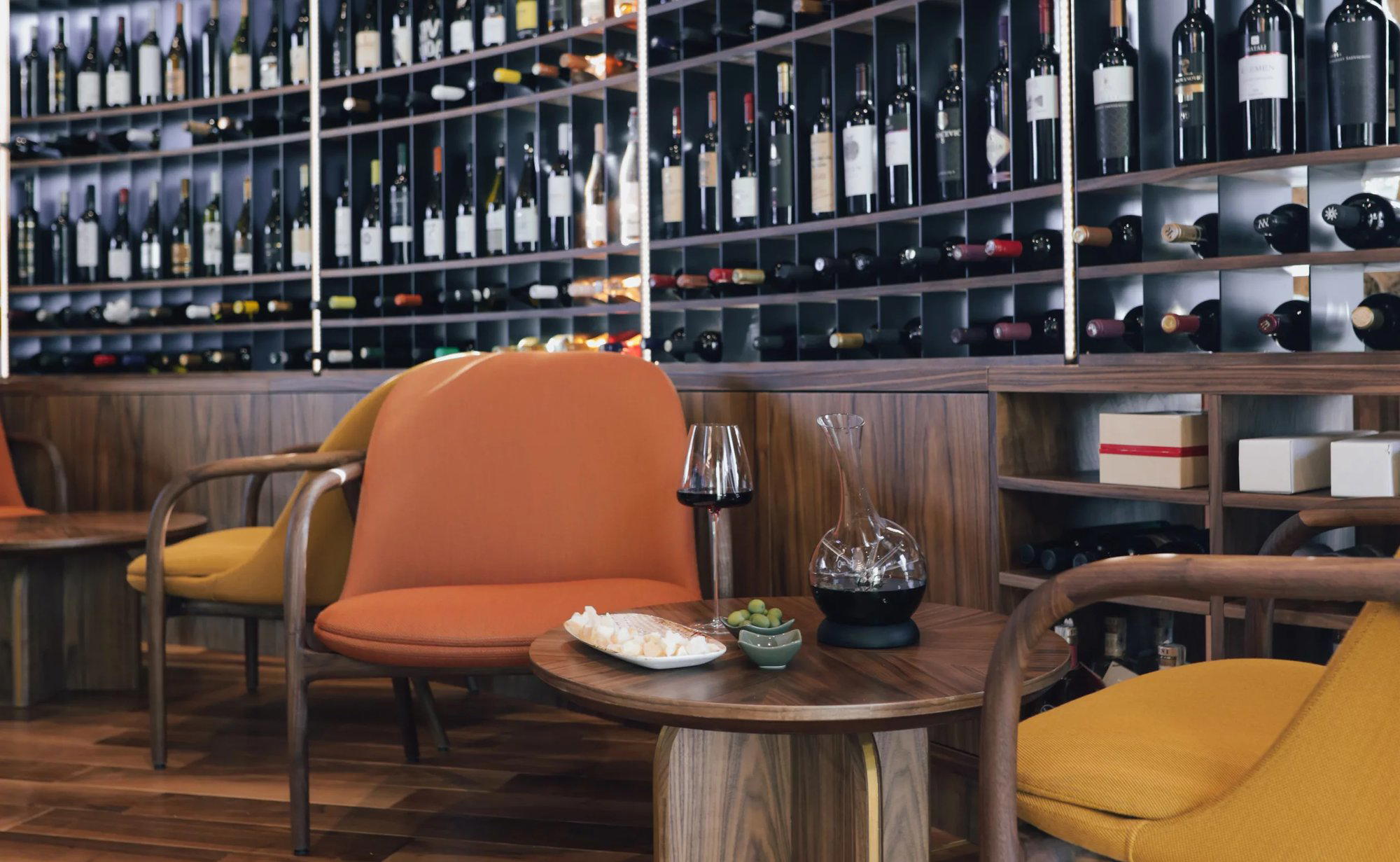
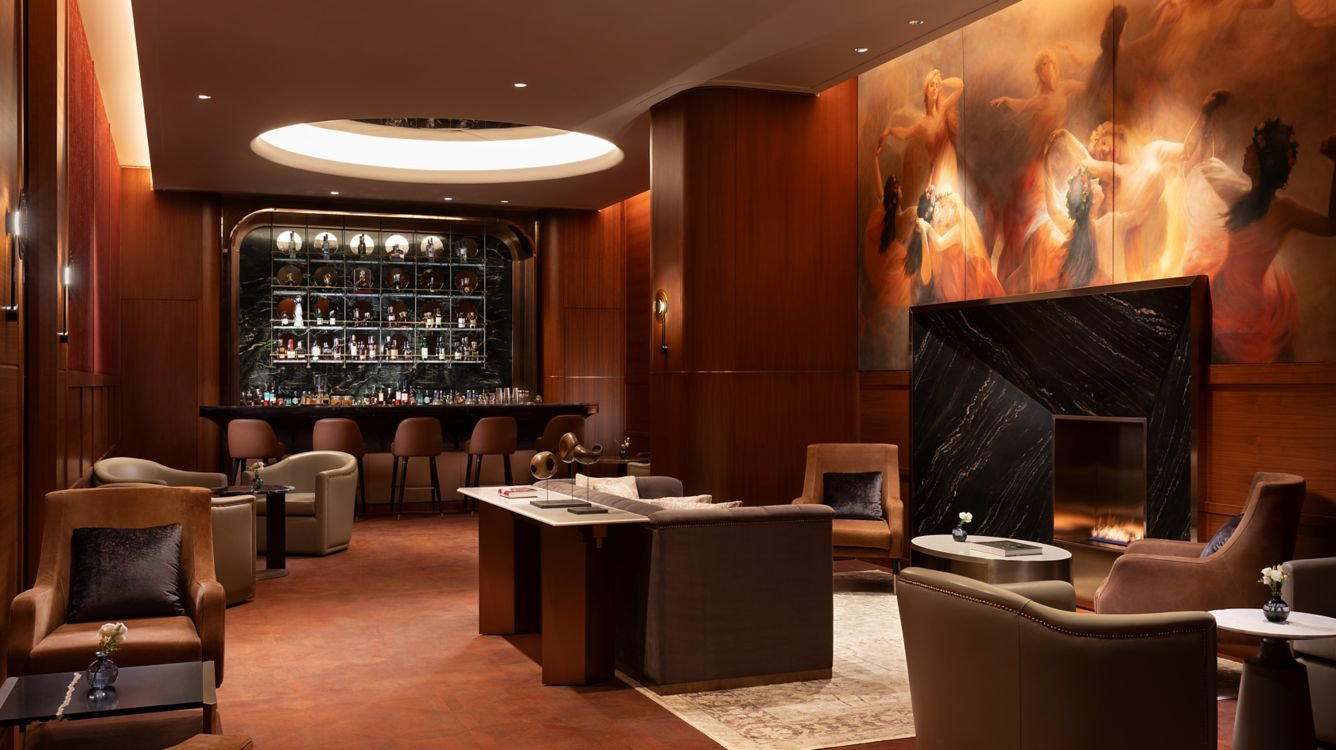
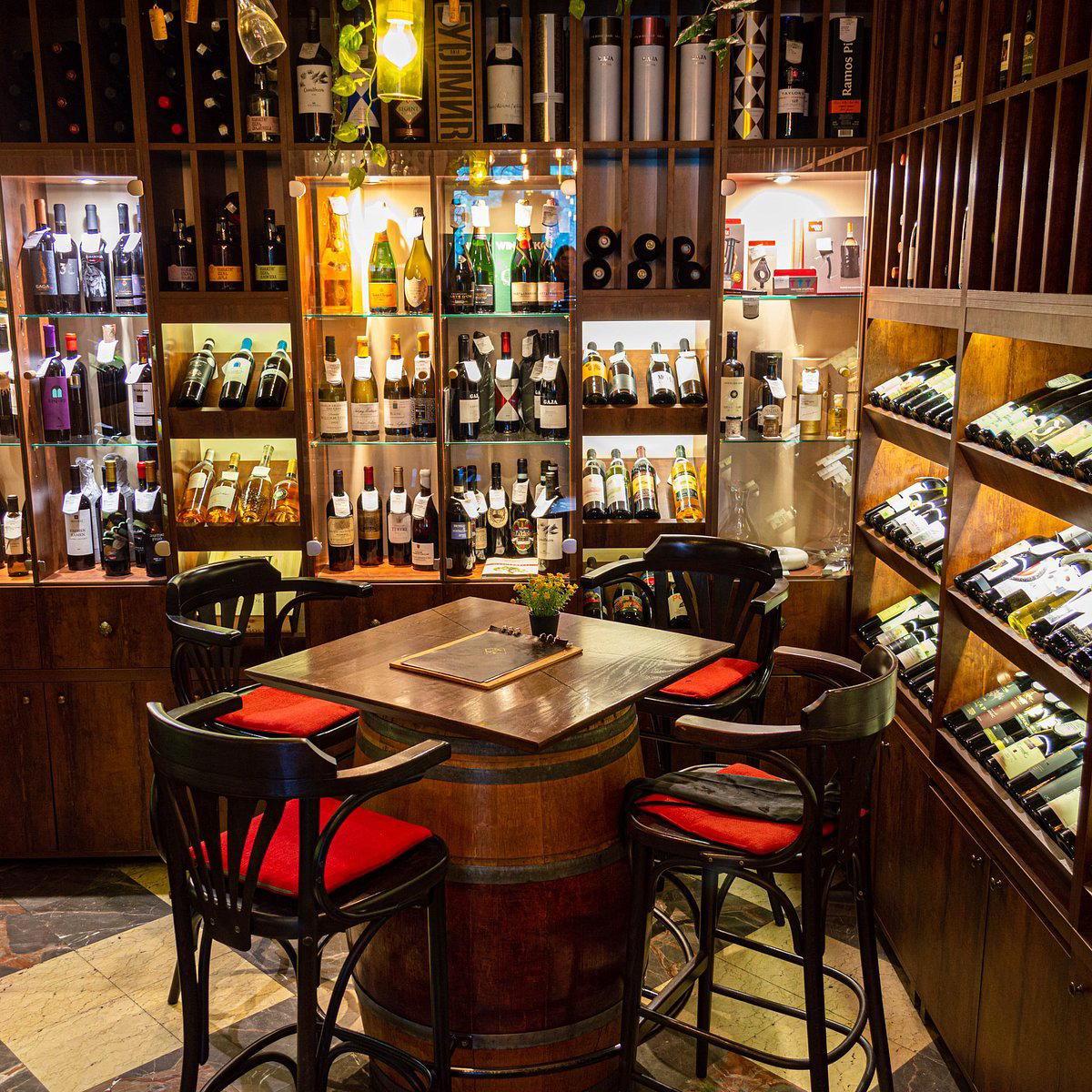
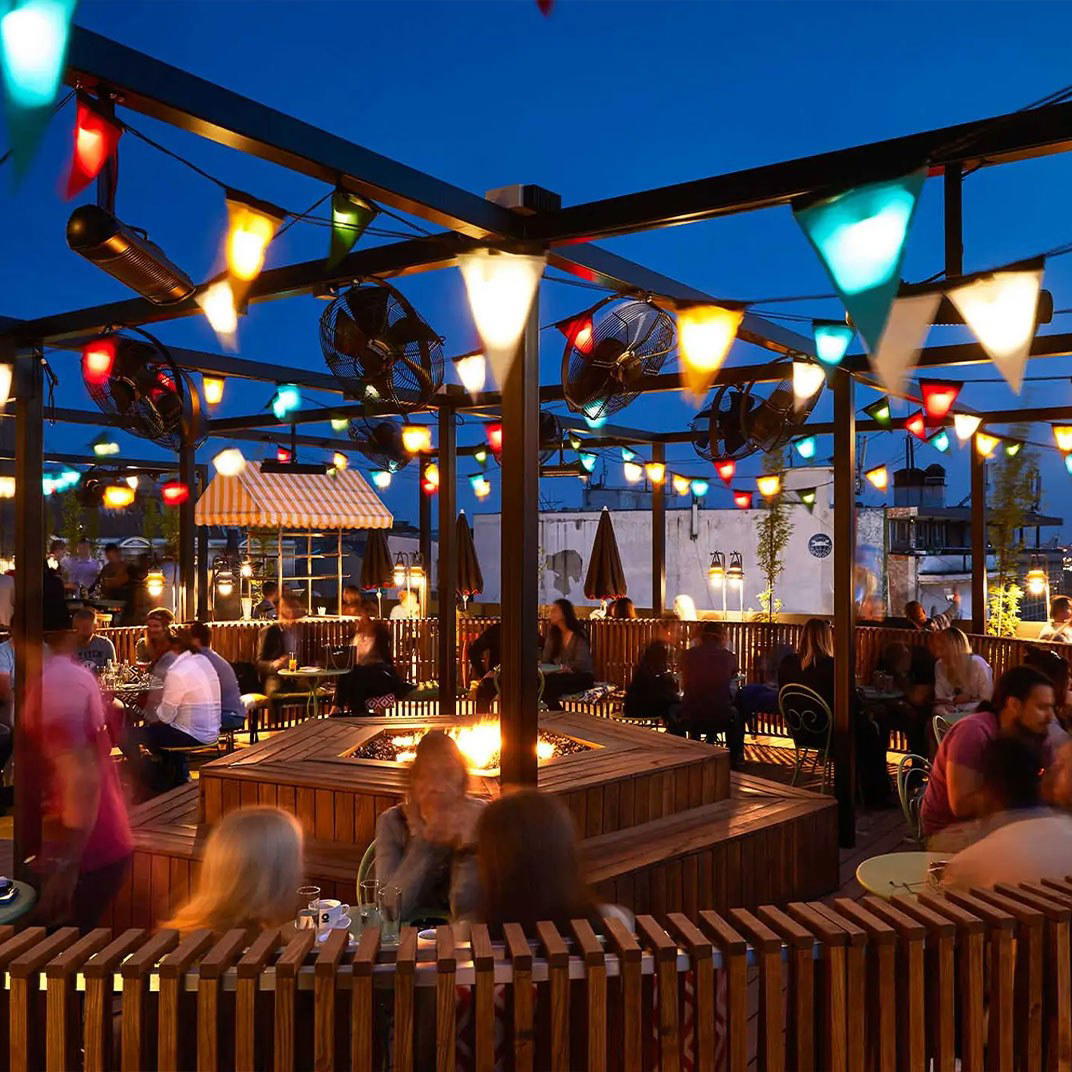
At a Glance
- Sophisticated
- Elegant
- Scenic
- Date Night
- Special Occasion
- Waterfront
- Live Music
- Terrace
- Waterfront
Current opening hours
- Monday
- 12 PM–12 AM
- Tuesday
- 12 PM–12 AM
- Wednesday
- 12 PM–12 AM
- Thursday
- 12 PM–12 AM
- Friday
- 12 PM–2 AM
- Saturday
- 12 PM–2 AM
- Sunday
- 12 PM–12 AM
Hours can change for holidays and private events. Last verified .
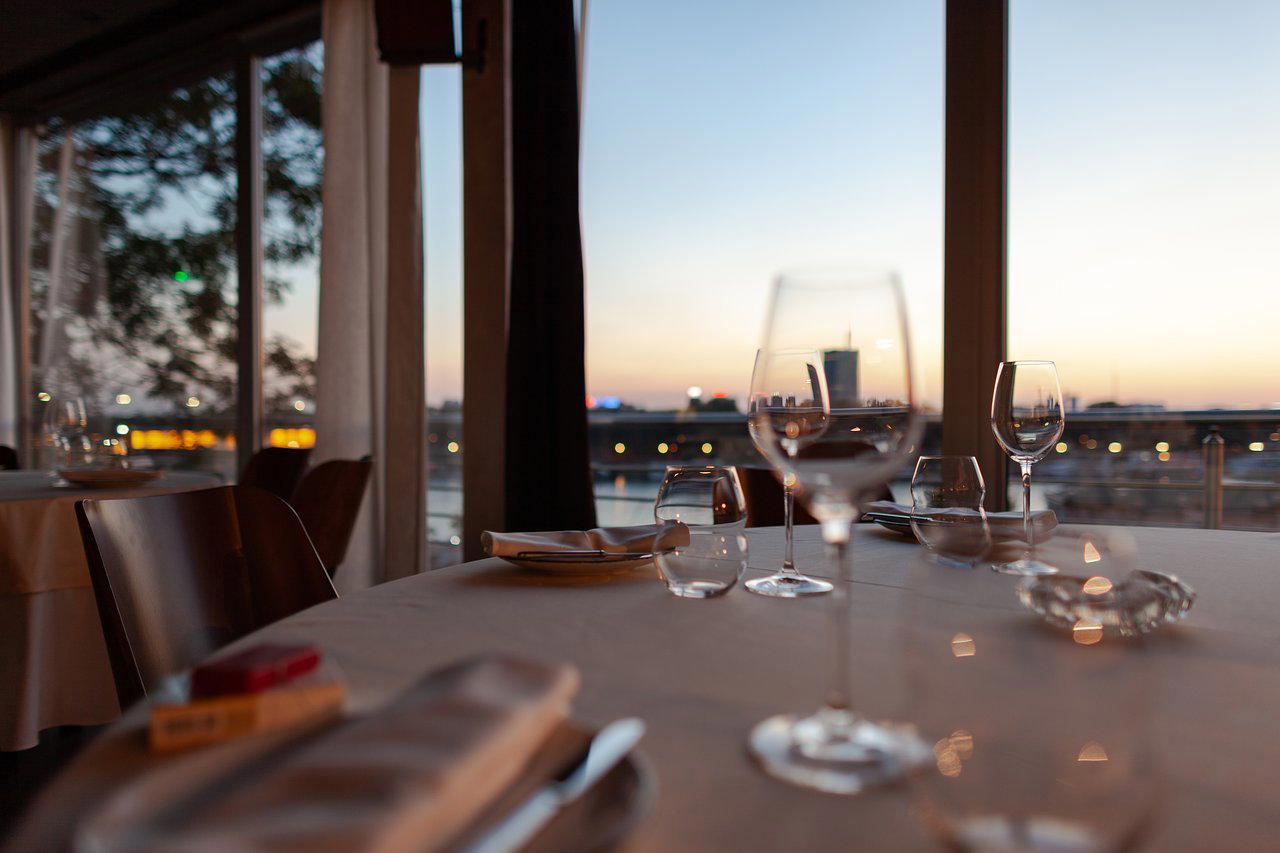
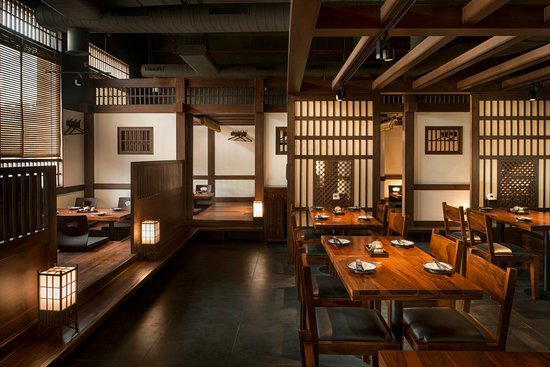
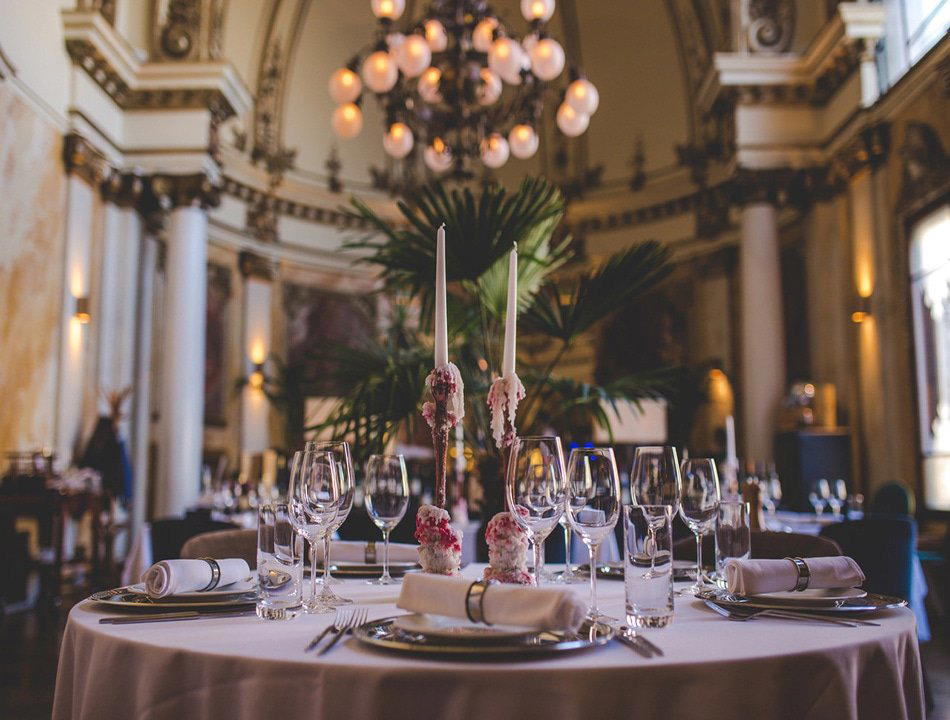
Sophisticated ambiance with captivating decor, river views, and live entertainment creating an elegant dining atmosphere.