Michelin Plate
Our verdict
A Michelin Plate-recognised sushi counter in Ginza, Sushi Ichidai Yugo operates at a price point that sits well below the neighbourhood's omakase elite, with a philosophy that sushi should be accessible rather than ceremonial. The barachirashi at lunch draws regulars, while the elongated nigiri form gives each piece a distinct character.

Pearl is the En Primeur Club membership app, where members save venues, book tables and use the concierge.
A Different Register in Ginza
The white noren at the entrance, characters rendered in hiragana and bordered by dyed cloth, signals something the address might not lead you to expect. Ginza's 1-chome addresses sit within a few minutes of the Kabukiza Theatre, a district where restaurant pricing tends to track the surrounding retail ambition. Sushi Ichidai Yugo reads against that grain. The signage, white ground, ebony rim, characters that appear to float, suggests restraint and warmth in equal measure, and those qualities carry through into the counter experience itself.
In Tokyo's sushi geography, Ginza occupies the highest-pressure tier. Counters like Harutaka and Sushi Kanesaka operate at ¥¥¥¥ price points, with omakase menus that can exceed ¥50,000 per head and booking windows measured in months. Sukiyabashi Jiro Roppongiten anchors the Roppongi extension of that premium tier. Against those benchmarks, Sushi Ichidai Yugo's ¥¥¥ positioning represents a considered departure: the philosophy, as the Michelin guide records it, is that sushi should be enjoyed casually. That is not a hedge or a limitation, it is a deliberate stance on what the form is for.
The Case for Casual in a Formal District
Ginza's sushi culture has two distinct streams. One is the rarefied omakase counter, where the chef's sequence is absolute and the price reflects decades of sourcing relationships and technical refinement. The other, older and less photographed, is the neighbourhood sushi-ya: a place where the craft is serious but the register is not. Sushi Ichidai Yugo operates closer to that second tradition while holding a Michelin Plate, the guide's recognition for kitchens cooking at a good standard without reaching starred territory.
Across Tokyo's broader sushi scene, counters like Edomae Sushi Hanabusa and Hiroo Ishizaka show how the Edomae tradition continues to generate serious work outside the starred bracket. The common thread is fidelity to technique, controlled vinegar ratios, temperature discipline at the counter, sourcing that connects to Tokyo Bay and the broader Tsukiji successor market, rather than price as the primary signal of quality.
Form and Format: The Elongated Nigiri
The editorial angle on Sushi Ichidai Yugo begins with form. The Michelin record notes that the nigiri here takes a long, thin shape, a departure from the compact, tightly packed form that has become the default at high-end counters in the last decade. This is not stylistic eccentricity. Elongated nigiri has precedent in older Edomae practice, where the rice-to-fish ratio and the finger pressure used to shape each piece were calibrated for a specific eating experience: the piece should hold together on the way to the mouth but yield fully on contact. A longer form increases the surface area of rice in contact with the topping, affecting how acidity, temperature, and flavour distribute across the palate. It is a technique choice with structural consequences, and it gives each piece a distinct weight and presence.
This attention to the geometry of nigiri connects to a broader pattern in Tokyo sushi: the intersection of inherited Edomae method with continuous technical refinement.
The Barachirashi Argument
The lunchtime barachirashi is the format that most clearly expresses the venue's casual-but-serious position. Barachirashi, sushi rice with fish and vegetables mixed through and scattered on leading, is a format with deep roots in Japanese home and festival cooking. It requires the same rice discipline as nigiri (temperature, seasoning, texture) but removes the shaped-piece theatrics entirely. At high-end omakase counters, barachirashi rarely appears at lunch precisely because it resists the individual presentation that the counter format is built around. At a venue committed to accessibility, it is exactly the right flagship dish: it communicates the kitchen's rice quality directly, without the additional variable of shaping technique, and it moves quickly enough to serve a lunch crowd near a major cultural institution.
The proximity to the Kabukiza Theatre matters logistically. Pre-theatre dining in Tokyo tends to favour speed and reliability over ceremony, and a Michelin Plate counter offering barachirashi at a ¥¥¥ price point fills that window more efficiently than the seated omakase experience at neighbouring venues.
Where Sushi Ichidai Yugo Sits in the Wider Japan Picture
Tokyo's sushi scene does not exist in isolation. Across Japan, regional sushi traditions and high-technique restaurants continue to evolve the form in different directions. HAJIME in Osaka and Gion Sasaki in Kyoto represent the kaiseki-adjacent end of the spectrum, where the dining sequence is built around seasonal narrative as much as individual technique. Goh in Fukuoka and akordu in Nara show how regional sourcing and cross-cultural technique intersect outside the capital. 1000 in Yokohama and 6 in Okinawa extend the map further. For readers tracking how Tokyo's Edomae approach has been exported, Sushi Shikon in Hong Kong and Shoukouwa in Singapore are the reference points for how the form travels.
Within that wider frame, Sushi Ichidai Yugo represents the version of Tokyo sushi that prioritises access. It is not the entry point for a first sushi experience, but it is a credible counter for someone who wants Ginza address, Michelin recognition, and a price point that does not require a corporate expense account. For our full picture of what Tokyo's restaurant scene looks like across all price points and categories, see our full Tokyo restaurants guide, and for planning a wider trip, our Tokyo hotels guide, bars guide, wineries guide, and experiences guide cover the broader city.
Planning Your Visit
| Venue | Price Tier | Format | Michelin Recognition | Booking Lead Time |
|---|---|---|---|---|
| Ginza Sushi Ichidai Yugo | ¥¥¥ | Counter, lunch barachirashi | Michelin Plate (2025) | Not published |
| Harutaka | ¥¥¥¥ | Omakase counter | Michelin 3 Stars | Months in advance |
| Sushi Kanesaka | ¥¥¥¥ | Omakase counter | Michelin recognition | Months in advance |
| Sukiyabashi Jiro Roppongiten | ¥¥¥¥ | Omakase counter | Michelin recognition | Months in advance |
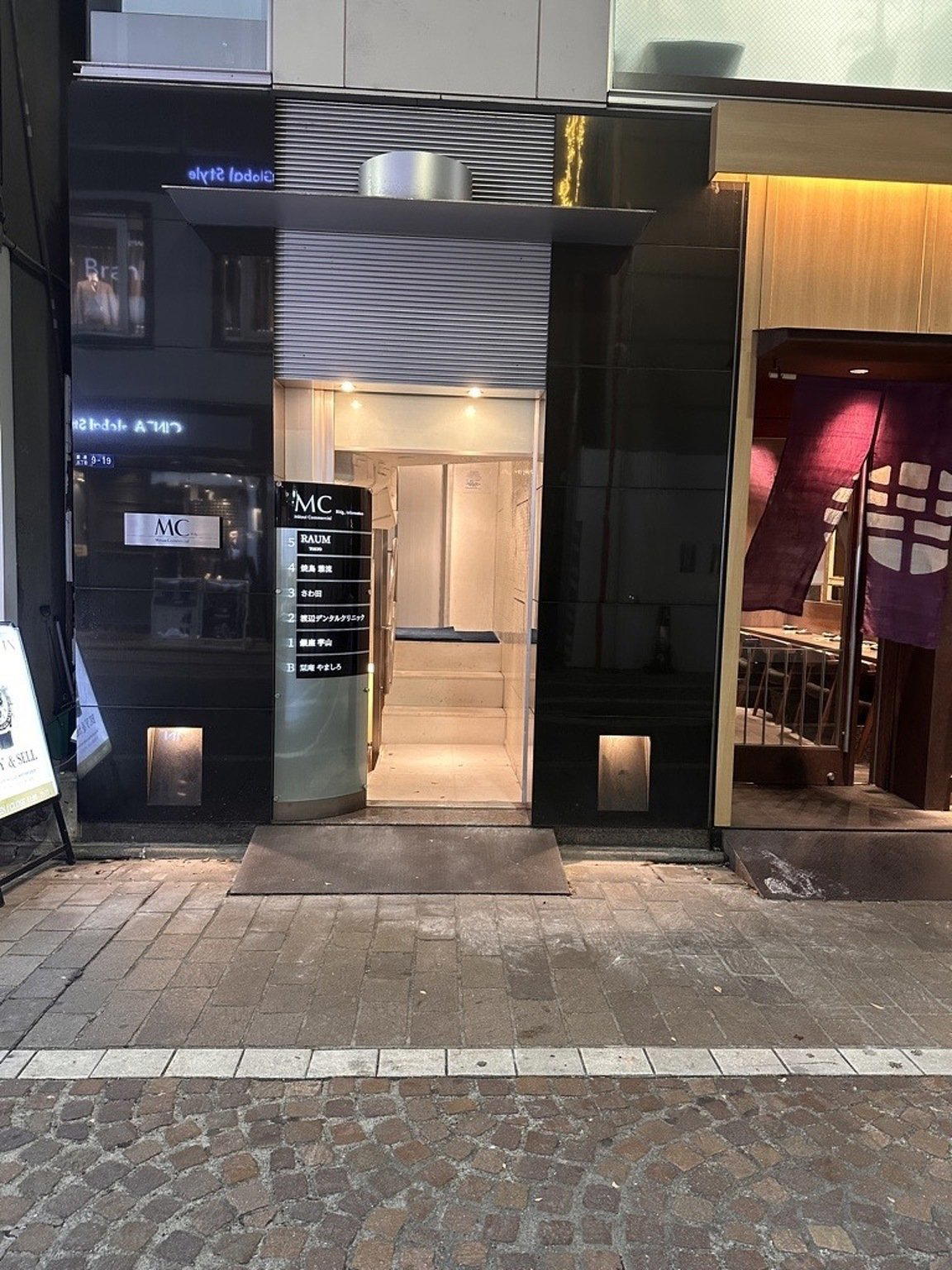
The address is 1 Chome-6-7 Ginza, Chuo City, a short walk from Higashi-Ginza Station, which serves the Toei Asakusa and Tokyo Metro Hibiya lines. The white noren with the hiragana name is the visual marker at street level.
Frequently asked questions
Is Ginza Sushi Ichidai Yugo formal or casual?
The venue's stated philosophy is that sushi should be enjoyed casually, which is unusual for a Ginza address where omakase counters typically impose strict sequencing and pricing. The hiragana noren at the entrance reinforces that register, hiragana carries a softer, more approachable tone than the formal kanji script common to high-end sushi houses. The Michelin Plate recognition (2025) confirms quality without the ceremony of a starred room.
What part of town is Ginza Sushi Ichidai Yugo in?
Ginza Sushi Ichidai Yugo is located at 1 Chome-6-7 Ginza, Chuo City, Tokyo 104-0061, Japan, Tokyo.
What distinctions does Ginza Sushi Ichidai Yugo have?
Ginza Sushi Ichidai Yugo has received recognition including: A white sign with an ebony rim. The characters seem to float, suggesting a personality that is strong yet gentle. The name is written on the noren in hiragana, exuding warmth: plain white surrounded by dyed cloth. Hearing that the restauran….
What should I order at Ginza Sushi Ichidai Yugo?
The barachirashi is the signature lunch option: sushi rice with fish and toppings mixed in and scattered across the bowl, a format that showcases the kitchen's rice work and sourcing without the per-piece formality of nigiri service. The nigiri itself follows a long, thin construction that distinguishes it from the compact, rounded form common at most Tokyo counters, worth ordering to understand the house style directly.
What should I budget for a meal at Ginza Sushi Ichidai Yugo?
Pricing at Ginza Sushi Ichidai Yugo is listed as ¥¥¥.
Credentials Lens
A short peer table to compare basics side-by-side.
| Venue | Cuisine | Price | Awards | Notes |
|---|---|---|---|---|
| Ginza Sushi Ichidai YugoThis venue (the venue you are viewing) | Traditional Edomae Sushi Omakase | $100–150 | Michelin Plate | Not listed |
| Harutaka | Edo-Style Omakase Sushi | $200–300 | 3 Michelin Stars · World's 50 Best #76 | Sushi |
| RyuGin | Modern Kaiseki | $500+ | 3 Michelin Stars · World's 50 Best #41 | Kaiseki, Japanese |
| L'Effervescence | Modern French with Japanese Influences | $200–300 | 3 Michelin Stars · World's 50 Best #69 | French |
| HOMMAGE | Modern French with Japanese Influences | $150–200 | 2 Michelin Stars · World's 50 Best #78 | Innovtive French, French |
| MAZ | Innovative Peruvian-Japanese Fusion | $150–200 | 2 Michelin Stars · World's 50 Best #28 | Innovative |
Recognition history
Dated appearances from independent guides and award organizations, with the underlying list record or original source where available.
Michelin Plate
Michelin
Full recognition history (2 entries)
Michelin Plate
Michelin