
GinaGina belongs to Tokyo’s small but serious Spanish-influenced dining tier, where Japanese produce, wine service, and private-room planning matter as much as the cooking category. Its 2026 Tabelog 100 selection for Spanish cuisine gives it a clear credential in a city better known abroad for sushi, tempura, and French tasting counters.
Pearl is the En Primeur Club membership app — saves, bookings, and concierge access live there. Same editors, same standards.
- Address
- Japan, 〒106-0031 Tokyo, Minato City, Nishiazabu, 2 Chome−26−20 Doue Nishi Azabu II, B1
- Phone
- +81 3-4500-8808
- Website
- tabelog.com
 Saves & bookings on Pearl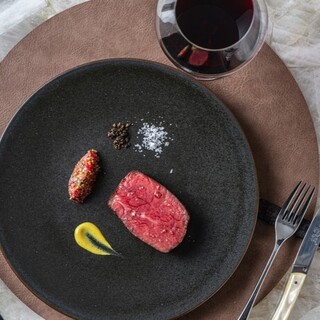
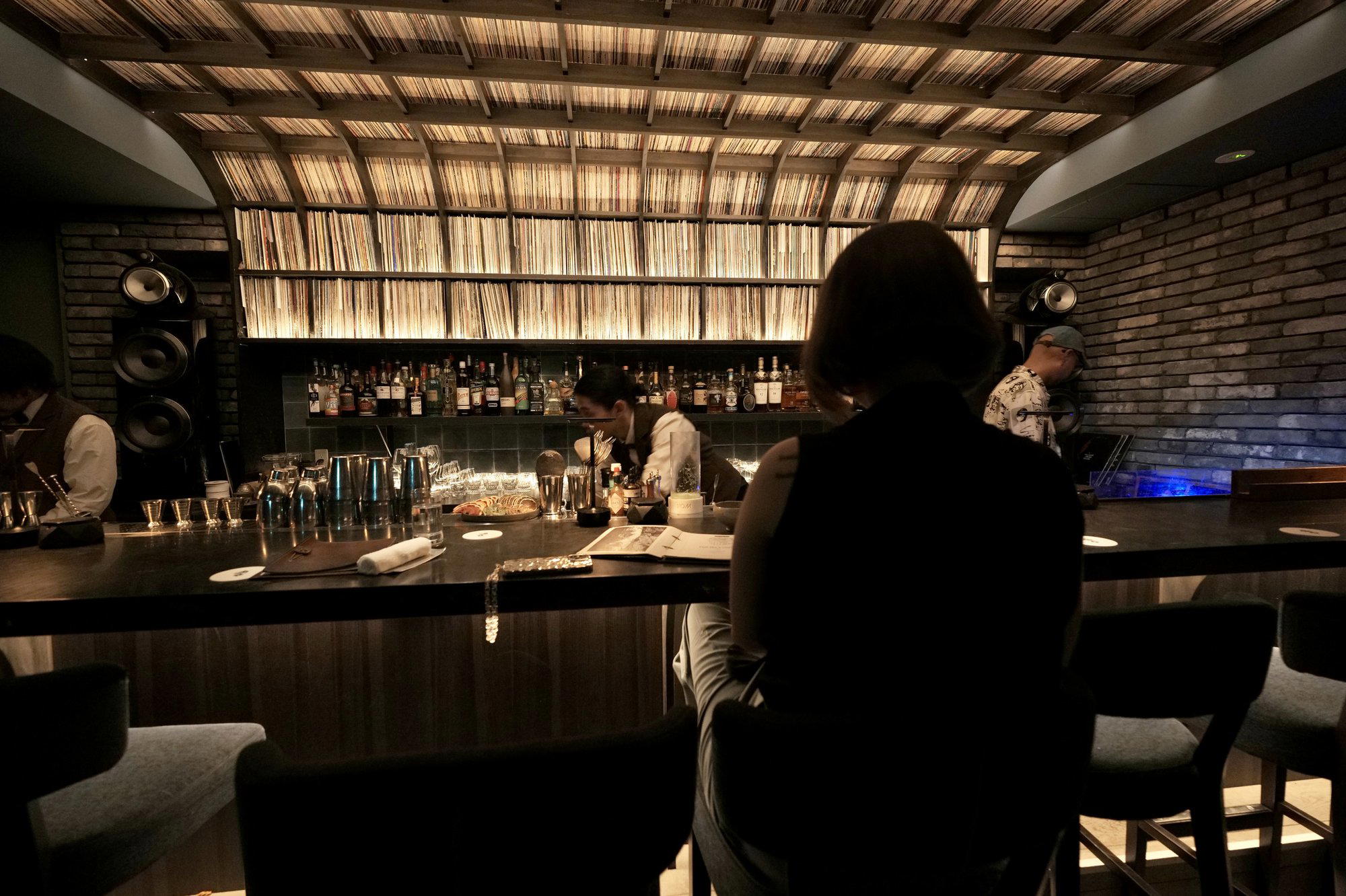
In Nishiazabu, dining rooms reveal themselves slowly: basement entrances, discreet doorways, controlled rooms over street-facing theatre. GinaGina fits that grammar. It is built not around spectacle, but contained conversations, a compact room plan, and Spanish-influenced cooking with a Tokyo rhythm: seafood-forward, produce-conscious, and willing to borrow beyond a strict Iberian template.
Tokyo treats European cuisines as technical systems rather than imported atmospheres. French fine dining became precision; Italian dining became a citywide habit; Spanish cooking occupies a narrower lane. Serious Spanish addresses often split between counter-led modern cooking, wine-focused dining, and private-room restaurants for business meals. GinaGina sits in that overlap, with enough recognition to matter beyond convenience: it was selected for the Tabelog 100 list for Spanish cuisine in 2026, a useful signal in a category where Michelin-style international shorthand is less consistent.
Spanish cooking in Tokyo, filtered through Nishiazabu discretion
The restaurant’s category listing, Spanish, Innovative, Curry, says much about contemporary Tokyo dining. In this city, genre borders are porous when execution is disciplined. Spanish cooking provides the frame, but the appeal is not a museum version of tapas culture. The listed emphasis on fish and health-conscious menus points to a local reading of Spain through Japanese seasonality and lighter composition, separating Tokyo’s better European kitchens from copybook recreations.
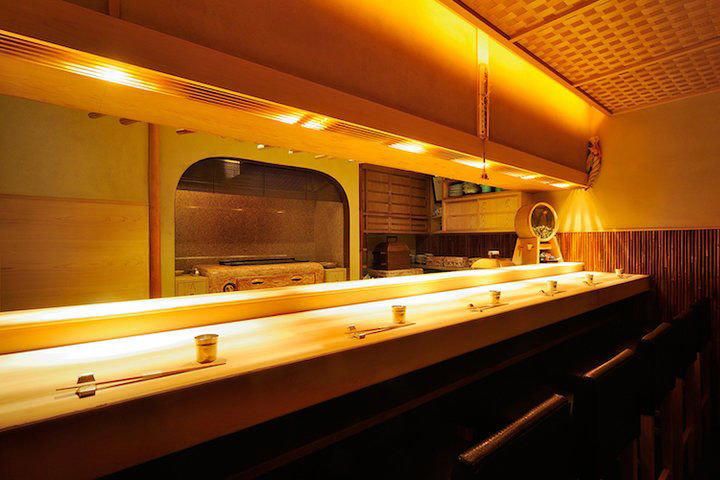
That matters in Nishiazabu. Between Hiroo, Roppongi, and Omotesando, dinner often has a second purpose: client hosting, family occasions, anniversary meals, or a late drink after a longer evening. Restaurants compete less on street energy than privacy, polish, and the ability to hold a table beyond a quick meal. GinaGina’s format, with private rooms, counter seats, and table seating in a small footprint, reads as a Tokyo answer to Spanish dining rather than a Spanish restaurant transplanted whole.
Against comparison venues such as No Code, La Bombance, L'Effervescence, and FORNO, the useful distinction is not hierarchy. No Code and La Bombance sit closer to creative Japanese and kaiseki-adjacent formats; L'Effervescence belongs to Tokyo’s French fine-dining conversation; FORNO prices in a higher dinner band. GinaGina’s case is different: Spanish recognition, private-room infrastructure, and a compact dining room place it in a practical niche for diners wanting European technique without a grand dégustation mood.
The room plan changes the meal's purpose
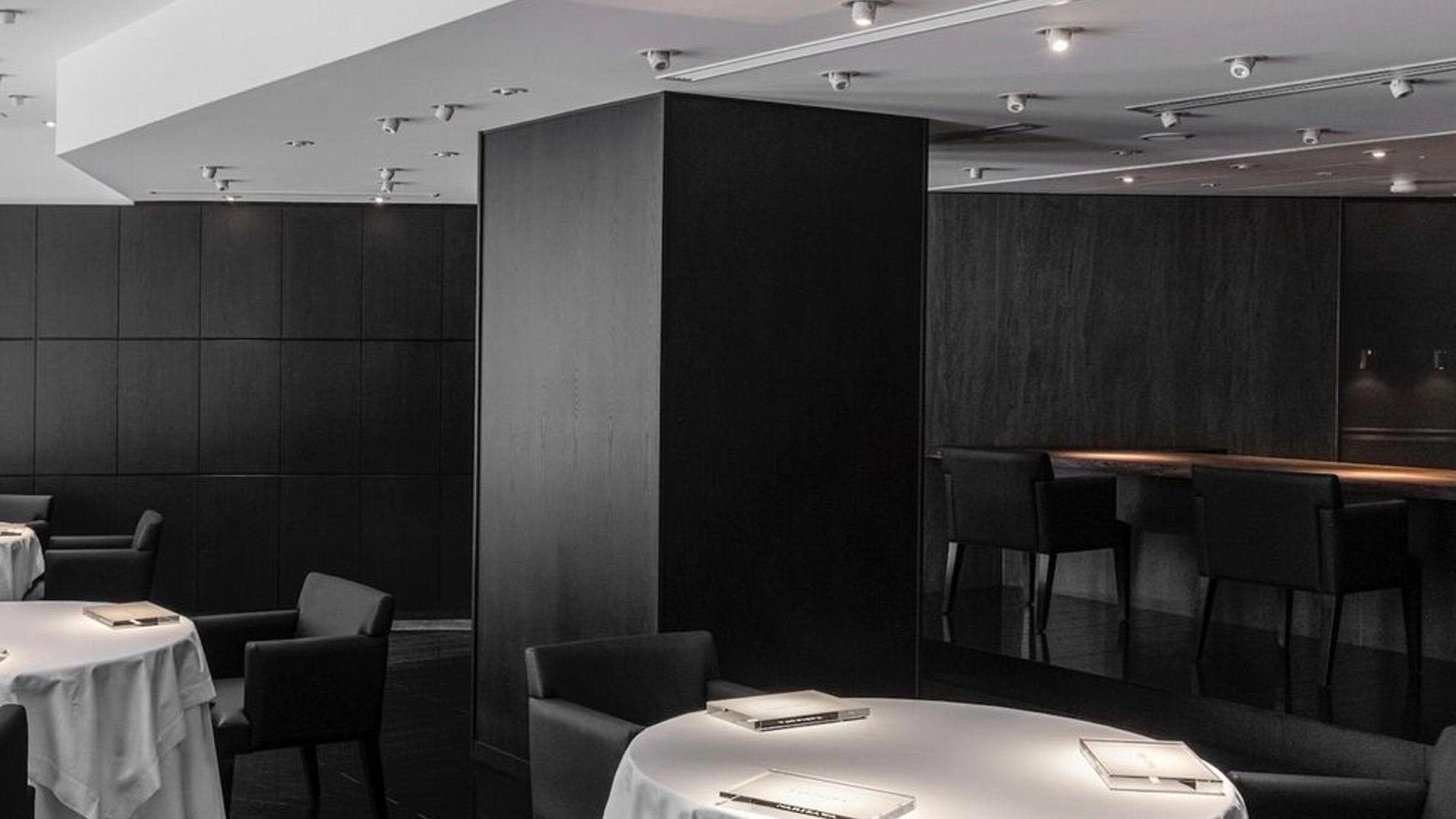
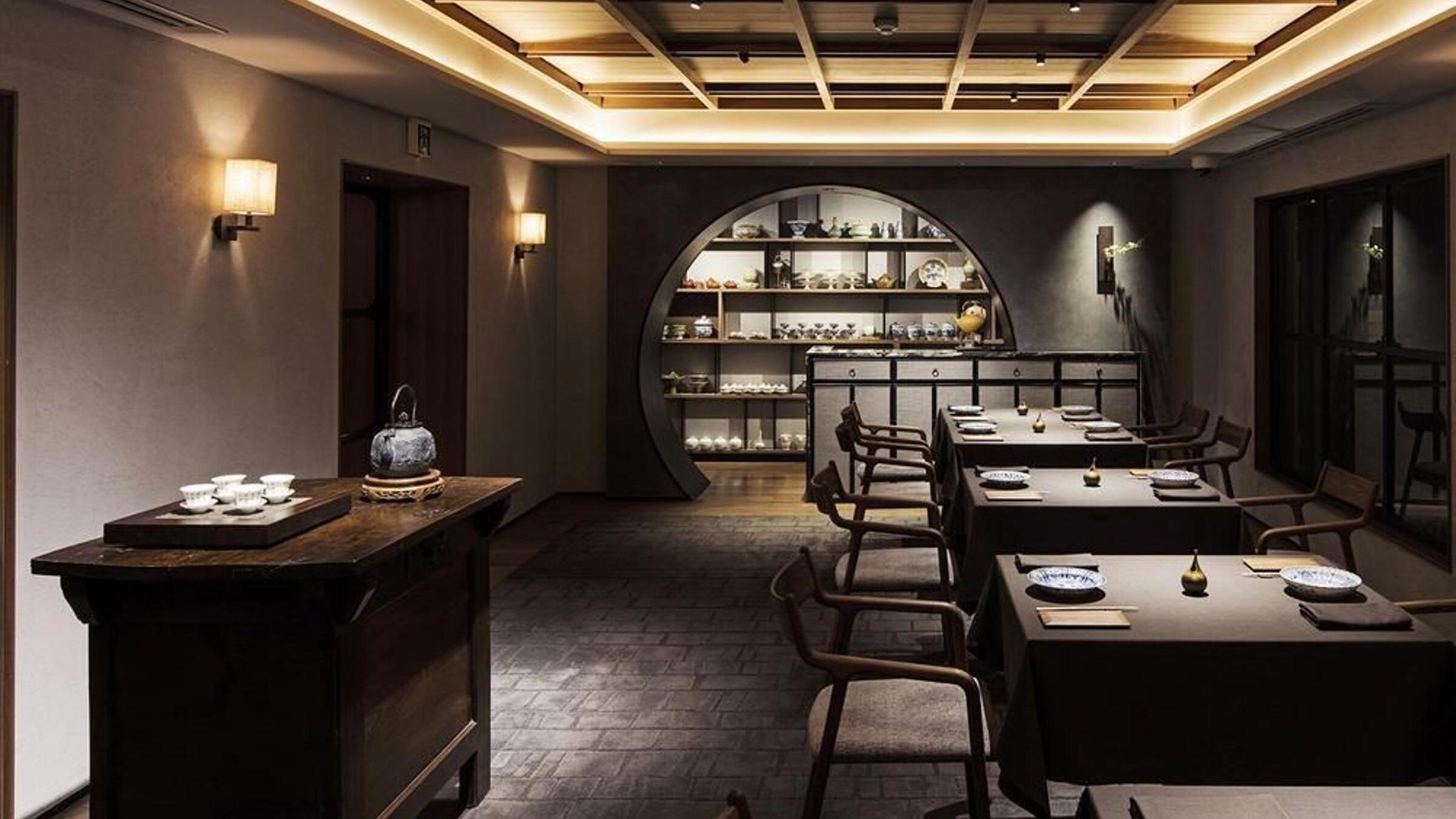
Capacity is central here. A 20-seat restaurant with fully soundproof private rooms, counter seats, and a handful of table seats behaves differently from a large brasserie or chef’s-counter temple. It serves several modes at once: the counter for proximity to the kitchen, tables for conventional dinners, and private rooms for groups needing separation. In Tokyo, that flexibility is often the difference between a restaurant suited to leisure and one that works for business, family, and celebration dining.
The private-room structure also gives this address relevance beyond the Spanish category. Many Tokyo restaurants with stronger culinary identities are poor fits for mixed-purpose evenings: too formal for children, too exposed for business conversation, too rigid for a group needing space. Here, children are welcome, private use is possible for groups, a sommelier is listed, BYO with corkage is available, and wine service creates a different proposition. It is not only about the style of food; it is whether the room can absorb the occasion.
The Tabelog score of 3.46 should be read in local context rather than as an international star substitute. Japanese user-rating culture is conservative, and Tabelog category lists often matter more than raw score alone. Selection for the 2026 Spanish cuisine list gives GinaGina a stronger trust signal than the number in isolation, especially for travellers sorting Tokyo’s many European-leaning restaurants without relying on global guidebooks.
How to read GinaGina before committing an evening
Practical reading is clear: this is a planning-sensitive restaurant, not a casual drop-in target for a first night in Tokyo. Course meals require more advance intent than à la carte dining, and room type can shape the experience. Diners who care most about the food should think carefully about counter versus room; groups with children, business needs, or a longer evening will value enclosure, sound control, and pacing. The venue rewards knowing the occasion before choosing the seat.
For wine-focused diners, the sommelier and BYO policy place the restaurant in a useful middle ground. Tokyo has many European restaurants with deep lists and many private-room restaurants with generic drinks programs; the overlap is thinner. Spanish cooking can be especially wine-compatible when the kitchen leans into fish, rice, char, and acidity, though specific bottles and dishes should be judged from the current menu rather than assumed.
There is also a broader Tokyo lesson. The city’s European dining is not confined to trophy rooms and hotel restaurants. Some of its more useful meals happen in neighbourhood formats that solve a practical problem with culinary credibility attached. GinaGina is one of those addresses: small, credentialed by a 2026 category selection, and shaped for diners needing both a serious table and a room that can handle the reason for dinner.
For a wider view of the city’s dining range, see Our full Tokyo restaurants guide, with nearby and contrasting entries including . 鮪と炭火焼き うお炭 秋葉原店, 12/10 Shinjuku ten, 124. KAGURAZAKA (Yakitori), 2D Cafe, and 3 Chome no Curry Ya San. Travellers building a broader Japan itinerary can compare -Grilled beef Sukiyaki- KAMAKURA TANUKIAN 鎌倉 たぬき庵 in Kamakura.cafe in Osaka.know in Kumamoto, (Shoku) Vietnam in Kawasaki, [Curry Senmon Ten] Maruyama Kyoju. in Sapporo, and [ki:] in Kyoto. For non-restaurant planning, use Our full Tokyo hotels guide, Our full Tokyo bars guide, Our full Tokyo wineries guide, and Our full Tokyo experiences guide; outside Japan, the same editorial lens extends to Jōdo Saké Bar in Los Angeles and Onigiri Time in Pasadena.
The Essentials
Comparable venues to anchor price and recognition.
| Venue | Cuisine | Price | Notes |
|---|---|---|---|
| GinaGinaThis venue — the venue you are viewing | Minato, Modern Spanish Fusion | $$$ | Not listed |
| Flowers&Spanish Sonrisa | Not listed | $$$ | Ōta, Flower-filled Spanish wine bar with Japanese influences |
| Bar Porteno | Not listed | $$$ | Sumida, Spanish & South American Wine Bar |
| Shirogane Baru | Shibuya, Spanish Tapas & Wine Bar | $$$ | Not listed |
| Gracia | Taitō, Modern Spanish Gastrobar | $$ | Not listed |
| ルメルシマン オカモト | Not listed | $$$ | Minato, Modern French with Hokkaido ingredients |
Recognition history
Dated appearances from independent guides and award organizations, with the underlying list record or original source where available.
Tabelog 100 #28 · No. 28
Tabelog · Tabelog 100 - Spanish cuisine - 2026










At a Glance
- Sophisticated
- Intimate
- Elegant
- Quiet
- Business Dinner
- Date Night
- Celebration
- Special Occasion
- Private Event
- Group Dining
- Private Dining
- Standalone
- Design Destination
- Extensive Wine List
- Corkage Allowed
- Local Sourcing
Current opening hours
- Monday
- 11:30 AM–2:30 PM, 5–11 PM
- Tuesday
- 11:30 AM–2:30 PM, 5–11 PM
- Wednesday
- 11:30 AM–2:30 PM, 5–11 PM
- Thursday
- 11:30 AM–2:30 PM, 5–11 PM
- Friday
- 11:30 AM–2:30 PM, 5–11 PM
- Saturday
- 5–11 PM
- Sunday
- Closed
Hours can change for holidays and private events. Last verified .
Intimate, quietly upscale, and business-dinner friendly, with a focus on private rooms and a polished hidden-gem feel.