
Bar Porteno brings Spanish bar cooking and South American regional references to Kinshicho, with wine and cocktails treated as part of the meal rather than an afterthought. Its 2026 Tabelog 100 selection for Spanish cuisine, 24-seat scale, sommelier availability, and fish-focused kitchen place it in Tokyo’s serious small-format dining tier rather than the casual tapas category.
Pearl is the En Primeur Club membership app — saves, bookings, and concierge access live there. Same editors, same standards.
- Address
- Japan, 〒130-0022 Tokyo, Sumida City, Kotobashi, 4 Chome−25−15 2F
- Phone
- +81 3-3846-0432
- Website
- hotpepper.jp
 Saves & bookings on Pearl
Kinshicho’s restaurant map rewards diners who look beyond the obvious station-side grid. Around Kotobashi, the mood shifts from transport hub to second-floor rooms, narrow approaches, and small dining rooms built for regulars rather than spectacle. In that setting, Spanish bar culture reads differently from its Ginza or Marunouchi versions: less corporate polish, more table-level intimacy, and a stronger case for wine as the spine of the evening.
Tokyo has long absorbed Iberian formats with precision, but the stronger Spanish rooms now separate themselves by how they handle drinking. A menu can call itself Spanish with small plates and grilled meat; a serious bar has to make the glass matter. Bar Porteno sits in that latter category, with wine and cocktails both flagged as central to the experience, a sommelier available, and a kitchen described through Spanish, Spanish-style bar, steak, and fish-led cooking. That combination points to a meal built around sequence: seafood and lighter plates before richer grill work, with drinks changing the rhythm rather than simply following it.
Kinshicho's Spanish-bar tier, seen through the wine list
The 2026 Tabelog 100 selection for Spanish cuisine is the cleanest signal here. Tokyo’s Spanish category is not a single lane; it ranges from casual tortilla-and-cava counters to tasting-menu rooms that borrow from modern Basque and Catalan technique. Recognition in that category places Bar Porteno inside a narrower bracket, where wine service, pacing, and kitchen range matter as much as the familiar vocabulary of tapas.
The price band also tells the reader what kind of evening to expect. Dinner sits in the JPY 8,000 to JPY 9,999 range, while lunch is listed at JPY 2,000 to JPY 2,999. That gap is useful: lunch gives the neighbourhood a lower-commitment entry point, while dinner belongs to the longer-form bar-restaurant model. Compared with Genki at JPY 4,000 to JPY 4,999, ASIA CURRY HOUSE at JPY 1,000 to JPY 1,999, and Kameido Gyoza Kinshichou ten at a lower casual band, this is a more deliberate sit-down choice for Kinshicho, not a quick station meal.
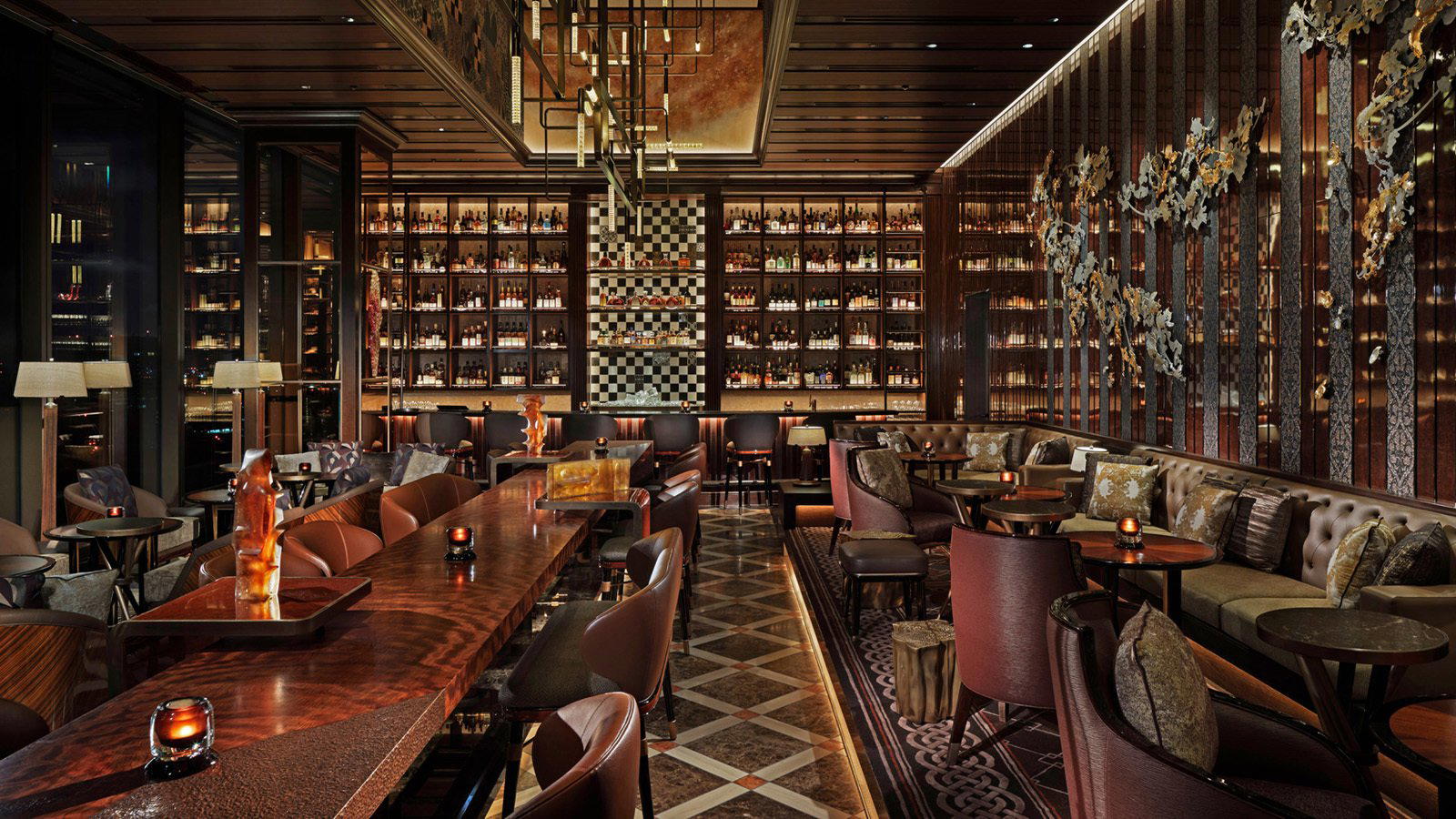
Wine is the editorial angle that makes the format cohere. Spanish dining in Tokyo can easily become a checklist of ham, paella references, and grilled beef. A sommelier-backed room changes the emphasis toward pairing logic: acidity with fish, structure with steak, and cocktails for diners who want the bar side of the room to carry equal weight. The restaurant’s own positioning around wine and cocktails gives it a dual identity that suits Kinshicho, a district where after-work drinking and destination dining often overlap within the same few blocks.
A small room built for longer meals, not table turnover theatre
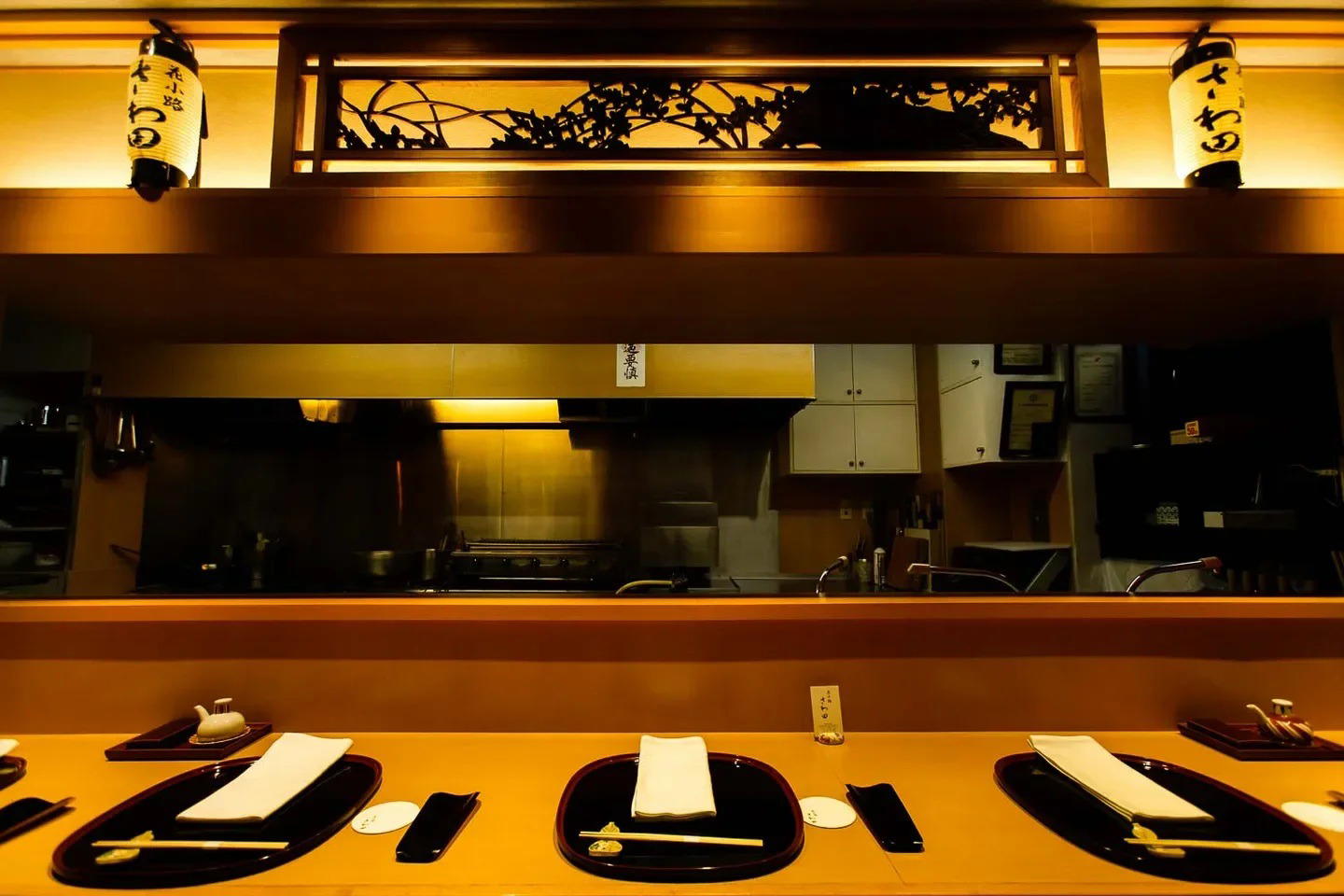
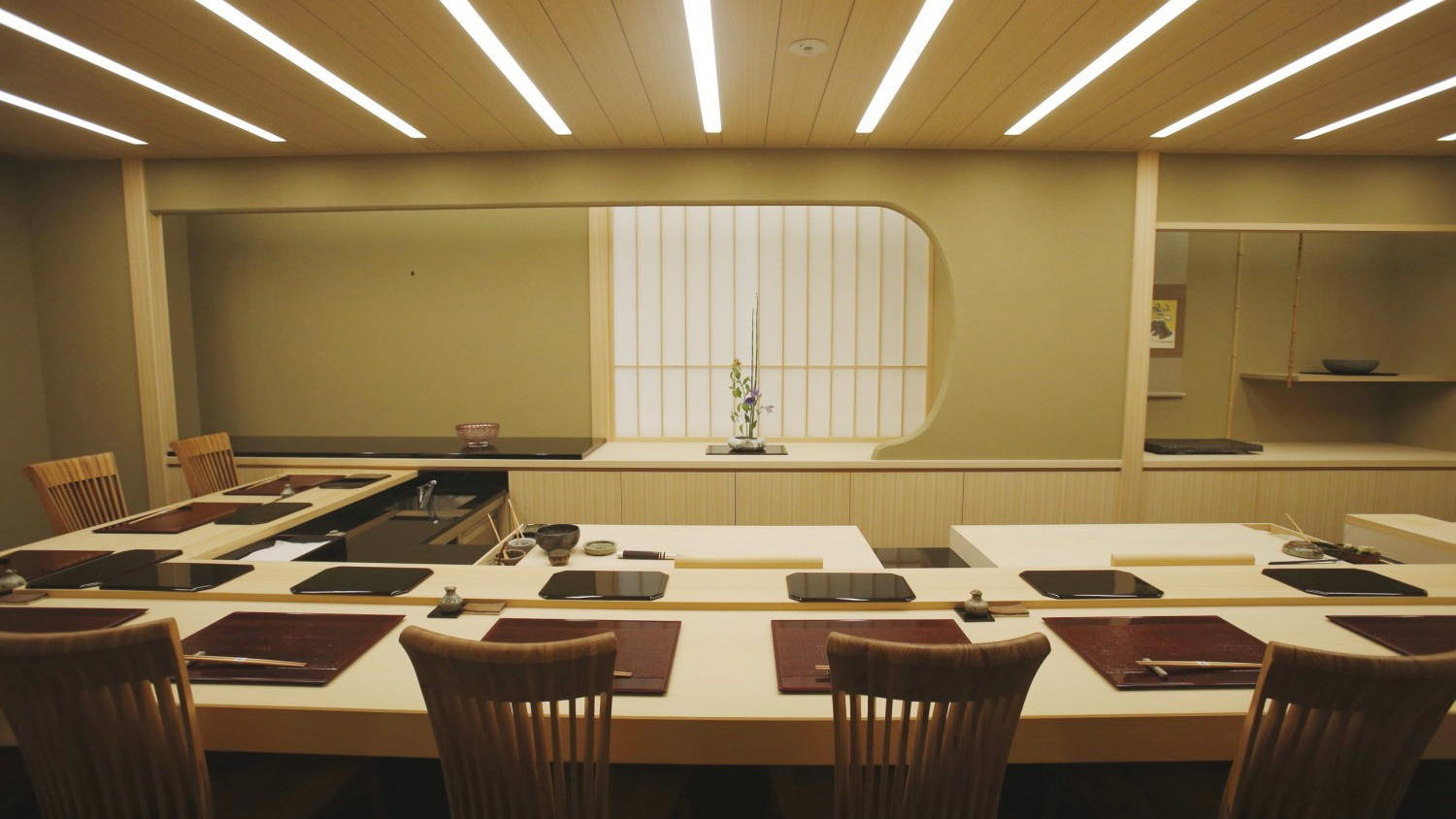
The scale matters. With 24 seats, including 4 counter seats and 20 table seats, the room belongs to Tokyo’s compact specialist category rather than the high-volume dining hall. That creates a different kind of evening: less anonymous, more exposed to service rhythm, and better suited to dates or small groups than to diners seeking a loud, sprawling room. Private rooms are not part of the format, but private use is listed for groups, which tells a separate story about the space: intimate in normal service, adaptable when a group takes control of the room.
The restaurant opened in 2013, giving it more than a decade in a city where mid-priced international restaurants often turn over quickly. Longevity alone is not a credential, but paired with a 2026 Tabelog 100 selection it becomes useful evidence. Tokyo diners are not short of Spanish options, and sustained recognition usually reflects consistency across service, food, and the drinking program rather than novelty.
For families, the signal is conditional rather than universal. The room is described as quiet, with adults asked to be considerate when accompanying children. That makes sense for the price point and format: a calm lunch may work for a family used to restrained dining rooms, while dinner reads better for adults, dates, or friends who want wine-led pacing. This is not a children’s-menu destination, and it should not be treated like one.
How to read it against Tokyo's broader dining map
Bar Porteno is useful because it complicates the lazy idea that Tokyo’s serious dining sits only in the central luxury districts. Kinshicho has its own grammar: casual Chinese, gyoza counters, curry rooms, drinking streets, and second-floor restaurants that rely on intent rather than footfall. A Spanish and South American regional kitchen in this area is not trying to mimic hotel dining. It works because the neighbourhood already understands the value of drinking well with food.
The smart move is to treat it as a wine-led dinner in eastern Tokyo, not as a generic tapas stop. Diners looking for rapid grazing will find cheaper options nearby; diners looking for a controlled room, fish attention, steak within the category mix, and a beverage program with sommelier support have a clearer reason to go. In Tokyo terms, that places the restaurant between casual baru culture and more formal Spanish dining, with Kinshicho giving it a less predictable frame.
For broader planning, compare the city by category rather than by hype. EP Club’s wider Tokyo restaurant coverage includes Our full Tokyo restaurants guide, with nearby and cross-city references such as . 鮪と炭火焼き うお炭 秋葉原店, 12/10 Shinjuku ten, 124. KAGURAZAKA (Yakitori), 2D Cafe, and 3 Chome no Curry Ya San. For trip structure beyond dinner, use Our full Tokyo hotels guide, Our full Tokyo bars guide, Our full Tokyo wineries guide, and Our full Tokyo experiences guide.
Travellers extending the comparison beyond Tokyo can also frame the meal against regional Japanese and overseas dining references: -Grilled beef Sukiyaki- KAMAKURA TANUKIAN 鎌倉 たぬき庵 in Kamakura.cafe in Osaka.know in Kumamoto, (Shoku) Vietnam in Kawasaki, [Curry Senmon Ten] Maruyama Kyoju. in Sapporo, [ki:] in Kyoto, Jōdo Saké Bar in Los Angeles, and Onigiri Time in Pasadena. The point is not sameness; it is calibration. Tokyo rewards diners who understand category, neighbourhood, and format before chasing a name.
Booking and Cost Snapshot
Comparable venues for context, by category and price tier.
| Venue | Cuisine | Price | Notes |
|---|---|---|---|
| Bar PortenoThis venue — the venue you are viewing | Not listed | $$$ | Not listed |
| Fonda Sant Jordi | Not listed | $$$ | Shibuya, Authentic Catalan Spanish Restaurant & Wine Bar |
| sardexka | Not listed | $$$ | Taitō, Basque-leaning Japanese-Spanish Fusion |
| Spain Restaurant Ginza Espero | Not listed | $$ | Chūō, Traditional Spanish restaurant specializing in paella |
| FERMINTXO | Minato, Seasonal Spanish Wine Restaurant | $$$ | Not listed |
| EL BUEY | Not listed | $$$ | Shinjuku, Spanish bar with charcoal-grilled Wagyu |
Recognition history
Dated appearances from independent guides and award organizations, with the underlying list record or original source where available.
Tabelog 100 #80 · No. 80
Tabelog · Tabelog 100 - Spanish cuisine - 2026








At a Glance
- Cozy
- Romantic
- Elegant
- Intimate
- Modern
- Date Night
- Group Dining
- Solo
- Celebration
- After Work
- Special Occasion
- Open Kitchen
- Standalone
- Extensive Wine List
- Craft Cocktails
Current opening hours
- Monday
- 11:30 AM–11 PM
- Tuesday
- 11:30 AM–11 PM
- Wednesday
- 11:30 AM–11 PM
- Thursday
- 11:30 AM–11 PM
- Friday
- 11:30 AM–11 PM
- Saturday
- 11:30 AM–11 PM
- Sunday
- 11:30 AM–11 PM
Hours can change for holidays and private events. Last verified .
A small back-alley dining bar with an open kitchen and counter, softly lit and stylish but relaxed, attracting mostly small adult groups for quiet, lingering meals and wine, with lights dimmed and live singing for birthday surprises.