Gahm Mi Oak

Our verdict
On West 32nd Street's Korean corridor, Gahm Mi Oak has operated around the clock since before K-Town became a dining destination. The kitchen anchors itself to sul lung tang, a milky ox bone broth that requires hours of simmering, alongside haemul pajeon and other Korean staples. Opinionated About Dining has ranked it among North America's notable casual addresses for three consecutive years.

Pearl is the En Primeur Club membership app, where members save venues, book tables and use the concierge.
The Room at 3 A.M.
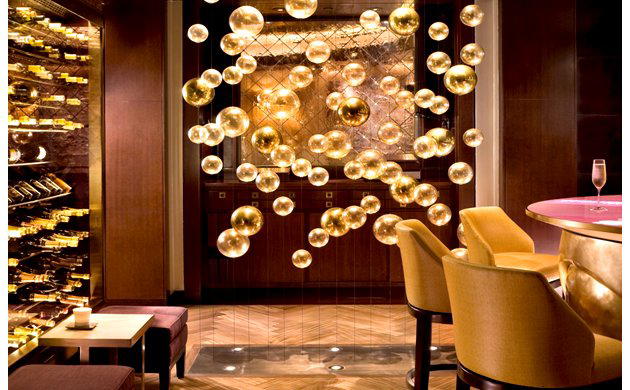
West 32nd Street between Fifth and Sixth Avenues runs as a corridor of Korean commerce that predates New York's current enthusiasm for the cuisine by several decades. At street level, the signage is dense and the foot traffic rarely stops. Gahm Mi Oak occupies the second floor of number nine, reached by a staircase that functions as a kind of decompression chamber between the street's noise and the dining room above. The space is functional in the way that serious eating establishments in Seoul's older neighborhoods tend to be: tables packed efficiently, lighting that serves the food rather than the atmosphere, and a room that reads the same at noon as it does at 4 A.M. There is no design concept here to decode. The architecture communicates plainly that the kitchen is the point.
That physical plainness is, in context, a statement. Koreatown's dining tier now ranges from fast-casual chains to the type of modern Korean tasting counter that commands prices comparable to Michelin-starred European restaurants. Gahm Mi Oak sits at neither pole. Its room positions it as a working restaurant in the older tradition: seating arranged for throughput, surfaces built for repeated use, and a general atmosphere that belongs to the city's twenty-four-hour rhythm rather than to any particular dining occasion. The second-floor remove from the street gives it a slight separation from the block's commercial churn, but the room does not attempt to be a destination in itself. That task falls entirely to the broth.
What the Kitchen Does
Sul lung tang, ox bone soup, simmered until the collagen breaks down and the broth turns the color of heavy cream, is the dish that defines Gahm Mi Oak's reputation. The preparation is among the more labor-intensive in Korean cooking: bones blanched, rinsed, then cooked for many hours until the fat emulsifies into the liquid rather than floating above it. The result is a broth that reads as rich without being heavy, seasoned by the diner at the table with salt and scallion. The soup arrives with rice and thinly sliced brisket or tripe depending on the order. It is not a dish that photographs well, which may partly explain why it took longer to achieve recognition in an era when visual social media drove restaurant discovery. What it does is feed people well, at any hour.
Haemul pajeon, the seafood-and-scallion pancake, represents the kitchen's other frequently cited preparation. Across Korean restaurants in New York, pajeon quality varies considerably; the benchmark is a batter that crisps at the edges without drying through the center, with seafood distributed evenly rather than concentrated in a single layer. The dish has been a point of comparison for visitors arriving from Seoul, where similar preparations appear in pojangmacha street stalls and in established restaurants alike. The broader menu follows the logic of a Korean institution rather than a curated tasting format: soups, rice dishes, and the kind of shared plates that assume the diner has some existing familiarity with the tradition rather than requiring guided explanation.
For a deeper look at how contemporary Korean cooking is reinterpreting these traditions in New York, Jeju Noodle Bar applies similar dedication to ramyun, while Jua and bōm operate in a more contemporary register. Meju and 8282 extend Koreatown's range toward fermentation-focused and late-night formats respectively. For reference points in Seoul itself, Mingles and Kwonsooksoo show the tradition at its most formally ambitious.
The Significance of the Hours
Few dining categories in New York operate with genuine twenty-four-hour continuity. The city's late-night reputation is partly myth: many restaurants that market themselves as night-friendly close by 2 A.M. and the breakfast-through-midnight operations that survive tend to cluster in diner formats or fast food. A Korean restaurant serving the full menu continuously, seven days a week, occupies a specific and uncommon position. The clientele at 2 A.M. is not the same as the lunch crowd: it skews toward industry workers, late arrivals from nearby venues, and the Korean community that treats the block as a neighborhood resource rather than a destination. The room absorbs all of them without adjustment. That consistency is partly what Opinionated About Dining's assessors appear to have recognized in ranking Gahm Mi Oak at number 714 among casual restaurants across North America in 2025, an improvement from 739 in 2024 and a continuation of a Recommended designation it held in 2023. The trajectory across three consecutive years suggests a kitchen operating with stability rather than chasing trend cycles.
The comparison set at Opinionated About Dining's top tier in North America includes high-volume casual operations with deep regional followings. Gahm Mi Oak's placement in that list, rather than in Michelin's New York selection or the James Beard Award categories that recognize restaurants like Emeril's in New Orleans, Lazy Bear in San Francisco, Alinea in Chicago, Single Thread Farm in Healdsburg, The French Laundry in Napa, or Providence in Los Angeles, signals something about what it is and is not. It is not competing on refinement or on the tasting-menu ambition that distinguishes Atomix at two Michelin stars. It competes on consistency, on the specificity of a dish category it has made its own in this city, and on availability that no tasting-menu operation can match.
Koreatown in Frame
New York's Koreatown remains unusually concentrated for a city of this size. Most major American cities with significant Korean populations have seen their Korean commercial districts expand outward or fragment across suburbs; Manhattan's K-Town has held its density on a single block, partly because of real estate economics and partly because the critical mass of businesses on 32nd Street reinforces itself. The result is a street where a visitor can move between a twenty-four-hour soup house, a karaoke venue, a Korean barbecue room, and a convenience store stocked with Korean grocery items within the span of half a block. Gahm Mi Oak's second-floor position places it slightly above this density without escaping it. The view from the dining room windows, if you happen to look up from the soup, is the block's own commercial ecosystem.
For travelers spending time in Manhattan and building out a broader picture of what the city's dining scene holds, our full New York City restaurants guide maps the range from institutions to newcomers. The adjacent sections cover hotels, bars, wineries, and experiences across the five boroughs.
Planning Your Visit
Hours: Open 24 hours, seven days a week. Address: 9 W 32nd St, second floor, New York, NY 10001. Reservations: Walk-in format; no booking details available. Getting there: The 32nd Street block sits within a few minutes' walk of Herald Square and Penn Station, making it accessible from multiple subway lines. When to go: Midweek lunch hours tend to be calmer; weekend evenings and late nights draw higher volume given the block's activity. The kitchen's consistency across all hours is part of the point.
Frequently asked questions
Who's behind the kitchen at Gahm Mi Oak?
The chef associated with Gahm Mi Oak is Various.
What do people recommend at Gahm Mi Oak?
Sul lung tang is the dish most consistently associated with the restaurant. The ox bone broth is simmered until the collagen breaks down and the liquid turns a milky, cream-white colour, then seasoned at the table with salt and scallions. It is the reason Gahm Mi Oak has held a place on the Opinionated About Dining Casual North America list each year from 2023 through 2025.
When can I go to Gahm Mi Oak?
Hours at Gahm Mi Oak: Hours: Monday Open 24 hours Tuesday Open 24 hours Wednesday Open 24 hours Thursday Open 24 hours Friday Open 24 hours Saturday Open 24 hours Sunday Open 24 hours.
What's Gahm Mi Oak's location?
Gahm Mi Oak is located at 9 W 32nd St 2nd floor, New York, NY 10001, New York City.
Is Gahm Mi Oak award-winning?
Gahm Mi Oak has received recognition including: Opinionated About Dining Casual in North America Ranked #714 (2025); Opinionated About Dining Casual in North America Ranked #739 (2024); Opinionated About Dining Casual in North America Recommended (2023).
Comparable Spots, Quickly
| Venue | Cuisine | Price | Awards | Notes |
|---|---|---|---|---|
| Gahm Mi OakThis venue (the venue you are viewing) | Authentic Korean Seolleongtang Specialist | $20–30 | Not listed | Not listed |
| Le Bernardin | French Seafood Fine Dining | $300–500 | 3 Michelin Stars · World's 50 Best #13 | French, Seafood |
| Atomix | Modern Korean Tasting Menu | $300–500 | 2 Michelin Stars · World's 50 Best #7 | Modern Korean, Korean |
| Masa | Seasonal Hokkaido Tempura Omakase | $150–200 | Tabelog 100 #34 | Sushi, Japanese |
| Per Se | French Fine Dining Tasting Menu | $300–500 | 3 Michelin Stars · World's 50 Best #40 | French, Contemporary |
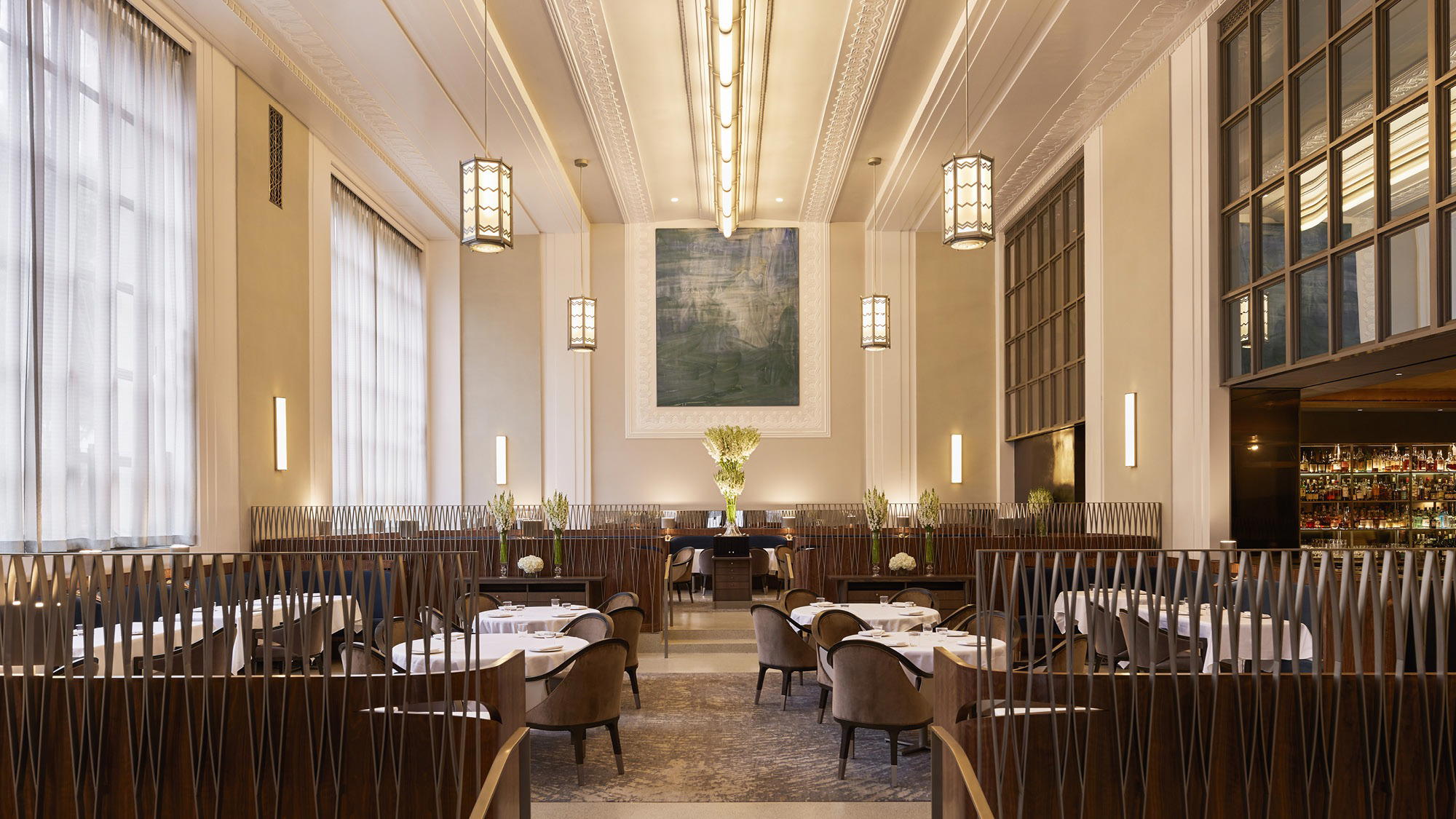
| Eleven Madison Park | Contemporary Plant-Based Fine Dining | $300–500 | 3 Michelin Stars · World's 50 Best #4 | French, Vegan |
Recognition history
Dated appearances from independent guides and award organizations, with the underlying list record or original source where available.
Opinionated About Dining Casual in North America Recommended
Opinionated About Dining
Full recognition history (4 entries)
Opinionated About Dining Casual in North America Ranked #714
Opinionated About Dining
Opinionated About Dining Casual in North America Ranked #739
Opinionated About Dining
Opinionated About Dining Casual in North America Recommended
Opinionated About Dining
Continue exploring
More in New York City
More from Chef Various
Browse all →
Restaurants in New York City
All restaurants in New York City →
Bars in New York City
All bars in New York City →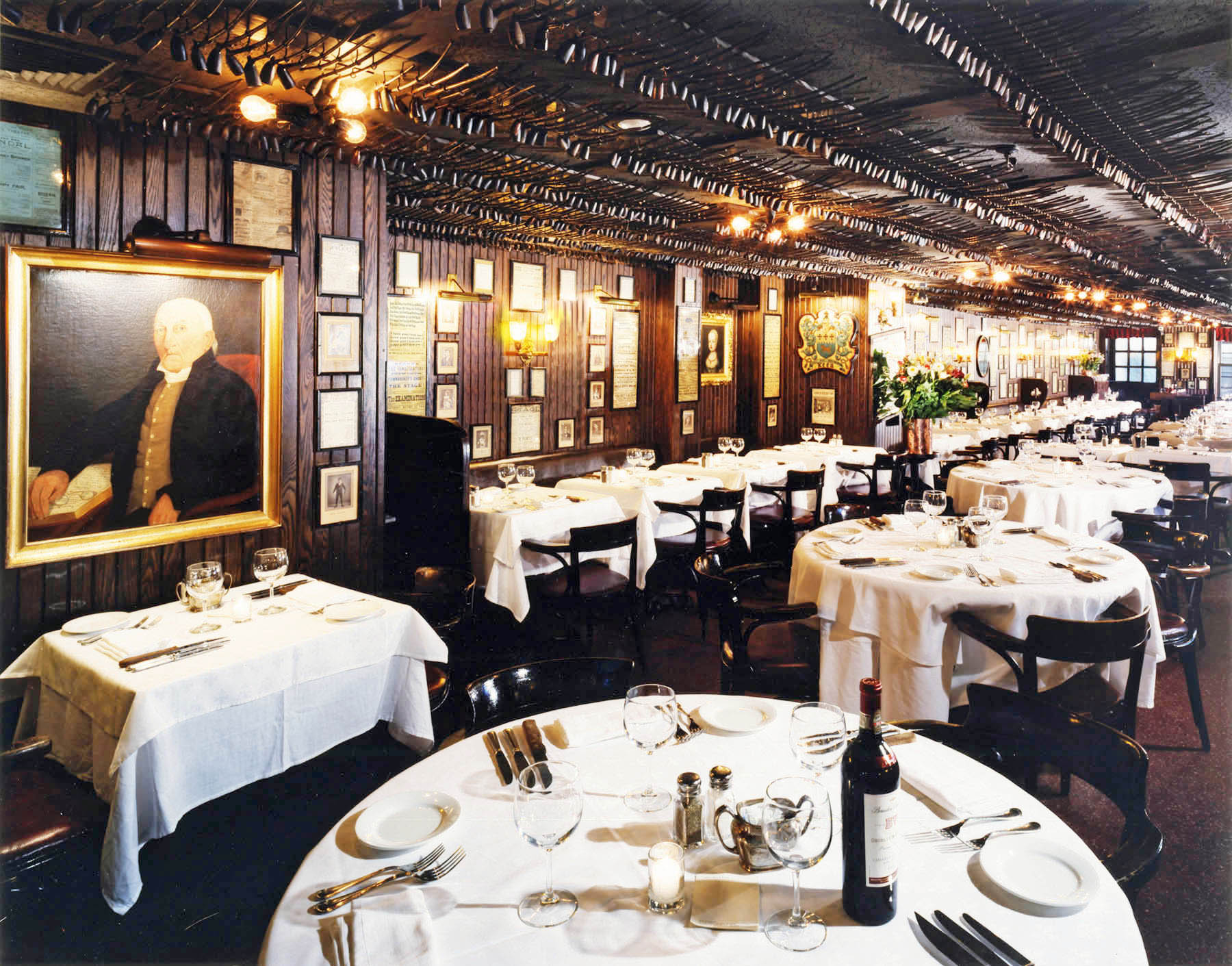




Details
- Cozy
- Classic
- Casual Hangout
- Sake Program
- A La Carte
Current opening hours
- Monday
- Open 24 hours
- Tuesday
- Open 24 hours
- Wednesday
- Open 24 hours
- Thursday
- Open 24 hours
- Friday
- Open 24 hours
- Saturday
- Open 24 hours
- Sunday
- Open 24 hours
Hours can change for holidays and private events. Hours as of .
Warm and inviting with a friendly, authentic Korean atmosphere and clean contemporary decor.