Shinji’s



World's 50 Best #77 · Top 500 Bars Best Bars #487 · Pinnacle Guide 1 Pin
An 18-seat cocktail bar in Manhattan's Flatiron district, Shinji's ranked No. 90 on North America's Best Bars 2025 and No. 382 in the Top 500 Bars global list. The format combines technical cocktail work with theatrical service inside an interior that signals ceremony over casualness.

Pearl is the En Primeur Club membership app — saves, bookings, and concierge access live there. Same editors, same standards.
- Address
- 37 W 20th St, New York, NY 10011
- Phone
- (212) 481-2432
- Website
- shinjisbar.com
- Directions
- Get directions
- Booking
- Book on Resy
Where Flatiron's Cocktail Scene Gets Serious
New York's cocktail culture has moved through several distinct phases in the past two decades: the speakeasy revival of the late 2000s, the bitters-and-rye precision era that followed, and the current moment, which rewards bars that can sustain technical ambition alongside genuine hospitality over time. The city's upper tier has thinned out considerably. Getting a bar to rank on both a North American list and a global ranking simultaneously is less a matter of hype than of sustained execution across every element of the operation. Shinji's, at 37 West 20th Street in Flatiron, occupies that compressed bracket, holding a No. 90 position on North America's Leading Bars 2025 and No.
The Flatiron address matters. The neighbourhood sits between the West Village's neighbourhood-bar density and Midtown's volume-driven hotel bars, which means it attracts a crowd that has already self-selected for intention. Guests arriving at West 20th Street are not stumbling in from a corporate dinner; they are making a specific choice about how they want to spend an evening.
Eighteen Seats and What That Format Demands
Across the global bar circuit, the bars that consistently earn list recognition in the 2020s tend to share a structural trait: they are small. Kumiko in Chicago operates on a similarly restrained footprint; Bar Leather Apron in Honolulu has built its reputation on the same principle of controlled capacity. At 18 seats, Shinji's belongs to this cohort. The number is not incidental. A room that small cannot hide poor service, uneven pacing, or a weak second act in the menu. Every interaction is visible from almost every seat, which places pressure on the team in ways that a 60-cover room does not.
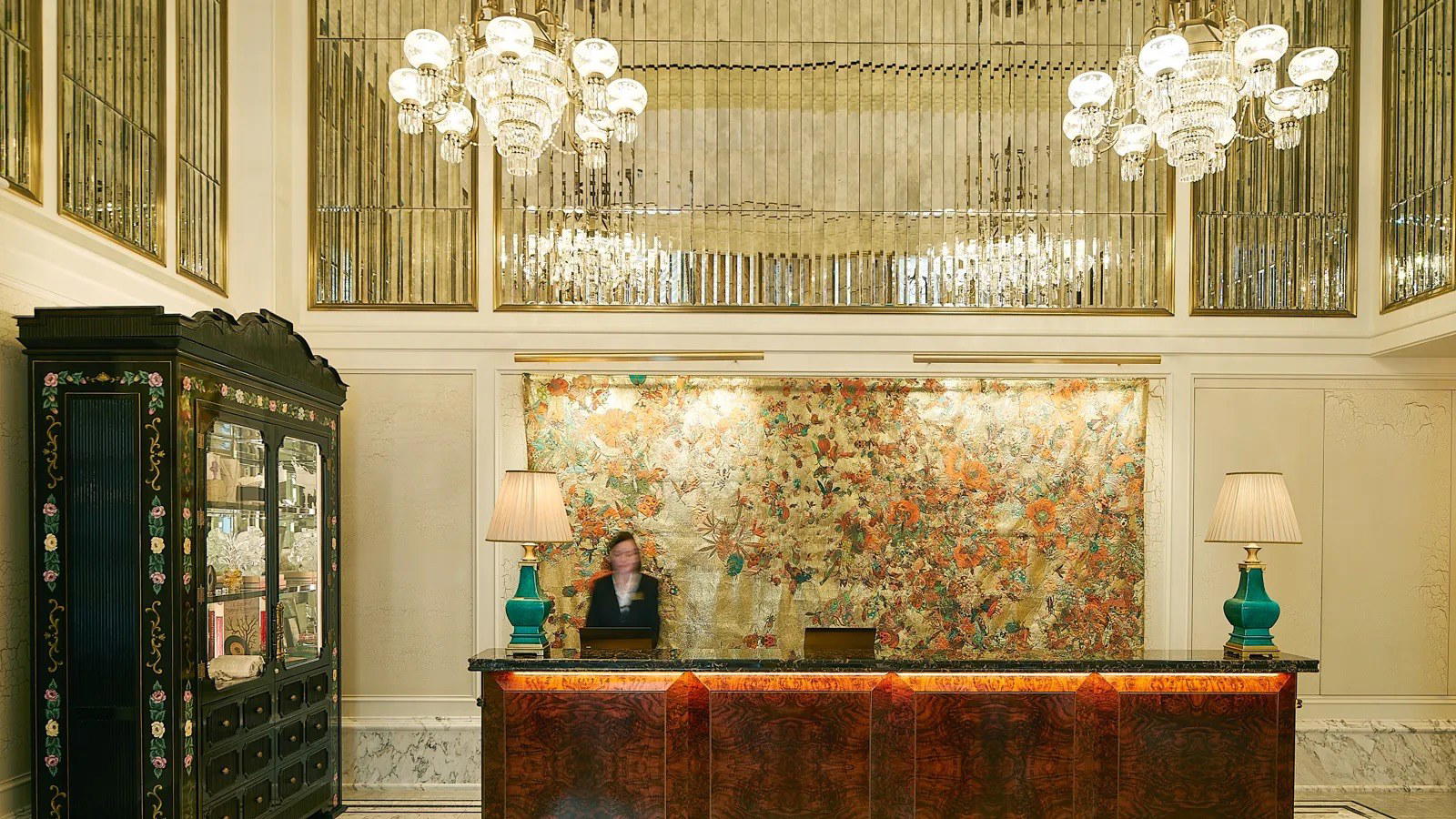
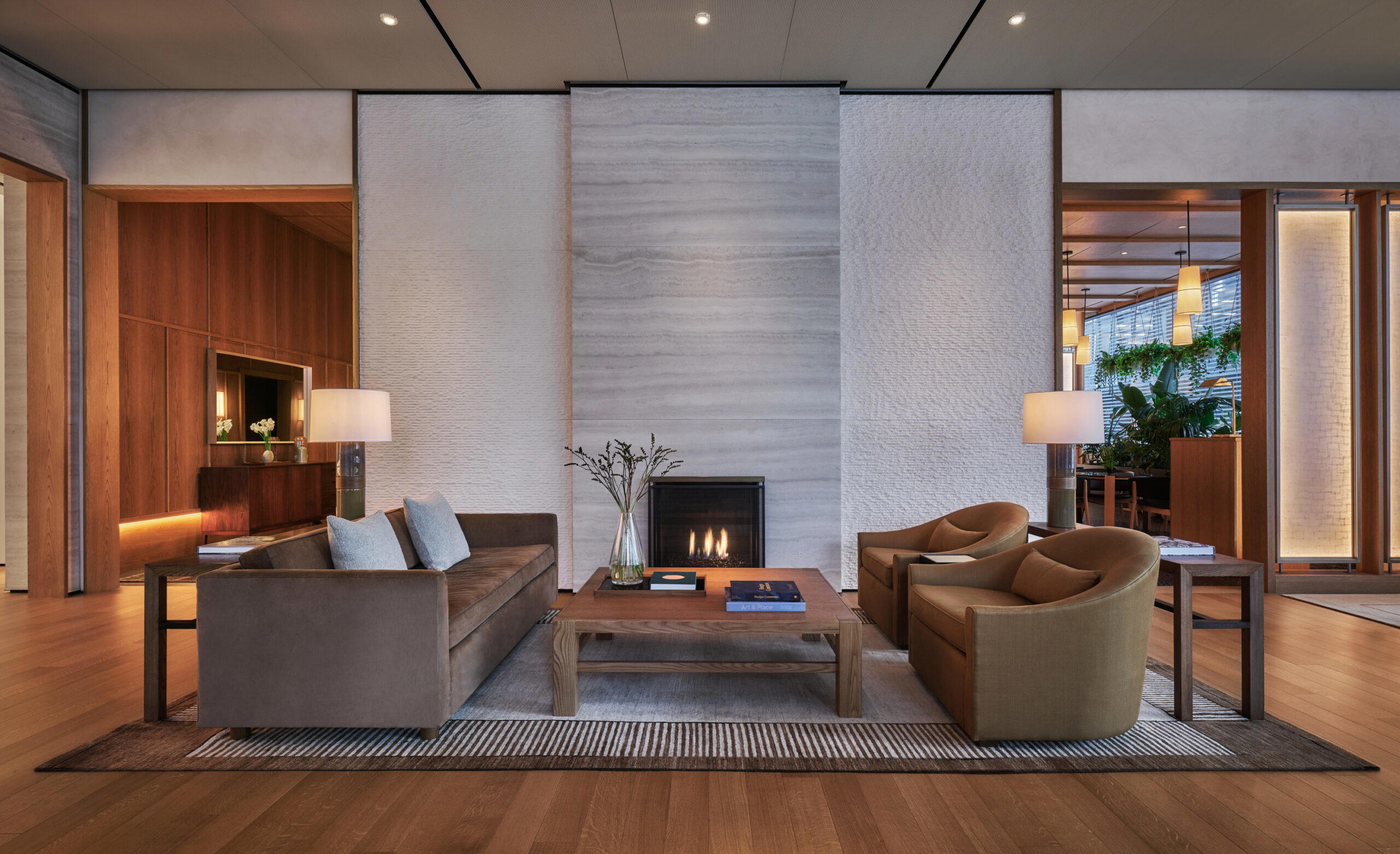
That constraint is also the condition that makes the theatrical service element legible. The opulent interior noted in the venue's recognition reinforces the deliberate distance from the stripped-back, ingredient-led aesthetic that defines bars like Amor y Amargo. Shinji's is making a different argument about what a serious bar can look like.
The Team Dynamic in a Small-Format Bar
The editorial angle of EA-GN-11, focused on team collaboration, is particularly applicable here because the 18-seat format makes the division of labour between front-of-house, bar lead, and service staff unusually visible. In larger operations, a sommelier or bar director can set a program and delegate its execution across multiple staff members without the guest ever sensing the seam. At Shinji's, the handoffs are immediate and apparent. The person explaining a technique is likely also the person who developed it, or at minimum someone who has been trained closely enough to speak to it with authority.
This is the structure that the most consistently recognised small-format bars tend to share. Attaboy NYC, a few neighbourhoods away, built its reputation on a similarly tight team operating without a fixed menu, where staff knowledge substitutes for a printed list. Angel's Share, the East Village bar that helped define New York's Japanese-influenced cocktail aesthetic, has sustained its reputation through decades of consistent team craft rather than rotating concepts. What Shinji's adds to that lineage is the explicit theatricality and the opulent interior, which signal that the experience is designed to be read as a whole rather than as a sequence of individual drinks.
That whole-experience design creates specific demands on front-of-house. When the room is signalling ceremony, the pacing of service becomes a compositional element. Too fast and the guest feels processed; too slow and the theatrical frame collapses into waiting. Getting that calibration right in a room of 18, night after night, is a team achievement rather than an individual one.
Where Shinji's Sits in the New York Bar Hierarchy
North America's Leading Bars at No. 90 places Shinji's in a bracket that includes a handful of New York operations, but the city's representation on that list is not guaranteed by volume alone. New York has more bars per square kilometre than almost any other North American city, which means the competition for list positions is intense relative to markets like New Orleans or Houston, where the overall pool is smaller. Holding a position in the Top 500 Bars global list simultaneously compounds that signal: the two ranking systems draw on different voting pools, so a bar appearing in both has passed distinct filters.
For comparison within New York, bars like Superbueno operate in an adjacent cocktail tier but with a different aesthetic program and a Latin-influenced identity that draws a different crowd. Allegory in Washington, D.C. and ABV in San Francisco represent the same general bracket in their respective cities: technically serious, award-validated, operating at a scale that demands team coherence. The Parlour in Frankfurt on the Main demonstrates that this format has direct international equivalents, all operating on the same premise that small capacity and high craft are mutually reinforcing. Shinji's is New York's version of that argument.
Planning Your Visit
Shinji's is located at 37 West 20th Street, New York, NY 10011, in the Flatiron district, within walking distance of the 23rd Street subway stations on the N/R/W and F/M lines. Reservations: Given the 18-seat capacity and the bar's recognition across three 2025 ranking systems, booking ahead is advisable; walk-in availability exists but is unpredictable. Timing: Early evening slots on weekdays offer the most relaxed experience of the theatrical service format. Dress: The room's register suggests smart-casual at minimum; the ceremony implied by the interior and service style rewards dressing to match. For broader context on New York's bar and restaurant scene, see our full New York City guide.
Cuisine-First Comparison
Comparable venues nearby, for context on price, style, and recognition.
| Venue | Cuisine | Price | Awards | Notes |
|---|---|---|---|---|
| Shinji’sThis venue — the venue you are viewing | cocktail_bar | $50–100 | World's 50 Best #77 · Top 500 Bars Best Bars #487 | Not listed |
| Bar Snack | cocktail_bar | $30–50 | World's 50 Best #3 · James Beard Award Semi Finalist | East Village |
| Dante West Village | cocktail_bar | $50–100 | World's 50 Best #60 · Top 500 Bars Best Bars #427 | West Village |
| The Long Island Bar | cocktail_bar | $30–50 | World's 50 Best #64 · Top 500 Bars Best Bars #367 | Carroll Gardens-Cobble Hill-Gowanus-Red Hook |
Recognition history
Dated appearances from independent guides and award organizations, with the underlying list record or original source where available.
World's 50 Best North America's Best Bars #77
World's 50 Best
Pinnacle Guide 1 Pin
Pinnacle Guide
Top 500 Bars Best Bars #487
Top 500 Bars
Full recognition history (5 entries)
Top 500 Bars Best Bars #382
Top 500 Bars
World's 50 Best North America's Best Bars #90
World's 50 Best
Continue exploring
More in New York City
Bars in New York City
Browse all →
Restaurants in New York City
Browse all →
Hotels in New York City
Browse all →




Details
- Whimsical
- Elegant
- Intimate
- Sophisticated
- Date Night
- Special Occasion
- Speakeasy
- Design Destination
- Seated Bar
- Booth Seating
- Craft Cocktails
- Whiskey
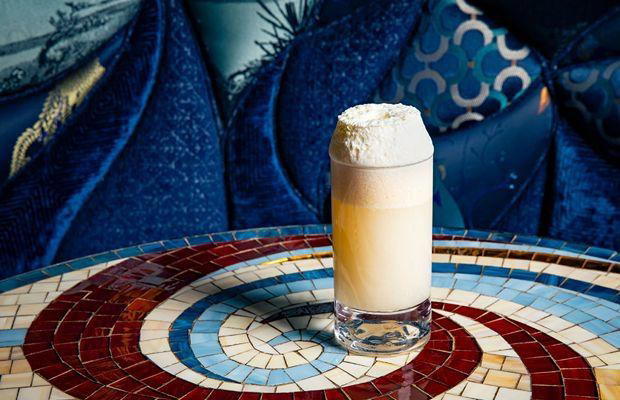
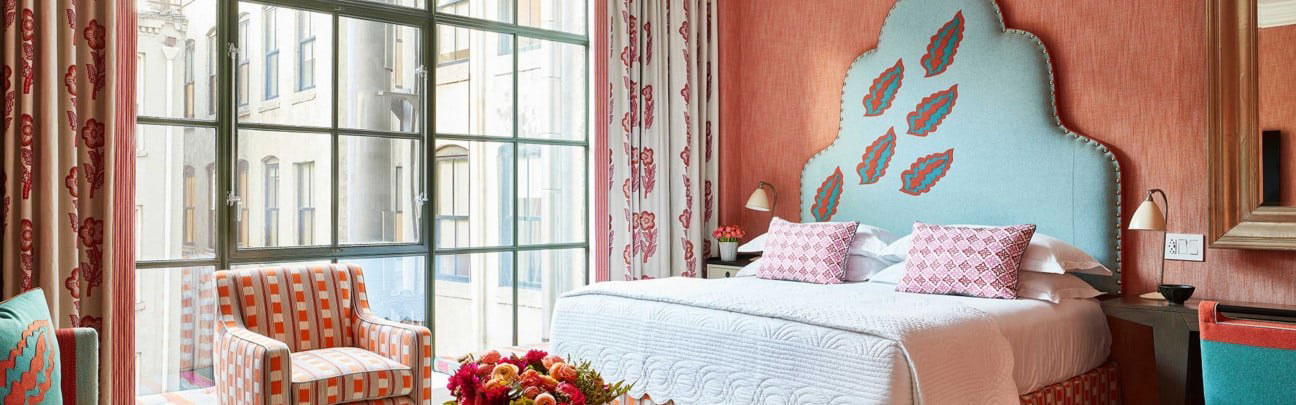
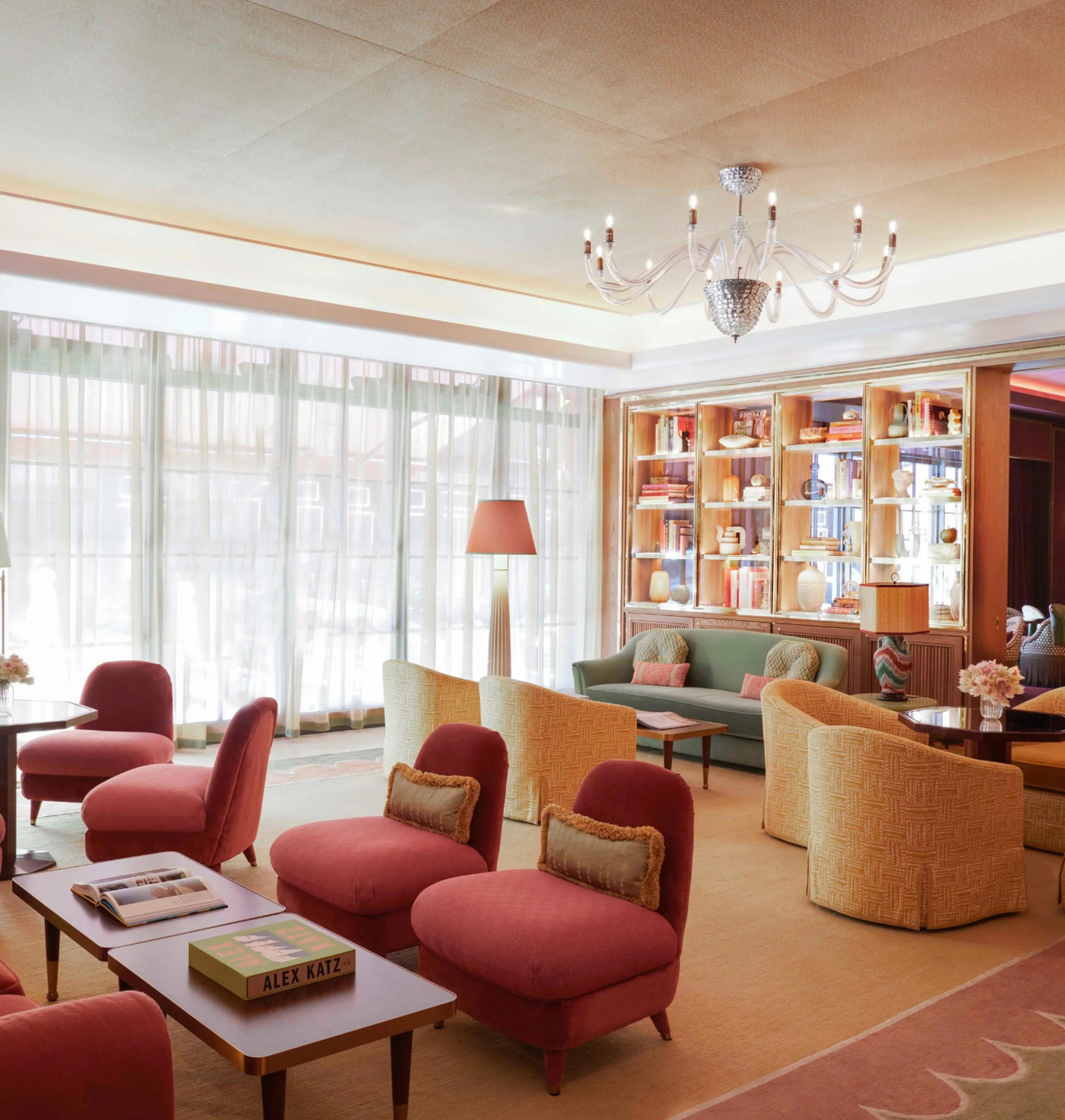
Whimsical and luxurious with crushed velvet booths, swirling tiles, gilded octopus decor, and a warm inviting atmosphere.