

1 Michelin Star
Our verdict
Jua sits at the sharper end of New York's modern Korean tasting-menu tier, holding a Michelin star and consecutive Opinionated About Dining top-40 rankings since 2023. Chef Hoyoung Kim's counter on East 22nd Street frames Korean culinary tradition through premium product sourcing, raw fluke from Jeju Island, dry-aged Spanish branzino, wood-fired Australian lamb, in a sleek Flatiron dining room that runs Tuesday through Sunday from 6 PM.

Pearl is the En Primeur Club membership app, where members save venues, book tables and use the concierge.
The menu
What to order
- Caviar Kim
- Jook
- Galbi & Chan
- Goguma Juak
- Mulhoe
Flatiron's Korean Counter
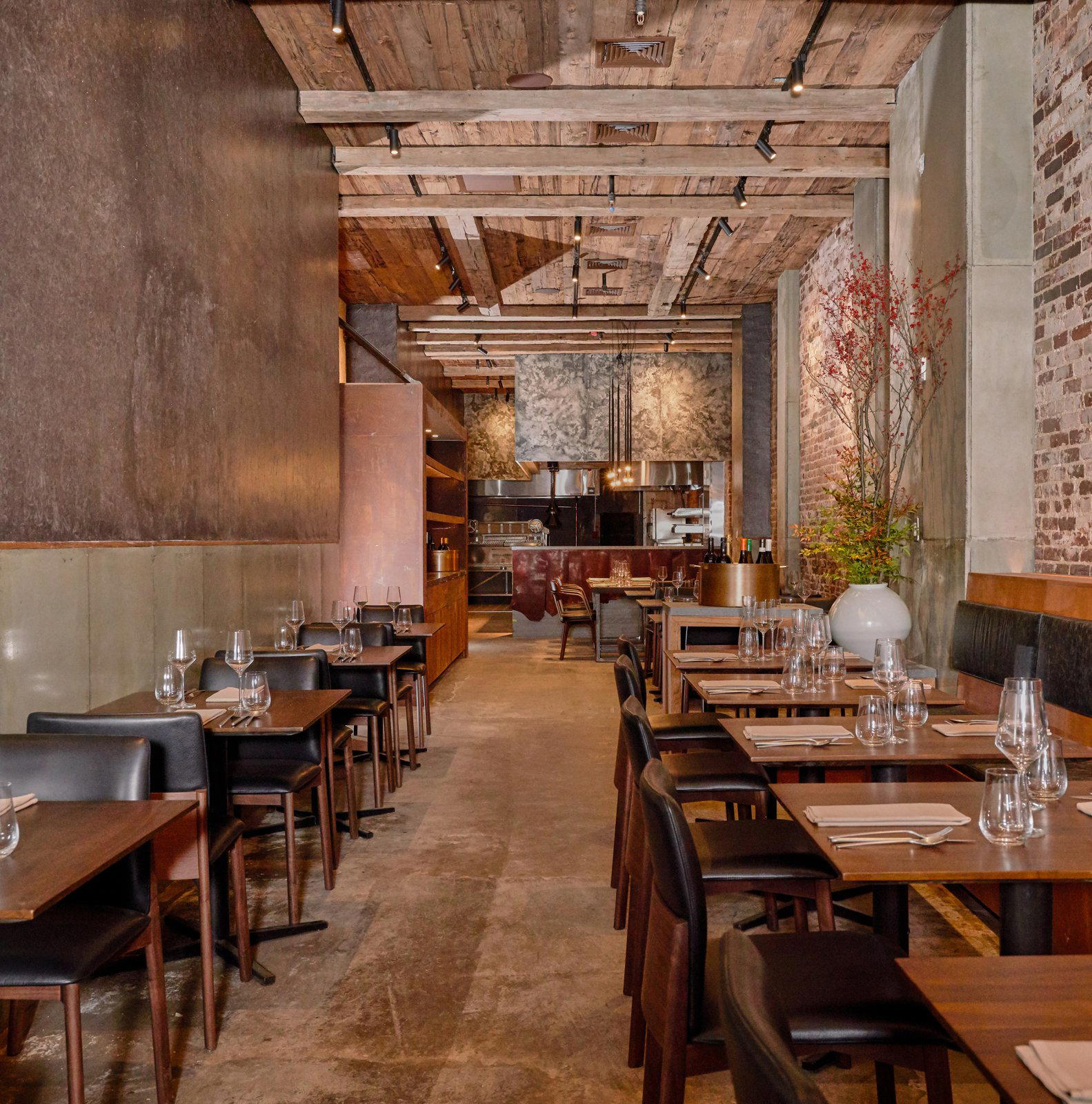
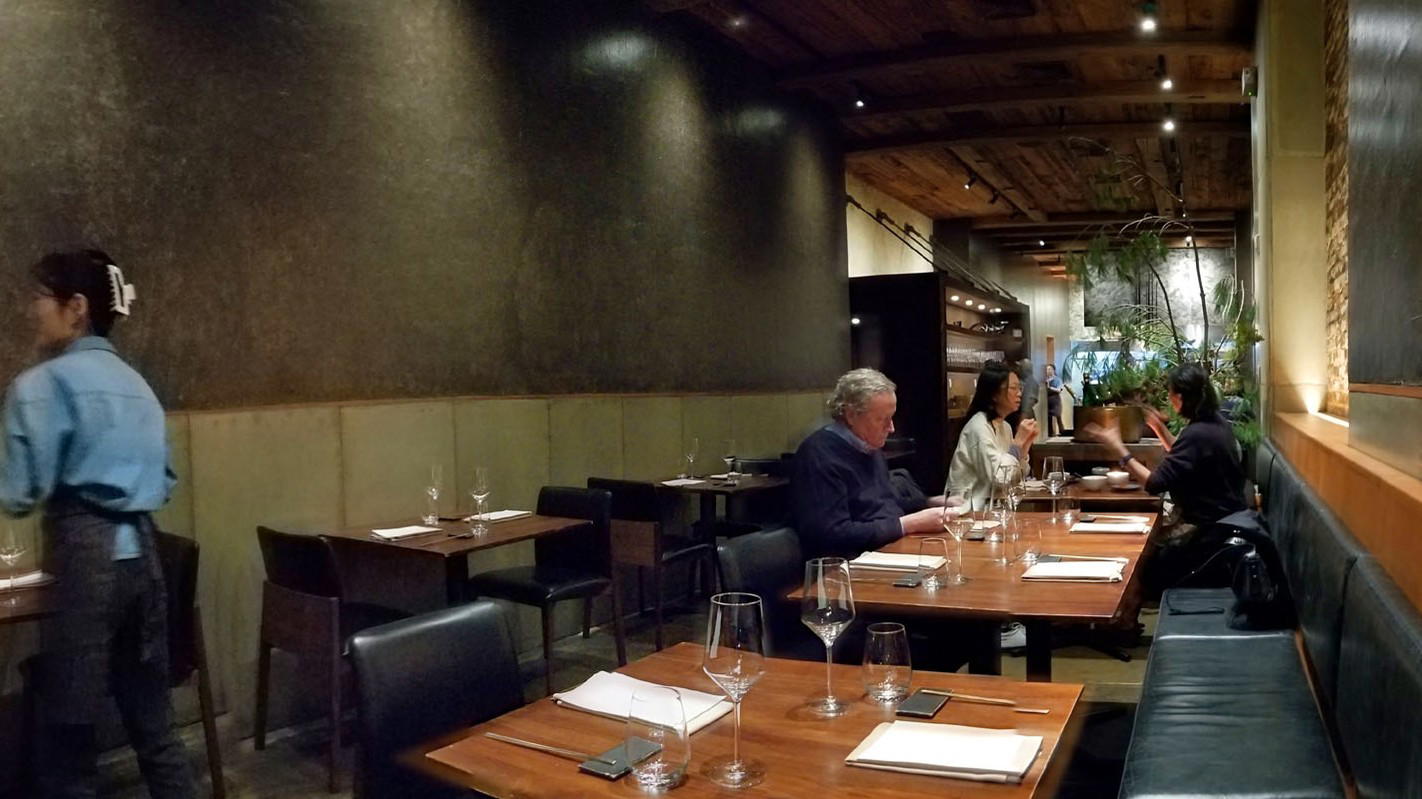
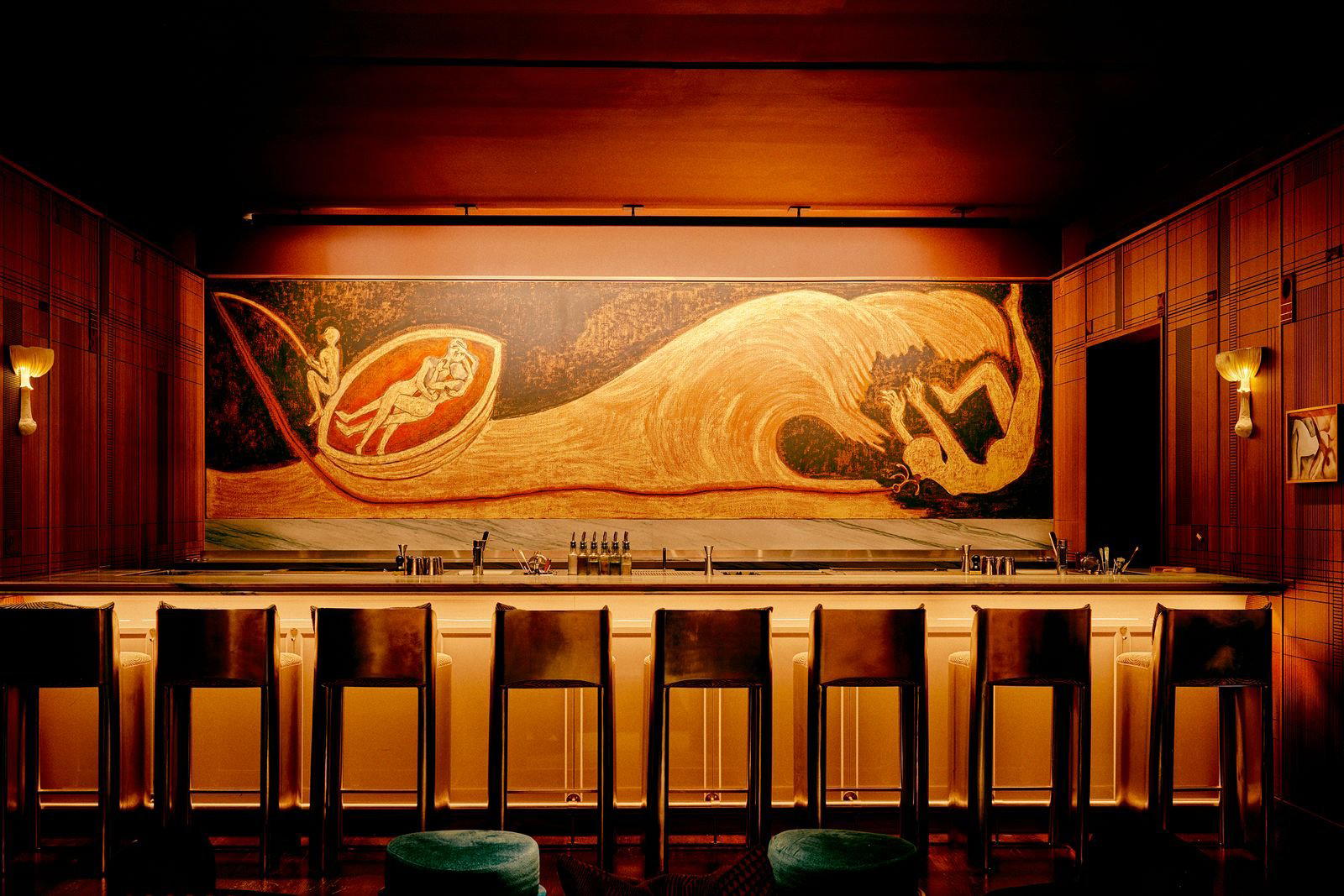
The block of East 22nd Street closest to the Flatiron Building has a particular character at night: the low-rise brick of the surrounding side streets gives way to the vertical drama of one of Manhattan's most photographed landmarks, and the restaurants in its shadow tend to draw a crowd that treats dinner as an occasion rather than a transaction. Jua fits that setting precisely. Walk in and the room registers immediately: soaring ceilings, lighting held deliberately low, and a dining room that fills early and stays full. The energy is contained rather than loud, the kind of room where conversations carry but don't dissolve into noise. It is a space designed to focus attention on what arrives at the table.
Where Modern Korean Tasting Menus Sit in New York
New York's Korean dining scene has fractured into distinct tiers over the past decade, and the premium tasting-menu category is now the most contested. At the leading sits Atomix, which holds two Michelin stars and runs one of the most discussed Korean omakase formats in the country. Jua occupies the tier immediately below that ceiling, holding one Michelin star since 2024 and placing in Opinionated About Dining's North America rankings every year since 2023: #23 in 2023, #35 in 2024, and #37 in 2025.
The broader context matters here. Modern Korean fine dining in New York is no longer a niche category with a handful of representatives. Alongside Jua, venues like bōm, Jeju Noodle Bar, Meju, 8282, and Ariari map out a range of price points, formats, and registers. Jua's place in that field is anchored at the formal tasting-menu end, priced at $$$$ alongside peers like Atomix and well above the more casual Korean formats in the city. The question with any restaurant at this price point is whether the sourcing and technique justify the positioning. The awards record suggests, consistently, that they do.
The Cultural Roots Behind the Format
Korean cuisine has a long tradition of using cold and fermented preparations alongside fire, and the leading modern Korean fine dining pulls those techniques into conversation with premium sourcing rather than replacing one with the other. The mulhoe, a dish of slivered raw fluke from Jeju Island dressed with a chilled spicy broth, is a direct reference to Korean raw seafood culture, particularly the haenyeo diving tradition of Jeju, where the sea produces fluke and abalone that have been central to the island's food culture for centuries. Presenting that product in a fine-dining context is not a reinvention of the dish; it is a claim that the ingredient deserves the same careful handling as the Japanese products that dominate premium raw seafood menus in New York.
The dry-aged Spanish branzino with its described shatteringly crisped skin speaks to a different register: European product handled with a precision more associated with French or Japanese technique, but presented without the French or Japanese frame. And the Australian lamb cooked over wood fire situates the menu inside a global sourcing logic that treats Korean cooking methods, particularly live-fire preparation, as frameworks applicable to any excellent product, regardless of origin. This approach, sourcing internationally but cooking through a Korean lens, is increasingly the signature of the modern Korean fine-dining generation, as visible in Seoul at venues like Mingles and Kwonsooksoo as it is in New York.
Chef Hoyoung Kim and the Menu's Logic
In the modern Korean fine-dining format, the chef's role is structural as much as expressive. Chef Hoyoung Kim's menu at Jua, as documented across multiple years of critical attention, follows a progression from cold and light toward heat and richness, and closes with a glazed Korean-style donut and a silky orb of ice cream, a deliberately approachable ending that resists the overwrought dessert theatrics common in American tasting menus of similar price. That the OAD description highlights this specifically is telling: it suggests the restaurant understands that the conclusion of a long tasting menu shapes how the whole experience is remembered, and has chosen ease over spectacle at that final moment.
The consistency across three successive OAD rankings points to a kitchen that has found and maintained its register, rather than one chasing reinvention each season. That stability, in a city where restaurants at this tier often oscillate between acclaim and overreach, is itself a signal worth reading.
Jua in the North American Fine Dining Frame
At the $$$$ tier across North American cities, the Korean tasting menu now sits alongside French-derived formats as a serious option for diners at the top of the market. Restaurants like The French Laundry in Napa, Alinea in Chicago, Single Thread Farm in Healdsburg, Lazy Bear in San Francisco, Providence in Los Angeles, and Emeril's in New Orleans each occupy different regional niches within that top-tier American dining conversation. Jua's OAD top-40 ranking places it within shouting distance of that peer group, and its Michelin recognition confirms that the institutional guides treat it as a serious address rather than a specialist curiosity.
The distinction that separates Jua from many of the French-derived American tasting menus is precisely the cultural specificity of the cooking. Where French fine dining in America has become somewhat generic in its references, the techniques are shared, the vocabularies overlap, Korean fine dining in New York still carries a legibility of origin. A dish built around Jeju fluke and a cold spicy broth communicates something specific about where it comes from. That specificity is both the creative and the commercial argument for the format.
Planning Your Visit
Jua is located at 36 East 22nd Street, a short walk from Madison Square Park and the Flatiron Building. The restaurant is closed on Mondays and opens Tuesday through Sunday at 6 PM, with last seating at 11 PM. The dining room's slim footprint and described energy level suggest this is not a restaurant where table spacing creates distance between diners, the room is designed to feel alive rather than sparse, and does so deliberately.
For the broader New York dining picture, see our full New York City restaurants guide. If you're planning a longer stay, our full New York City hotels guide covers the accommodation tier that pairs with dinners at this level. And if a post-dinner drink is part of the plan, our full New York City bars guide, our full New York City wineries guide, and our full New York City experiences guide provide context for the rest of the evening.
Quick reference: 36 East 22nd Street, Flatiron, New York, Tuesday to Sunday, 6 PM–11 PM, Closed Mondays, Michelin 1 Star (2024), OAD Top 40 North America (2023, 2024, 2025), $$$$ tasting menu.
Frequently asked questions
What's the vibe at Jua?
The room is slim and sleek with soaring ceilings and low, considered lighting, the kind of space that reads as serious without being stiff. Located steps from the Flatiron Building on East 22nd Street, the dining room fills quickly on service nights (Tuesday through Sunday, 6 PM onwards) and operates at a sustained hum. This is a tasting-menu counter with intention, not a scene restaurant.
What does dinner at Jua typically cost?
Pricing at Jua is listed as $$$$.
Is Jua Michelin-listed?
Jua has received recognition including: Opinionated About Dining Top Restaurants in North America Ranked #37 (2025); Chef Hoyoung Kim and his team continue to deliver their promise of a nicely poised, modern Korean tasting menu that is focused on excellent products. Mulhoe featur….
What do regulars order at Jua?
Jua runs a fixed tasting menu, so the kitchen sets the progression rather than the diner. Documented dishes across multiple OAD reviews include mulhoe with raw fluke from Jeju Island in chilled spicy broth, dry-aged Spanish branzino with shatteringly crisped skin, and Australian lamb cooked over a wood fire. The meal typically closes with a glazed Korean-style donut and a smooth orb of ice cream.
Comparison Snapshot
A short peer table to compare basics side-by-side.
| Venue | Cuisine | Price | Awards | Notes |
|---|---|---|---|---|
| JuaThis venue (the venue you are viewing) | Modern Korean Wood-Fired Tasting Menu | $100–150 | 1 Michelin Star | Not listed |
| Le Bernardin | French Seafood Fine Dining | $300–500 | 3 Michelin Stars · World's 50 Best #13 | French, Seafood |
| Atomix | Modern Korean Tasting Menu | $300–500 | 2 Michelin Stars · World's 50 Best #7 | Modern Korean, Korean |
| Masa | Seasonal Hokkaido Tempura Omakase | $150–200 | Tabelog 100 #34 | Sushi, Japanese |
| Per Se | French Fine Dining Tasting Menu | $300–500 | 3 Michelin Stars · World's 50 Best #40 | French, Contemporary |
| Eleven Madison Park | Contemporary Plant-Based Fine Dining | $300–500 | 3 Michelin Stars · World's 50 Best #4 | French, Vegan |
Recognition history
Dated appearances from independent guides and award organizations, with the underlying list record or original source where available.
Michelin 1 Star
Michelin
Opinionated About Dining Top Restaurants in North America Ranked #32
Opinionated About Dining
Full recognition history (6 entries)
Opinionated About Dining Top Restaurants in North America Ranked #37
Opinionated About Dining
Michelin 1 Star
Michelin
Opinionated About Dining Top Restaurants in North America Ranked #35
Opinionated About Dining
Opinionated About Dining Top Restaurants in North America Ranked #23
Opinionated About Dining
Jua
Featured Guides
Continue exploring
More in New York City
More from Chef Hoyoung Kim
Browse all →
Restaurants in New York City
All restaurants in New York City →
Bars in New York City
All bars in New York City →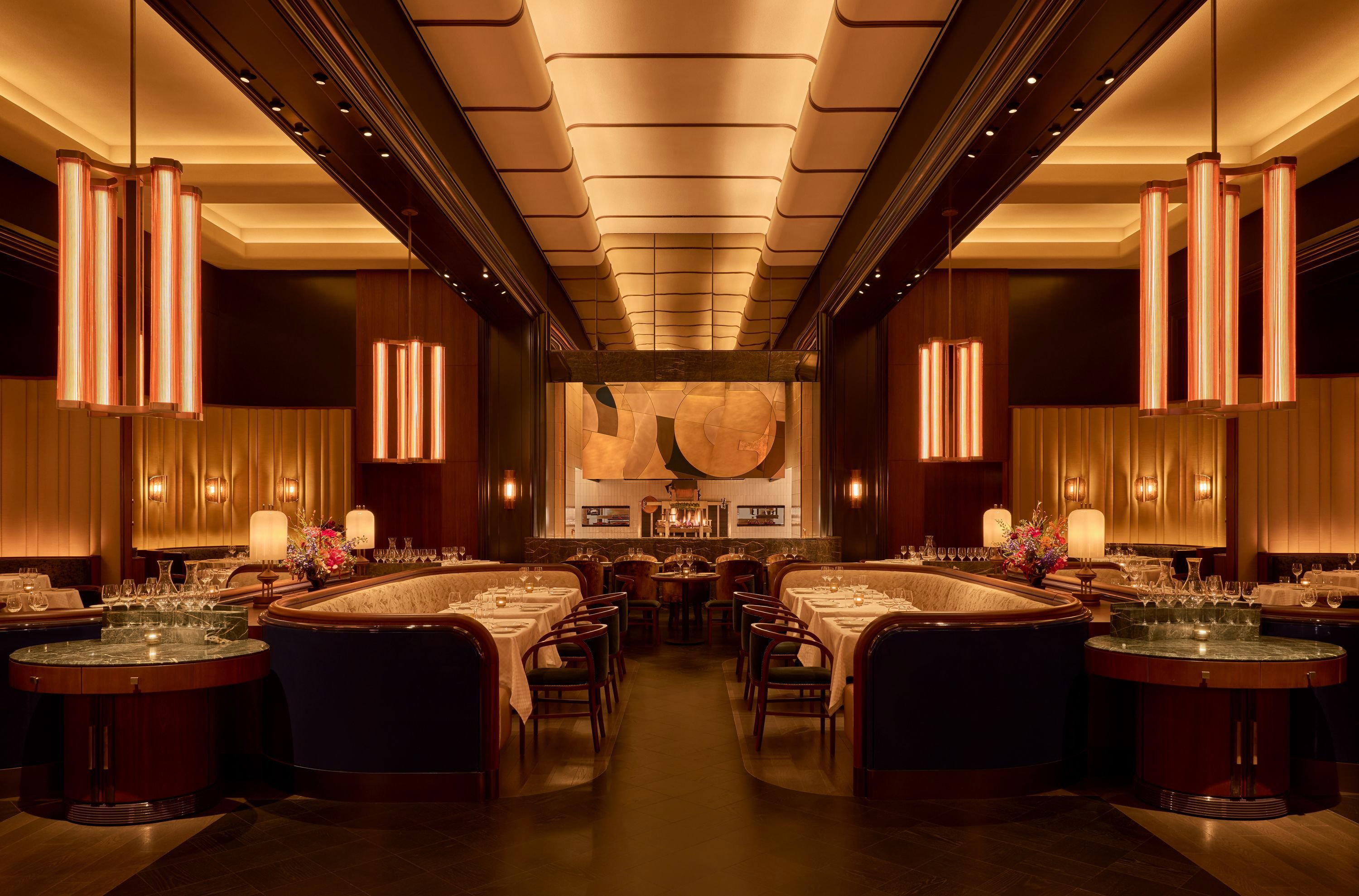




Details
- Elegant
- Modern
- Intimate
- Sophisticated
- Date Night
- Special Occasion
- Celebration
- Open Kitchen
- Chefs Counter
- Craft Cocktails
- Natural Wine
- Sommelier Led
- Local Sourcing
- Sustainable Seafood
- Tasting Menu
- Prix Fixe
- Natural Wine
- Craft Cocktails
Current opening hours
- Monday
- Closed
- Tuesday
- 6–11 PM
- Wednesday
- 6–11 PM
- Thursday
- 6–11 PM
- Friday
- 6–11 PM
- Saturday
- 6–11 PM
- Sunday
- 6–11 PM
Hours can change for holidays and private events. Hours as of .
Rustic yet elegant setting with an open kitchen view, creating an intimate and refined atmosphere that balances special-occasion formality with approachable warmth.