
Tabelog 100 #34
Our verdict
An eight-seat tempura counter in Susukino with Tabelog Tempura 100 recognition in 2025 and 2023, masa belongs to Sapporo’s small high-end fried-course tier rather than its casual ramen-and-soup-curry circuit. The appeal is format discipline: counter service, reservation-only dining, and a price level that places it closer to serious sushi counters than everyday izakaya meals.

Pearl is the En Primeur Club membership app, where members save venues, book tables and use the concierge.
The menu
What to order
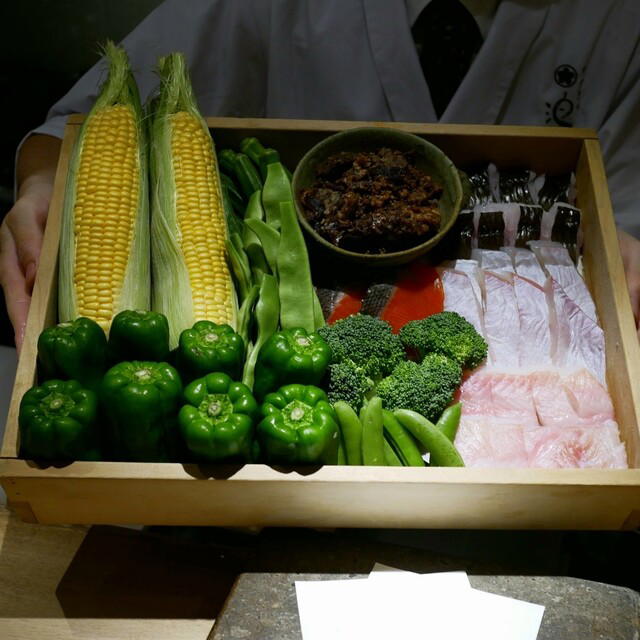
- Seasonal Hokkaido seafood tempura course
- Ezomae-style tempura omakase
- Small seasonal appetizers before tempura
- Uni tempura or uni dishes (seasonal)
Sapporo is louder at street level than its serious dining rooms suggest: vertical signs, late trains, grilled seafood and ramen moving through the city. Inside disciplined dining rooms, the noise drops away. Tempura, treated as a full-course format rather than a shared plate, asks for narrow attention: batter, oil, timing, sequence, and a guest ready to follow the kitchen’s rhythm.
That is the context for masa, a Sapporo tempura restaurant selected for Tabelog’s Tempura 100 in 2025. In Sapporo, where visitors often plan around sushi, crab, lamb barbecue, ramen, and soup curry, a serious tempura meal is a specific choice. It suits travellers who know the difference between a fried course and a tempura meal: one fills a gap; the other controls the evening.
Tempura as a focused format, not a side order
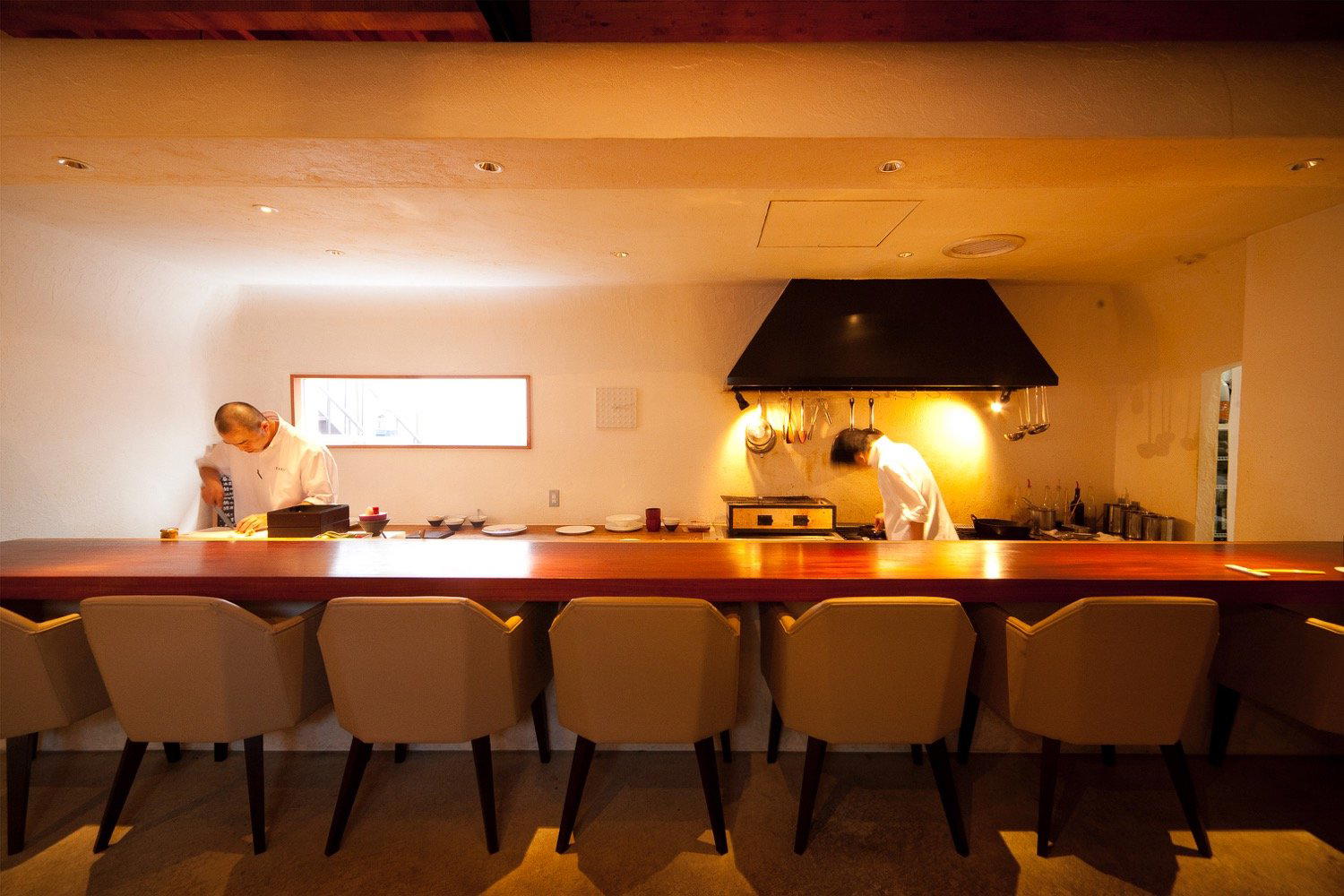
High-end tempura depends on immediacy. The setting is not decorative theatre; it is part of the service model. A focused room changes the economics and tempo. Courses can move at a careful pace, and the kitchen treats each piece as short-lived rather than food held for a broad dining room. That structure matters because the window between frying and eating is brief.
Sapporo’s dining identity is often framed through abundance: winter seafood, dairy, miso ramen, jingisukan, and the vegetable clarity of Hokkaido produce. Tempura adds a different lens: less volume, more control. A good tempura meal strips away casual assumptions about fried food and replaces them with sequence, restraint, and heat management. Tabelog’s Tempura 100 recognition places masa in a national conversation around specialist tempura, not just a local Sapporo shortlist.
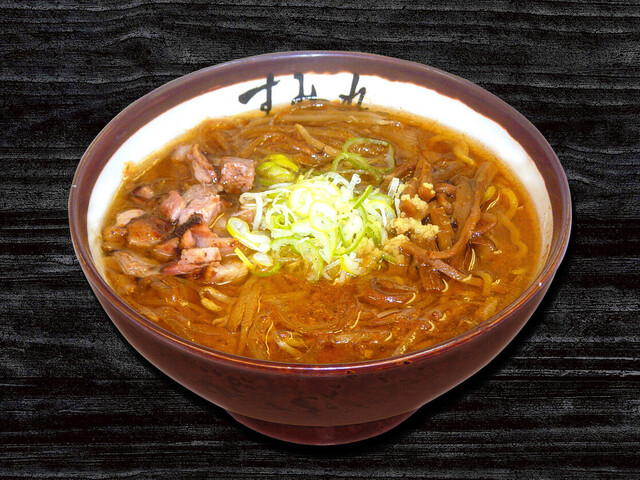
The price tier reinforces that reading. Dinner sits in the JPY 15,000 to JPY 19,999 range, with lunch listed at JPY 10,000 to JPY 14,999. That puts the meal well above Sapporo’s casual staples and closer to serious destination dining. Sushi Dokoro Ichii, Sushikin, and Sumire Sapporo susukino ten can sit elsewhere in a Sapporo plan, but masa serves a different purpose. The comparison clarifies the decision: this is not a stop between bars, but the anchor of the dining plan.
Why the award signal matters in Sapporo
Tabelog’s category lists can be blunt but useful tools for Japan dining research. They reward specialist depth, and tempura is a narrower field than sushi or ramen. Selection for the Tempura 100 in 2025 gives masa a reputational signal beyond convenience. It also positions Sapporo within a category often dominated in international attention by other major Japanese dining cities.
That matters because Sapporo’s dining map can be misleading: easy to read casually, harder at the specialist level. Visitors can eat well on ramen, seafood bowls, and izakaya nights with little planning. The more exacting meals may require earlier decisions, smaller parties, and tolerance for fixed pacing. Those details point to a compact, focused meal rather than a flexible group dinner.
The drinks direction should fit the format. Tempura needs beverages that handle oil, salt, and changing ingredients without making the meal heavy. The point is alignment: a focused tempura meal benefits from beverages chosen for progression, not a list built to impress by size.
How to place it within a Sapporo itinerary
For a short Sapporo stay, use contrast. Put a tempura meal on a lighter day: coffee, shopping, or a pre-dinner walk through Sapporo, not a heavy lunch of ramen and curry. The city rewards range, and masa makes more sense when it is not competing with the appetite reserved for late-night noodles.
Sapporo gives the meal a practical afterlife. The city is one of Japan’s great late-evening eating and drinking destinations, so a focused dinner can lead to a serious bar or simple second stop without overcomplicating the night. BAR YAMAZAKI and Milk Mura SAPPORO hon ten suggest different post-dinner moods, while other unnamed Sapporo stops can keep the evening casual. Together, they underline Sapporo’s range after a carefully paced meal.
Readers building a wider Sapporo itinerary can use Our full Sapporo restaurants guide for the city’s dining spread, from specialist dining rooms to casual regional standards. For adjacent planning, Our full Sapporo hotels guide, Our full Sapporo bars guide, Our full Sapporo wineries guide, and Our full Sapporo experiences guide help separate a food-led weekend from a longer Hokkaido trip.
The lower-cost side of the city is part of the argument. Everyday ramen shops, curry counters, casual cafés, and other accessible dining rooms show how much of Sapporo’s appeal sits in everyday formats. Other destinations broaden the picture beyond central destination dining. masa belongs to the opposite end: fewer distractions, stricter timing, and a reputation built on a single craft.
For comparison outside Hokkaido, Japan’s dining map can swing from regional beef and charcoal cooking to café culture, contemporary dining rooms, and casual Japanese formats abroad. Sapporo’s serious tempura meals remain exacting because the format is built around time, heat, and restraint.
Frequently asked questions
What does dinner at masa typically cost?
Dinner at masa is listed at JPY 15,000 - JPY 19,999, with lunch listed at JPY 10,000 - JPY 14,999.
What part of town is masa in?
Sapporo.
How far ahead should I plan for masa?
masa is a specialist tempura restaurant in Sapporo, so planning ahead is sensible, especially if it is the anchor meal of the day.
What do critics highlight about masa?
The clearest external signal is Tabelog’s Tempura 100 selection for 2025. The appeal is the specialist tempura format rather than a loose casual stop.
Budget Reality Check
Comparable venues at the same tier for side-by-side context.
| Venue | Cuisine | Price | Awards | Notes |
|---|---|---|---|---|
| masaThis venue (the venue you are viewing) | Seasonal Hokkaido Tempura Omakase | $150–200 | Tabelog 100 #34 | Not listed |
| NIKUSYO taku ohira | High-end Wagyu Yakiniku & Kaiseki-Style Course Dining | $100–150 | Tabelog 100 #100 | Chūō, High-end Wagyu Yakiniku & Kaiseki-Style Course Dining |
| Sumika | Japanese Yakiniku | $50–100 | Tabelog 100 #59 | Chūō, Japanese Yakiniku |
| Oryori Fujita | Traditional Japanese Omakase / Kaiseki | $150–200 | Tabelog 100 #86 | Chūō, Traditional Japanese Omakase / Kaiseki |
| 鮨こいせ | Edomae-style Omakase Sushi | $100–150 | Not listed | Chūō, Edomae-style Omakase Sushi |
| Takuzushi | Traditional Omakase Sushi | $150–200 | Tabelog 100 #62 | Chūō, Traditional Omakase Sushi |
Recognition history
Dated appearances from independent guides and award organizations, with the underlying list record or original source where available.
Tabelog 100 #34 · No. 34
Tabelog · Tabelog 100 - Tempura - 2025
Continue exploring
More in Sapporo
Restaurants in Sapporo
All restaurants in Sapporo →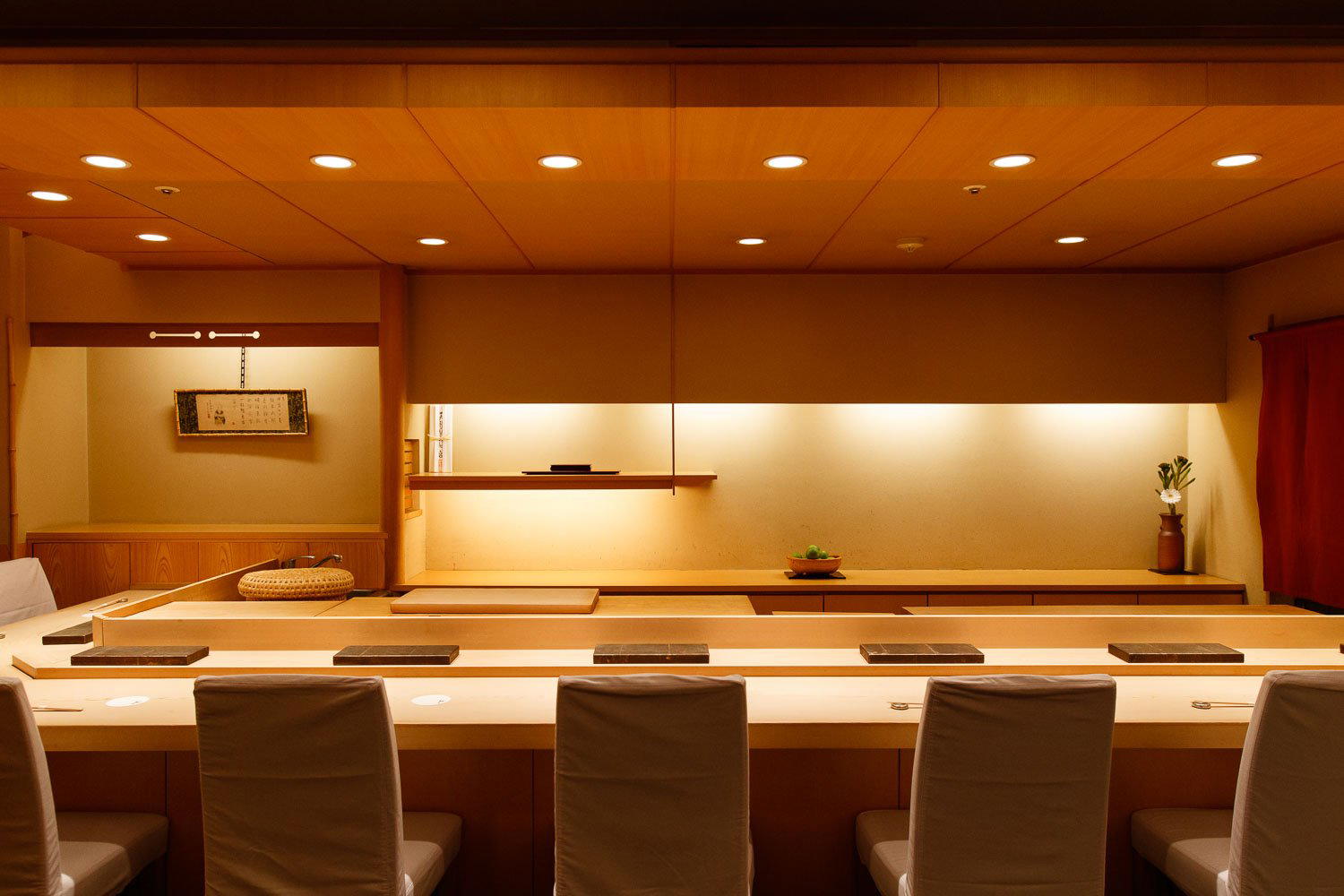
Bars in Sapporo
Browse all →
Details
- Intimate
- Elegant
- Sophisticated
- Romantic
- Classic
- Date Night
- Special Occasion
- Business Dinner
- Solo
- Chefs Counter
- Private Dining
- Design Destination
- Standalone
- Sake Program
- Extensive Wine List
- Local Sourcing
- Farm To Table
- Sustainable Seafood
- Tasting Menu
- Omakase
- Counter Dining
- Set Menu
- Sake
- Wine
- Pescatarian Friendly
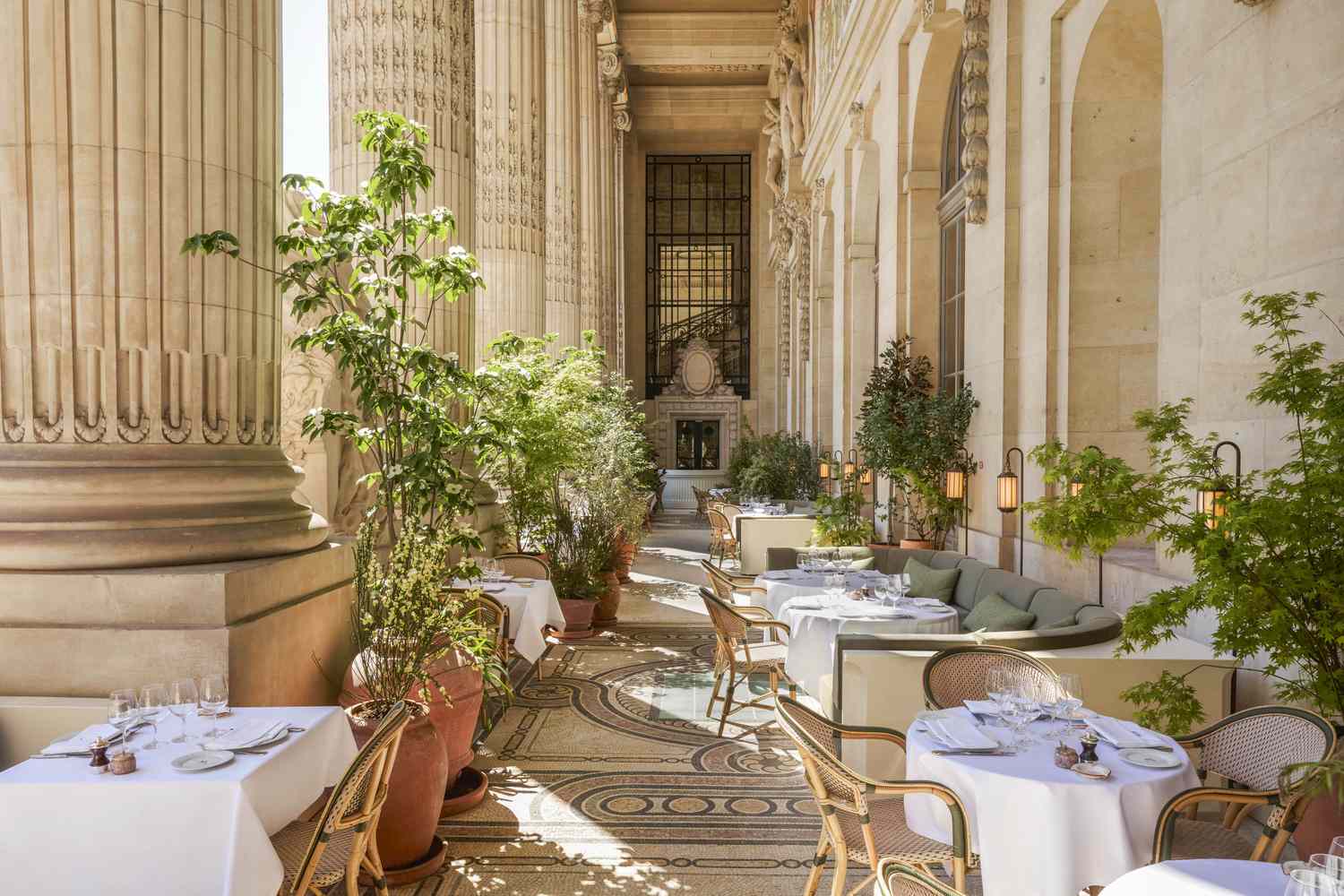
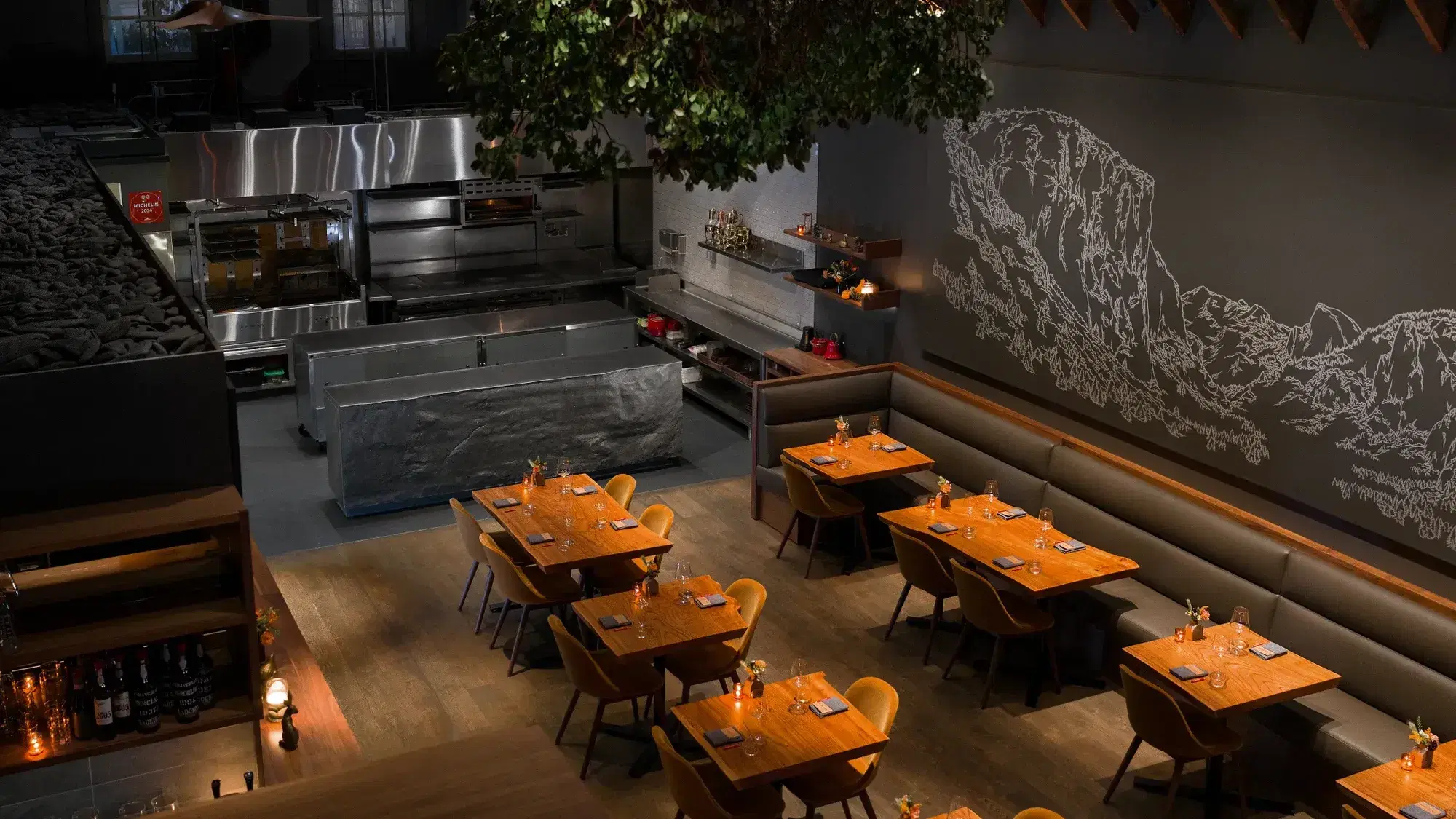
Refined and intimate counter-only setting with a calm, focused atmosphere where guests share synchronized course timings and quietly watch tempura prepared in front of them.