The Ritz-Carlton New York, NoMad

.png)




Occupying one of NoMad's tallest buildings at Broadway and West 28th Street, The Ritz-Carlton New York, NoMad trades the brand's traditional formality for something more architecturally ambitious: Rafael Viñoly's 50-story glass tower, a Michelin-keyed culinary program from José Andrés, and a spa floor designed as a genuine urban retreat. Conde Nast ranked it No. 2 among New York hotels in 2025, and La Liste awarded it 94.5 points in 2026.
 Discover on Pearl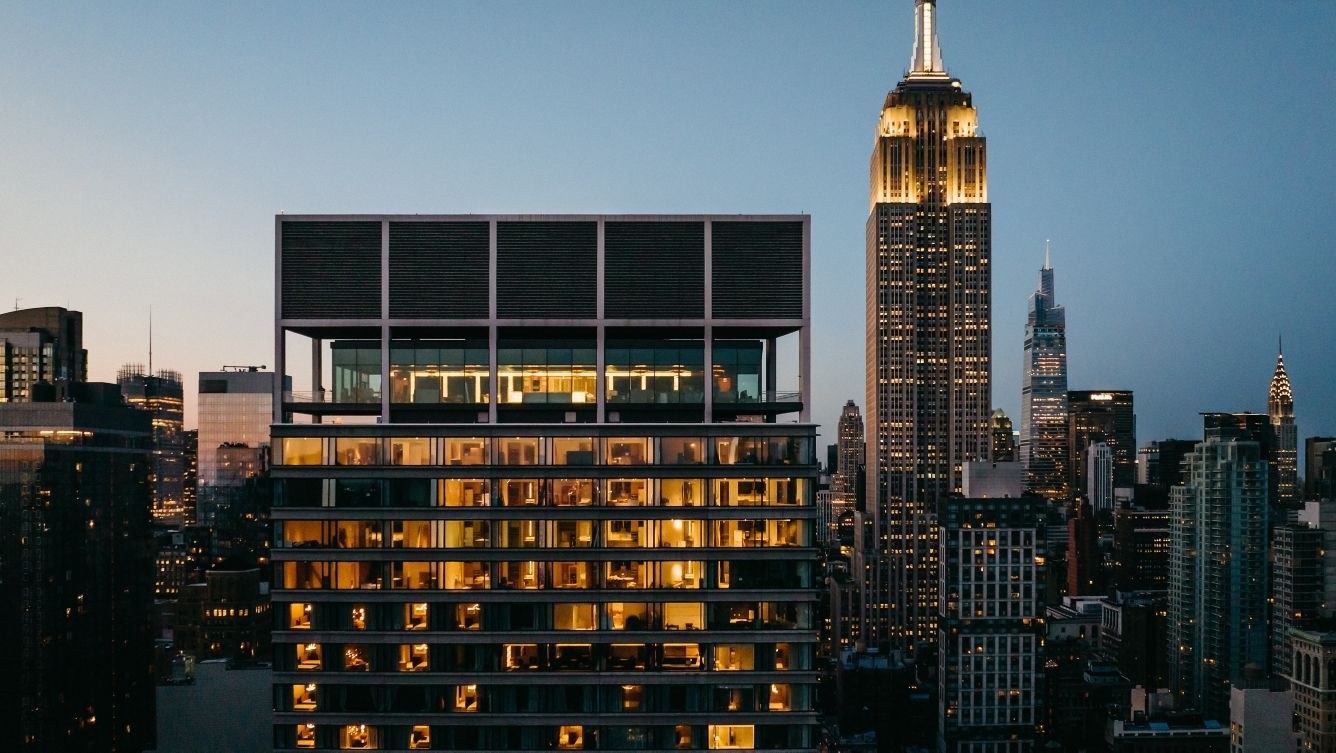
Glass, Light, and the North of Madison Square Park
The stretch of Broadway between 27th and 29th Streets carries a particular kind of New York energy: not the frantic Midtown churn, and not quite the settled residential calm of the West Village. NoMad sits in a productive middle ground, a neighborhood whose hotel density has grown sharply over the past decade as the area around Madison Square Park has repositioned itself upmarket. Into that context, the Ritz-Carlton made its move, opening its Manhattan flagship here rather than in the Central Park corridor where the brand's older New York address has long operated. The choice reads as deliberate positioning: this is a Ritz-Carlton that wants to compete in a different conversation, one that includes design-forward properties like The Fifth Avenue Hotel and the more radically minimal approach of Aman New York, rather than the traditional luxury corridor of The Carlyle or The Mark on the Upper East Side.
The building itself is the first signal. Architect Rafael Viñoly designed a 50-story glass tower that treats light as a primary material. The orientation is deliberate: unobstructed sightlines toward Downtown Manhattan, the Empire State Building visible from the north, and the Statue of Liberty legible on clear days from the southern exposures. Guest rooms begin on the 14th floor, with street-level views giving way to proper skyline sightlines above the 22nd. The glass envelope isn't merely aesthetic — it fundamentally changes what staying here feels like, particularly in the spa and rooftop volumes where the city becomes a backdrop rather than an intrusion.
The Spa as Urban Retreat
Urban spa programs at major hotel groups tend to follow a familiar formula: branded products, a handful of treatment rooms, a small pool. The Ritz-Carlton New York, NoMad operates at a different register. The spa functions less as an amenity add-on and more as a distinct destination within the hotel, structured to serve guests who arrive specifically for recovery, decompression, or focused treatment rather than those who wander in after checkout.
The spa suite format separates this property from most comparable Manhattan hotels. Booking a suite service grants access to a private sauna, a dedicated dressing area, and treatments drawn from a product rotation that includes Dr. Dennis Gross, Augustinus Bader, ESPA, and Diptyque — a tier of skincare rarely consolidated under one program. In a city where serious wellness seekers often look to residential-style facilities or destination properties like Canyon Ranch Tucson or the secluded format of Little Palm Island Resort and Spa, the NoMad spa makes a case for urban retreat on its own terms. The 24-hour fitness center extends that logic for guests whose schedules don't align with conventional studio hours.
For those traveling specifically around wellness programming, the hotel's location offers a useful extension into the neighborhood: the blocks around Madison Square Park have accumulated a concentration of fitness studios, recovery-focused cafés, and specialist practitioners that makes the surrounding streets a continuation of what starts inside. The retreat here is porous rather than hermetic, which suits the NoMad character.
Guestrooms: What the Floors and Finishes Deliver
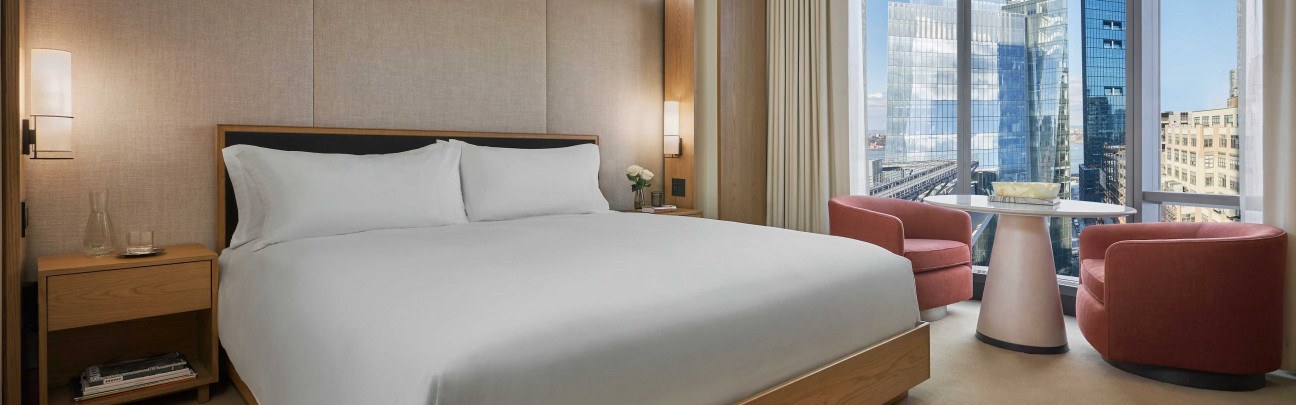
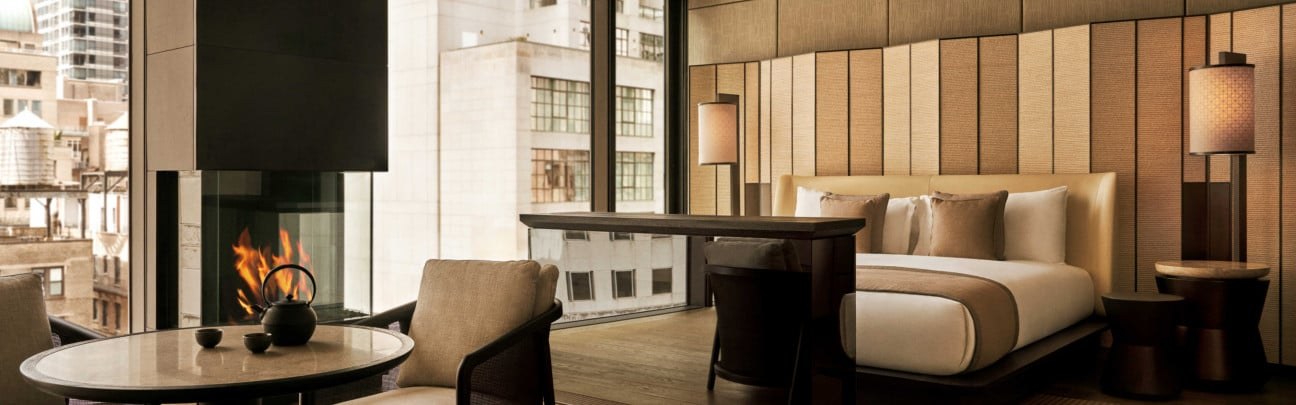
The 250 rooms and suites carry a material language consistent with Viñoly's architecture: two-tone terrazzo marble in the bathrooms, deep-soaking tubs alongside spacious showers, and in-room technology that includes smart lighting and a Nespresso machine. Diptyque amenities appear throughout, and the minibar is presented inside a reimagined armoire rather than the standard refrigerated unit beside the bed , a small detail that signals how deliberately the interiors were considered at the product level.
Room orientation matters here more than at most Manhattan properties. South-facing rooms capture the downtown panorama that defines the hotel's identity. The 16 penthouse residences at the leading of the tower offer unobstructed city views in both directions, a configuration that effectively functions as a long-stay or extended-visit tier. For guests prioritizing the view over square footage, rooms above the 22nd floor deliver the clearest return on the rate premium. Rates from approximately $1,276 per night place this property in the upper bracket of Manhattan's full-service luxury tier, comparable to properties like Casa Cipriani New York and above the boutique mid-market options that have proliferated in NoMad and the surrounding neighborhoods.
The Culinary Program: José Andrés in Multiple Formats
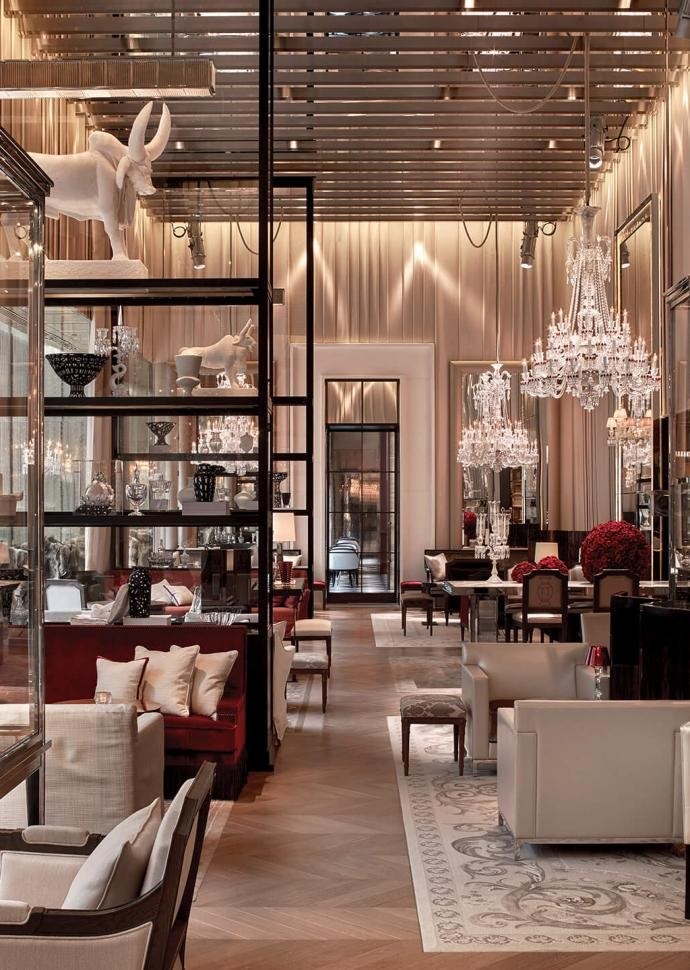
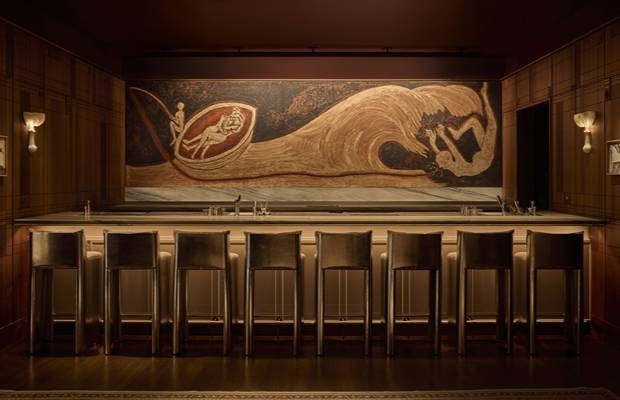
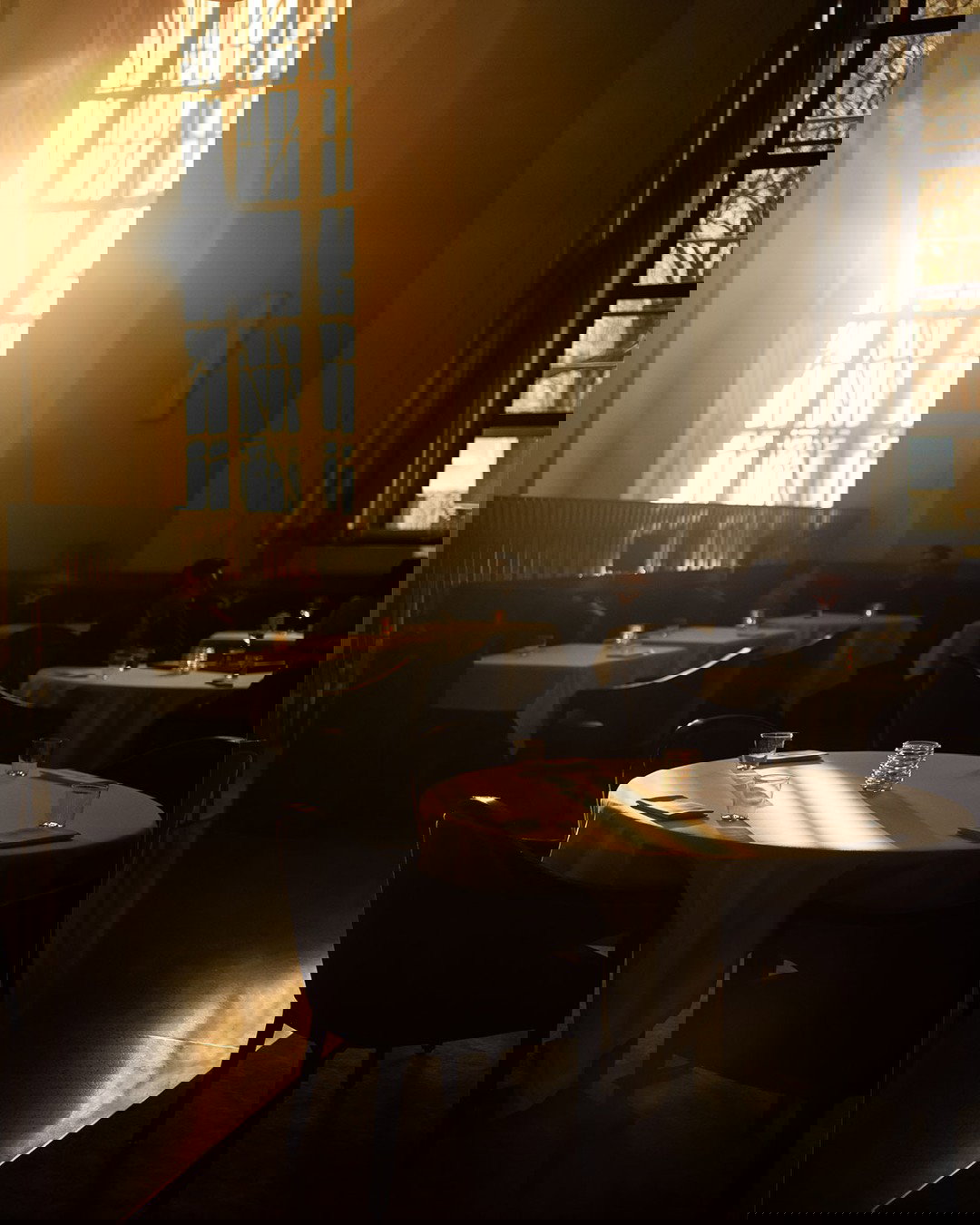
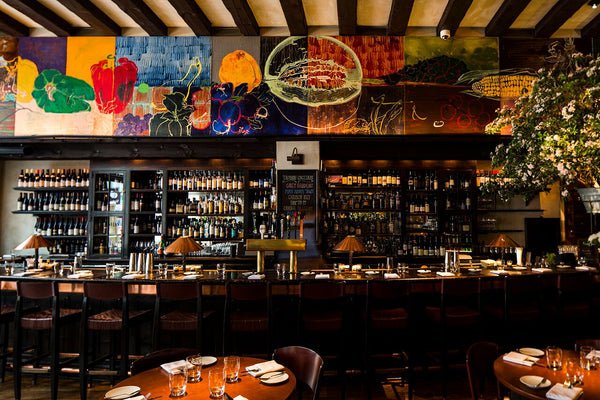
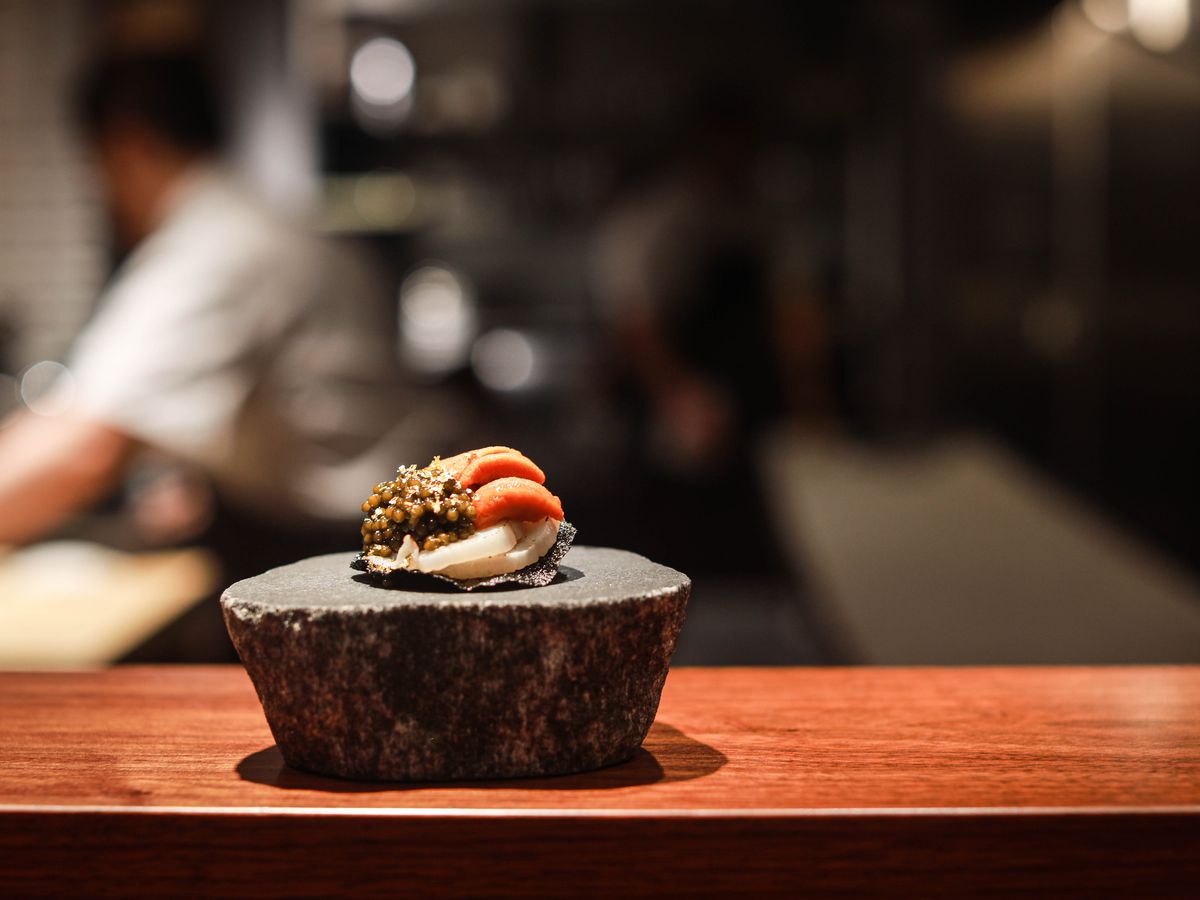
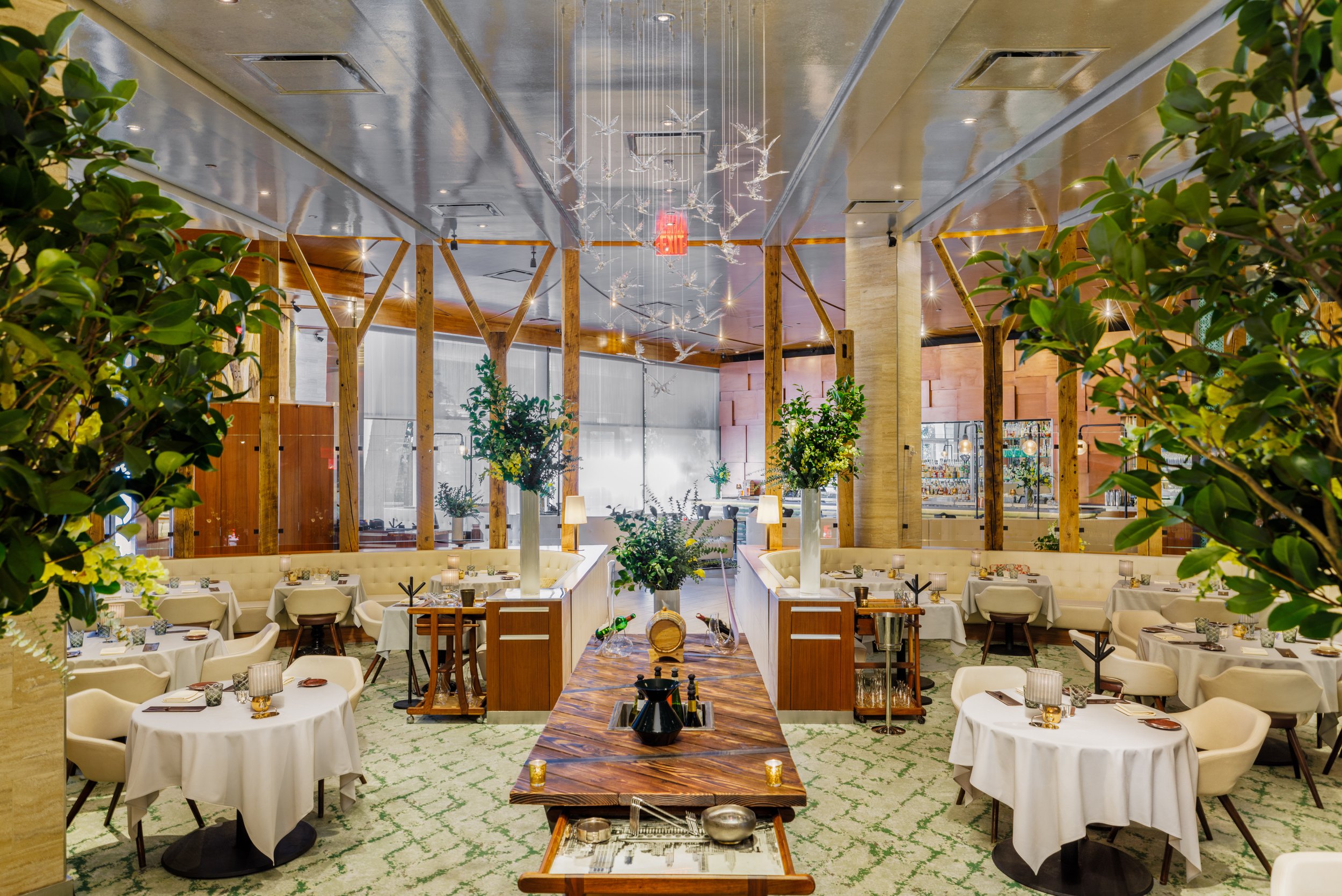
The decision to anchor the hotel's food and beverage program with José Andrés's group was part of the opening statement. Michelin awarded the hotel one Key in 2024, a recognition that encompasses the property as a whole rather than a single restaurant. The culinary footprint runs across several distinct formats: Zaytinya, an all-day Eastern Mediterranean restaurant with its main entrance on Broadway, operates as a genuine neighborhood draw rather than a captive hotel dining room; the Lobby Bar and Lounge holds the middle ground between daytime working space and evening aperitivo; and Nubeluz, the 50th-floor rooftop bar, occupies a different category entirely.
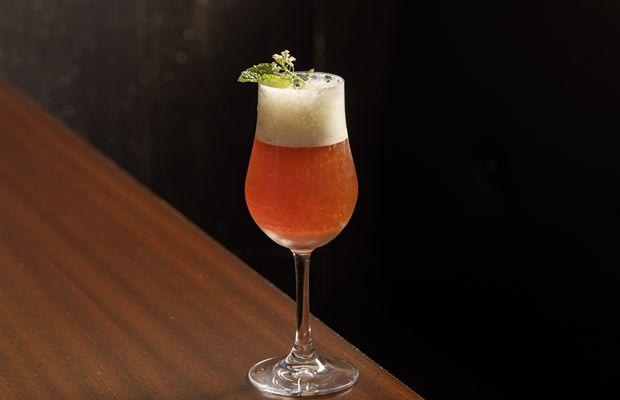
At 50 floors up, Nubeluz converts the building's glass architecture into the defining feature of the drinking experience. The panoramic city view from that elevation places it in a small peer set of refined Manhattan bars where altitude is the primary offering. For guests whose New York visit includes a broader exploration of the city's dining and drinking options, our full New York City restaurants guide maps the broader scene. The Bazaar, a Spanish-Japanese hybrid by the same group, was announced as a forthcoming addition to the property when the hotel opened , its arrival adds a further tier to an already multi-layered culinary program.
The Ritz-Carlton Club and Meeting Capacity
The Ritz-Carlton Club Lounge operates as a property-within-the-property for guests in the upper room and suite tiers, with a separate food and beverage program designed by the Andrés group. The hotel also holds over 10,000 square feet of meeting and event space, including a ballroom, an outdoor terrace, and the Madison Bar, a configuration that positions the property solidly in the business and incentive travel market alongside its leisure and wellness offerings. That dual function is common at this price point among Manhattan's full-service luxury hotels, but the concentration of culinary quality across the meeting and event spaces is less standard.
Where This Property Fits in New York's Luxury Hotel Map
New York's premium hotel market has fractured in interesting ways. Properties like Crosby Street Hotel and The Whitby Hotel operate in the design-led boutique tier; The Greenwich Hotel anchors a Tribeca niche. The NoMad Ritz-Carlton sits in a different position: a major brand executing a contemporary vision at scale, Michelin-recognized, La Liste-scored at 94.5 points in 2026, and ranked second among New York hotels by Conde Nast in 2025. That combination of brand infrastructure, architectural ambition, and independent critical recognition is relatively rare in the Manhattan market and gives the property a broader peer set than its neighborhood address might initially suggest.
For travelers calibrating where this sits relative to other Ritz-Carlton properties or against destination wellness hotels elsewhere in the US, the comparison is instructive. Properties like Post Ranch Inn in Big Sur, Amangiri in Canyon Point, or Troutbeck in Amenia deliver retreat through isolation and landscape. The NoMad delivers it through architecture, program quality, and the particular decompression that comes from being simultaneously inside one of the world's most demanding cities and insulated from its pressure. For those who want to understand how the broader New York luxury hotel spectrum maps against international alternatives, properties like Aman Venice, Badrutt's Palace Hotel in St. Moritz, or Bvlgari Hotel Tokyo provide useful reference points for what brand-led luxury at architectural scale looks like in other major cities.
Know Before You Go
- Address: 25 West 28th Street, New York, NY 10001 (Broadway and 28th Street, NoMad)
- Hotel Group: Marriott International (Ritz-Carlton)
- Rooms: 250 rooms and suites; 16 penthouse residences
- Rate from: Approximately $1,276 per night
- Awards: Michelin 1 Key (2024); La Liste Leading Hotels 94.5 points (2026); Conde Nast Leading Hotels No. 2 (2025); first recognized 2022
- Dining: Zaytinya (all-day Eastern Mediterranean), Nubeluz (50th-floor rooftop bar), Lobby Bar and Lounge, The Ritz-Carlton Club Lounge
- Wellness: Ritz-Carlton Spa with private suite option (sauna, dressing area); 24-hour fitness center
- Meeting space: Over 10,000 sq ft including ballroom, Madison Bar, and Madison Terrace
- Amenities: 24-hour room service, pet-friendly, house car, in-room Diptyque products and Nespresso
- Leading rooms for views: South-facing rooms above the 22nd floor for downtown panorama
How It Stacks Up
A short peer set to help you calibrate price, style, and recognition.
| Venue | Cuisine | Price | Awards | Notes |
|---|---|---|---|---|
| The Ritz-Carlton New York, NoMad | Michelin 1 Key | This venue | ||
| Aman New York | Michelin 3 Key | |||
| The Carlyle, A Rosewood Hotel | Michelin 2 Key | |||
| Pendry Manhattan West | Michelin 2 Key | |||
| Ace Hotel Brooklyn | Michelin 1 Key | |||
| The Ludlow Hotel | Michelin 1 Key |
Continue exploring