Kings County Distillery

Kings County Distillery, located at 299 Sands St in Brooklyn's Navy Yard, holds a Pearl 2 Star Prestige rating for 2025 and sits among the borough's most credentialed craft spirits producers. The distillery operates within a broader Brooklyn spirits scene that has reshaped how American whiskey and other grain-based spirits are made and tasted at the urban scale. For those tracing serious craft distilling in New York, it belongs on any considered itinerary.
Pearl is the En Primeur Club membership app — saves, bookings, and concierge access live there. Same editors, same standards.
- Address
- 299 Sands St, Brooklyn, NY 11205
- Phone
- +1 347-689-4211
- Website
- kingscountydistillery.com
 Saves & bookings on Pearl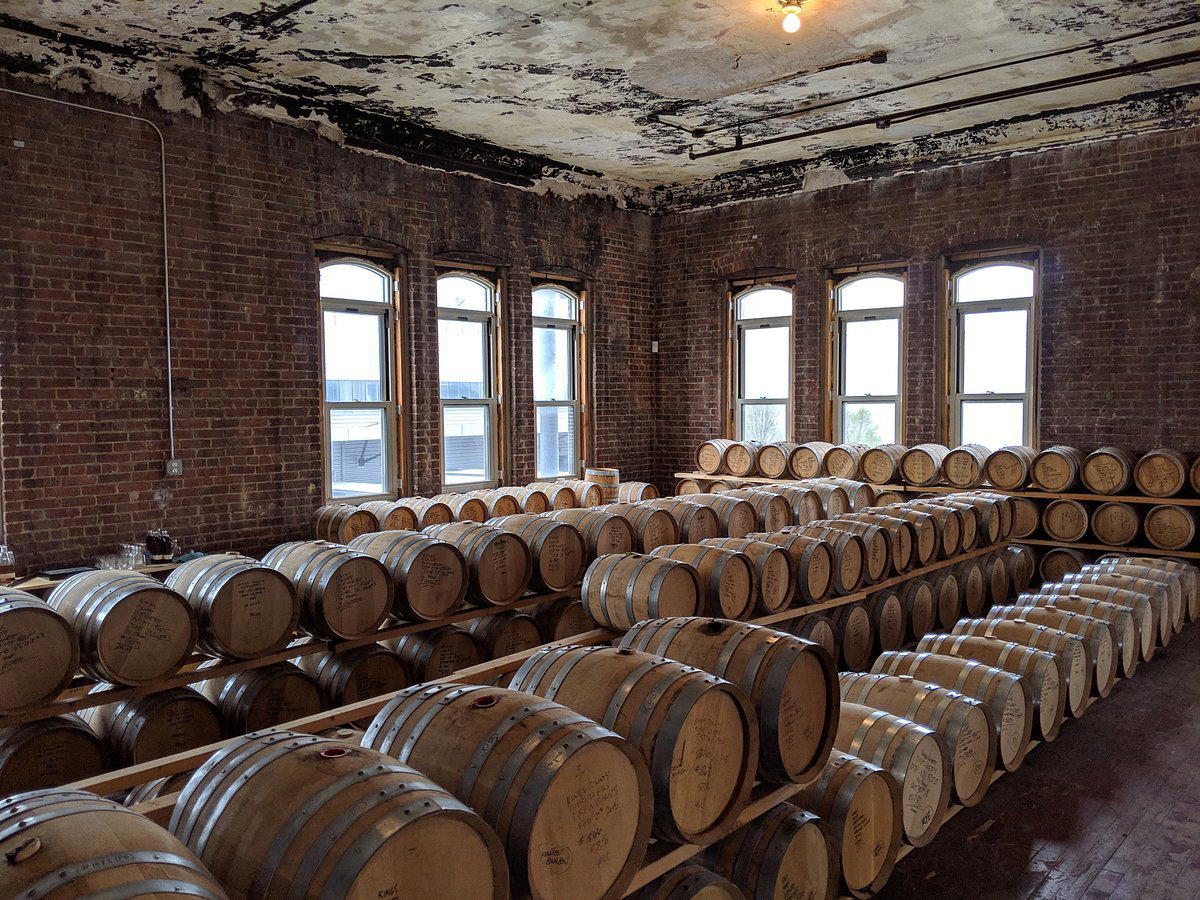
Where Brooklyn's Craft Spirits Scene Took Root
The Brooklyn Navy Yard is not an obvious address for a distillery. Its buildings are industrial, its streets carry the weight of shipbuilding history, and the surrounding blocks have more in common with working infrastructure than the polished tasting rooms that tend to dominate craft spirits tourism. That tension is, in part, what makes Kings County Distillery a useful lens through which to read how American urban distilling developed. The movement that brought serious grain-to-glass production back to East Coast cities did not begin in renovated barns or wine-country landscapes. It began in places like this: repurposed industrial space, tightly constrained urban footprints, and producers who had to justify every square foot with deliberate craft choices.
Kings County Distillery, at 299 Sands St, Brooklyn, NY 11205, is a winery with a Pearl 2 Star Prestige rating in 2025. In a Brooklyn spirits scene that now includes Breuckelen Distilling, Fort Hamilton Distillery, Greenhook Ginsmiths, and the New York Distilling Company, that distinction carries weight.
Grain, Transparency, and the New Urban Production Standard
The more meaningful question is how producers relate to their raw materials. In wine, the conversation around organic and biodynamic farming has been mainstream for over a decade. In spirits, a parallel shift has been slower but is now measurable: the producers who have sustained prestige-level recognition tend to be the ones with documented grain sourcing, clear fermentation philosophies, and a supply chain that can be examined rather than marketed around.
This matters particularly in the American whiskey category, where the distance between grain field and bottle is often obscured by contract distilling and label proliferation. The urban craft producers who emerged in cities like New York after regulatory changes in the early 2010s were, by necessity, operating at small volume. That constraint forced a level of ingredient scrutiny that larger producers could defer. When a distillery produces limited output, every batch of grain is a consequential decision rather than a procurement line item.
Distillers operating at this scale in Brooklyn are making those decisions in real time, with the same kind of intentionality that defines the approach of producers like Adelaida Vineyards in Paso Robles or Adelsheim Vineyard in Newberg, both of which have built sustained reputations on production transparency and sourcing depth.
Kings County in Context: A Brooklyn comparable set
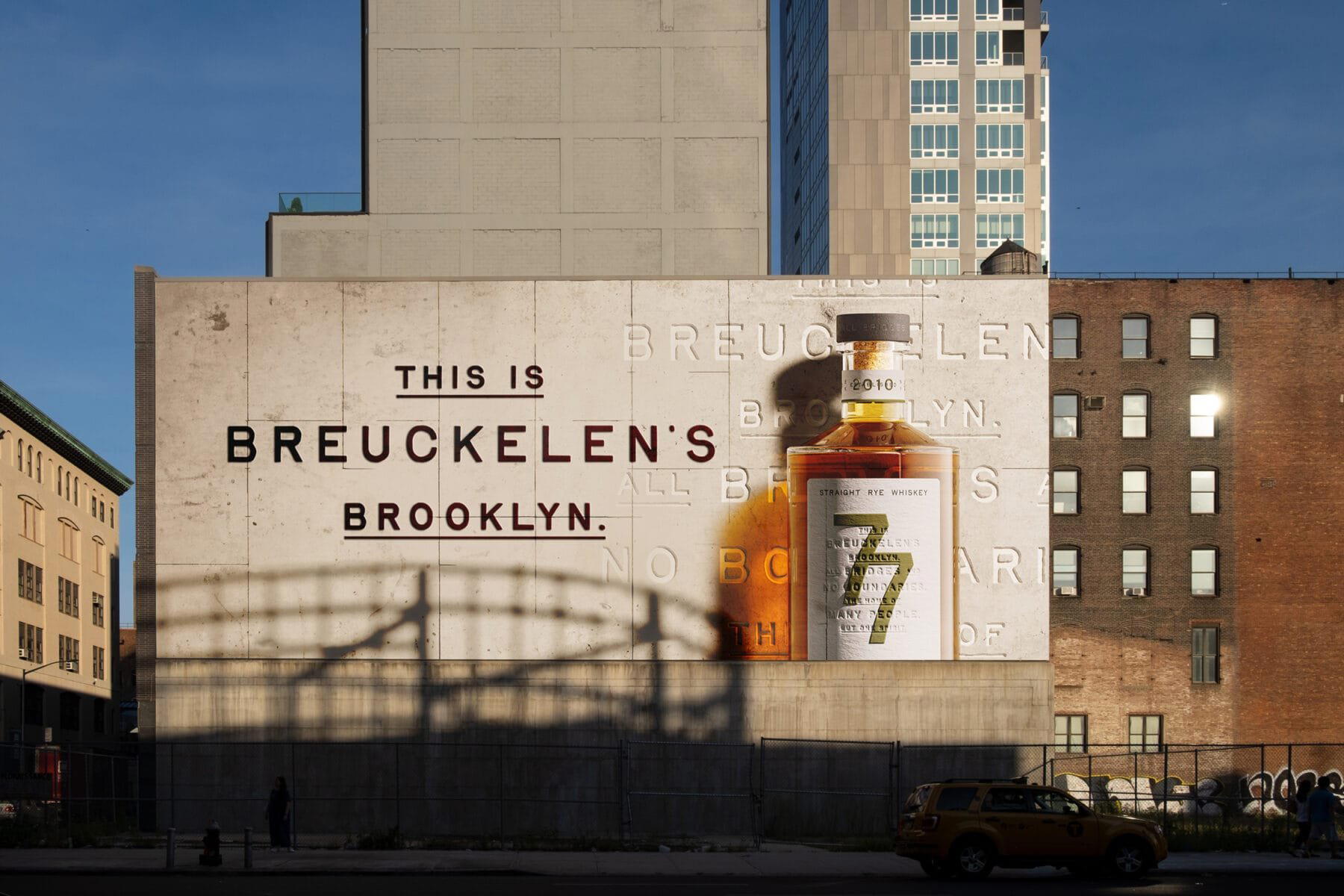
Comparing Kings County Distillery to its Brooklyn neighbors illustrates how the borough's craft spirits identity has stratified. Breuckelen Distilling has built its identity around New York-grown grain and a focus on whiskey and aquavit. Greenhook Ginsmiths operates in a different category entirely, with a gin program that draws on vacuum distillation. New York Distilling Company has a rye program with consistent critical attention. Each represents a distinct production philosophy rather than variations on the same approach.
Kings County's Pearl 2 Star Prestige rating for 2025 places it at a level shared with producers who have demonstrated consistent output quality over time, not simply novelty or early-mover advantage. In that sense it belongs to a cohort of American craft distillers who have moved past the first wave of urban spirits enthusiasm and are now producing against an international standard of small-batch excellence. Producers like Accendo Cellars in St. Helena and Alpha Omega Winery in Rutherford demonstrate how prestige-level recognition in American craft production requires sustained performance, not simply geographical distinction.
The Navy Yard Address and What It Implies
The physical address at 299 Sands St is worth pausing on. Brooklyn's Navy Yard is one of the more unusual settings for a visitor-facing spirits operation in New York. The district sits between Williamsburg and DUMBO, accessible but not in the primary pedestrian flow of either neighborhood. Getting there requires intention, which is, in practical terms, a form of self-selection: the people who show up have usually done some research. That audience profile tends to produce a different experience from drop-in tasting rooms in higher-traffic areas.
For visitors building a Brooklyn spirits itinerary, the Navy Yard location means sequencing matters. Combining Kings County with nearby producers or with a broader Brooklyn food and drink circuit is the logical approach. The Brooklyn Winery operates in a different production category but is part of the same broader craft-beverage identity the borough has built over the past fifteen years.
How Kings County Sits in a Global Craft Context
Placing Kings County within a global frame is useful for understanding what the Pearl 2 Star Prestige rating actually signals. The EP Club's prestige-tier ratings, applied consistently across categories and geographies, track producers who meet a defined output and quality standard rather than those who simply represent a local category. Across wine regions, similarly credentialed producers include Alexander Valley Vineyards in Geyserville, Andrew Murray Vineyards in Los Olivos, and Alban Vineyards in Arroyo Grande, each of which has earned recognition through production consistency rather than marketing volume.
Internationally, the same pattern appears in producers like Aberlour in Aberlour and Achaia Clauss in Patras. What these operations share is a grounding in place and process that precedes and outlasts any single vintage or batch. That continuity is what separates producers who hold prestige ratings across multiple years from those who peak early and drift.
Planning a Visit
Visiting Kings County Distillery requires a bit of planning. The Navy Yard location at 299 Sands St is most efficiently reached by car or ride-share from central Brooklyn; the nearest subway stops require a walk.
Reputation Context
Comparable venues nearby, for context on price, style, and recognition.
| Venue | Cuisine | Price | Notes |
|---|---|---|---|
| Kings County DistilleryThis venue — the venue you are viewing | New York | $$ | |
| Brooklyn Winery | chardonnay | $$ | Williamsburg |
| Fort Hamilton Distillery | New York | $$ | Sunset Park |
| Breuckelen Distilling | Brooklyn | $$ | Gowanus |
| Greenhook Ginsmiths | Winery | $$$ | Greenpoint |
| Standard Wormwood Distillery | Winery | $$ | Sunset Park |
Continue exploring
More in Brooklyn
Wineries in Brooklyn
Browse all →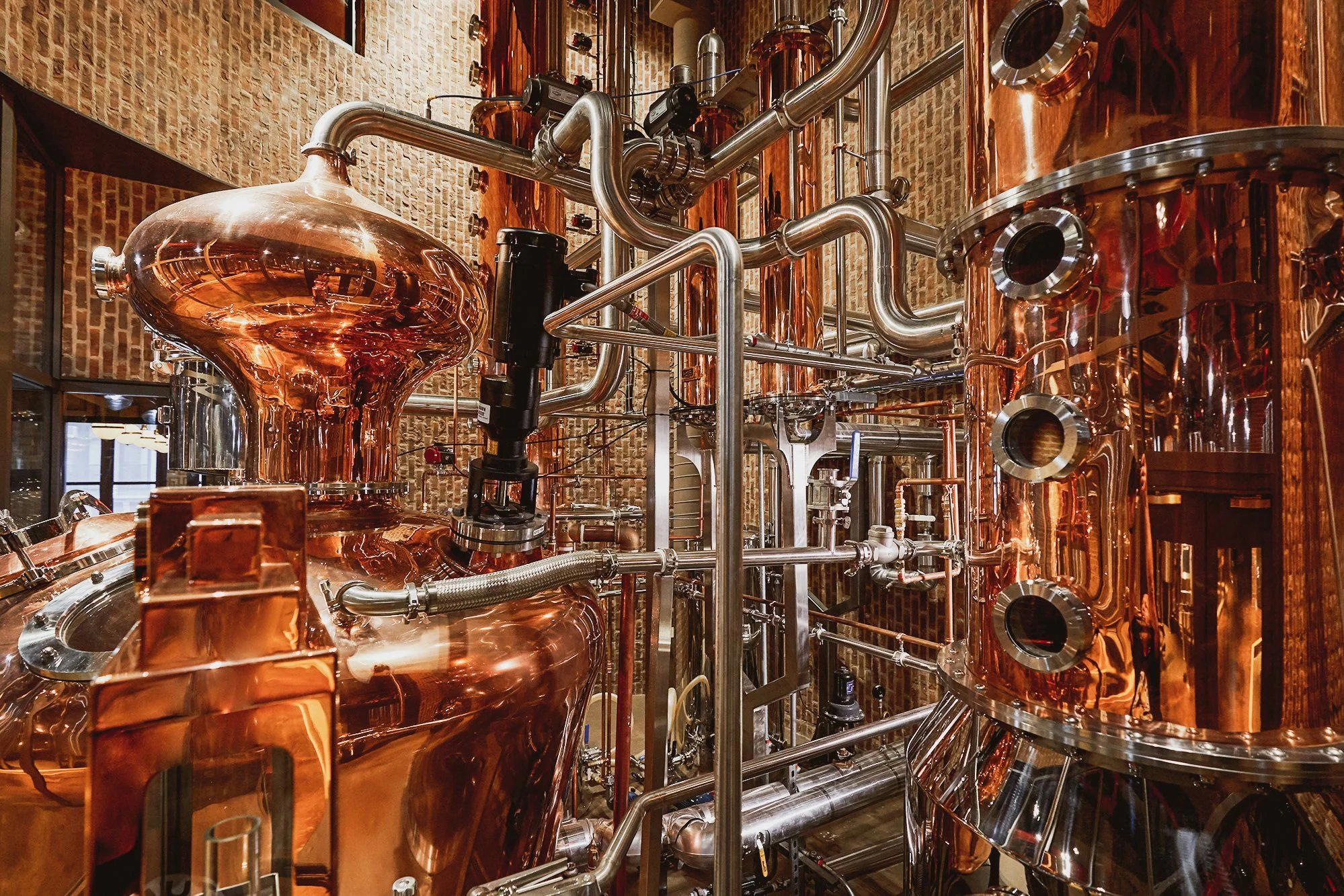


Bars in Brooklyn
Browse all →

Restaurants in Brooklyn
Browse all →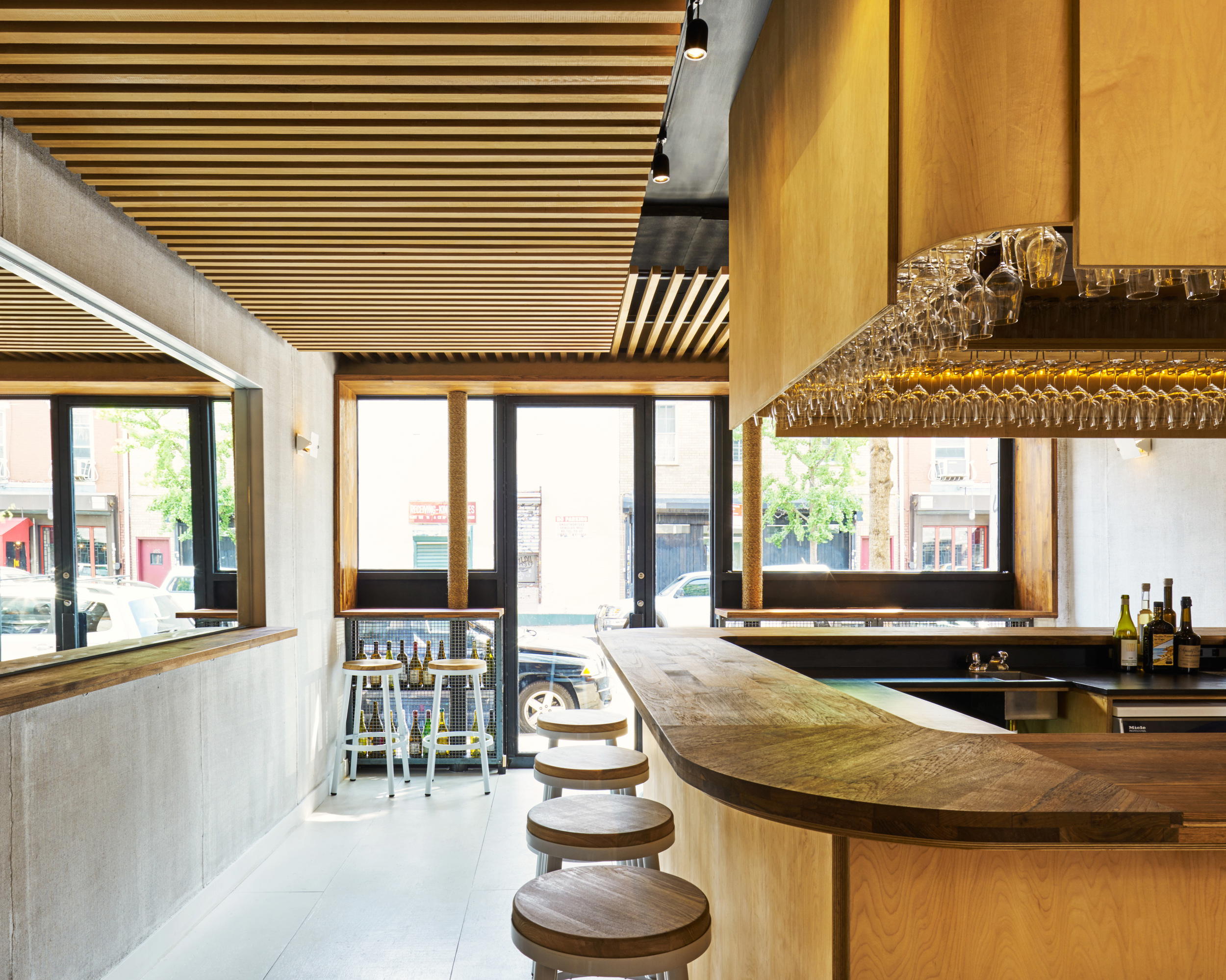



At a Glance
- Industrial
- Rustic
- Historic
- Intimate
- Group Outing
- Celebration
- Solo Exploration
- Wine Education
- Barrel Room
- Historic Building
- Organic
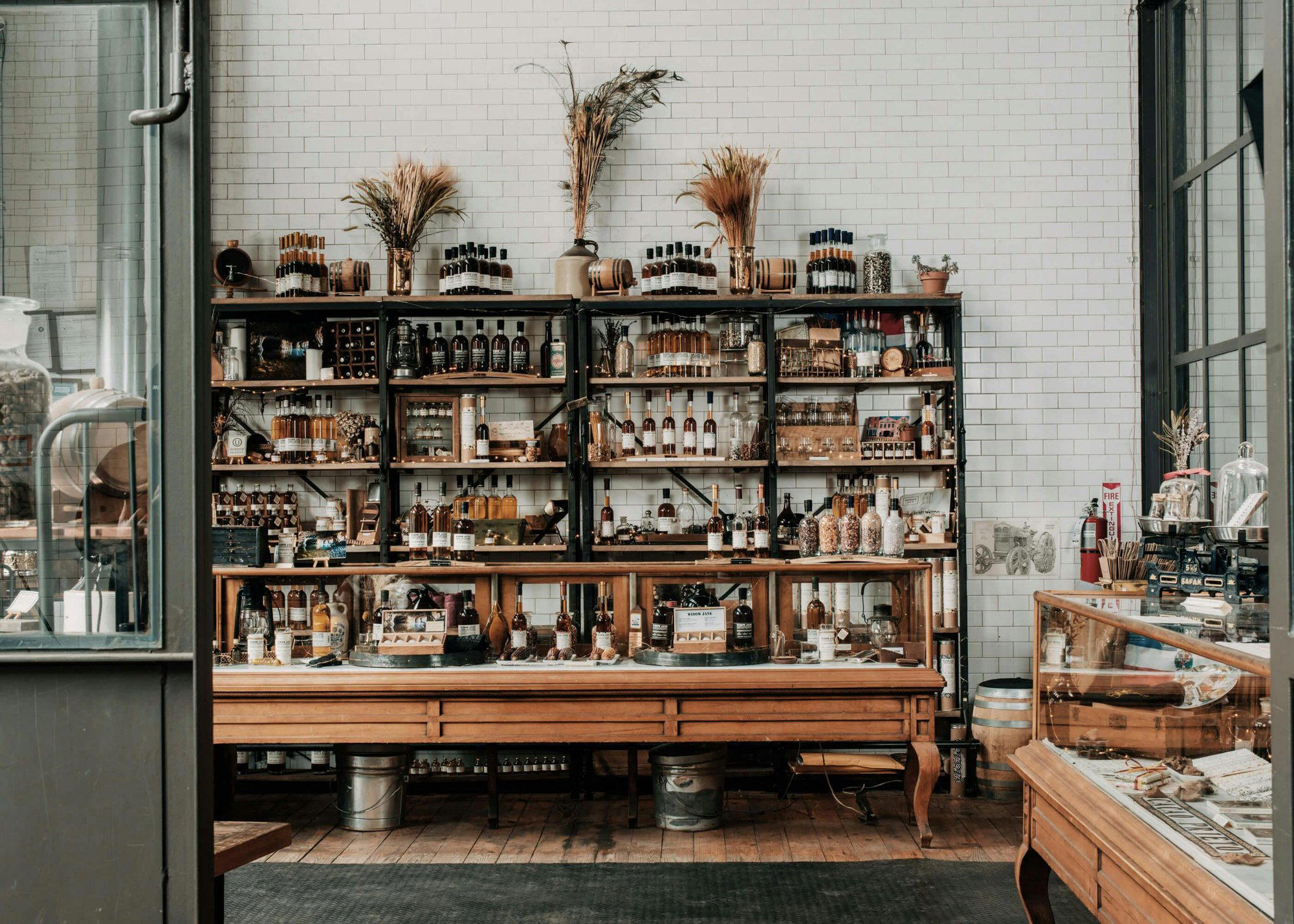
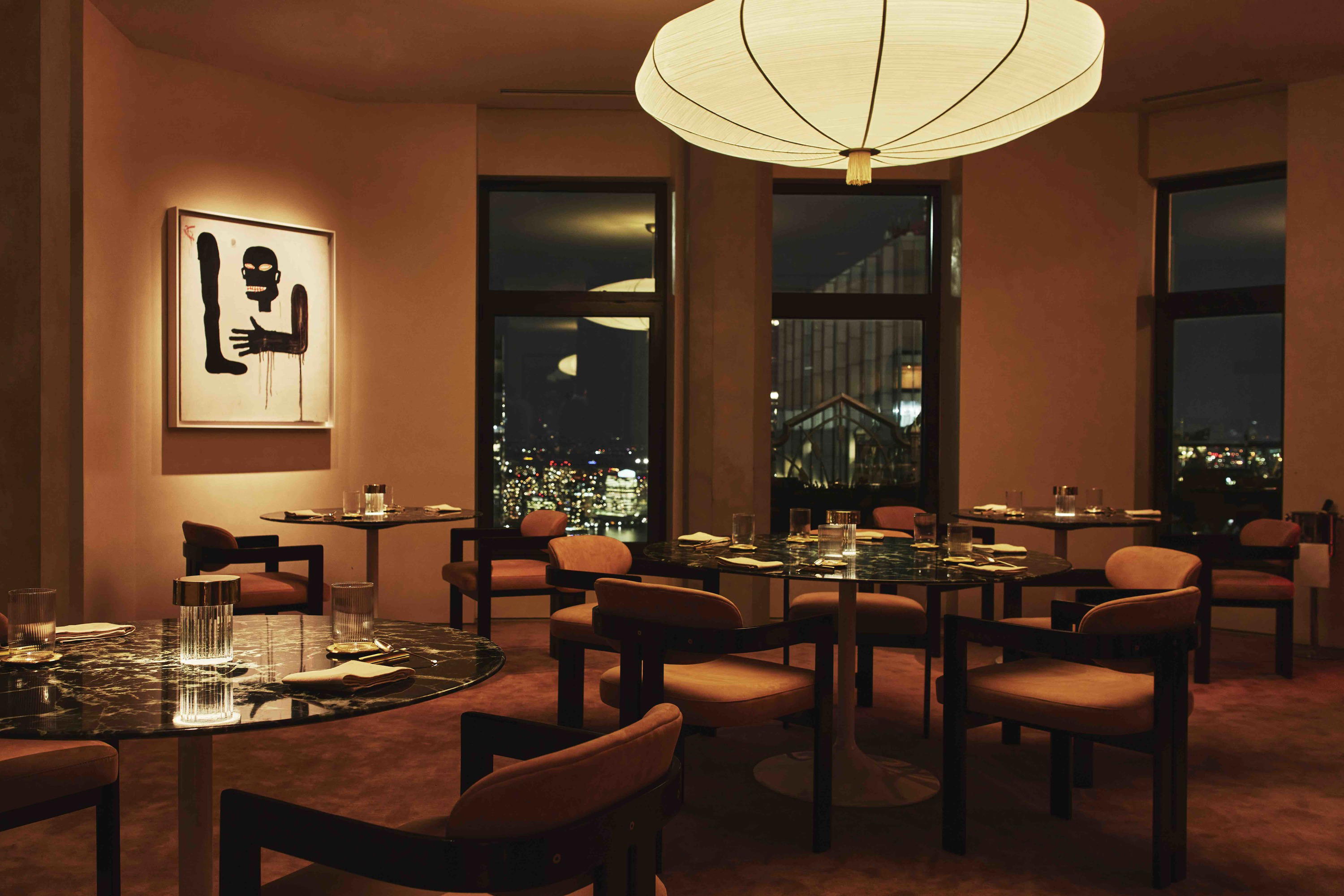
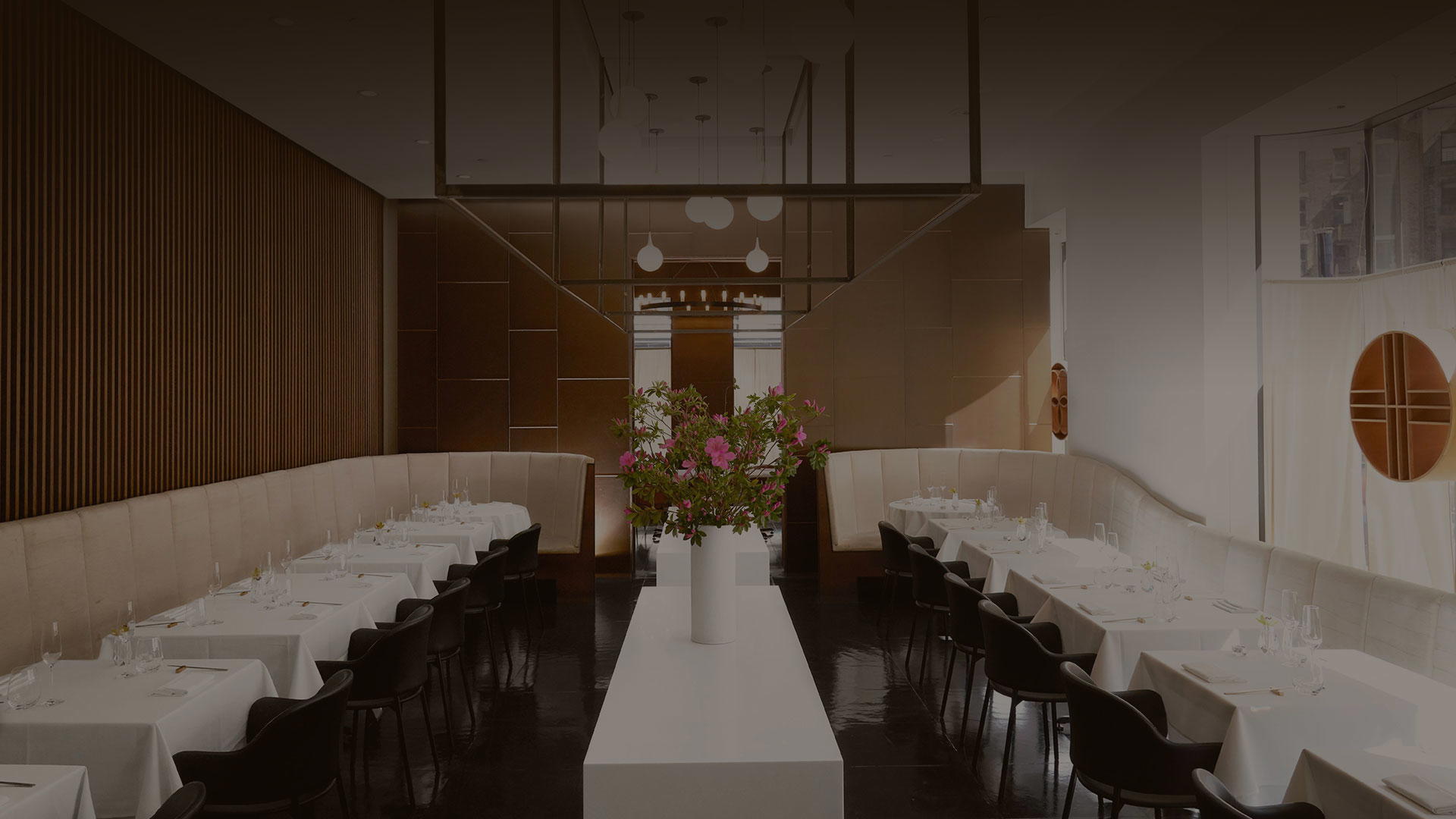
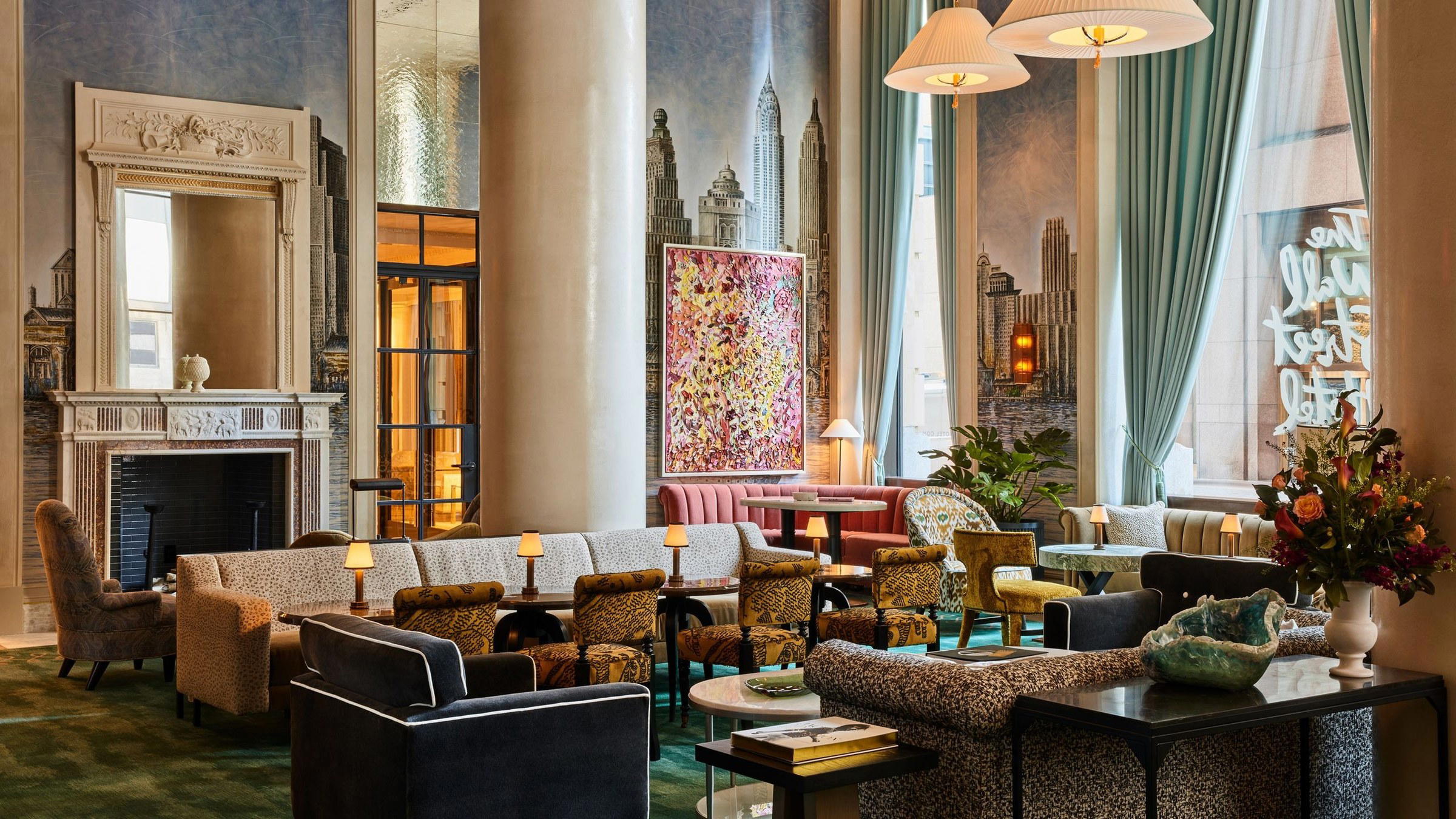
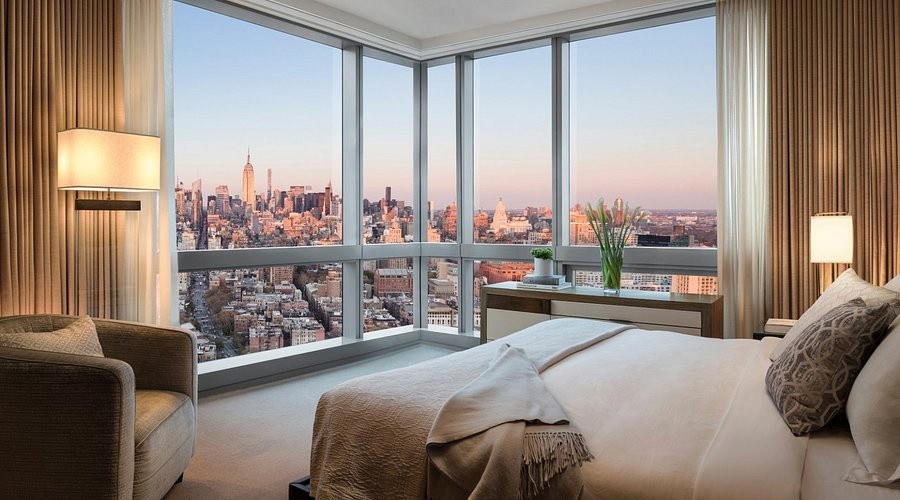
Industrial historic buildings with cozy barrel room and speakeasy bar, warm and engaging atmosphere during tours and tastings.