




1 Michelin Star · James Beard Award Nominee
Our verdict
A Michelin-starred chef's counter in Long Island City, recognized by New York Magazine's 43 Best Restaurants in New York (2025), where a decade of wild fermentation and aging shapes a deeply considered Korean tasting menu. Open Wednesday through Saturday, the format is intimate and unhurried, with banchan built from house-fermented doenjang, gochujang, and ganjang at the center of the experience.

Pearl is the En Primeur Club membership app, where members save venues, book tables and use the concierge.
The menu
What to order
- Doenjang and tofu with fermented soy broth
- Amberjack with gochujang
- Fried seaperch with 128-year-old soy sauce
- Marinated short rib and New York strip with ssamjang
- Pork collar with seven-year-old preserved shrimp
- Kimchi, pork belly, and rice
Korean Fermentation and the Art of the Side Dish
Banchan has always been the honest measure of a Korean kitchen. The main course arrives with fanfare; the small plates that surround it tell you whether the cook understands the food at a foundational level. In New York's broader wave of Korean fine dining, most restaurants have concentrated their energy on the centerpiece, treating banchan as decorative rather than substantive. Meju takes the opposite position. At this chef's counter in Long Island City, the fermented pastes and their derivatives are not accompaniment, they are the argument the entire menu is built around.
That argument has been developing for roughly a decade. The kitchen's pantry of wild-fermented doenjang, gochujang, ganjang, and ssamjang represents years of controlled aging, and the tasting menu exists largely to show what those ingredients become when given the right canvas. A bowl of silky tofu, a fried pancake, a cut of Miyazaki beef or Niman Ranch pork, each arrives as a vehicle for ferments that carry depth accumulated over years rather than weeks. The minimalism on the plate is a deliberate strategy: when the paste has that kind of history, there is nothing to hide behind embellishment.
Long Island City and the Logic of Distance from Manhattan
The address at 5-28 49th Avenue, Long Island City, places Meju inside a neighborhood that has gained culinary credibility precisely because lower rents allow for format experimentation that Midtown or the West Village cannot support. Chef's counters in Manhattan's premium tier, restaurants like Atomix in Koreatown or Masa in Columbus Circle, operate under cost structures that impose certain constraints on scale, speed, and the kind of quiet, classroom-like atmosphere Meju has been able to cultivate. Long Island City offers something that the island rarely does: the space to go slow.
The physical setup reinforces this. Meju operates behind a banchan shop, a placement that functions as both a practical statement and an editorial one. The banchan shop is the entry point, the preview, the declaration that this is a kitchen organized around those small fermented preparations rather than around the kind of theater common to Manhattan's $$$$ tier. Restaurants at comparable price points in the city, from bōm to Jua, tend to announce themselves differently. Meju's relative understatement is not accidental.
What Fermentation at This Level Actually Means
In Korean culinary tradition, the quality of a household or restaurant is often read through its jang, the family of fermented soybean and chili pastes that serve as foundational seasoning agents. Commercial versions have been available for decades, and the gap between a mass-produced gochujang and one that has been wild-fermented and aged for an extended period is not subtle. It is the difference between a condiment and an ingredient with its own identity.
The Korean fine dining scene in Seoul has placed this tradition at the center of its ambitions for several years. Restaurants like Mingles and Kwonsooksoo have built international reputations partly by demonstrating that classical Korean fermentation technique could hold its own in a fine dining context. Meju belongs to the same conversation, conducted from Queens rather than Gangnam. The distinction matters: translating that tradition into a New York chef's counter format, with the logistical and sourcing challenges that entails, is a different project than executing it in Seoul where ingredient infrastructure is built around those requirements.
Within New York's own Korean dining tier, the fermentation-led approach places Meju in a separate category from restaurants like Jeju Noodle Bar or 8282, both of which operate with different format priorities, and from Ariari, which sits in a different price and format bracket. The closest peer in terms of tasting menu ambition and Korean culinary seriousness is Atomix, though the two restaurants approach the same tradition from distinct angles.
The Counter Format and Its Classroom Function
New York Magazine's recognition in its 43 Best Restaurants in New York (2025) used the word classroom deliberately: this is a chef's counter where explanation is part of the offering. That format is not unique to Korean fine dining, the chef-narrated counter is a structure that has been central to Japanese omakase culture for decades and has migrated into other cuisines with varying degrees of success. What distinguishes its execution here is that the education concerns fermentation processes and ingredient histories rather than technique performed in front of the guest. The drama is quieter. A plate arrives that looks minimal, and the knowledge of what went into the ferments underneath it, in terms of time, microbial process, and ingredient sourcing, is what the narration provides.
This connects to a broader shift in how fine dining justifies its price point in the post-pandemic era. Restaurants at the $$$$ tier in New York, whether French-led like Per Se or Le Bernardin, or format-forward operations like Eleven Madison Park, have each had to articulate what the experience offers beyond the food itself. At Meju, the answer is a specific kind of knowledge transfer: a working fluency in what traditional Korean fermentation produces, delivered through the plates rather than a pamphlet. Comparable counter formats at this level in other American cities, including Lazy Bear in San Francisco and Alinea in Chicago, have used different strategies to solve the same problem of justifying intimacy at premium pricing. Chef's counter formats at The French Laundry in Napa, Single Thread Farm in Healdsburg, and Providence in Los Angeles similarly anchor their value in the specificity of what the kitchen knows and can transmit.
Awards and Peer Positioning
Michelin awarded Meju one star in 2024. Within New York's Korean dining tier, that places it alongside a small number of restaurants that have managed to translate Korean culinary tradition into the specific recognition framework Michelin uses, which tends to reward clarity of identity and technical consistency over spectacle. New York Magazine's inclusion in its 2025 list of 43 best restaurants in the city, with language that described the counter as combining deep personal fermentation practice with carefully calibrated plating, adds editorial validation from a source with a long track record of identifying meaningful restaurants before broader consensus catches up.
One detail from New York Magazine's description is worth holding onto: the closing bowl of rice with kimchi described as an homage to the chef's mentor. In a menu built around years of fermented ingredients and premium proteins, a bowl of rice and kimchi is a deliberate return to fundamentals, a reminder that the entire tradition being showcased has its roots in everyday Korean cooking. That kind of structural humility is rare at this price point in any cuisine.
Planning a Visit
Meju is open Wednesday through Saturday, with seatings from 6:30 PM to 9:45 PM. The restaurant is closed Sunday through Tuesday. The address is 5-28 49th Ave, Long Island City, NY 11101, accessible from Manhattan via the 7 train to Hunters Point Avenue or the E, M, or G lines to Court Square. The price range sits at the $$$$ level, in line with comparable chef's counter tasting menus in the city. Given the counter format and the recognition Meju has received, advance planning is advisable. The service pieces, many handmade from Korean clay according to New York Magazine's account, are part of the format rather than incidental. The counter seats a small number of guests per service, which reinforces the classroom atmosphere and the pace of the meal.
For further reading on where Meju sits within New York's dining scene, our full New York City restaurants guide covers the wider tier. We also maintain guides to New York City hotels, New York City bars, New York City wineries, and New York City experiences for broader trip planning. For a comparison point outside the United States, our coverage of Emeril's in New Orleans offers a useful contrast in how American restaurants at this level have handled the relationship between tradition and evolution.
Frequently asked questions
What is the signature dish at Meju?
Meju does not have a single signature dish in the conventional sense. The menu is structured around the kitchen's decade-long collection of wild-fermented jang, doenjang, gochujang, ganjang, and ssamjang, which appear across multiple preparations rather than in one centerpiece course. New York Magazine, which included Meju in its 43 Best Restaurants in New York for 2025, highlighted several preparations: silky tofu, fried pancakes, Miyazaki beef, and Niman Ranch pork, all of which function as expressions of those ferments. The closing course, a bowl of rice with kimchi described as an homage to the chef's mentor, is perhaps the most discussed single plate, precisely because its simplicity contrasts with everything that precedes it. Chef Hooni Kim, whose kitchen holds a Michelin star as of 2024, built the menu around fermented ingredients aged over years, which means the underlying flavors shift as the pantry evolves.
Price and Recognition
A compact comparison to help you place this venue among nearby peers.
| Venue | Cuisine | Price | Awards | Notes |
|---|---|---|---|---|
| MejuThis venue (the venue you are viewing) | Traditional Korean Fermentation Tasting Menu | $200–300 | 1 Michelin Star · James Beard Award Nominee | Not listed |
| Le Bernardin | French Seafood Fine Dining | $300–500 | 3 Michelin Stars · World's 50 Best #13 | French, Seafood |
| Atomix | Modern Korean Tasting Menu | $300–500 | 2 Michelin Stars · World's 50 Best #7 | Modern Korean, Korean |
| Masa | Seasonal Hokkaido Tempura Omakase | $150–200 | Tabelog 100 #34 | Sushi, Japanese |
| Per Se | French Fine Dining Tasting Menu | $300–500 | 3 Michelin Stars · World's 50 Best #40 | French, Contemporary |
| Eleven Madison Park | Contemporary Plant-Based Fine Dining | $300–500 | 3 Michelin Stars · World's 50 Best #4 | French, Vegan |
Recognition history
Dated appearances from independent guides and award organizations, with the underlying list record or original source where available.
Michelin 1 Star
Michelin
James Beard Award Nominee
James Beard Award
New York Times Best Restaurants in New York City #4
New York Times
Opinionated About Dining Top Restaurants in North America Recommended
Opinionated About Dining
New York Magazine The 43 Best Restaurants in New York
New York Magazine
Full recognition history (9 entries)
James Beard Award Semi Finalist
James Beard Award
James Beard Award Best Chef: New York State
James Beard Award
James Beard Award Semi Finalist
James Beard Award
Michelin 1 Star
Michelin
Continue exploring
More in New York City
Restaurants in New York City
All restaurants in New York City →

Bars in New York City
All bars in New York City →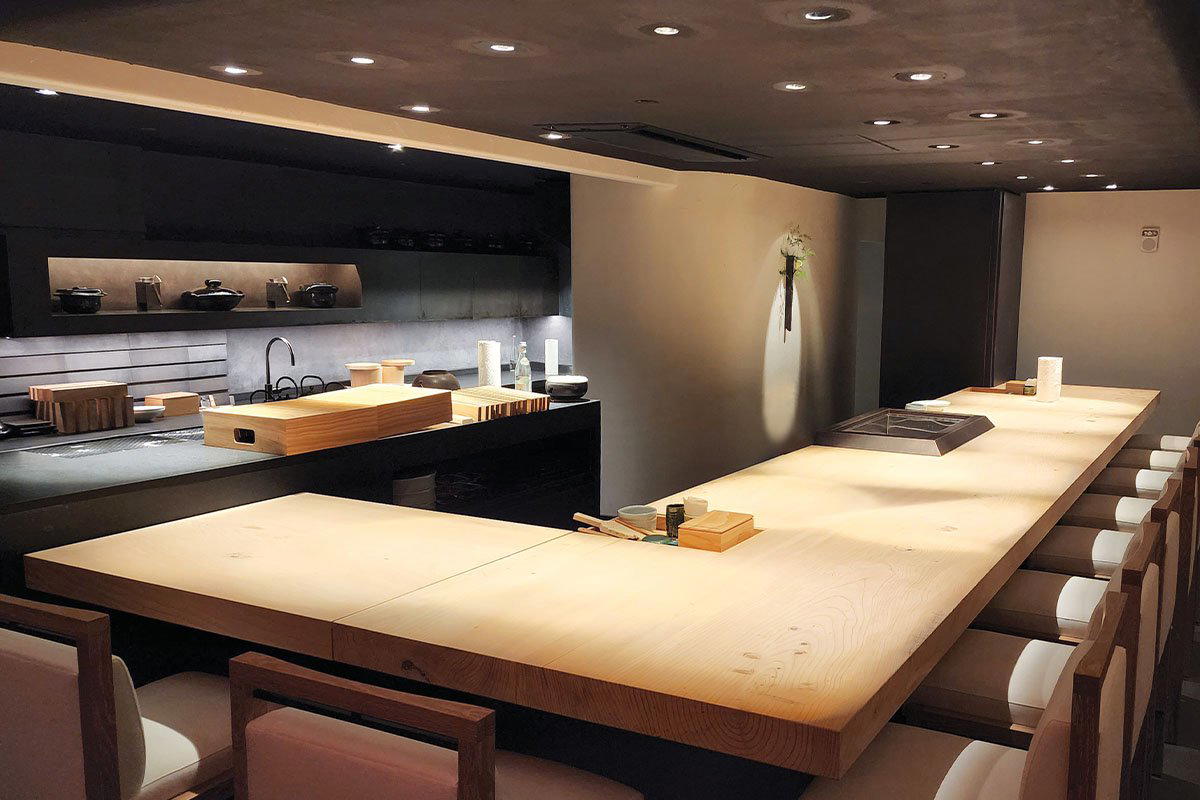







Details
- Intimate
- Elegant
- Sophisticated
- Quiet
- Special Occasion
- Date Night
- Chefs Counter
- Open Kitchen
- Farm To Table
- Organic
- Tasting Menu
- Counter Dining
- Organic Focus
Current opening hours
- Monday
- Closed
- Tuesday
- Closed
- Wednesday
- 6:30–9:45 PM
- Thursday
- 6:30–9:45 PM
- Friday
- 6:30–9:45 PM
- Saturday
- 6:30–9:45 PM
- Sunday
- Closed
Hours can change for holidays and private events. Hours as of .
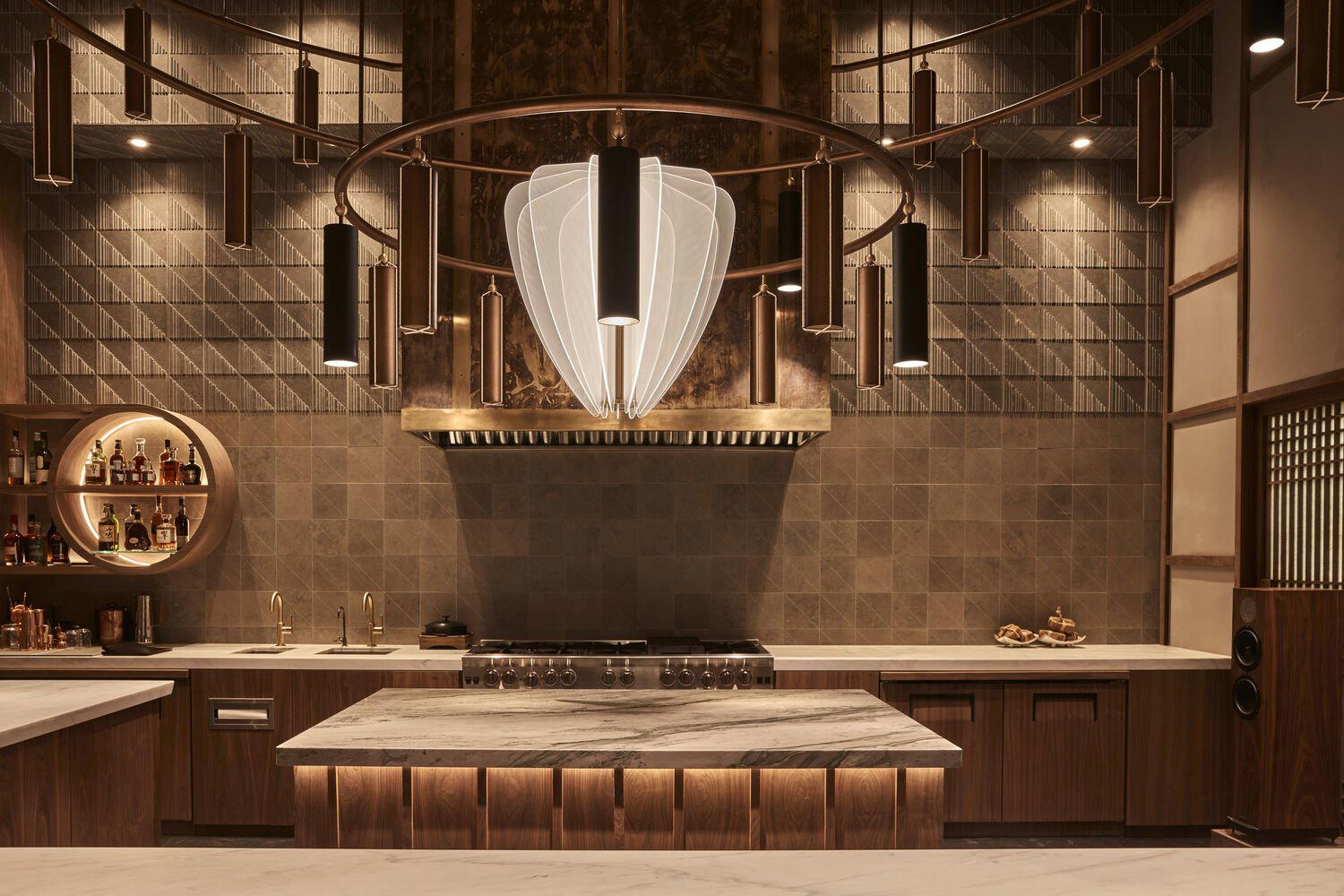
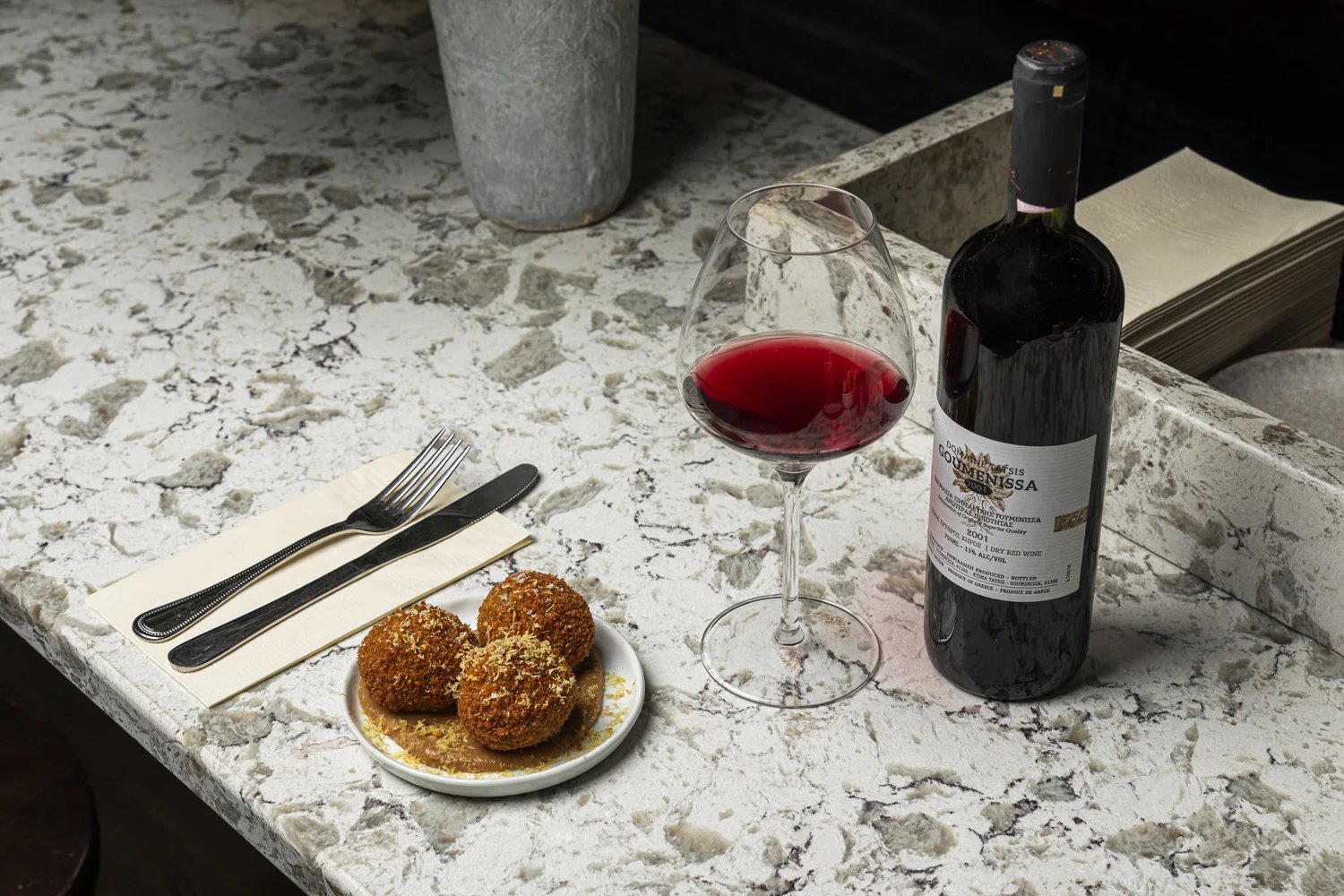
Serene and intimate with an eight-seat marble counter surrounding an open kitchen beneath a large metallic chandelier; servers speak in whispers, creating a hushed, reverent atmosphere reminiscent of a fancy Star Wars cantina.