Midsummer House





2 Michelin Stars · La Liste Top Restaurants · AA Rosettes 5 Rosettes
Our verdict
Set inside a Victorian villa overlooking Midsummer Common, Midsummer House holds two Michelin stars and a 92-point La Liste ranking, placing it firmly among Britain's most decorated destination restaurants. Chef Daniel Clifford's tasting menus draw on European haute cuisine technique while keeping one foot in native British produce. Lunch service runs at roughly half the dinner price, making it the more considered entry point for first visits.

Pearl is the En Primeur Club membership app, where members save venues, book tables and use the concierge.
The menu
What to order
- Scallop truffle and apple
- Coconut parfait
Where the River Cam Sets the Scene
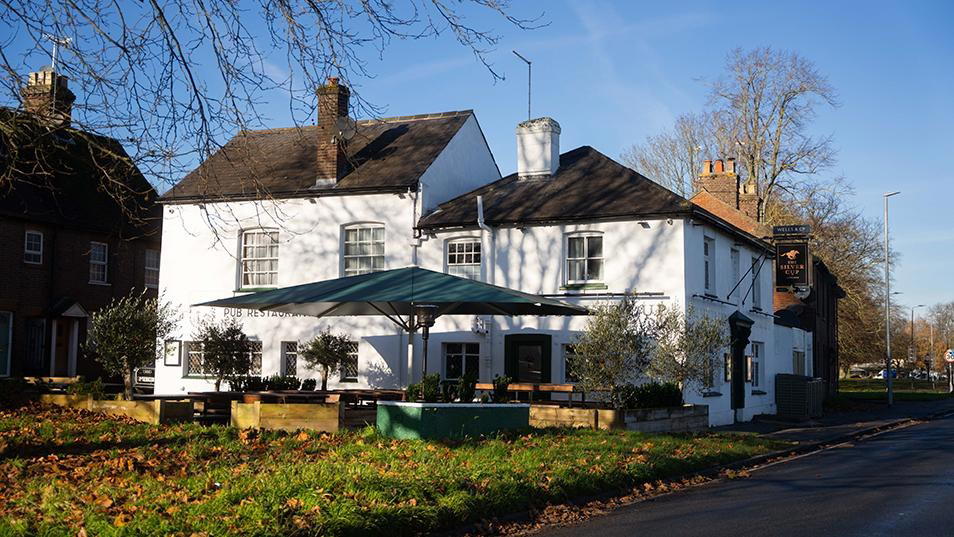
The walk to Midsummer House is part of what makes arriving there feel different from most two-star restaurants. Midsummer Common stretches out in front of you, flat and green, with university rowing eights cutting through the Cam beyond the far bank. The Victorian villa sits at the edge of all this, its proportions domestic rather than grand, and that contrast, between the unhurried pastoral setting and the serious cooking inside, defines the experience from the moment you approach the door.
Few British cities produce this particular combination. Cambridge's restaurant geography is shaped by its collegiate calendar and a visitor economy that tilts toward the historic rather than the gastronomic, which is precisely why a two-Michelin-star address on a public common reads as a statement of intent. Most comparable-level British cooking happens in converted country houses at a remove from urban life, or in dense city-centre addresses, L'Enclume in Cartmel and Moor Hall in Aughton occupy the former category, The Ledbury in London the latter. Midsummer House occupies its own position: technically urban, effectively pastoral, distinctly English in envelope but decidedly French in execution.
The Dining Room and Its Atmosphere
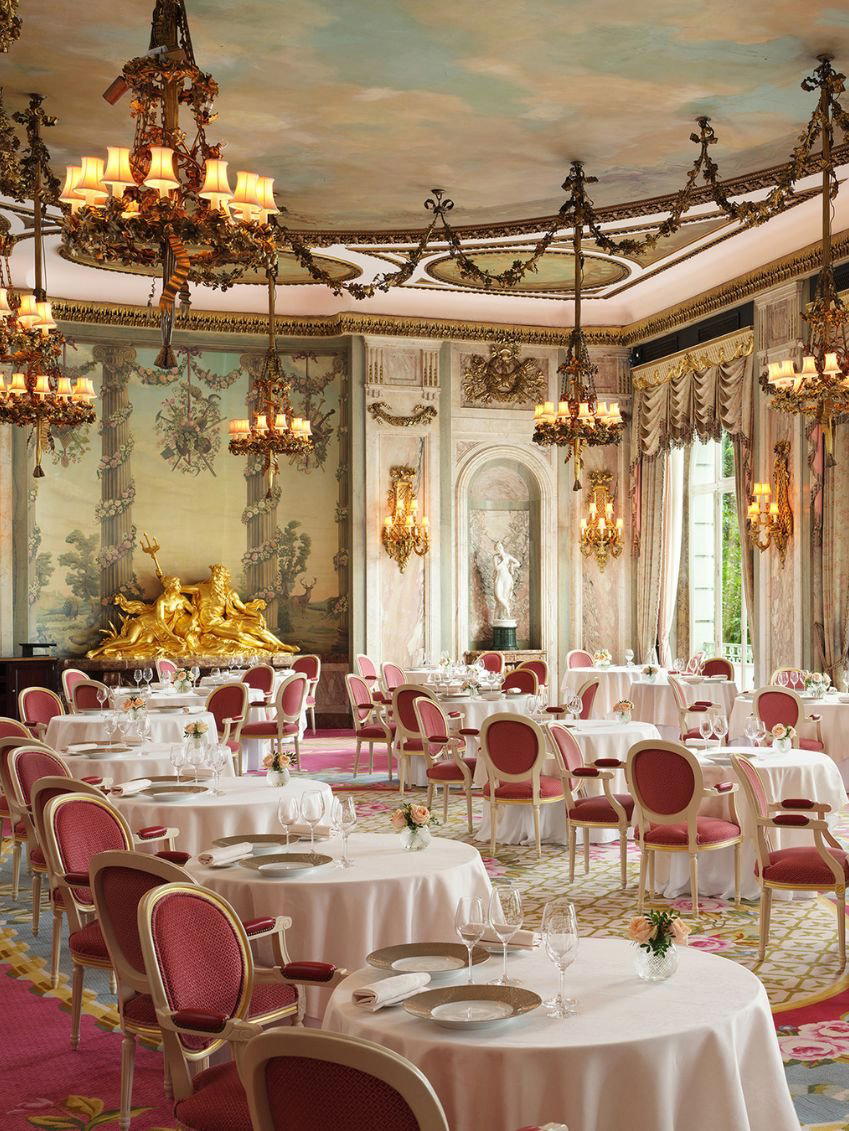
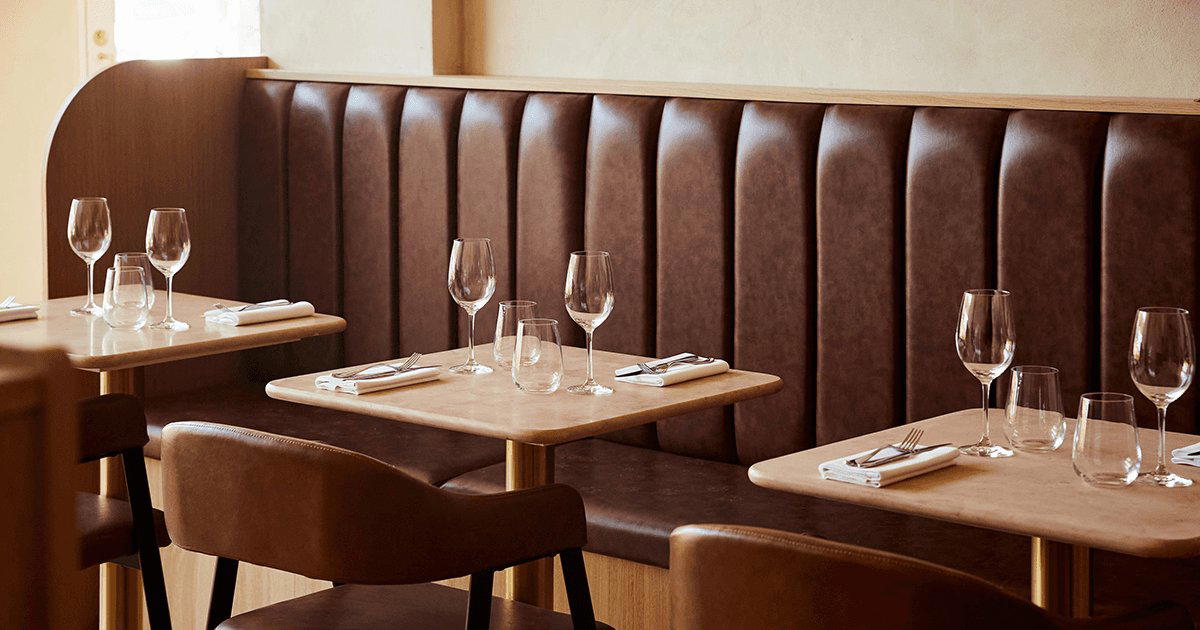
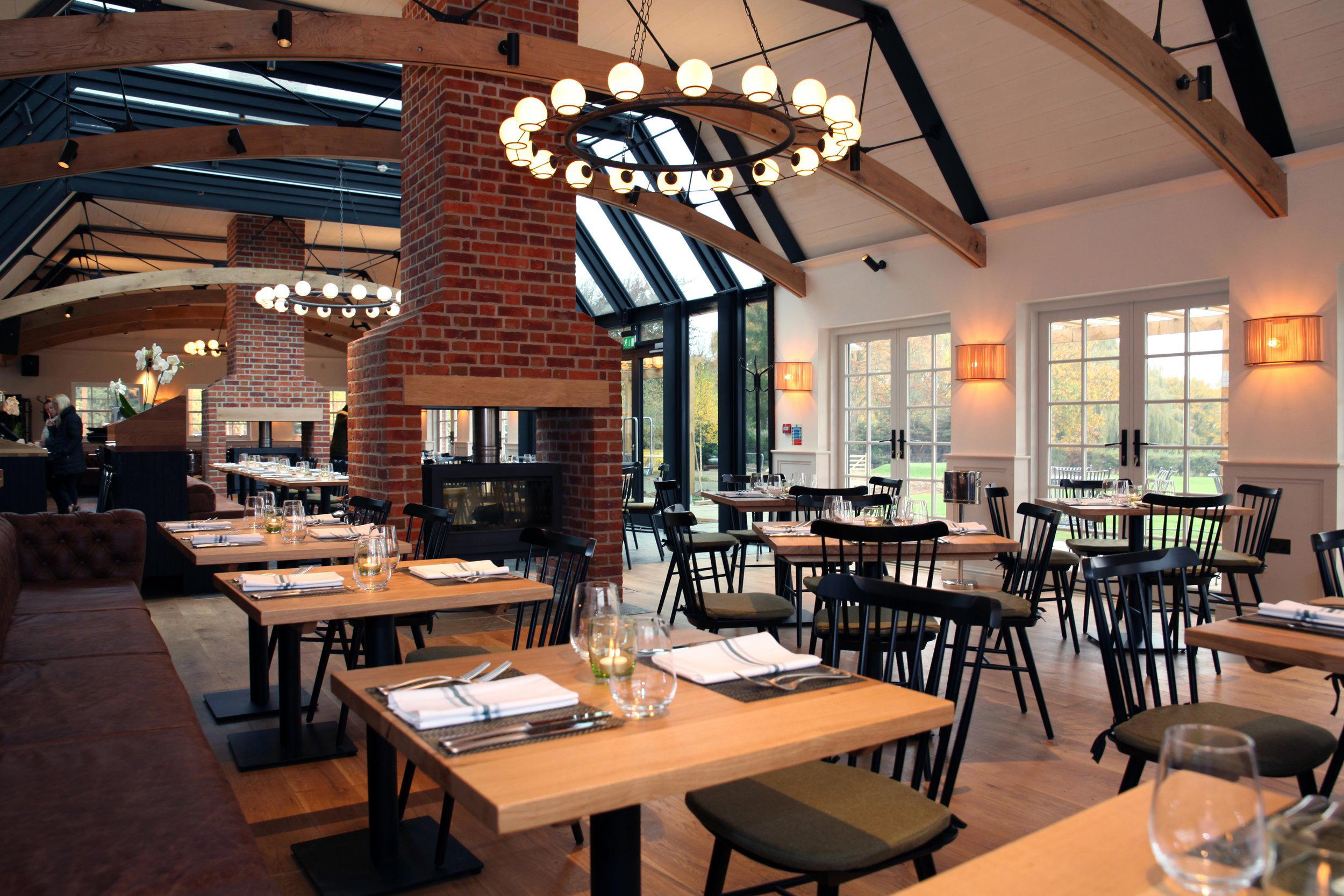
The main dining space is a glass-roofed conservatory looking onto a walled garden, decorated in shades of grey with pastoral paintings and fresh flowers on each table. On bright afternoons, natural light does most of the atmospheric work; in the evenings, the room turns more intimate. A framed window in the wall offers glimpses into the kitchen, a detail that rewards attention at quieter moments during service.
The formality here sits closer to classical French than contemporary British. Staff operate at the more ceremonial end of the spectrum, and a Champagne trolley moves through the room with theatrical regularity. That register will read as either reassuringly precise or slightly anachronistic depending on your reference points, but it is internally consistent: the cooking, the room, and the service all operate from the same aesthetic premise. For context, this is not the relaxed informality of Restaurant Twenty-Two or the accessible energy of Alden & Harlow elsewhere in the city, it is Cambridge's most formally structured dining experience.
The Cooking: European Technique, British Produce
Contemporary British fine dining at the two-star level has largely settled around two positions: ingredient-first restraint, where technique serves the produce without overwhelming it, and haute-cuisine classicism, where European method and luxury ingredients are the structural framework. Midsummer House sits clearly in the second camp.
Chef Daniel Clifford's menus read like a selective survey of Europe's premium larder: Provence tomato sorbet with aged Parmesan and speck ham, sautéed duck liver with Comté and verjus, roasted Anjou pigeon with mushroom, chocolate purée, endive, and sour cherry. Alpine Tête de Moine cheese arrives with celeriac custard, grapefruit sorbet, and truffle honey. Native British produce appears throughout but generally arrives with European embellishments, Loch Duart salmon prepared slowly, finished with white chocolate and caviar sauce. The construct is precise and deliberately luxurious.
Desserts draw particular notice in award commentary. The coconut parfait served inside a mock shell of Nyangbo chocolate is the kind of technical set-piece that signals a kitchen comfortable with both pastry craft and presentation discipline. Seasonal produce threads through the menu in ways that feel calibrated rather than incidental: strawberries in midsummer, elderflowers at their peak, matched against Krug Champagne as the complimentary amuse-bouche opener. The kitchen's two Michelin stars, held through 2024 and 2025, and a 92-point La Liste ranking in both 2025 and 2026 confirm a consistency that extends well beyond a single vintage. The Opinionated About Dining European Classical ranking placed the restaurant at number 124 in 2024, climbing to 181 in 2025 within a broader field.
Over 20 years into its operation, the menu continues to evolve rather than calcify. That longevity at high level is comparatively rare outside London; among UK destination restaurants, The Fat Duck in Bray, Gidleigh Park in Chagford, and Hand and Flowers in Marlow occupy similarly sustained positions outside the capital. Midsummer House belongs in that company.
The Wine Program
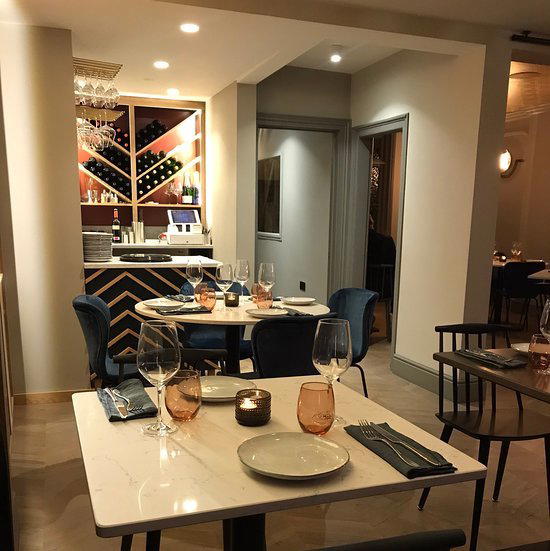
The cellar runs to approximately 300 bins, with France as the principal reference point, reflecting the kitchen's French-classical orientation. The sommelier team offers both guided selection and structured wine flights. Given the depth of the list, the flight option provides the more coherent pairing experience for first visits, while repeat visitors with specific regional interests will find enough range to go their own way. Expect pricing to reflect the two-star context throughout, the wine list is priced to match the ambition of the kitchen, not to represent value in isolation.
For those accustomed to the wine programs at addresses like Le Bernardin in New York City or Atomix in New York City, the French-anchored 300-bin cellar will feel familiar in its priorities if not identical in execution. The Champagne trolley that circulates through the room is not merely decorative, it signals that sparkling wine is treated as a serious course companion here, not a pre-dinner formality.
Cambridge's Fine Dining Position
Cambridge's dining scene has broadened considerably over the past decade, but it remains a city where high-end restaurants operate against a backdrop of institutional calendars and tourist traffic rather than a dense local fine-dining culture. That creates an environment where destination restaurants draw significantly from outside the city: visitors combining a day at the colleges with an evening at the table, or diners making a specific journey for the meal itself.
Within Cambridge, the contrast between Midsummer House and its peers is instructive. Fancett's represents the classic French bistro register, Darling and Fallow Kin a more casual contemporary British mode. The gap between those registers and what Midsummer House offers is significant, in formality, price, and the nature of the commitment required from the diner. This is not a neighbourhood restaurant that happens to cook well; it is a destination address that occupies a specific tier of British fine dining, and visiting it involves planning accordingly. See our full Cambridge restaurants guide for a broader picture of where the city sits, and check our full Cambridge hotels guide, bars guide, wineries guide, and experiences guide for planning the full visit.
Planning Your Visit
Midsummer House opens Wednesday through Saturday for both lunch and dinner; Sunday and Monday see the kitchen closed. Lunch runs noon to 1:30pm, dinner from 6:30pm to 8:30pm. The tasting menu at lunch is priced at roughly half the dinner rate, which makes the midday service the more measured entry point for those calibrating spend against occasion. Dress code information is not published formally, but the room's formality suggests conservative smart attire. The address is Midsummer Common, Cambridge CB4 1HA, within easy walking distance of the city centre and the river path.
Frequently asked questions
Is Midsummer House expensive?
Pricing at Midsummer House is listed as ££££.
What are Midsummer House's hours?
Hours at Midsummer House: Hours: Monday Closed Tuesday Closed Wednesday 12–1:30 pm, 6:30–8:30 pm Thursday 12–1:30 pm, 6:30–8:30 pm Friday 12–1:30 pm, 6:30–8:30 pm Saturday 12–1:30 pm, 6:30–8:30 pm Sunday Closed.
What It’s Closest To
A quick peer check to anchor this venue’s price and recognition.
| Venue | Cuisine | Price | Awards | Notes |
|---|---|---|---|---|
| Midsummer HouseThis venue (the venue you are viewing) | Modern British Fine Dining | $150–200 | 2 Michelin Stars · La Liste Top Restaurants | Not listed |
| Restaurant Twenty-Two | Modern British Fine Dining | $100–150 | 1 Michelin Star · National Restaurant Awards Top 100 #22 | Modern Cuisine |
| Henrietta’s Table | Farm-to-Table New England Comfort | $30–50 | Not listed | American |
| Hi Rise | Artisan Bakery & Sandwiches | $10–20 | Not listed | Bakery |
| Langdon Hall | Refined Canadian Fine Dining | $150–200 | Michelin Plate · La Liste Top Restaurants | Canadian |
| Little Donkey | Global Small Plates | Not listed | Diners, Drive-Ins and Dives Featured Bar | Global Tapas |
Recognition history
Dated appearances from independent guides and award organizations, with the underlying list record or original source where available.
Michelin 2 Stars
Michelin
La Liste Top Restaurants
La Liste
AA Rosettes 5 Rosettes
AA Rosettes
Opinionated About Dining Classical in Europe Ranked #181
Opinionated About Dining
The Good Food Guide GFG Very Good
The Good Food Guide
Full recognition history (10 entries)
La Liste Top Restaurants
La Liste
Michelin 2 Stars
Michelin
Michelin 2 Stars
Michelin
Opinionated About Dining Classical in Europe Ranked #124
Opinionated About Dining
Opinionated About Dining Classical in Europe Recommended
Opinionated About Dining
Continue exploring
More in Cambridge
Restaurants in Cambridge
All restaurants in Cambridge →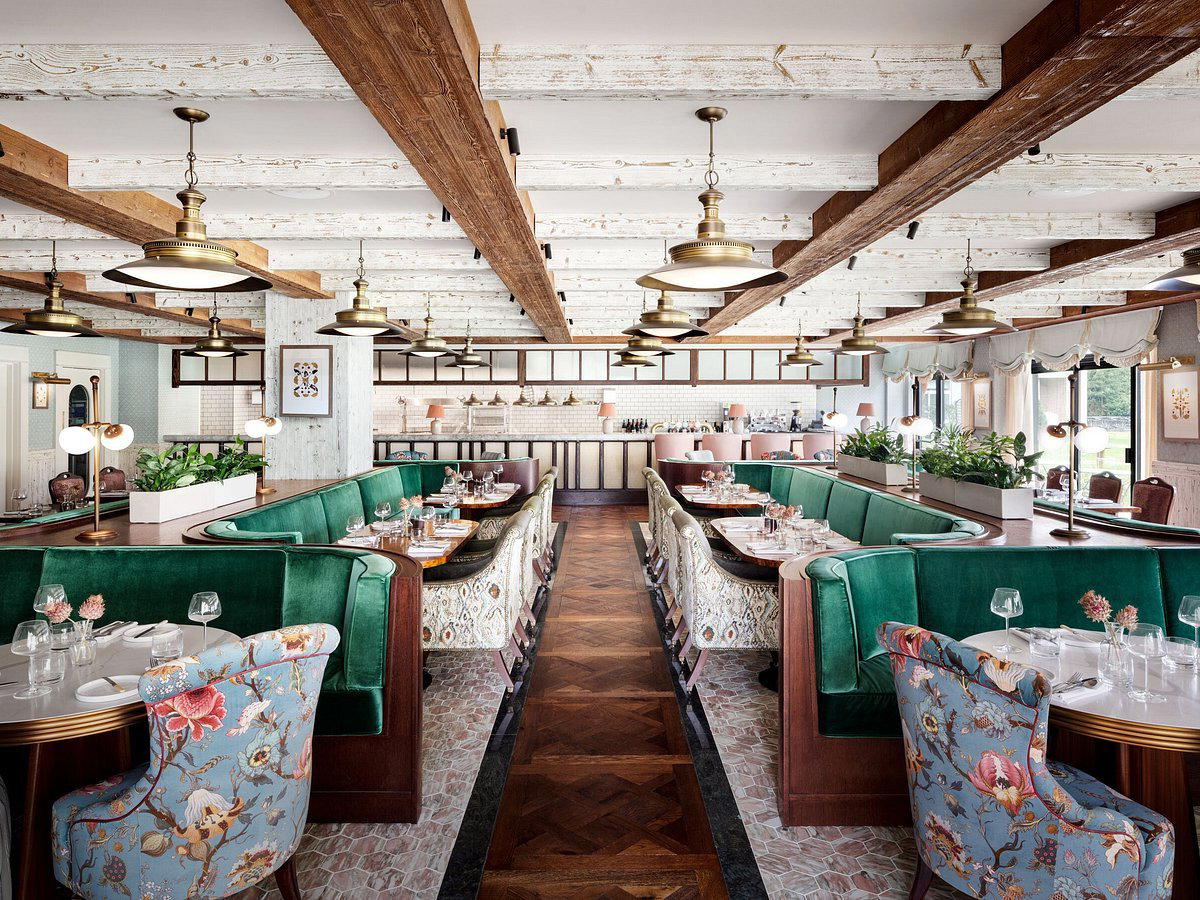
Midsummer House
The wine
- Wine program
- Deep wine list
- Extensive wine list
- Sommelier-led
Details
- Elegant
- Sophisticated
- Intimate
- Classic
- Special Occasion
- Date Night
- Celebration
- Business Dinner
- Waterfront
- Private Dining
- Standalone
- Extensive Wine List
- Sommelier Led
- Waterfront
- Garden
- Tasting Menu
- Vegetarian Friendly
- Gluten Free Options
Current opening hours
- Monday
- Closed
- Tuesday
- Closed
- Wednesday
- 11:45 AM–1:30 PM, 6:30–8:30 PM
- Thursday
- 11:45 AM–1:30 PM, 6:30–8:30 PM
- Friday
- 11:45 AM–1:30 PM, 6:15–9 PM
- Saturday
- 11:45 AM–1:30 PM, 6:15–9 PM
- Sunday
- Closed
Hours can change for holidays and private events. Hours as of .
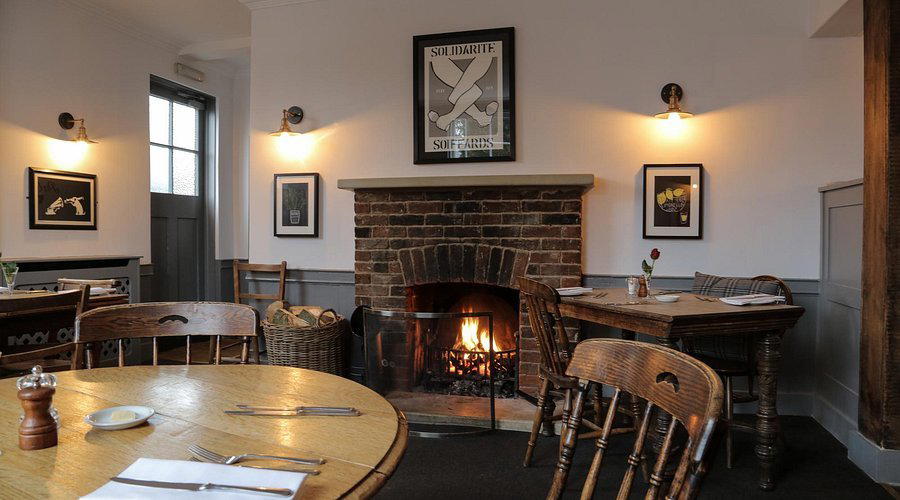
Light-filled conservatory dining room with elegant decor, floral paintings, and views of the garden and river, creating a relaxed yet sophisticated atmosphere.