
Tokyo’s curry culture rewards specialization, and FRENCH CURRY SPOON sits in the small French-inflected branch of that scene rather than the louder katsu or spice-curry lanes. Its Tabelog Curry TOKYO 100 selection in 2024, counter-only format, bistro category, wine focus, and long local tenure make it a precise Nishi-Ogikubo choice for diners who plan around small rooms rather than broad menus.
Pearl is the En Primeur Club membership app — saves, bookings, and concierge access live there. Same editors, same standards.
- Address
- Japan, 〒167-0054 Tokyo, Suginami City, Shoan, 3 Chome−38−19 1a
- Phone
- +81 3-5941-6733
- Website
- fcspoon.stores.jp
 Saves & bookings on Pearl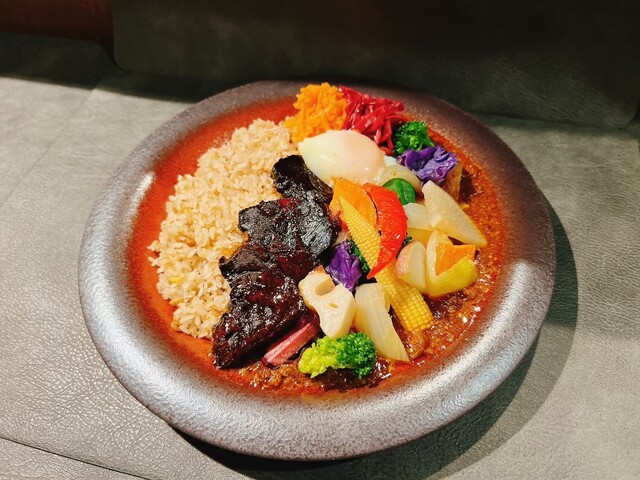
South of Nishi-Ogikubo Station, the mood shifts from commuter flow to Suginami’s smaller dining scale: low-rise shopfronts, narrow thresholds, and counter-led rooms. Tokyo curry can be fast, cheap, maximal, and fiercely local; here the appeal is tighter: close-range service, compact kitchen rhythm, and menu logic that belongs as much to a bistro as to a curry shop.
FRENCH CURRY SPOON sits in a Tokyo category visitors often miss while chasing sushi counters or ramen queues: specialist curry with a clear technical accent. The city’s curry scene spans Japanese yoshoku-style sauces, South Asian regional cooking, spice-curry experimentation, and European techniques adapted to rice. Its French line moves the shop away from heavy-roux stereotype toward sauce-making: reduction, stock, texture, and balance over brute heat.
French technique inside Tokyo's specialist curry culture
Tokyo’s serious curry addresses are judged less by décor than control. A small room exposes excess sweetness, blunt spice, or thin sauce. FRENCH CURRY SPOON’s public description cites a French-background chef, classic French curry, minimal flour and butter, fond de veau simmered for six hours, and sauce matured for three days. These signal method: curry approached through stock and maturation, not speed alone.
The rice makes the same argument. A 13-grain blend, cooked firmer to meet the curry, puts texture at the center of the plate. In Tokyo, where curry is often eaten quickly and judged immediately, the question is not only spice level; it is whether the sauce has structure for the rice, whether fat is controlled, and whether the plate reads as lunch-counter food or a condensed bistro dish.
The bistro tag is not cosmetic. Wine is part of the venue’s stated identity, and a sommelier is listed among its service signals. In Tokyo curry, that places the shop in a narrower lane than quick-service specialists and suits Nishi-Ogikubo, a neighborhood built for compact independent restaurants rather than large destination dining rooms. The result is not formal French dining translated into curry, but a local curry counter using French kitchen habits to sharpen Japanese comfort food.
Recognition adds context. The shop was selected for Tabelog Curry TOKYO 100 in 2024, with earlier Tabelog Curry 100 selections in 2023, 2022, 2020, and 2019. Tabelog’s curry lists matter in Tokyo because they map a category rarely aligned with international fine-dining awards. A curry counter does not need tasting-menu theater; it needs repetition, specificity, and local confidence against hundreds of low-cost competitors.
The counter is the planning problem
Small Tokyo restaurants change the dining equation. At an eight-seat counter, the issue is not broad appeal but whether the diner can work with the format. Counter-only curry compresses kitchen, service, and guest, so the meal depends on timing, turnover, and willingness to eat at the room’s cadence. Logistics are part of the editorial assessment, not an afterthought.
For travelers, Nishi-Ogikubo also shifts value. Central Tokyo dining often charges for convenience, English-language visibility, and hotel proximity. Suginami rewards different planning: ride west, accept a smaller room, and trade spectacle for a specialist address with a strong local signal. Compared with Curry Shop Fennel, in a similar public price band, this is more French-coded. Compared with Rahi Punjabi Kitchen, where listed spend rises at dinner, the choice is less category hierarchy than which curry language the diner wants.
The same holds against Tokyo’s broader casual field. Echigo Tsuruy occupies a leaner budget bracket, while Menson Rage and オルガン point to other neighborhood specialisms rather than direct curry comparison. Tokyo’s strength is this density of small formats. A diner can build a week around micro-scenes: curry in Suginami, yakitori at 124. KAGURAZAKA (Yakitori), a Shinjuku meal at 12/10 Shinjuku ten, or charcoal cooking at . 鮪と炭火焼き うお炭 秋葉原店. The city rewards diners who sort by format first, cuisine second, neighborhood third.
FRENCH CURRY SPOON also resists the visitor script. It is not a luxury booking, hotel dining room, or Ginza-style chef’s-counter performance. It shows how Tokyo’s lower price bands can still carry technique, longevity, and award-list recognition. Practically, it suits a focused lunch or casual dinner more than a broad-group occasion. The listed children-welcome signal softens the room’s severity, but the counter keeps the experience intimate by design.
Where it fits in a Tokyo itinerary
Tokyo curry should not be a single stop between ramen and sushi; the category has enough internal variation for comparison. 3 Chome no Curry Ya San gives another city reference point, while [Curry Senmon Ten] Maruyama Kyoju. in Sapporo shows how regional curry addresses read differently outside Tokyo. For a food-led route, compare styles rather than chase one definitive bowl.
That route can stretch beyond curry. Tokyo’s casual and specialist addresses range from graphic café culture at 2D Cafe to the wider restaurant field in Our full Tokyo restaurants guide. Dining plans also sit alongside where to stay, drink, and spend off-table time: Our full Tokyo hotels guide, Our full Tokyo bars guide, Our full Tokyo wineries guide, and Our full Tokyo experiences guide frame the rest of the trip.
For readers mapping Japan through small, category-specific rooms, useful contrasts sit outside Tokyo too: beef sukiyaki in Kanagawa at -Grilled beef Sukiyaki- KAMAKURA TANUKIAN 鎌倉 たぬき庵 in Kamakura, café culture at.cafe in Osaka, a Kumamoto address at.know in Kumamoto, Vietnamese cooking in the Tokyo orbit at (Shoku) Vietnam in Kawasaki, and Kyoto dining at [ki:] in Kyoto. Across the Pacific, Japanese-adjacent casual formats continue differently at Jōdo Saké Bar in Los Angeles and Onigiri Time in Pasadena.
The verdict is concise: a disciplined Suginami curry counter for diners who care about technique, scale, and category nuance. The Tabelog Curry TOKYO 100 selection supplies the trust signal; the counter-only setup supplies the planning constraint; the French-bistro inflection supplies the reason to choose it over another quick curry stop. Tokyo has countless inexpensive meals. The valuable ones teach how the city refines ordinary formats until they become worth crossing town for.
The Minimal Set
Comparable venues by category and price.
| Venue | Cuisine | Price | Notes |
|---|---|---|---|
| FRENCH CURRY SPOONThis venue — the venue you are viewing | Suginami, French-style Japanese curry | $$ | Not listed |
| Muromachi Sunaba (室町砂場) | Not listed | $$ | Nihonbashi Muromachi, Traditional Edo-style Soba |
| Wakana Sushi | Not listed | $$ | Higashi Nagasaki, Traditional Japanese Sushi |
| Tonkatsu Maisen (とんかつ まい泉) | Omotesando, Tonkatsu Specialist | $$ | Not listed |
| Nara Seimen | Not listed | $$ | Shibuya, Modern Japanese ramen / udon noodle shop |
| Takenoshita Soba | Shibuya, Traditional Japanese Soba | $$ | Not listed |
Recognition history
Dated appearances from independent guides and award organizations, with the underlying list record or original source where available.
Tabelog 100 #78 · No. 78
Tabelog · Tabelog 100 - Curry - TOKYO - 2024












At a Glance
- Cozy
- Intimate
- Classic
- Solo
- Casual Hangout
- After Work
- Date Night
- Chefs Counter
- Standalone
Current opening hours
- Monday
- 11:30 AM–2:30 PM, 5:30–10 PM
- Tuesday
- 11:30 AM–2:30 PM, 5:30–10 PM
- Wednesday
- 11:30 AM–2:30 PM, 5:30–10 PM
- Thursday
- 11:30 AM–2:30 PM, 5:30–10 PM
- Friday
- 11:30 AM–2:30 PM, 5:30–10 PM
- Saturday
- 11:30 AM–3:30 PM, 5:30–10 PM
- Sunday
- 11:30 AM–3:30 PM, 5:30–10 PM
Hours can change for holidays and private events. Last verified .
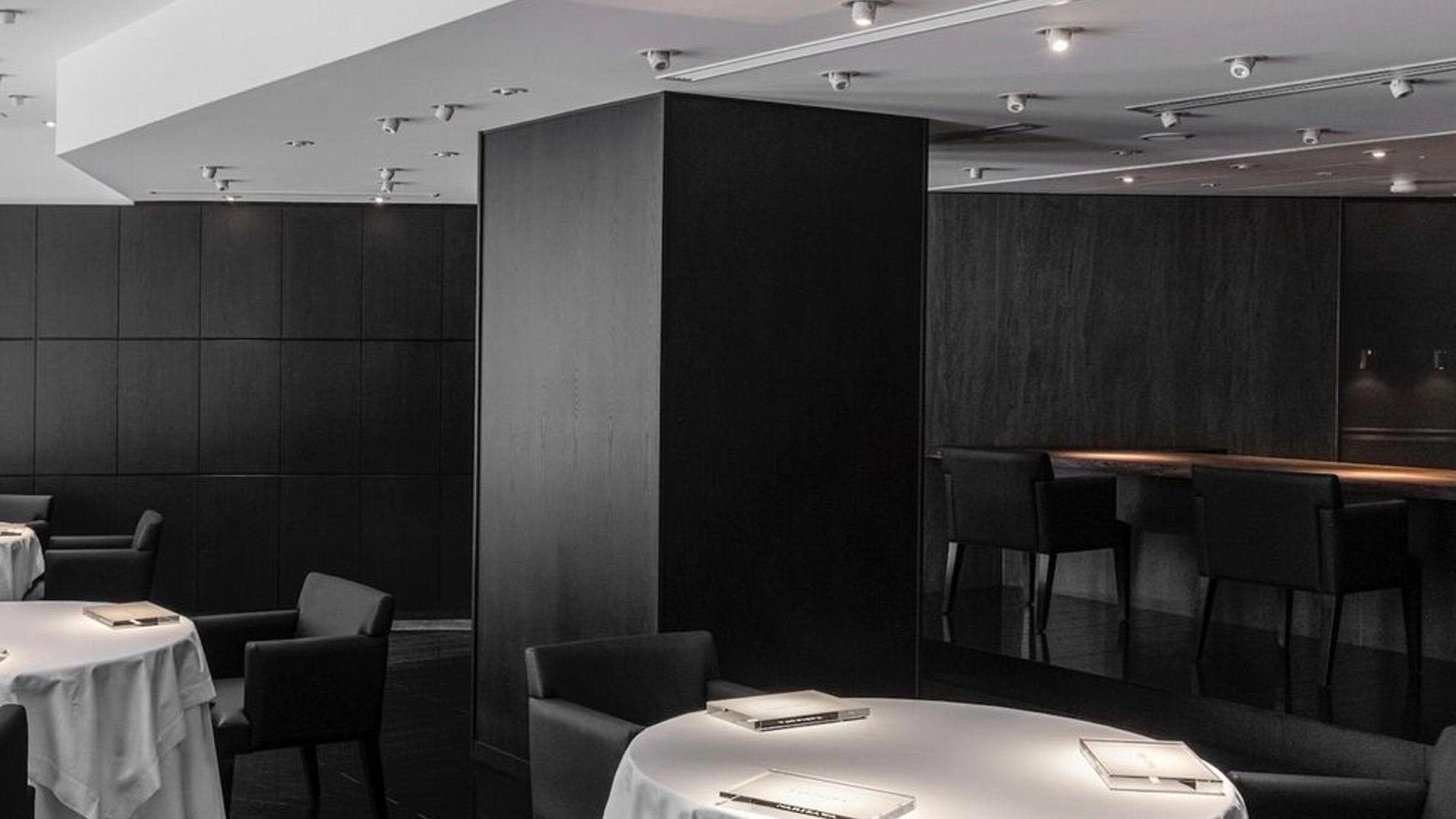
A small, relaxed counter with only a few seats, giving a cozy, almost home-style atmosphere where guests quietly enjoy richly flavored curry; lighting and decor are simple and unpretentious, more like a neighborhood bistro than a typical curry shop.