Fradiavolo Milano Sempione sits in the Sempione quarter, one of Milan's more considered dining neighbourhoods, where the pace slows relative to the centro storico and kitchens tend to run with a tighter sense of purpose. The address on Via Agostino Bertani places it within a residential grid that rewards repeat visitors over passing trade, making it a reference point for those already familiar with the city's serious mid-register dining circuit.
Pearl is the En Primeur Club membership app — saves, bookings, and concierge access live there. Same editors, same standards.
- Address
- Via Agostino Bertani, 2, 20154 Milano MI, Italy
- Phone
- +39240130251
- Website
- fradiavolopizzeria.com
- Directions
- Get directions
 Saves & bookings on Pearl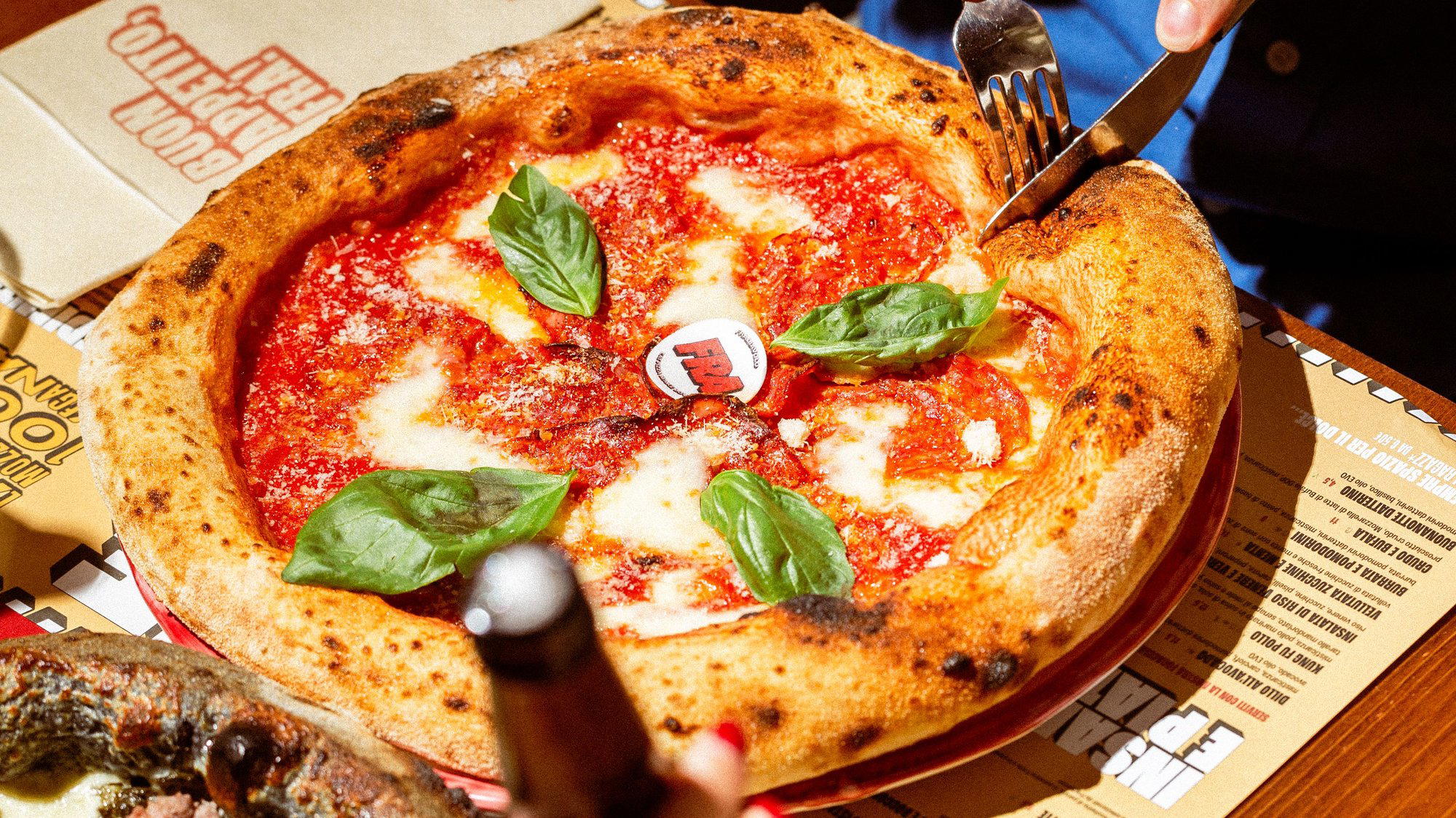
The Sempione Quarter and the Character of Its Tables
Milan's dining geography divides more sharply than visitors often expect. The Brera and Garibaldi corridors draw predictable attention, while the area around Corso Sempione and Parco Sempione holds a quieter, more locally anchored set of restaurants. Fradiavolo Milano Sempione is a contemporary Neapolitan pizza restaurant in Milan, on Via Agostino Bertani in the Sempione quarter. Via Agostino Bertani sits inside that quieter zone: a residential street with the kind of foot traffic that comes from people who live nearby, not from tourists navigating from a list. That context matters for how a room feels and who fills it on a Tuesday evening in October.
Restaurants here tend to earn their reputation through consistency across multiple visits rather than through a single theatrical meal. That dynamic places a particular pressure on the team dynamic inside any kitchen and dining room that wants to build a following in this part of the city, because the audience notices when the standard shifts.
A Room Built by Collaboration
Particularly durable restaurants in any Italian city share a structural quality that is harder to describe than a menu or a price point: the sense that the kitchen, the cellar, and the floor are working from a shared set of priorities rather than pulling in different directions. In Milan's €€€ and €€€€ tier, where venues like Seta, Andrea Aprea, and Enrico Bartolini have established what coordinated ambition looks like at the leading end, the question for a Sempione address is how that collaboration manifests in a more neighbourhood-scaled format.
Italian dining at its most coherent is not a solo project: the sommelier's reading of a table, the front-of-house pacing of a meal, and the kitchen's timing all depend on lateral communication that doesn't show up on a menu. When that communication works, a meal at a non-Michelin address can feel more considered than one at a starred venue where departments operate in silos. The Sempione address, with its repeat-visitor base, creates the conditions where that kind of operational cohesion is tested and refined over time rather than performed for a single visit.
Where Fradiavolo Sits in Milan's Dining Structure
Milan's restaurant tier has stratified significantly over the past decade. At the leading, venues with Michelin recognition, including Cracco in Galleria and Verso Capitaneo, compete on a different axis from neighbourhood-focused addresses. Below that tier, a more interesting and less discussed category has grown: restaurants that serve serious food to a local clientele without the overhead or the spectacle of the starred circuit. Fradiavolo Milano Sempione operates within that category.
For context on what that tier looks like nationally, Italy's most recognised addresses, from Osteria Francescana in Modena to Piazza Duomo in Alba and Uliassi in Senigallia, have built their reputations over decades of consistency. The through-line across those houses is not the individual chef biography but the operational stability that comes from teams that have worked together long enough to anticipate each other. That is the template against which any serious Italian restaurant measures itself, whether or not it carries awards.
Other Italian addresses that have built similar reputations through team coherence include Dal Pescatore in Runate, Le Calandre in Rubano, and Reale in Castel di Sangro, each of which has sustained quality across format changes and generational transitions. Quattro Passi in Marina del Cantone and Atelier Moessmer Norbert Niederkofler in Brunico offer further reference points for how regional Italian kitchens build identity through specific sourcing relationships rather than through a single chef's vision. Enoteca Pinchiorri in Florence remains especially instructive case study for what happens when a sommelier's program becomes structurally equal to the kitchen rather than subordinate to it. Casa Perbellini 12 Apostoli in Verona shows how that balance can be struck in a smaller format.
The Autumn Window in Sempione
Milan's dining calendar has two reliable peaks: the fashion and design weeks in February-March and September-October, when the city fills with international visitors and reservation pressure across the better addresses increases sharply. The weeks immediately following those periods, typically late October and November, tend to be favourable for dining in neighbourhood restaurants. Tables are more accessible, the local clientele returns, and the kitchen operates without the external distraction that trade periods create. For a Sempione address with a local-facing model, that autumn window is when the room functions closest to its intended character.
For visitors building a broader Milan itinerary, the EP Club Milan restaurants guide maps the city's dining tiers across neighbourhoods and formats.
Planning a Visit
Via Agostino Bertani is accessible from the Sempione area, within walking distance of Corso Sempione and connected to central Milan via the city's tram network. For visitors unfamiliar with the neighbourhood, the approach from Parco Sempione on foot takes roughly fifteen minutes from Castello Sforzesco and offers a more useful spatial understanding of the area than arriving directly by taxi. Booking is recommended, and the restaurant is open daily for lunch and dinner.
For international comparison on how a tightly run floor team transforms the experience of a meal, Le Bernardin in New York City and Lazy Bear in San Francisco both demonstrate, in different registers, how front-of-house coordination becomes inseparable from the food's impact. The principle translates directly to what a well-run neighbourhood Italian restaurant achieves when the three departments are genuinely aligned.
City Peers
Comparable venues nearby, for context on price, style, and recognition.
| Venue | Cuisine | Price | Notes |
|---|---|---|---|
| Fradiavolo Milano SempioneThis venue — the venue you are viewing | Contemporary Neapolitan Pizza | $$ | Not listed |
| Panini De Santis - Milan | Milanese Gourmet Panini | $$ | Duomo |
| Bagni Misteriosi | Modern Italian Aperitivo | $$ | Pta Romana |
| Killer | Italian Casual | $$ | Xxii Marzo |
| Eggs Milano | Roman Egg-Focused Trattoria | $$ | Brera |
| Panini Galiano 1974 | Gourmet Italian Panini | $$ | De Angeli - Monte Rosa |
Continue exploring
More in Milan
Restaurants in Milan
Browse all →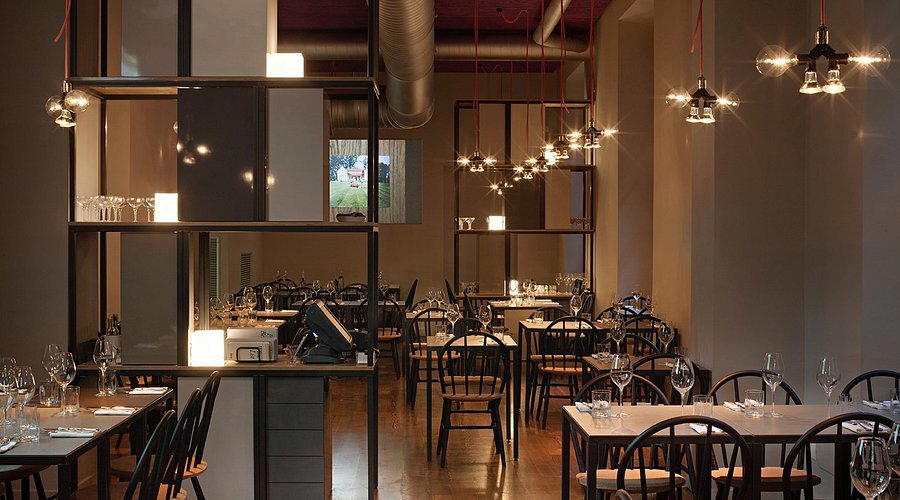
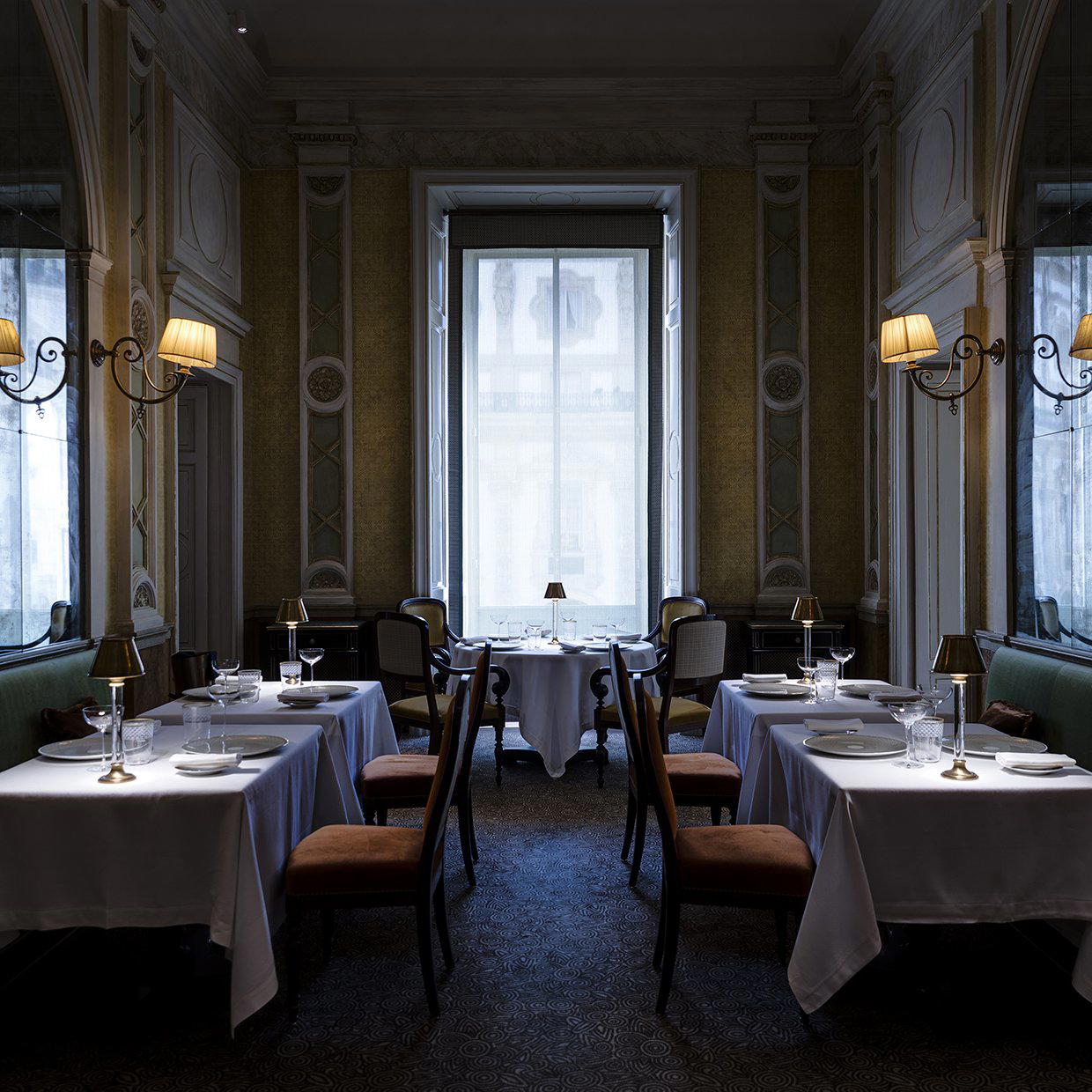
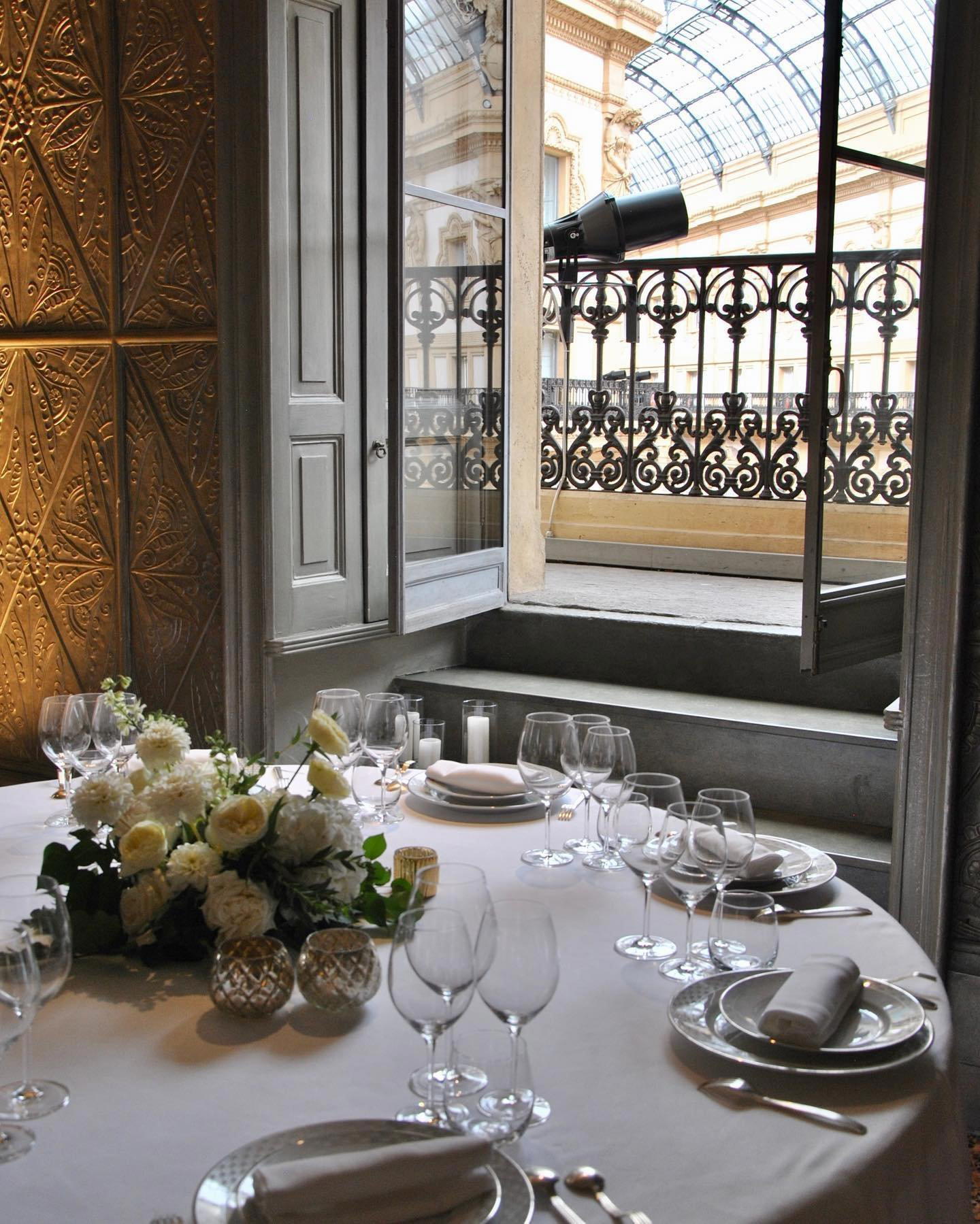
Bars in Milan
Browse all →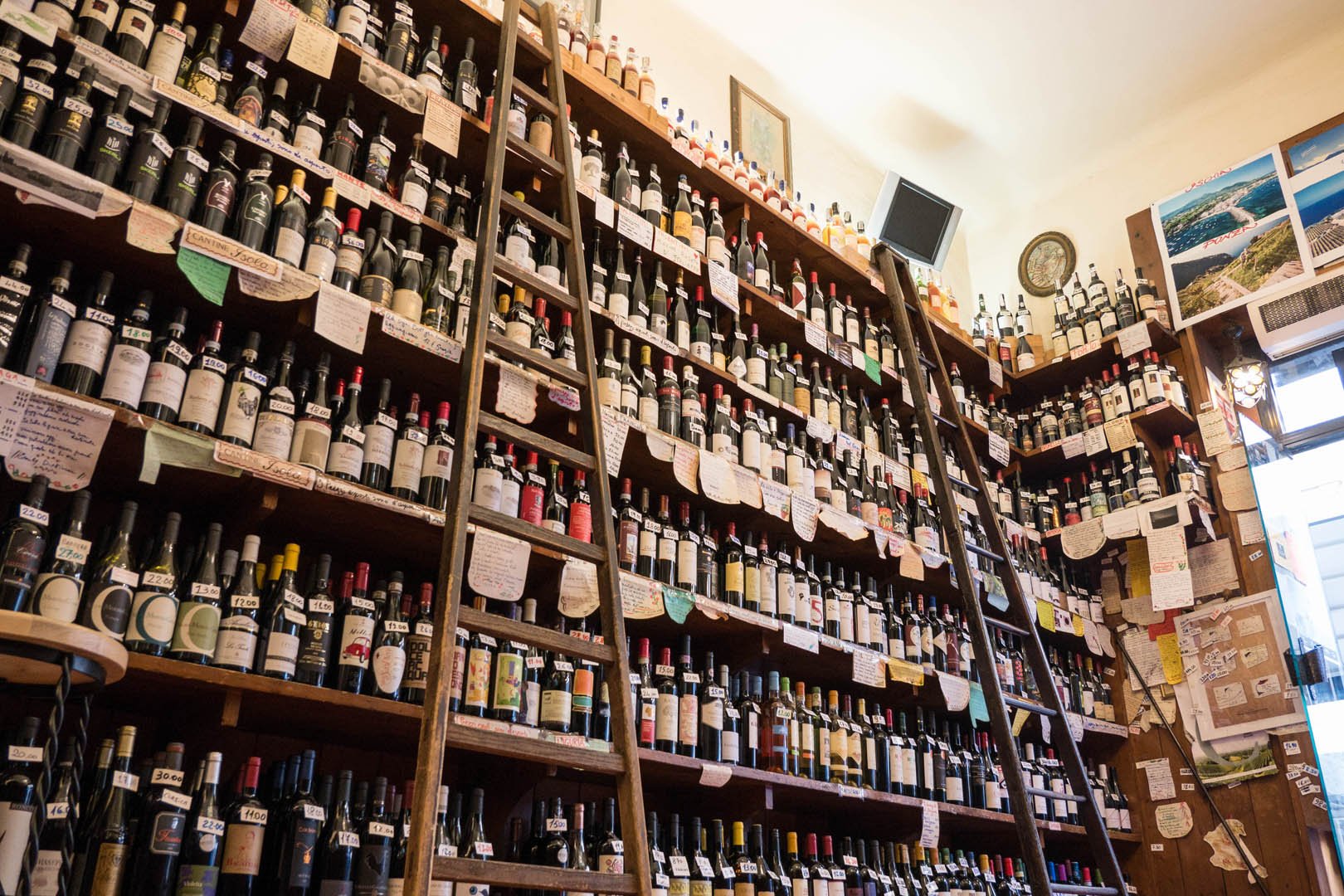
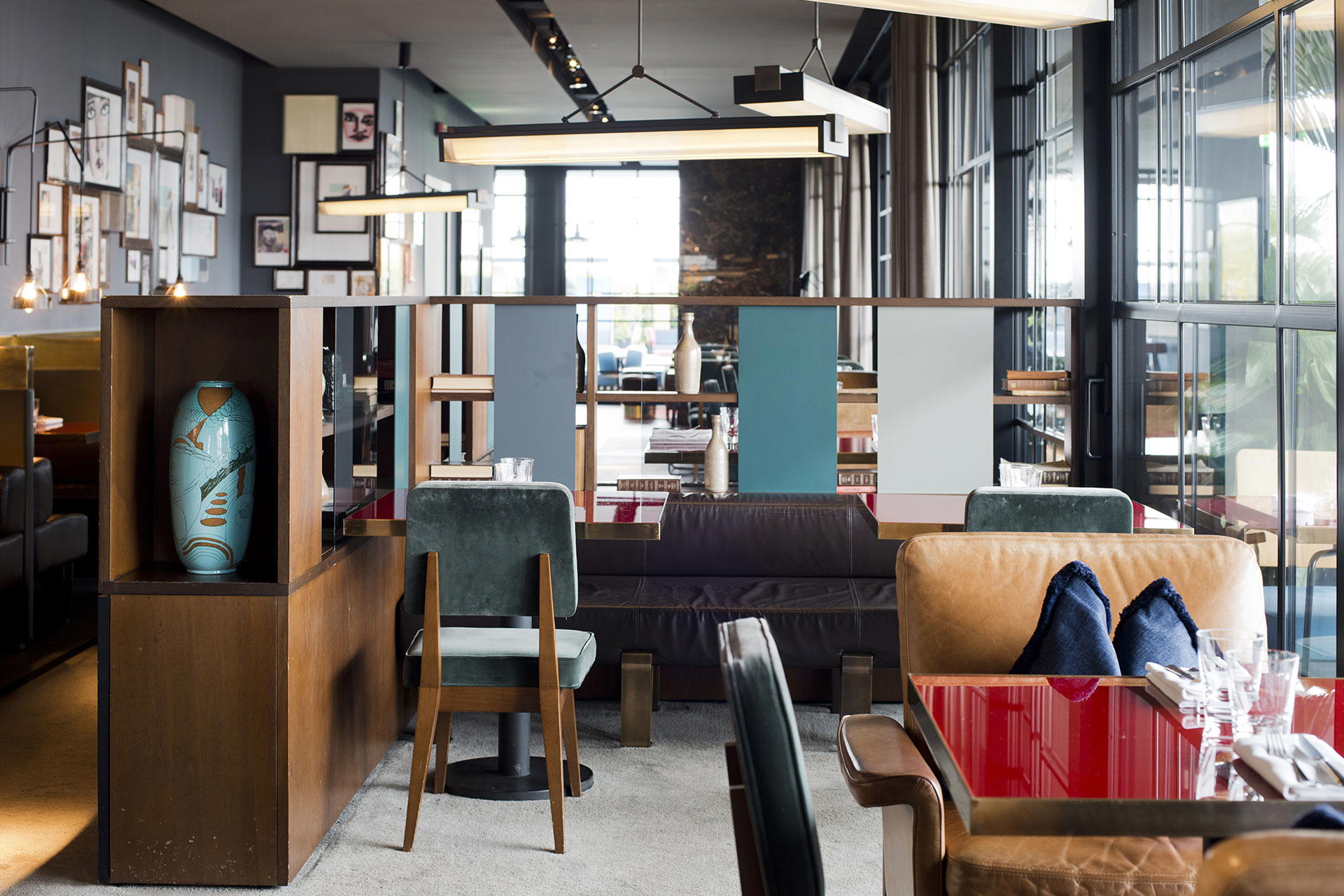
Hotels in Milan
Browse all →

At a Glance
- Modern
- Cozy
- Trendy
- Casual Hangout
- Date Night
- Open Kitchen
Current opening hours
- Monday
- 12–3 PM, 7–11 PM
- Tuesday
- 12–3 PM, 7–11 PM
- Wednesday
- 12–3 PM, 7–11 PM
- Thursday
- 12–3 PM, 7–11 PM
- Friday
- 12–3 PM, 7–11 PM
- Saturday
- 12–3 PM, 7–11 PM
- Sunday
- 12–3 PM, 7–11 PM
Hours can change for holidays and private events. Last verified .
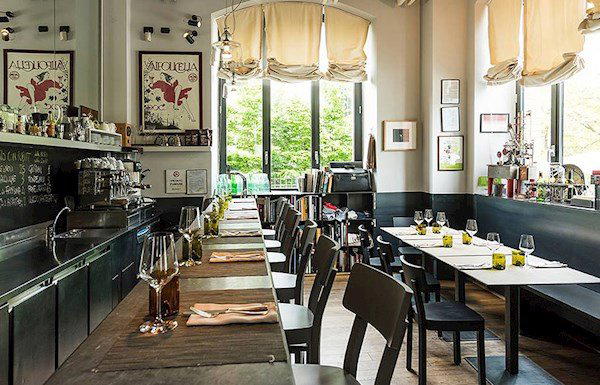
Clean, spacious environment with beautiful colors, lights, and a pleasant, welcoming atmosphere.