Via Solferino and the Egg's Place in Milan's Casual Dining Conversation The stretch of Via Solferino running through Milan's Brera district has a particular rhythm to it: design studios at street level, aperitivo bars filling up by six, and a...
Pearl is the En Primeur Club membership app — saves, bookings, and concierge access live there. Same editors, same standards.
- Address
- Via Solferino, 35, 20121 Milano MI, Italy
- Phone
- +39209972435
- Website
- eggsristorante.com
- Directions
- Get directions
 Saves & bookings on Pearl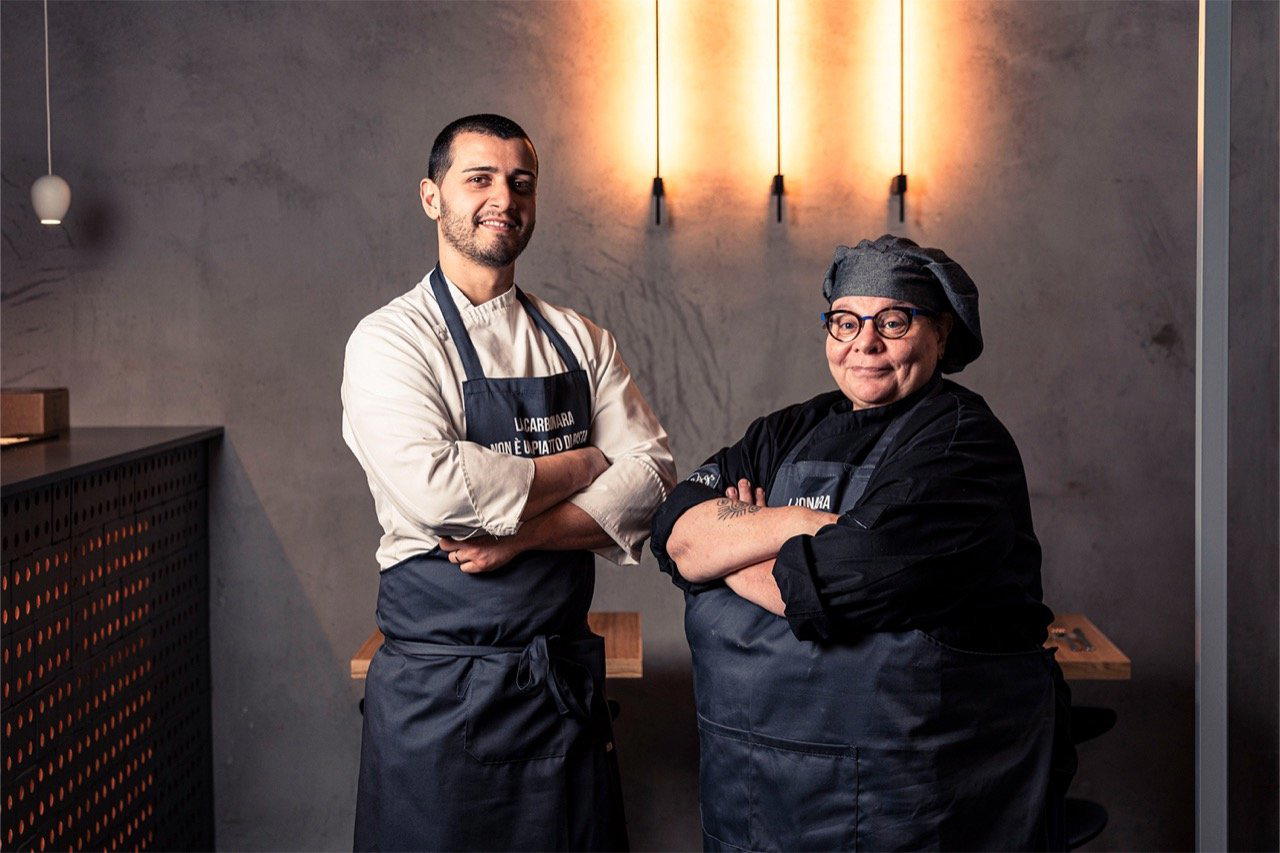
Via Solferino and the Egg's Place in Milan's Casual Dining Conversation
The stretch of Via Solferino running through Milan's Brera district has a particular rhythm to it: design studios at street level, aperitivo bars filling up by six, and a neighbourhood crowd that treats eating well as an unremarkable daily expectation rather than an occasion. It is in this context that Eggs Milano, at number 35, makes its case. The address alone places it inside one of the city's most food-literate enclaves, where the competition for a regular lunch trade is serious and the tolerance for mediocrity is low.
Egg-focused restaurants occupy a specific position in contemporary European casual dining. They sit between the all-day café and the trattoria, drawing on an ingredient that is simultaneously democratic and technically demanding. In cities from London to Copenhagen, this format has attracted operators who take sourcing seriously, because the egg, unlike a slow-braised ragu or a long-marinated protein, offers nowhere to hide. The quality of what a hen ate, where she ranged, and how recently she laid all register in the finished plate. A yolk that runs too pale or a white that spreads too thin tells its own story before a fork has touched it.
Ingredient Sourcing as the Central Argument
What defines the egg-forward restaurant as a category is its implicit claim about provenance. When a venue builds its identity around a single ingredient, it invites close reading of that ingredient's origin. In northern Italy, this question has a particularly rich answer: the Po Valley's agricultural traditions, the small-scale poultry farms of Lombardy and Piedmont, and the broader Italian instinct toward named, regional produce all feed into a sourcing conversation that Milan's more ingredient-conscious restaurants have been advancing for some years.
The broader Milan restaurant scene has moved steadily toward transparency about supply chains, partly under pressure from fine dining venues like Enrico Bartolini and Andrea Aprea, both operating at price points where sourcing credentials are table stakes, and partly because Milanese diners increasingly apply similar scrutiny at the casual end of the market. Venues like Cracco in Galleria and Seta have shaped diner expectations around ingredient traceability, and those expectations filter down the price ladder. An egg-focused restaurant in Brera in 2024 is not operating in a vacuum; it is making an implicit sourcing argument to a neighbourhood that has been trained to ask questions.
This is why the format, when executed well, can do something that a generalist trattoria cannot. It concentrates attention. A menu built around eggs forces decisions: free-range versus pasture-raised, regional farm versus anonymous supply chain, seasonal variation versus year-round consistency. The leading examples of this category in Europe, from the farm-to-table breakfast counters of Stockholm to the specialist brunch rooms of Paris's 11th arrondissement, have succeeded by making that concentration legible to the diner rather than treating it as background noise.
Brera as Context: What the Neighbourhood Expects
Brera is not a neighbourhood where casual restaurants coast on location. The design district's residents and visitors have access to a dense grid of options, from the market-driven menus of smaller trattorias on Via Madonnina to the more considered Italian contemporary approaches found at venues like Verso Capitaneo. The foot traffic on Via Solferino skews toward people who live nearby or work in the district's creative industries, which means repeat visits matter more than tourist throughput. Restaurants that survive in this sub-neighbourhood tend to do so because they have a clear identity and execute it consistently.
Milan's egg-focused dining category remains narrower than its equivalents in northern European cities. Italy's breakfast culture, historically built around the bar and the cornetto, has been slower to adopt the Anglo-American brunch format in its more elaborate forms. That creates a mild novelty premium for venues that do it well, but also a more exacting standard: a concept that might find easy acceptance in Shoreditch or Le Marais has to work harder to earn its place in a city where food identity runs deep and divergence from tradition requires justification through quality.
How Eggs Milano Sits in the Wider Italian Dining Picture
Italy's restaurant landscape beyond Milan offers useful reference points for understanding where an ingredient-focused casual venue fits in a broader hierarchy of culinary seriousness. At the summit of that hierarchy sit venues such as Osteria Francescana in Modena, Piazza Duomo in Alba, and Le Calandre in Rubano, all of which have built international reputations on the back of Italian ingredient obsession taken to its most rigorous expression. Further along the coastline, Uliassi in Senigallia and Quattro Passi in Marina del Cantone do the same with seafood sourcing. Dal Pescatore in Runate and Reale in Castel di Sangro anchor different regional traditions. Even at the mountain end, Atelier Moessmer Norbert Niederkofler in Brunico has built a multi-starred reputation on hyper-local Alpine sourcing. This is the cultural backdrop against which Italian diners, even at the casual end, assess claims about ingredient quality.
Internationally, the conversation about single-ingredient-focused restaurants with serious sourcing commitments extends beyond Italy. Le Bernardin in New York City built its identity on fish provenance at the fine dining tier; Lazy Bear in San Francisco has done something adjacent with the communal tasting format. Enoteca Pinchiorri in Florence and Casa Perbellini 12 Apostoli in Verona each represent the Italian fine dining tradition at its most codified. The casual format that Eggs Milano operates within is a different register entirely, but it draws legitimacy from the same cultural premium that Italy places on knowing where food comes from.
Planning a Visit: What to Know
Eggs Milano is at Via Solferino, 35, in the Brera district of central Milan, easily reachable from the Moscova or Lanza metro stops on Line 2. The neighbourhood is most active at lunch and through the late-morning hours, and the casual format suggests walk-in visits are likely viable for solo diners and pairs. For a broader picture of what Milan's restaurant scene offers across price points and formats, the EP Club Milan restaurants guide maps the full range.
Reputation Context
Comparable venues nearby, for context on price, style, and recognition.
| Venue | Cuisine | Price | Notes |
|---|---|---|---|
| Eggs MilanoThis venue — the venue you are viewing | Roman Egg-Focused Trattoria | $$ | Not listed |
| Cantina della Vetra | Traditional Milanese Trattoria | $$ | Duomo |
| The Spirit | Traditional Milanese Trattoria | $$ | Pta Romana |
| Da Angelo | Tuscan Trattoria | $$ | Bicocca |
| Pizzacoteca di Brera | Gourmet Neapolitan Pizza | $$ | Brera |
| Pepen Milano | Italian Panini Shop | $$ | Buenos Aires - Porta Venezia - Porta Monforte |
Continue exploring
More in Milan
Restaurants in Milan
Browse all →
Bars in Milan
Browse all →
Hotels in Milan
Browse all →


At a Glance
- Cozy
- Intimate
- Date Night
- Casual Hangout
- Open Kitchen
Current opening hours
- Monday
- 12–3 PM, 7–11:30 PM
- Tuesday
- 12–3 PM, 7–11:30 PM
- Wednesday
- 12–3 PM, 7–11:30 PM
- Thursday
- 12–3 PM, 7–11:30 PM
- Friday
- 12–3 PM, 7–11:30 PM
- Saturday
- 12–3 PM, 7–11:30 PM
- Sunday
- 12–3 PM, 7–11:30 PM
Hours can change for holidays and private events. Last verified .
Warm and friendly atmosphere with cozy indoor seating and a small outdoor patio.