On Corso Magenta, one of Milan's most storied residential streets, Panini De Santis occupies a position that says something about the city's relationship with its own food culture: the sandwich, done with the seriousness that Milan reserves for things it actually cares about. This is counter-service eating with an editorial point of view, where the quality of the raw materials carries more weight than the format.
Pearl is the En Primeur Club membership app — saves, bookings, and concierge access live there. Same editors, same standards.
- Address
- Corso Magenta, 9, 20123 Milano MI, Italy
- Phone
- +39272095124
- Website
- paninidesantis.it
- Directions
- Get directions
 Saves & bookings on Pearl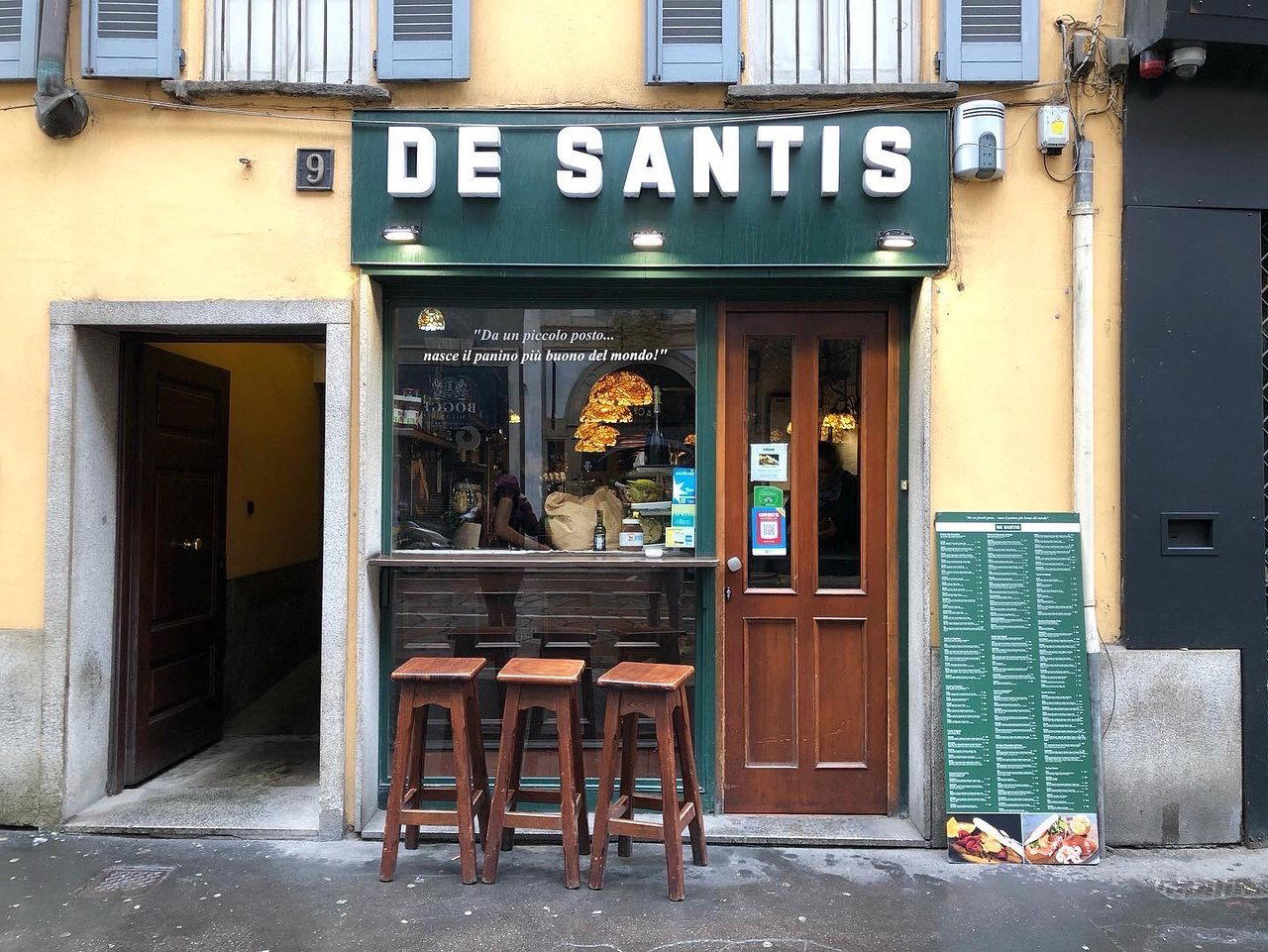
Corso Magenta and the Serious Sandwich
There is a particular type of eating establishment that Milan does quietly and without fanfare: the panineria that operates on the logic of a fine kitchen rather than a fast-food counter. On Corso Magenta, the broad, tree-lined avenue that runs west from the church of Santa Maria delle Grazie toward the Castello Sforzesco, Panini De Santis is a casual Milanese Gourmet Panini restaurant at Corso Magenta, 9, 20123 Milano MI, Italy,310 reviews and a price level around $15 per person. The street itself matters as context. Corso Magenta is not a tourist artery in the way that the Duomo precinct is, nor is it a design-district destination like the Brera. It is where Milanese professionals and residents actually move through the city, and the eating habits of that catchment area tend toward quality without performance.
The broader pattern in Italian sandwich culture is worth understanding before you arrive. Italy's serious paninerie operate within a sourcing logic that connects directly to the country's DOP and IGP ingredient network: the provenance of the cured meat, the specific region a cheese comes from, the relationship between the bread and the filling's fat content. At its leading, this is ingredient-driven cooking compressed into a handheld format, and the craft lies entirely in selection and assembly rather than technique. In Milan, the gap between a panino made with certified regional ingredients and one made with generic supermarket cold cuts is not a marketing distinction. It is a sensory one that is immediately legible to anyone who has eaten both.
What the Sourcing Argument Looks Like in Practice
Milan's position within the Italian food supply chain is structurally advantageous. The city sits within reach of Emilia-Romagna's cured meat production, Lombardy's own cheese traditions including Grana Padano and Taleggio, and the Piedmontese larder to the west. A panineria operating in this geography can, if it chooses to, build its menu almost entirely from ingredients carrying protected designation status. The result is not an artisanal affectation but a reflection of how Italy's food geography actually works: the ingredients with the strongest provenance credentials happen to be the ones produced closest to Milan.
This sourcing logic is what separates the category of serious Milanese sandwich counter from the broader Italian street food market. The comparison is instructive: at the upper end of Italian dining, where tasting menus at restaurants like Osteria Francescana in Modena or Piazza Duomo in Alba foreground regional ingredient identity as a central argument, the ingredient sourcing framework is identical. The difference is format and price point, not philosophy. What Uliassi in Senigallia does with Adriatic seafood at tasting-menu prices, a disciplined panineria does with Emilian charcuterie at counter prices. The logic of provenance runs through both.
The Milanese Lunch Context
Understanding where Panini De Santis fits requires understanding how Milan eats at midday. The city does not do the long, leisurely lunch of the south. The working lunch in Milan is a transaction, but it is not a graceless one: there is an expectation of quality that other European business cities do not reliably meet. The pausa pranzo on Corso Magenta draws office workers, architects from nearby studios, and residents from the quarter's apartment buildings. This is a demanding audience that eats the same lunch spots repeatedly across a working year, which means that inconsistency registers immediately and quality is a baseline rather than a differentiator.
For visitors, the neighborhood positioning is a practical consideration. Corso Magenta places you within walking distance of Leonardo's Last Supper at Santa Maria delle Grazie, the Castello Sforzesco, and the Museo Nazionale della Scienza e della Tecnologia. A midday stop at a counter like De Santis fits naturally into a morning of museum-going in this part of the city, and the format, counter service, eat standing or find a seat, is calibrated for exactly that kind of visit. Milan's more ambitious restaurant formats, from the multi-course programs at Enrico Bartolini or Seta to the modern Italian registers of Andrea Aprea and Cracco in Galleria, operate in a different register entirely. De Santis is the version of Milan that functions without reservation systems, dress codes, or theatrical service, and it is no less Milanese for that.
Reading Milan Through Its Counters
The serious sandwich counter is one of the more reliable indicators of a city's food culture at the everyday level. It is harder to maintain quality in a high-volume, low-margin format than in a controlled tasting-menu environment where portion size and prep time can be managed precisely. The fact that this format persists in Milan at a quality level above the European average reflects something about the city's food standards generally, not just about any individual operation.
For comparison: Italy's destination restaurant scene, from Le Calandre in Rubano to Dal Pescatore in Runate to Enoteca Pinchiorri in Florence, shares a common foundation with the everyday food culture: respect for the ingredient's origin. The same applies at the counter. Venues like Reale in Castel di Sangro, Quattro Passi in Marina del Cantone, and Atelier Moessmer Norbert Niederkofler in Brunico have each built serious culinary reputations on the back of regional ingredient specificity. That same specificity, applied at the sandwich counter, is what distinguishes a De Santis from a generic bar offering a tramezzino from a vacuum pack. For anyone building a picture of Milan's food culture across formats and price points,
Planning Your Visit
Corso Magenta 9 is accessible from the Cadorna metro station on lines M1 and M2, a short walk west. The counter format means there is no booking requirement, but midday on weekdays draws a working crowd, and arriving before or after the noon-to-one peak is the practical move. The restaurant is open daily from 11 AM to 11 PM, and the price point is about $15 per person.
Further Reading
For Milan's formal dining tier, see our coverage of Verso Capitaneo and the creative formats operating in the city's upper bracket. For reference points outside Italy operating in a similarly ingredient-led register, Le Bernardin in New York City and Atomix in New York City demonstrate how sourcing discipline translates across formats and geographies. And for a benchmark on what rigorous provenance thinking looks like at the other end of the formality scale, Casa Perbellini 12 Apostoli in Verona offers a useful northern Italian counterpoint.
Recognition, Side-by-Side
Comparable venues nearby, for context on price, style, and recognition.
| Venue | Cuisine | Price | Notes |
|---|---|---|---|
| Panini De Santis - MilanThis venue — the venue you are viewing | Milanese Gourmet Panini | $$ | Not listed |
| El Mora | Italian Grill and Seafood | $$ | Duomo |
| Baladin Milano | Italian Craft Beer Gastropub | $$ | Brera |
| Savô Pizzeria Gourmet | Gourmet Italian Pizza | $$ | Porta Garibaldi - Porta Nuova |
| Cortile Flora | Italian Seafood | $$$ | Brera |
| Belle Donne Bistrot | Modern Italian Mediterranean Bistro | $$$ | Porta Genova |
Continue exploring
More in Milan
Restaurants in Milan
Browse all →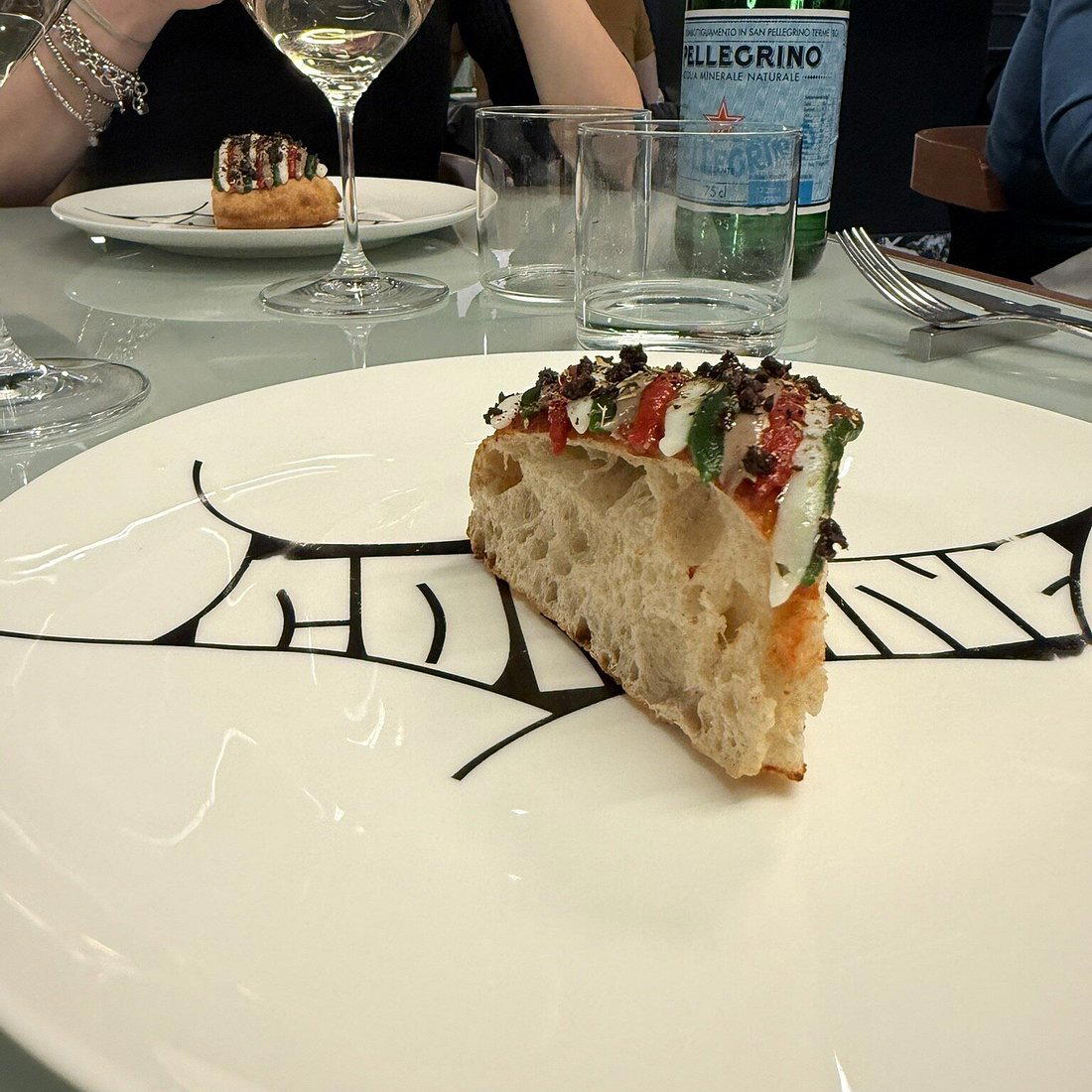
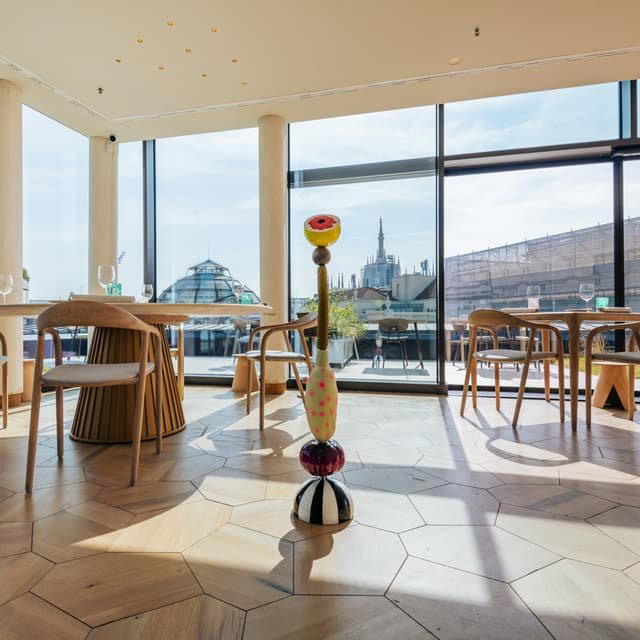
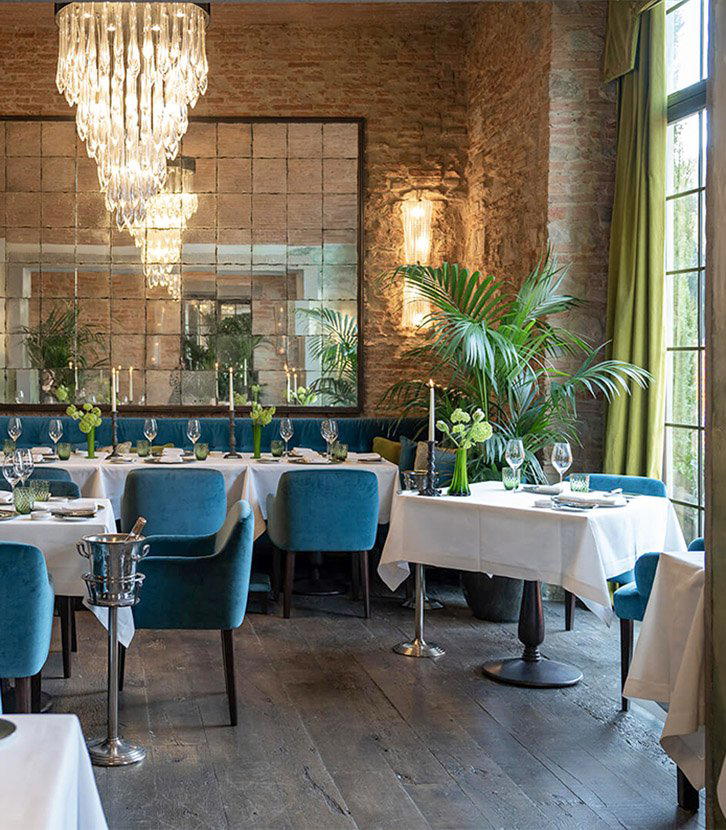
Bars in Milan
Browse all →
Hotels in Milan
Browse all →
At a Glance
- Classic
- Cozy
- Casual Hangout
- Historic Building
- Street Scene
Current opening hours
- Monday
- 11 AM–11 PM
- Tuesday
- 11 AM–11 PM
- Wednesday
- 11 AM–11 PM
- Thursday
- 11 AM–11 PM
- Friday
- 11 AM–11 PM
- Saturday
- 11 AM–11 PM
- Sunday
- 11 AM–11 PM
Hours can change for holidays and private events. Last verified .
Casual, bustling counter-service spot with a historic, no-frills Milanese feel and focus on quick, flavorful eats.