Based in Lombardy's industrial heartland, the house has shaped the European amaretto and liqueur tradition across generations. Visitors encounter a production legacy rooted in northern Italian craft, sitting within a broader cluster of significant Italian distilling and winemaking institutions.
Pearl is the En Primeur Club membership app — saves, bookings, and concierge access live there. Same editors, same standards.
- Address
- Via Gorizia, 41, 21047 Saronno VA
- Phone
- +39 02 9670 1021
- Website
- lazzaroni.it
- Directions
- Get directions
 Saves & bookings on Pearl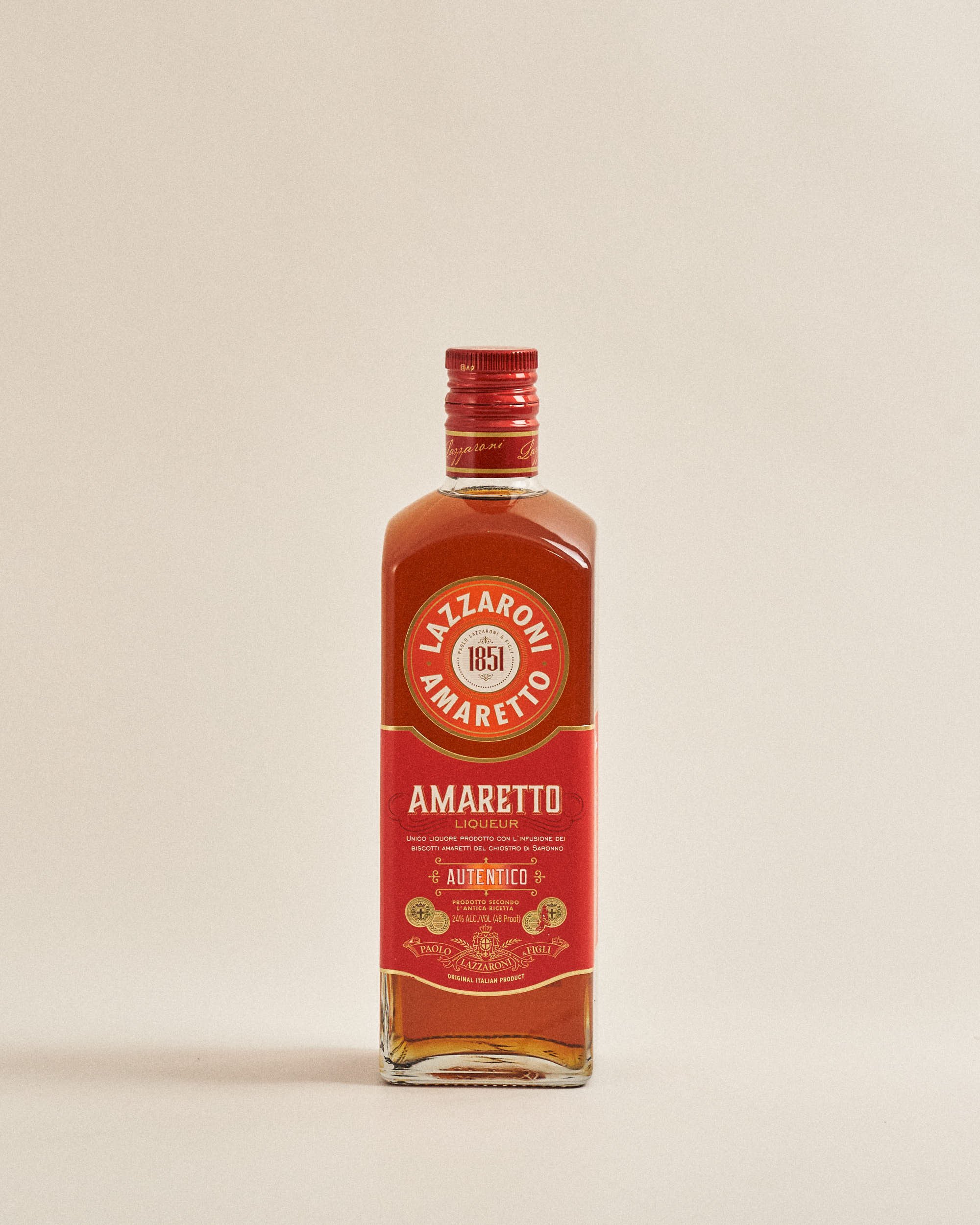
A Saronno Institution in Italy's Liqueur Tradition
Saronno is not a city that announces itself loudly on Italy's premium drinks circuit. It sits in the Lombard plain between Milan and Varese, its name recognised internationally more through product than place. Yet for those who follow Italian liqueur history at the production level, the town holds an outsized position. Two major houses with roots in the same amaretto tradition operate here, and their combined legacy has made Saronno a reference point in how northern Italy industrialised artisan liqueur-making without entirely abandoning its craft identity. Ditta Paolo Lazzaroni & Figli, based at Via Gorizia 41, is the older and less globally marketed of the two, which places it in an interesting competitive position: operating at a tier recognised by specialist award panels while remaining outside the mass-awareness category dominated by its neighbour Illva Saronno (Disaronno).
Italy's premium spirits and liqueur sector has, over the past decade, split along familiar lines: large international footprints backed by marketing budgets, and smaller heritage operations whose credibility rests on historical depth and production consistency. Lazzaroni occupies the latter category. That kind of rating signals breadth of craft, the sort of recognition that comes from consistent performance across a portfolio rather than a breakout single expression. For context on how Italian producers at this level are assessed, the recognition patterns of peers like Ca' del Bosco in Erbusco or Lungarotti in Torgiano, both of which have built reputations through portfolio depth and regional rootedness rather than single-product celebrity.
The Amaretto Context: What Saronno Actually Produces
Amaretto, the almond-and-apricot-kernel liqueur most associated with this city, is one of the more misunderstood categories in Italian spirits. It reads as a dessert product in many markets, yet at the production level it requires precise management of bitterness from bitter almonds or apricot kernels, sweetness calibration, and infusion consistency. The Saronno tradition, which Lazzaroni represents alongside the more commercially dominant Disaronno brand, developed from confectionery heritage. The town's amaretti biscuits, light, crisp macaroon-style cookies made from bitter almond paste, predate the liqueur by centuries, and the crossover between the two products reflects a regional artisan logic that connects pastry craft with distillation.
Within that broader tradition, Lazzaroni has maintained a distinct identity by producing both the biscuit and the liqueur under the same house name. This is comparatively rare: most Italian liqueur producers occupy either the confectionery or the spirits side, not both. The dual-production model positions the house closer to a craft food house than a spirits brand in the conventional sense, which affects how its products are assessed, distributed, and consumed. It also means that visitors engaging with Lazzaroni are encountering a production philosophy that treats the amaretto tradition as a culinary whole rather than a beverage category. For a useful parallel in how Italian craft producers have maintained dual-product identities across long timelines, the approach of Distilleria Romano Levi in Neive is instructive, though the product categories differ substantially.
Where Lazzaroni Sits in the Italian Spirits comparable set
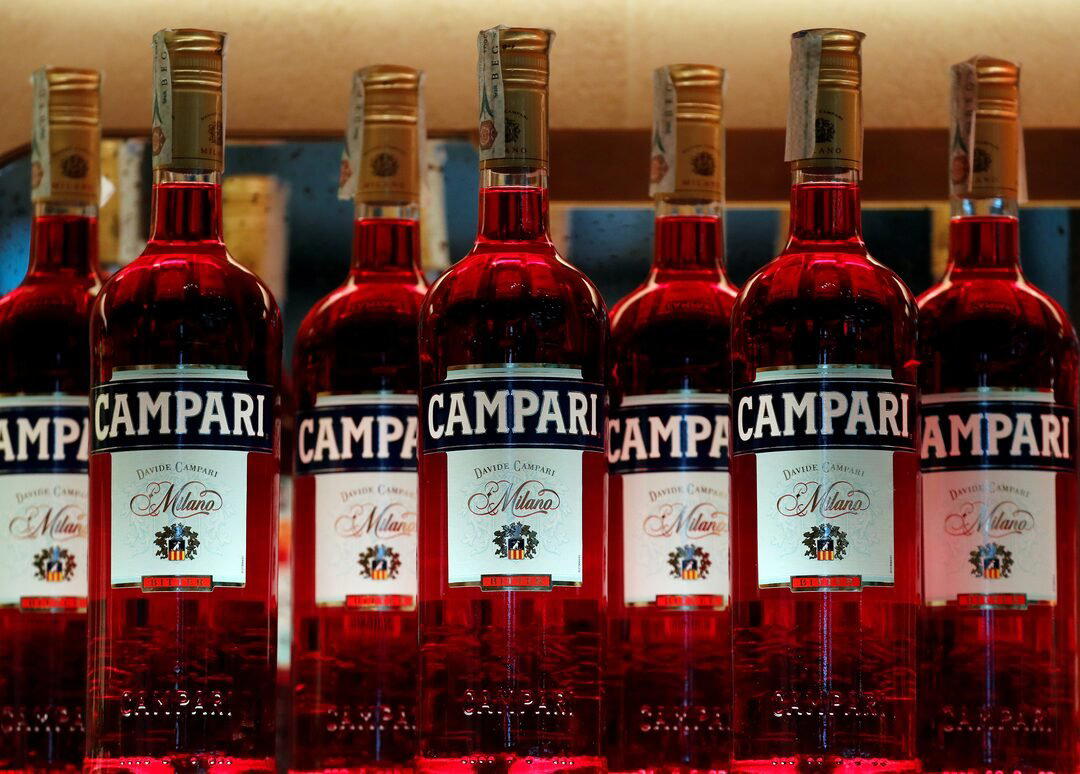
Italy's premium spirits producers form a geographically and categorically diverse group. In the northeast, grappa houses like Nonino Distillery in Pavia di Udine and Distilleria Marzadro in Nogaredo have built reputations on single-varietal grape marc distillation. In Milan, Campari operates at a scale and commercial reach that places it in an entirely different competitive tier. Lazzaroni's comparable set is neither the grappa houses nor the international spirits conglomerates. It sits closer to regional heritage producers whose output is defined by a specific geographic and botanical tradition: northern Italian, almond-forward, rooted in Lombard food culture.
That positioning has implications for how the house is recognised. This is the same framework that tends to favour producers like Aldo Conterno in Monforte d'Alba or Castello di Volpaia in Radda in Chianti, operations where the quality signal comes from the product and the track record, not the marketing infrastructure.
For visitors approaching Saronno from a wine-forward Italian itinerary, the contrast is useful. Winemaking regions like Montalcino, where L'Enoteca Banfi and Poggio Antico operate, or Sicily, where Planeta in Menfi has defined a new regional identity, reward visitors through direct terroir encounters. Saronno offers something different: an encounter with Italian liqueur craft at the point of its historical origin, in an industrial town that has preserved a production tradition despite the pressures of category consolidation. That is a specific kind of value, and one that doesn't require translation into vineyard aesthetics to be compelling. Readers planning a broader Lombard route can reference our full Saronno restaurants guide for complementary stops in the city.
Planning a Visit: Practical Considerations
Saronno is accessible by rail from Milan's central and Cadorna stations, with journey times typically under forty minutes on the regional network. The city is compact, and the Lazzaroni address at Via Gorizia 41 sits within the urban area.
The wider Saronno visit pairs naturally with engagement at Illva Saronno, the city's other major liqueur house, which allows direct comparison between the two interpretations of the amaretto tradition. For travellers building an itinerary around Italian craft spirits rather than wine, Saronno functions as the anchor point for Lombardy, much as Neive or Pavia di Udine anchor grappa visits in their respective regions. For additional context on how Accendo Cellars navigates the premium allocation model in a different geography, the Accendo Cellars in St. Helena entry offers a useful international comparison point for how heritage and scarcity interact at the prestige tier.
Booking and Cost Snapshot
Comparable venues nearby, for context on price, style, and recognition.
| Venue | Cuisine | Price |
|---|---|---|
| Lazzaroni (Ditta Paolo Lazzaroni & Figli)This venue — the venue you are viewing | Saronno, Winery | $$ |
| Illva Saronno (Disaronno) | Saronno, Lombardy | $$$ |
| Gruppo Montenegro | Winery | Not listed |
| Amaro Santa Maria al Monte | Winery | Not listed |
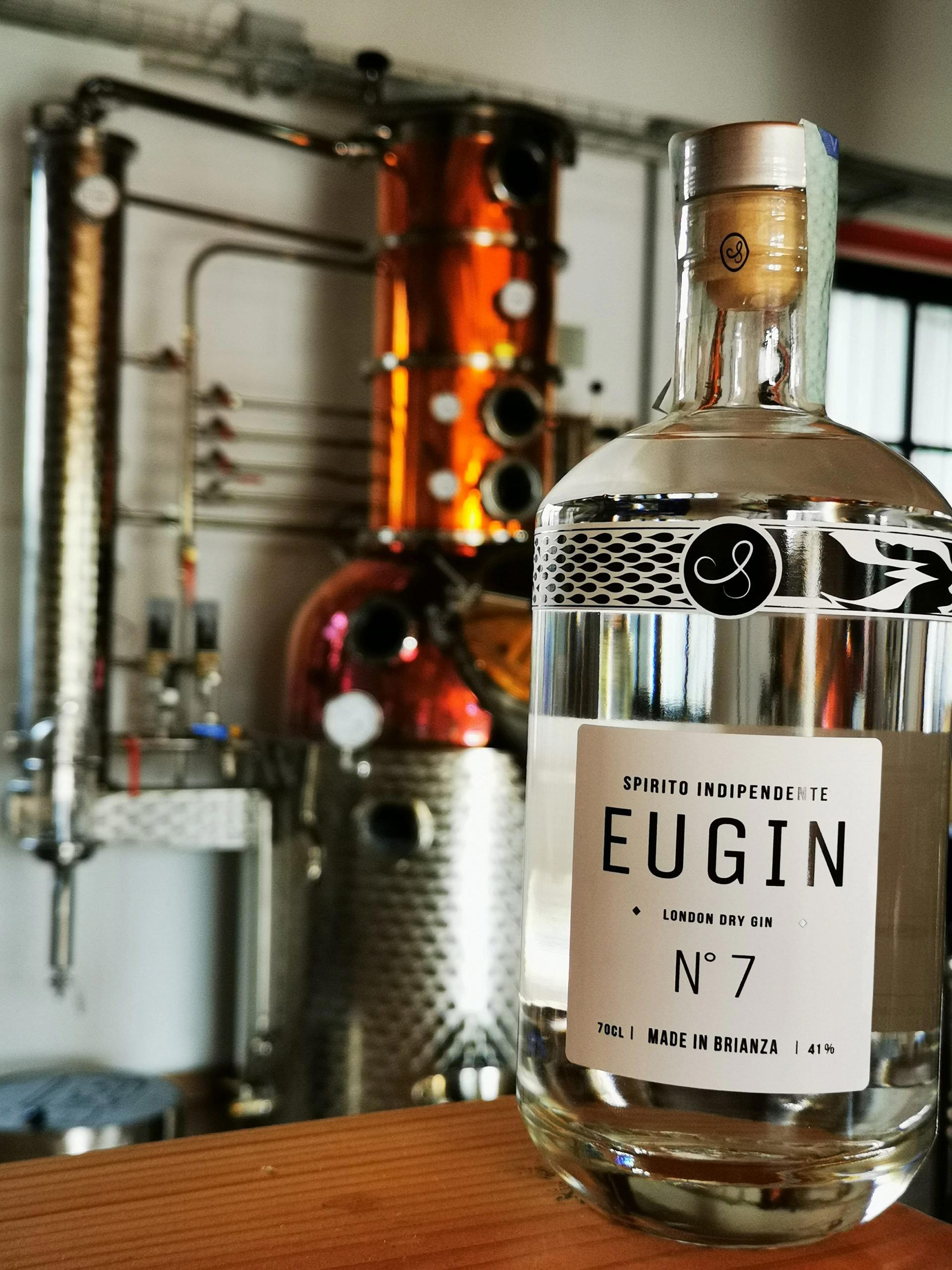
| Eugin Distilleria Indipendente | Meda, Winery | $$ |
| Fernet-Branca | northern Milan, Milan | $$ |
Continue exploring
More in Saronno
Wineries in Saronno
Browse all →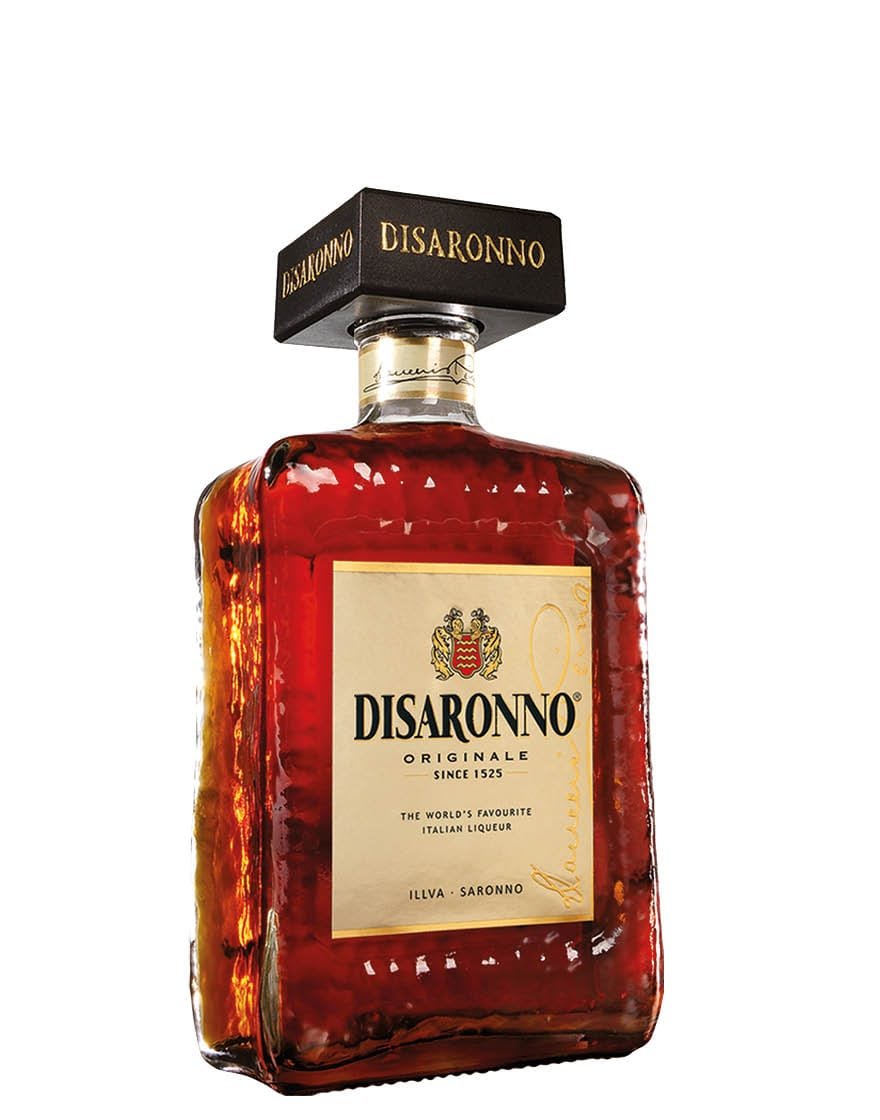
Bars in Saronno
Browse all →
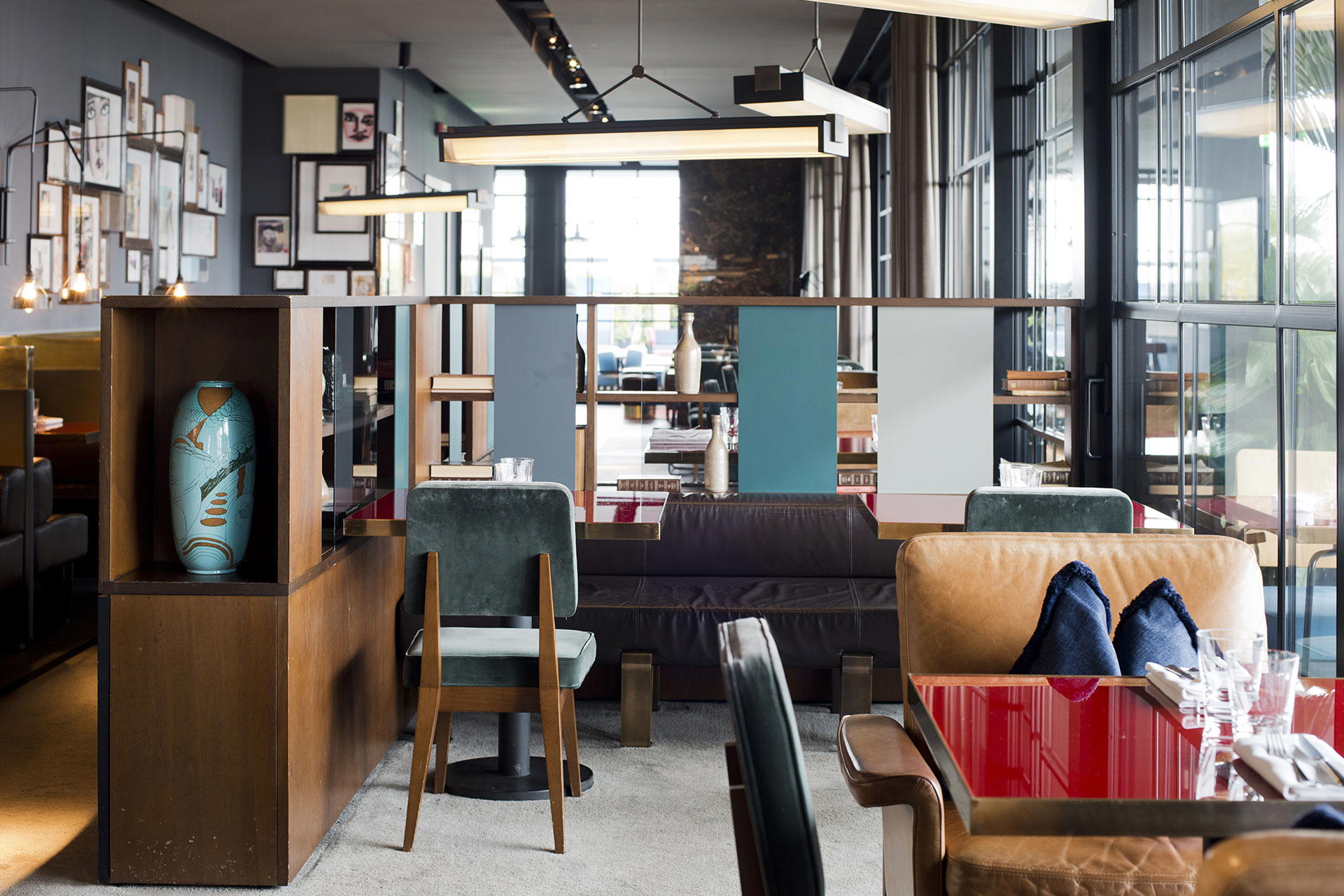
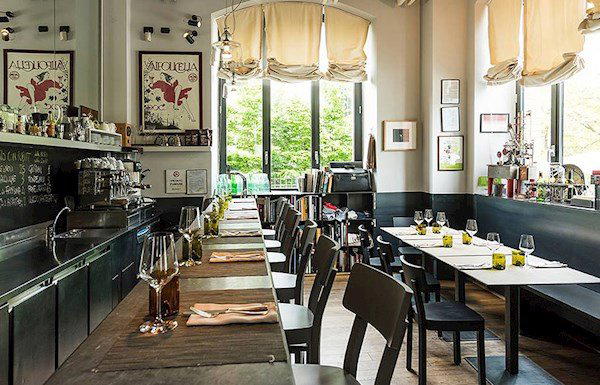
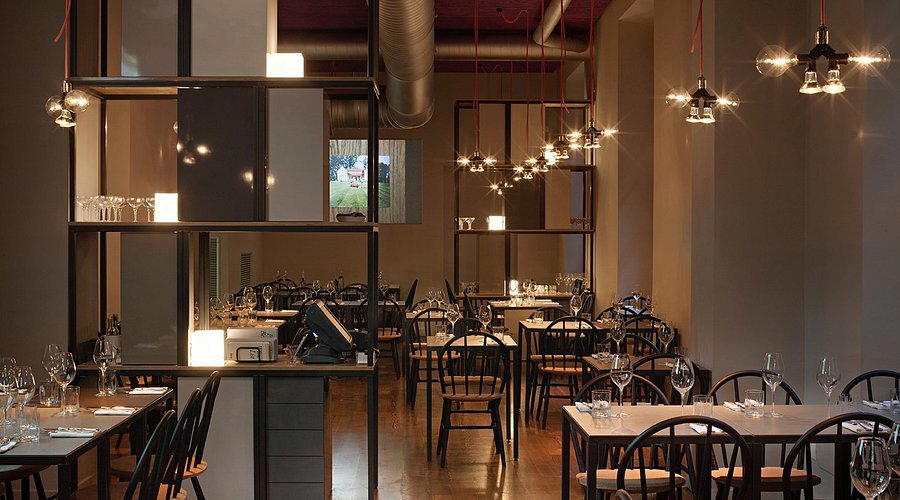
Restaurants in Saronno
Browse all →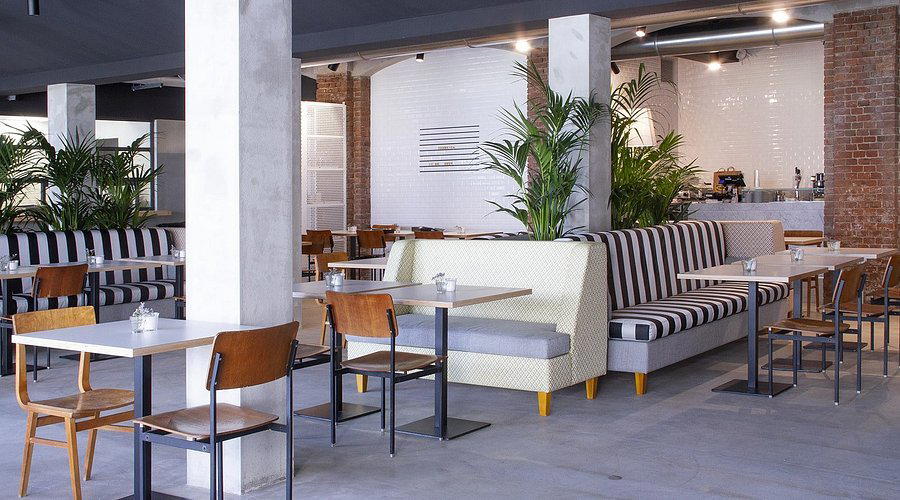
At a Glance
- Classic
- Well Known
- Sophisticated
- Special Occasion
- Historic Building
- Fortified
- Liqueur Tasting
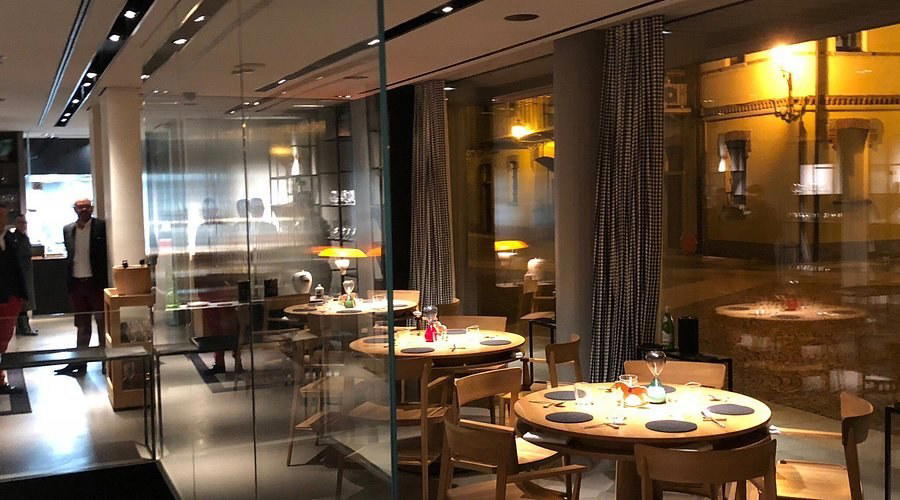
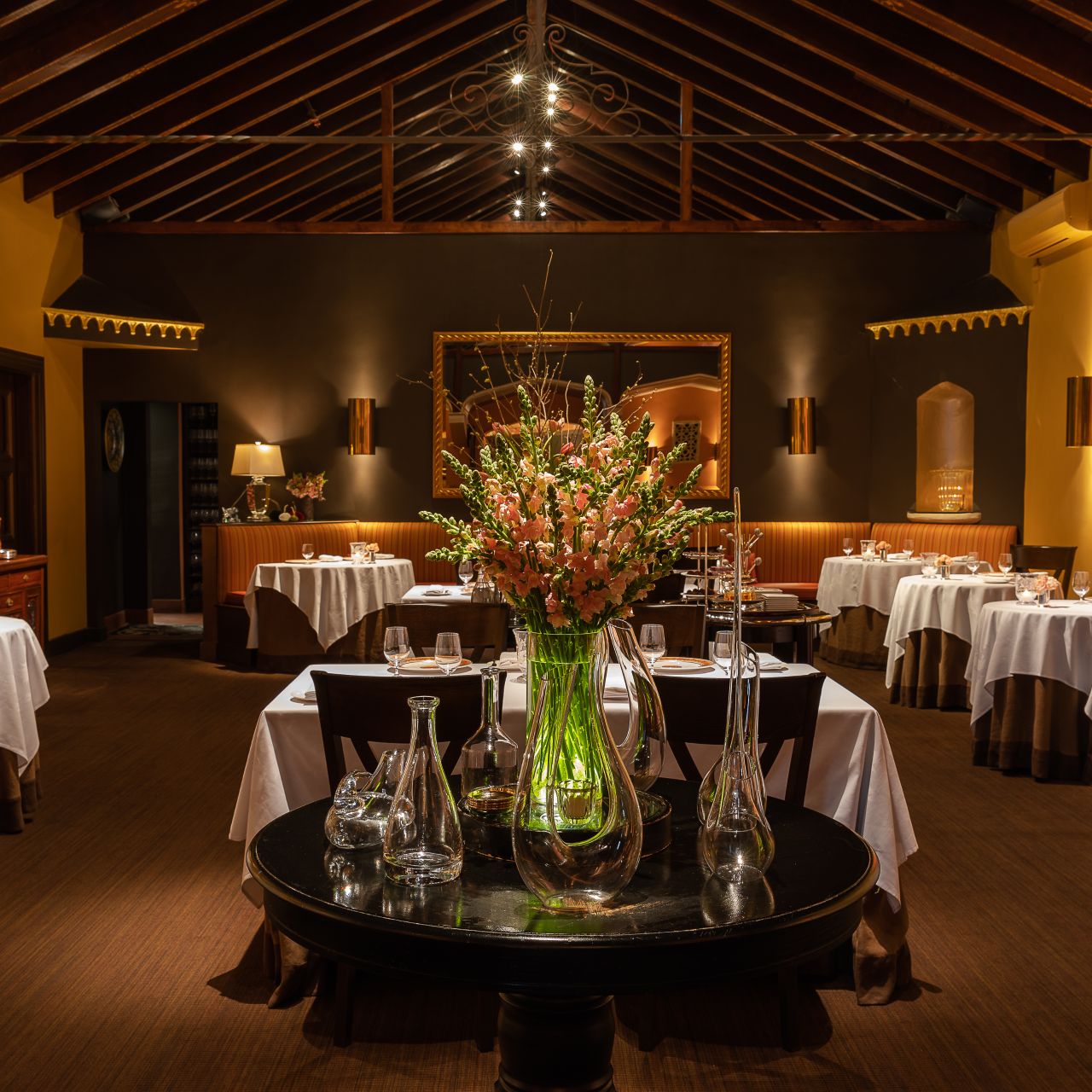
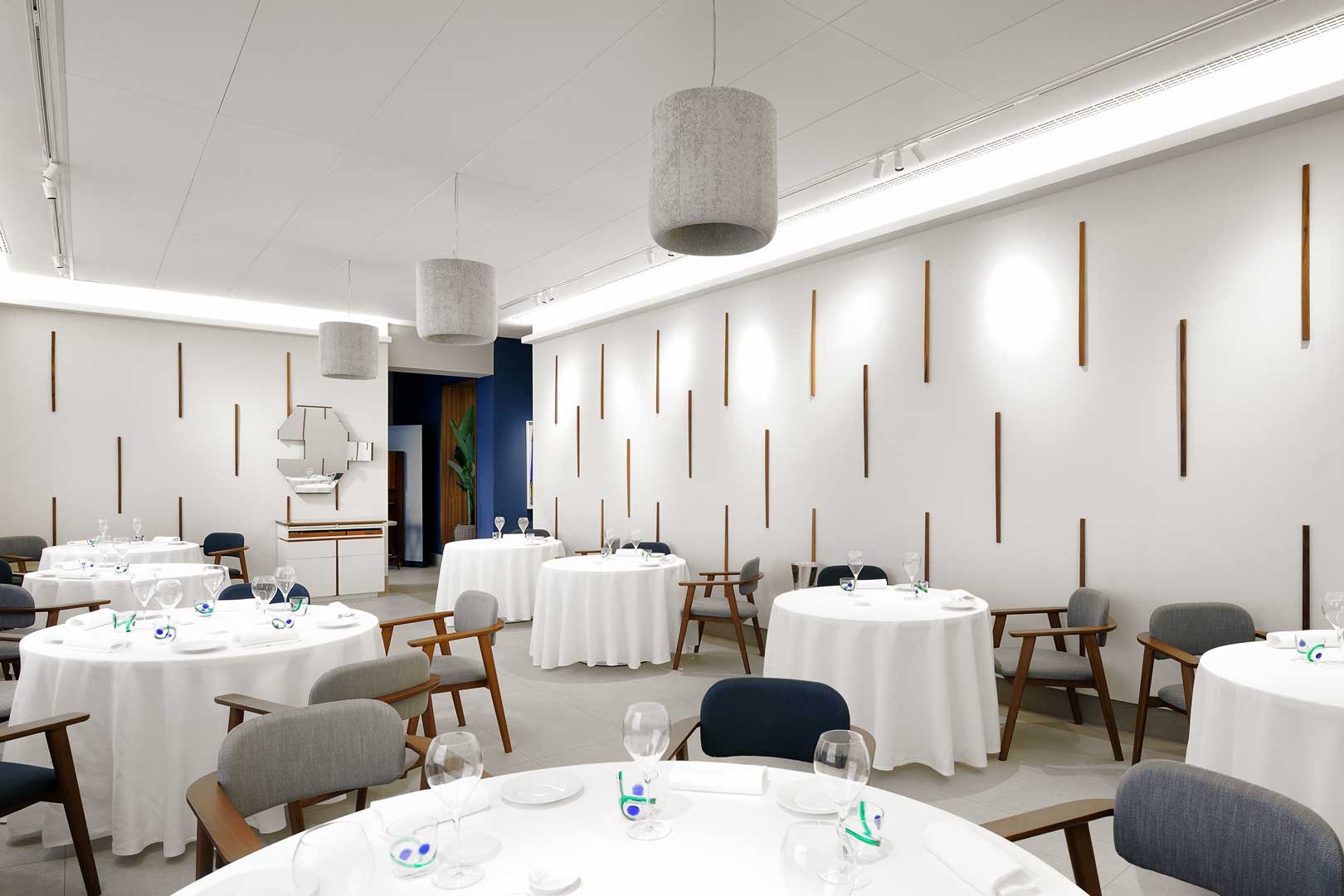
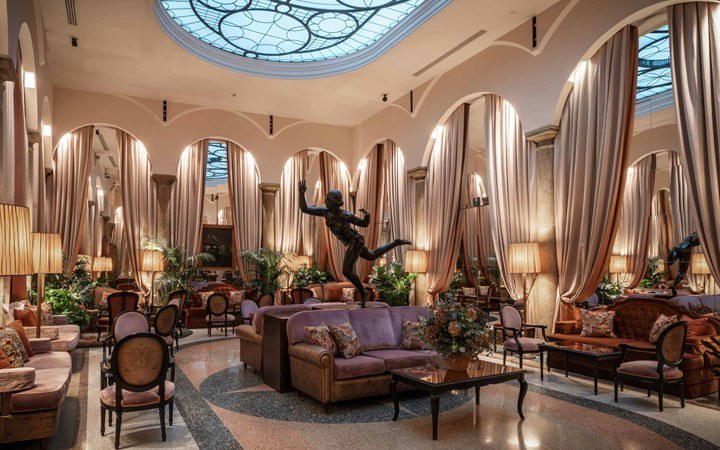
Traditional Italian artisanal production facility with heritage dating back nearly 175 years, reflecting centuries-old craftsmanship and family recipes.