


1 Michelin Key · La Liste Top Hotels · Forbes 4-Star
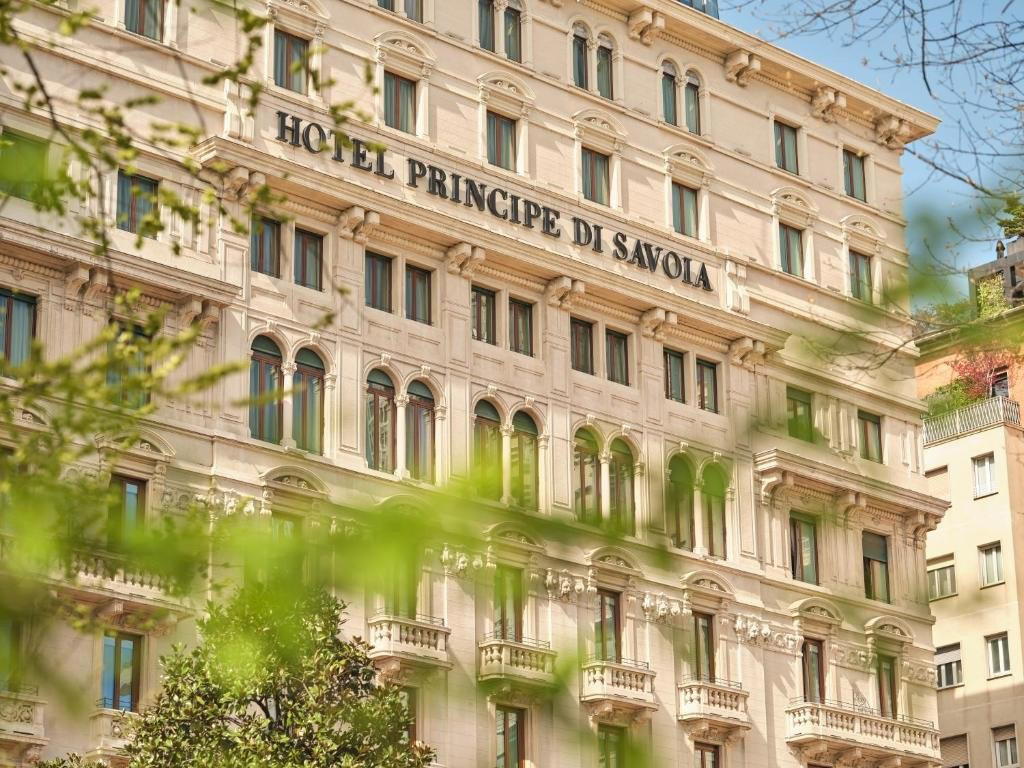
For nearly a century, the Hotel Principe di Savoia has served as the reference point for luxury accommodation in Milan. Part of the Dorchester Collection, the 301-room neoclassical property on Piazza della Repubblica holds a Michelin 1 Key (2024) and a La Liste Top Hotels score of 91.5 points (2026). Rates from $523 per night place it at the top of the city's grand hotel tier.

Pearl is the En Primeur Club membership app, where members save venues, book tables and use the concierge.
The Room That Sets the Standard
There is a particular quality of light in the lobby of the Hotel Principe di Savoia that resists replication. Crystal chandeliers fracture it into geometry across the carved plasterwork; the deep pile of the carpets absorbs it into warmth. This is Piazza della Repubblica, a short walk from the Stazione Centrale, and the address has functioned as Milan's de facto measure of grand hotel excellence for close to a hundred years. Walk into a conversation about where to stay in the city, and the Principe is the name invoked to establish a baseline, the hotel against which every other Milanese property is implicitly measured.
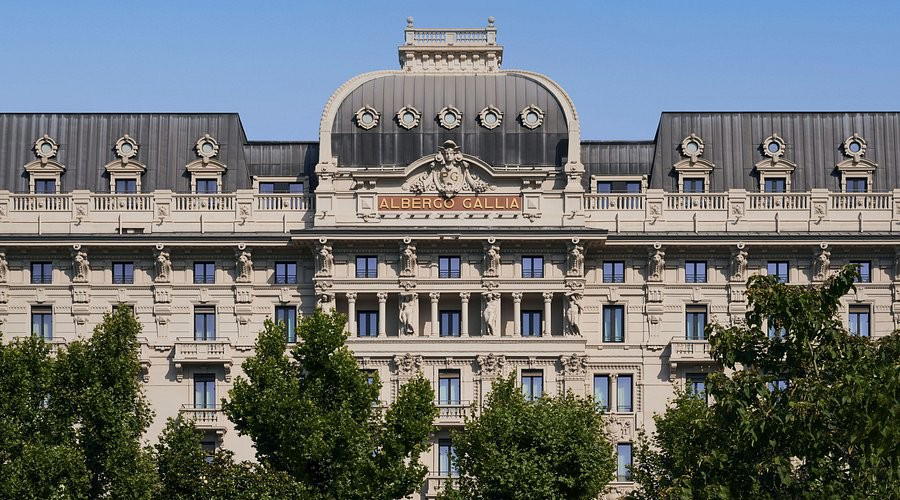
That position did not arrive by accident. The neoclassical architecture announces institutional permanence from the street, and the interior follows through with antique furniture, sumptuous velvets, and a quality of upholstery that communicates continuity rather than renovation. The atmosphere carries the texture of accumulated decades, which is a different thing entirely from feeling dated. A hotel that has genuinely stayed the same is not a place that has simply refused to change; it is one whose foundational character was sound enough to absorb modernisation without dilution.
Where Milan's Grand Hotel Tier Sits
The upper bracket of Milan hotel accommodation is more crowded now than it was a generation ago. The Bvlgari Hotel Milan brought design-led contemporary luxury to the Brera district; the Mandarin Oriental Milan occupies a restored palazzo in the fashion quadrilateral; the Armani Hotel on Via Manzoni made a statement about brand-anchored hospitality. More recently, smaller properties like Portrait Milano and Vico Milano have pursued the intimacy end of the market, while 3Rooms 10 Corso Como and the 10 Corso Como Café represent the culture-led boutique niche.
The Principe sits apart from all of these peer sets, not because it predates them, but because its competitive identity is rooted in the grand European hotel tradition rather than in any particular aesthetic movement or brand extension. With 301 rooms, a La Liste Leading Hotels score of 91.5 points (2026), and a Michelin 1 Key awarded in 2024, it operates at a scale and with a credential stack that places it alongside the Grand Hotel et de Milan in the city's institutional upper tier rather than the boutique-design tier. For context on what this level of recognition means in the broader Italian market, it is useful to compare it against properties like the Four Seasons Hotel Firenze in Florence or the Bulgari Hotel Roma in Rome, both operating in the same institutional-luxury register at their respective addresses.
The Sensory Register of the Property
Sound is one of the underrated qualities of a grand hotel, and the Principe manages it with the consistency of long practice. The lobby operates at a register that absorbs conversation without deadening it, the kind of acoustic environment that comes from high ceilings, deep carpets, and upholstered furniture working in combination rather than by deliberate acoustic design. There is movement, but no bustle. There is presence, but no noise.
The indoor pool extends that sensory logic into a different register entirely. The space carries the atmosphere of a private facility rather than a hotel amenity, which is the distinction that separates properties at this tier from those below it. During fashion week, when the hotel operates at a particular intensity of celebrity and industry traffic, the pool becomes one of the few genuinely quiet addresses in the building.
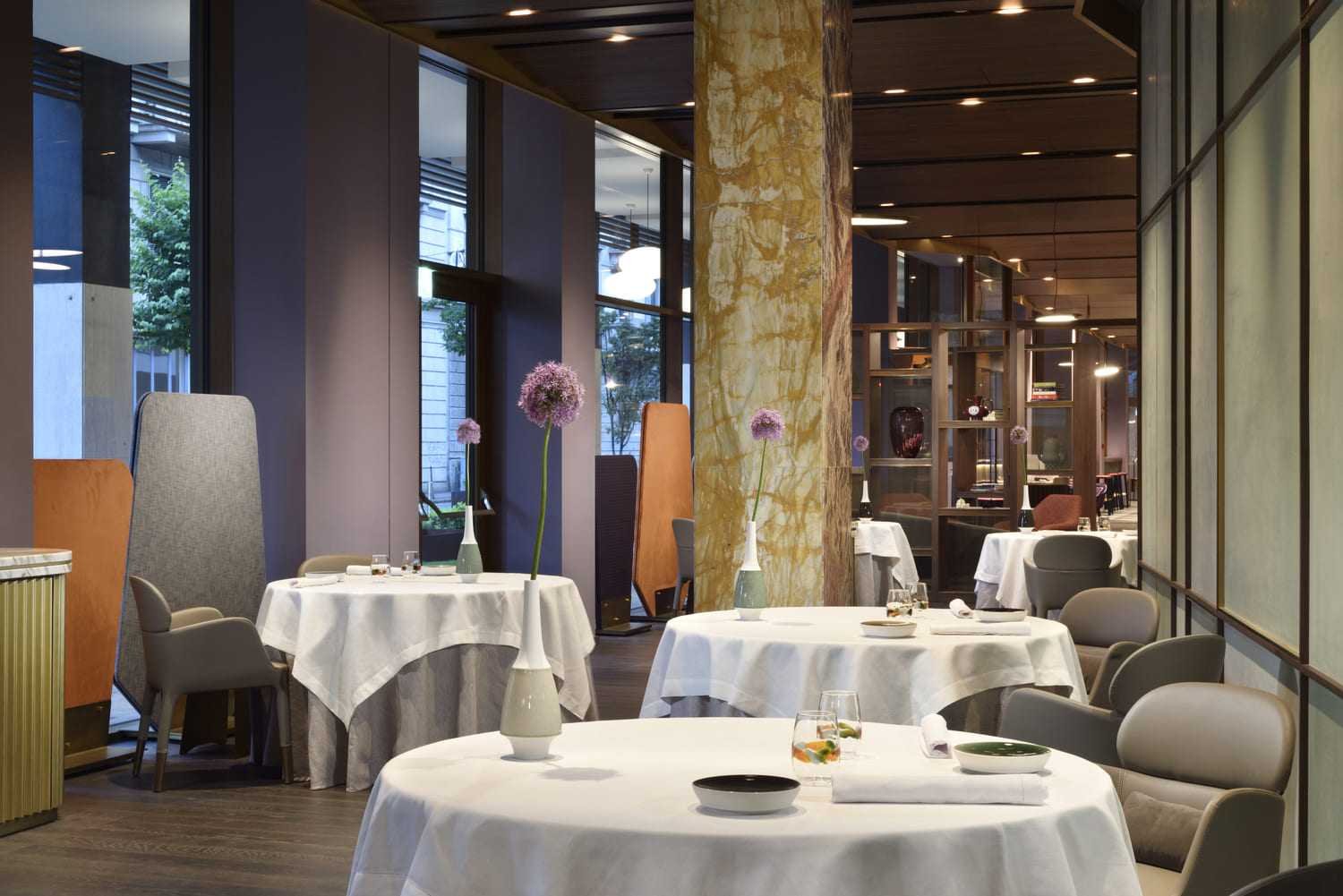
Room service at the Principe operates according to a presentation standard that has become increasingly rare in European luxury hotels: white linen tablecloths, silver trays, a single flower in a bud vase, and a waiter whose manner is studied without being theatrical. These details do not appear in the rate card, but they are part of what the rate purchases. At prices from $523 per night for a standard room, the Principe sits at the ceiling of the Milan market, and the room service presentation is one of the ways the property signals that the rate is earned rather than assumed.
Acanto and the Night Hours
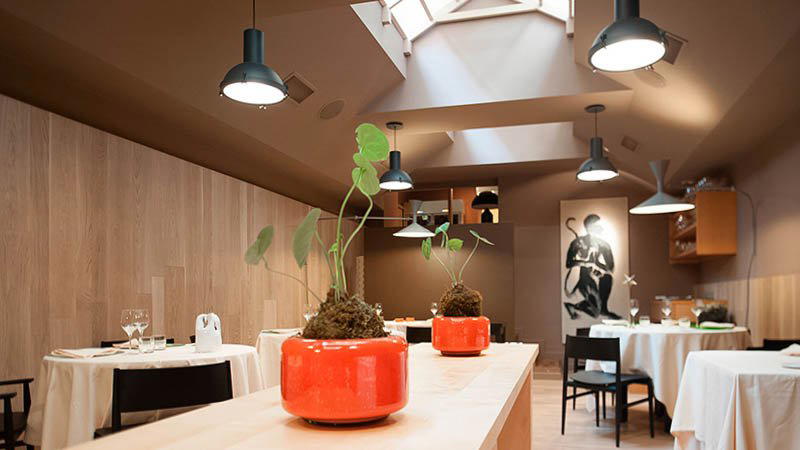
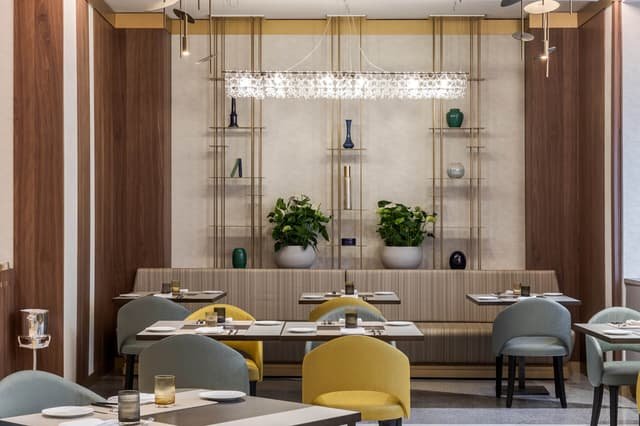
In most cities at this level of hotel, the in-house restaurant is a point of obligation rather than destination. The Principe's restaurant, Acanto, operates on different terms: it stays open into the early hours, which in a city that runs on late schedules and longer working days makes it genuinely functional rather than merely decorative. The kitchen's willingness to serve at hours when most kitchens have closed is a logistical fact that changes the experience of staying here, particularly for guests arriving late from other cities or finishing long industry dinners who want something restrained before bed.
The restaurant's relationship to the hotel lobby is architecturally continuous, which means the sensory environment of the property extends into the dining room rather than breaking into a separate register. The chandeliers, the linens, the quality of light: these follow you from check-in to dinner.
Fashion Week and the Concierge Desk
Milan has two modes: the city it is most of the year, and the city it becomes during fashion weeks. The Principe performs both with equal fluency, but it is particularly instructive during the latter. The hotel bar draws a fashion-adjacent crowd that reflects the industry's current geography in real time; the concierge desk becomes a clearinghouse for information about which cars are arriving, which flowers are being delivered to which suites, and what the morning's alliances and disruptions might mean for the afternoon's schedule. This is not a performance of relevance. It is what happens when a property has maintained the same institutional position long enough to become structurally embedded in the city's professional and social infrastructure.
For comparison, the equivalent institutional-anchor dynamic plays out differently in Venice, where the Aman Venice holds the position of discreet palazzo counterpart to the grand canal hotels, or in Positano, where Il San Pietro di Positano operates as the regional reference point in a different register entirely. In Milan, that position belongs to the Principe.
Planning Your Stay
The property's 301 rooms mean availability is less constrained than at Milan's boutique properties, but fashion week periods require planning months in advance. Rates from $523 per night position the hotel at the ceiling of the Milan market; the four-poster beds with their high-thread-count linens are among the most consistent sleep experiences in the city. The address on Piazza della Repubblica places guests within walking distance of the Stazione Centrale for train connections to other Italian cities, which makes the hotel logistically practical in addition to its ceremonial function. For anyone building an Italian itinerary that extends beyond Milan, properties like Passalacqua on Lake Como, Rosewood Castiglion Del Bosco in Montalcino, Borgo Santandrea on the Amalfi Coast, Borgo Egnazia in Puglia, or Casa Maria Luigia in Modena make natural continuations. For a full map of where the Principe sits within Milan's wider dining and hotel scene, see our full Milan guide.
A Pricing-First Comparison
Comparable venues nearby, for context on price, style, and recognition.
| Venue | Cuisine | Price | Awards | Notes |
|---|---|---|---|---|
| Hotel Principe di Savoia, Dorchester CollectionThis venue (the venue you are viewing) | Not listed | $300–500 | 1 Michelin Key · La Liste Top Hotels | Not listed |
| Casa Cipriani Milano | Not listed | Not listed | 1 Michelin Key · Virtuoso Luxury Hotel Partner | Guastalla, Historic palazzo transformed into an intimate luxury retreat reminiscent of gentlemen's clubs. |
| Palazzo Parigi Hotel & Grand Spa Milano | Not listed | Not listed | 1 Michelin Key · La Liste Top Hotels | Brera, Meticulously designed private palace with dazzling marble floors and light-filled spaces by architect Paola Giambelli. |
| Vico Milano | Not listed | $500–750 | 1 Michelin Key · Mr & Mrs Smith Seal of Approval | Porta Ticinese - Conca Del Naviglio, Boutique guesthouse in former fashion atelier blending global design with artisan craftsmanship. |
| Rocco Forte House, Via Manzoni, Milano | Not listed | $1,000–1,500 | Virtuoso Luxury Hotel Partner | Duomo, 19th-century palazzo with private apartments |
| Four Seasons Hotel Milano | Duomo, Hotel | Not listed | 2 Michelin Keys · Forbes 4-Star | Not listed |
Recognition history
Dated appearances from independent guides and award organizations, with the underlying list record or original source where available.
Michelin 1 Key
Michelin
La Liste Top Hotels
La Liste
Forbes 4-Star
Forbes
Full recognition history (5 entries)
Michelin 1 Key
Michelin
Michelin 1 Key
Michelin
Continue exploring
More in Milan
Hotels in Milan
All hotels in Milan →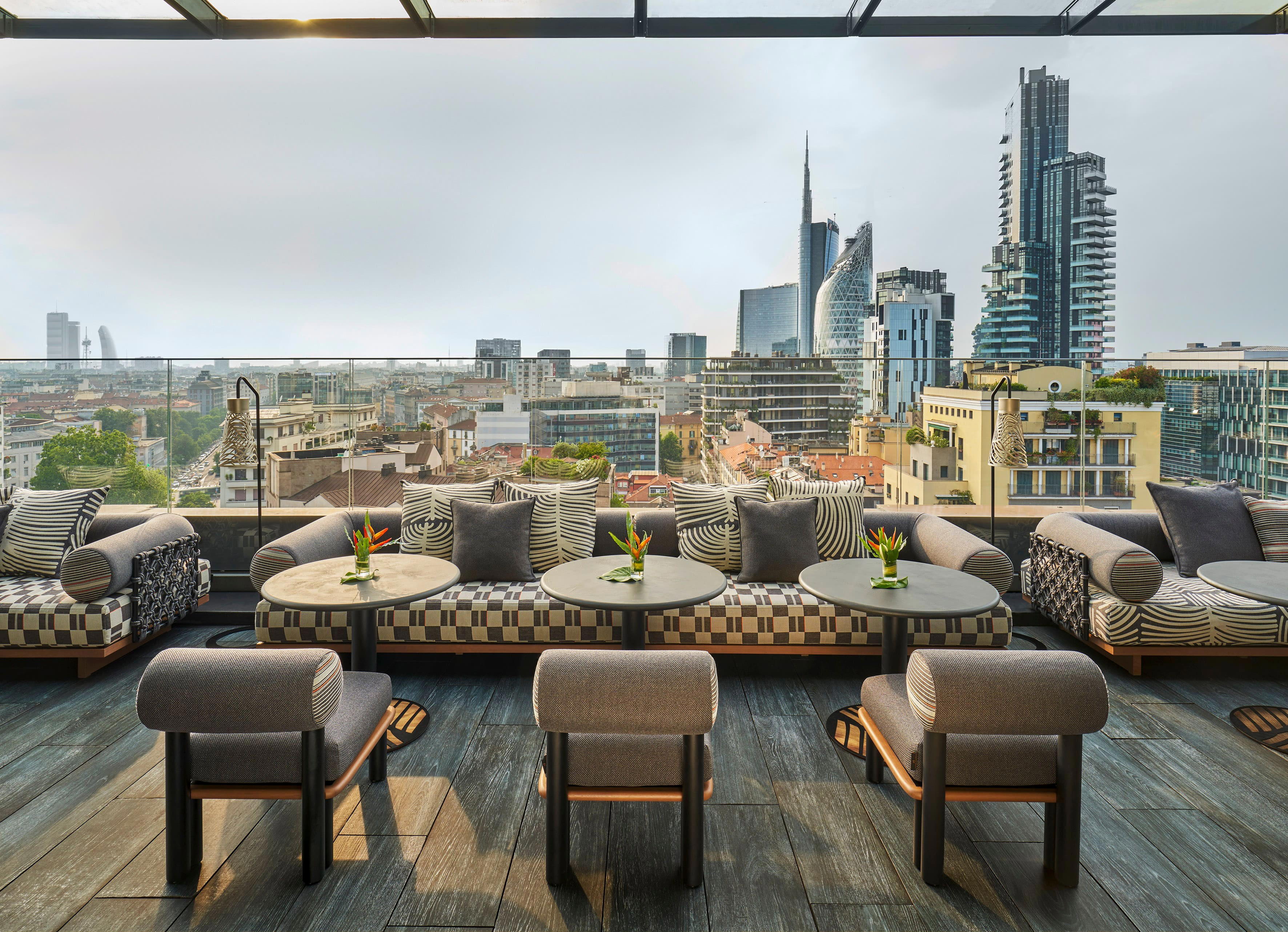
Bars in Milan
All bars in Milan →
Restaurants in Milan
All restaurants in Milan →
Details
- Elegant
- Sophisticated
- Ornate
- Classic
- Well Known
- Romantic Getaway
- Business Trip
- Anniversary
- Celebration
- Historic Building
- Panoramic View
- Terrace
- Wi Fi
- Pool
- Spa
- Fitness Center
- Room Service
- Concierge
- Business Center
- Valet Parking
- Skyline
- Garden
- Elevator
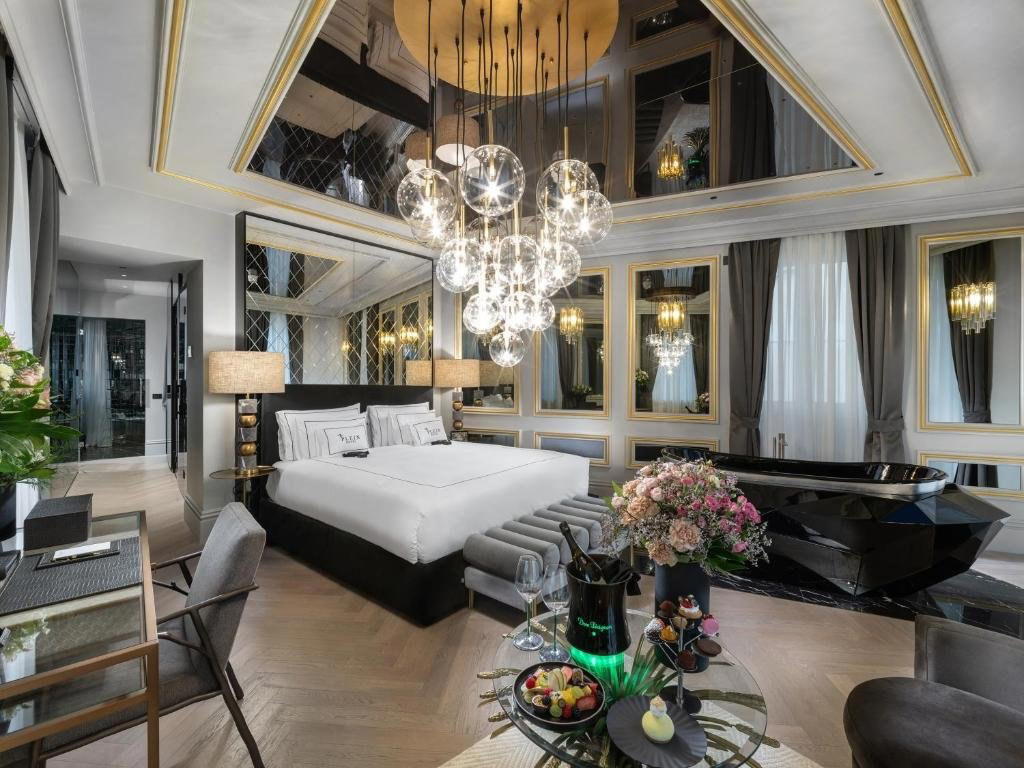
Elegant and ornate with refined decor, spacious rooms offering city views, polished cleanliness, and a serene spa atmosphere featuring steam rooms, saunas, and a rooftop pool.