1 Michelin Star
Our verdict
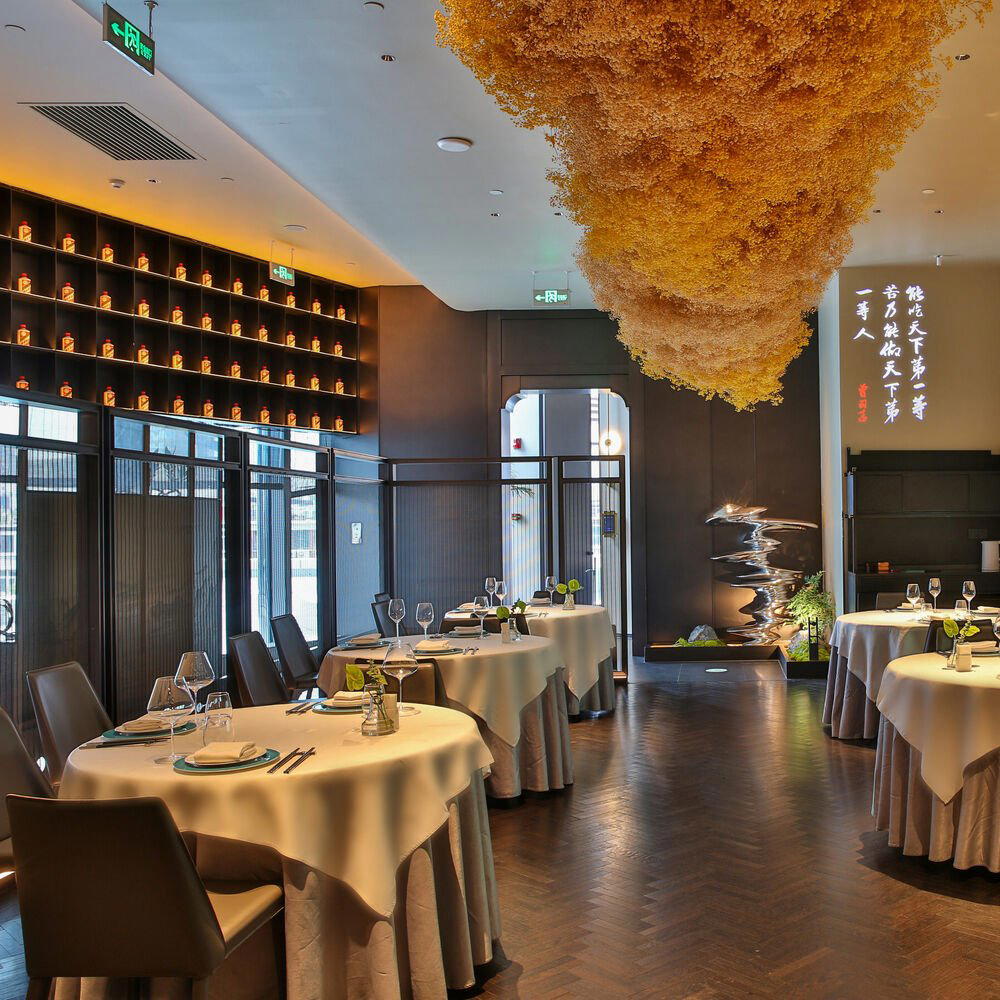
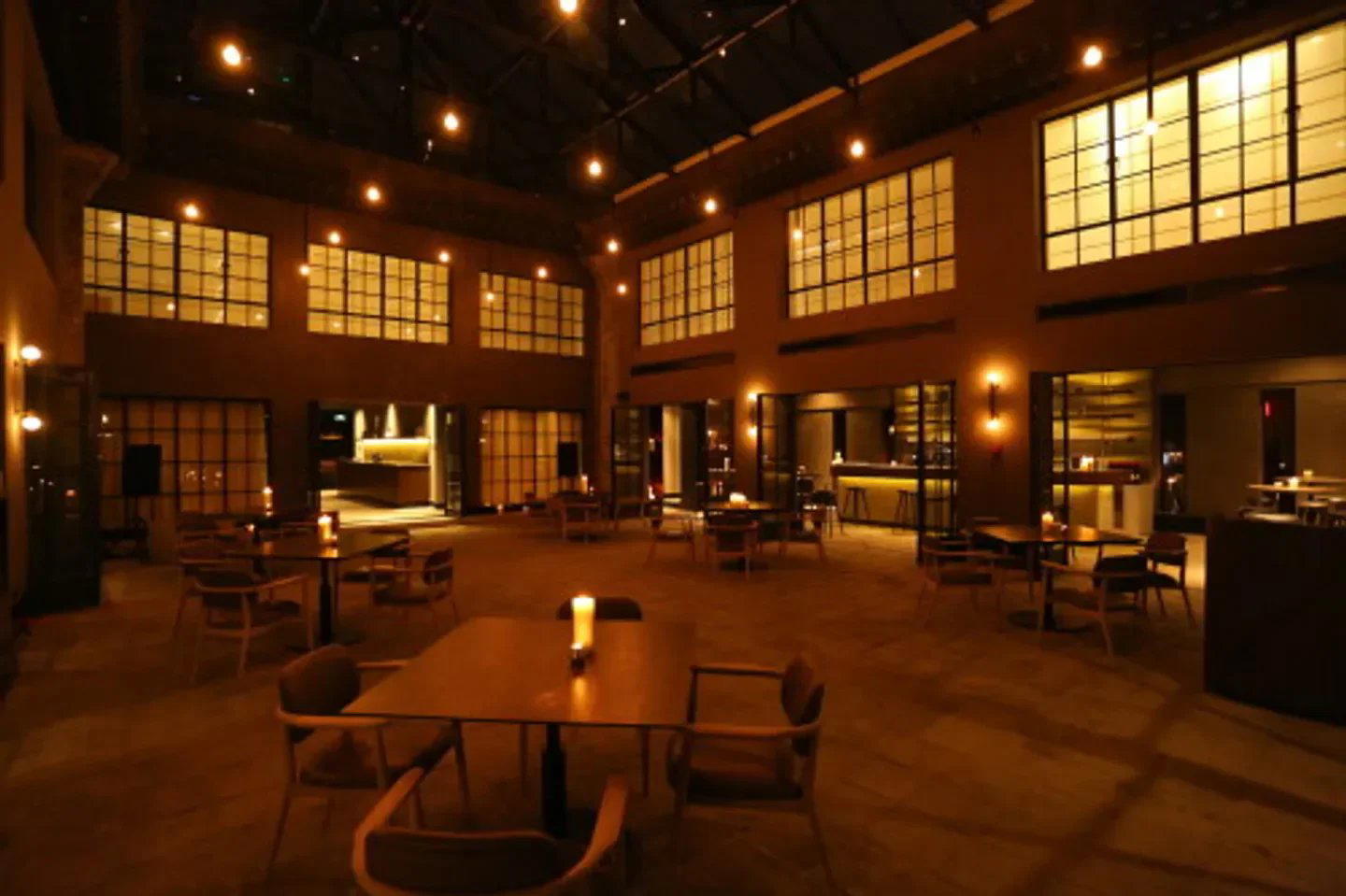
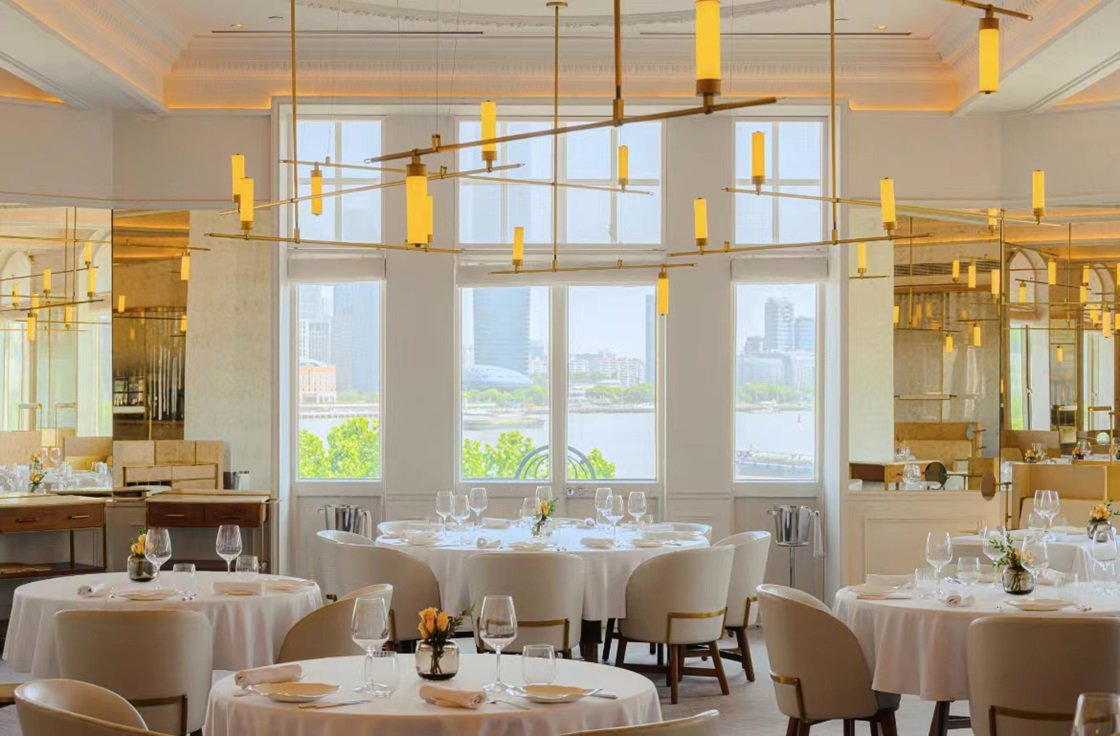
Zhiguan Courtyard occupies a hutong address in Dongcheng, attached to an art gallery and overlooking a historical garden through floor-to-ceiling windows. The kitchen draws from the Dongbei tradition, specifically Liaoning fisherman-style cooking, sourcing from Changbai Mountains and the Bohai Sea. A Michelin star in 2024 confirmed its position as one of Beijing's more considered regional Chinese restaurants at the ¥¥¥ price point.

Pearl is the En Primeur Club membership app, where members save venues, book tables and use the concierge.
The menu
What to order
- Green willow clams
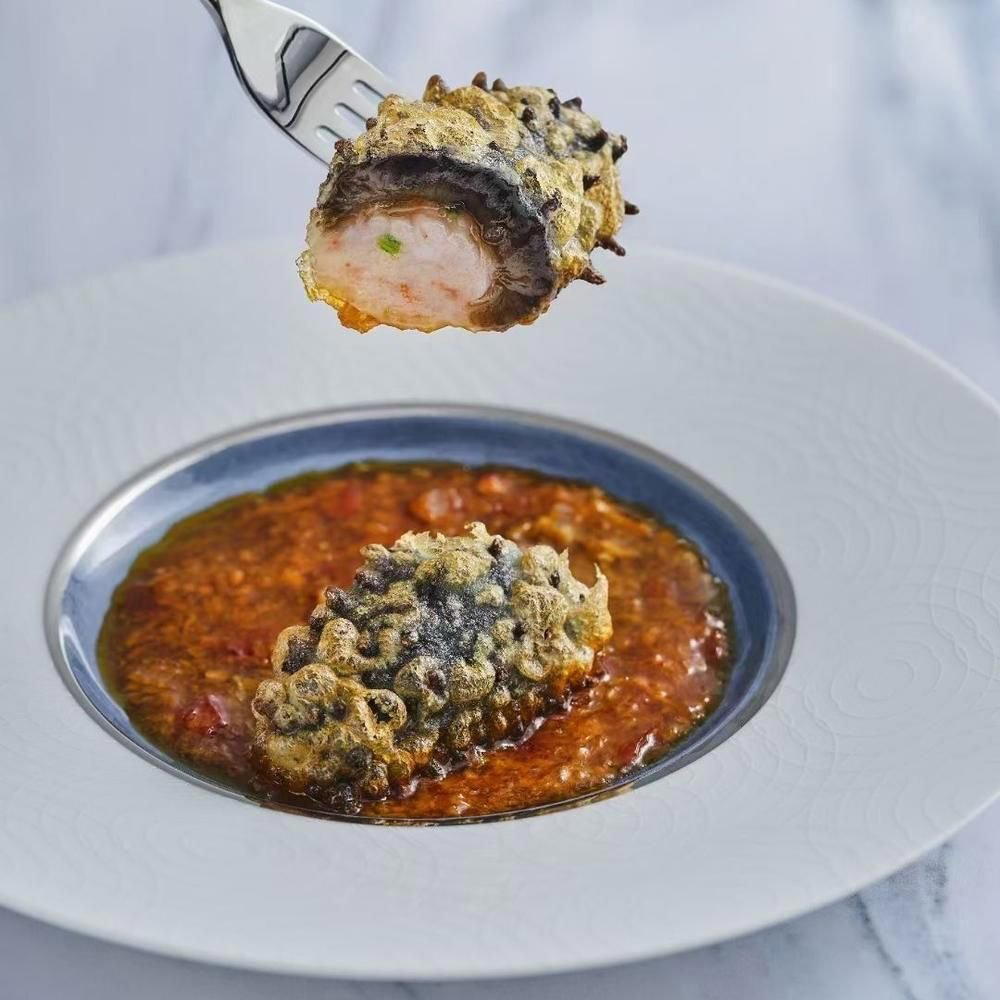
- Stir-fried sea snail with green onion
A Hutong Address Where Regional Cooking Gets Critical Recognition
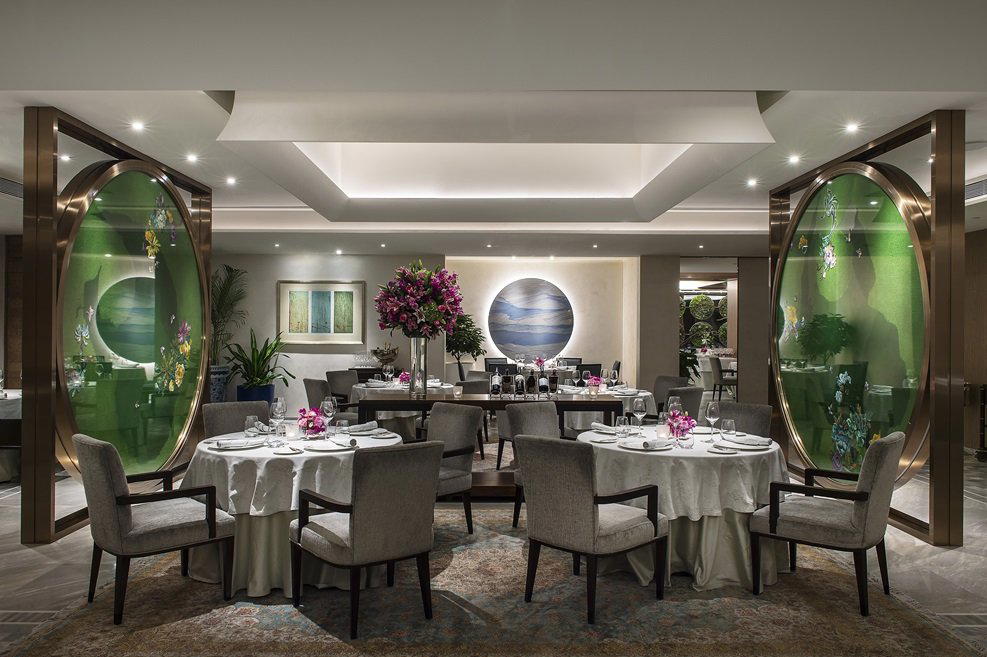
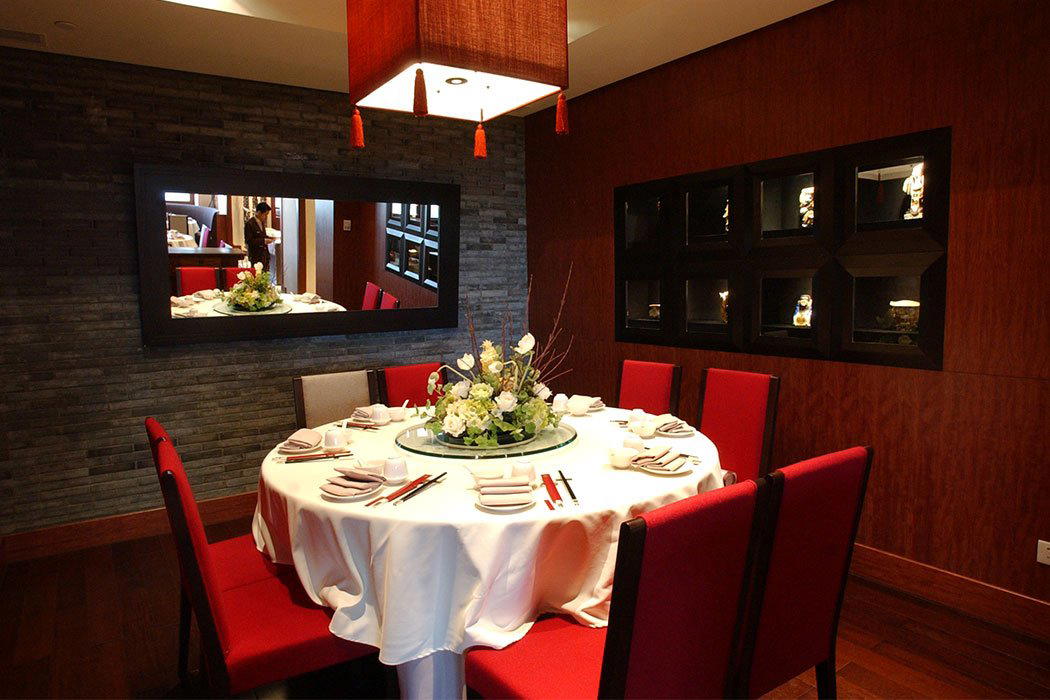
Dongcheng's hutong grid has long attracted a particular kind of restaurant: the sort that pairs historical setting with serious cooking and relies on word of mouth rather than foot traffic. Zhiguan Courtyard, at 12 Jinyu Hutong, fits that pattern precisely. The dining room sits within a building annexed to an art gallery, and its floor-to-ceiling windows frame a historical garden courtyard that shifts character across seasons. Entering, the architectural contrast between old Beijing stonework and considered contemporary interior design signals immediately that the kitchen will not be playing to tourist expectations.
That positioning matters in Beijing's current dining scene. The capital has accumulated Michelin-starred restaurants across multiple Chinese regional traditions, from Cantonese and Taizhou to Chaozhou and classic Beijing cuisine. What distinguishes Zhiguan is its commitment to Dongbei, specifically, the Liaoning fisherman's tradition, at a tier where most regional Chinese restaurants at ¥¥¥ lean toward more commercially familiar styles. Michelin's 2024 one-star recognition confirmed what informed Beijing diners had already concluded: this is the kind of place that makes a narrow culinary argument and makes it persuasively.
Dongbei Cooking at This Level: What the Michelin Star Signals
Dongbei, China's northeastern region encompassing Liaoning, Jilin, and Heilongjiang provinces, is rarely the cuisine that draws international dining attention in Beijing. It tends to be associated with hearty, unpretentious cooking: braised pork belly, pickled cabbage, warm starchy dishes built for cold winters. The Liaoning fisherman's tradition, however, draws from a different part of that regional identity: coastal and riverine produce, handled with precision, built on the umami depth that cold northern waters and clean mountain rivers consistently produce.
Zhiguan's kitchen works with produce from the Changbai Mountains and fish from both the Bohai Sea and the Liao River. That sourcing geography matters. The Bohai Sea, a semi-enclosed body of water in northeastern China, produces shellfish and seafood with a particular salinity and density that differs meaningfully from the bolder profiles of southern Chinese coastal cooking. The Liao River, running through Liaoning Province, yields freshwater fish that appear in dishes not commonly found on Beijing menus at this price tier. The result is a menu that teaches the Liaoning coast rather than simply translating Dongbei comfort food upward.
Two signature preparations illustrate the kitchen's approach. Green willow clams arrive with a clean, pronounced bivalve sweetness that the preparation amplifies rather than obscures. Stir-fried sea snail with green onion produces the kind of layered umami, oceanic, allium-driven, with textural resistance from the snail, that rewards slow attention. Both dishes demonstrate why Michelin's inspectors, who prioritize technique and ingredient quality over novelty, found the kitchen worth a star. The cooking is not theatrical. It is precise, ingredient-led, and regionally specific in a way that holds up under scrutiny.
For context, Michelin-starred regional Chinese cooking at this level in China's major cities tends to follow a specific logic: the restaurant takes a cuisine that locals know in an everyday register and executes it with sourcing rigour and technical control that shifts its register entirely. You see the same pattern in starred Cantonese houses and in the leading Taizhou-focused kitchens. Xin Rong Ji (Xinyuan South Road) in Beijing applies that logic to Taizhou cuisine at ¥¥¥¥. Zhiguan works from a less commercially prominent tradition, which makes the star both harder-earned and more editorially interesting.
The Competitive Context in Beijing's Regional Chinese Tier
Beijing's starred and near-starred regional Chinese restaurants now occupy a range of price points and traditions. At the ¥¥¥¥ end, Chao Shang Chao (Chaoyang) makes the case for Chaozhou cuisine, while Jingji represents the refined Beijing cuisine argument. Lamdre holds the vegetarian position at the same tier. Zhiguan operates at ¥¥¥, making it more accessible than several of its Michelin-recognized peers while covering a culinary tradition none of them address.
That ¥¥¥ positioning also places it in a different conversation from Qiao Dong Bei, a more casual Dongbei reference point in the city. The gap between the two illustrates how Dongbei cooking now spans a wider register in Beijing than it did a decade ago, from affordable neighborhood plates to a gallery-adjacent dining room earning annual Michelin scrutiny.
Across China, a handful of comparisons are instructive. The approach to regional coastal cooking at starred level mirrors what kitchens like Ru Yuan in Hangzhou and Xin Rong Ji in Chengdu achieve in their respective cities: a single regional tradition executed with sourcing discipline and awarded accordingly. 102 House in Shanghai offers a comparable gallery-meets-restaurant format, though in a different culinary register. For readers comparing Chinese fine dining regionally, Dai Yuet Heen in Nanjing, Imperial Treasure Fine Chinese Cuisine in Guangzhou, and Chef Tam's Seasons in Macau each illustrate how starred recognition maps onto regional identity at the upper end of Chinese dining. Internationally, the precision-over-volume logic at play here shares more with a kitchen like Le Bernardin in New York City, seafood-led, technique-focused, ingredient-sourcing-driven, than with the tasting-menu maximalism of something like Atomix.
Setting and Timing
The gallery annexe context at Zhiguan is not decorative background. Art gallery-adjacent dining in Beijing occupies a specific social niche: culturally engaged, often international-facing, less oriented toward corporate banquet formats than many of the city's higher-tier Chinese restaurants. The historical garden view through floor-to-ceiling windows positions the meal differently from an enclosed private-room format. Season matters here: garden-facing dining rooms in Beijing's hutong district shift significantly between the amber, bare-branch winter months and the full-canopy summer. Either offers a distinct version of the same room.
Dongcheng's hutong addresses can take some navigation. Jinyu Hutong sits within the Dongcheng district, northeast of Tiananmen, in a quarter that rewards walking over taxi drop-off where possible. Reservation lead time at starred restaurants in Beijing has increased across the board in the post-2023 dining recovery period; this is not a walk-in venue by practical expectation.
Planning Details: Zhiguan Courtyard vs. Peers
| Venue | Cuisine | Price | Award (2024) | Setting |
|---|---|---|---|---|
| Zhiguan Courtyard | Dongbei (Liaoning) | ¥¥¥ | Michelin 1 Star | Gallery annexe, hutong courtyard views |
| Xin Rong Ji (Xinyuan South Road) | Taizhou | ¥¥¥¥ | Michelin-recognized | Contemporary dining room |
| Chao Shang Chao (Chaoyang) | Chao Zhou | ¥¥¥¥ | Michelin-recognized | Chaoyang district |
| Jingji | Beijing Cuisine | ¥¥¥¥ | Michelin-recognized | Beijing-focused format |
| Lamdre | Vegetarian | ¥¥¥¥ | Michelin-recognized | Specialist vegetarian |
For a broader view of where Zhiguan sits within Beijing's wider dining, hotel, and cultural programming options, see our full Beijing restaurants guide, our full Beijing hotels guide, our full Beijing bars guide, our full Beijing wineries guide, and our full Beijing experiences guide.
Frequently asked questions
What's the overall feel of Zhiguan Courtyard?
The restaurant operates as an annexe to an art gallery in Dongcheng's hutong grid, with floor-to-ceiling windows overlooking a historical garden. The setting places it in a specific cultural register, gallery-adjacent, architecturally considered, and a long way from the casual northern canteen tradition that most Dongbei cooking occupies in Beijing. Its 2024 Michelin star confirms the cooking matches that seriousness.
What distinctions does Zhiguan Courtyard have?
Zhiguan Courtyard has received recognition including: This restaurant, annexed to an art gallery, sports a dining room complete with historical garden views through its floor-to-ceiling windows. Liaoning fisherman’s-style dishes are re-created here, with produce from Changbai Mountains and fis….
What's the must-try dish at Zhiguan Courtyard?
The Michelin committee specifically flags two signatures: green willow clams and stir-fried sea snail with green onion, both sourced from the Bohai Sea and Liao River. The clams and sea snail represent the Liaoning fisherman's-style cooking that defines the menu, dishes built on coastal produce from the northeast rather than the inland stews and dumplings Beijing diners more often associate with the region.
Is Zhiguan Courtyard focused on a specific cuisine style?
Cuisine-First Comparison
| Venue | Cuisine | Price | Awards | Notes |
|---|---|---|---|---|
| Zhiguan CourtyardThis venue (the venue you are viewing) | Modern Dongbei (Northeastern Chinese) | Not listed | 1 Michelin Star | Not listed |
| Jing | Modern French with Asian Influences | $300–500 | 1 Michelin Star · Black Pearl 1 Diamond | French Contemporary |
| Xin Rong Ji (Xinyuan South Road) | Taizhou Chinese Fine Dining | $300–500 | 3 Michelin Stars · World's 50 Best #84 | Taizhou |
| Chao Shang Chao (Chaoyang) | Modern Teochew (Chaoshan) Fine Dining | $200–300 | Michelin Plate · La Liste Top Restaurants | Chao Zhou |
| Lamdre | Modern Plant-Based Chinese Vegetarian | Not listed | 2 Michelin Stars · World's 50 Best #17 | Vegetarian |
| Jingji | Imperial Beijing Royal Cuisine | $200–300 | 2 Michelin Stars · La Liste Top Restaurants | Beijing Cuisine |
Recognition history
Dated appearances from independent guides and award organizations, with the underlying list record or original source where available.
Michelin 1 Star
Michelin
Full recognition history (2 entries)
Michelin 1 Star
Michelin