
Our verdict
Flower Drum occupies a quiet corner of Wan Chai's Stone Nullah Lane, positioning itself within Hong Kong's serious Cantonese dining tier rather than the flashier hotel-restaurant circuit. The physical space speaks to a particular kind of restraint, the kind that lets the food carry the room. Among the city's traditional Chinese fine-dining addresses, it draws a clientele that values substance over spectacle.

Pearl is the En Primeur Club membership app, where members save venues, book tables and use the concierge.

The menu
What to order
- Char Siu Rice with Miyazaki Pork and Kyushu Eggs
- Oven-Baked Pork Chop Rice
- Soup of the Lord
- Drunken Abalone
- Fried Chicken with Maotai Wine
Stone Nullah Lane and the Architecture of Cantonese Dining
Wan Chai has always operated on two registers simultaneously: the loud, neon-lit commercial strip and the quieter residential lanes running perpendicular to it. Stone Nullah Lane belongs to the second category. The street retains a mid-century Hong Kong character that much of the city has spent decades renovating away, and Flower Drum's address at Linway Court fits that grain. Arriving here, you are not walking into a hotel lobby or a glass-fronted contemporary dining room. The approach is lower-key, and that is a deliberate positioning signal.
In Hong Kong's premium Cantonese tier, the physical container tends to communicate one of two things: the formality of a grand banqueting hall, or the controlled intimacy of a room where the food is expected to do the work. Flower Drum sits closer to the latter. That distinction matters in a city where many of the most-discussed addresses, from the three-Michelin-starred hotel restaurants in Central to the classic dim sum institutions in Kowloon, derive part of their authority from sheer scale or theatrical setting. A smaller, quieter room in Wan Chai sends a different signal to its regular clientele.
Where Flower Drum Sits in Hong Kong's Cantonese Landscape
Hong Kong's Cantonese fine dining operates across a surprisingly wide range of formats and price points. At the upper end, addresses like Forum in Wan Chai have built reputations over decades on classical technique and the kind of ingredient sourcing that draws serious repeat visitors. Across the harbour and across the city, the Cantonese tradition fractures into specialist seafood houses, roast-meat specialists, and the ceremonial banquet rooms that remain central to Hong Kong family life. Flower Drum occupies a specific position within that spectrum: a restaurant in Wan Chai with enough institutional presence to hold a local following, but without the international marketing apparatus of the hotel-based fine-dining rooms.
The city's highest-profile Cantonese addresses carry Michelin recognition and attract a significant proportion of visitors from mainland China and international markets. The restaurants operating one tier below that, but still firmly in the serious-dining category, tend to retain a more local-professional clientele: the business lunch crowd, the multi-generational family dinner, the regular who has been coming for years. Flower Drum's location in Wan Chai, one of the city's most historically dense commercial and residential districts, positions it within that second cohort rather than the tourist-facing first.
For reference on what the city's non-Cantonese fine dining looks like at the top tier, Amber and Caprice represent the French end of Hong Kong's premium dining, while 8½ Otto e Mezzo Bombana anchors the Italian tier. The contrast with Flower Drum is instructive: those rooms carry the full weight of their hotel settings, with spaces designed to communicate international luxury. Flower Drum's version of authority is more local and more specific.
The Interior Logic of a Traditional Cantonese Room
The editorial angle on any serious Cantonese dining room in Hong Kong eventually comes back to the same question: what does the space communicate about the relationship between host and guest, and between tradition and modernity? Cantonese cuisine at the serious end has never been particularly interested in minimalist theatre or Nordic-influenced plating aesthetics. The tradition runs toward abundance, technique, and the demonstration of skill through ingredient quality and cooking precision rather than through visual drama on the plate.
Flower Drum's setting on Stone Nullah Lane reflects that ethos architecturally. The Linway Court address places it inside a mid-century residential-commercial building rather than a purpose-built dining destination, which is itself a form of editorial statement in a city increasingly dominated by restaurant groups that commission expensive fit-outs in premium retail space. Dining rooms that predate the current era of designed-from-scratch restaurant concepts tend to carry a different kind of spatial authority, one built from accumulated use rather than from an opening-night brief.
This dynamic is visible across Hong Kong's older dining institutions. The former Jumbo Floating Restaurant in Aberdeen represented an extreme version of architectural spectacle as dining identity. Flower Drum represents something closer to the opposite: the room recedes, and the meal advances.
Wan Chai as a Dining District
Wan Chai is not Hong Kong's most talked-about dining neighbourhood at the moment, that conversation tends to cluster around Central, Sheung Wan, and the newer developments in Kennedy Town and Sai Ying Pun. But Wan Chai holds a set of long-established addresses that have outlasted multiple cycles of restaurant fashion. The neighbourhood's density, commercial offices, residential blocks, markets, and older shophouse buildings within a few minutes of each other, creates the conditions for restaurants with genuine local regulars rather than transient audiences.
For a broader orientation to what the city offers across all price points and neighbourhoods, the EP Club Hong Kong restaurants guide maps the full range. Beyond the premium tier, Wan Chai and its surrounding districts connect to a much wider Hong Kong dining ecosystem: from the focused Cantonese cooking at Lei Garden in Sha Tin to neighbourhood-level addresses like Coconut Soup in Yau Tsim Mong and Hoi Tin Garden in Tuen Mun. The city's dining range is one of its genuinely distinguishing characteristics, running from the fine-dining rooms competing with Le Bernardin and Atomix on a global stage to the local specialists that make almost no concession to visitor audiences.
Other Wan Chai and city-wide addresses worth cross-referencing include Ta Vie, which represents Hong Kong's French-Japanese innovative tier, and Gaia in Central and Western for Italian. Further afield, Habib's in Kwun Tong, King of Soybeans in Wong Tai Sin, Gangstas in the Islands, I Love Istanbul in Tsuen Wan, and One-ThirtyOne in Tai Po illustrate the geographic and culinary spread of serious eating across the SAR.
Planning a Visit
Flower Drum is located at 2B, Linway Court, 69-71 Stone Nullah Lane, Wan Chai. The address is accessible from several MTR lines serving Wan Chai station, with the restaurant a short walk into the quieter residential streets running south from Johnston Road. Given the lack of a high-profile booking platform or international marketing presence, securing a reservation is most reliably done by direct contact with the restaurant. For Cantonese dining rooms at this level in Hong Kong, lunch service on weekdays tends to be more accessible than weekend dinner, when local family groups and business entertainment fill tables well in advance. Visiting outside peak periods, avoiding Chinese New Year, Mid-Autumn, and the major public holiday clusters, generally offers the most flexibility.
Frequently asked questions
Is Flower Drum a family-friendly restaurant?
Cantonese dining rooms of Flower Drum's format, a fixed address in a residential lane off Stone Nullah Lane, Wan Chai, tend to suit family gatherings well. Shared-plate Cantonese cooking is inherently communal, and the neighbourhood setting is quieter than the commercial strips of Central or Causeway Bay. That said, check the venue's official channels to confirm table configurations for larger groups.
Is Flower Drum formal or casual?
Flower Drum sits on Stone Nullah Lane in Wan Chai, a residential corridor that signals a more measured, neighbourhood pace rather than the conspicuous formality of hotel dining rooms. Traditional Cantonese rooms in this part of the city tend toward composed but not ceremonial, the cooking is the focus, not the theatre of service. Confirm the current dress expectation with the venue directly before visiting.
How does Flower Drum's location on Stone Nullah Lane compare to other Wan Chai dining addresses?
Stone Nullah Lane runs through one of Wan Chai's older residential pockets, distinct from the commercial density of Johnston Road or the Wan Chai MTR corridor. Flower Drum's address at Linway Court places it in that quieter register, the kind of location that Hong Kong diners associate with long-established neighbourhood Cantonese rooms rather than newer concept openings. That geography is itself a form of credential in a city where serious Cantonese cooking has historically anchored itself in non-obvious streets.
What should I eat at Flower Drum?
What the Wan Chai Cantonese category consistently rewards is ordering around the kitchen's roast and braised preparations, these are the benchmarks by which Hong Kong diners judge a Cantonese room. Ask staff on arrival what the table should anchor the meal around.
What part of town is Flower Drum in?
Flower Drum is located at 2B, Linway Court, 69-71 Stone Nullah Ln, Wan Chai, Hong Kong, Hong Kong.
Do they take walk-ins at Flower Drum?
The address, 2B, Linway Court, 69-71 Stone Nullah Lane, Wan Chai, is a compact lane setting, which typically means limited covers and higher competition for seats. Attempting a walk-in without prior contact carries real risk; reaching out in advance is the practical approach.
What makes Flower Drum worth seeking out?
The case for Flower Drum is largely structural: Stone Nullah Lane sits outside the dining circuits that dominate Hong Kong food coverage, meaning the room operates without the foot traffic or tourist premium attached to Central or Wan Chai's main commercial drag. For diners interested in Cantonese cooking at a neighbourhood register rather than a hotel-dining-room register, that positioning matters. The address itself, Linway Court, a named residential court, reinforces a local, non-performative setting.
A Tight Comparison
Comparable venues nearby, for context on price, style, and recognition.
| Venue | Cuisine | Price | Awards | Notes |
|---|---|---|---|---|
| Flower DrumThis venue (the venue you are viewing) | Modern Cantonese Fine Dining | $50–100 | Not listed | Not listed |
| Chengdu Yan | Upscale Sichuan-Cantonese | $150–200 | SCMP 100 Top Tables Restaurants | Central, Upscale Sichuan-Cantonese |
| Ming Court | Authentic Cantonese Fine Dining | $100–150 | SCMP 100 Top Tables Restaurants | Wan Chai, Authentic Cantonese Fine Dining |
| Hutong | Northern Chinese Fine Dining | $150–200 | Not listed | Yau Tsim Mong South, Northern Chinese Fine Dining |
| Shang Palace | Michelin-Starred Cantonese | $200–300 | 1 Michelin Star · SCMP 100 Top Tables Restaurants | Yau Tsim Mong South, Michelin-Starred Cantonese |
| Yung Kee Restaurant (鏞記) | Classic Cantonese Roast Goose | $30–50 | Not listed | Central, Classic Cantonese Roast Goose |
Recognition history
Dated appearances from independent guides and award organizations, with the underlying list record or original source where available.
Opinionated About Dining Top Restaurants in Asia Recommended
Opinionated About Dining
Continue exploring
More in Hong Kong
Restaurants in Hong Kong
All restaurants in Hong Kong →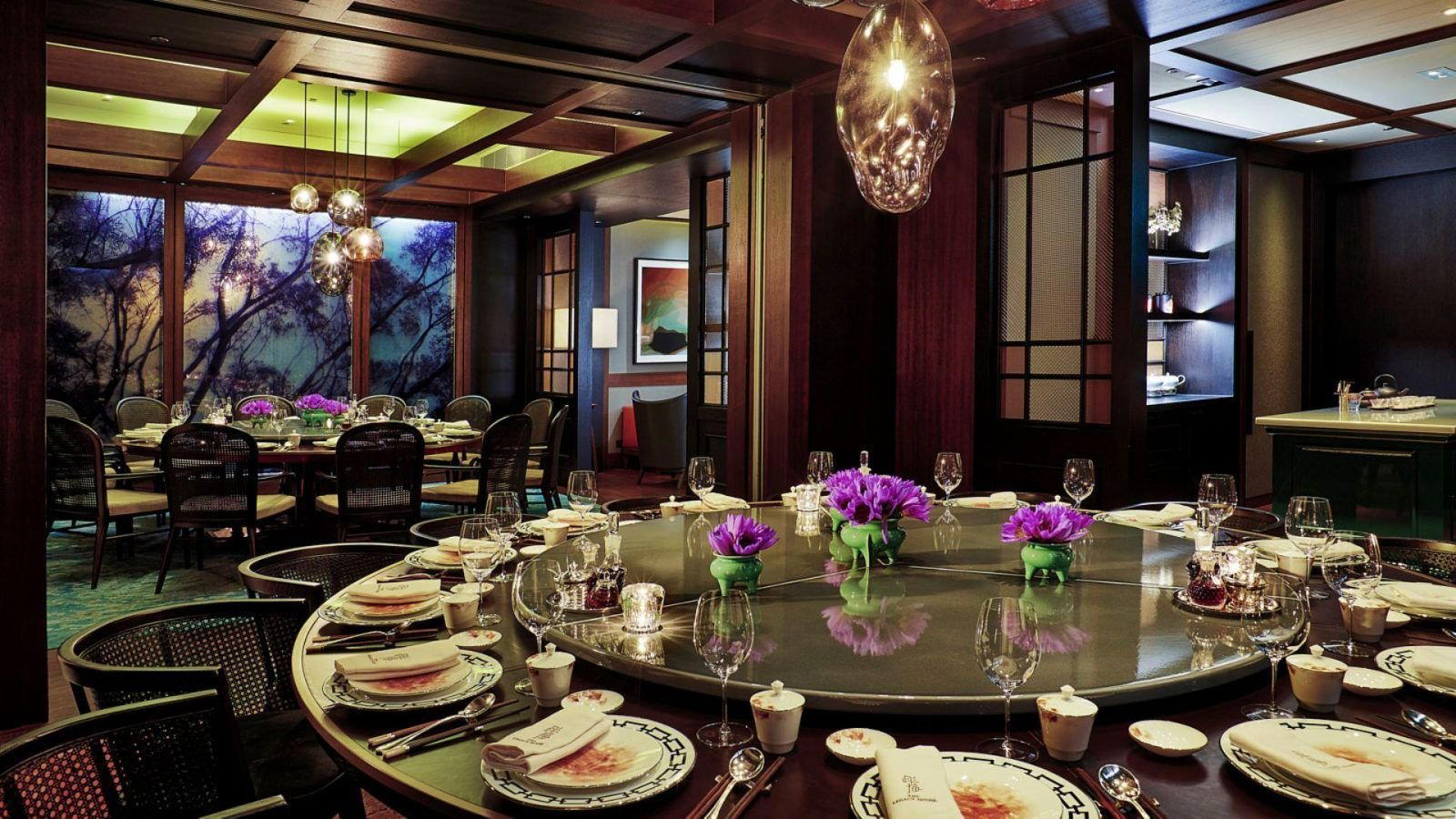
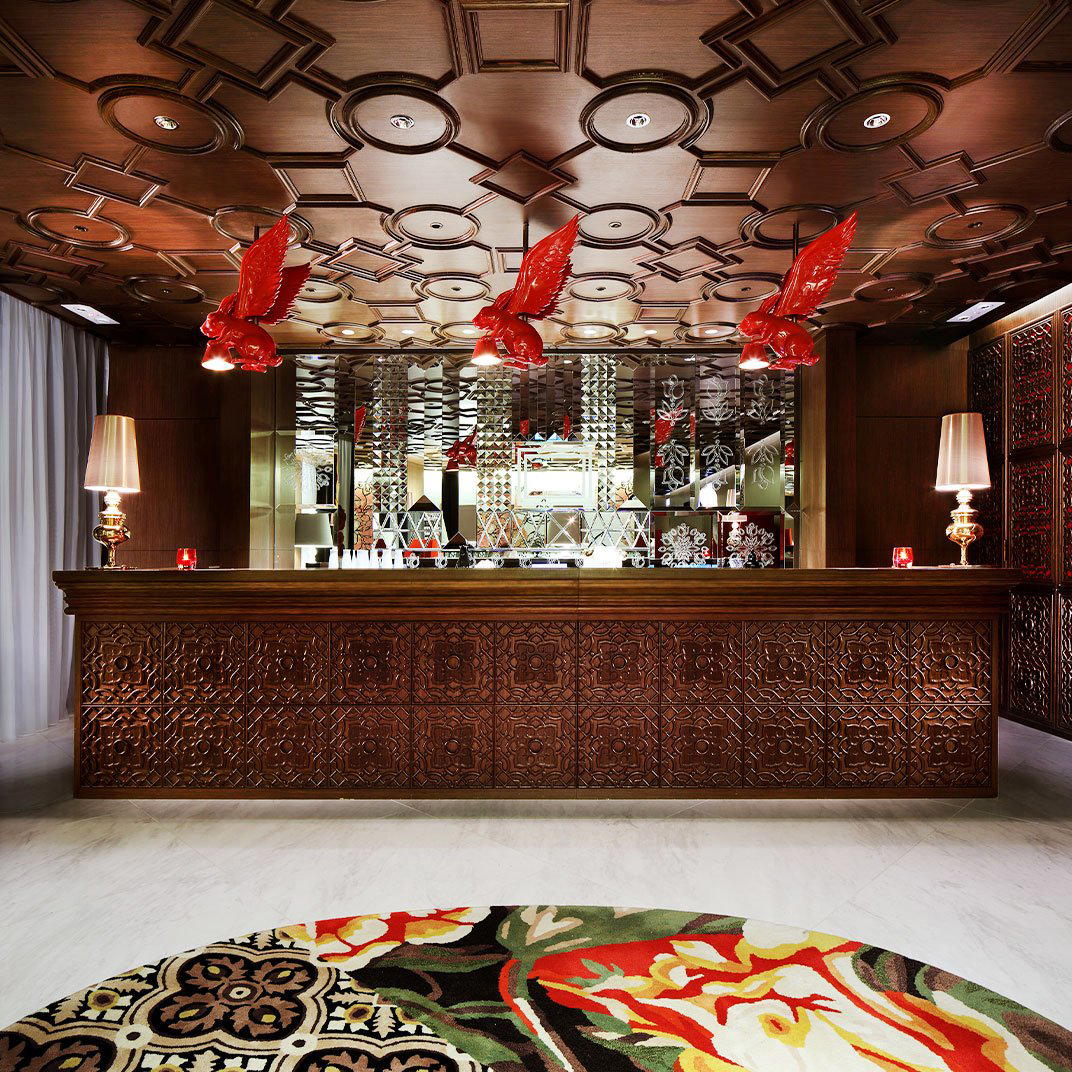
Bars in Hong Kong
All bars in Hong Kong →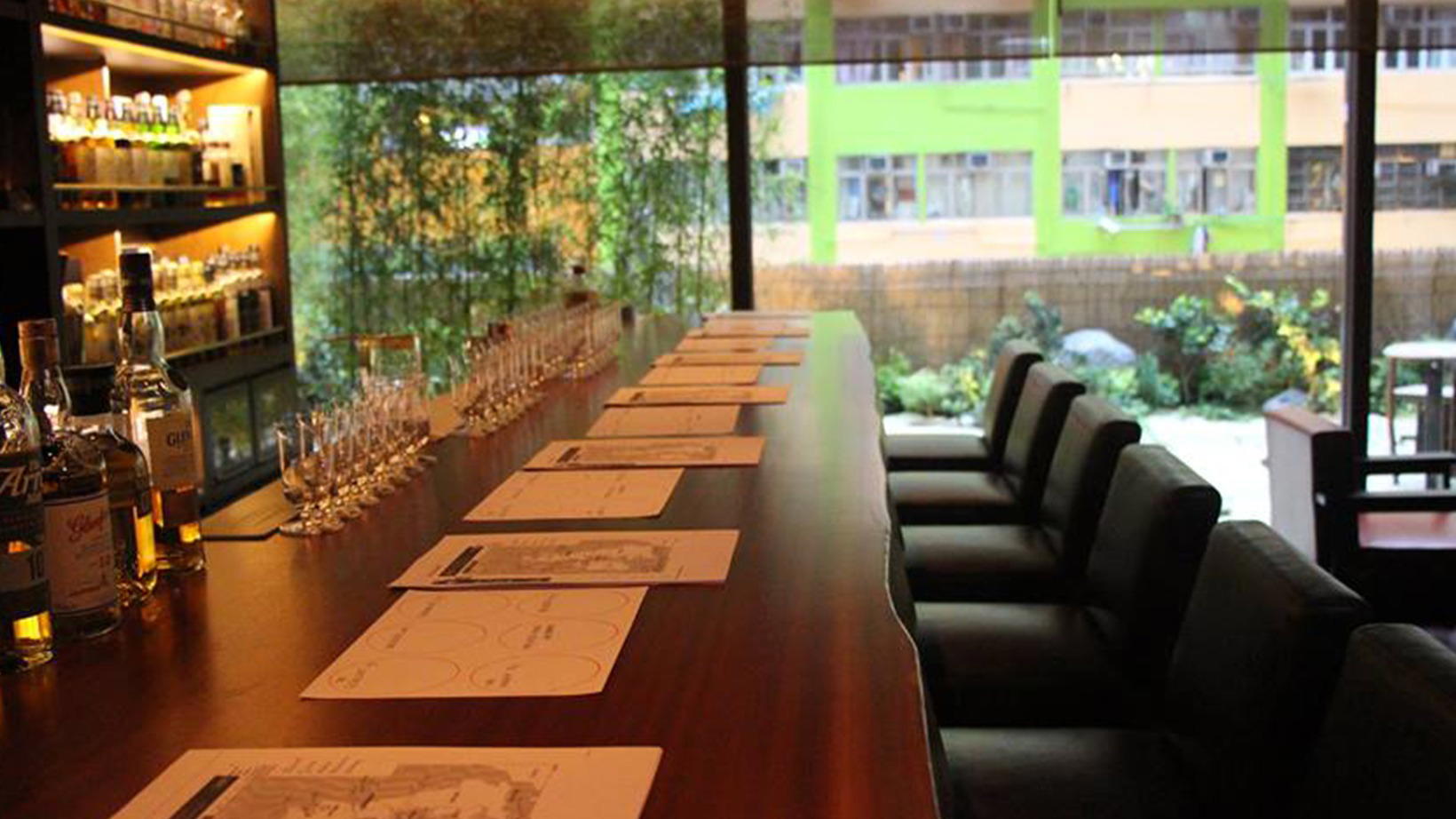
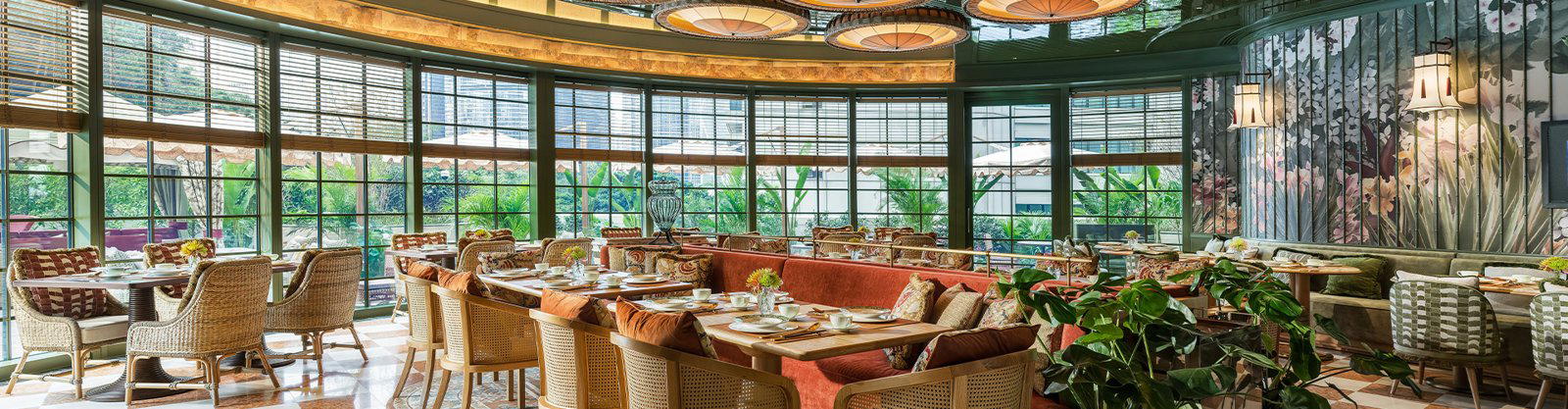
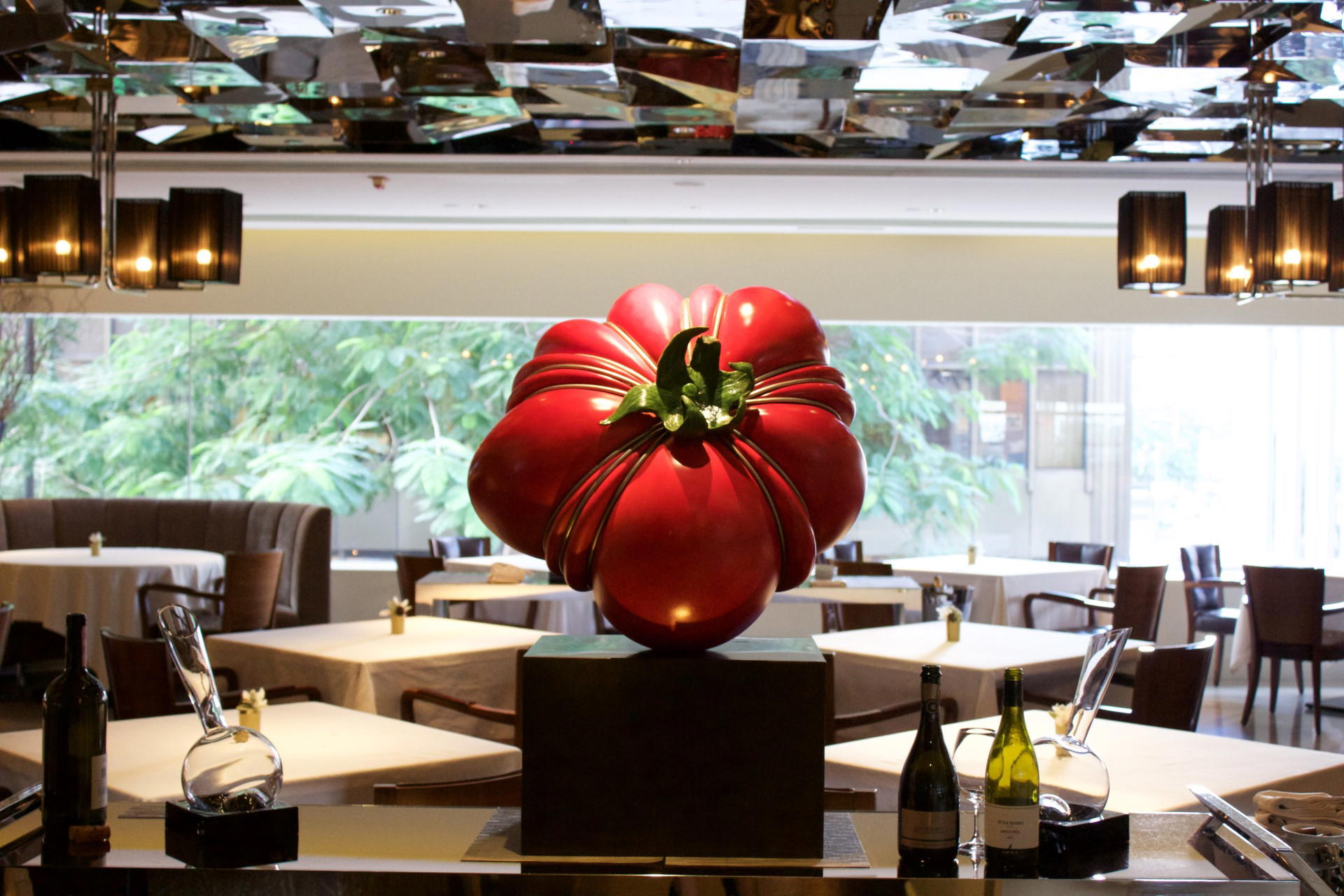
Hotels in Hong Kong
All hotels in Hong Kong →
Wineries in Hong Kong
All wineries in Hong Kong →
Details
- Elegant
- Sophisticated
- Intimate
- Date Night
- Business Dinner
- Special Occasion
- Group Dining
- Private Dining
- Courtyard
- Open Kitchen
- Sommelier Led
- Local Sourcing
- Farm To Table
- A La Carte
- Set Menu
- Omakase
- Wine
- Tea
- Vegetarian Friendly
- Allergy Accommodating
Current opening hours
- Monday
- 12–3 PM, 6:30–11 PM
- Tuesday
- 12–3 PM, 6:30–11 PM
- Wednesday
- 12–3 PM, 6:30–11 PM
- Thursday
- 12–3 PM, 6:30–11 PM
- Friday
- 12–3 PM, 6:30–11 PM
- Saturday
- 12–3 PM, 6:30–11 PM
- Sunday
- 12–3 PM, 6:30–11 PM
Hours can change for holidays and private events. Hours as of .
Cozy and understated, housed in a residential building with approximately 10 tables; clean and decent with polished service; intimate courtyard available for private dining.