

1 Michelin Star · SCMP 100 Top Tables Restaurants
Our verdict
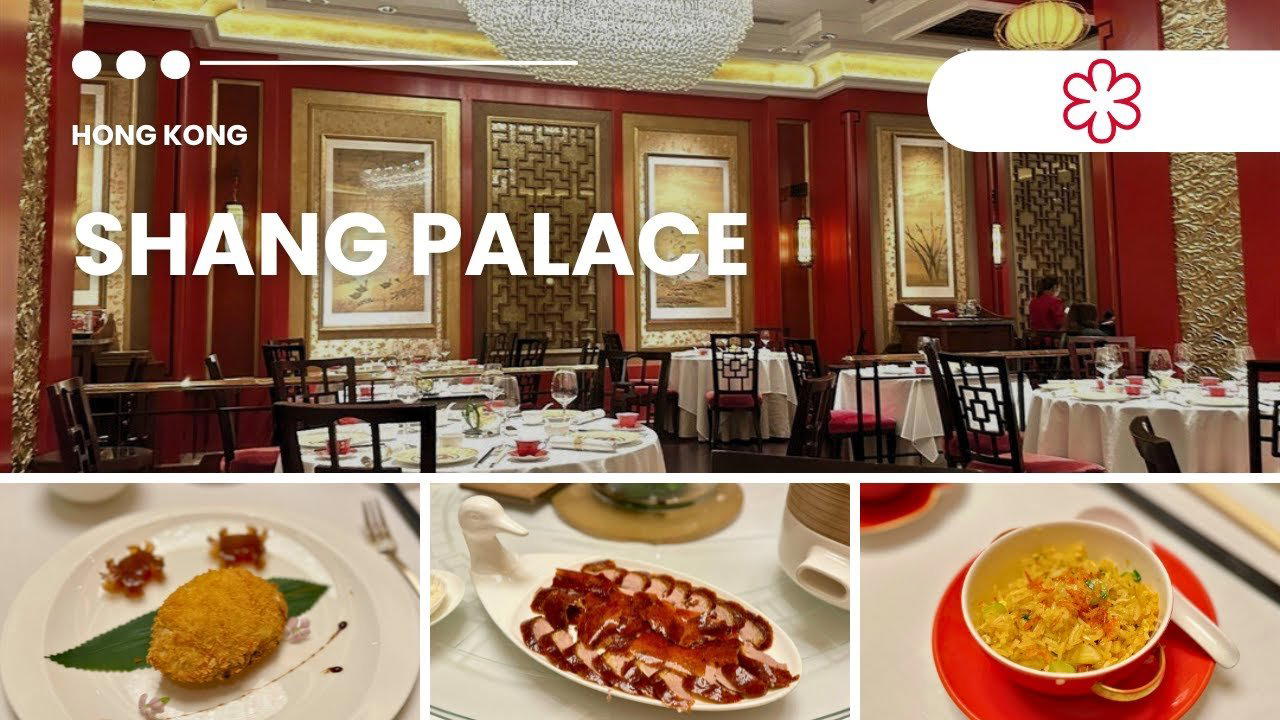
Shang Palace occupies a storied position in Tsim Sha Tsui's Cantonese dining hierarchy, operating from Level I of 64 Mody Road in one of Hong Kong's most hotel-dense corridors.

Pearl is the En Primeur Club membership app, where members save venues, book tables and use the concierge.
The menu
What to order
- Peking Duck
- Barbecued Pork (Char Siu)
- Deep Fried Stuffed Crab Shell
- Dim Sum
Tsim Sha Tsui and the Architecture of Cantonese Fine Dining
Hong Kong's premium Cantonese restaurants do not distribute evenly across the city. They concentrate in two gravitational zones: the hotel corridors of Central and Admiralty on Hong Kong Island, and the older, denser hotel belt running along Mody Road and Salisbury Road in Tsim Sha Tsui. Shang Palace sits in the latter, on the lower level of a building at 64 Mody Road, in a neighbourhood whose hospitality infrastructure predates the Island's finance-driven dining boom by at least a generation. That address carries weight. Tsim Sha Tsui built its reputation on serving both local families marking occasions and international visitors arriving via Kowloon, a dual audience that shaped the tone of its anchor dining rooms long before Michelin came to Hong Kong in 2009.
The Shang Palace name belongs to the hotel group, which has operated Cantonese restaurants under that banner across multiple Asian cities since the 1970s. In a category where institutional continuity is read as a credential, where knowing the banquet repertoire, the dim sum rotation, and the seasonal roast protocols over decades counts for something, that lineage matters more than it might in a trendier segment. The question for any Shang Palace, in any city, is whether the kitchen sustains the standard the name implies or coasts on recognition. In Hong Kong, where the competitive field includes Forum in Causeway Bay (whose abalone preparations have defined one benchmark in the category) and a dense cluster of Michelin-tracked Cantonese rooms across both sides of the harbour, coasting is not an option for long.
Where It Sits in the Competitive Field
Hong Kong's top-tier dining market has layered over the past fifteen years into distinct competitive sets. At the upper register, European-trained fine dining, represented by rooms like Caprice at Four Seasons or Amber at The Landmark Mandarin, operates with a different logic than premium Cantonese. Across the harbour in Tsim Sha Tsui, the competitive set for a restaurant like Shang Palace is more specifically Cantonese and Shanghainese rooms with banquet infrastructure, multi-decade track records, and the capacity to serve both à la carte diners and large-format celebratory tables.
That peer group operates at a price point and with a format discipline that places it well above the mid-range but below the absolute ceiling of the city's tasting-menu counters. For context, 8 1/2 Otto e Mezzo Bombana in Central and Ta Vie on Hollywood Road operate in the multi-course tasting-menu format at the city's highest price bracket. Shang Palace occupies a different register: the grand Cantonese dining room, where the format spans roast meats, live seafood, dim sum service, and banquet-grade whole-animal preparations, and where the experience is structured around table-service tradition rather than counter choreography.
Internationally, the model has analogues in formal dining rooms that have built reputations over decades rather than through a single chef's singular vision, Le Bernardin in New York sustains a seafood-focused institutional standard; Alain Ducasse at Louis XV in Monte Carlo operates within a similar framework of institutional continuity at the luxury end. The comparison is imperfect but the structural logic, a room whose credibility rests on sustained execution across a repertoire rather than on novelty, applies.
The Tsim Sha Tsui Context
Mody Road runs parallel to the waterfront in East Tsim Sha Tsui, a section of Kowloon that concentrated luxury hotel development in the 1970s and 1980s and has since matured into a neighbourhood where the dining rooms inside those hotels carry more local credibility than the area's streetside options. This is not the Tsim Sha Tsui of tourist-facing bubble tea and hotpot chains on Nathan Road; it is the hotel corridor where Hong Kong families book anniversary dinners, where corporate banquets run on Fridays, and where dim sum on Sunday morning draws a mixed crowd of regulars and visitors who know what they are looking for.
That neighbourhood dynamic shapes how a room like Shang Palace functions. The physical address inside a hotel insulates it from street-level footfall dependency while simultaneously anchoring it to a clientele with specific expectations: correct Peking duck service, roast goose done to the standard the city holds sacrosanct, dim sum that can hold its own against the dedicated dim sum houses in the same borough. The hotel-restaurant format in Cantonese fine dining carries its own set of norms, more space between tables, more formal service choreography, higher tolerance for lingering, that distinguish it from the faster-paced neighbourhood Cantonese room.
Planning a Visit
The following table positions Shang Palace against a selection of Hong Kong fine dining comparators on the dimensions most relevant to planning.
| Venue | Area | Cuisine | Price Tier | Format |
|---|---|---|---|---|
| Shang Palace | Tsim Sha Tsui | Cantonese | $$$$ | Grand dining room, à la carte and banquet |
| Forum | Causeway Bay | Cantonese | $$$$ | À la carte, specialist abalone |
| Caprice | Central | French Contemporary | $$$$ | À la carte and tasting menu |
| 8 1/2 Otto e Mezzo Bombana | Central | Italian | $$$$ | À la carte and tasting menu |
| Ta Vie | Central | Japanese-French | $$$$ | Tasting menu counter |
Visitors based on the Kowloon side will find Shang Palace the most geographically logical choice among the city's hotel-anchored Cantonese rooms. Those staying on Hong Kong Island will need to cross the harbour via MTR or ferry, with East Tsim Sha Tsui station (exit P2) a short walk from Mody Road. Advance booking is advisable for weekends, particularly for Sunday dim sum and Friday evening banquet slots, which fill earliest across all Cantonese rooms in this tier.
For further context on dining across both sides of the harbour, see our full Hong Kong restaurants guide. For accommodation options in the area, our Hong Kong hotels guide covers the relevant Tsim Sha Tsui properties. Nightlife context is available in our Hong Kong bars guide, and the city's broader leisure offer is mapped in our Hong Kong experiences guide and Hong Kong wineries guide.
Frequently asked questions
Is Shang Palace better for a quiet night or a lively one?
Shang Palace sits inside a hotel property on Mody Road in East Tsim Sha Tsui, a setting that historically favours composed, occasion-driven dining rather than convivial noise. Expect a formal register rather than an animated room. Tables are typically spaced for privacy, which makes it a stronger choice when conversation matters more than atmosphere.
Where do I go for Shang Palace?
Shang Palace is located at Level I, Lower, 64 Mody Rd, Tsim Sha Tsui, Hong Kong, Hong Kong.
How does Shang Palace compare to other Cantonese fine-dining restaurants in the Tsim Sha Tsui hotel corridor?
Shang Palace at 64 Mody Road sits within a concentration of hotel-anchored Cantonese dining that developed in East Tsim Sha Tsui across the late twentieth century. This corridor competes with Central and Wan Chai as one of Hong Kong's two main gravitational zones for premium Cantonese restaurants. Where standalone city restaurants often pursue Michelin recognition as a public marker, hotel dining rooms in this area have traditionally relied on long-established clientele and the operational standards of their parent properties.
What do people recommend at Shang Palace?
Shang Palace's kitchen operates within the Cantonese fine-dining tradition, where roasted meats, steamed seafood, and dim sum prepared to classical standards are the reference points. Cantonese restaurants at this tier in Hong Kong's hotel corridors typically anchor their reputation on precisely executed technique rather than experimental menus. Specific current dishes are best confirmed directly with the restaurant before visiting.
What's the best way to book Shang Palace?
Shang Palace is located at Level I Lower, 64 Mody Road, Tsim Sha Tsui, and sits within the Kowloon Shangri-La hotel. Reservations at hotel fine-dining rooms of this type can usually be made through the hotel's central reservations system or front desk. For peak periods such as weekend dim sum service or festive dates on the Lunar calendar, booking several weeks in advance is standard practice across Hong Kong's top-tier Cantonese dining.
What has Shang Palace built its reputation on?
Shang Palace occupies a position in Hong Kong's hotel fine-dining corridor that dates to the period when East Tsim Sha Tsui concentrated luxury hotel development in the 1970s and 1980s. Cantonese restaurants in this category have historically built their standing on mastery of classical technique, premium ingredient sourcing, and formal service codes. In Hong Kong's competitive Cantonese dining market, consistency across decades carries significant weight.
Is Shang Palace good for vegetarians?
Classical Cantonese fine dining in Hong Kong rarely structures its menu around vegetarian eating, and Shang Palace operates within that tradition. Tofu preparations, vegetable stir-fries, and certain dim sum items typically appear on menus of this type, but they are not the kitchen's primary focus. Guests with dietary requirements should check the venue's official channels before visiting to confirm what can be accommodated.
At-a-Glance Comparison
Comparable venues nearby, for context on price, style, and recognition.
| Venue | Cuisine | Price | Awards | Notes |
|---|---|---|---|---|
| Shang PalaceThis venue (the venue you are viewing) | Michelin-Starred Cantonese | $200–300 | 1 Michelin Star · SCMP 100 Top Tables Restaurants | Not listed |
| Hutong | Northern Chinese Fine Dining | $150–200 | Not listed | Yau Tsim Mong South |
| Dynasty | Award-Winning Cantonese | $50–100 | SCMP 100 Top Tables Restaurants | Wan Chai |
| Big JJ Seafood Hotpot | Hong Kong-style seafood hotpot & wine bar | $50–100 | Not listed | Central |
| Moon Bay | Traditional Cantonese Chinese | Not listed | Not listed | Wan Chai |
| Fu Rong Wu Shuang | Modern Hunanese Fine Dining | $100–150 | SCMP 100 Top Tables Restaurants | Central |
Recognition history
Dated appearances from independent guides and award organizations, with the underlying list record or original source where available.
Michelin 1 Star
Michelin
SCMP 100 Top Tables Restaurants
SCMP 100 Top Tables
Continue exploring
More in Hong Kong
Restaurants in Hong Kong
All restaurants in Hong Kong →
Bars in Hong Kong
All bars in Hong Kong →
Hotels in Hong Kong
All hotels in Hong Kong →
Wineries in Hong Kong
All wineries in Hong Kong →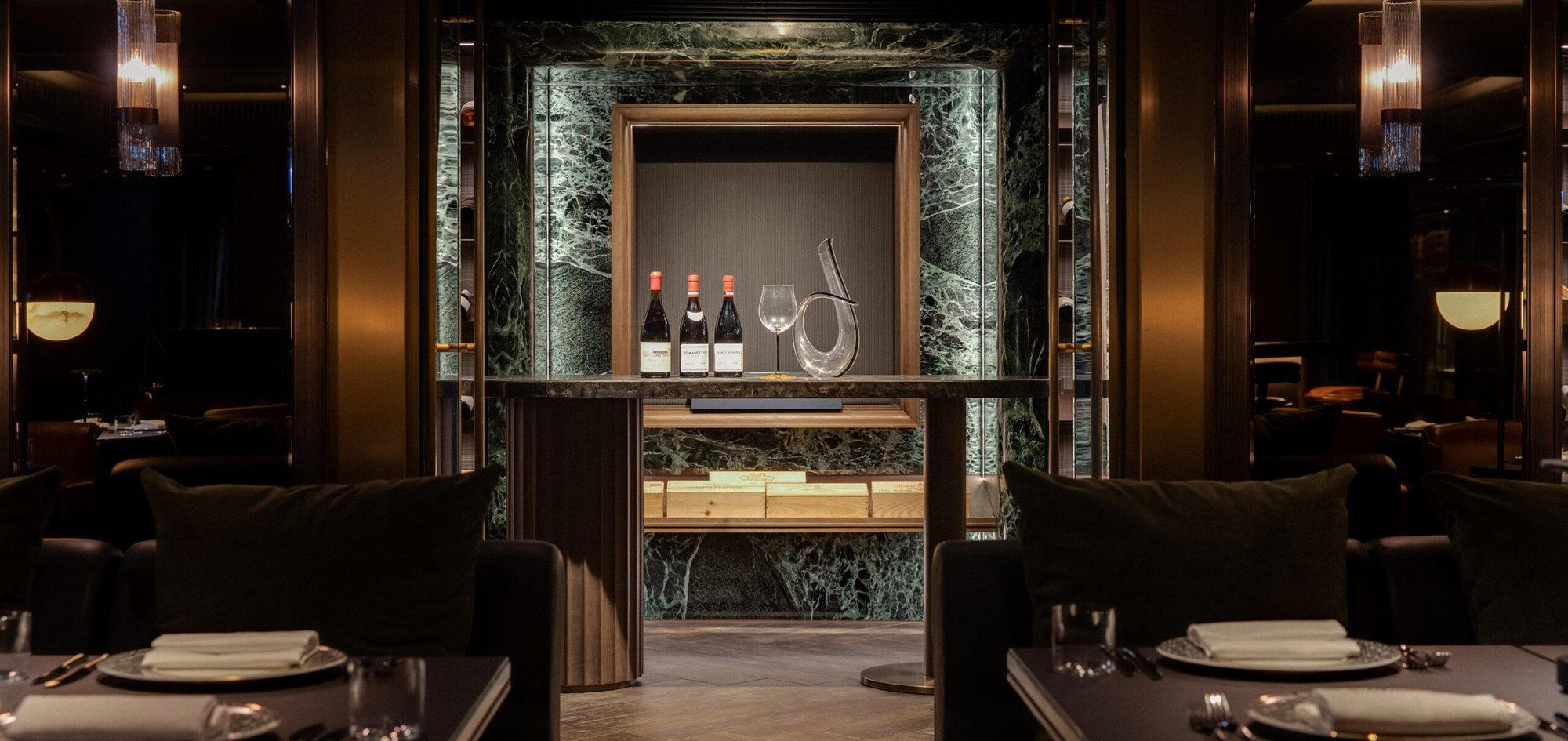
Shang Palace
The wine
- Wine program
- Deep wine list
- Extensive wine list
- Sake program
Details
- Elegant
- Sophisticated
- Ornate
- Classic
- Business Dinner
- Special Occasion
- Celebration
- Group Dining
- Hotel Restaurant
- Private Dining
- Extensive Wine List
- Sake Program
- A La Carte
- Set Menu
- Tasting Menu
- Vegetarian Friendly
- Gluten Free Options
- Vegan Options
Current opening hours
- Monday
- 12–2:30 PM, 6–10:30 PM
- Tuesday
- 12–2:30 PM, 6–10:30 PM
- Wednesday
- 12–2:30 PM, 6–10:30 PM
- Thursday
- 12–2:30 PM, 6–10:30 PM
- Friday
- 12–2:30 PM, 6–10:30 PM
- Saturday
- 10:30 AM–3 PM, 6–10:30 PM
- Sunday
- 10:30 AM–3 PM, 6–10:30 PM
Hours can change for holidays and private events. Hours as of .
Lavishly decorated in auspicious red and gold with chandeliers, Sung-style paintings, and traditional motifs creating a grand, elegant atmosphere.