
SCMP 100 Top Tables Restaurants
Our verdict
Chengdu Yan brings a Chengdu-coded dining ritual into Hong Kong’s Central restaurant circuit, where group ordering, heat management, and pacing matter as much as the individual plate. The appeal is less about chef mythology than about how the meal is structured: shared dishes, repeated returns to spice, and a room positioned for diners already moving through the city’s dense evening routes.

Pearl is the En Primeur Club membership app, where members save venues, book tables and use the concierge.
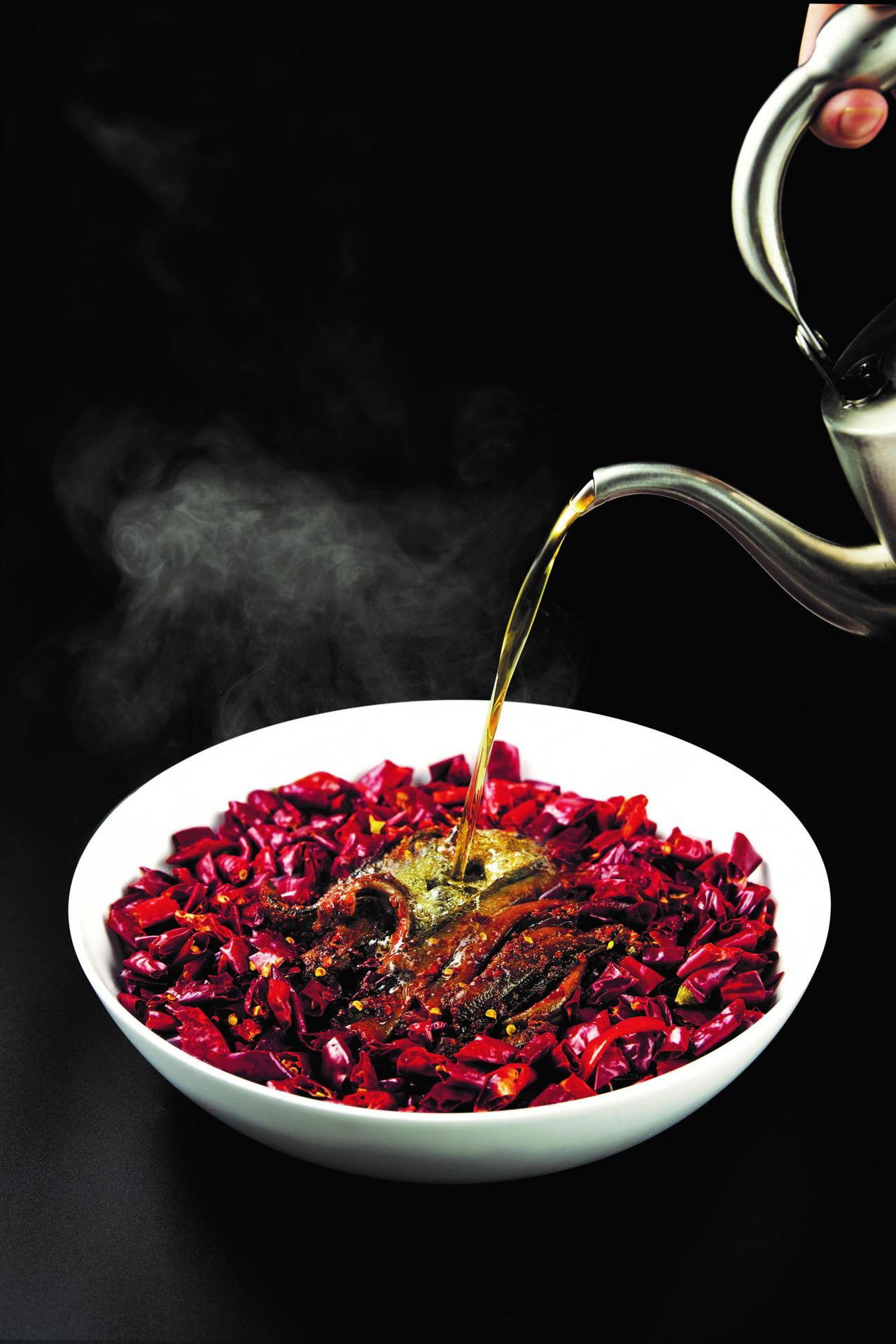
The menu
What to order
- Dahongpao-infused smoked pigeon
- Chilled razor clams with smoky chilli dressing
- Stir-fried sweet peas with preserved vegetable
- Chilled abalone with hua diao wine and roasted pepper sauce
- Golden crispy mandarin fish with Sichuan chilli oil
- Steamed yellow croaker with fermented yellow chilli
Central’s upper-floor dining rooms have their own rhythm: lift doors opening onto compact restaurants, tables turning from office lunches to late dinners, and groups arriving with an order strategy half-formed. Chengdu Yan fits that Hong Kong pattern, while its name points the meal toward Chengdu’s social grammar: heat shared across the table, dishes chosen in sequence, and a pace that rewards contrast over simple intensity.
In a city where Sichuan and Chengdu-influenced restaurants are often reduced to chilli, the better reading is ritual. A Chengdu-style meal builds through accumulation: numbing spice, clean vegetable intervals, richer proteins, and enough rice or starch to reset the palate. The table, not the individual diner, is the unit of judgment. Chengdu Yan brings that logic into Central’s dining circuit, where restaurants must absorb mixed groups, late plans, and diners who want energy without a formal tasting-menu evening.
Chengdu heat in a Central dining pattern
Hong Kong has long compressed regional Chinese cooking into neighbourhood-specific formats. In Central, the pressure is commercial and social: restaurants need to work for workday meals, post-office dinners, and cross-district meetups. Chengdu Yan is best read through that lens. Its public hours cover lunch and dinner daily, placing it closer to an all-day urban dining room than to the limited-service destination model common at smaller counters.
The Chengdu signal matters because Sichuan dining outside the mainland is often misread as endurance. Chengdu’s table culture is more calibrated. Heat is only one axis; fragrance, oil, vinegar, crunch, and numbing peppercorn also structure the meal. Ordering well means avoiding dishes that repeat the same register. Hong Kong diners know this from Cantonese banquet logic, where texture and sequence are part of the craft. Here, the crossover is the point: Chengdu intensity carried by Hong Kong’s appetite for speed, sharing, and practical group dining.
That makes Chengdu Yan different from the city’s prestige Italian and Japanese rooms. Carbone Hong Kong and 8 1/2 Otto e Mezzo Bombana operate in a Western celebratory register, while The Araki represents the narrow counter model, where the chef-led sequence controls the evening. Chengdu Yan sits in the communal lane: the diner has more responsibility, because the table’s success depends on how the order is built. For a broader map of the city’s dining range, Our full Hong Kong restaurants guide gives the sweep, from Central polish to district-level specialists.
The meal works when the table orders for contrast
The ritual here is not surrendering to a chef’s sequence; it is managing a shared table. In Chengdu and Sichuan-inflected restaurants, the strongest orders move between heat, freshness, fat, and relief. That is the difference between a meal that feels blunt and one that keeps momentum. In Hong Kong, where diners may move between Cantonese, Japanese, Italian, and Southeast Asian meals in one week, this ordering literacy is part of the city’s restaurant intelligence.
Chengdu Yan’s value is how easily the ritual suits different parties. A pair can order tightly and keep the meal short; a larger group can spread the table across more textures and spice levels. Families should consider tolerance for chilli and numbing peppercorn rather than treating it as a generic Chinese dining room. Business diners should manage pacing: shared dishes can be efficient if the table agrees early how far into the heat spectrum it wants to go.
Central also shapes the atmosphere. This is not the slow ceremonial calm of a hotel dining room, nor the bar-driven theatre of nearby nightlife buildings. It is vertical restaurant culture: serious meals above street level, with energy from people arriving with purpose. That puts Chengdu Yan in conversation with nearby and cross-city alternatives, not a narrow cuisine silo. For other Hong Kong references, compare the urban formats around 15-27 Cannon St, 208 Hollywood Rd, 22 Ships (Spanish-Tapas), 7 Paintings, and 8 1/2 Otto e Mezzo Bombana (Hong Kong) (Italian).
How to place it in Hong Kong's wider dining map
Hong Kong rewards restaurants with a clear social function. Some rooms are built for ceremony, some for speed, some for wine, some for tourists, and some for local habit. Chengdu Yan’s role is the group meal with spice at the centre, in a district where convenience carries real weight. The stronger comparison is not every Sichuan address in town, but the city’s split between controlled, high-ticket formats and flexible, shared-table restaurants.
That split runs across the EP Club map. 8½ Otto e Mezzo BOMBANA in Central And Western belongs to the polished European end; Block 18 Doggie's Noodle in Yau Tsim Mong points toward local snack culture; Chin Sik in Tsuen Wan, Enchanted Garden Restaurant in Islands, Former Jumbo Floating Restaurant in Aberdeen, and Habib's Indian & Middle Eastern Food in Kwun Tong show how district identity changes expectations. International outliers such as Jōdo Saké Bar in Los Angeles and Onigiri Time in Pasadena underline the same point: format shapes the experience before the first order lands.
For travelers building a Hong Kong itinerary, read the restaurant as part of Central’s evening infrastructure, not an isolated destination. Pair it with the city’s broader hospitality and nightlife routes through Our full Hong Kong hotels guide, Our full Hong Kong bars guide, Our full Hong Kong wineries guide, and Our full Hong Kong experiences guide. The recommendation is simple: go when the table wants to share, negotiate spice levels, and let the meal build through contrast. That is where the Chengdu ritual makes sense in Hong Kong.
Frequently asked questions
Is Chengdu Yan award-winning?
Chengdu Yan has received recognition including: 01.
Where do I go for Chengdu Yan?
Chengdu Yan is located in Hong Kong.
What days is Chengdu Yan closed?
Hours at Chengdu Yan: Mon: 11:30 AM–10:30 PM; Tue: 11:30 AM–10:30 PM; Wed: 11:30 AM–10:30 PM; Thu: 11:30 AM–10:30 PM; Fri: 11:30 AM–10:30 PM; Sat: 11:30 AM–10:30 PM; Sun: 11:30 AM–10:30 PM.
What's Chengdu Yan best at?
Chengdu Yan is positioned for Sichuan dining in Central, Hong Kong, with daily service from 11:30 AM to 10:30 PM. the public record also carries an award designation of 01, which gives it a clear credential even before considering the Central address on D'Aguilar Street. Check the venue's official channels for the latest details.
Is Chengdu Yan allergy-friendly?
Those details are not published. The practical anchor here is the long opening window, Monday through Sunday from 11:30 AM to 10:30 PM, which makes direct planning easier. Check the venue's official channels for the latest details.
Does Chengdu Yan work for a family meal?
Yes, if the family is comfortable with Sichuan dining in a Central setting. It operates all day from 11:30 AM to 10:30 PM, which suits a flexible group meal rather than a tightly timed reservation window.
What is the atmosphere like at Chengdu Yan?
Expect a Central dining room shaped by Hong Kong’s compressed urban pace rather than a special-occasion format. The address on D'Aguilar Street places it in one of the city’s busiest restaurant corridors, so the mood is likely to be practical and group-oriented rather than formal.
Cuisine and Awards Snapshot
Comparable venues by cuisine and price in the same metro.
| Venue | Cuisine | Price | Awards | Notes |
|---|---|---|---|---|
| Chengdu YanThis venue (the venue you are viewing) | Upscale Sichuan-Cantonese | $150–200 | SCMP 100 Top Tables Restaurants | Not listed |
| BACI | Italian Trattoria & Pizza | $30–50 | 50 Top Pizza Asia-Pacific #24 | Not listed |
| Tokio Joe | Modern Japanese Sushi and Omakase | $50–100 | Not listed | Not listed |
| The Araki | Sushi | Not listed | La Liste Top Restaurants | Not listed |
| Buenos Aires Polo Club | Argentine Steakhouse | $50–100 | Star Wine List | Not listed |
| Carbone Hong Kong | New York-Italian | $100–150 | Michelin Plate | Italian, Italian-American |
Recognition history
Dated appearances from independent guides and award organizations, with the underlying list record or original source where available.
SCMP 100 Top Tables Restaurants
SCMP 100 Top Tables
Continue exploring
More in Hong Kong
Restaurants in Hong Kong
All restaurants in Hong Kong →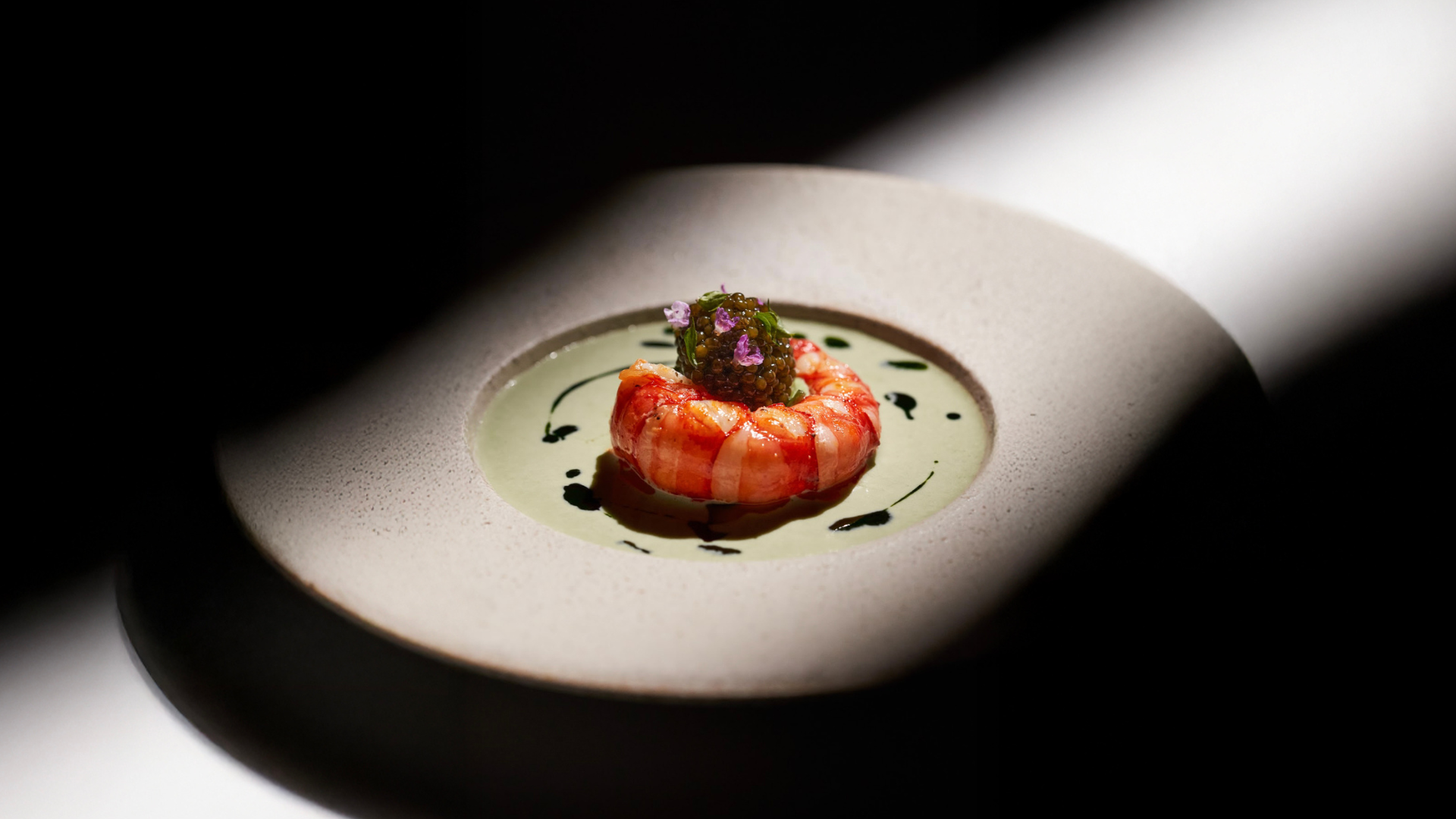
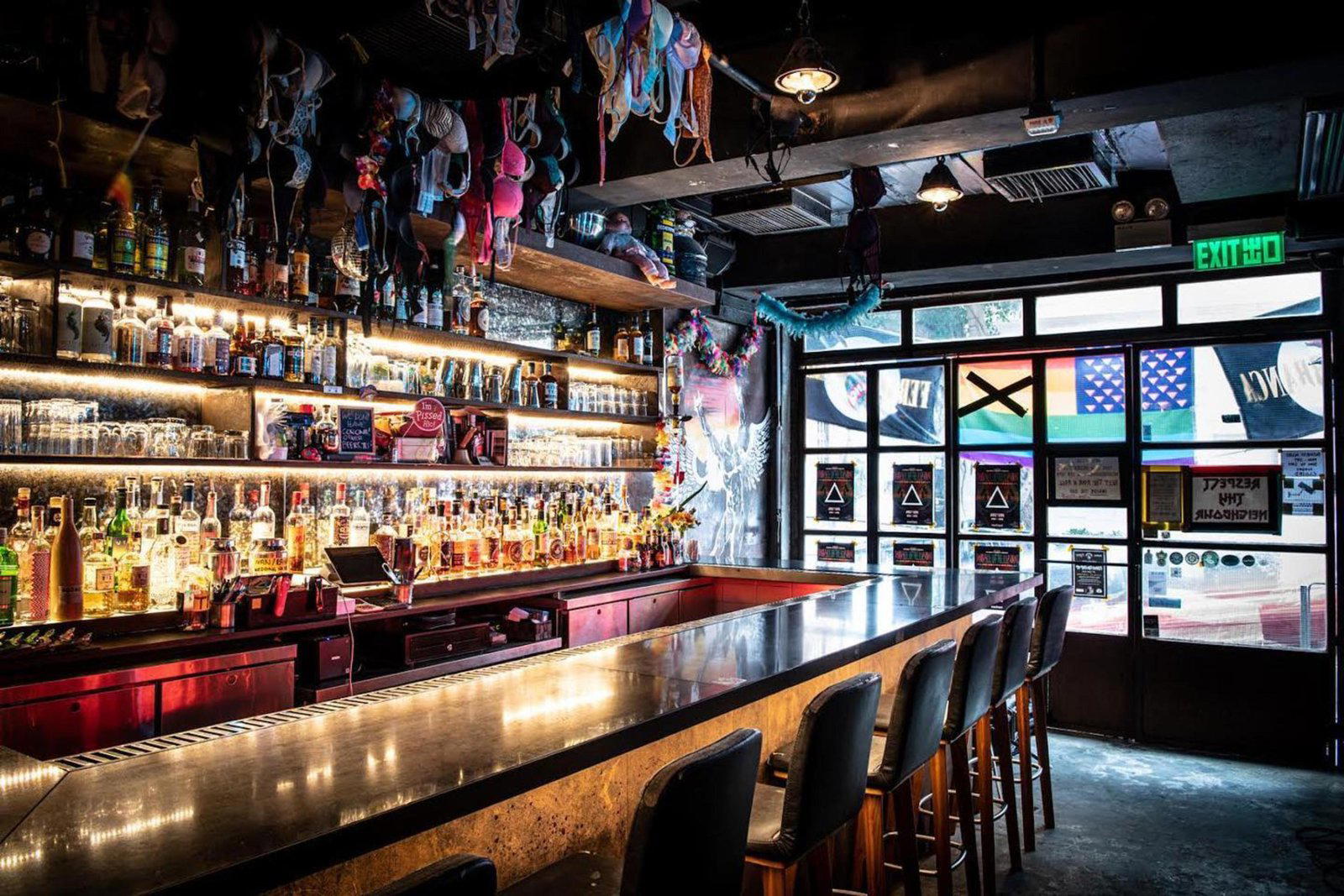
Bars in Hong Kong
All bars in Hong Kong →
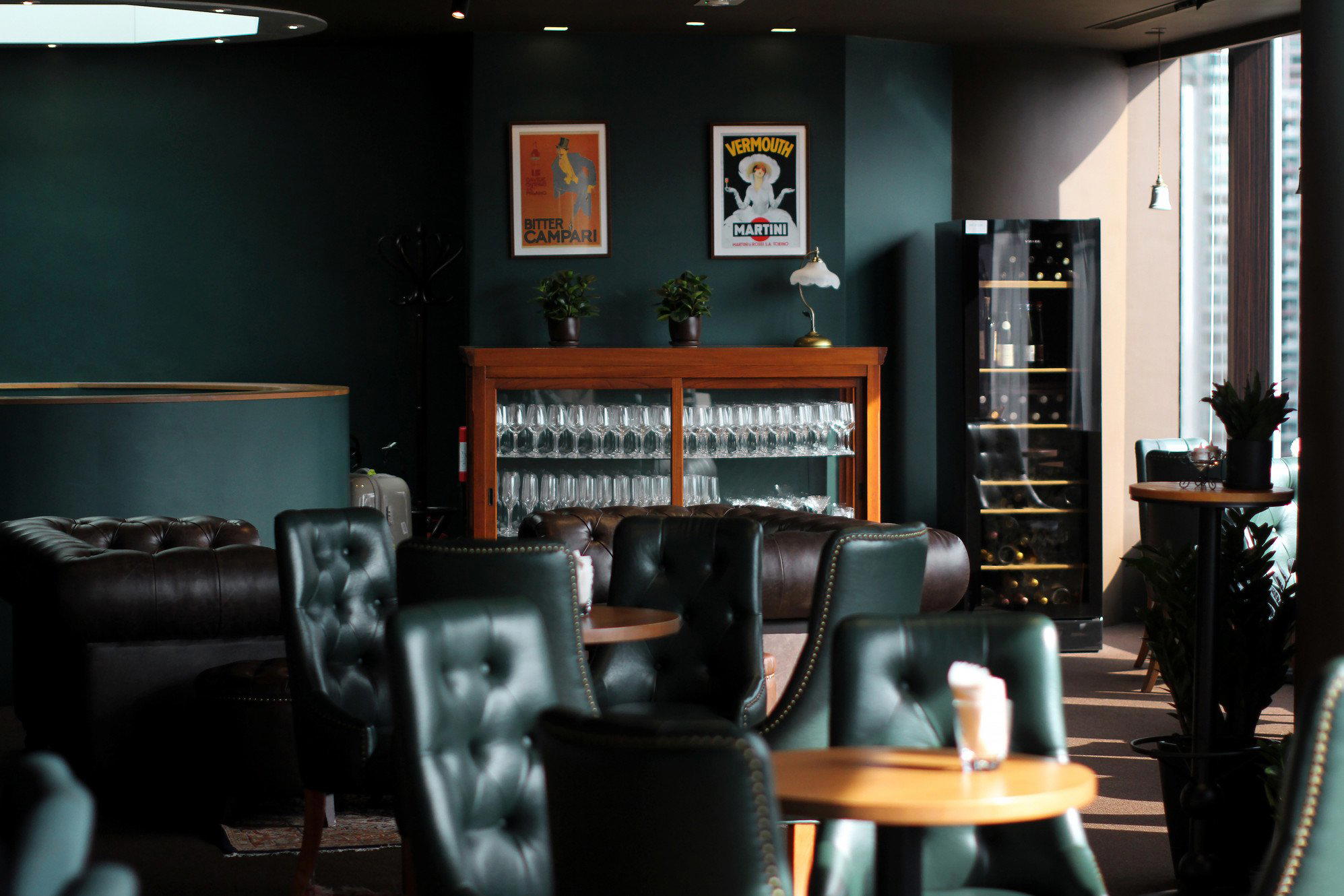
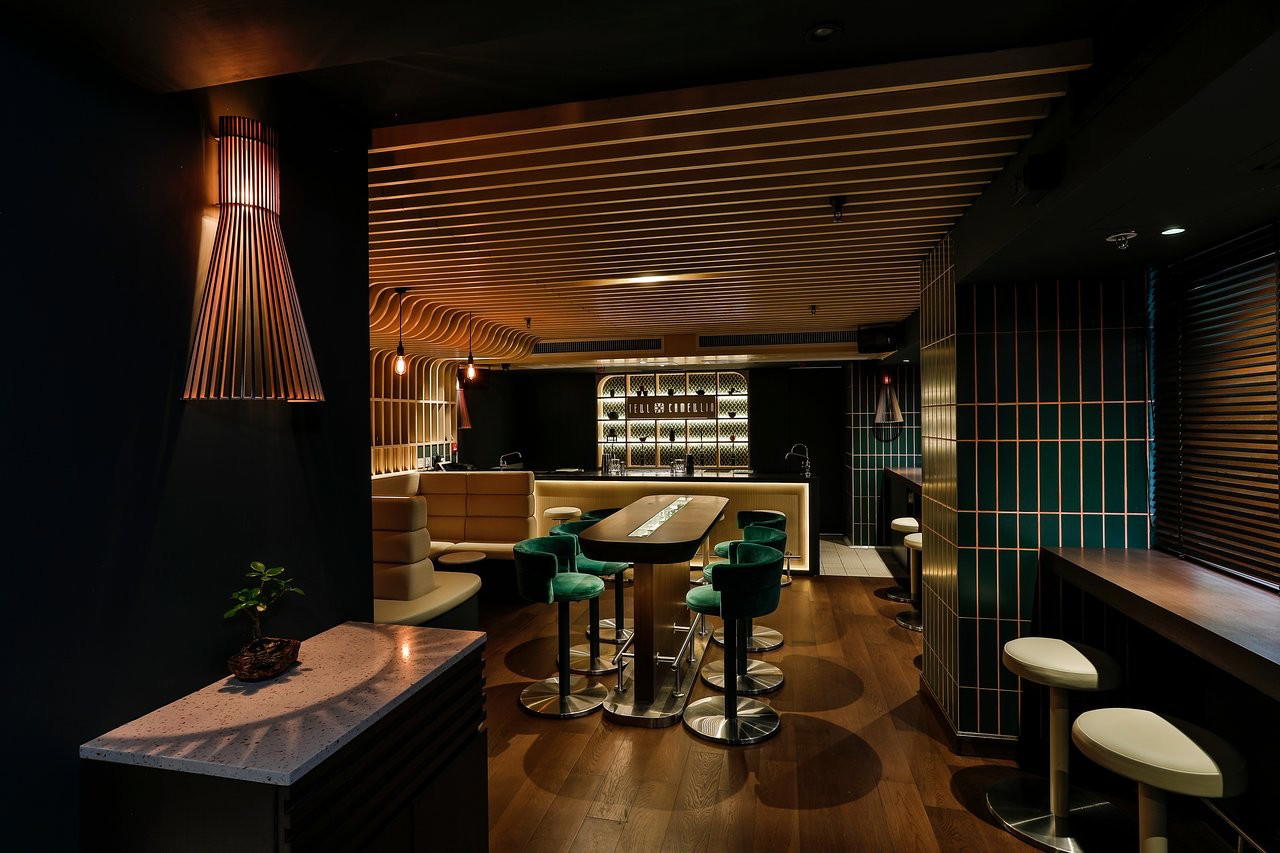
Hotels in Hong Kong
All hotels in Hong Kong →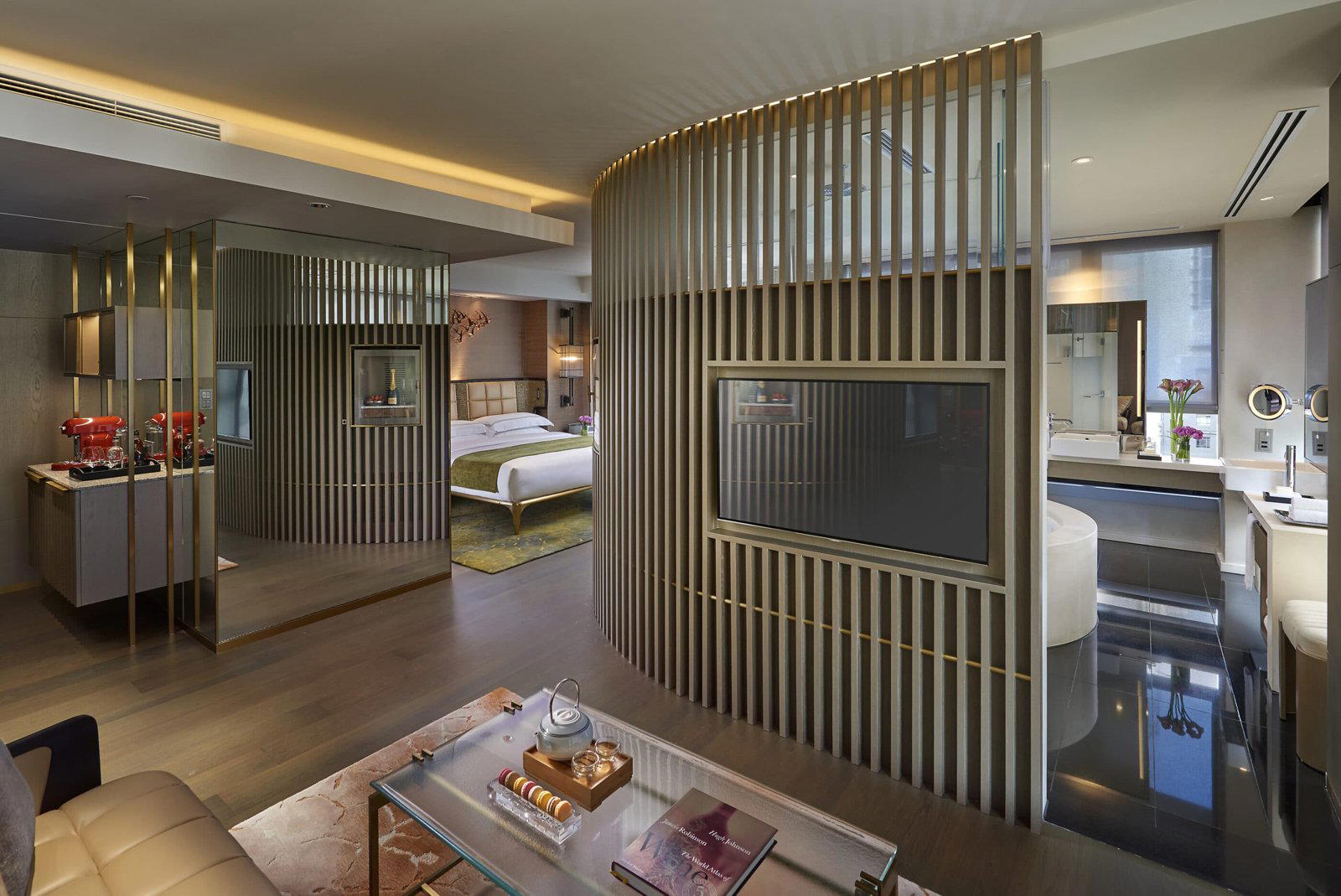
Wineries in Hong Kong
All wineries in Hong Kong →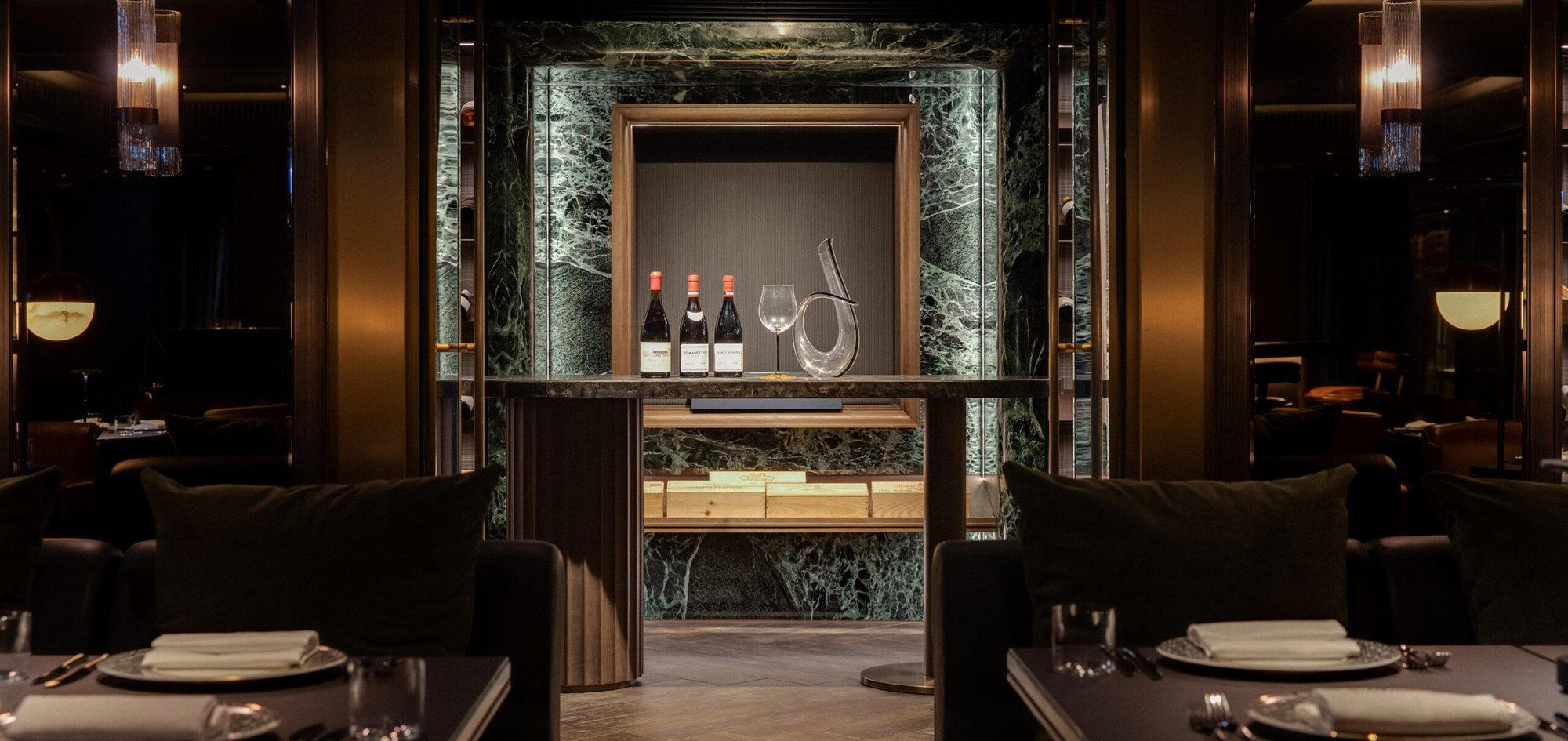
Details
- Modern
- Elegant
- Sophisticated
- Trendy
- Business Dinner
- Date Night
- Group Dining
- Special Occasion
- Celebration
- After Work
- Private Event
- Private Dining
- Design Destination
- Standalone
- Corkage Allowed
- A La Carte
- Set Menu
- Wine
- Vegetarian Friendly
Current opening hours
- Monday
- 11:30 AM–10:30 PM
- Tuesday
- 11:30 AM–10:30 PM
- Wednesday
- 11:30 AM–10:30 PM
- Thursday
- 11:30 AM–10:30 PM
- Friday
- 11:30 AM–10:30 PM
- Saturday
- 11:30 AM–10:30 PM
- Sunday
- 11:30 AM–10:30 PM
Hours can change for holidays and private events. Hours as of .
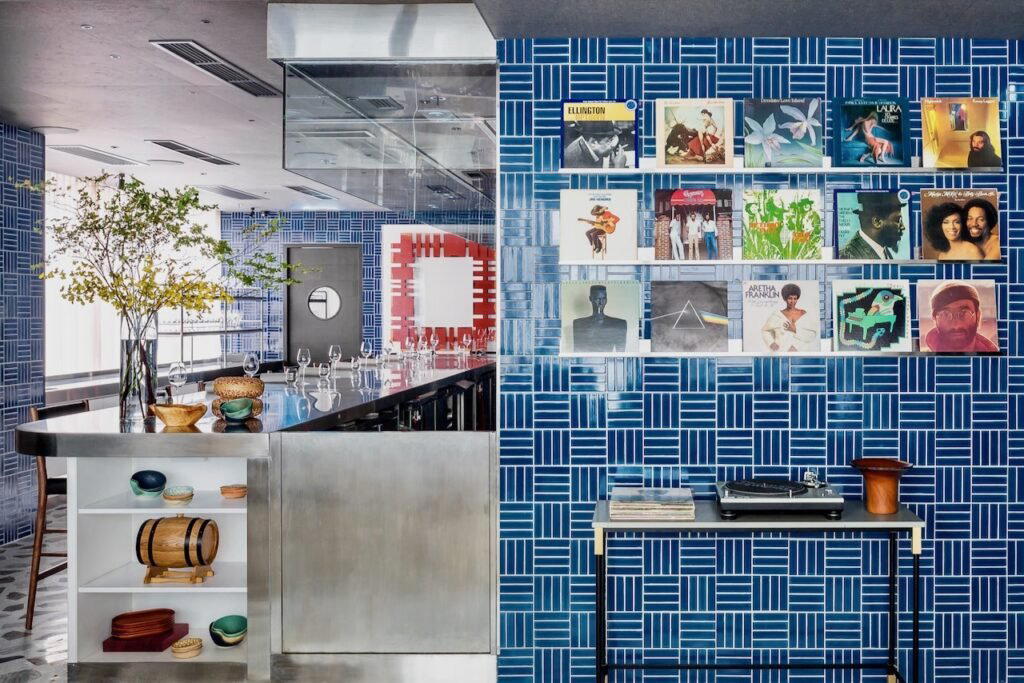
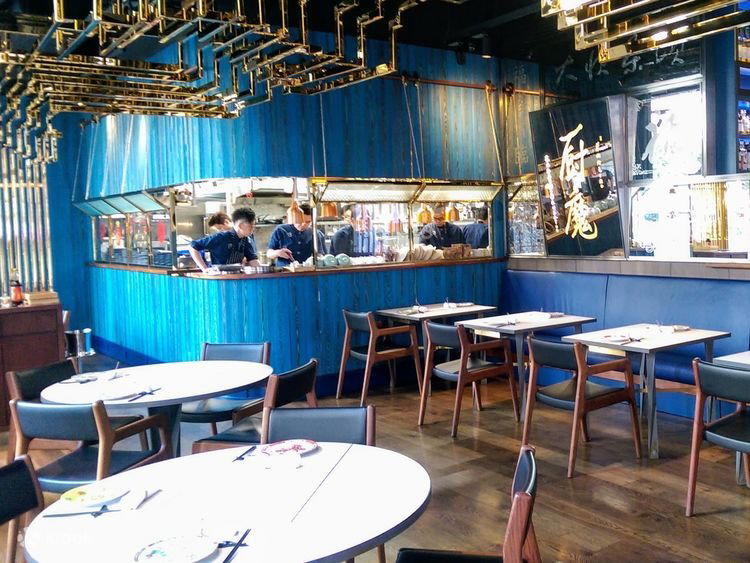
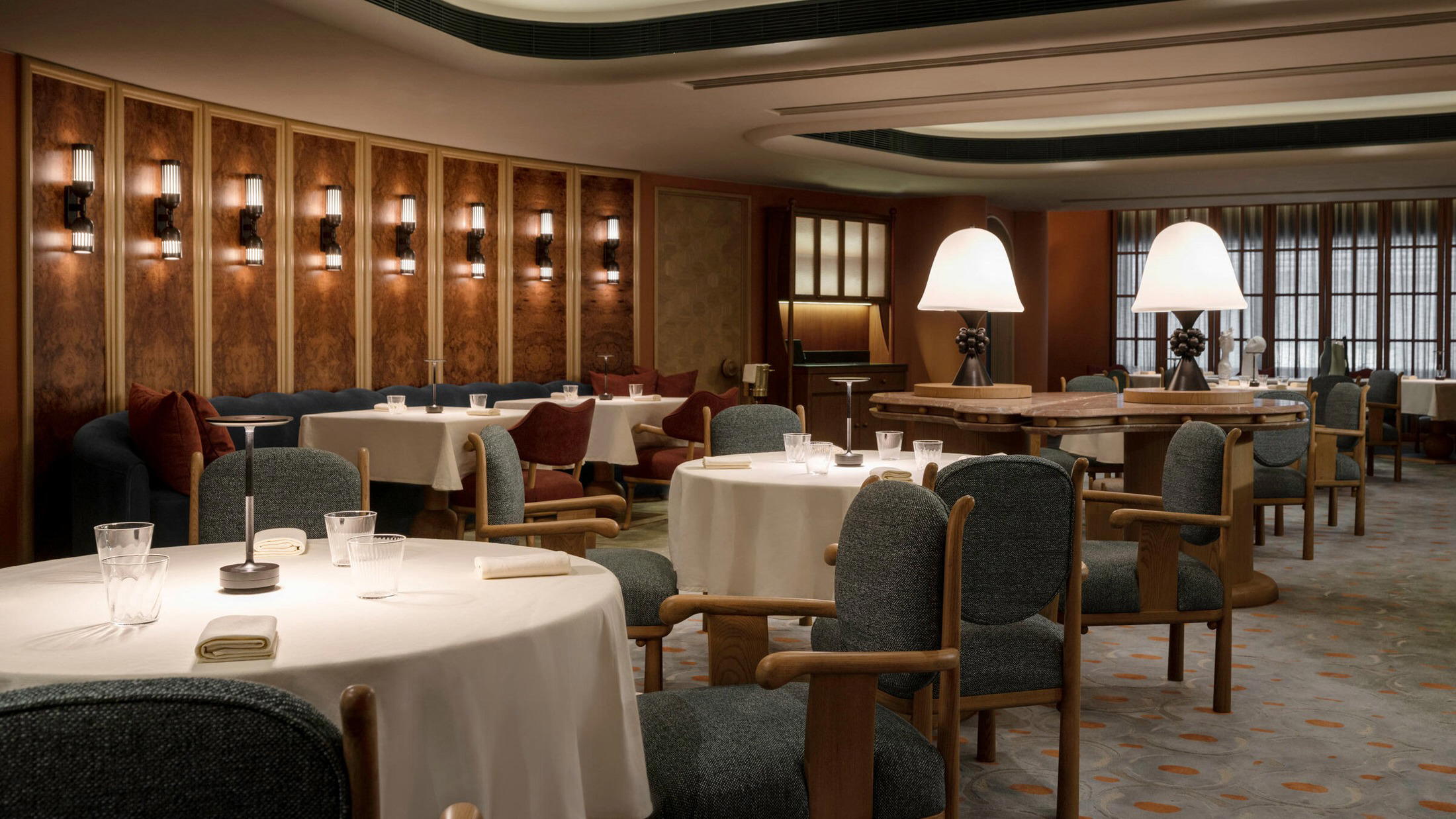
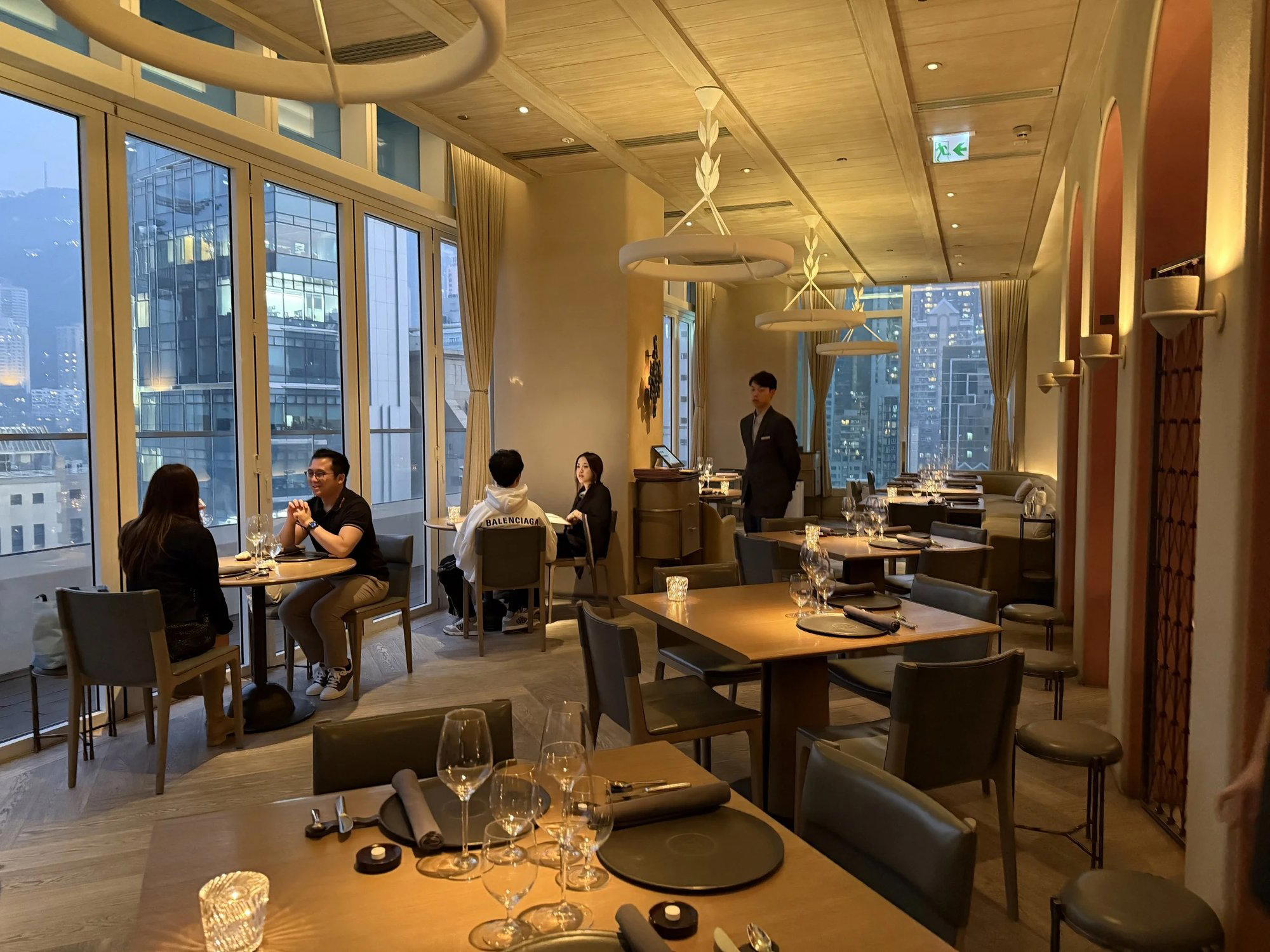
A contemporary glass-and-steel dining room typical of Central high-rises, softened by Sichuan-inspired motifs and dark, gold-toned interiors, creating a polished yet warmly lit space suited to business and celebratory dining.