Yung Kee Restaurant (鏞記) serves Classic Cantonese Roast Goose at Terminal 1 (Near Gate 40), with Charcoal Roasted Goose and Century Eggs in a lively, smart casual setting that fits lunch, dinner, or late night.
Pearl is the En Primeur Club membership app — saves, bookings, and concierge access live there. Same editors, same standards.
- Address
- Terminal 1 (Near Gate 40)
- Website
- yungkee.com.hk
- Directions
- Get directions
 Saves & bookings on Pearl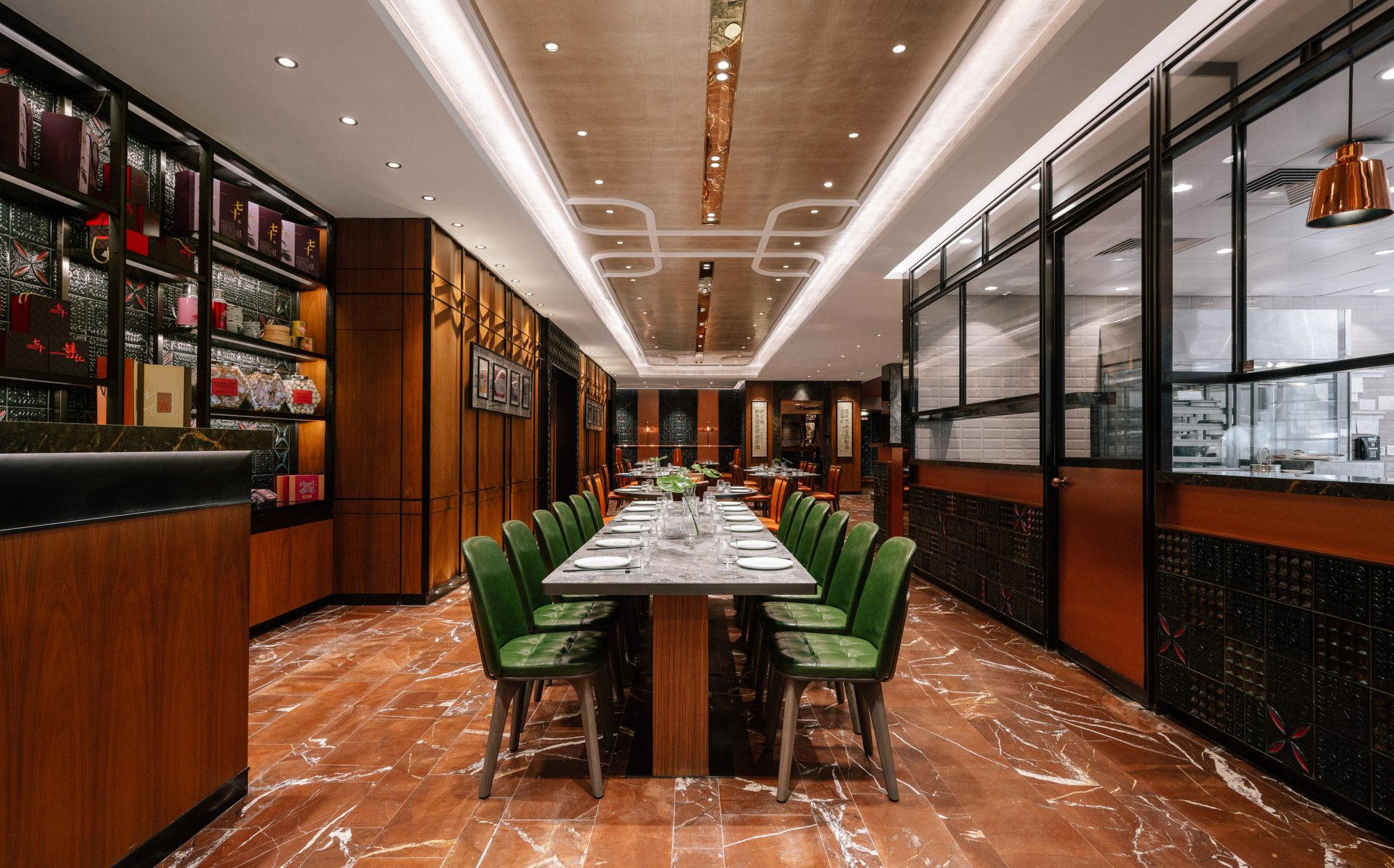
A Cantonese Institution at the Airport Gate
Hong Kong International Airport is not a place where most travellers expect to encounter culinary history. But the presence of Yung Kee Restaurant (鏞記) at Terminal 1, near Gate 40, signals something worth pausing on: that even in transit, Hong Kong insists on Cantonese cooking taken seriously. Yung Kee is an airport outpost of a long-running Hong Kong roast goose house, bringing that Cantonese tradition to Terminal 1 near Gate 40.
The airport format condenses what the Central flagship delivers across multiple floors, but the cultural logic remains intact. In Cantonese food culture, roast goose is not a special-occasion dish in the way that, say, Peking duck operates within northern Chinese tradition. It is everyday food executed at a level where craft and consistency matter more than ceremony. The leading versions, lacquered skin taut and crackling, meat retaining moisture through precise timing and temperature control, are the product of technique refined over generations rather than innovation for its own sake.
Where Yung Kee Sits in the Hong Kong Dining Map
Hong Kong's dining scene has split, over the past two decades, into two broadly readable tiers: internationally positioned fine dining, where venues like Amber, Caprice, 8 1/2 Otto e Mezzo Bombana, and Ta Vie compete on global terms, and legacy Cantonese institutions that anchor the city's food identity for locals and informed visitors alike. Yung Kee belongs firmly to the second group, alongside names like Forum, whose abalone preparations have set a different kind of benchmark for classical Cantonese technique.
The distinction matters because the two tiers are evaluated on different criteria. A visitor comparing Yung Kee to the $$$$ contemporary restaurants on EP Club's Hong Kong roster is applying the wrong frame. The relevant comparison is within Cantonese roast meat specialists, a category where longevity, sourcing consistency, and kitchen discipline across high-volume service are the credentialing signals. On those terms, Yung Kee has earned its standing.
For a broader orientation across the city's dining registers, from legacy institutions to neighbourhood discoveries, Hong Kong's guide maps the full range, including places like Gaia in Central and Western and district-specific finds from Yau Tsim Mong to Sha Tin.
The Cultural Weight of Roast Goose in Cantonese Cooking
Understanding what Yung Kee represents requires some grounding in what roast goose means within Cantonese culinary tradition. Guangdong province, from which Hong Kong's food culture descends, developed a roasting tradition built around precise wood-fired or charcoal technique, closely guarded marinades, and timing protocols that vary by bird weight and season. The goose, fattier and more flavourful than duck, was the prestige bird, and the leading roast houses in Hong Kong maintained sourcing relationships with specific farms to control quality at the raw material level.
The autumn and winter months, roughly October through February, are when the birds are at their fattest and the skin reaches optimal rendering quality. Travellers passing through Hong Kong during this window are encountering roast goose at its seasonal peak. That seasonal logic, common knowledge among Cantonese households, is rarely communicated in airport dining contexts, where the framing is typically one of convenience rather than craft.
This context also explains why roast goose houses that have maintained quality over decades carry a different cultural weight than newer entrants to the category. In Cantonese food culture, time in operation is a form of evidence, not nostalgia. A kitchen that has sustained standards across generational turnover has demonstrated something that a younger operation, however technically accomplished, cannot yet claim.
Navigating the Terminal 1 Format
The airport location near Gate 40 is a practical entry point for travellers with Hong Kong layovers long enough to allow airside dining but not a city excursion. It also serves departing passengers who want a final Cantonese meal before leaving the city without backtracking into Central. The format at this location is necessarily more condensed than the multi-floor flagship, and the menu scope reflects that compression.
Hong Kong's airport dining has matured considerably since the early years of HKIA. The mix now includes outposts of city restaurants rather than generic international chains, and Yung Kee's presence is part of that pattern, alongside other establishments that treat the terminal as a real venue. For travellers exploring Hong Kong's broader food geography, the airport itself now functions as an introduction to the city's dining plurality, a range that extends from Aberdeen's floating restaurant heritage to neighbourhood specialists like King of Soybeans in Wong Tai Sin and Hoi Tin Garden in Tuen Mun.
One-ThirtyOne in Tai Po and Gangstas in the Islands represent the kind of varied dining character that makes Hong Kong worth exploring beyond the central corridors. Even the city's international contingent, from Habib's in Kwun Tong to I Love Istanbul in Tsuen Wan, reflects the pragmatic cosmopolitanism that defines Hong Kong's food culture.
Le Bernardin in New York City and the more recent Korean-American fine dining model at Atomix offer instructive comparisons in how cuisine-rooted identity sustains critical standing over time.
Planning Your Visit
The Terminal 1 location places Yung Kee within the airside zone near Gate 40, accessible to departing and transit passengers who have cleared security. Reservations are recommended. Travellers departing on evening flights from Hong Kong during the cooler months have the aligned timing: the kitchen at its seasonal leading, and the departure schedule allowing a meal that functions as a considered final note rather than a rushed convenience stop.
Similar Picks
Comparable venues nearby, for context on price, style, and recognition.
| Venue | Cuisine | Price | Notes |
|---|---|---|---|
| Yung Kee Restaurant (鏞記)This venue — the venue you are viewing | Classic Cantonese Roast Goose | $$$ | Not listed |
| Shanghai Yu Yuan | Shanghainese Fine Dining | $$$ | Wan Chai |
| Big JJ Seafood Hotpot | Hong Kong-style seafood hotpot & wine bar | $$$ | Central |
| Crystal Bus Sightseeing Dining Tour 水晶巴士 觀光餐廳 | Cantonese Dim Sum on Sightseeing Bus | $$$ | Yau Tsim Mong North |
| Man Ho Chinese Restaurant (JW Marriott Hotel Hong Kong) | Michelin-starred Cantonese Fine Dining | $$$$ | Admiralty |
| San Xi Lou | Authentic Sichuan with Dim Sum and Hotpot | $$$ | Wan Chai |
Continue exploring
More in Hong Kong
Restaurants in Hong Kong
Browse all →
Bars in Hong Kong
Browse all →
At a Glance
- Classic
- Well Known
- Group Dining
- Special Occasion
- Historic Building
- Standalone
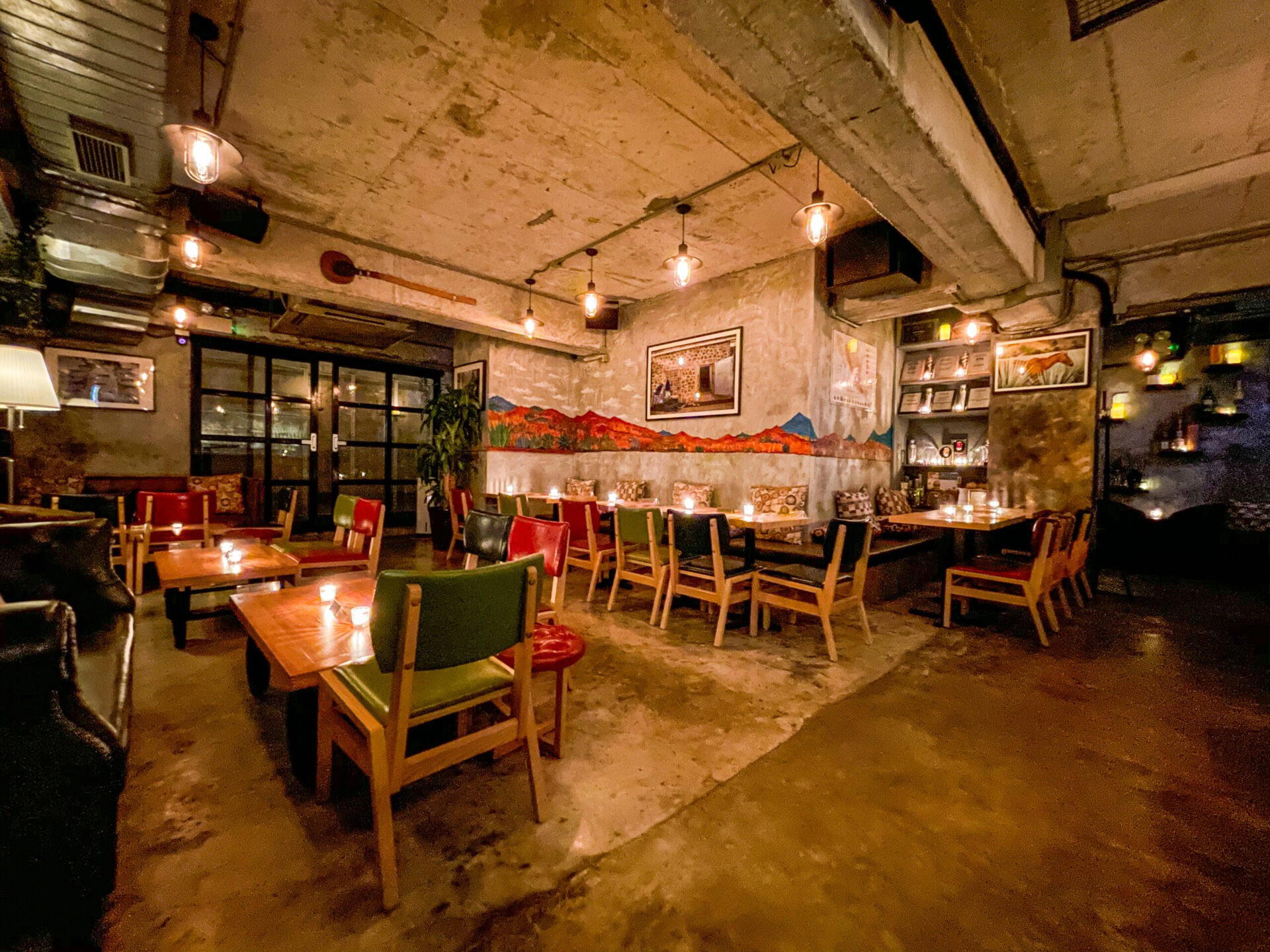
Busy, historic dining hall with comfortable environment, efficient service, and a lively atmosphere reflecting its landmark status.