

SCMP 100 Top Tables Restaurants
Our verdict
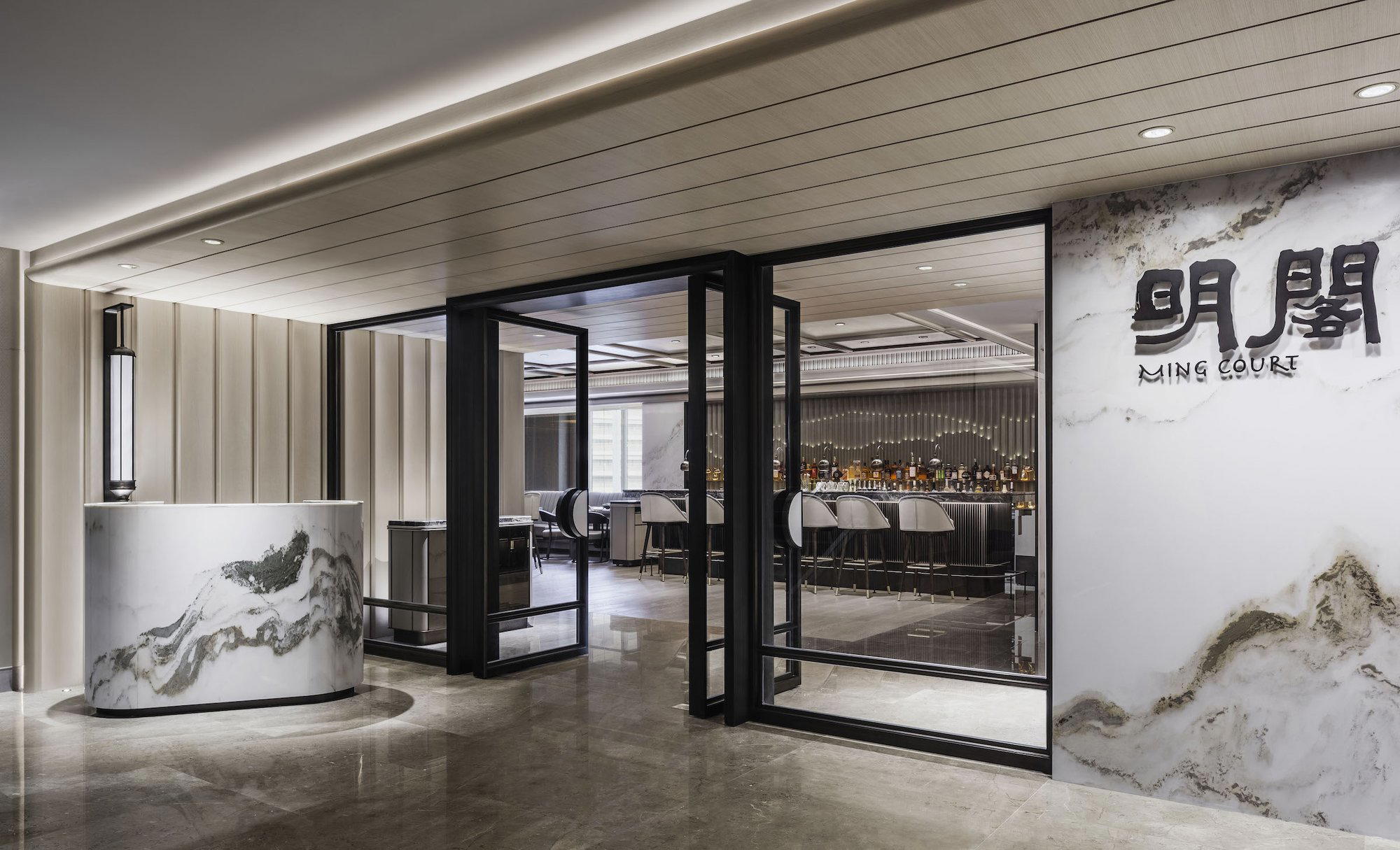
Ming Court occupies a well-established position in Hong Kong's formal Cantonese dining tier, operating from Wan Chai's Great Eagle Centre with a room format that suits extended, ceremony-conscious meals. The kitchen follows classical Cantonese technique, making it a reference point for the kind of banquet-paced dining that the city's most serious tables have long practised. It sits alongside Forum and Caprice as a venue where the ritual of the meal carries as much weight as the food itself.

Pearl is the En Primeur Club membership app, where members save venues, book tables and use the concierge.
The menu
What to order
- Barbecued Iberico Pork Belly
- Silver Hill Duck
- Stir-fried Wagyu with Black Truffles
- Deep-fried Crab Shell
Wan Chai and the Cantonese Dining Tradition
Hong Kong's formal Cantonese dining scene has long operated on its own internal logic: pacing measured in courses rather than hours, service choreographed around the table rather than the individual diner, and a set of unwritten protocols governing everything from how tea is poured to when the fish arrives. In this context, a meal at the upper end of the market is not simply a transaction for food, it is a structured social event with its own grammar. Ming Court, situated on the second floor of the Great Eagle Centre on Harbour Road in Wan Chai, belongs to that tradition. The address itself carries weight: Wan Chai's restaurant corridor along Harbour Road has historically housed some of the city's more serious formal dining rooms, operating at a remove from the tourist-heavy streets of Tsim Sha Tsui while remaining accessible to the business and diplomatic circuits that treat this kind of table as neutral, high-quality ground.
Cantonese cuisine at the formal end of the spectrum is one of the most technically demanding in Chinese cooking. The emphasis on clarity of flavour, precision of heat, and ingredient quality means that the margin between a competent kitchen and a distinguished one is narrow and immediately legible to anyone who has spent time eating seriously in the city. It is a cuisine that does not hide behind heavy seasoning or elaborate plating conceits, the work is in the wok timing, the stock reduction, and the sourcing. For context on the breadth of Hong Kong's fine dining offer, see our full Hong Kong restaurants guide.
The Architecture of a Formal Cantonese Meal
The dining ritual at a room like Ming Court follows a structure that differs fundamentally from the tasting-menu formats that dominate European-influenced fine dining in the same city. Where Amber or Caprice at the Four Seasons deliver meals sequenced by the kitchen, formal Cantonese banquets are organised around the table's collective appetite, with dishes arriving in a pattern that moves from lighter to richer, from refined to celebratory. Dim sum service, where it is offered, operates on its own separate logic, a morning or midday ritual governed by the trolley, the bamboo steamer stack, and a pacing that encourages extended occupation of the table rather than turnover.
The etiquette at this tier is precise. Tea service opens the meal and functions as both practical refreshment and social signal, the variety chosen, and how it is poured and received, communicates respect and familiarity. Shared dishes are served to the table rather than plated individually, which means that ordering is a collaborative act, typically led by the most senior person present or the host. Whole fish, roasted meats, and seasonal specialties are the markers of a serious occasion, and a skilled captain will steer the table toward combinations that reflect both the kitchen's current strengths and the seasonal calendar.
This format requires a different kind of engagement from the diner than the passive, course-by-course experience of a chef-driven tasting menu at venues like Ta Vie or 8½ Otto e Mezzo Bombana. At Ming Court, the diner is an active participant in constructing the meal. Understanding the seasonal availability of ingredients, winter melon, hairy crab in autumn, the succession of different prawn varieties through the year, is part of what separates a regular from a first-time visitor. Globally, parallels exist at formal rooms like Le Bernardin in New York or Alain Ducasse at Louis XV in Monte Carlo, where the orchestration of the meal is itself part of the proposition, though the underlying ritual logic is entirely different.
Where Ming Court Sits in the Competitive Set
Hong Kong's formal Chinese dining market is stratified by cuisine type as much as by price. The city's most referenced Cantonese rooms, Forum prominent among them, occupy a tier where Michelin recognition and long operational histories function as the primary credentialling signals. Ming Court operates in that same bracket: a formal room with a physical address in a recognised commercial hotel zone, a menu oriented around Cantonese classics and seasonal specialties, and a service model calibrated to business entertainment and celebratory dining rather than casual walk-ins.
The comparison table below positions Ming Court against a selection of Hong Kong fine dining peers across key logistics dimensions.
| Venue | Cuisine | Price Range | Typical Booking Lead Time |
|---|---|---|---|
| Ming Court | Cantonese | Not published | Advance recommended for groups |
| Forum | Cantonese | $$$$ | Several weeks for prime slots |
| Caprice | French Contemporary | $$$$ | Several weeks |
| Ta Vie | Japanese-French | $$$$ | Several weeks |
| 8½ Otto e Mezzo Bombana | Italian | $$$$ | Several weeks |
For those planning a broader Hong Kong itinerary, the city's offer extends well beyond restaurants. See our full Hong Kong hotels guide, bars guide, wineries guide, and experiences guide for a complete picture of the city's premium offer.
Planning the Visit
Wan Chai is one of Hong Kong's most directly accessible districts, served by the Wan Chai MTR station and positioned along the northern waterfront between Admiralty and Causeway Bay. The Great Eagle Centre is a commercial building in the Harbour Road business cluster, which means the immediate area operates on business-day rhythms: weekday lunches here draw the corporate and professional circuits, while weekend dinners and weekend dim sum sessions attract family groups for whom a formal Cantonese lunch is a weekly ritual rather than a special occasion. Autumn and winter are the seasons most associated with elaborate Cantonese banqueting, as the cooler months align with the arrival of premium seasonal ingredients. Visitors planning a meal around specific seasonal dishes should confirm current availability directly with the restaurant, as the calendar shifts year to year depending on supply.
Globally, the kind of ritualised dining experience that Ming Court represents has counterparts at formal rooms that similarly make ceremony central to their proposition: Arzak in San Sebastián, Alléno Paris au Pavillon Ledoyen, and Aponiente in El Puerto de Santa María each foreground the structure of the meal as part of the experience. But the Cantonese banquet format is distinct in that its ritual is communal and collaborative rather than chef-directed, which changes the nature of the diner's role entirely. For those more familiar with individual tasting menus at rooms like Atomix in New York or Lazy Bear in San Francisco, the shift in dynamic at a formal Cantonese table is worth preparing for, and, for most serious diners, worth the adjustment.
Frequently asked questions
How do I find Ming Court?
Ming Court is located at 2/F, Great Eagle Centre, 23 Harbour Rd, Wan Chai, Hong Kong, Hong Kong.
How does Ming Court compare to other formal Cantonese restaurants in Hong Kong?
Hong Kong's formal Cantonese market is stratified by cuisine tradition, price tier, and room format, with rooms like Forum in Causeway Bay and the Michelin-recognised addresses in Central setting the reference points. Ming Court's location at Great Eagle Centre in Wan Chai positions it outside the Central-Admiralty cluster, which gives it a distinct client base skewed toward Wan Chai's business community rather than the hotel-dining crowd. Within that competitive set, it operates as a full-service room following the classical Cantonese structure rather than a specialist single-dish destination.
What do regulars order at Ming Court?
Ming Court sits within the formal Cantonese tradition where roasted meats, braised dishes, and dim sum across a structured course sequence define the meal. In rooms of this type on the Hong Kong Cantonese circuit, regulars tend to anchor orders around roast meats and steamed seafood. The address at Great Eagle Centre in Wan Chai places it in a district where business dining drives repeat custom, meaning the kitchen holds to the classical repertoire that table-by-table regulars expect.
What's the best way to book Ming Court?
Phone and walk-in remain the standard booking channels for Cantonese rooms of this standing in Hong Kong, particularly for group and banquet tables where the kitchen needs advance notice on format. The restaurant is located at 2/F, Great Eagle Centre, 23 Harbour Road, Wan Chai. Arriving through the Wan Chai MTR station and walking along the northern waterfront is the most direct route, which also makes same-day inquiries feasible for solo diners or pairs.
What's the signature at Ming Court?
For formal Cantonese restaurants in Hong Kong at this tier, the structural signature is the course sequence itself: the pacing, the transition between cold dishes, soups, mains, and rice courses follows a discipline that European tasting-menu formats rarely replicate. Ming Court's position in Wan Chai, a district with its own longstanding Cantonese dining culture, reinforces that the room operates on traditional terms rather than adapting to tourist expectations.
Can Ming Court accommodate dietary restrictions?
Cantonese kitchens at this level in Hong Kong generally accommodate requests communicated at the time of booking, particularly for vegetable-forward substitutions within the set course structure. Shellfish and pork feature heavily in the classical Cantonese repertoire, so guests with specific restrictions should flag requirements when reserving a table at the Great Eagle Centre address. Complex allergy situations benefit from direct contact with the restaurant before arrival.
Is Ming Court worth it?
Ming Court occupies the Wan Chai dining market as a formal Cantonese room operating within the course-based tradition that defines Hong Kong's most referenced Chinese restaurants. For a meal structured the way Hong Kong's Cantonese dining culture intended, with pacing and sequencing that a casual Chinese restaurant won't replicate, the address at 23 Harbour Road holds its place. Whether the experience justifies the spend depends on how much the structural formality of that tradition matters to the diner.
Nearby-ish Comparables
Comparable venues nearby, for context on price, style, and recognition.
| Venue | Cuisine | Price | Awards | Notes |
|---|---|---|---|---|
| Ming CourtThis venue (the venue you are viewing) | Authentic Cantonese Fine Dining | $100–150 | SCMP 100 Top Tables Restaurants | Not listed |
| Flower Drum | Modern Cantonese Fine Dining | $50–100 | Not listed | Wan Chai |
| Mott 32 | Modern Cantonese with Shanghai & Beijing Influences | $30–50 | Black Pearl 1 Diamond · Wine Spectator Best of Award of Excellence | Central |
| Chinesology | Modern Cantonese Fine Dining | $150–200 | Black Pearl 1 Diamond | Central |
| Howard's Gourmet | Modern Chiu Chow Fine Dining | $200–300 | La Liste Top Restaurants · Black Pearl 3 Diamond | Central |
| Mián | Modern Regional Chinese | $50–100 | SCMP 100 Top Tables Restaurants | Central |
Recognition history
Dated appearances from independent guides and award organizations, with the underlying list record or original source where available.
Opinionated About Dining Top Restaurants in Asia Recommended
Opinionated About Dining
SCMP 100 Top Tables Restaurants
SCMP 100 Top Tables
Continue exploring
More in Hong Kong
Restaurants in Hong Kong
All restaurants in Hong Kong →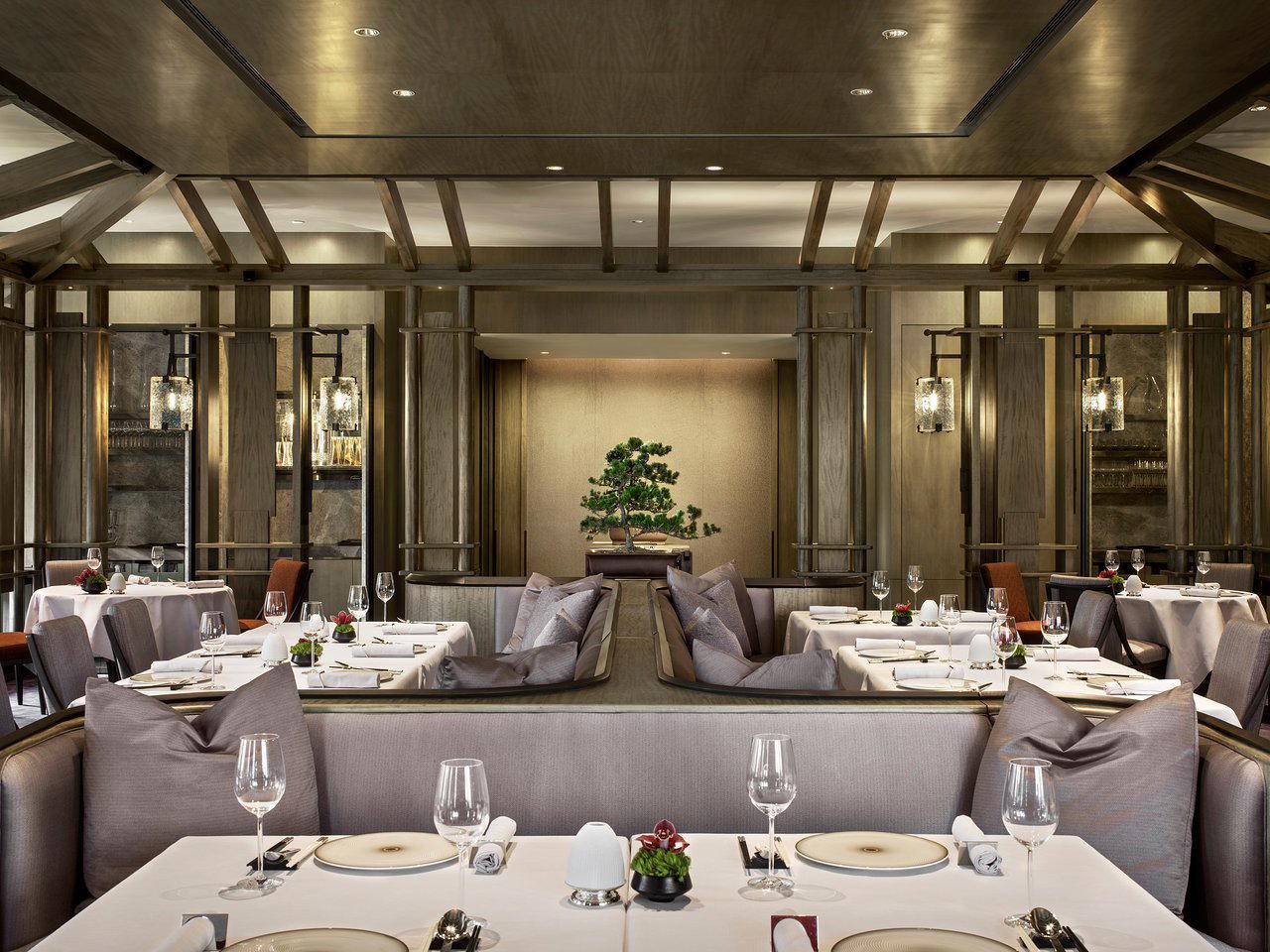
Bars in Hong Kong
All bars in Hong Kong →
Hotels in Hong Kong
All hotels in Hong Kong →
Wineries in Hong Kong
All wineries in Hong Kong →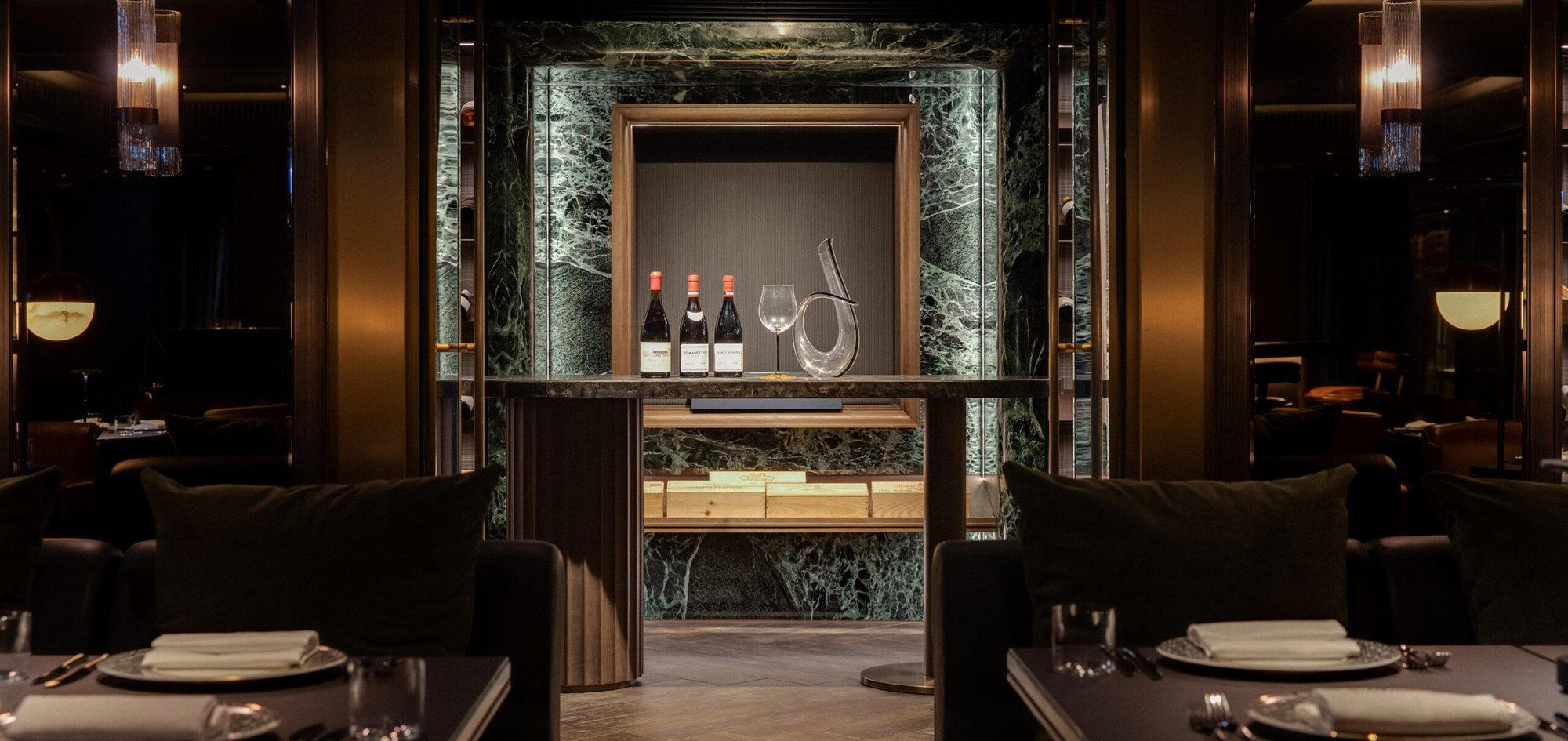
Details
- Elegant
- Sophisticated
- Ornate
- Classic
- Business Dinner
- Special Occasion
- Group Dining
- Celebration
- Hotel Restaurant
- Private Dining
- Extensive Wine List
- Local Sourcing
- A La Carte
- Tasting Menu
- Wine
- Vegetarian Friendly
Current opening hours
- Monday
- 11:30 AM–2:30 PM, 6–10 PM
- Tuesday
- 11:30 AM–2:30 PM, 6–10 PM
- Wednesday
- 11:30 AM–2:30 PM, 6–10 PM
- Thursday
- 11:30 AM–2:30 PM, 6–10 PM
- Friday
- 11:30 AM–2:30 PM, 6–10 PM
- Saturday
- 11 AM–3 PM, 6–10 PM
- Sunday
- 11 AM–3 PM, 6–10 PM
Hours can change for holidays and private events. Hours as of .
Luxurious and modern Chinese style interior with spacious seating and elegant presentation.